
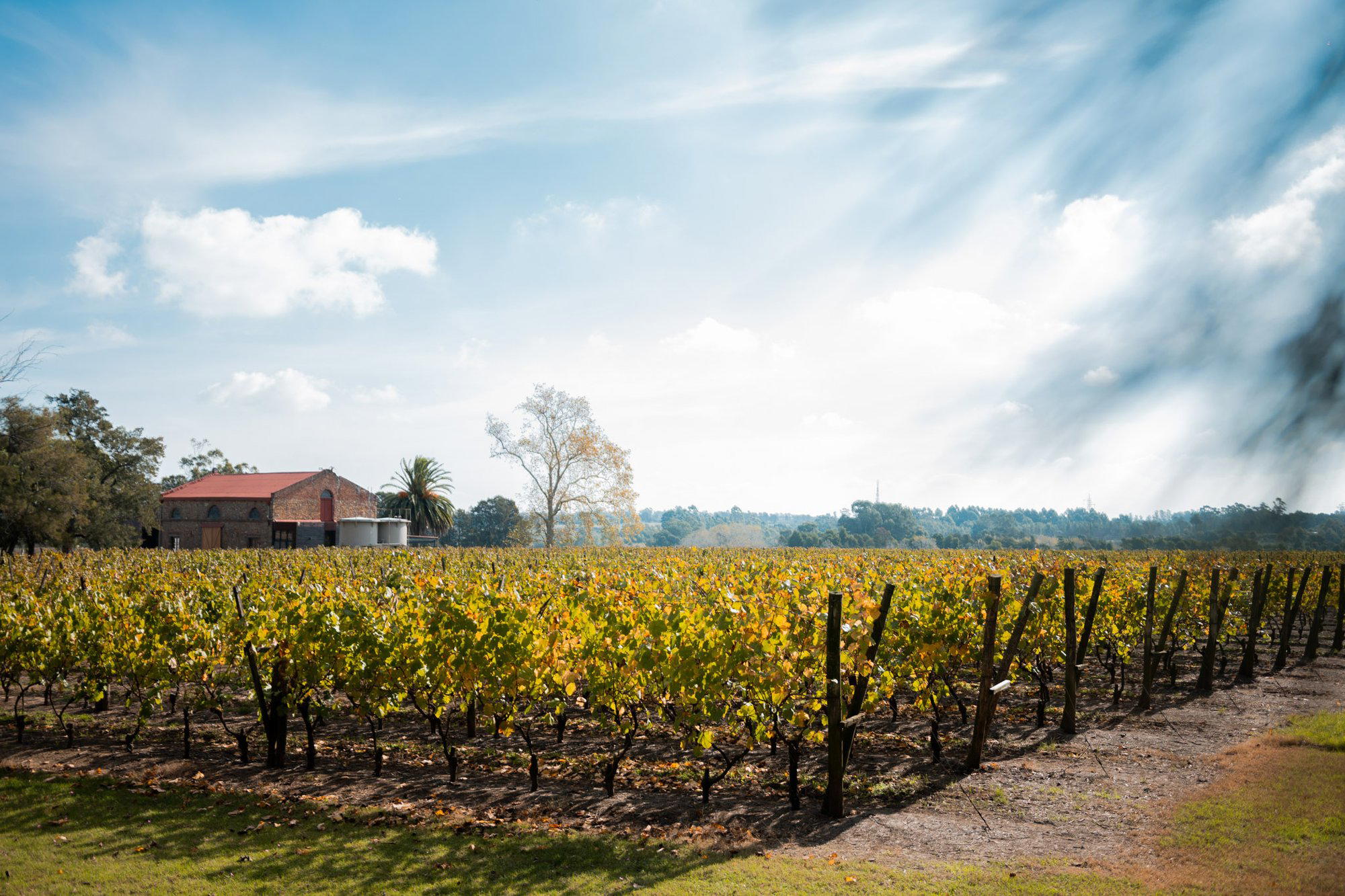
Canelones, Uruguay
Restaurants, hotels, bars and wineries in Canelones from the En Primeur Club guide.
Accolades in Canelones

Varela Zarranz has Uruguay’s largest collection of French oak barrels in use. Bodega Juanicó has an underground cava dating to 1830, and Antigua Bodega Stagnari holds a Falstaff Winery listing for 2026.
Varela Zarranz in Joaquín Suarez dates to 1888. It keeps more French oak barrels in use than any other winery in Uruguay. Century-old olive trees line the path leading to the estate.
In Juanicó, Bodega Juanicó is run by a family and has a cava below ground that dates to 1830. Bodega Juanicó has vineyard and garden views and old brick-and-stone winery architecture. Its wine experiences centre on Tannat, and gourmet lunches include wine pairings.
In La Paz, Antigua Bodega Stagnari is a historic family-owned winery built in 1928 on pink granite soils. Its winemaking spans six generations. It holds a Falstaff Winery listing for 2026.
Bodega Toscanini in Las Piedras focuses on premium Tannat from estate vineyards, and Viña Progreso in Progreso works with lesser-known grape varieties. Artesana in Las Brujas produces estate-grown Tannat-led wines and Zinfandel.
Bodega Toscanini in Las Piedras is a family-owned winery with over 100 years of winemaking tradition. Its production draws on Italian immigrant heritage and Atlantic-influenced viticulture. It focuses on premium Tannat from estate vineyards.
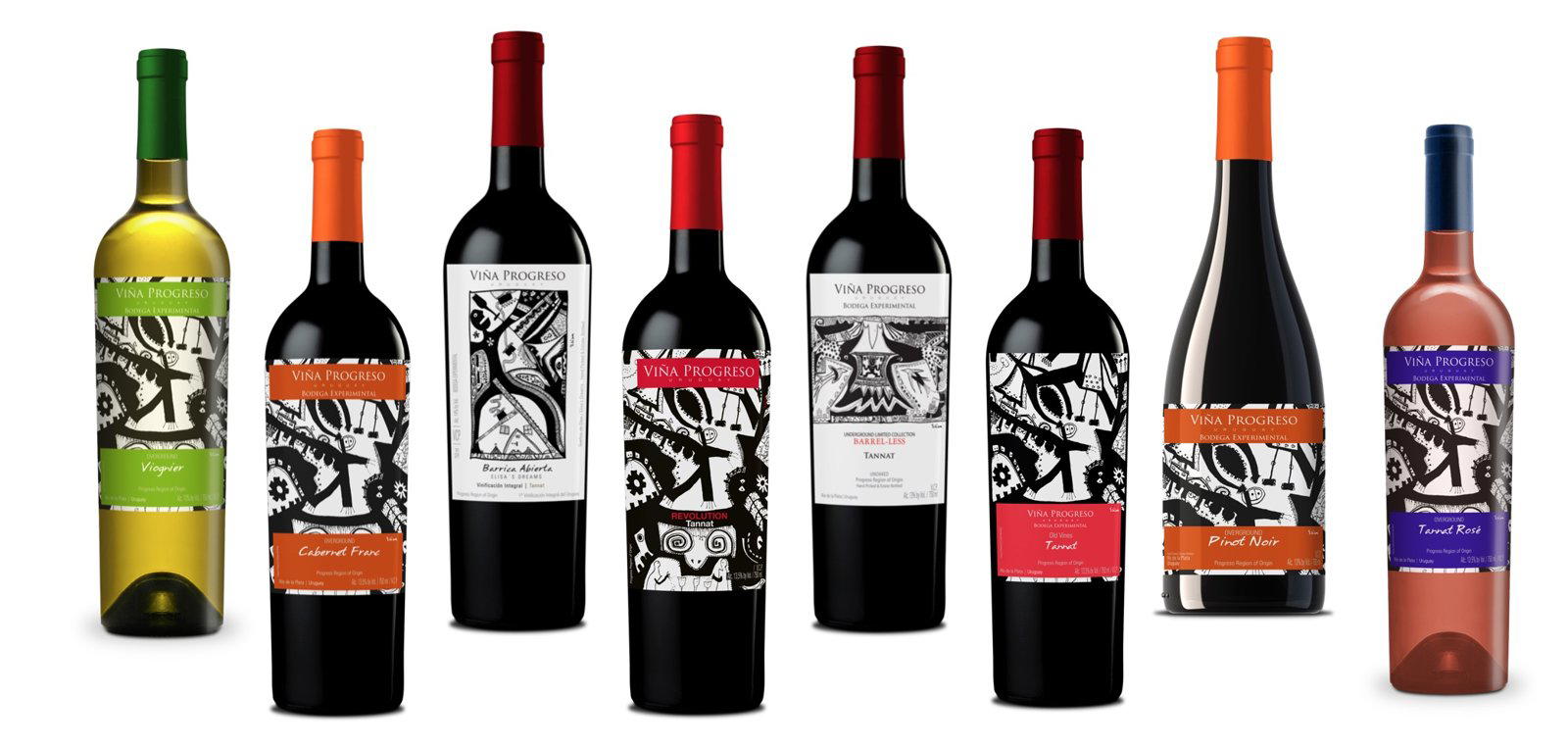
Viña Progreso in Progreso is an experimental winery focused on lesser-known grape varieties and innovative techniques. Its wines reflect the fruit-forward, Atlantic-influenced viticulture of the area. The winery sits in the small town of Progreso.
Artesana in Las Brujas is the sole Uruguayan producer of Zinfandel. The winery makes Tannat-led wines from estate-grown grapes and offers tours of its vineyards, along with tastings prepared by a chef.
Canelones has 15 wineries in our guide. The selection includes Antigua Bodega Stagnari in La Paz and Bracco Bosca in Atlántida, both with a Falstaff Winery listing for 2026, and Varela Zarranz in Joaquín Suarez, founded in 1888.
Progreso and Las Piedras have two wineries each in our guide. Bodega Pisano in Progreso makes artisanal wines focused on varietal expression. Bodega Toscanini in Las Piedras produces premium Tannat from estate vineyards.
Joaquín Suarez has Varela Zarranz, with Uruguay’s largest collection of French oak barrels in use. La Paz has Antigua Bodega Stagnari, a family-owned winery on pink granite soils with a Falstaff Winery listing for 2026. Bracco Bosca in Atlántida also holds a Falstaff Winery listing for 2026 and produces Gran Ombú Cabernet Franc from old vines and dry Moscatel wines.
Our guide has no Michelin-starred restaurants in Canelones. Its 15 wineries include Bodega Juanicó in Juanicó, where gourmet lunches come with wine pairings, and Artesana in Las Brujas, which offers tastings prepared by a chef.
By Emmett Haley · Updated October 8, 2026 · Editorial standards
Canelones
Selected entries from the current guide for Canelones.
No venues found.
Canelones
Selected entries from the current guide for Canelones.
No venues found.
Canelones
Selected entries from the current guide for Canelones.
No venues found.
Canelones
Selected entries from the current guide for Canelones.
Canelones, Uruguay
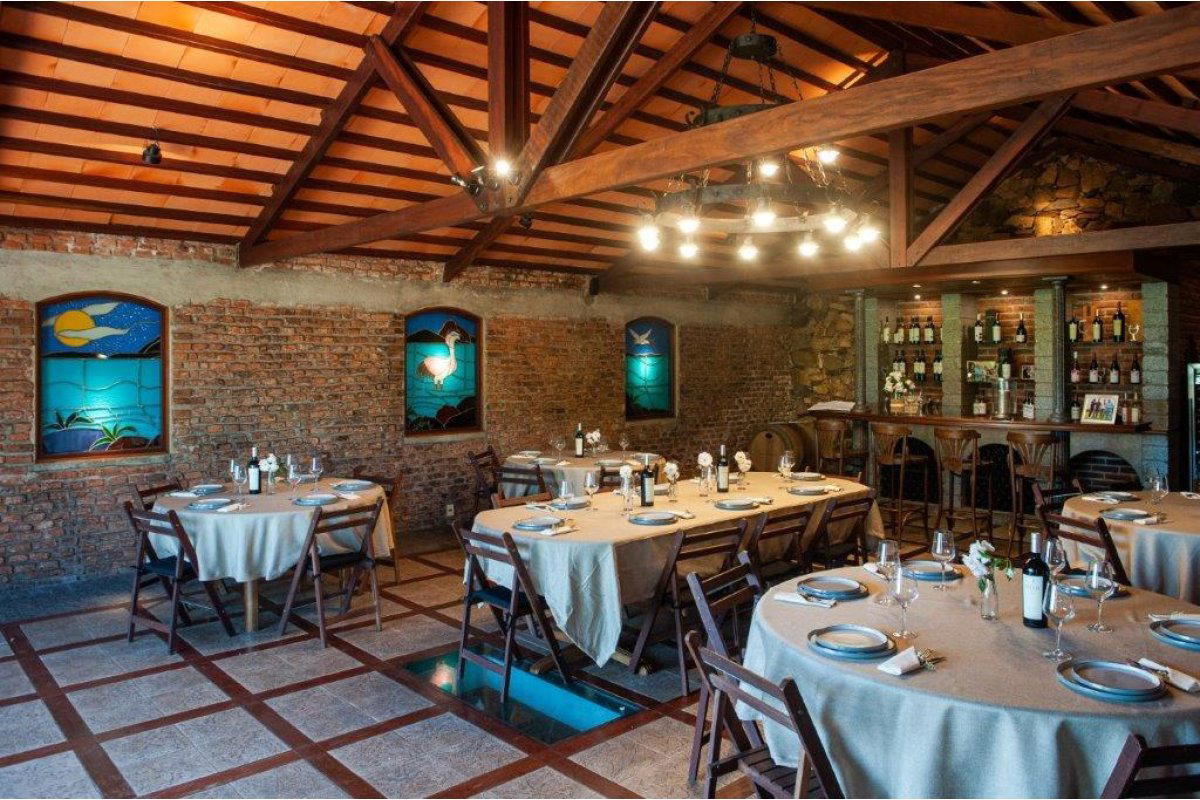
Canelones, Uruguay
The estate sits within Canelones, the department responsible for the majority of Uruguay's fine wine output, where Atlantic-influenced soils produce Tannat and Albariño of genuine regional character. A visit here is a study in how Uruguayan viticulture has matured from quantity to considered quality.

Canelones, Uruguay
Bracco Bosca sits along the Canelones wine corridor at kilometre 43 of the Sosa Díaz highway. The address places it in the Piedra del Toro zone, where Atlantic-influenced soils define the region's most expressive Tannat and white varieties. For visitors tracing Uruguay's serious winery circuit, it represents a credentialed stop in one of South America's most quietly compelling wine departments.
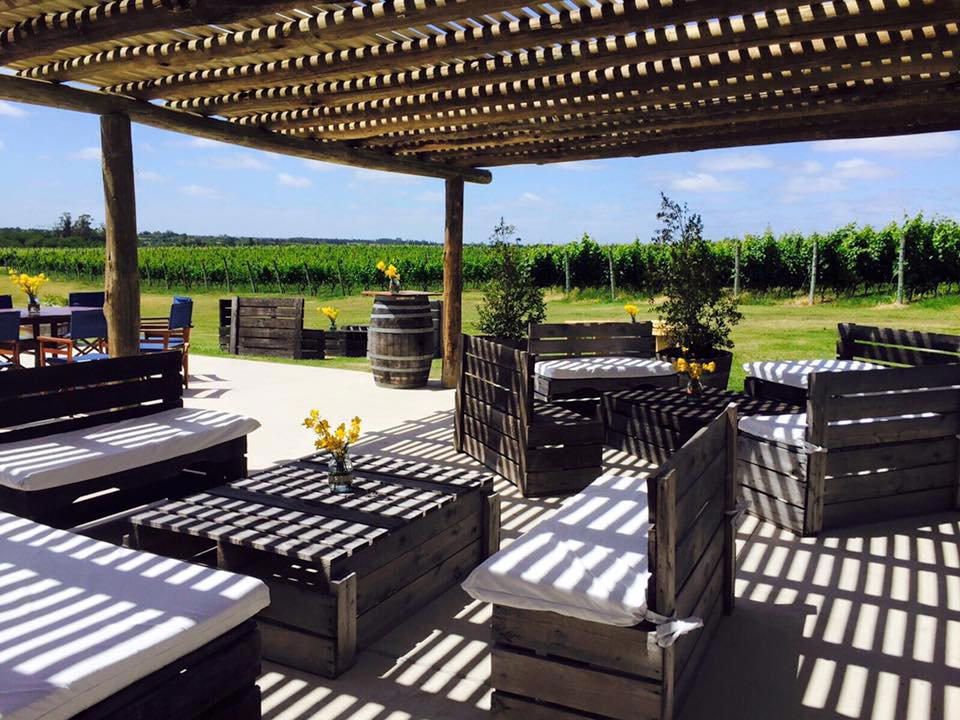
Canelones, Uruguay
Artesana sits on Ruta 48 in the Canelones wine corridor, where Uruguay's most concentrated winemaking activity plays out across Atlantic-influenced soils. Plan visits in advance; contact and booking details are best confirmed directly before travelling.
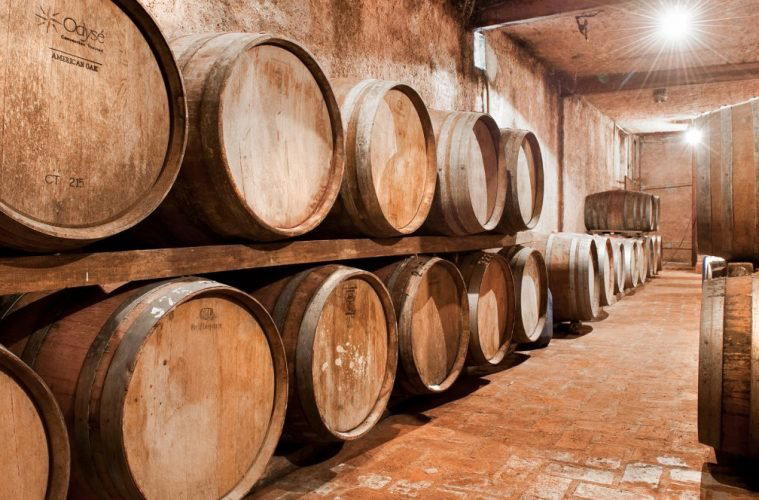
Canelones, Uruguay
For visitors coming from Montevideo, it represents a compact and credible entry point into the Canelones wine circuit.
Canelones, Uruguay
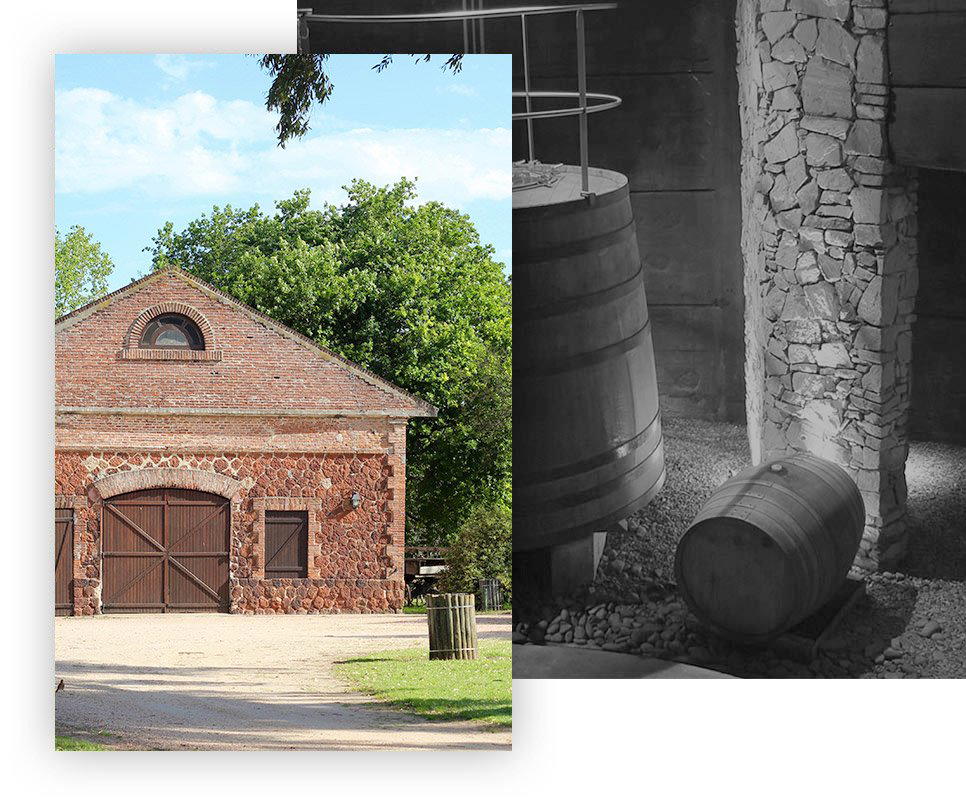
Bodega Juanicó is a historic Canelones wine estate where Uruguay’s Tannat story is easier to read in the land than on a label alone. The draw is scale, old brick-and-stone winery architecture, vineyard and garden views, and an estate format that suits visitors who want context around Canelones rather than a quick tasting-room stop.
Canelones, Uruguay
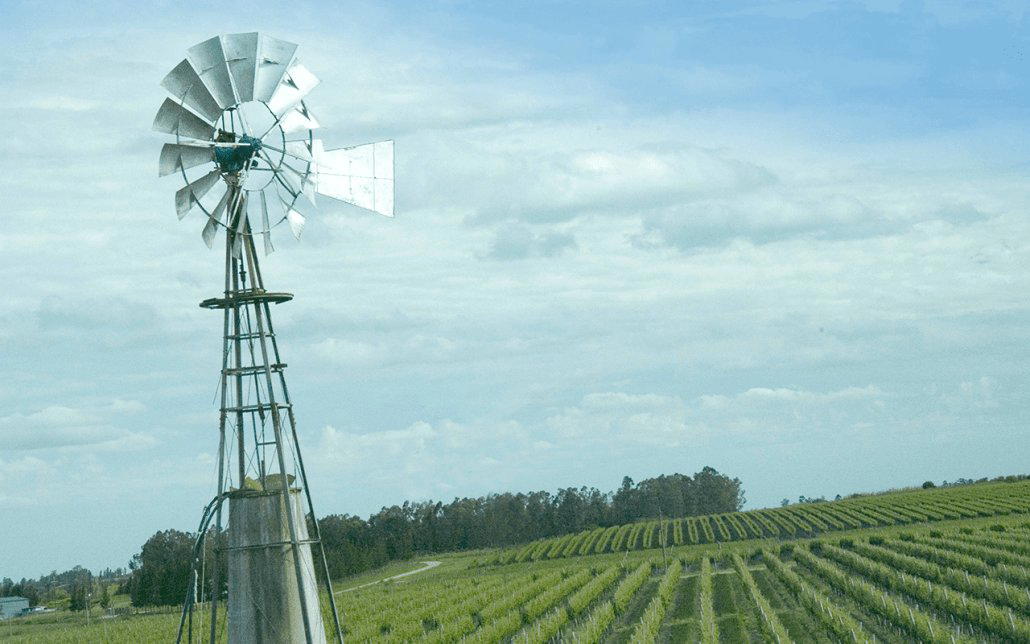
The winery sits within a Canelones producer cohort that has reshaped how international buyers read Uruguayan Tannat and white varieties. For visitors tracking sustainability-oriented production in South America, it represents one of the region's more considered addresses.
Canelones, Uruguay
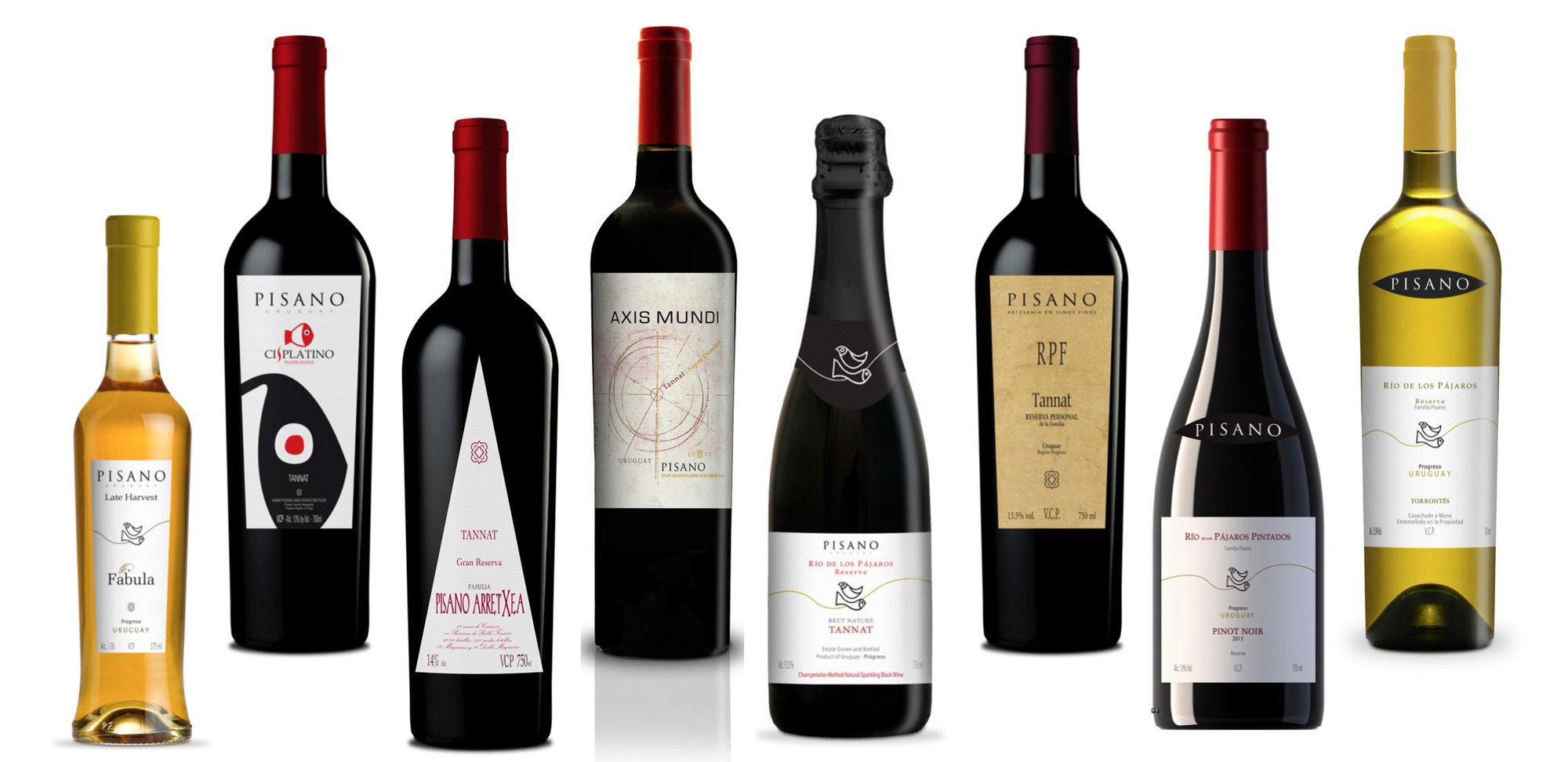
Bodega Pisano sits on Ruta 68 in the Canelones wine belt. The winery places Canelones in a regional conversation that now reaches well beyond Uruguay's borders, with viticulture shaped by the department's Atlantic-influenced clay and loam soils.
Canelones, Uruguay
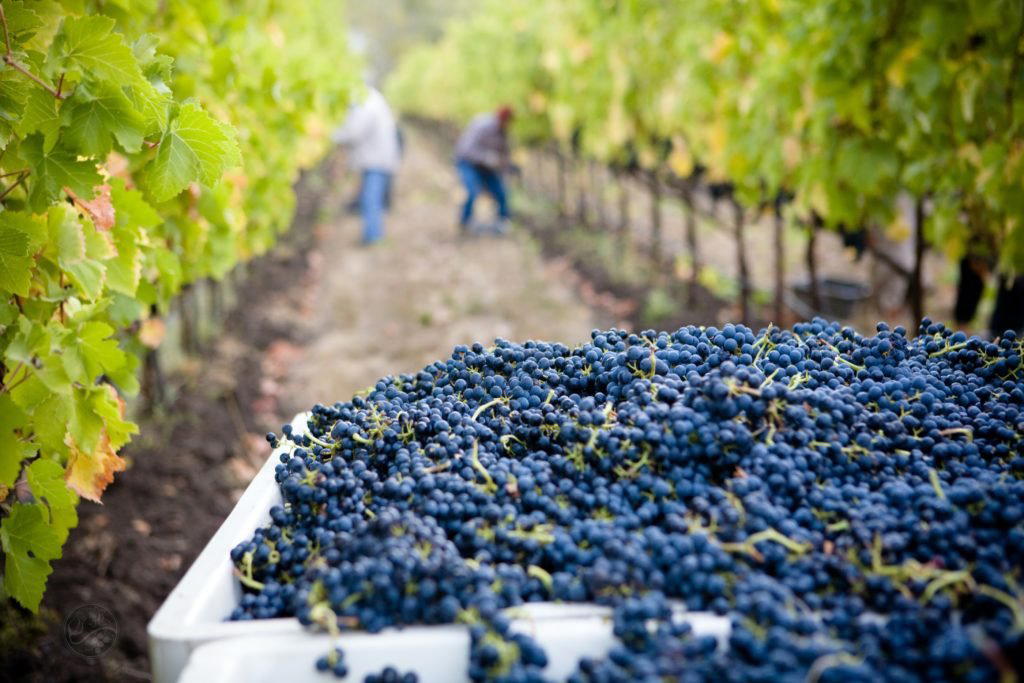
The winery operates within a regional tradition where Italian immigrant heritage and Atlantic-influenced viticulture converge, producing wines shaped as much by cellar decisions as by terroir.
Canelones, Uruguay
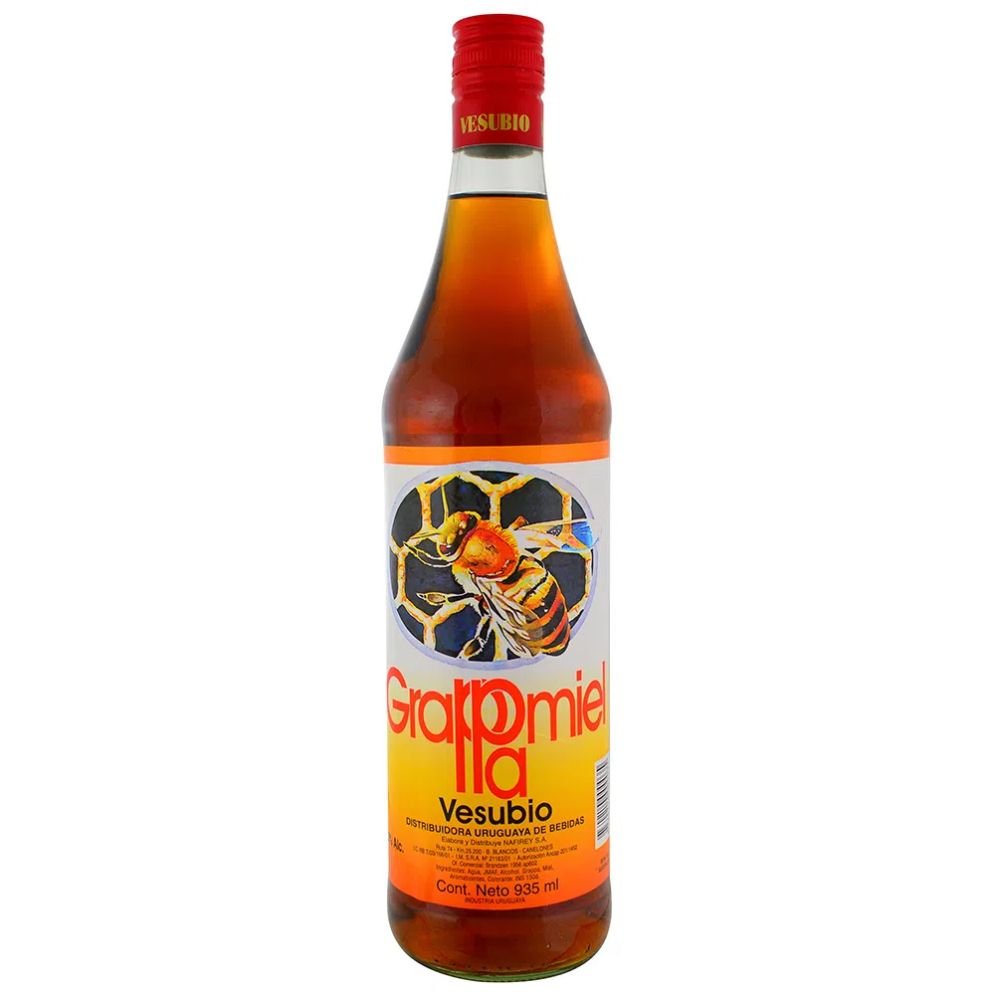
Grappamiel del Uruguay operates from Camino Hudson 5425 in the Canelones wine belt, one of Uruguay's most consequential wine-producing departments. For visitors oriented around Uruguayan wine, Canelones is the natural starting point, and Grappamiel is among the addresses that justify the detour.
Canelones, Uruguay
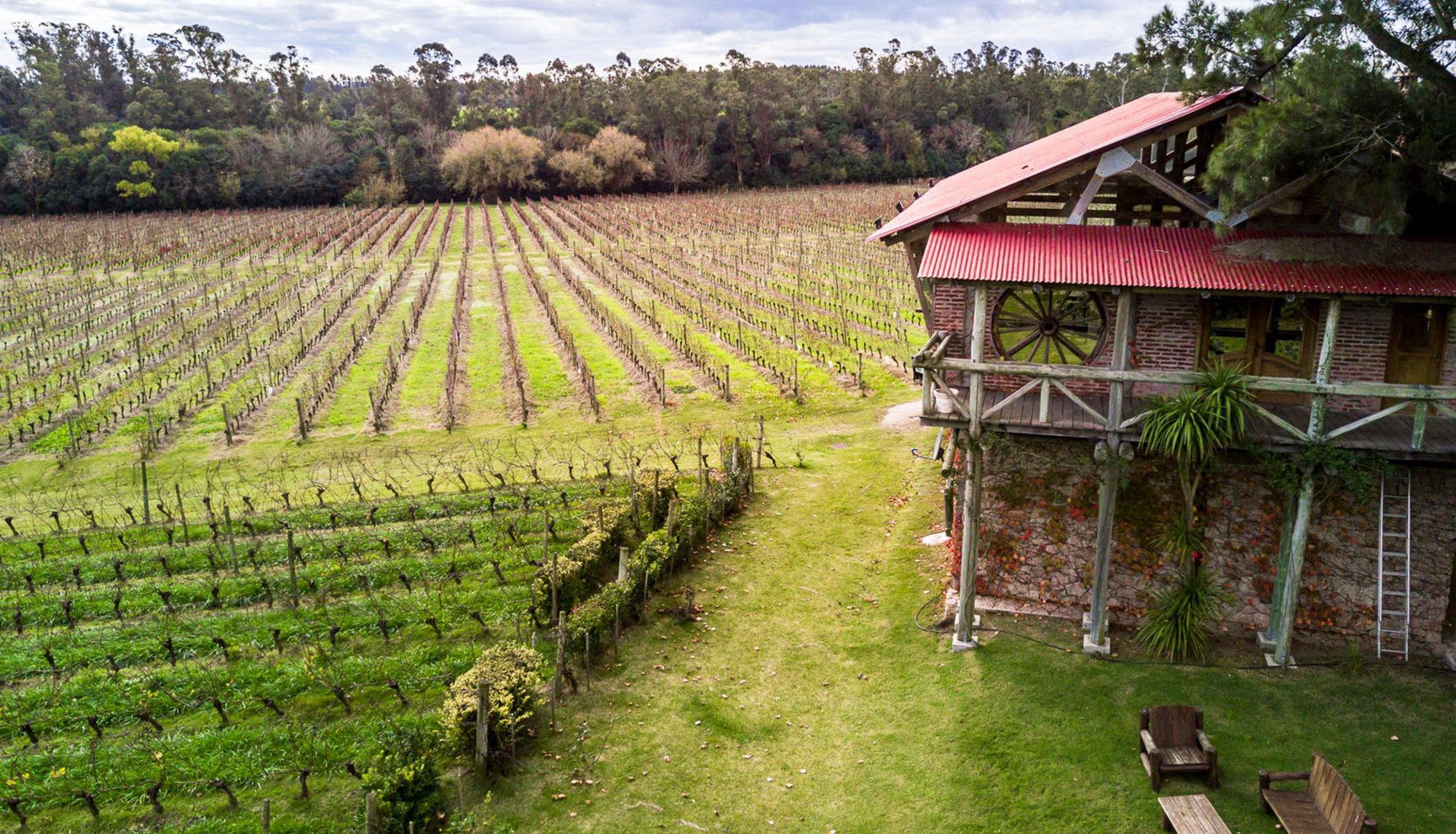
H. Stagnari sits along a rural road in La Paz, Canelones. The address places it within reach of Montevideo but firmly in agricultural terrain, where the connection between vine, land, and glass shapes the experience from the first pour.

Canelones, Uruguay
Located on Av. Buschental in the Canelones department, the venue operates within a regional food and wine scene that has drawn serious attention in recent years. Visitors planning a table should confirm current hours and booking arrangements directly.
Canelones, Uruguay
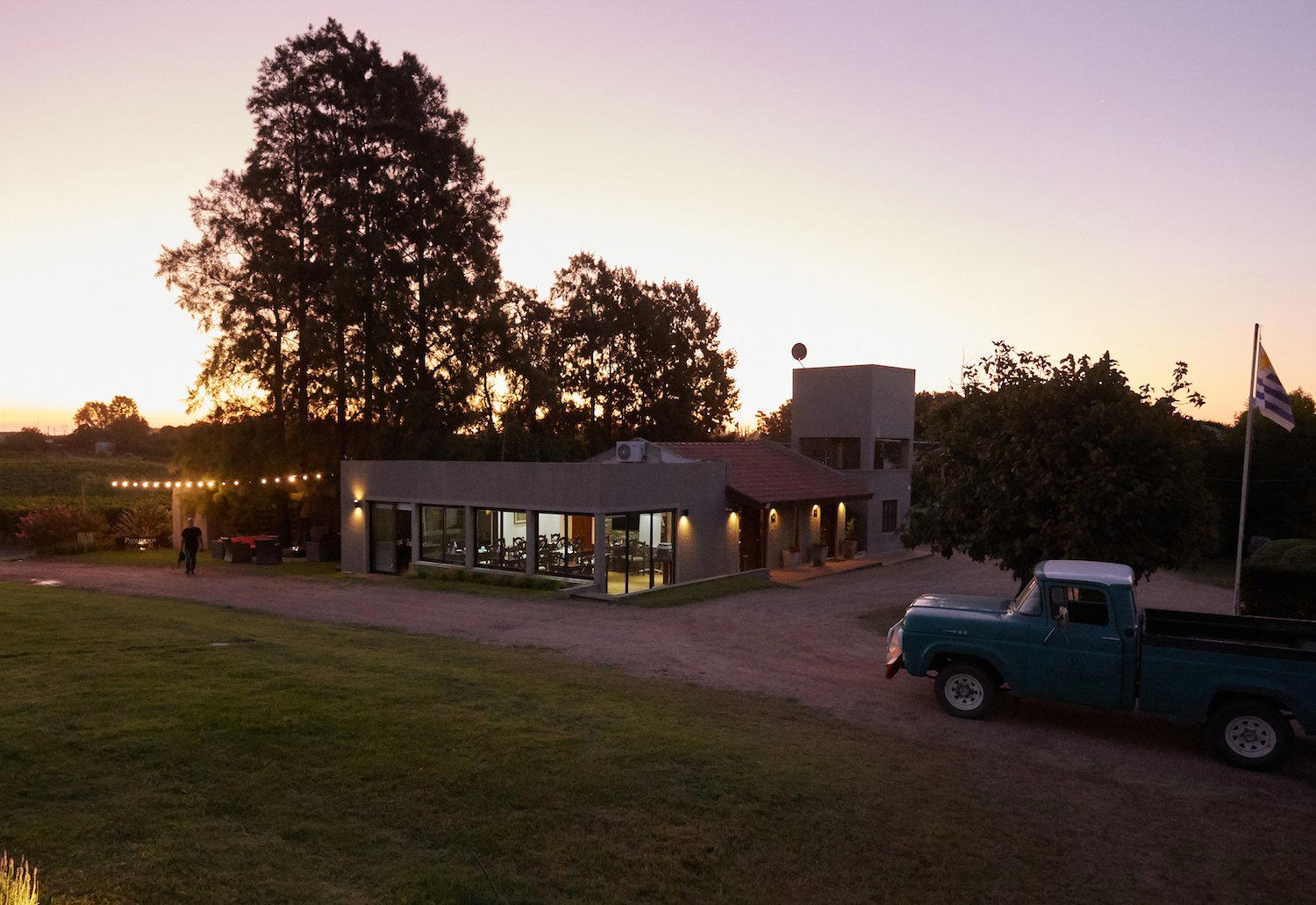
Set among the rolling clay and limestone soils that define this region's Tannat and aromatic white programs, it sits in a competitive comparable set alongside Canelones stalwarts including Varela Zarranz and Antigua Bodega Stagnari.
Canelones, Uruguay
Viña Progreso sits in Canelones, Uruguay's most productive wine department. The address places it in the small town of Progreso, on rural roads where Canelones' fruit-forward, Atlantic-influenced viticulture takes shape. For travellers tracing Uruguay's wine geography beyond Montevideo, it belongs on the shortlist.
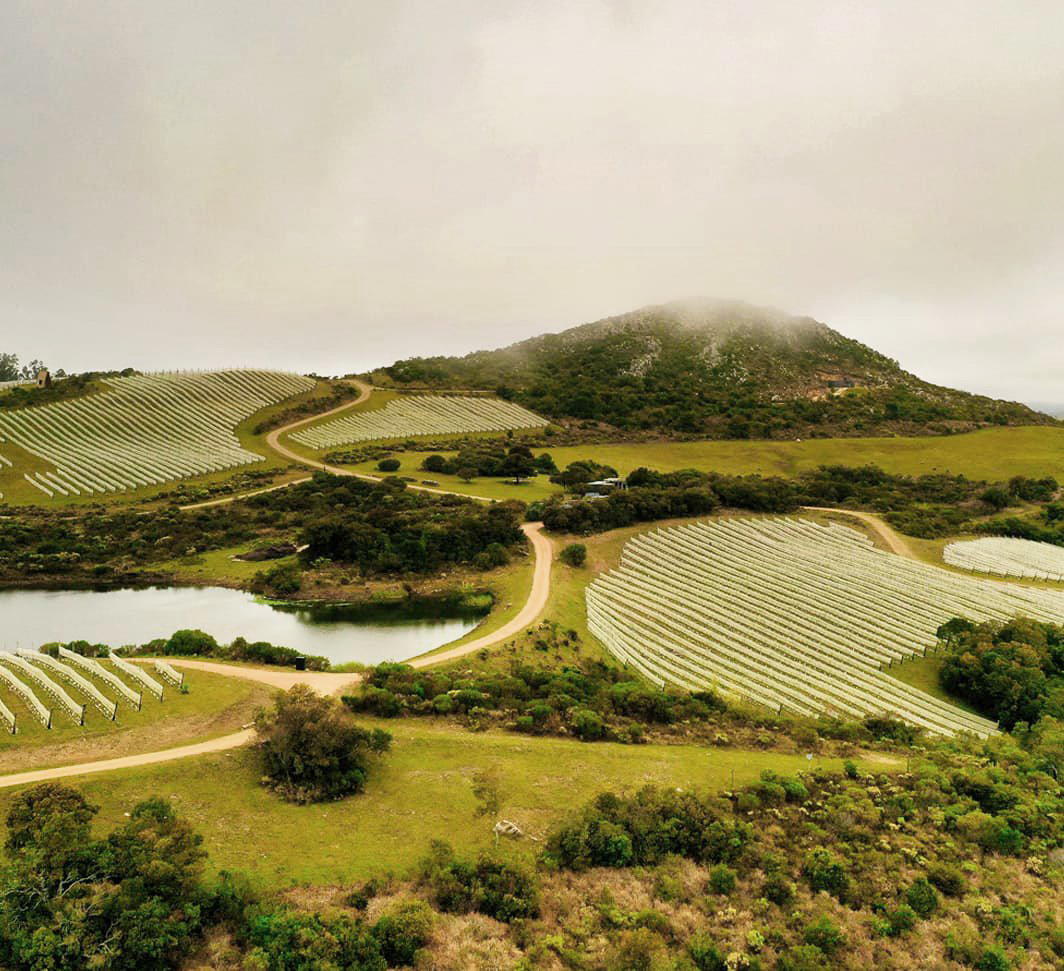
Canelones, Uruguay
Bodega Toscanini Hnos is a family-run Canelones winery with roots reaching back to 1908 and a formal house history from 1979. Its strongest editorial interest is technical rather than theatrical: Tannat and Merlot lead the conversation, Cabernet Sauvignon is handled with caution, and the experience is geared toward visitors who want vineyard and cellar detail over broad wine-tourism gloss.
Continue exploring


