Bodega Cerro del Toro
Set in Piriápolis, a resort town that sits at the quieter end of the Atlantic coast compared to Punta del Este, the bodega represents the kind of small-production winemaking that has given Uruguay's terroir-driven category growing international credibility.
Pearl is the En Primeur Club membership app — saves, bookings, and concierge access live there. Same editors, same standards.
- Address
- 4QQ5+H3, 20200 Piriápolis, Maldonado Department
- Phone
- +598 92 703 314
- Website
- cerrodeltoro.uy
- Directions
- Get directions
 Saves & bookings on Pearl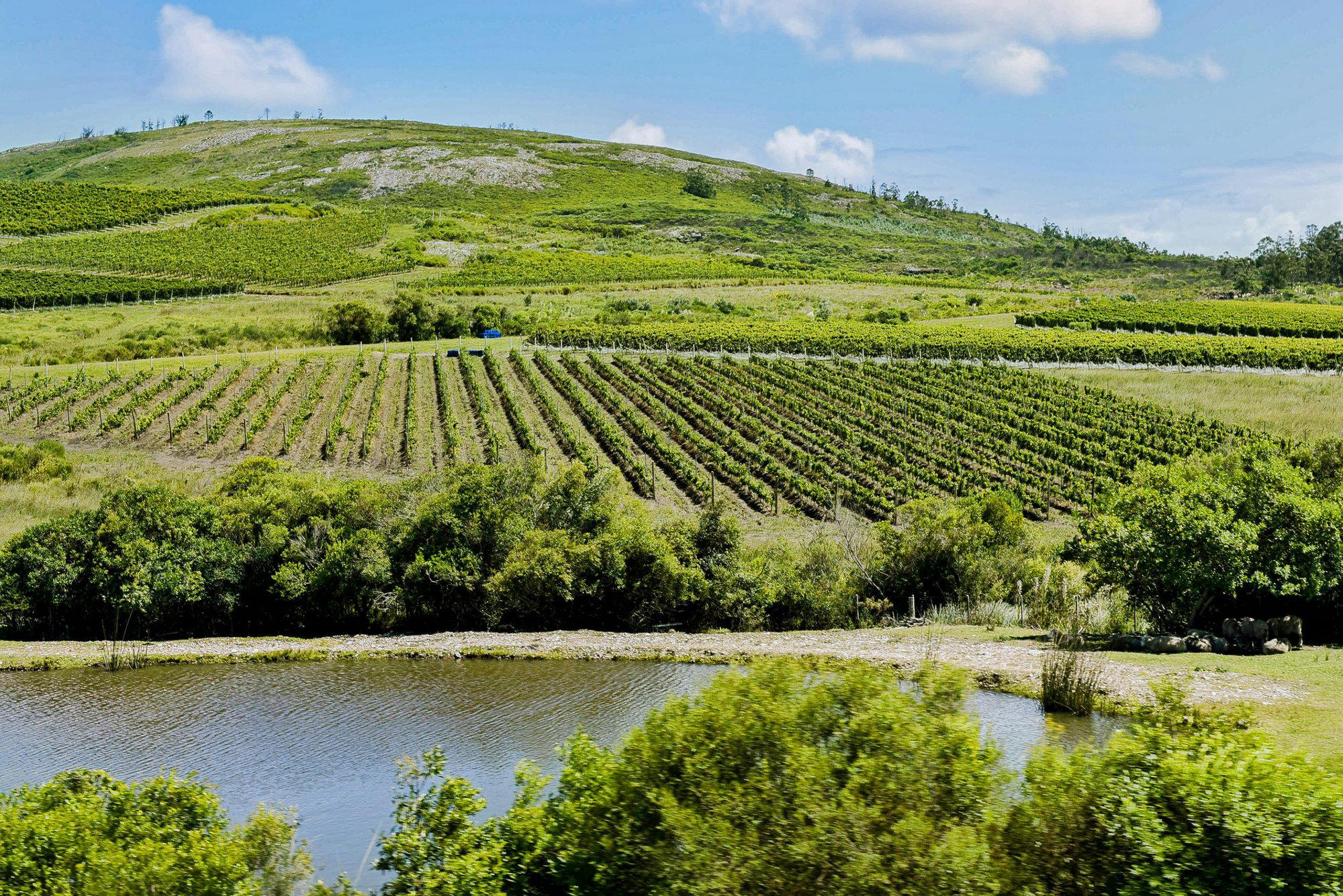
Coastal Elevation: What Piriápolis Does to a Wine
Uruguay's wine story is usually told from two vantage points: the river-cooled vineyards of Canelones and Montevideo, where most of the country's volume originates, or the prestige parcels further inland. Piriápolis sits outside both of those familiar frames. The town occupies a stretch of the Maldonado coastline defined by granite outcrops, Atlantic wind exposure, and a tourist economy that has historically kept serious wine production low on the agenda.
The Atlantic influence at this latitude is not decorative. Consistent maritime breezes moderate summer temperatures, extending the growing season and slowing ripening in ways that typically produce wines with sharper acidity and more restrained alcohol than warmer inland parcels. For Tannat, Uruguay's defining red variety, that kind of site translates into tannins that resolve more slowly and fruit profiles that tend toward darker, more savory registers rather than the open, plummy warmth you get from less ventilated vineyard positions. Winemakers working the Maldonado coast are, in effect, betting that patience and site specificity will distinguish their wines from the more commercially accessible Tannat produced at scale closer to Montevideo. The 2025 prestige recognition at Cerro del Toro suggests that bet is paying off.
Reading the Award Against the Regional Field
In the Uruguayan context, that comparable set includes producers operating with deliberate terroir specificity: coastal Maldonado neighbours like Bodega Oceánica José Ignacio in Maldonado, or the more established river-adjacent operations like Bodega Bouza in Montevideo and Varela Zarranz in Canelones.
What separates the 2 Star Prestige tier from entry-level recognition is, broadly, consistency of identity rather than occasional peaks. A single standout vintage can generate attention; holding a prestige classification implies that the vineyard management and cellar decisions are producing a coherent style across multiple releases. For a coastal Maldonado producer, achieving that consistency while contending with variable Atlantic weather patterns is a more demanding proposition than it would be on the more climatically predictable soils west of Montevideo.
Producers at comparable recognition levels elsewhere in Uruguay often anchor their prestige cases to specific variety-site pairings: Bodega Carrau in Las Piedras has built its upper-tier reputation partly on how its particular clay-limestone soils interact with Tannat, while Bodega Los Cerros de San Juan in Colonia del Sacramento works within a different microclimate entirely. Cerro del Toro's granite and coastal wind combination gives it a distinct terroir argument to make, and the 2025 recognition indicates that argument is being made convincingly.
Piriápolis as a Wine Destination
Visiting a winery in Piriápolis requires a different kind of planning than heading to the more established wine tourism corridors of Canelones or Carmelo. The town is roughly 90 kilometres east of Montevideo along Route 37, a drive of under two hours depending on coastal traffic in summer. It sits between the more developed resort infrastructure of Punta del Este to the east and the quieter agricultural zones closer to the capital, which means wine visitors are arriving in a place that is primarily a beach and marina destination rather than a wine tourism hub.
That relative isolation is part of the experience's character. Piriápolis receives fewer international wine tourists than Carmelo or the Colonia region, which tends to keep the pace at properties like Cerro del Toro more considered. Visitors to the area during the January-February peak of the Uruguayan summer will find the town at its most animated, with accommodation options filling quickly. The shoulder months of November-December and March-April offer easier logistics and, for wine purposes, coincide respectively with pre-harvest and post-harvest periods when vineyard activity is at its most instructive.
For those building a broader Uruguayan wine itinerary, Piriápolis can pair naturally with a stop at Bodega Oceánica José Ignacio further along the Maldonado coast, or anchor a separate coastal leg distinct from the Carmelo-focused routes that dominate most wine tourism itineraries out of Buenos Aires. Producers like El Legado in Carmelo and Cerro Chapeu (Carrau) in Rivera represent entirely different Uruguayan terroir arguments and are worth framing as contrasts rather than complements to the coastal Maldonado experience.
Walking in without advance arrangement at smaller Uruguayan producers frequently results in limited or unavailable experiences, particularly outside the peak summer season.
Uruguay's Terroir Argument in International Context
Uruguay produces less than half a percent of the world's wine by volume, which means the country's premium producers compete almost entirely on terroir specificity and varietal distinctiveness rather than scale. Tannat's natural affinity for cooler, windswept sites gives coastal producers a legitimate structural advantage in that argument: the variety's high tannin content is more manageable, and its aging potential more pronounced, when the growing season is extended rather than accelerated by heat.
That same logic drives recognition for producers in different geographies globally. The question of how a specific site imposes its character on a resistant variety is one that serious wine drinkers engage with whether they are examining Adelaida Vineyards in Paso Robles working with Rhône varieties on limestone, or Adelsheim Vineyard in Newberg arguing for specific Willamette Valley soil types through Pinot Noir. Cerro del Toro is making a version of that same case, just with Atlantic granite as its premise and Tannat as its medium.
Uruguay's wine category has been gaining traction in specialist circles in Europe and North America, and coastal producers with clearly defined site credentials tend to be the ones that generate durable export interest. That is not yet a guarantee of distribution, but it is the beginning of a credible conversation.
Planning Your Visit
Piriápolis is accessible by bus from Montevideo's Terminal Tres Cruces, with several daily services covering the coastal route. Driving gives more flexibility for combining a winery visit with time at the beach or the hills behind the town. Because Bodega Cerro del Toro recommends reservations, contact the bodega directly before planning a visit. The cooler, quieter shoulder seasons tend to produce more focused tasting conditions.
For those who want to place the Cerro del Toro visit inside a longer Uruguayan wine programme, the contrast with producers working different terroirs, the basalt-influenced vineyards at Cerro Chapeu in Rivera, or the more maritime-cool influence at Varela Zarranz in Canelones, makes the coastal granite argument at Cerro del Toro considerably sharper. Uruguay rewards that kind of comparative approach: the country is small enough that a five-day circuit can cover its principal wine terroirs, and distinct enough between them that the differences are immediately legible in the glass.
In Context: Similar Options
Comparable venues nearby, for context on price, style, and recognition.
| Venue | Cuisine | Price | Notes |
|---|---|---|---|
| Bodega Cerro del ToroThis venue — the venue you are viewing | Tannat, Albariño | $$$ | Not listed |
| Espíritu Libre Destilería | Winery | Not listed | Montevideo |
| Los Nadies | Tannat, Merlot | $$$ | Prado |
| Bodega Oceánica José Ignacio | Tannat, Merlot | $$$ | José Ignacio |
| Bodega Toscanini | Tannat, Cabernet Sauvignon | $$ | Las Piedras |
| Bodega Marichal | Tannat, Merlot | $$ | Etchevarría, Las Violetas |
Continue exploring
More in Piriápolis
Wineries in Piriápolis
Browse all →
Bars in Piriápolis
Browse all →
Restaurants in Piriápolis
Browse all →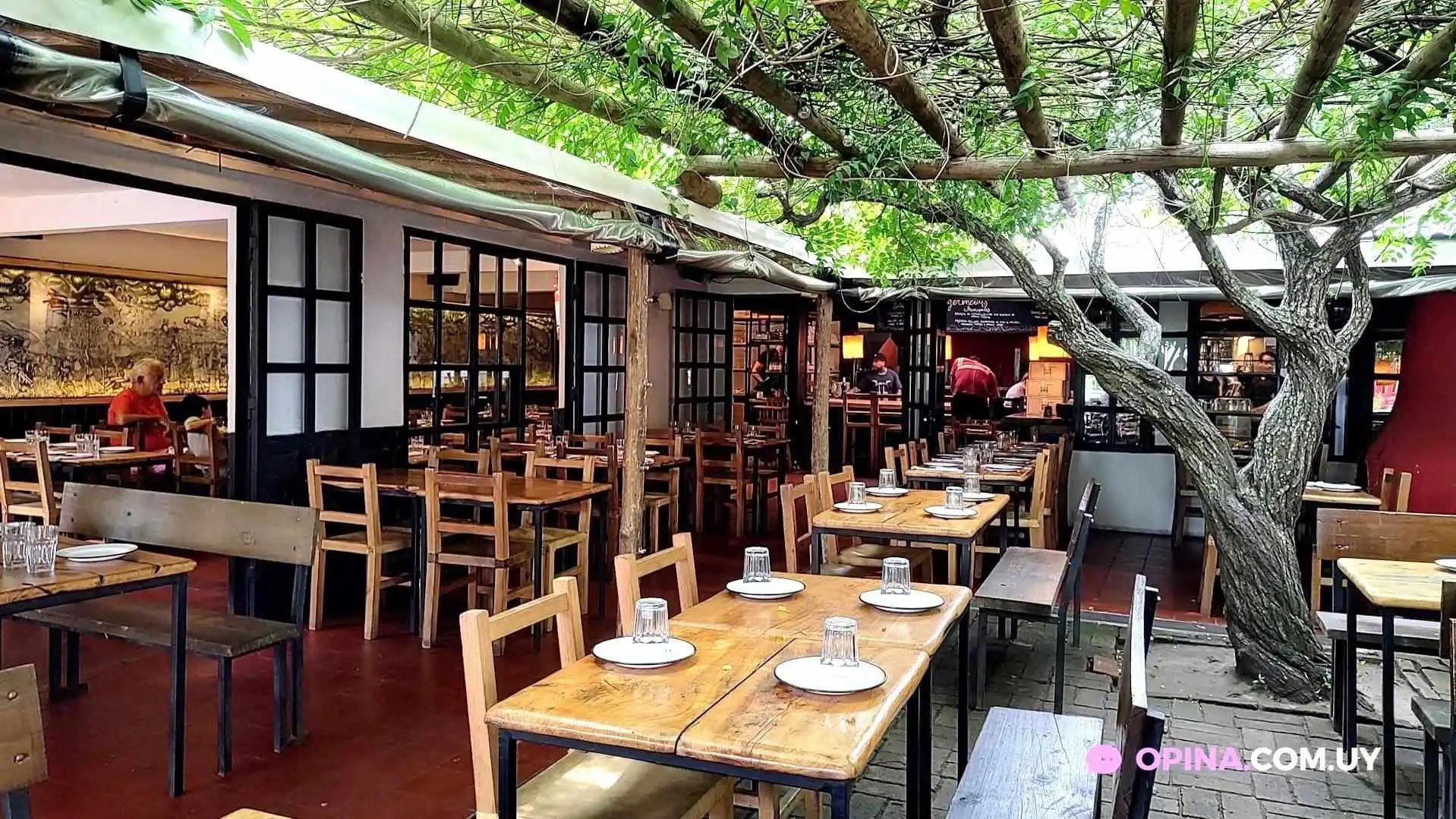

At a Glance
- Scenic
- Romantic
- Elegant
- Sophisticated
- Romantic Getaway
- Wine Education
- Group Outing
- Special Occasion
- Vineyard Tour
- Estate Grounds
- Panoramic View
- Terrace
- Sustainable
- Vineyard
- Waterfront
- Mountain
- Maldonado
- Tannat
- Albariño
- Pinot Noir
- Chardonnay
- Pinot Rosé
- Still White
- Still Red
- Still Rosé
- Guided Tasting
- Wine Education Tour
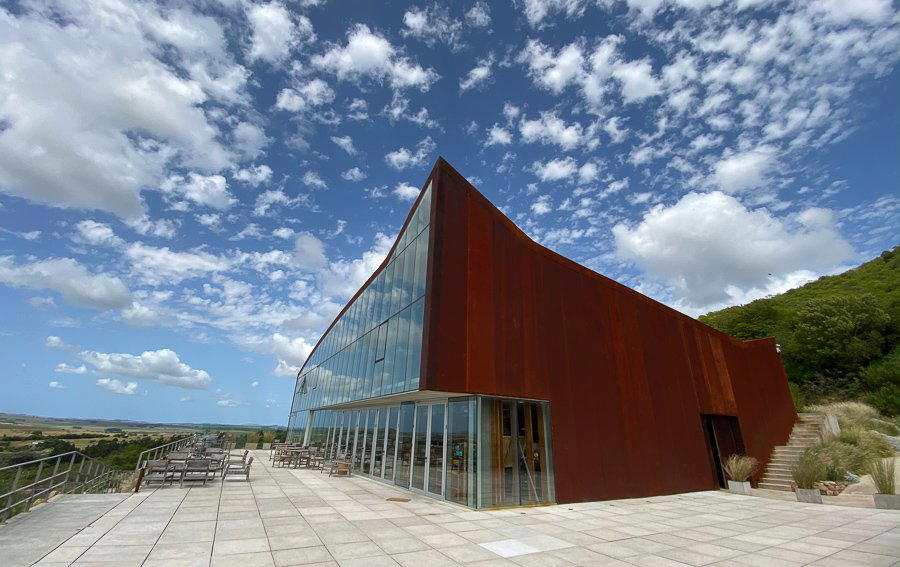
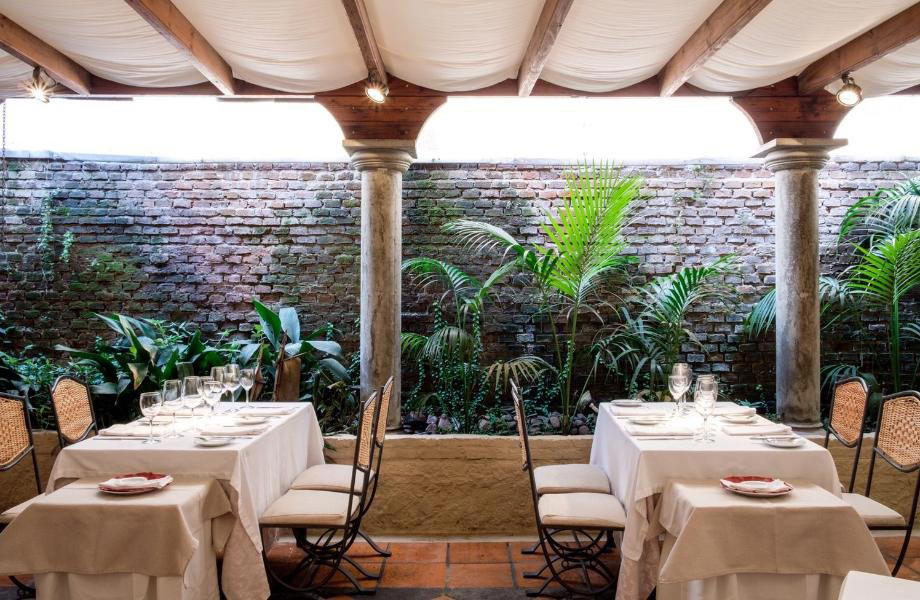
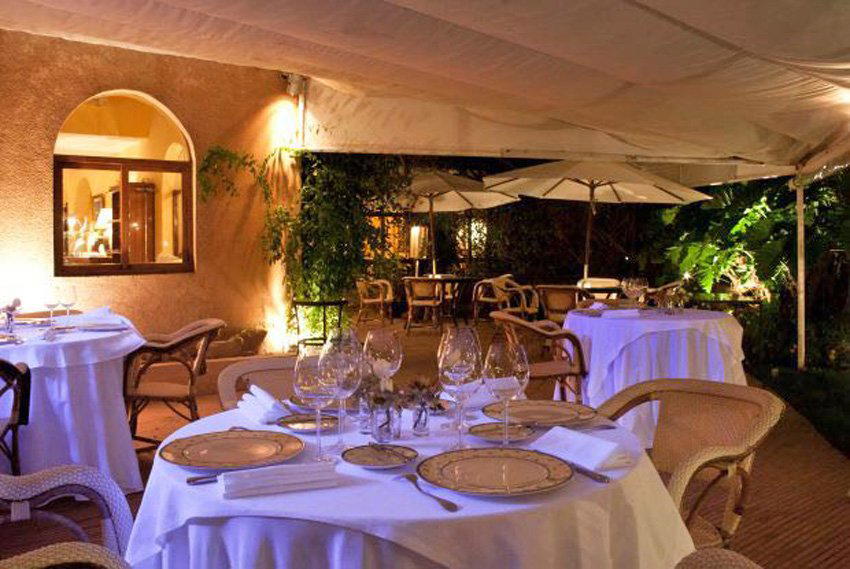
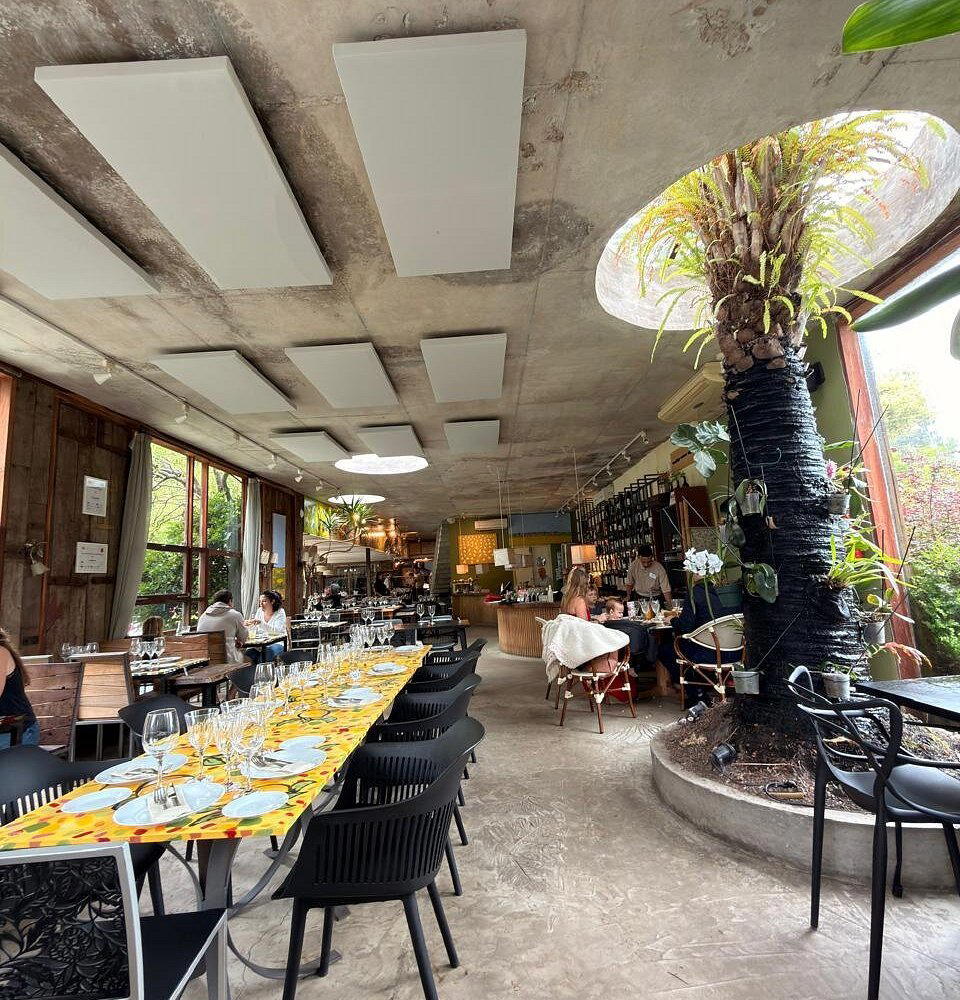
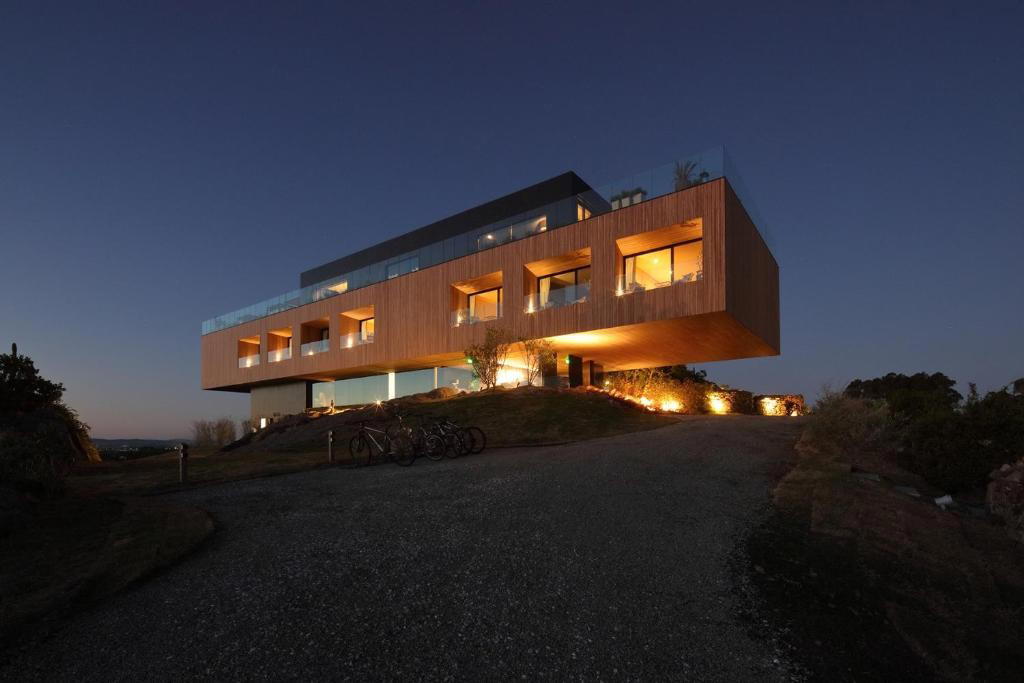
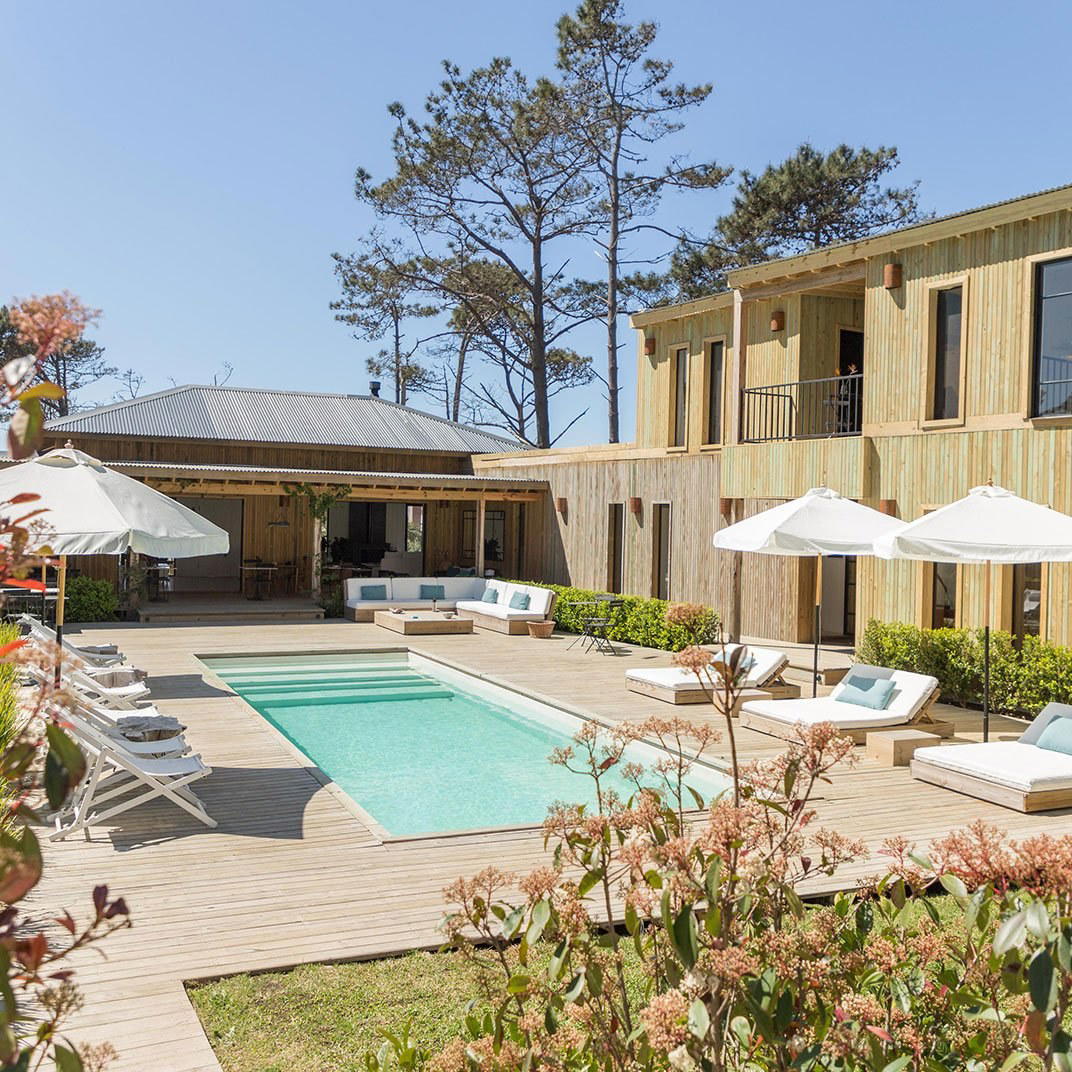
Bright, open atmosphere with spectacular deck seating overlooking the ocean and surrounding hills; natural light and coastal breezes define the experience.