Château de Ferrand

Falstaff Winery - Listed
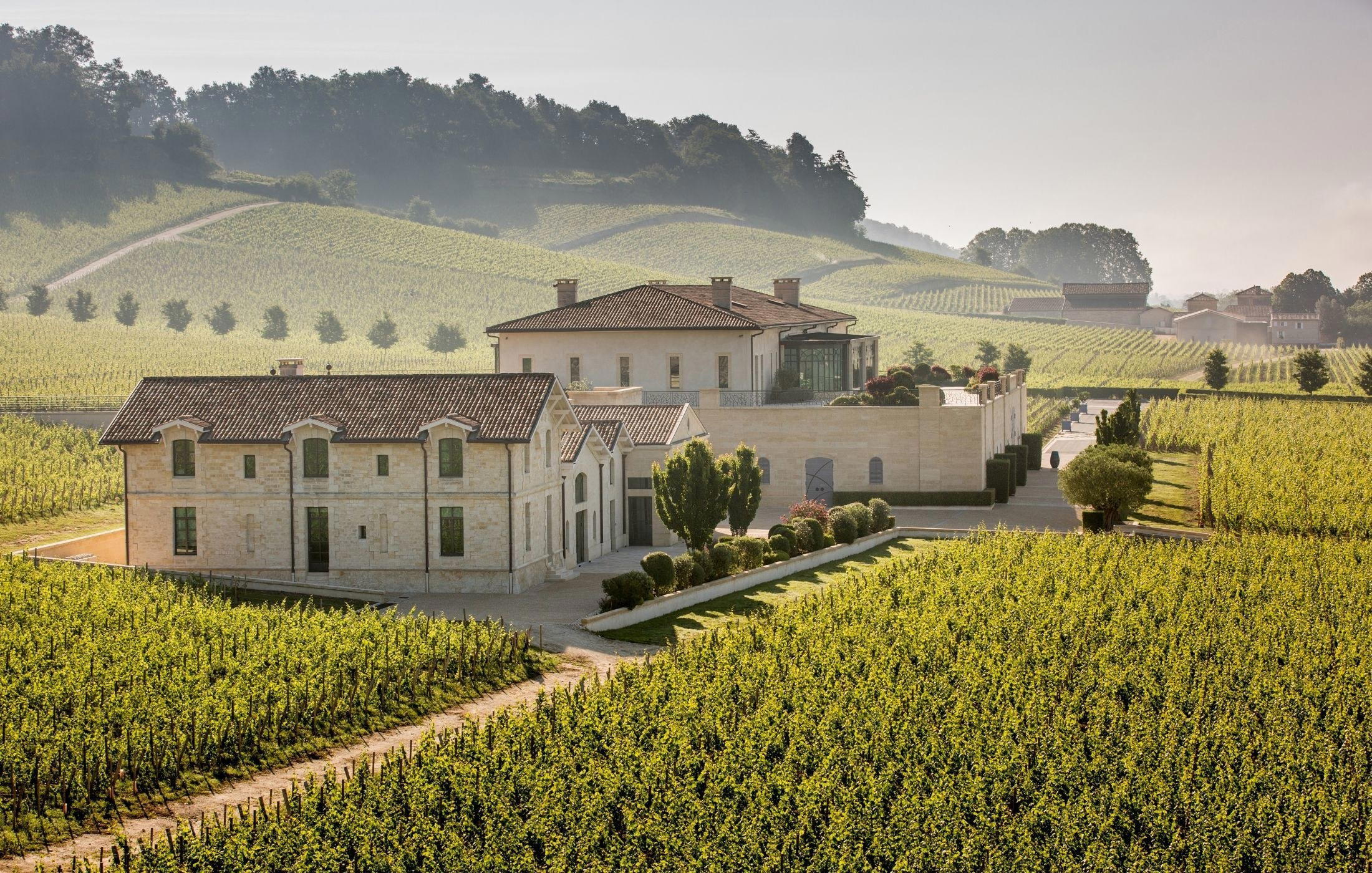
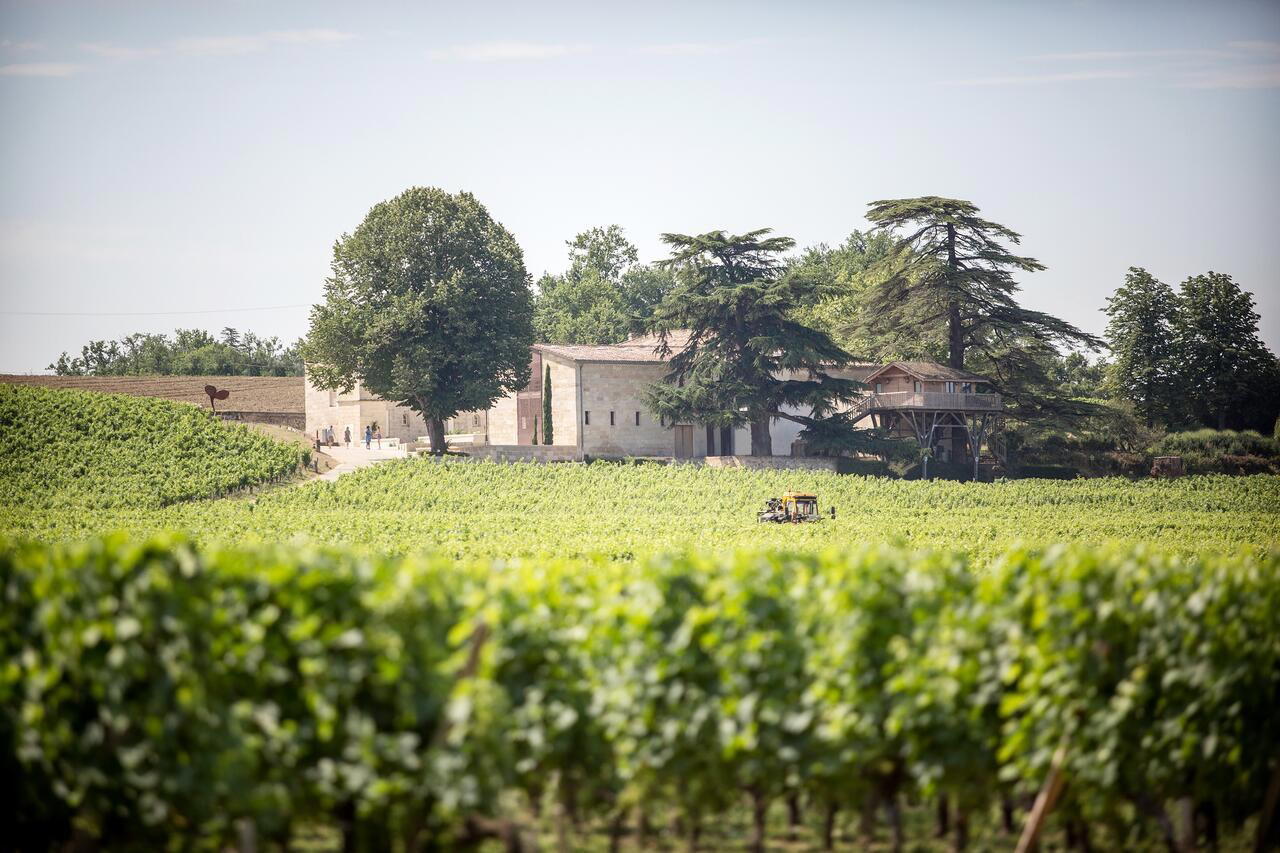
Château de Ferrand is a Saint-Émilion Grand Cru Classé estate where the limestone plateau, clay soils and Dordogne Valley exposure shape the argument in the glass. The visit is built around a historic 1702 château, a 32-hectare single-block vineyard, organic farming certified in 2024, and a contemporary tasting setting redesigned by Patrick Jouin and Sanjit Manku.

Pearl is the En Primeur Club membership app — saves, bookings, and concierge access live there. Same editors, same standards.
- Address
- Saint-Émilion, Libournais, Nouvelle-Aquitaine, Frankreich
- Directions
- Get directions
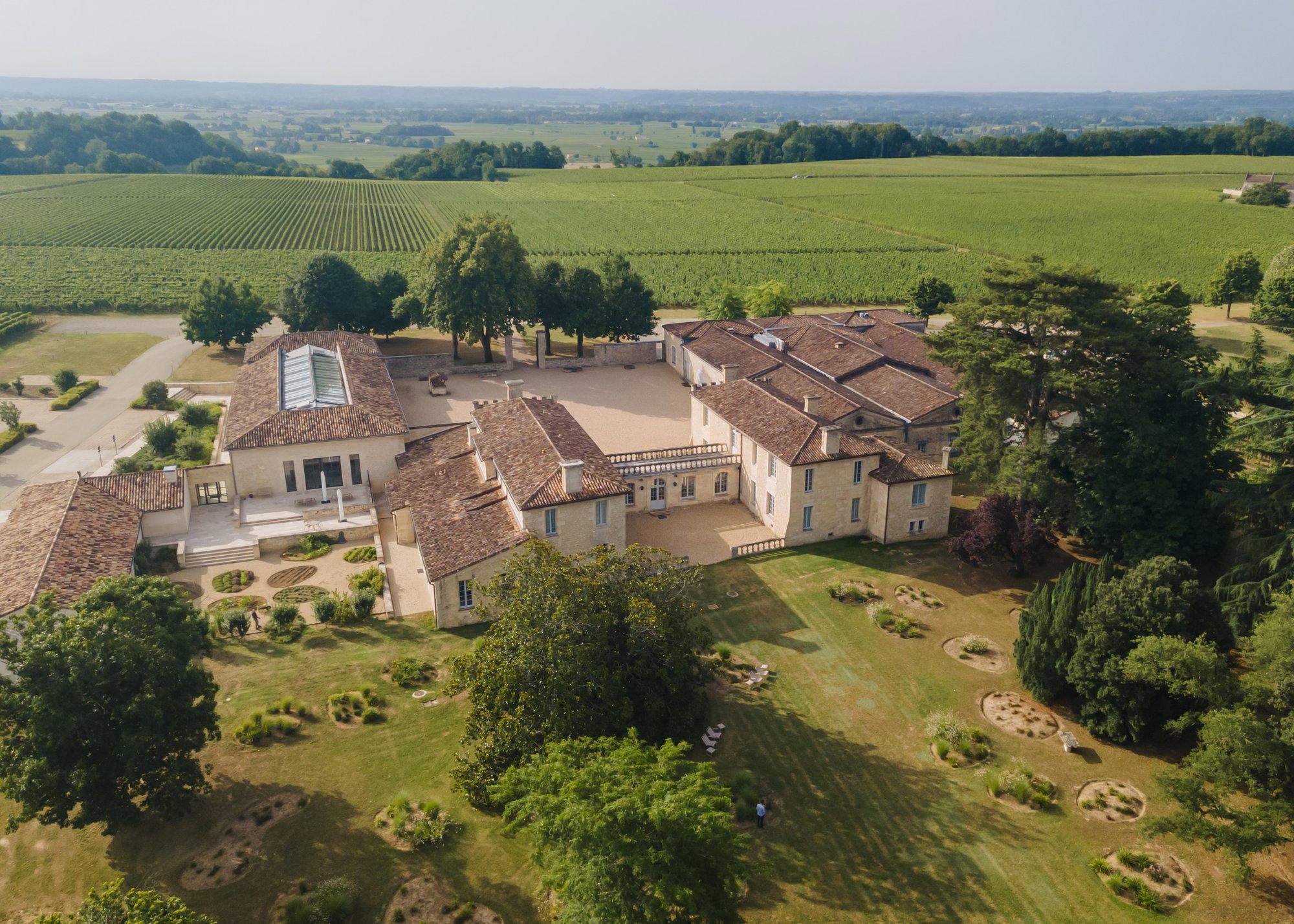
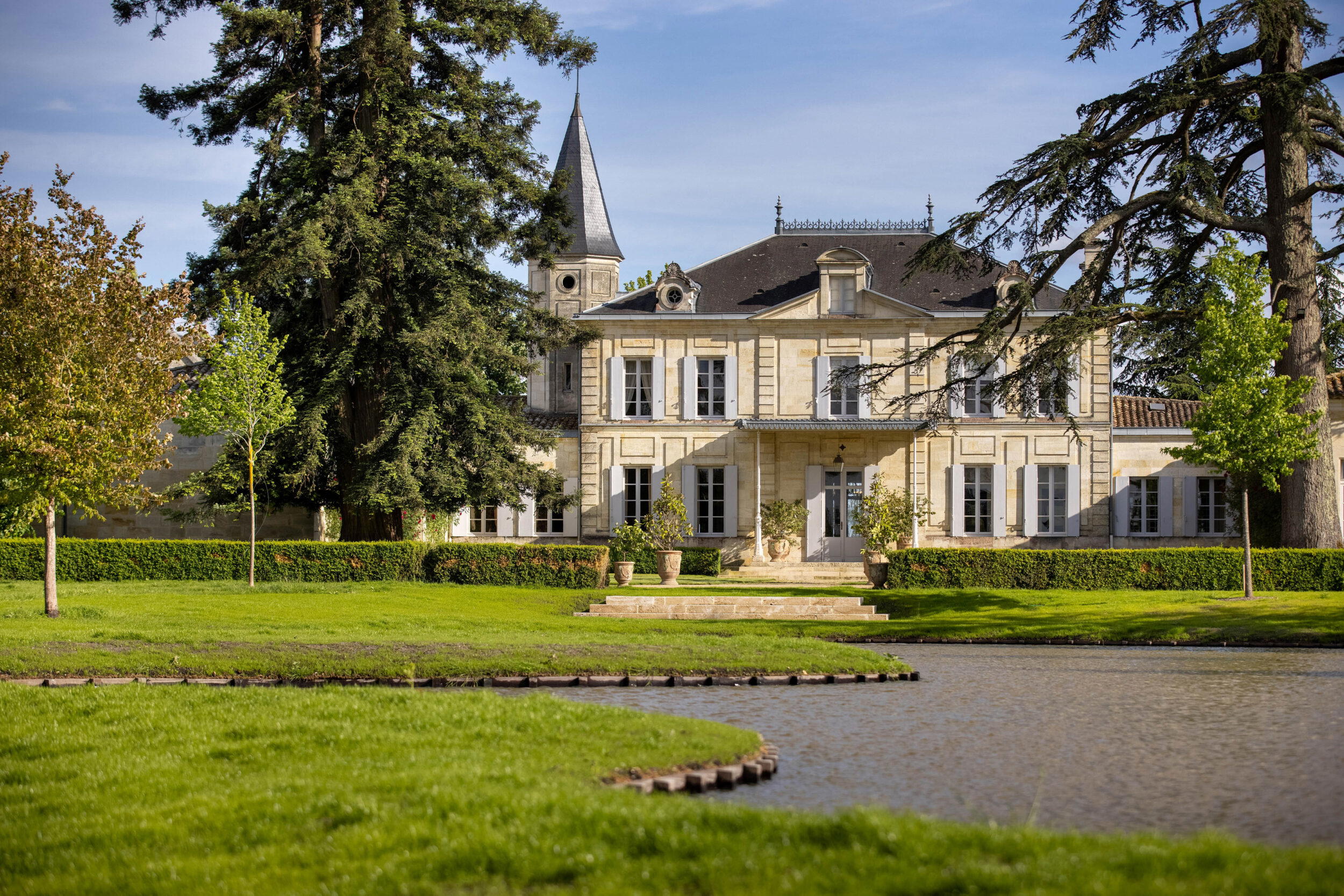
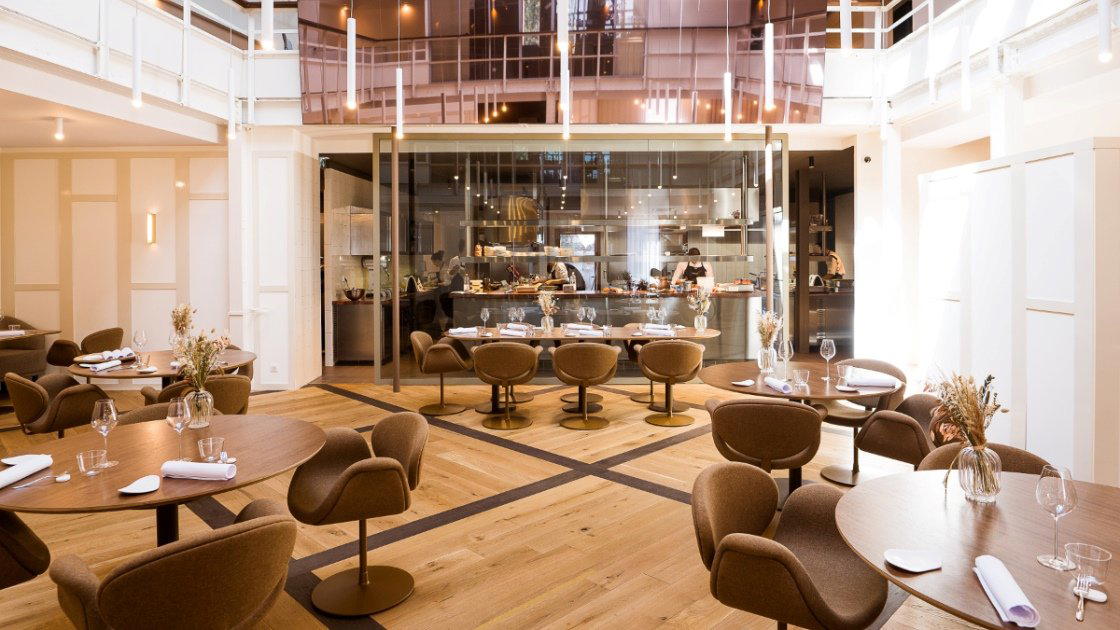
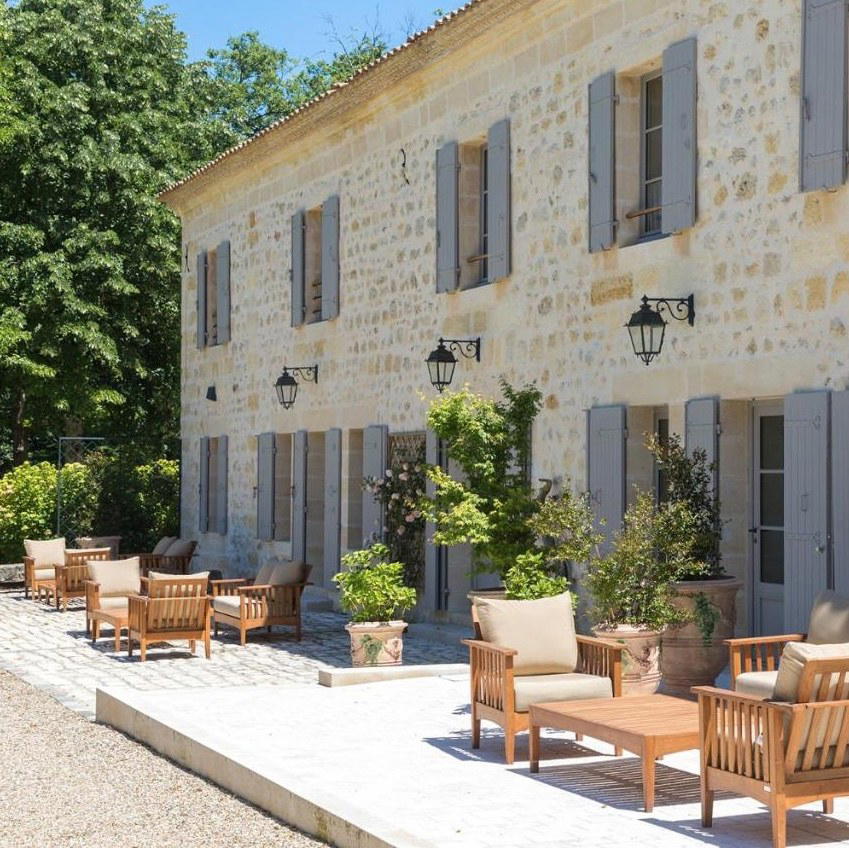
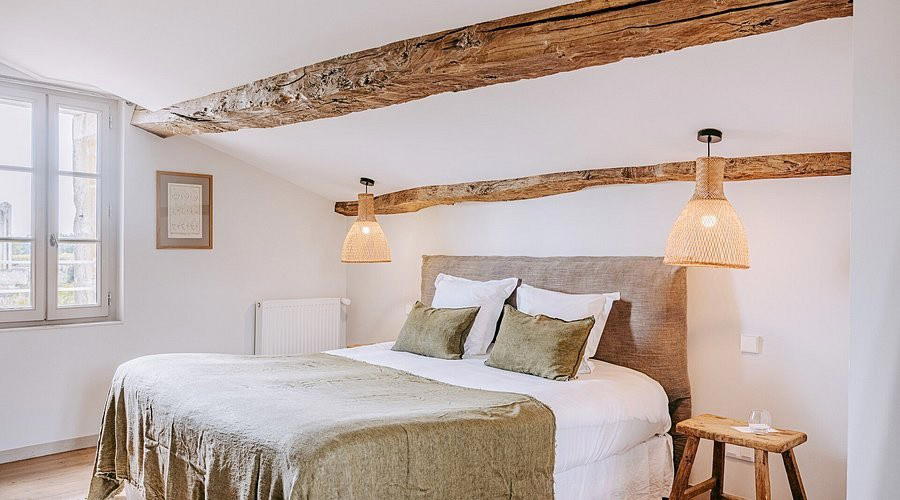
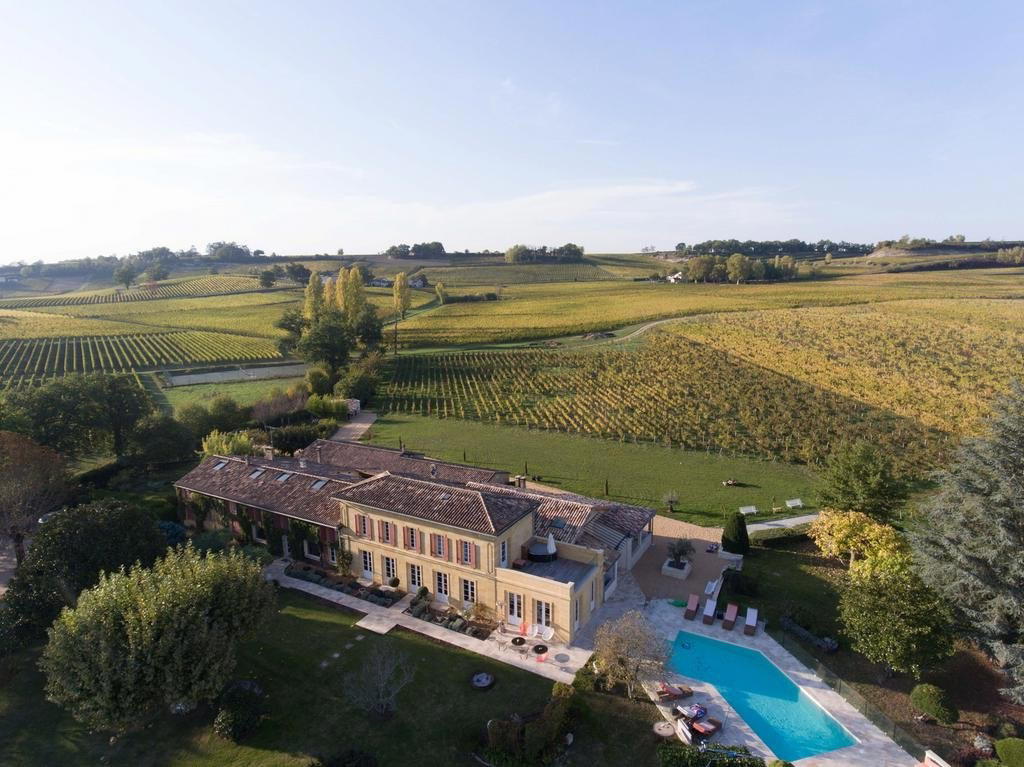
Château de Ferrand is a Saint-Émilion château setting where the appeal rests on atmosphere rather than a long list of public operational claims. Its value, based on the confirmed information available here, is best understood through the setting itself: a château environment in one of the most recognisable wine destinations on the right bank, presented with a balance of heritage architecture and contemporary hospitality design. The venue combines classical 18th-century architecture with a modern, refined interior design by Patrick Jouin and Sanjit Manku, creating an elegant yet contemporary environment for tastings and stays.
For planning purposes, the confirmed price is $40 per person. That figure is useful as a budgeting anchor, but it should not be read as a complete description of the visit. In practical terms, the safest expectation is a refined château visit in Saint-Émilion, with the details of timing, format, and availability checked at the source before making firm plans.
A historic Saint-Émilion château with a contemporary interior
The most reliable way to frame Château de Ferrand is as a historic right-bank château in Saint-Émilion whose hospitality setting has been updated with a contemporary design language. The classical architecture gives the visit its heritage character, placing the experience in a recognisably traditional château context. The interiors by Patrick Jouin and Sanjit Manku bring a more modern and polished feel to the experience, so the mood is not simply old-world formality, but a carefully composed meeting of period structure and present-day refinement.
That contrast is the main point of interest for visitors considering Château de Ferrand. The exterior and architectural identity provide the sense of continuity and place that many travellers look for in Saint-Émilion, while the interior design gives the hospitality areas a more current, curated quality. Rather than relying here on claims about what is poured, how the tasting is structured, or what technical aspects of production may be discussed, the confirmed appeal is the atmosphere created by that combination: classical 18th-century architecture, a modern interior treatment, and a château setting intended to feel elegant without losing its contemporary edge.
That combination makes the venue relevant for travellers looking for a refined château atmosphere in Saint-Émilion rather than a page built around claims about rankings, production, cellar techniques, or specific vineyard data. It is especially useful for planning when the priority is the feeling of the place: the architectural backdrop, the interior finish, and the sense of being hosted in a composed wine-country environment. The confirmed information supports a simple, grounded expectation: a historic château setting, contemporary interiors, and a tasting-oriented visit at a listed price of $40 per person.
If opening hours, the exact tasting format, the wines being presented, or any reservation requirements matter to the success of your day, those are not details to infer from the setting alone. For any of those specifics, confirm directly with the château before booking or travelling.
How to use Château de Ferrand in a Saint-Émilion itinerary
Château de Ferrand can be approached as a refined Saint-Émilion stop for visitors who value architecture, interiors, and a château atmosphere as much as the tasting itself. In that role, it works well as a considered part of the day rather than a venue to over-script from incomplete public information. The confirmed price gives the visit a clear starting point, while the rest of the experience should be kept open enough to reflect the château’s current offer.
If you are building a broader day in Saint-Émilion, keep the plan flexible and verify timing, availability, and the exact tasting offer directly with Château de Ferrand. This is particularly important if the visit is being combined with other stops, because assumptions about duration or format can quickly make an itinerary feel rushed. The confirmed price gives a starting point for budgeting, while the rest of the visit should be planned around current information from the venue.
The ideal way to use this listing, then, is as a clear but restrained guide to what is actually supported: Château de Ferrand offers a Saint-Émilion château context, classical 18th-century architecture, contemporary interiors by Patrick Jouin and Sanjit Manku, and a confirmed per-person price. For travellers drawn to polished surroundings and a sense of place, that is enough to make it worth considering, provided the practical details are checked directly before arrival.
Recognition history
Dated appearances from independent guides and award organizations, with the underlying list record or original source where available.
Falstaff Winery - Listed
Falstaff
Continue exploring
More in Saint-Émilion
Wineries in Saint-Émilion
Browse all →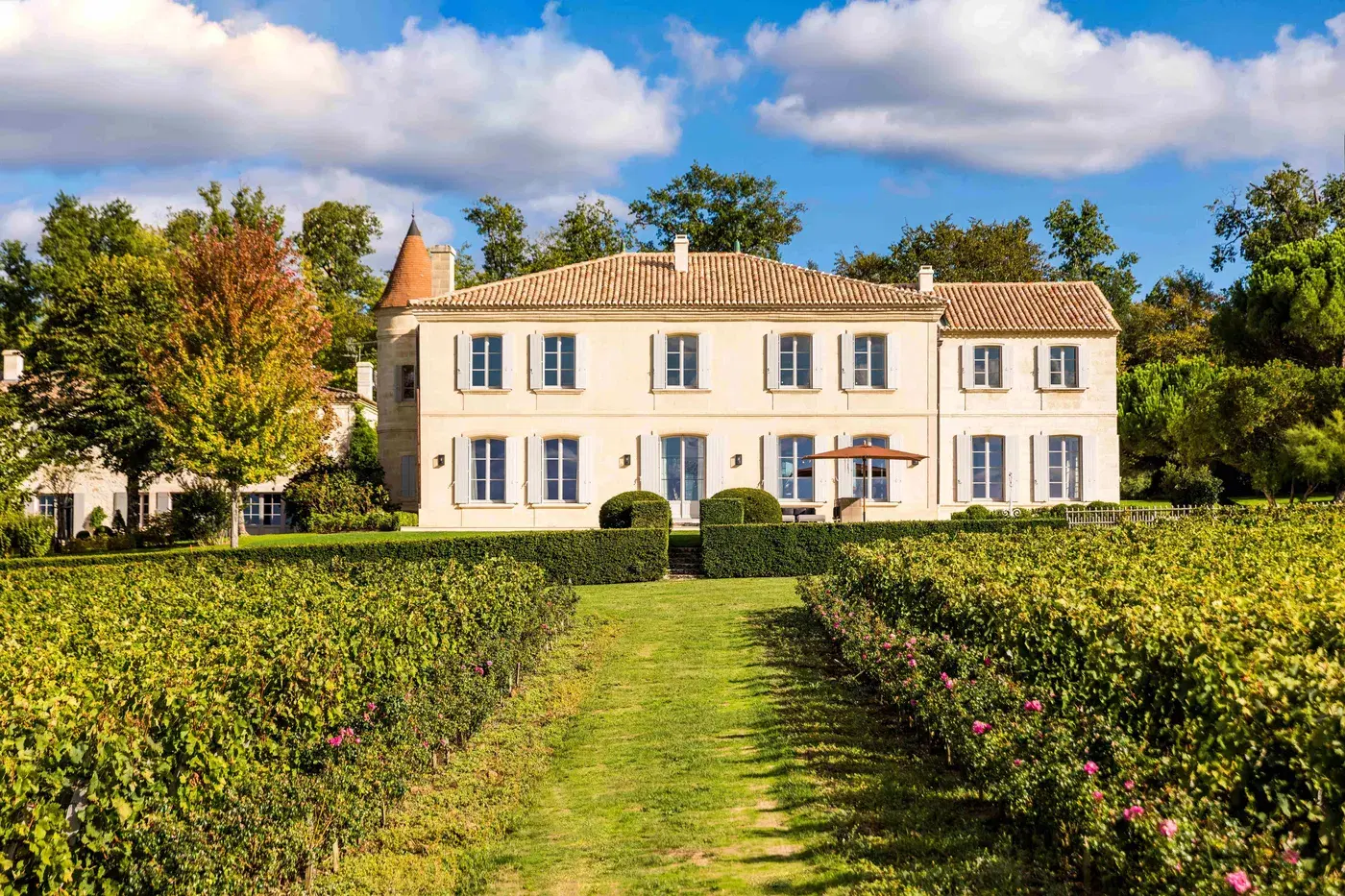
Bars in Saint-Émilion
Browse all →
Restaurants in Saint-Émilion
Browse all →
Details
- Romantic
- Scenic
- Elegant
- Classic
- Sophisticated
- Well Known
- Romantic Getaway
- Group Outing
- Wine Education
- Special Occasion
- Corporate Event
- Solo Exploration
- Vineyard Tour
- Estate Grounds
- Historic Building
- Private Tasting
- Cave Tasting
- Barrel Room
- Organic
- Sustainable
- Vineyard
- Garden
- Merlot
- Cabernet Franc
- Cabernet Sauvignon
- Still Red
- Amphora
- Guided Tasting
- Tasting Flight
- Tour And Tasting
- Workshop / Class
- Private Tasting
- French
- English
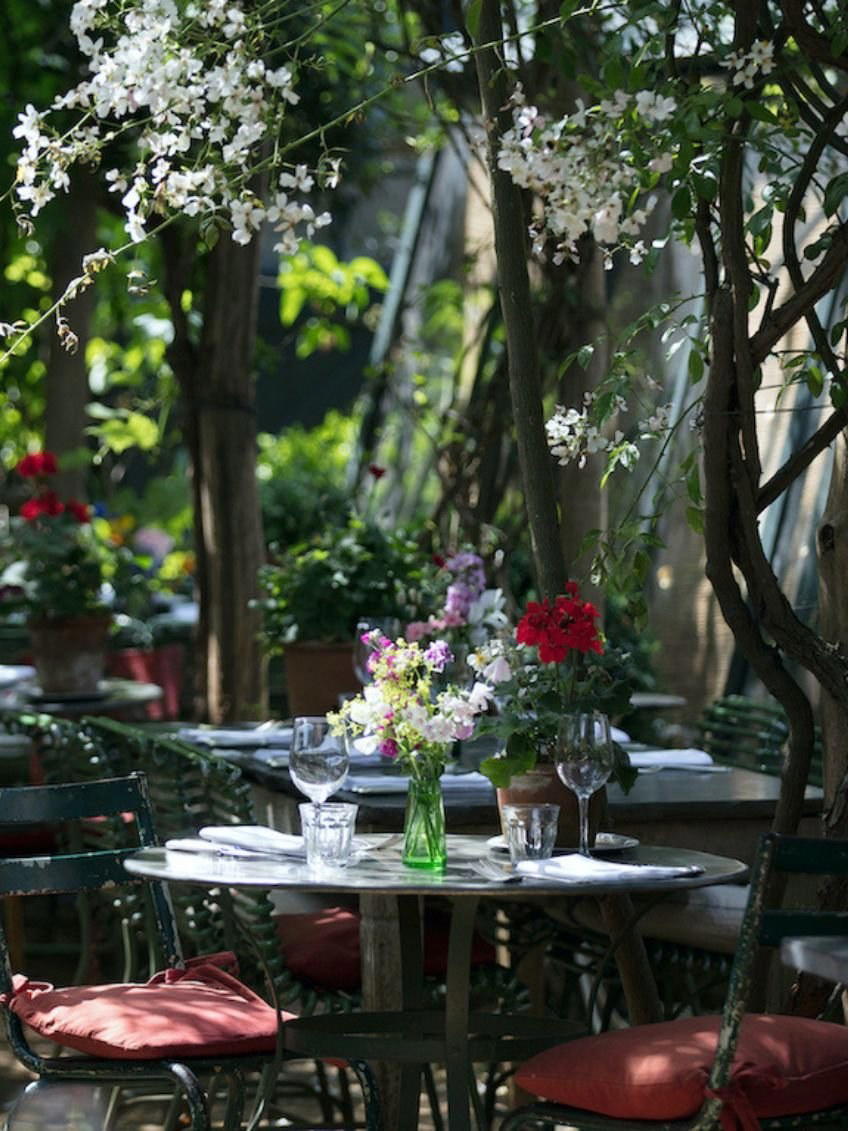
Historic right-bank château setting combining classical 18th‑century architecture with a modern, refined interior design by Patrick Jouin and Sanjit Manku, creating an elegant yet contemporary atmosphere for tastings and stays overlooking the Dordogne Valley.