Château d'Esclans
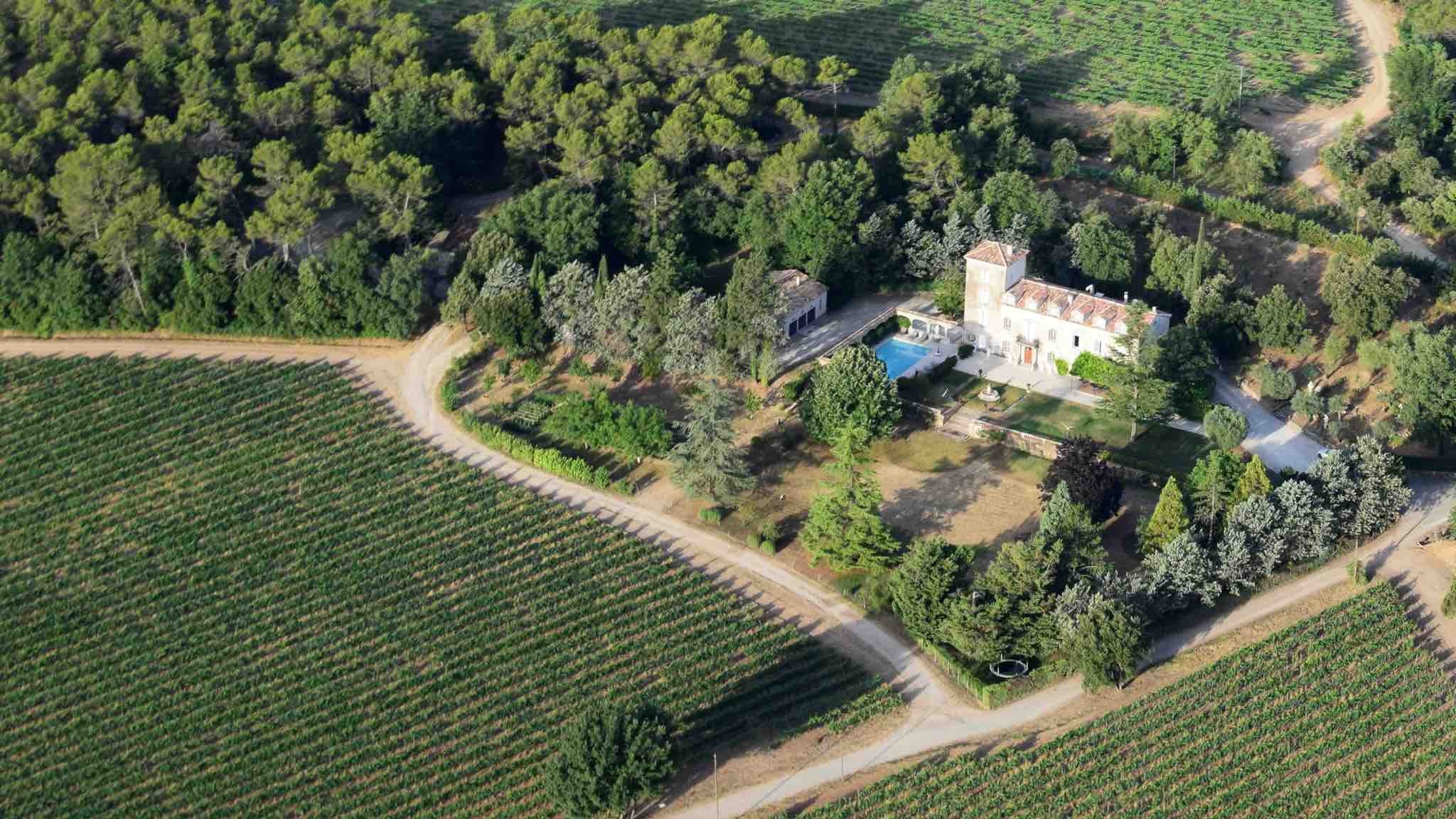
Château d'Esclans, addressed at Route de Callas in the Var hills above the Côte d'Azur, is the estate that reframed what Provençal rosé could charge and who it could impress..
Pearl is the En Primeur Club membership app — saves, bookings, and concierge access live there. Same editors, same standards.
- Address
- 4005 Rte de Callas, 83920 La Motte
- Phone
- +33 4 94 60 40 40
- Website
- esclans.com
- Directions
- Get directions
 Saves & bookings on Pearl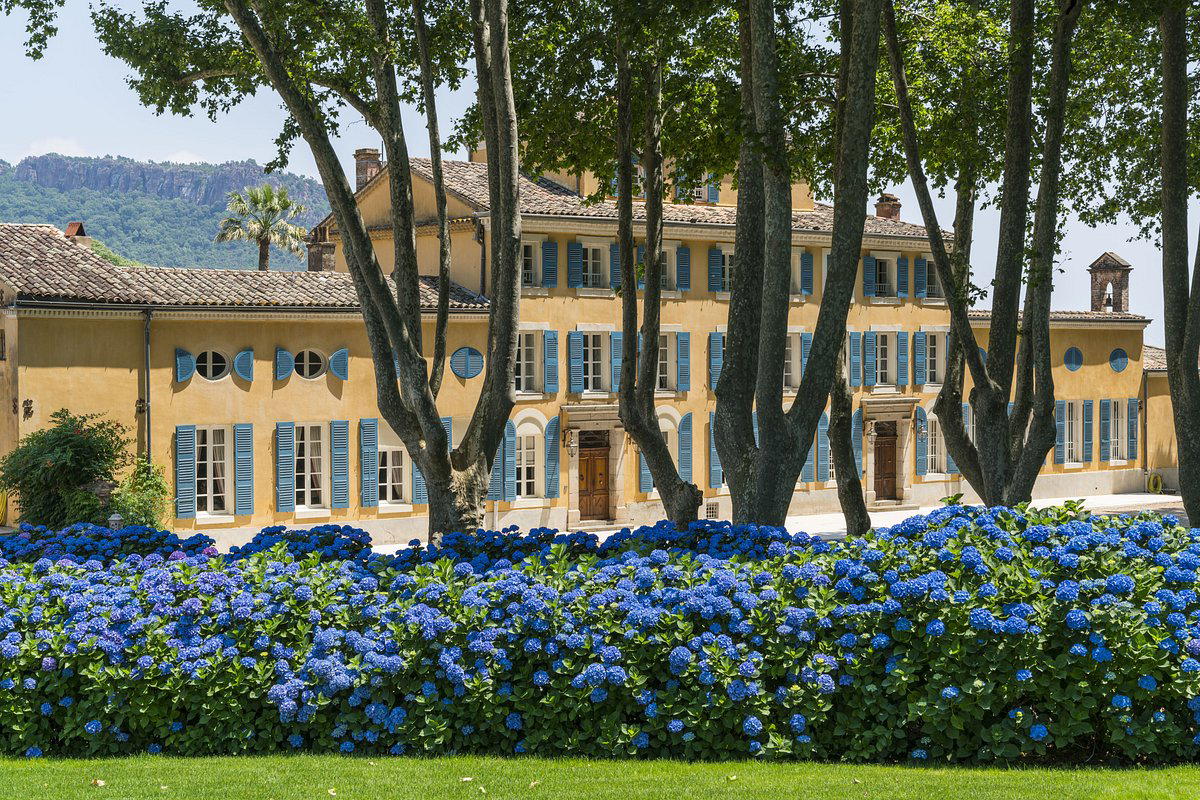
Provence's Upper Tier, Pressed in Pink
The Var département sits in a climatic corridor that most wine regions would envy: Mediterranean heat moderated by altitude, thin limestone and schist soils that drain fast and stress the vine productively, and a dry growing season that keeps disease pressure low. These are not incidental advantages. They are the structural conditions that made it possible, from the mid-2000s onward, for a handful of estates to argue that Provençal rosé deserved to be priced and treated as a serious fine wine rather than a summer convenience purchase. Château d'Esclans, sited on the Route de Callas near La Motte in the Var hills, was at the centre of that argument from 2006, the year of its first vintage under its current programme.
The estate sits on geologically varied ground, a quality the region's serious producers consistently emphasise as the foundation for complexity in a category still fighting the perception that pale colour is the only thing that matters. In Provence, the dominant grape for rosé is Grenache, a variety that expresses differently depending on whether its roots are pulling from chalk, clay, or the iron-rich schist found in parts of the Var. Elevation compounds the effect: cooler nights extend hang time, preserving acidity in a fruit profile that might otherwise tip toward softness at lower altitudes.
What the 2006 Starting Point Means
A first vintage of 2006 places Château d'Esclans at nearly two decades of recorded production under its current direction, a meaningful stretch in any wine category and especially significant for rosé, which has historically been treated as a style without a track record worth following. The estate's programme under winemaker Patrick Leon developed within that context: a period when the global rosé market was expanding sharply but the quality ceiling was still being tested, and when the Provence appellation was becoming the shorthand for a style that commanded premium positioning. Building a programme across that arc means the estate now sits on a body of vintages sufficient to show how the land behaves across years, not just in ideal conditions.
Within the French rosé category more broadly, the estate belongs to a small cohort of Var-based producers whose wines appear in fine wine retail and restaurant lists that would previously have carried only Burgundy, Bordeaux, or Northern Rhône at comparable price points. That shift in how trade buyers and sommeliers position Provençal rosé is one of the clearest realignments in French wine in the past twenty years, and the Var hills around La Motte sit at the geographic centre of it. For context on how other regions handle the question of prestige positioning, compare the allocation-led model used by producers like Accendo Cellars in St. Helena or the terroir-first communication strategies employed at Albert Boxler in Niedermorschwihr: different categories, but the underlying logic of building prestige on provenance and consistency applies across them.
The Var's Claim on Serious Rosé
Provence produces approximately 140 million bottles of rosé per year, and the overwhelming majority of that volume is made at price points and production scales that have nothing to do with fine wine. The category that Château d'Esclans inhabits is narrow: estates in the Var and the Côteaux Varois en Provence that produce at low yields, use technical infrastructure associated with white wine vinification (temperature-controlled pressing, careful oxidative management), and release wines through channels that signal seriousness to trade and consumer alike.
The Var's specific terroir argument rests on several geological and climatic pillars. Schist and granite dominate in the hills above La Motte and across the Maures range. These soils contribute mineral tension to wines that might otherwise read as purely fruit-driven. The elevation, combined with proximity to the sea, produces a diurnal range that supports aromatic precision. These are the same structural conditions that allow Château Clinet in Pomerol to claim that its clay-dominated parcel expresses differently than the gravel-heavy neighbours, or that underpin the positional argument made by Château Bélair-Monange in Saint-Emilion about limestone plateau fruit. Terroir specificity, backed by geological evidence, is the language of prestige wine, and the Var now speaks it fluently.
Placing Château d'Esclans in Its Competitive Set
Other awarded estates in the broader French fine wine context include Château Batailley in Pauillac, Château Branaire Ducru in St-Julien, and Château Boyd-Cantenac in Cantenac, each of which operates within a classification system that predates the modern fine wine conversation around rosé by over a century. The point is not equivalence of style but equivalence of seriousness: estates in which vintage variation, cellar investment, and winemaker continuity are treated as the primary quality levers.
Within the Provençal cohort, the relevant peer comparison is to estates also producing cuvées at the upper end of the regional price spectrum. The Var hills, specifically the area around La Motte and Callas, have developed a reputation for this tier in a way that the coastal Côtes de Provence sub-zones have not consistently managed, partly because the inland terroir offers more structural tension and partly because the estates there have invested more consistently in the kind of selective viticulture that produces allocatable, critically discussed wines. For other Bordeaux and French estates covered in depth on EP Club, see Château Cantemerle in Haut-Médoc, Château Dauzac in Labarde, Château Bastor-Lamontagne in Preignac, and Château d'Arche in Sauternes.
Planning a Visit
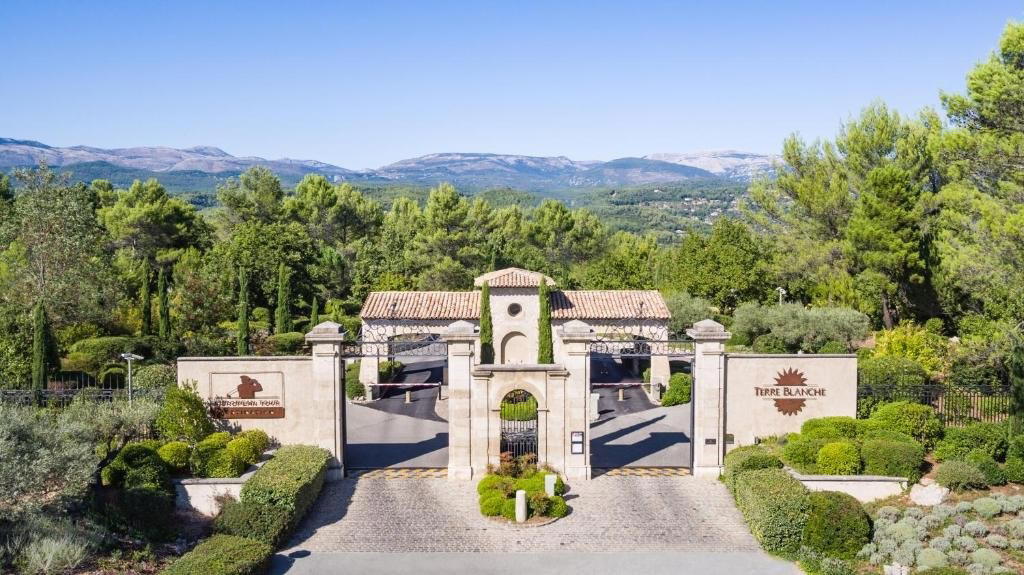
The estate address is 4005 Route de Callas, 83920 La Motte, in the Var hills of inland Provence. The town of La Motte sits in the Argens valley, roughly between the Gorges du Verdon to the north and the coastal resorts to the south, which makes it accessible from both Cannes and Aix-en-Provence by road. The inland location means the microclimate is noticeably drier and warmer during summer than coastal Provence, and the range of scrub, schist, and pine is more austere than the picture-postcard imagery associated with lavender fields further north. Visiting in late spring or early autumn keeps you clear of peak summer traffic on the A8 corridor, and the harvest period from mid-August through September brings its own interest for those who want to see the picking and sorting operation in progress. Anyone extending a trip toward the Northern Rhône wine country or Languedoc may find it useful to cross-reference Domaine de la Janasse in Courthézon as a complementary stop; the contrast between the Grenache-dominant approach in Châteauneuf-du-Pape reds and the same variety pressed immediately for rosé in the Var is instructive. Those with a broader interest in French artisan production might also consider Chartreuse in Voiron or Aberlour in Aberlour as comparative points in the conversation about place-driven production outside wine.
Comparable Venues
Comparable venues nearby, for context on price, style, and recognition.
| Venue | Cuisine | Price | Notes |
|---|---|---|---|
| Château d'EsclansThis venue — the venue you are viewing | Grenache, Rolle | $$$$ | Not listed |
| Domaine de la Janasse | Grenache, Syrah | $$$ | Courthézon |
| Château Sainte-Roseline | Grenache, Syrah | $$$ | Les Arcs-sur-Argens |
| Domaine Santa Duc | Grenache, Mourvèdre | $$$ | Gigondas |
| Domaine de la Sanglière | Grenache, Cinsault | $$ | Bormes-les-Mimosas |
| Domaine de Marcoux | Grenache, Mourvèdre | $$$ | Châteauneuf-du-Pape |
Continue exploring
More in Courthézon
Wineries in Courthézon
Browse all →
Bars in Courthézon
Browse all →
Restaurants in Courthézon
Browse all →
At a Glance
- Elegant
- Scenic
- Sophisticated
- Romantic
- Romantic Getaway
- Special Occasion
- Wine Education
- Vineyard Tour
- Estate Grounds
- Garden
- Historic Building
- Vineyard
- Garden
- Côtes De Provence
- Grenache
- Rolle
- Cinsault
- Mourvèdre
- Syrah
- Merlot
- Tibouren
- Still Rosé
- Cave Tasting
- Private Tasting
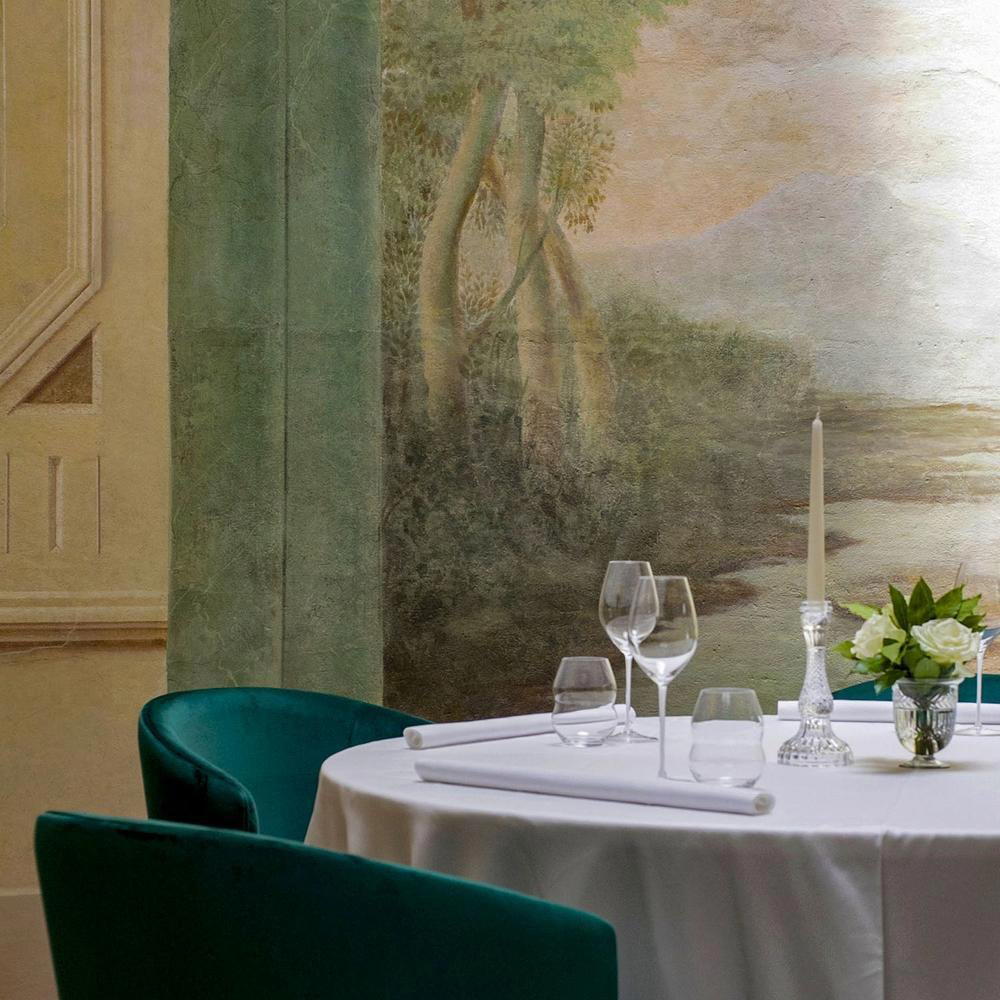
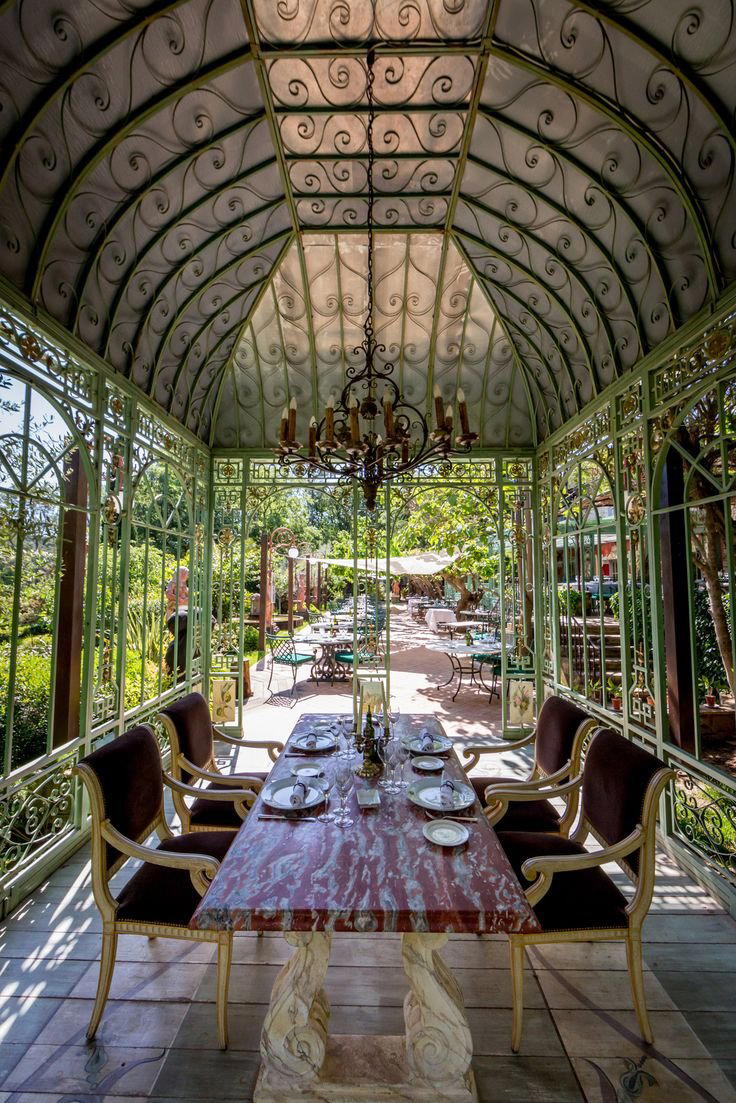
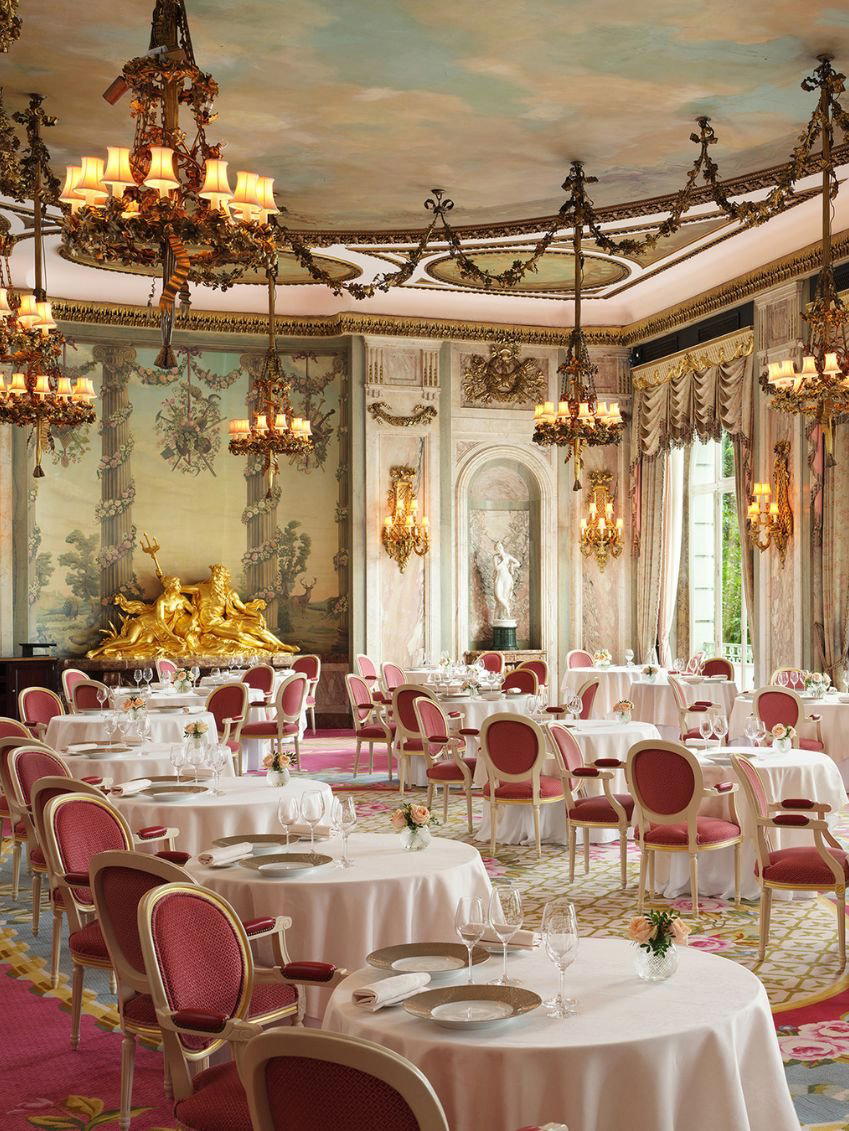
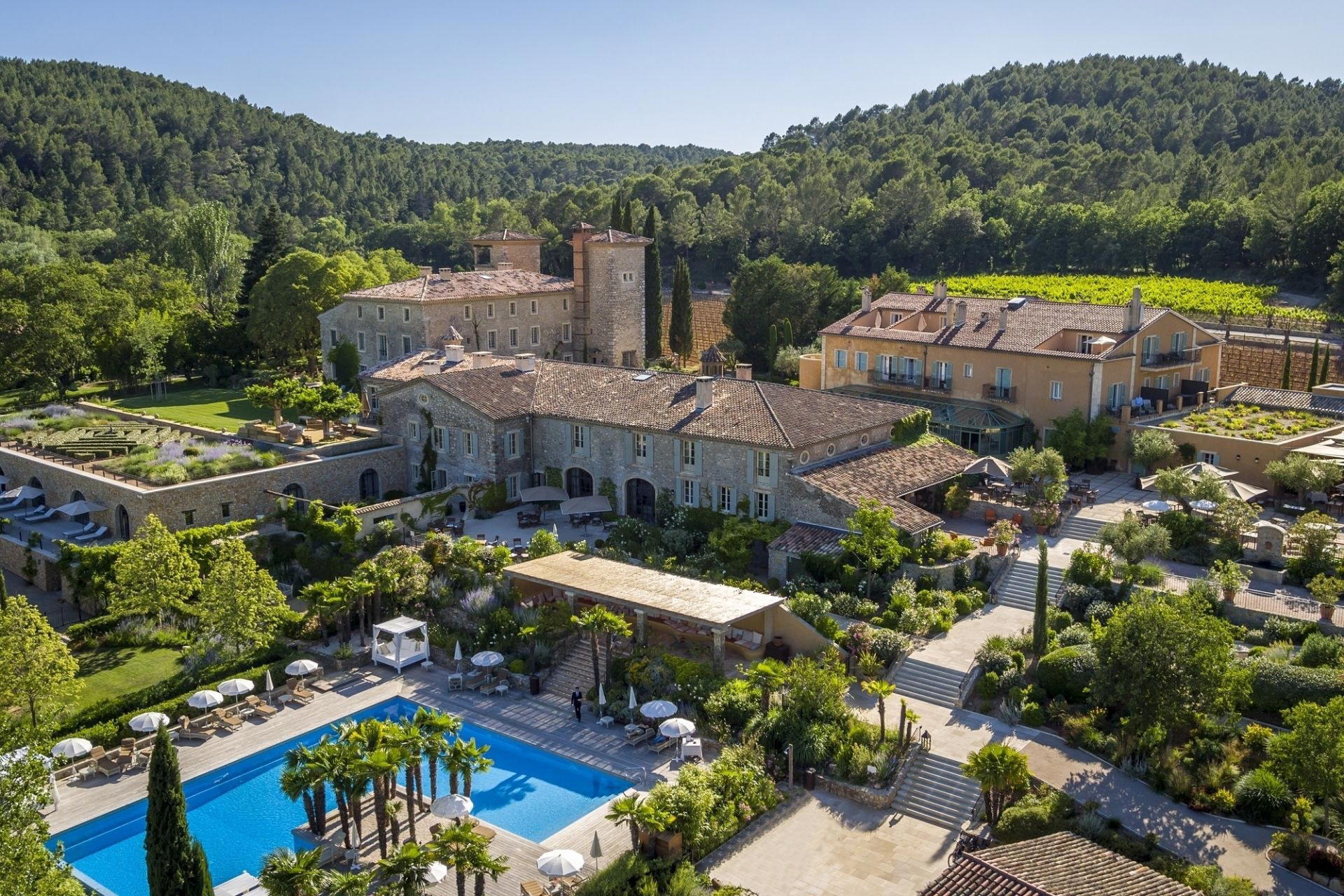
Elegant and romantic with verdant gardens, historic Tuscan-style château, and scenic vineyard views.