
Falstaff Winery - Listed
Château Bastor-Lamontagne is a Sauternes-appellation estate in Preignac, producing botrytis-driven sweet wines from the gravelly, clay-limestone soils that define this corner of Bordeaux's left bank.

Pearl is the En Primeur Club membership app, where members save venues, book tables and use the concierge.
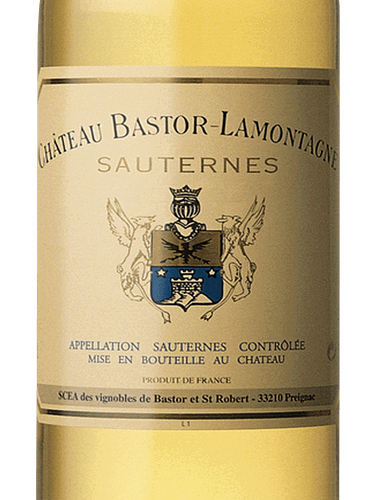
Preignac and the Southern Sauternes Corridor
The Sauternes appellation runs south from Barsac along the left bank of the Ciron, a cold tributary whose autumn mists are the single most consequential weather event in sweet wine production anywhere in Bordeaux. Where the Ciron meets the warmer Garonne, the temperature differential generates the morning fog that encourages Botrytis cinerea, the noble rot that concentrates sugars, acids, and aromatic compounds in Sémillon and Sauvignon Blanc grapes before the afternoon sun burns the moisture away. Preignac sits at the southern end of this corridor, occupying a transitional zone where the gravel ridges that anchor the appellation's most prestigious estates give way to heavier clay-limestone soils. The result is wines that can carry slightly more weight and textural density than those from the sandier plots around Sauternes village itself.
Within this geography, estates sort themselves by terroir composition, yield discipline, and the proportion of each harvest that passes through successive tris, hand-sorting passes through the vineyard that select only grapes at the precise moment of botrytis concentration. The gap between a domaine that completes four or five passes and one that settles for two shows up clearly in the glass, and in the allocation lists. Bastor-Lamontagne sits at an address in this commune, La Montagne-Est, where the elevation and soil drainage have historically supported the kind of selective picking that defines serious Sauternes production.
What the Land Produces
Sauternes Sémillon, which typically forms the backbone of any estate in the appellation, picks up its character from the soil as much as from the botrytis. On gravel, it tends toward tension and finesse; on clay-limestone, it adds glycerol and a broader mid-palate. The wines of Preignac have traditionally navigated that middle register: enough structure to age, enough richness to satisfy at release.
Bastor-Lamontagne occupies a different position in that hierarchy, offering appellation-level quality without the premium attached to first-growth or near-first-growth status, which makes it one of the more pragmatically interesting addresses in the commune for buyers paying attention to value within a defined quality band.
Botrytis, Vintage Variation, and the Logic of Sauternes Pricing
Few wine regions are as vintage-dependent as Sauternes. In a year without sufficient fog, botrytis fails to develop evenly, and the estate must choose between releasing a dilute sweet wine, declassifying fruit into a dry second label, or not releasing at all. The great Sauternes vintages, years where the Ciron mist arrived on schedule, botrytis spread uniformly, and dry afternoons allowed concentration rather than grey rot, are relatively rare, which is why older bottles from recognised addresses command prices that surprise buyers accustomed to red Bordeaux's vintage logic.
This variability also explains why Sauternes estates at every level maintain a broader range of offerings than their left-bank red counterparts. A secondary wine allows the property to maintain commercial continuity across difficult harvests while preserving the quality discipline of the grand vin. For buyers who follow estates rather than simply vintages, understanding which years an estate committed fully to its primary label, and which it redirected fruit downward, is as important as reading critic scores for individual releases.
The Cellar Approach and Valérie Vialard
In Sauternes, the cellar role is less about stylistic invention and more about preserving what the vintage and the botrytis have already determined. The key decisions, when to pick each parcel, how many sorting passes to complete, how long to age in barrel, and what proportion of new oak to use, all serve the same goal: legibility. A well-made Sauternes should read its terroir clearly, which in Preignac means weight and richness without sacrificing the acidity that allows the wine to age for decades rather than flatten within a few years of release.
Valérie Vialard's oversight at Bastor-Lamontagne places the estate in the company of a broader generational shift in Bordeaux where domain-level winemaking responsibilities have increasingly moved toward technical directors and estate-based teams rather than consulting oenologists cycling across multiple properties. That structural consistency, a named winemaker committed to a single address, tends to produce more legible stylistic evolution across vintages, and it is the kind of signal that both critics and buyers track when assessing whether an estate's quality trajectory is stable or improving.
Where Bastor-Lamontagne Sits in the Wider Bordeaux Picture
Sauternes operates somewhat separately from the market dynamics that govern classified red Bordeaux. The volumes are smaller, the vintage frequency of great releases is lower, and the drinking audience, at least outside of France and parts of Asia, has historically been narrower. That means estates in the appellation can achieve genuine quality recognition without the allocation pressure and secondary market attention that defines properties in, say, Pauillac or Saint-Émilion.
Beyond Bordeaux, the logic of terroir-driven sweet wine production connects Sauternes to a handful of other European traditions worth understanding in parallel. The Alsace producers who work with late-harvest Riesling and Gewurztraminer, estates like Albert Boxler in Niedermorschwihr, operate under a different botrytis and climate logic, but the same principle of annual vintage risk and exceptional-year concentration applies. The comparison helps position Sauternes not as a curiosity of Bordeaux geography but as part of a broader category of wines where patience, climate, and yield restraint are the primary quality inputs.
For those building a broader French cellar, estates across the Bordeaux appellations offer useful reference points. Château Branaire Ducru in St-Julien, Château Boyd-Cantenac in Cantenac, Château Cantemerle in Haut-Médoc, and Château Clinet in Pomerol each represent the red-wine side of Bordeaux's quality hierarchy, while the Sauternes addresses, including Château d'Arche in Sauternes, complete the picture of what the left bank produces across styles. Further afield, Château d'Esclans in Courthézon, Accendo Cellars in St. Helena, and Aberlour in Aberlour illustrate how different terroirs and traditions produce their own forms of concentrated, age-worthy production, a useful frame for understanding what makes the Sauternes method distinctive rather than inevitable.
Planning a Visit to Preignac
The commune of Preignac is accessible from Bordeaux city via the A62 autoroute, with the estates of the southern Sauternes corridor positioned within roughly an hour's drive of the city centre. Harvest visits, typically from late September through November, depending on botrytis development, offer the most informative window into how the appellation actually works, since the sorting passes and harvest decisions that define each vintage's quality are visible in a way that off-season cellar tours cannot replicate. For a full picture of the commune's dining and accommodation options, our full Preignac restaurants guide covers the practical context around estate visits. Chartreuse in Voiron offers an example of how monastic and artisanal production traditions in France can anchor a visitor itinerary beyond wine estates alone, and the contrast is instructive for travellers building multi-day itineraries through the southwest.
A Quick Peer Check
Comparable venues nearby, for context on price, style, and recognition.
| Venue | Cuisine | Awards | Notes |
|---|---|---|---|
| Château Bastor-LamontagneThis venue (the venue you are viewing) | Semillon, Sauvignon Blanc | Falstaff Winery - Listed | Not listed |
| Château de Fargues | Semillon, Sauvignon Blanc | Michelin 2 Grapes · Falstaff Winery - Listed | Preignac |
| Château Suduiraut | Semillon, Sauvignon Blanc | Michelin 1 Grape · Falstaff Winery - 4 Stars | Preignac |
| Camus Cognac | Borderies | Not listed | Cognac |
| Château Doisy-Daëne | Sémillon, Sauvignon Blanc | Falstaff Winery - 3 Stars | Barsac |
| Château Rayne-Vigneau | Sémillon, Sauvignon Blanc | Falstaff Winery - 3 Stars | Bommes |
Recognition history
Dated appearances from independent guides and award organizations, with the underlying list record or original source where available.
Falstaff Winery - Listed
Falstaff
Continue exploring
More in Preignac
Wineries in Preignac
All wineries in Preignac →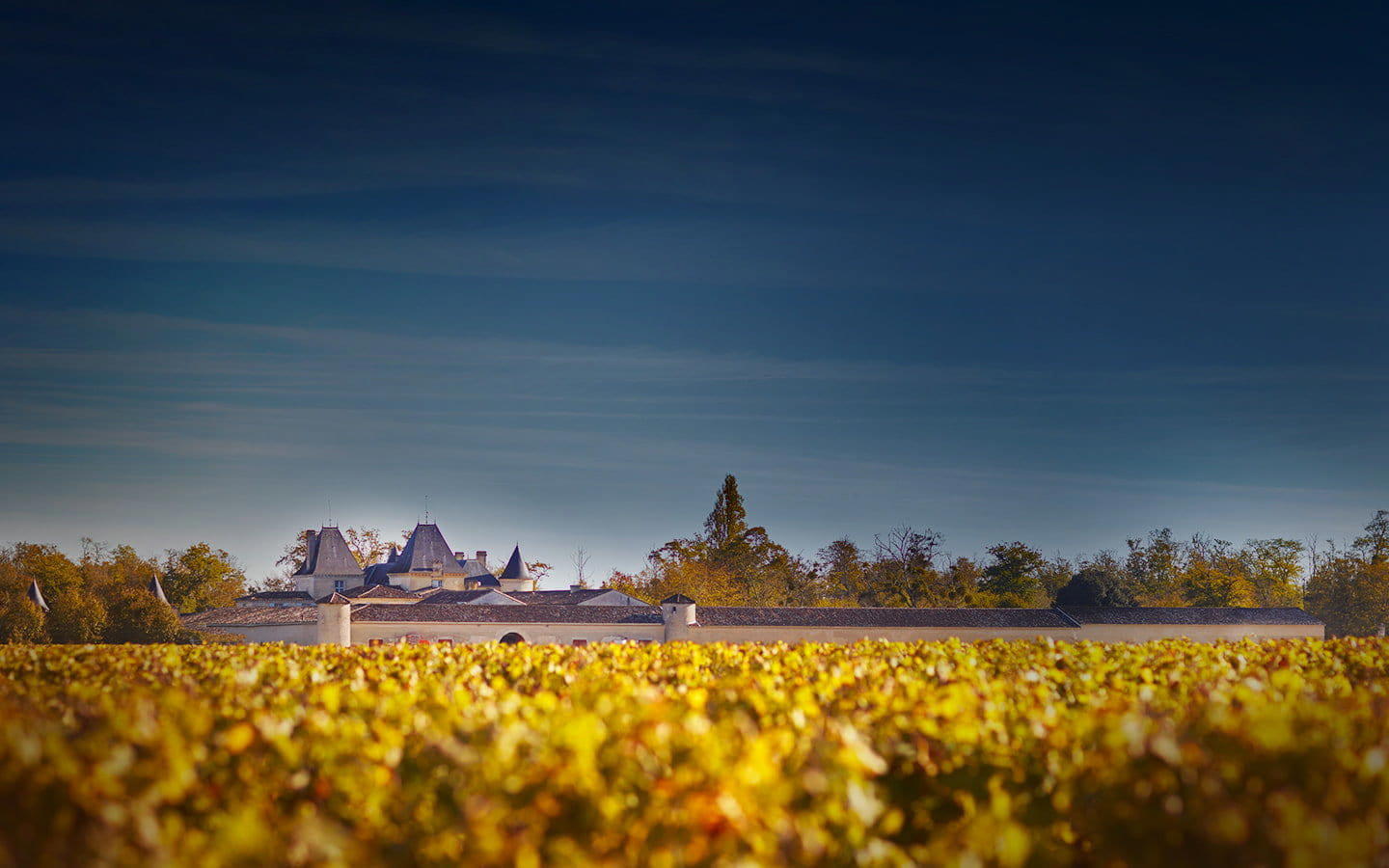
Bars in Preignac
Browse all →
Details
- Classic
- Elegant
- Scenic
- Rustic
- Wine Education
- Special Occasion
- Vineyard Tour
- Estate Grounds
- Historic Building
- Organic
- Sustainable
- Vineyard
- Garden
- Semillon
- Sauvignon Blanc
- Sauvignon Gris
- Muscadelle
- Dessert
- Still White
- Cave Tasting
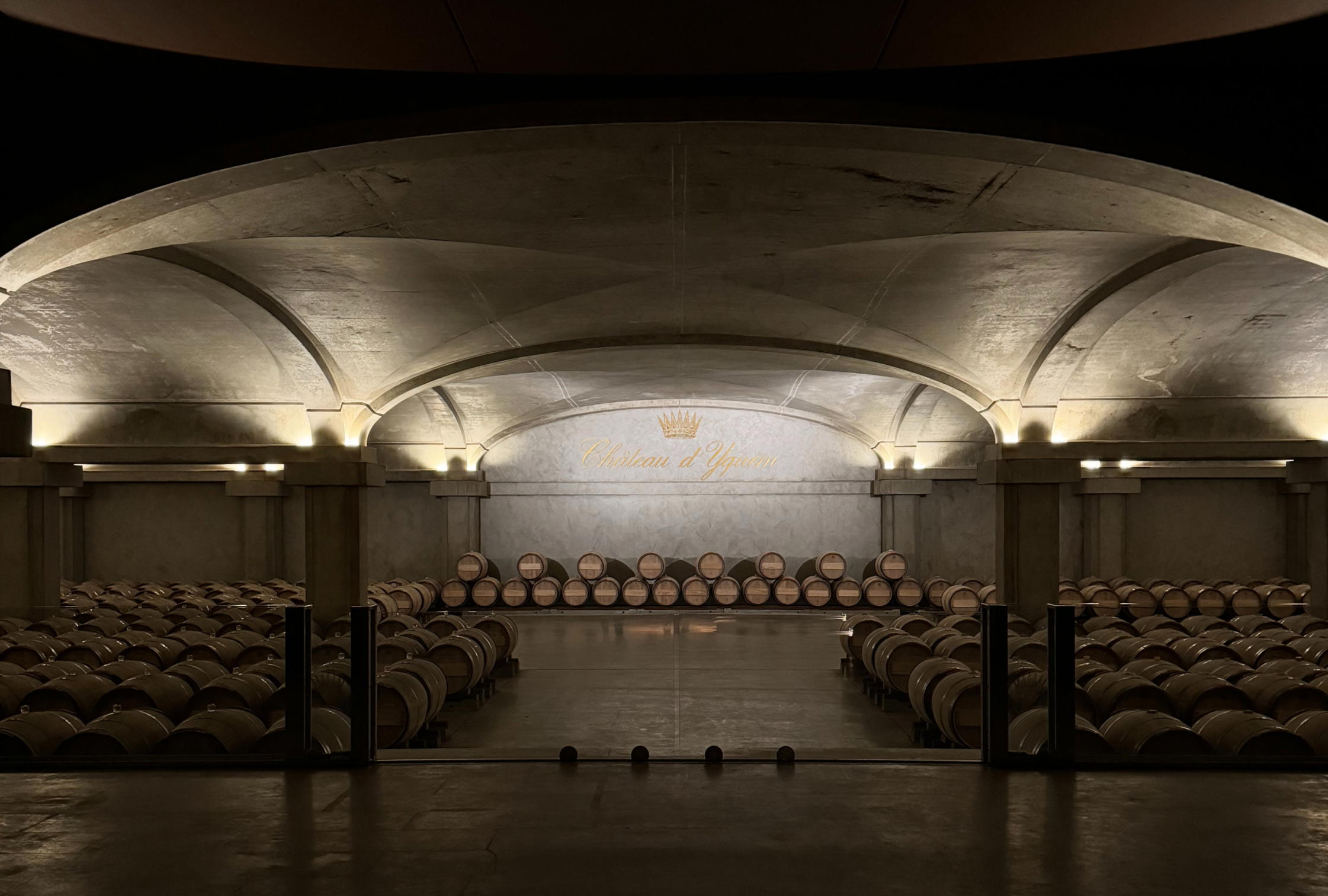
- Barrel Room
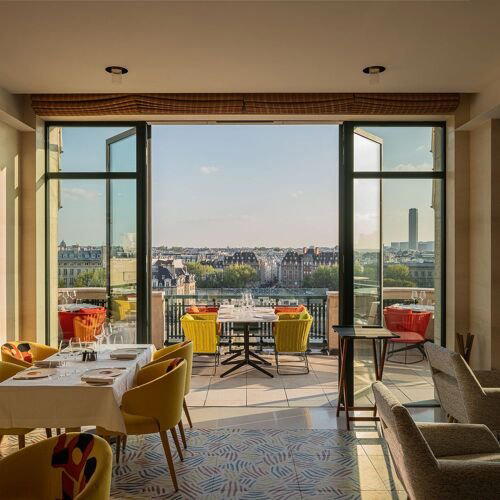
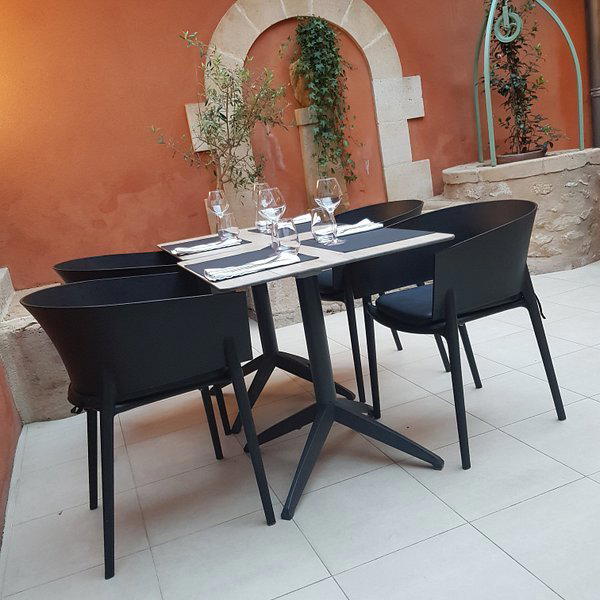
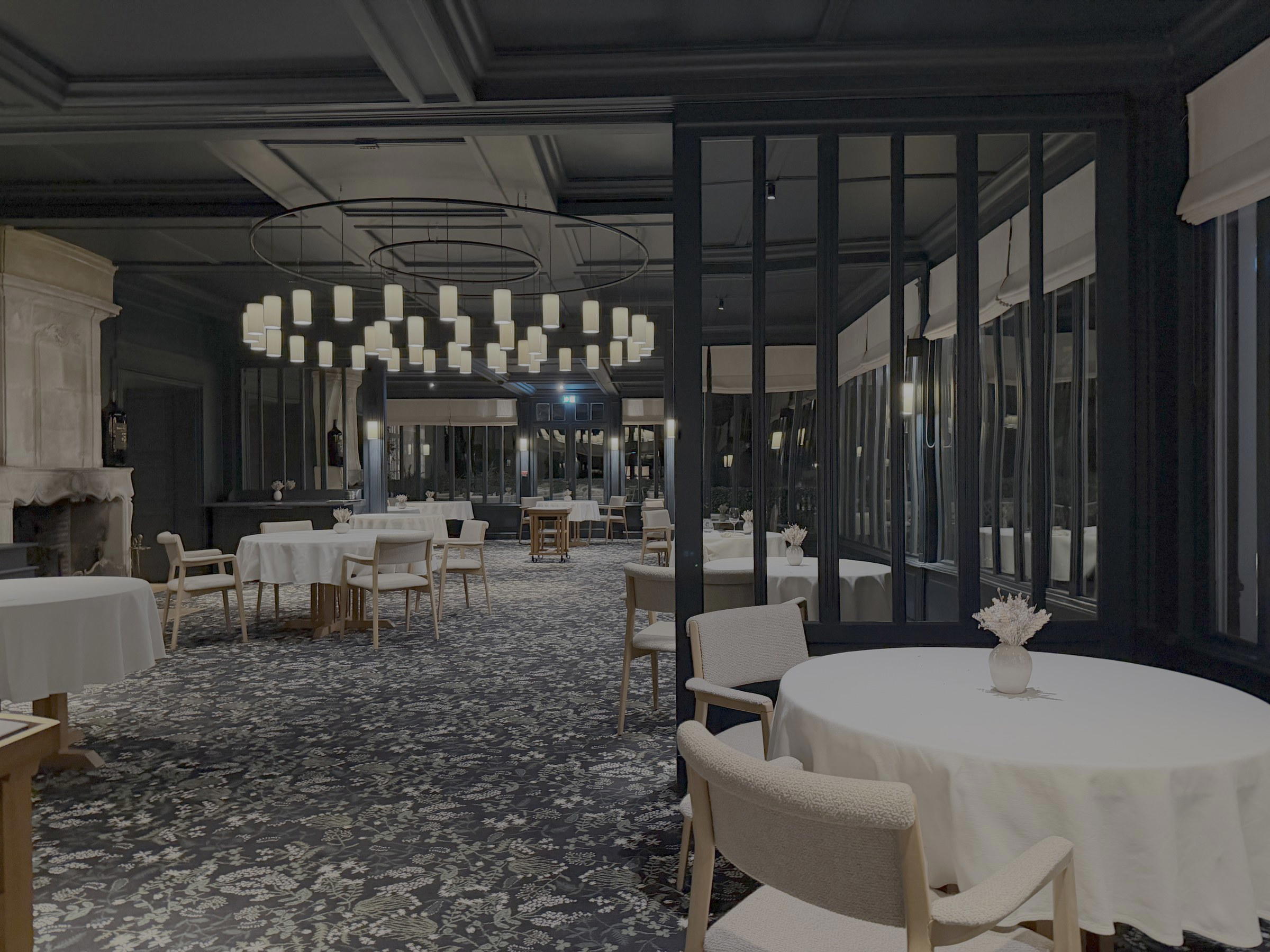
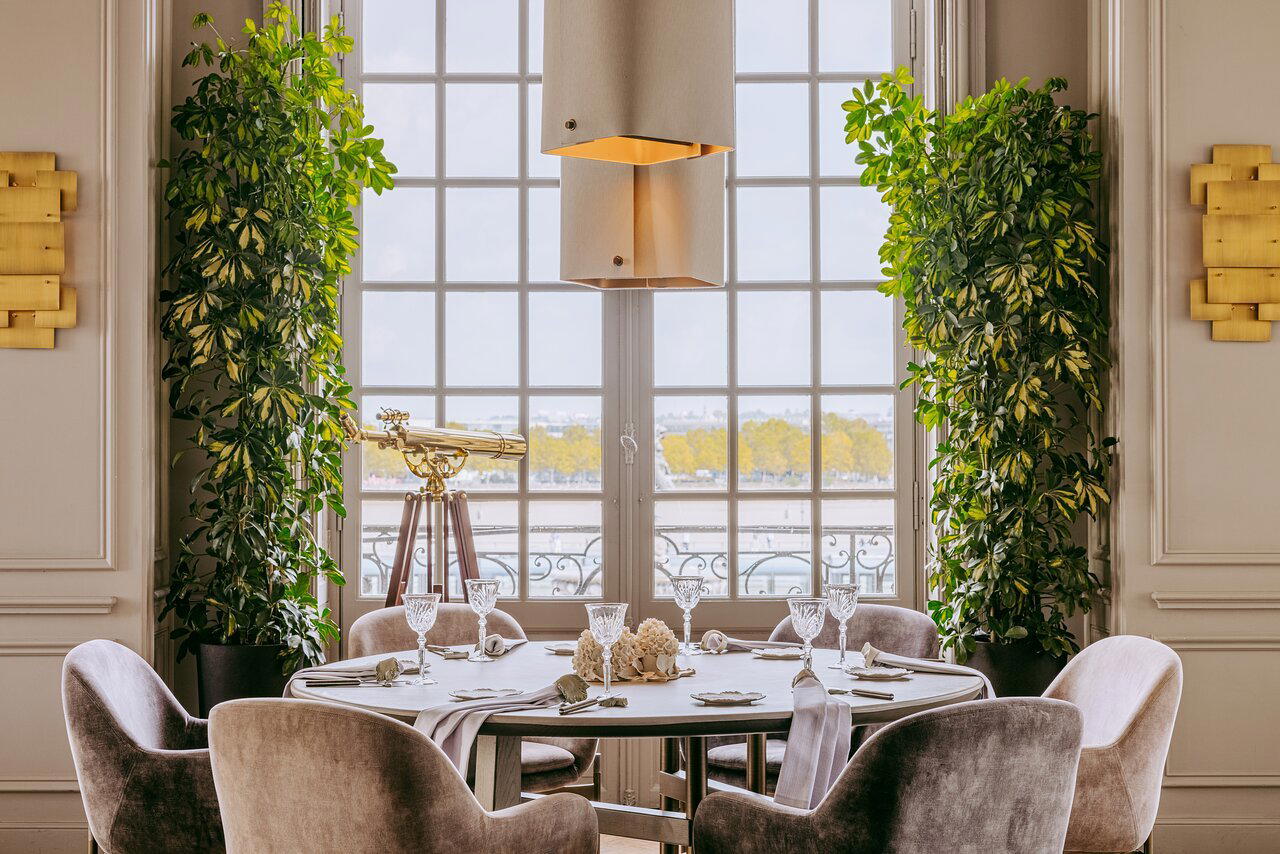
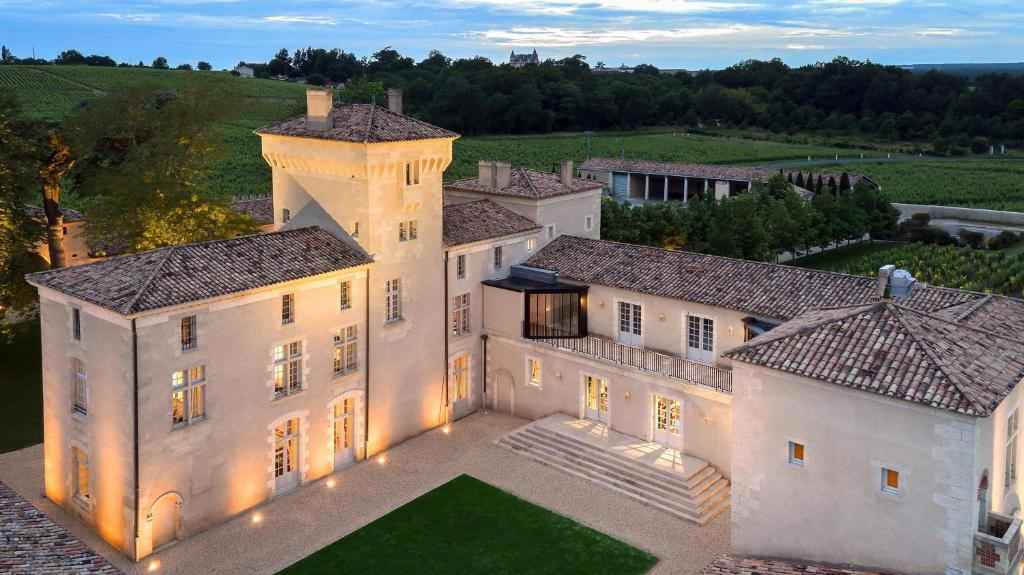
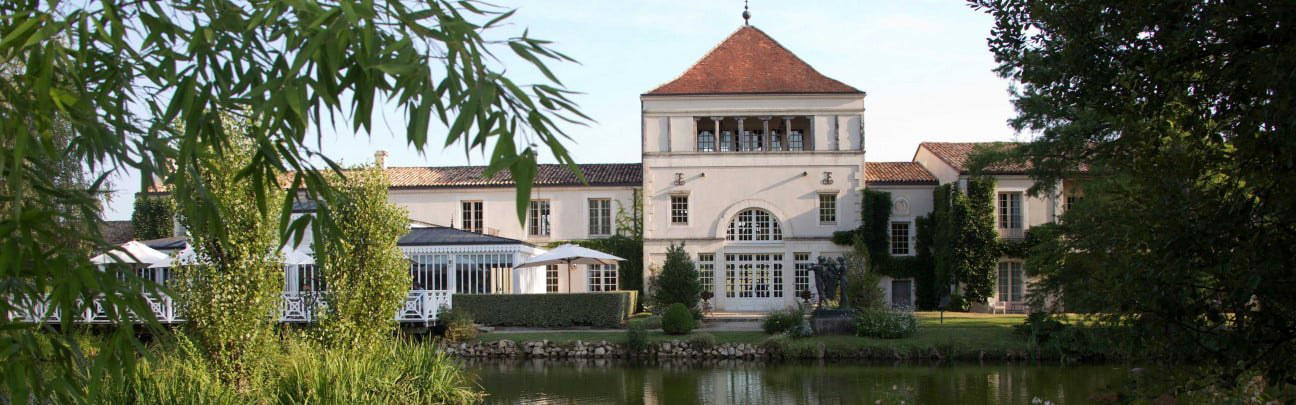
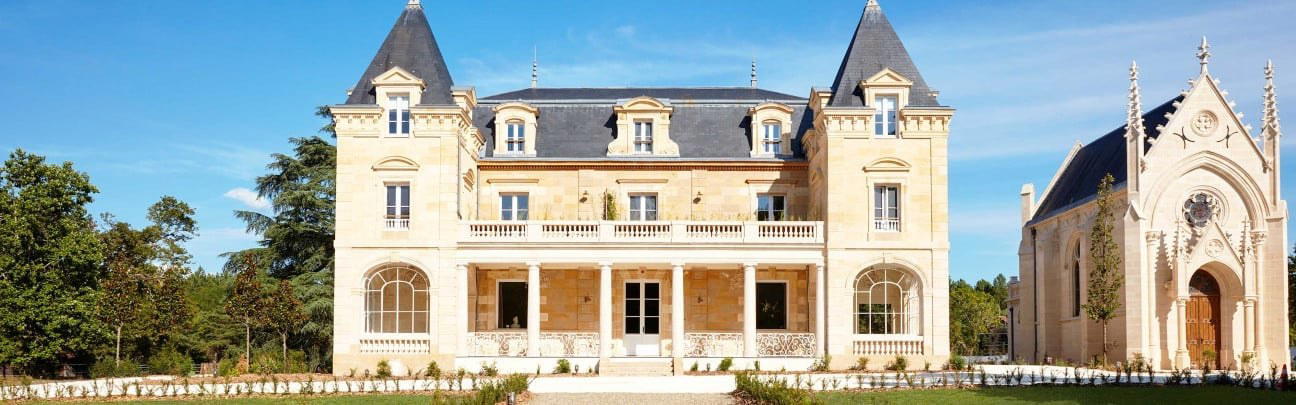
Elegant and fresh atmosphere with finesse, vivacity, and balance, reflecting a historic yet modern approach to Sauternes winemaking.