
Star Wine List
Sacré Bistro sits on Place Auban Moët in Épernay, drawing a local crowd that treats it as a neighbourhood anchor rather than a tourist stopover. The atmosphere runs youthful and relaxed, but the drinks programme carries more conviction than the casual format suggests. In a city defined by grand Champagne houses, this is where the town drinks on its own terms.

Pearl is the En Primeur Club membership app — saves, bookings, and concierge access live there. Same editors, same standards.
- Address
- 2 Pl. Auban Moët, 51200 Épernay, France
- Phone
- +33 9 52 78 27 37
- Hours
- Mon ClosedTue–Sat 12–2 PM, 7–10 PMSun Closed
- Website
- sacrebistro.fr
- Directions
- Get directions
- Booking
- Book on Zenchef
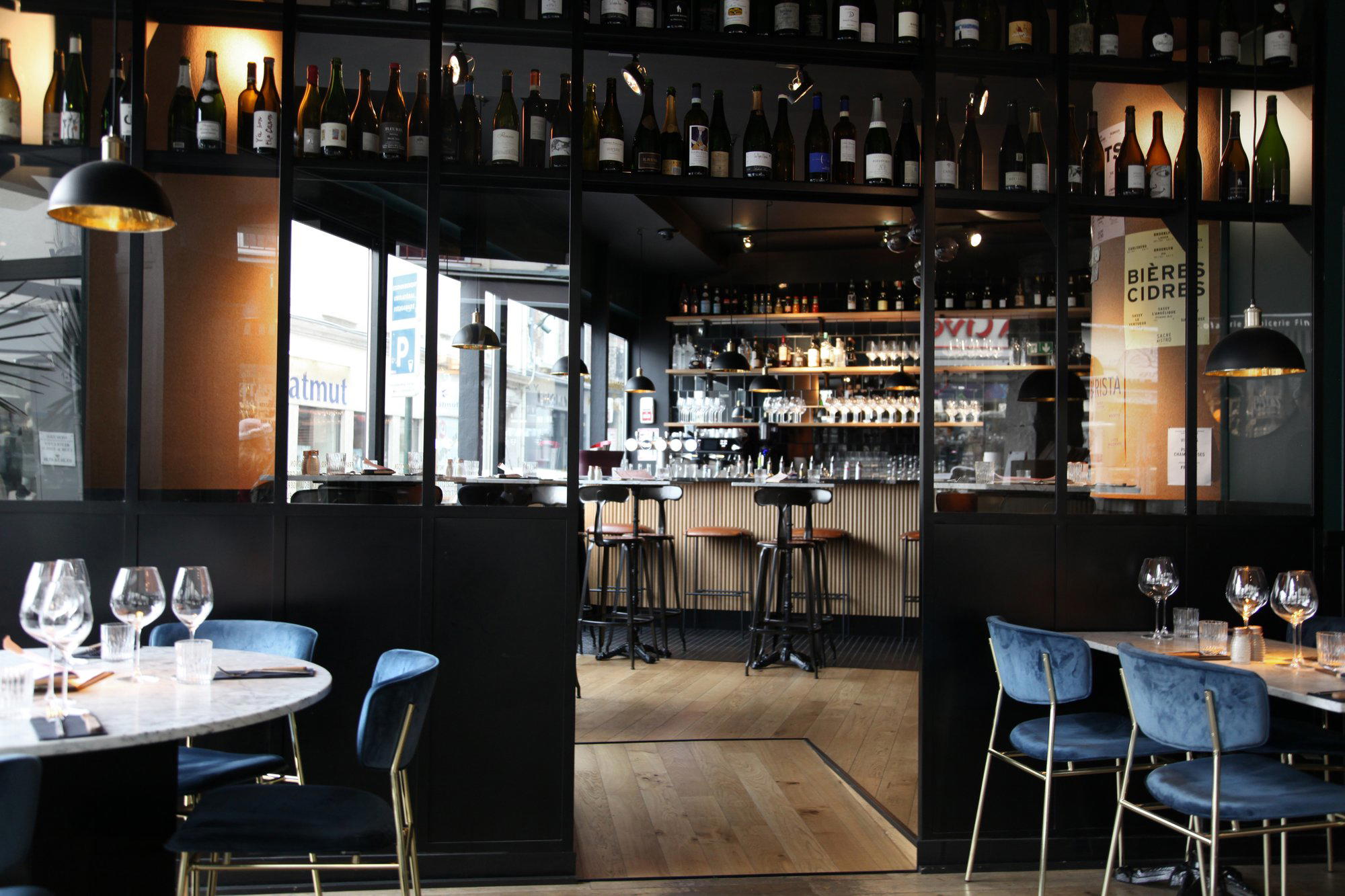
Where Épernay Drinks When It's Off the Clock
Place Auban Moët is the kind of square that could easily become a postcard backdrop and nothing more. The Avenue de Champagne runs nearby, lined with the limestone facades of the grandes maisons, and most visitors arrive, tour a cellar, sip a glass, and leave. Sacré Bistro occupies a different register entirely. Positioned at 2 Place Auban Moët, it draws the crowd that actually lives here, the one that knows which table catches the afternoon light and what to order without looking at the menu. In a city where so much of the food and drink offering is designed for out-of-towners, a room full of regulars is its own form of recommendation.
The physical environment reads as relaxed without being careless. There is a youthful energy to the place, the kind that comes from a genuinely mixed crowd rather than a deliberately curated aesthetic. You do not arrive to find a room dressed up to look effortless. It simply is. That distinction matters more than it sounds in Épernay, where the gravitational pull of the Champagne industry means many venues end up performing a version of themselves aimed at visitors rather than residents. For a full picture of where to eat and drink across the town, see our full Épernay restaurants guide.
The Drinks Programme: No-Fuss Format, Considered Execution
The no-fuss order is the first thing you notice about the drinks side of Sacré Bistro. There is no lengthy cocktail menu demanding explanation, no tableside theatre, no foam architectures that arrive looking like a chemistry experiment. What you get instead is a programme built around confidence in ingredients and proportion, the kind of drinks philosophy that French bistro culture has always carried but rarely gets credited for in an era that rewards visible complexity.
This approach places Sacré Bistro in an interesting position relative to the wider French bar scene. Cities like Paris and Lyon have seen significant investment in technically elaborate cocktail formats, with venues such as Bar Nouveau in Paris and La Maison M. in Lyon building programmes around clarification, fermentation, and seasonal ingredient sourcing. In Montpellier, Papa Doble takes its cues from classic Hemingway-era daiquiri traditions. Strasbourg's Au Brasseur sits at the intersection of beer culture and brasserie drinking. Sacré Bistro does not compete with any of these on their own terms, and it does not need to. Its programme is calibrated to its crowd and its context, which is a quality in itself.
In a region synonymous with Champagne, the obvious question is how sparkling wine features in the glass. Épernay sits at the geographic and commercial centre of the Champagne appellation, and a bar that trades on local patronage would be unusual if it did not pour the region's product with genuine knowledge. The Loire Valley's sparkling tradition, accessible from nearby Saumur, provides an interesting point of comparison. Venues like BOUVET LADUBAY in Saumur and House of Cointreau in Angers operate within adjacent French drink cultures, though the register at Sacré Bistro is decidedly more informal than either.
The Local Crowd as Critical Signal
There is a category of bar and bistro in French towns that is invisible to most travel writing because it serves no obvious narrative purpose. It is not a grand institution with a century of history. It is not a new-wave cocktail bar with a programme worth analysing in Eater. It is simply the place where people who live in the town gather, and its quality is measured in loyalty rather than column inches. Sacré Bistro belongs to that category, and that positioning carries genuine weight.
French regional bar culture has its own distinct logic. The Bordeaux wine bar model, represented by places like Bar Casa Bordeaux, is built around varietal education and producer narratives. Toulouse's Coté vin operates with a similar wine-forward emphasis. Sacré Bistro, by contrast, is not trying to teach you anything. It is trying to give you a good drink and somewhere to sit, which in the right circumstances is more useful than any amount of curation.
The regulars-as-endorsement point extends to the food side of the offer too. A bistro that holds a local crowd does so because the kitchen delivers reliably, not spectacularly. That is a different standard from the kind that earns awards and press visits, but it is not a lesser one. Consistency for a regular audience is harder to sustain than a tasting menu that performs for first-time visitors.
Épernay Beyond the Caves
Most visitors to Épernay spend their hours underground. The cave networks beneath the Avenue de Champagne collectively hold hundreds of millions of bottles, and the tours that move through them are among the most logistically impressive in French wine tourism. But the town above ground has its own texture, and Sacré Bistro sits at the centre of it in a way that the grandes maisons do not. For travellers who want to see what Épernay looks like when it is not performing for an audience, an afternoon at Sacré Bistro provides more clarity than another cellar visit.
Comparisons to bar culture further afield are instructive. Le Café de la Fontaine in La Turbie and Le Petit Nice Passedat in Marseille operate in very different registers, the former as a village anchor, the latter as the bar component of a five-star hotel. What they share with Sacré Bistro is a sense of place: each is comprehensible only within its specific geography, and each would make no sense transplanted elsewhere. That rootedness is what separates a neighbourhood institution from a concept that happens to have an address.
For those travelling with an eye on the wider French cocktail scene, Bar Leather Apron in Honolulu offers an interesting transatlantic data point on how French-inflected cocktail discipline travels across different contexts, though the comparison only sharpens the argument that Sacré Bistro's value is specifically local.
Planning Your Visit
Sacré Bistro sits at 2 Place Auban Moët in central Épernay, within easy reach of the main Champagne house entrances on the Avenue de Champagne. Given its reputation as the spot locals favour, the space can fill quickly on weekends and during the harvest period in autumn when the region sees refined visitor numbers. The format is casual enough that walk-ins are consistent with the venue's overall character. Dress accordingly: this is not a room that rewards formality.
A Quick Peer Check
Comparable venues nearby, for context on price, style, and recognition.
| Venue | Cuisine | Price | Awards | Notes |
|---|---|---|---|---|
| Sacré BistroThis venue — the venue you are viewing | wine_bar | $50–100 | Star Wine List | Not listed |
| Bar The View | cocktail_bar | $30–50 | Not listed | Lille |
Recognition history
Dated appearances from independent guides and award organizations, with the underlying list record or original source where available.
Star Wine List
Star Wine List
Continue exploring
More in Épernay
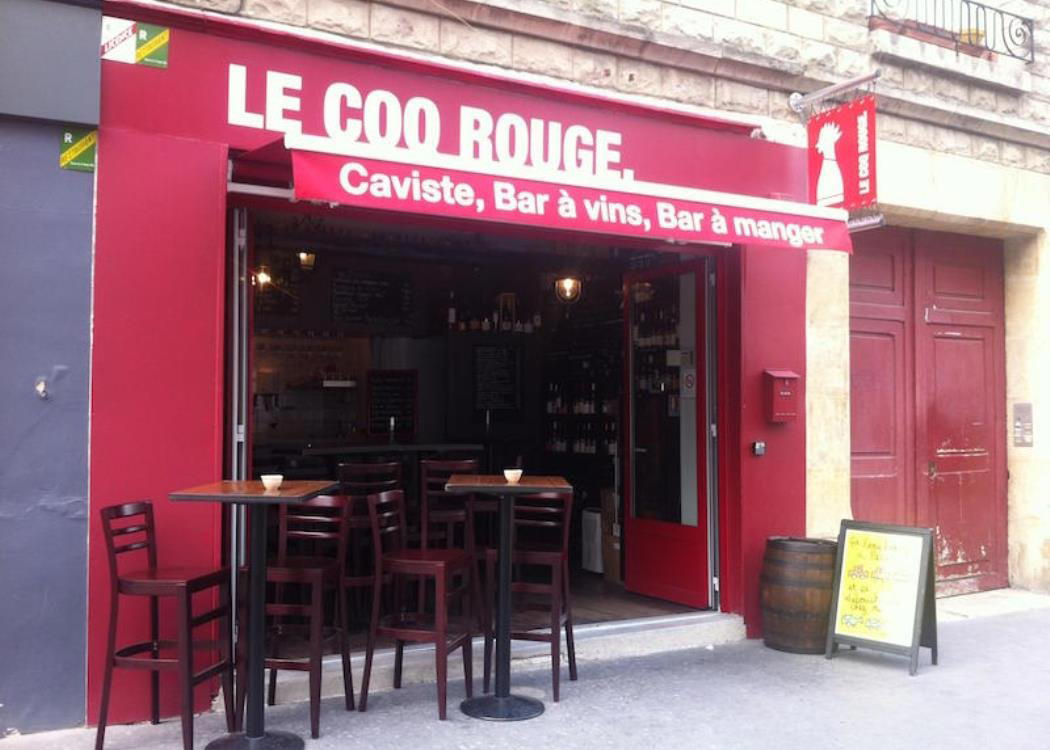
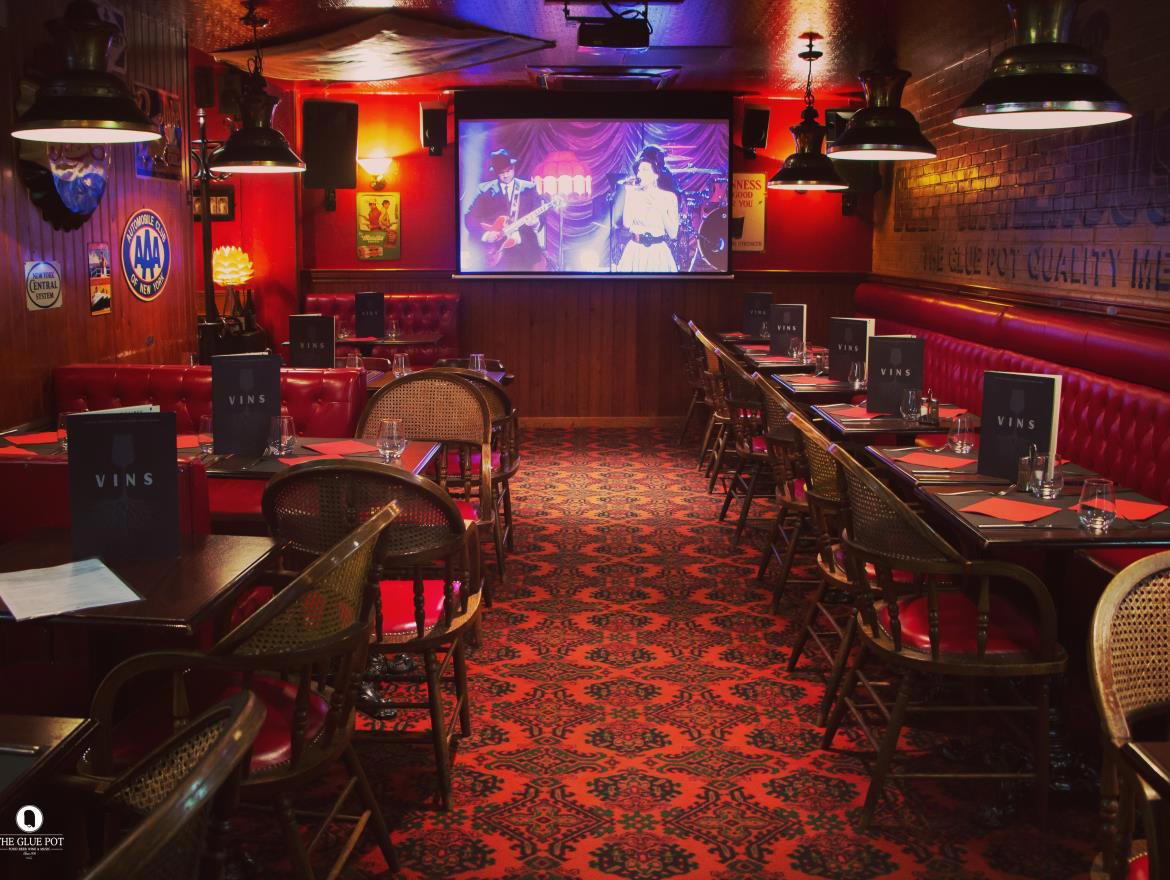
Bars in Épernay
Browse all →
Restaurants in Épernay
Browse all →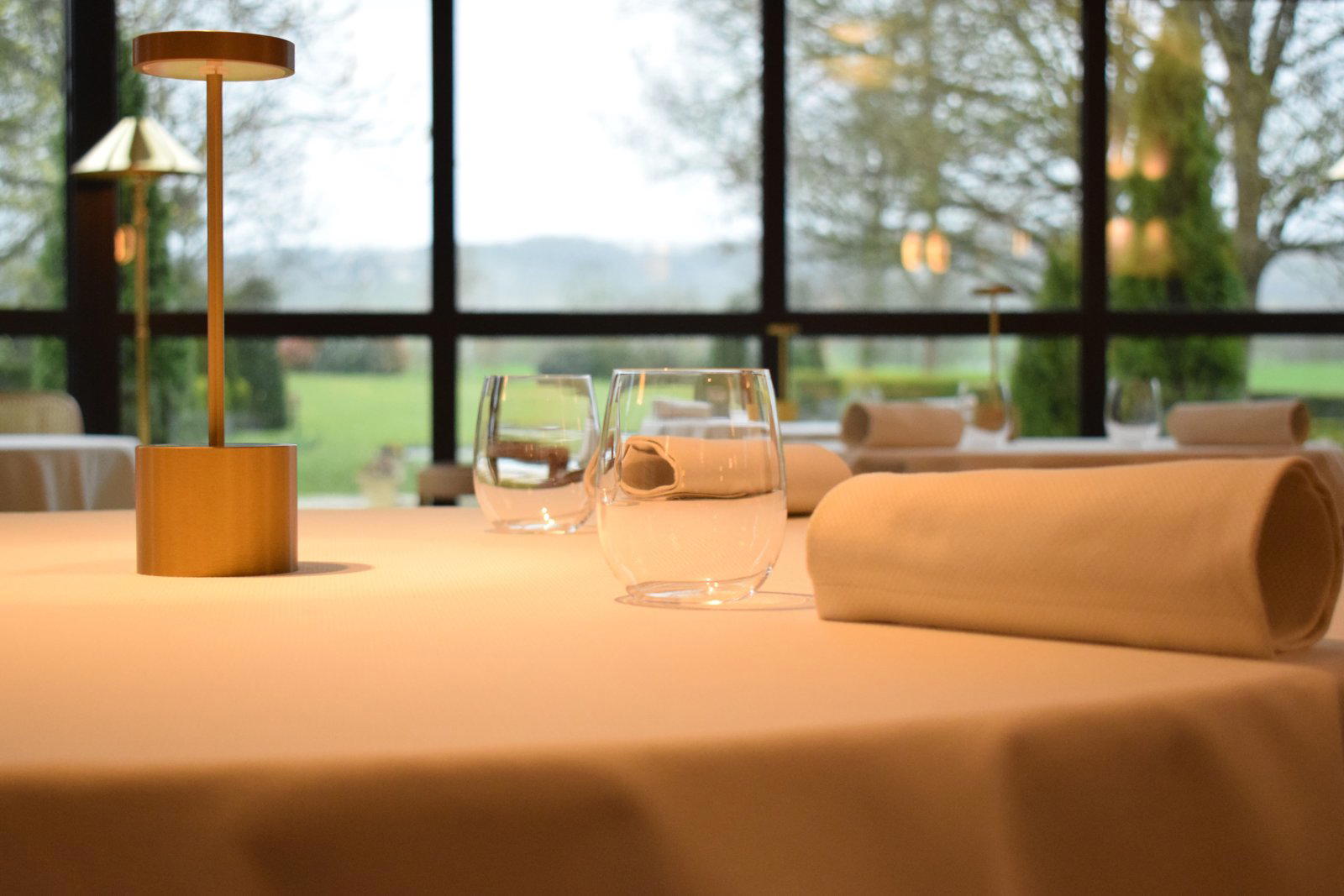
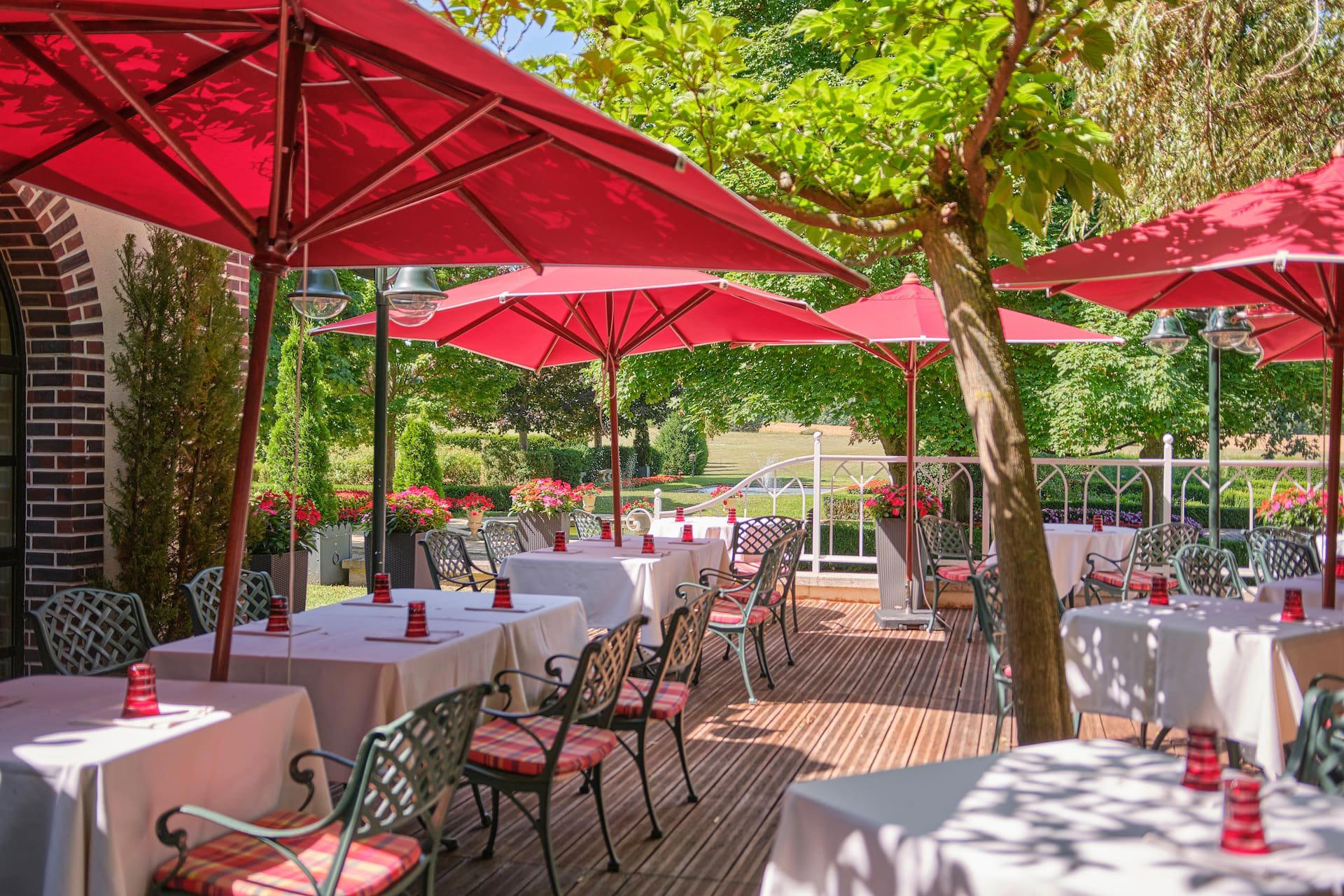
Hotels in Épernay
Browse all →
Details
- Cozy
- Rustic
- Elegant
- Date Night
- Casual Hangout
- Standalone
- Seated Bar
- Booth Seating
- Natural Wine
- Conventional Wine
Current opening hours
- Monday
- Closed
- Tuesday
- 12–2 PM, 7–10 PM
- Wednesday
- 12–2 PM, 7–10 PM
- Thursday
- 12–2 PM, 7–10 PM
- Friday
- 12–2 PM, 7–10 PM
- Saturday
- 12–2 PM, 7–10 PM
- Sunday
- Closed
Hours can change for holidays and private events. Last verified .
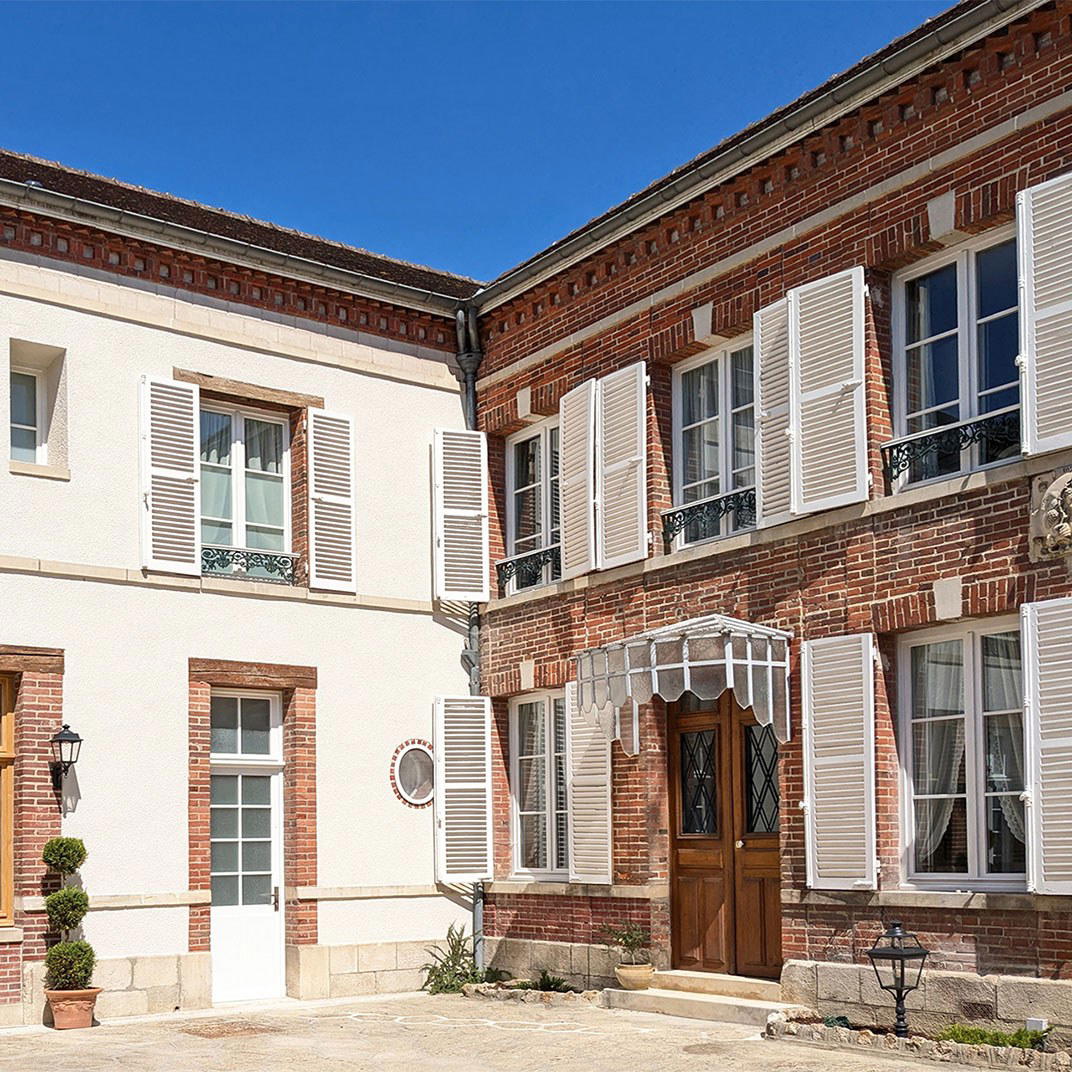
Cozy and rustic with modern bistro charm, zinc bar, chic yet dated upstairs seating, varying from calm romantic to lively and loud.