Aberlour
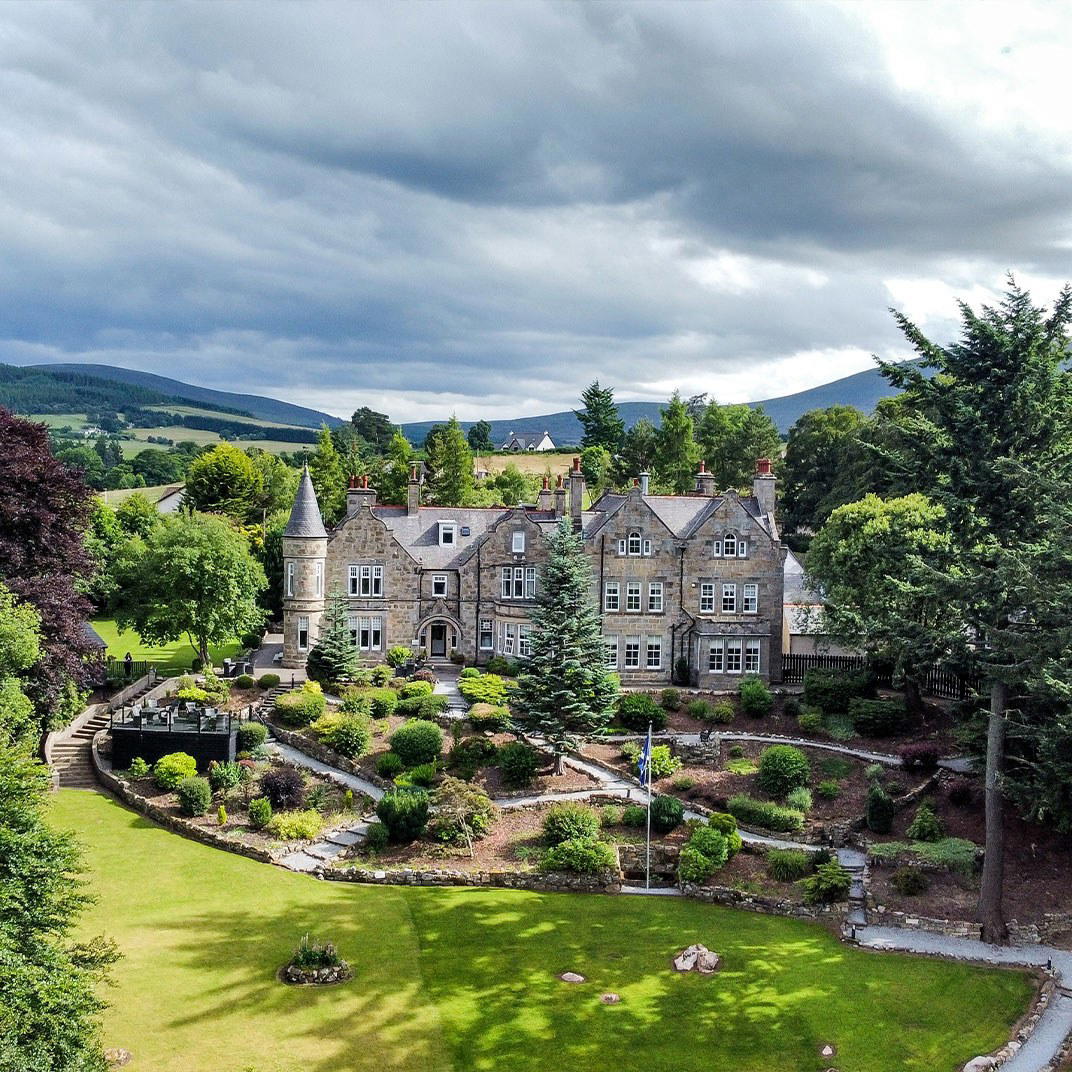
Aberlour sits at the heart of Speyside's most concentrated whisky corridor, where the River Spey and the Ben Rinnes watershed shape the distilling tradition of an entire region. For those tracing the character of this valley through its whisky, Aberlour is a considered stop.
Pearl is the En Primeur Club membership app — saves, bookings, and concierge access live there. Same editors, same standards.
- Address
- Aberlour, Banffshire, AB38 9PJ
- Website
- aberlour.com
- Directions
- Get directions
 Saves & bookings on Pearl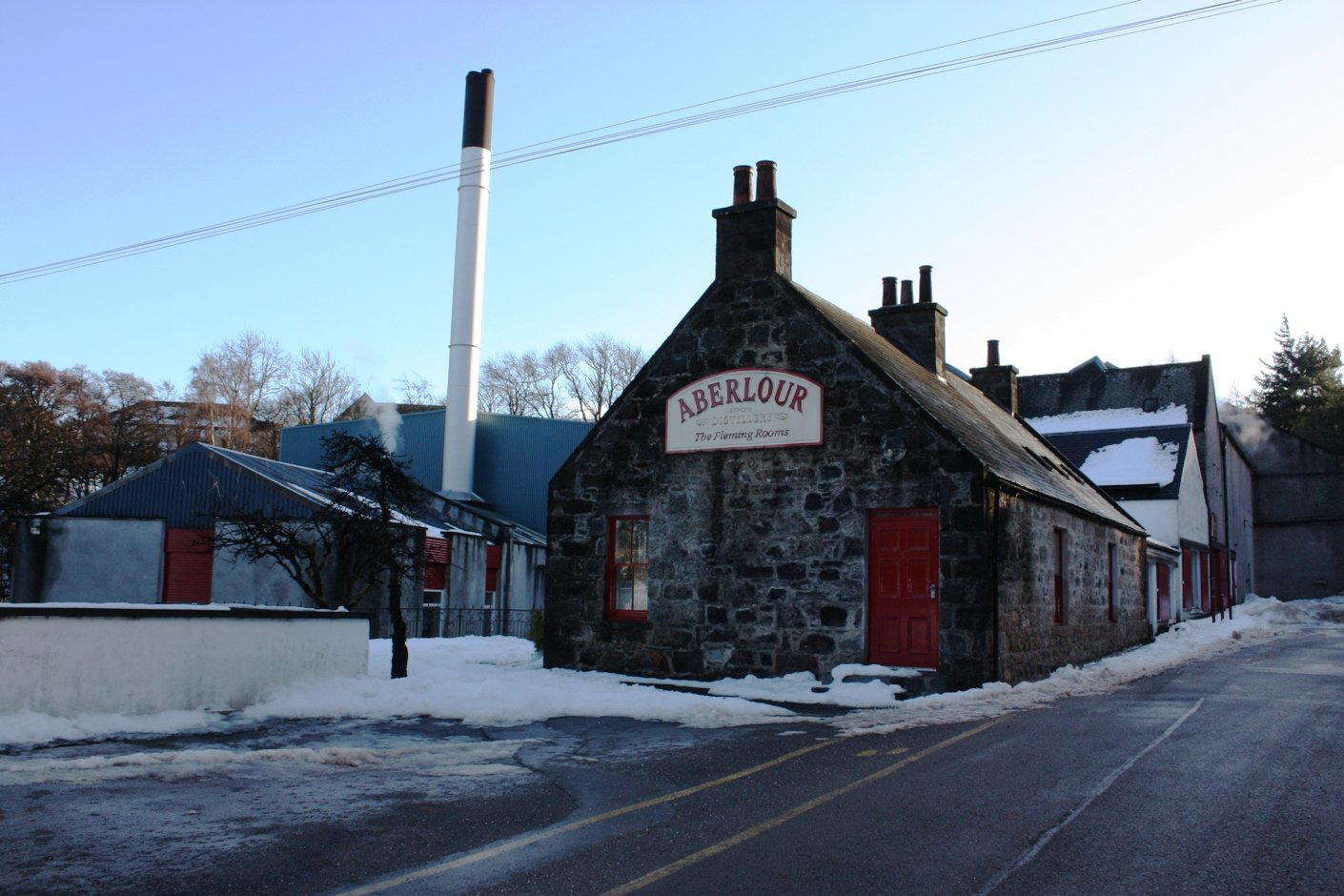
Where the River Sets the Register
Speyside as a region produces more Scotch whisky than any other in Scotland, and within that region Aberlour sits in the densely concentrated corridor, where distilleries follow the river like a thread. The soft water drawn from local springs, the microclimate moderated by the valley's shelter, and the relatively consistent maturation conditions of the surrounding countryside are not incidental features here. They are the conditions that define what Speyside whisky tastes like at this specific latitude.
That connection between place and liquid is the reason Aberlour carries weight in conversations about terroir-driven Scotch. The word terroir travels imperfectly from French viticulture to Highland and Speyside distilling, but the underlying concept holds: the same raw materials processed a few miles north or south, on different water sources, under slightly different atmospheric conditions, will produce a meaningfully different spirit. Aberlour's position in Banffshire, at the postcode AB38 9PJ, is not generic Speyside. It is a specific address within that tradition, and that specificity is what distinguishes serious engagement with Scotch from casual consumption of a regional category.
The Speyside comparable set and What Distinguishes It
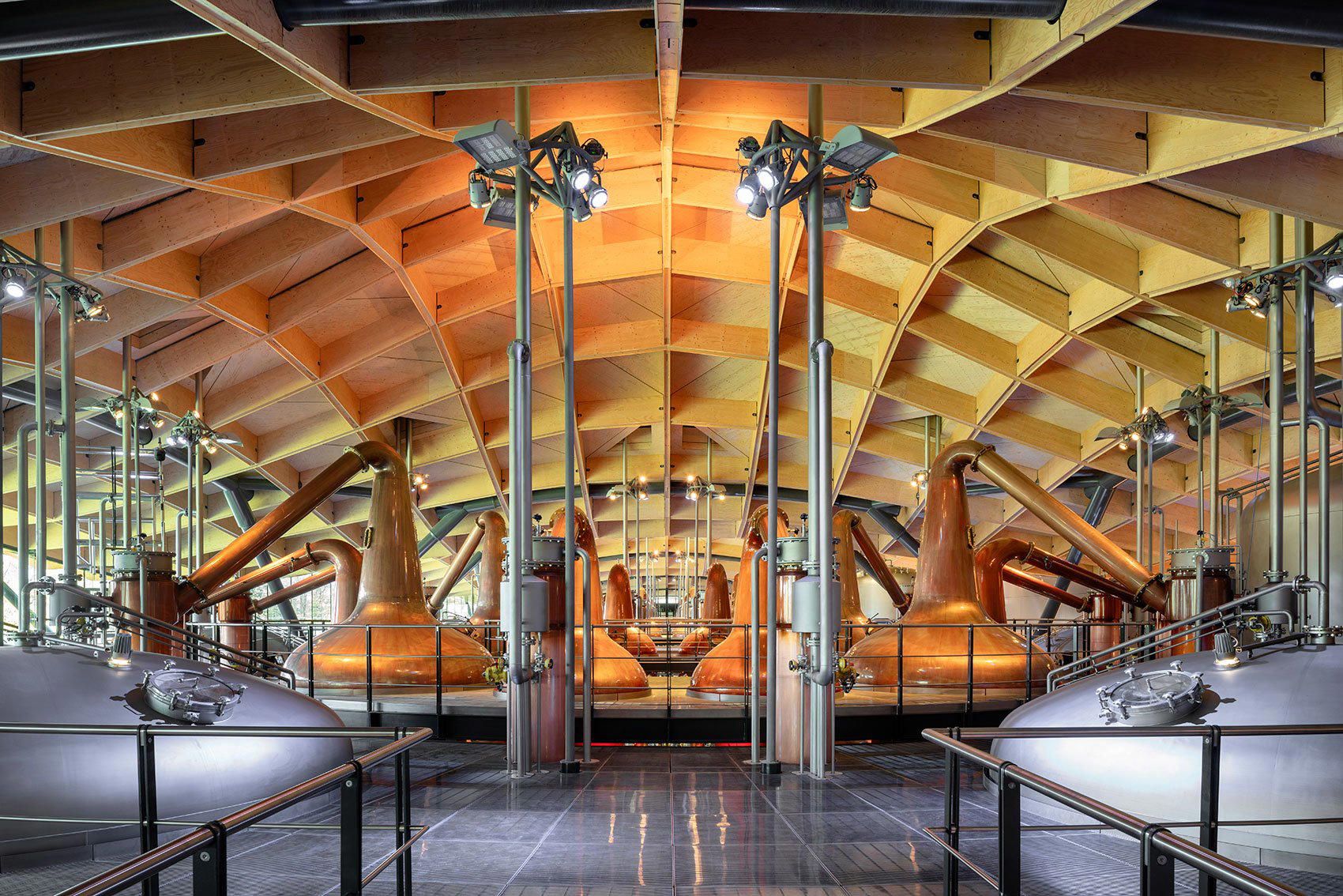
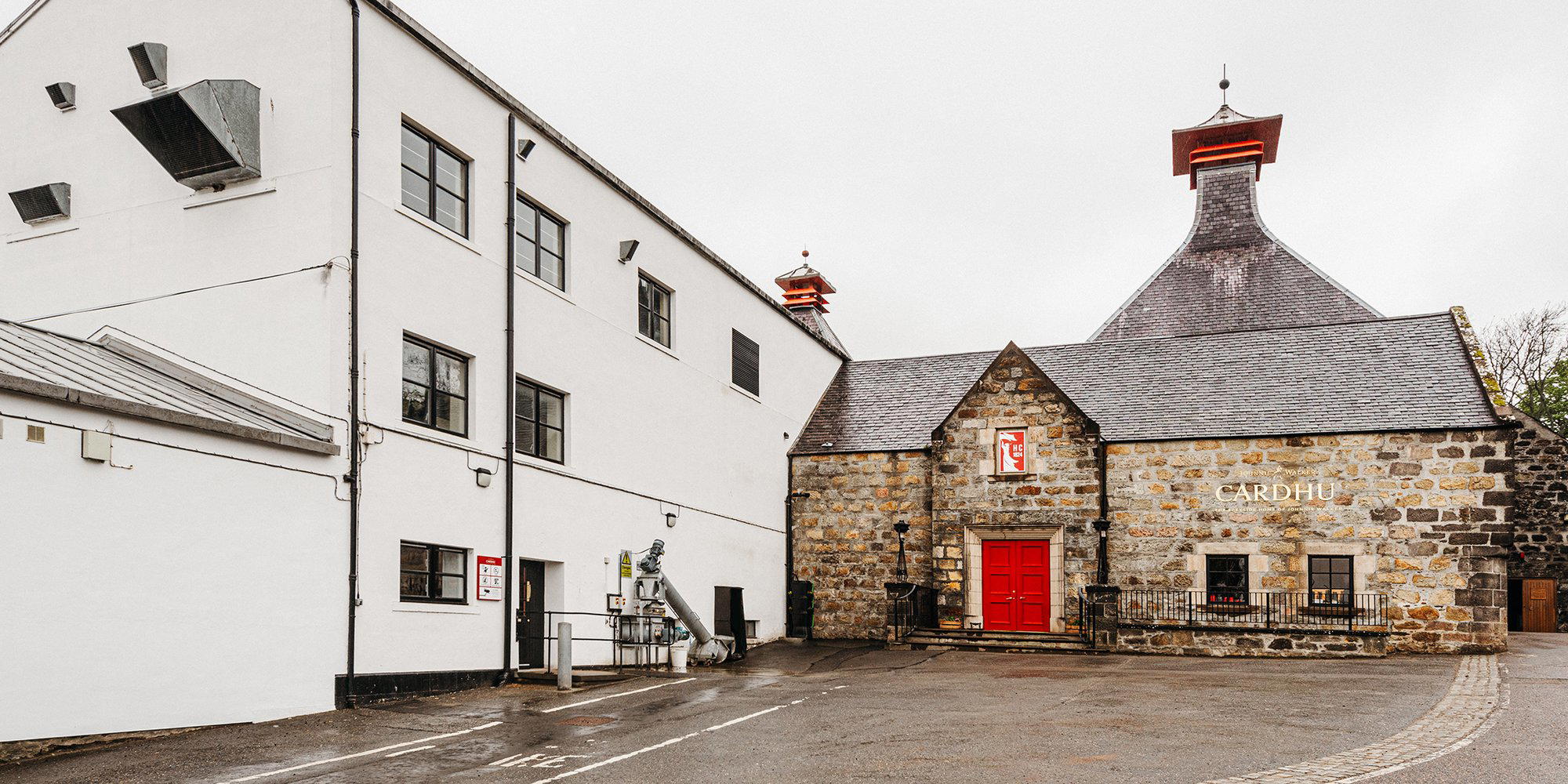
The Macallan, whose Easter Elchies estate sits just a few miles away, operates at the apex of Speyside's commercial hierarchy and prices accordingly. GlenAllachie, also in this valley, has built a more recent but sharp reputation for cask innovation. Cardhu in Knockando traces its own distinct lineage upstream. Each occupies a different position in the Speyside comparable set, and understanding where Aberlour sits within that set requires looking at what recognition signals its standing.
In a region where the range between entry-level blending stock and prestige single malt is vast, that positioning matters. It separates Aberlour from the anonymous middle ground of Speyside production and aligns it with producers for whom house character, maturation discipline, and consistent expression are the operating standard.
Islay operates on a separate axis entirely, where Ardnahoe in Port Askaig represents the island's newer generation of producers shaped by maritime peat. Aberlour is the counterpoint to all of those: valley-sheltered, spring-water-fed, and Speyside in its fundamental character.
What the Land Contributes
The Ben Rinnes massif to the south of the village acts as a collecting point for rainwater that filters through granite and peat before emerging as the soft, mineral-low water that Speyside distillers have historically favoured. This water chemistry is one of the least visible but most consequential variables in whisky production. Hard water, high in calcium and magnesium, interacts with yeast and wort differently than the soft water characteristic of this valley. The result, across the Speyside tradition, is a style that tends toward fruity esters, approachability in youth, and a capacity to integrate sherry cask influence without the spirit fighting the wood.
That last point is significant. Aberlour's reputation rests substantially on its relationship with sherry casks, a maturation choice that rewards the valley's soft-water spirit profile. The interaction between new-make spirit and ex-sherry oak produces the dried-fruit and spice registers that define the house style, but that interaction only works as intended when the underlying spirit has the weight and texture to hold against the wood's influence. In lighter, more delicate spirits, sherry maturation can overwhelm. Here, the local conditions produce a spirit substantial enough to take the cask's character and emerge integrated.
This is terroir expression in practical terms: not a romantic abstraction, but a set of specific material conditions that produce a specific and repeatable result. Other Scottish regions produce their own versions of this alignment. Deanston in Perthshire works with water from the River Teith and an organic grain programme. Glen Garioch Distillery in Oldmeldrum draws on the Aberdeenshire climate to shape its own distinct register. Dornoch Distillery in the far north has built a programme around heritage barley and minimal intervention. Each represents a different answer to the same question: what does this specific place produce, and why?
Visiting and Planning
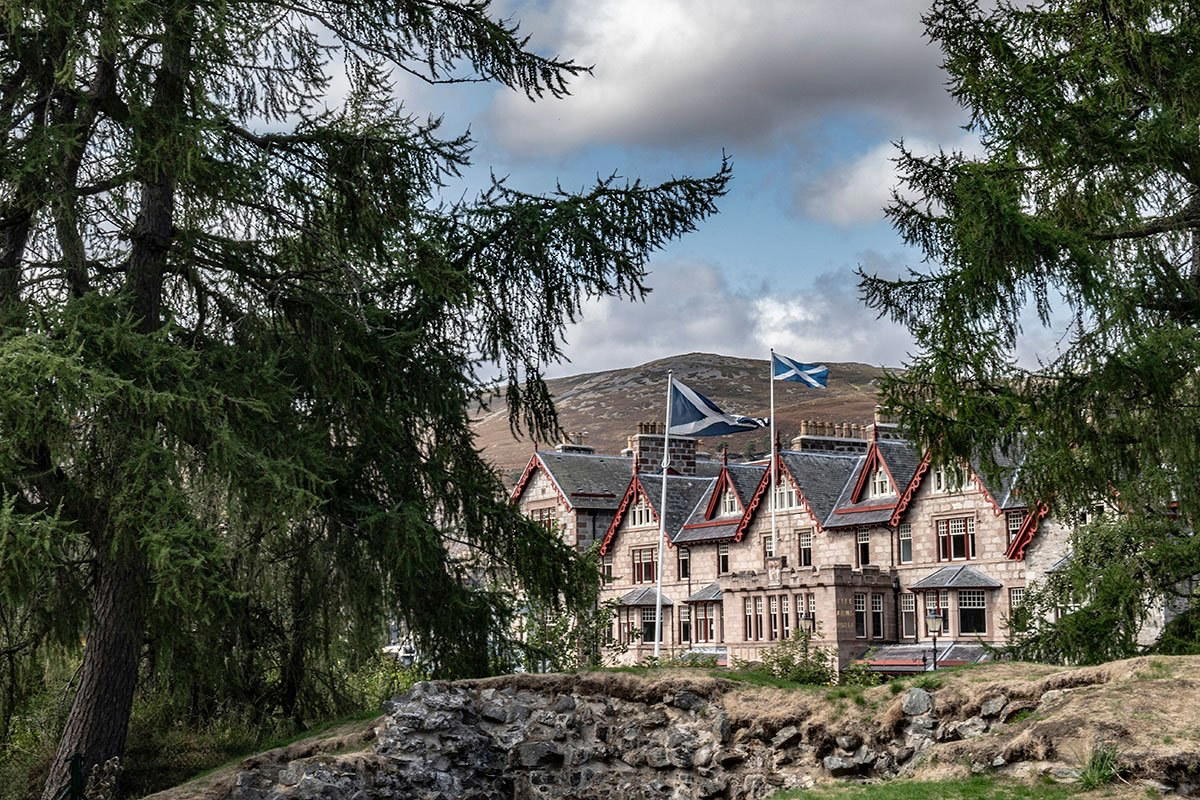
Aberlour is a working village on the A95, reachable by road from Elgin to the north or Grantown-on-Spey to the south. The Speyside Way, a long-distance walking route, passes through the village, which means the area sees both dedicated whisky visitors and walkers moving through the valley, particularly in spring and late summer. Planning around shoulder seasons offers a calmer experience of the village itself and the surrounding landscape. For those building a broader Speyside itinerary, the concentration of distilleries in this valley makes it possible to cover GlenAllachie, The Macallan, and Cardhu within a compact geographic radius, with Aberlour as a natural anchor. Our full Aberlour guide covers the wider village context and surrounding area in more depth.
The village address is Aberlour, Banffshire, AB38 9PJ.
Comparable Venues
Comparable venues nearby, for context on price, style, and recognition.
| Venue | Cuisine | Price | Notes |
|---|---|---|---|
| AberlourThis venue — the venue you are viewing | Speyside | $$ | Not listed |
| The Macallan | Speyside | $$$$ | Easter Elchies, Craigellachie |
| GlenAllachie | Speyside | $$ | Aberlour |
| Whipper Snapper Distillery | Winery | Not listed | Perth |
| Martinelli Winery | Zinfandel, Pinot Noir | $$ | Windsor |
| La Crema Estate at Saralee’s Vineyard | Winery | Not listed | Windsor |
Continue exploring
More in Aberlour
Wineries in Aberlour
Browse all →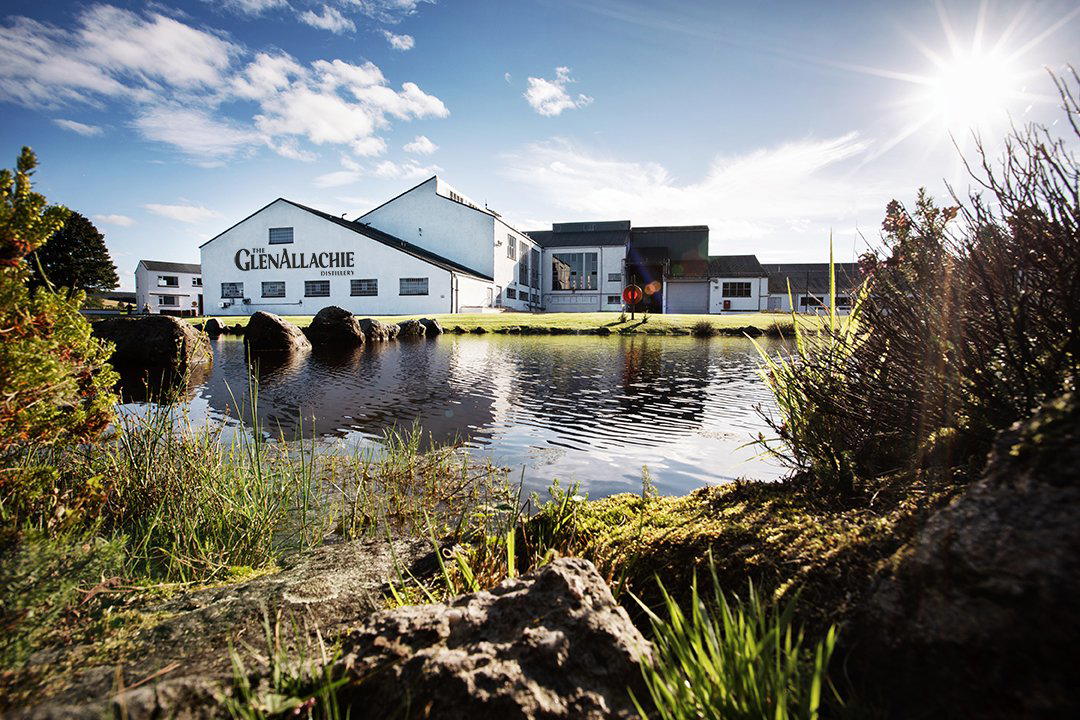
Bars in Aberlour
Browse all →
Restaurants in Aberlour
Browse all →
At a Glance
- Classic
- Rustic
- Historic
- Intimate
- Wine Education
- Solo Exploration
- Historic Building
- Speyside
- Single Malt Tasting
Current opening hours
- Monday
- 10 AM–5 PM
- Tuesday
- 10 AM–5 PM
- Wednesday
- 10 AM–5 PM
- Thursday
- 10 AM–5 PM
- Friday
- 10 AM–5 PM
- Saturday
- 10 AM–5 PM
- Sunday
- 10 AM–5 PM
Hours can change for holidays and private events. Last verified .
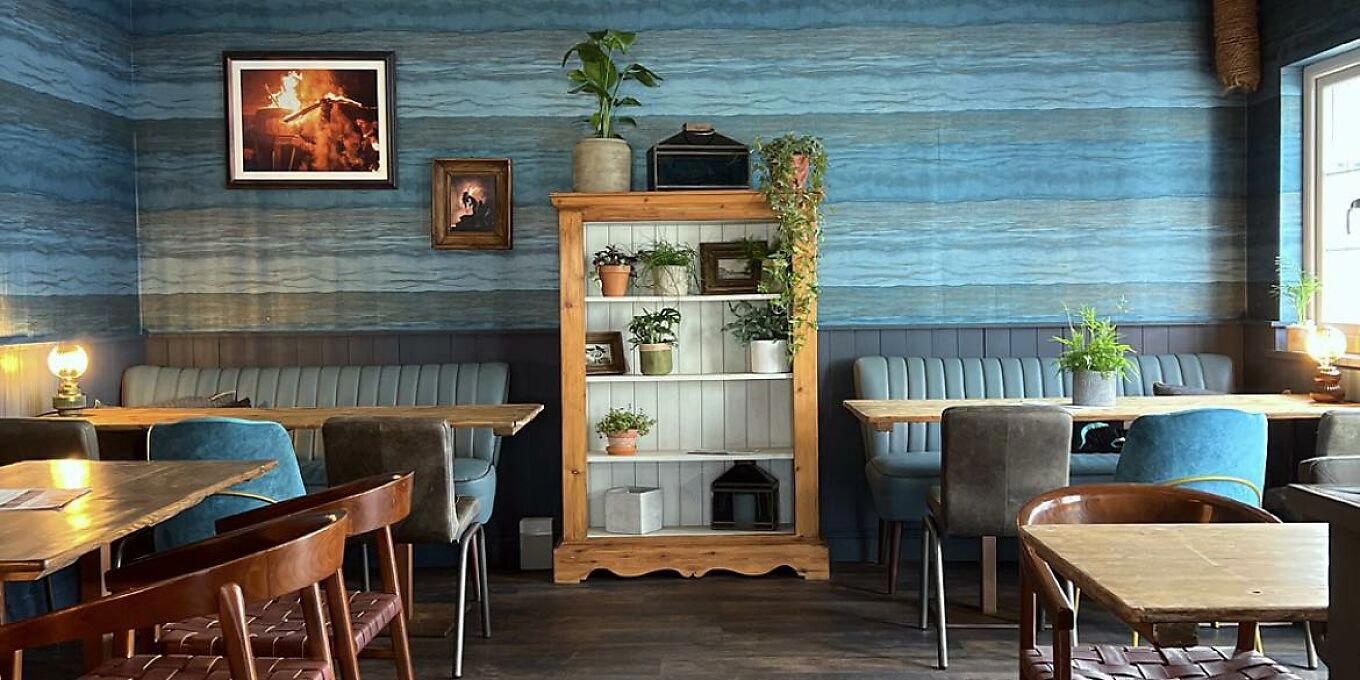
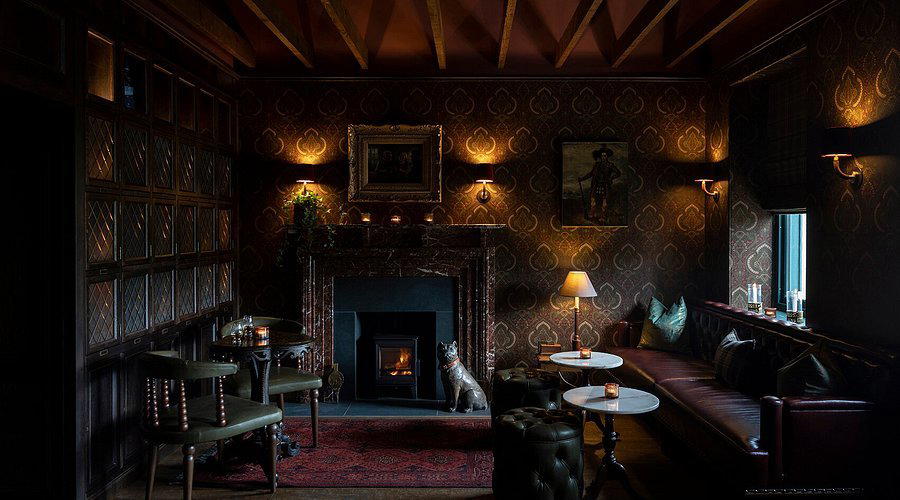
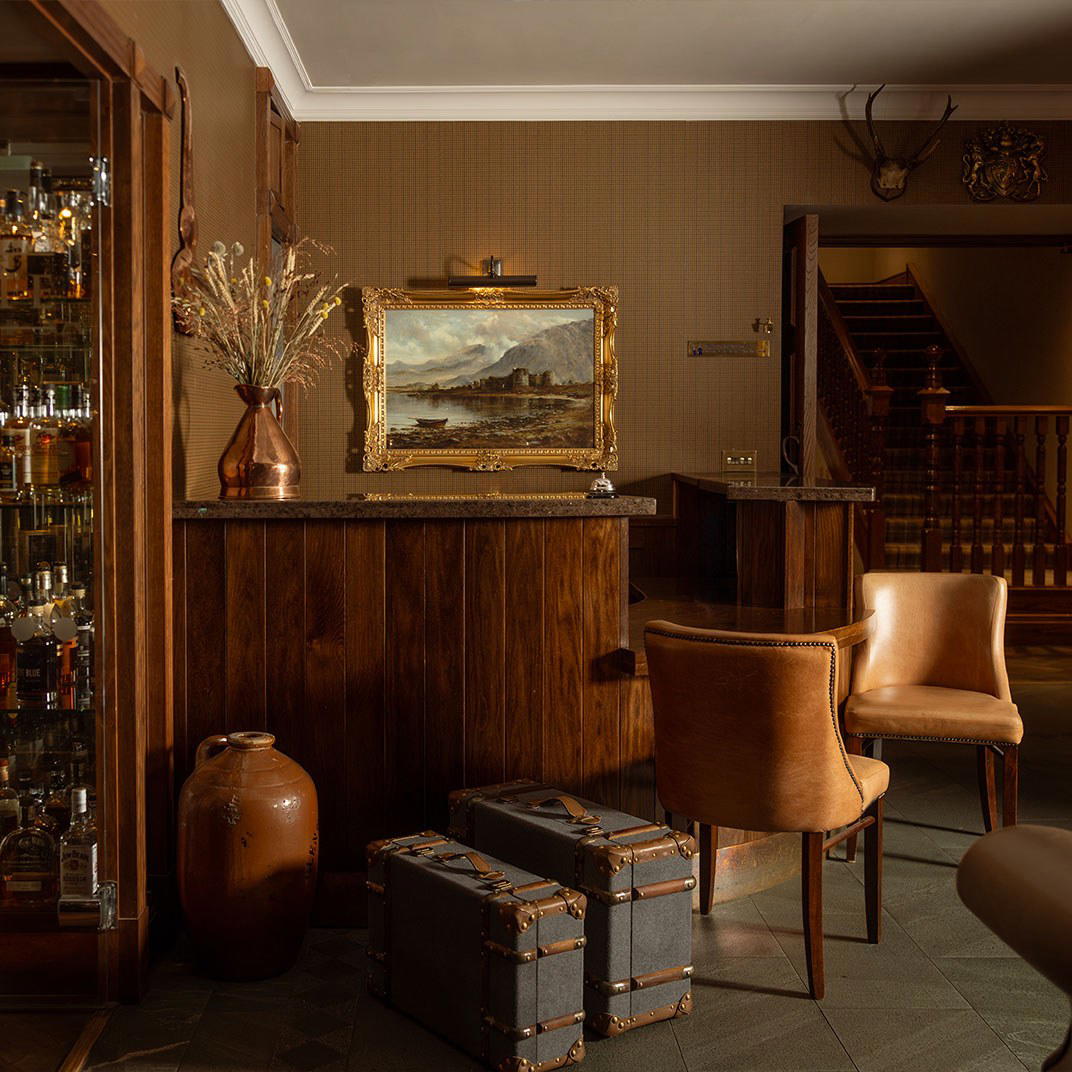
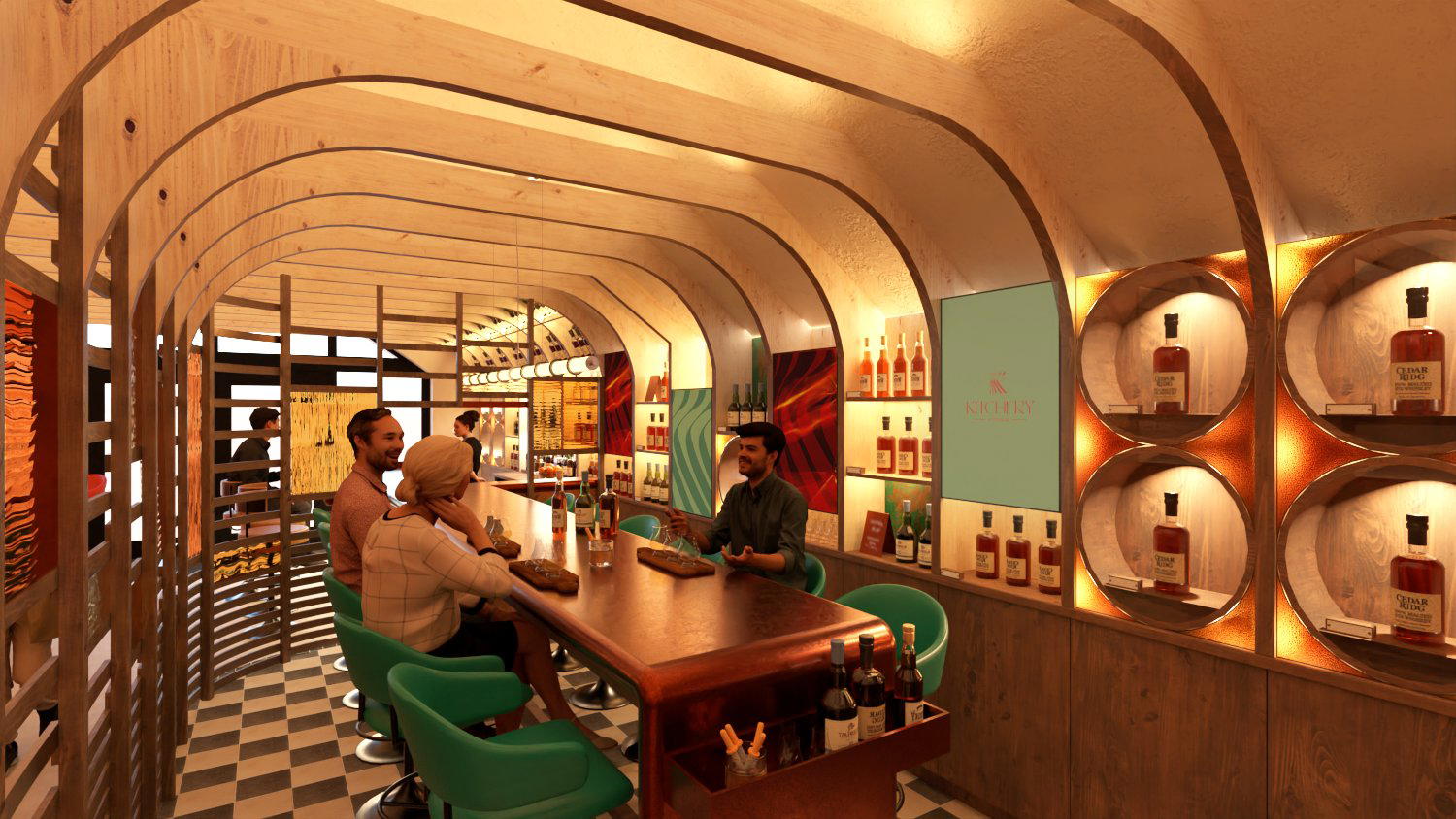
Classic and intimate tasting room with knowledgeable hosts providing informative and engaging whisky experiences.