Château Cantemerle

Falstaff Winery - Listed
Château Cantemerle sits at the southern tip of the Haut-Médoc appellation, where gravel soils and a forested microclimate shape wines of uncommon finesse for the classification tier.

Pearl is the En Primeur Club membership app, where members save venues, book tables and use the concierge.
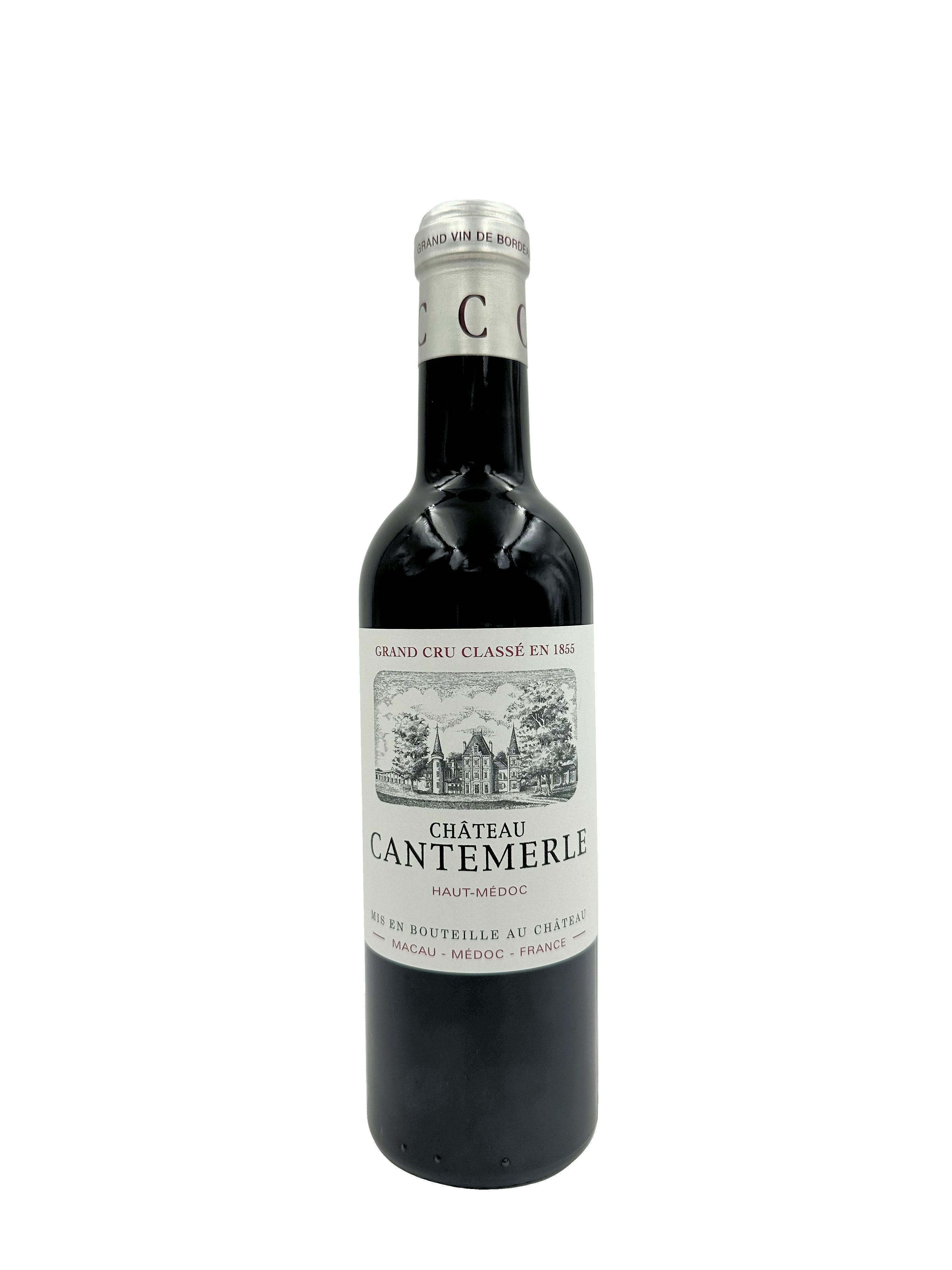
Where the Médoc Exhales: The Southern Edge of a Grand Appellation
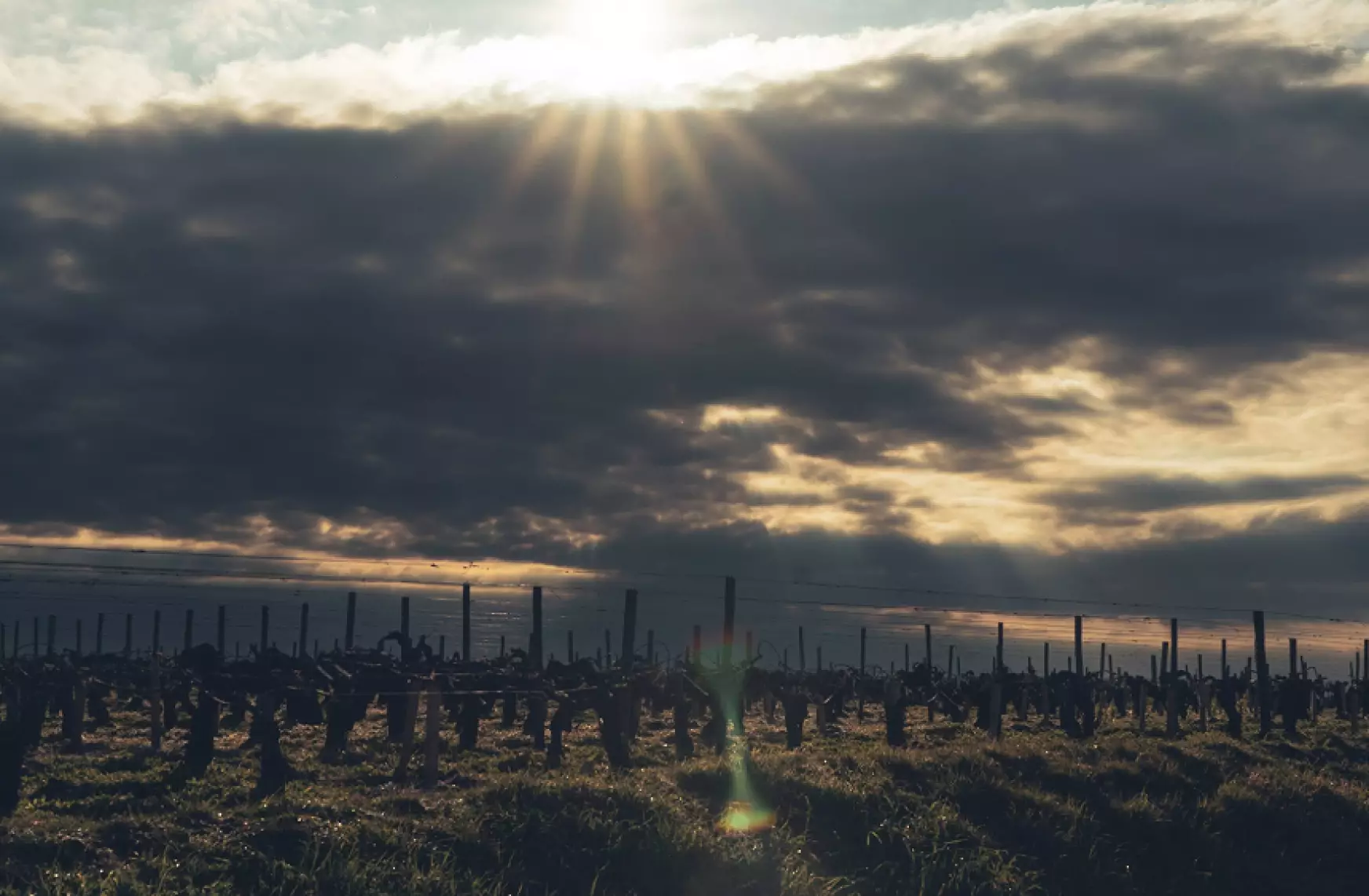
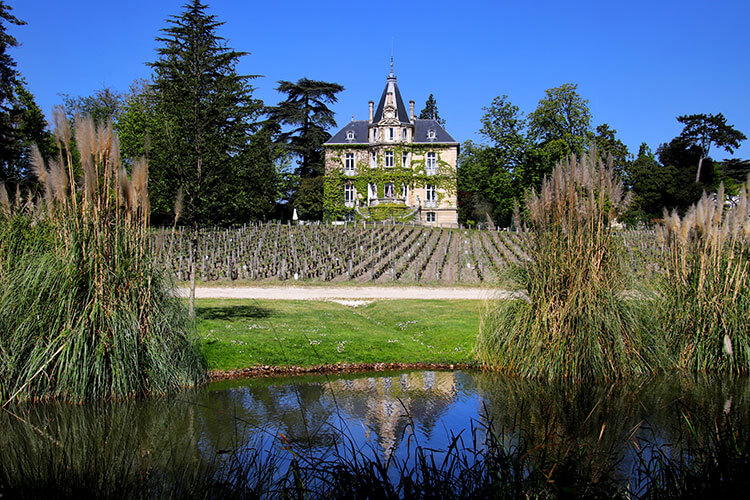
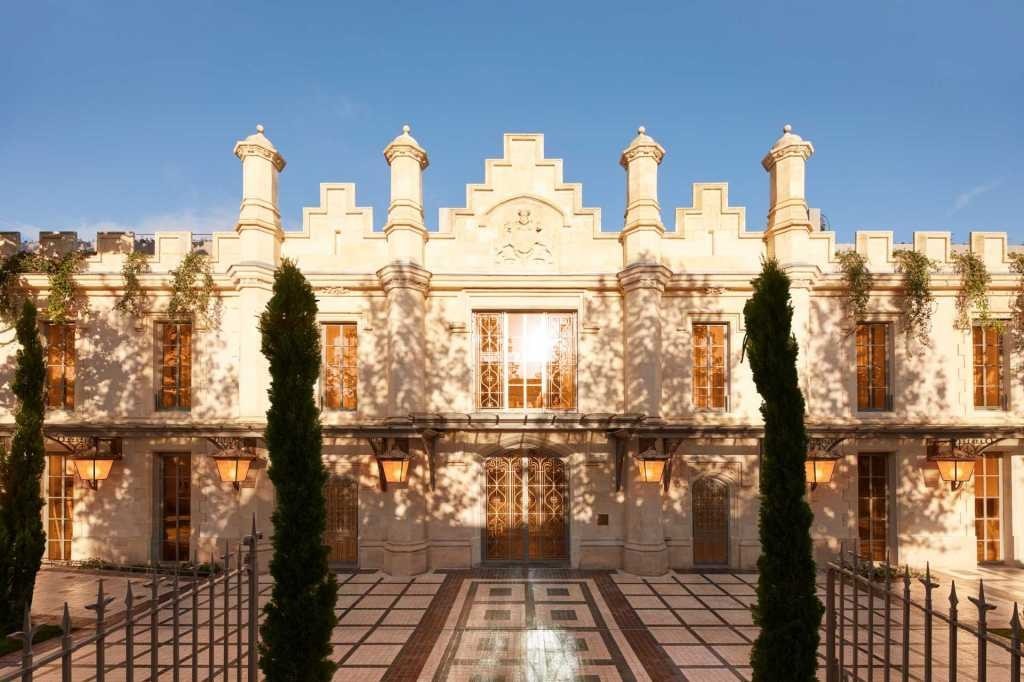
Drive south from Margaux along the D2, the road the Bordelais call the Route des Châteaux, and the properties grow quieter and the forest thicker as you approach the commune of Macau. This is where the Haut-Médoc appellation reaches its southern boundary, and where Château Cantemerle occupies a setting that distinguishes it, physically and stylistically, from the concentrated limestone and open vineyard panoramas further north. The château itself sits back from the road, framed by one of the most densely wooded park settings in the Médoc, a landscape that is not incidental decoration but a direct contributor to the microclimate shaping what ends up in the bottle. For visitors accustomed to the more theatrical staging of the northern appellations, the monumental architecture of Mouton or the sculpted lawns of Pichon, Cantemerle's approach road offers something closer to immersion than spectacle.
That physical character has editorial weight when you understand the Haut-Médoc classification. Cantemerle holds Fifth Growth status in the 1855 Classification, placing it in a tier that encompasses properties across a wide range of styles, prices, and critical reputations. The Fifth Growth category in the Médoc is arguably the most heterogeneous in the classification, running from estates with near-Second Growth critical ratings to those coasting on historical designation. For context across the appellation, several of its Haut-Médoc peers including Château Branaire Ducru in St-Julien and Château Batailley in Pauillac operate within a similar classification tier and price positioning, making Cantemerle's southern terroir expression the most useful point of differentiation.
Terroir at the Southern Limit
The Haut-Médoc's geology is a study in gravel deposits left by the Garonne and its tributaries across successive glacial periods. Moving south from Pauillac toward Macau, the gravel beds become thinner and the influence of the Garonne estuary more pronounced, with morning mists that moderate ripening and extend hang time into October in cooler vintages. The forested park surrounding Cantemerle plays a functional role in this: the tree cover creates a buffer against Atlantic wind and retains overnight humidity, contributing to a growing season that skews cooler and longer than properties with fully open, south-facing exposures further north.
This translates, typically for wines produced under these conditions, into a Cabernet Sauvignon-dominant blend where tannin structure builds more gradually and aromatic profile leans toward red fruit, graphite, and woodland floor rather than the black-fruit concentration associated with warmer Pauillac terroirs. Winemaker Philippe Dambrine works with these conditions rather than correcting for them, a direction that places Cantemerle in a broader conversation about the Médoc's range of stylistic expression. Readers exploring comparable approaches to restraint-oriented Médoc winemaking will find useful reference points at Château Boyd-Cantenac in Cantenac and Château Dauzac in Labarde, both of which operate in Margaux-adjacent terroir and share some of the lighter-structured ambition visible in Cantemerle's southern position.
Philippe Dambrine and the Winemaking Direction
In a classification system where inherited designation does much of the marketing work, the winemaker's role is often undervalued by casual observers. At Cantemerle, Philippe Dambrine's tenure has become the primary mechanism through which the property's terroir advantages are articulated in the glass.
The broader pattern across Bordeaux's left bank is that estates which pursue structure-first winemaking at the expense of immediate appeal tend to perform better in critical assessments over a five-to-ten year arc than those optimised for early-release palatability. Cantemerle's positioning under Dambrine follows this pattern. Visitors arriving to taste or purchase should be aware that younger vintages will demand cellaring to show the wine at its intended point of expression, this is not a property producing wines calibrated for early consumption, and that distinction matters for how you approach both a visit and a purchasing decision. For comparison with other left-bank estates where patient cellaring is similarly part of the value proposition, Château Clinet in Pomerol and Château Bélair-Monange in Saint-Emilion operate from a parallel philosophy on the right bank, albeit from very different soil types.
The Visit: Format and Practical Framing
Château visits in the Médoc exist on a spectrum from appointment-only, tightly controlled estate tours to more open cellar-door formats with direct retail. Cantemerle is located on the Route de Pauillac in Macau, accessible by car from Bordeaux in approximately 30 minutes heading north on the D2. The property does not publish open hours in the standard digital channels, which places it in the appointment-preferred category common among classified growths, visitors should plan contact well in advance rather than treating the estate as a drop-in destination.
The Haut-Médoc as a wine travel region rewards visitors who plan around clusters rather than single estates. Cantemerle's position at the appellation's southern edge makes it a logical anchor for a day that also includes properties in Margaux or the Médoc appellation immediately to the north. For a broader orientation to how the region maps across producers and styles, our full Haut-Médoc restaurants and winery guide provides the routing and context needed to build a coherent itinerary rather than a disconnected sequence of stops.
Those arriving with a serious collecting agenda rather than a casual tasting interest will find Cantemerle most useful in the context of en primeur purchasing, where futures pricing for classified growths is established each spring following barrel tastings. For reference against how other estates in this critical bracket approach the en primeur market, Château Bastor-Lamontagne in Preignac offers a Sauternes-side comparison, while properties with comparable classification positioning and critical upgrades in recent cycles are worth tracking in parallel.
Cantemerle in the Wider Critical Conversation
The 1855 Classification remains the most visible and contested framework in all of wine. Its critics point to the near-complete absence of revision since the original ranking, the exclusion of right-bank appellations, and the way it flattens important quality distinctions within each tier. Its defenders argue that the classification's durability reflects genuine consistency in the relationship between land and wine quality over 170 years. Cantemerle's case is interesting precisely because it was a late addition to the 1855 ranking, included only after considerable bureaucratic negotiation, a history that initially left it at the foot of the Fifth Growth list, both literally and symbolically.
That origin story is less relevant to contemporary buyers than the post-1980 production trajectory, which is where modern critical assessments of the property begin. For readers exploring what quality differentiation looks like across the Bordeaux classification system, estates like Château Branaire Ducru in the Julien appellation and Château Batailley in Pauillac provide useful parallel readings, both holding Fourth and Fifth Growth status respectively while producing at levels that attract consistent critical recognition.
Beyond Bordeaux entirely, the question of how classification systems map to contemporary quality is a recurring theme in premium wine. Readers interested in how different French appellations handle that tension will find productive comparisons at Albert Boxler in Niedermorschwihr (Alsace, where no formal classification shapes consumer expectations) and Château de Chamirey in Mercurey (Burgundy's Côte Chalonnaise, where premier cru designation does structural work similar to the Médoc's tiered system).
Comparable Spots, Quickly
Comparable venues nearby, for context on price, style, and recognition.
| Venue | Cuisine | Price | Awards | Notes |
|---|---|---|---|---|
| Château CantemerleThis venue (the venue you are viewing) | Cabernet Sauvignon, Merlot | $50–100 | Falstaff Winery - Listed | Not listed |
| Château Bastor-Lamontagne | Semillon, Sauvignon Blanc | Not listed | Falstaff Winery - Listed | Preignac |
| Camus Cognac | Borderies | Not listed | Not listed | Cognac |
| Château Beychevelle | Cabernet Sauvignon, Merlot | Not listed | Michelin Main Selection · Falstaff Winery - 3 Stars | Saint-Julien |
| Château Ducru-Beaucaillou | Winery | Not listed | Falstaff Winery - 4 Stars | Pauillac |
| Château Lagrange | Cabernet Sauvignon, Merlot | Not listed | Michelin 1 Grape · Falstaff Winery - 2 Stars | Saint-Julien-Beychevelle |
Recognition history
Dated appearances from independent guides and award organizations, with the underlying list record or original source where available.
Falstaff Winery - Listed
Falstaff
Château Cantemerle
Featured Guides
Continue exploring
More in Macau En Medoc
Wineries in Macau En Medoc
All wineries in Macau En Medoc →
Bars in Macau En Medoc
Browse all →
Details
- Classic
- Elegant
- Sophisticated
- Wine Education
- Special Occasion
- Vineyard Tour
- Historic Building
- Estate Grounds
- Sustainable
- Vineyard
- Cabernet Sauvignon
- Merlot
- Cabernet Franc
- Petit Verdot
- Still Red
- Cave Tasting
- Private Tasting
- French
- English
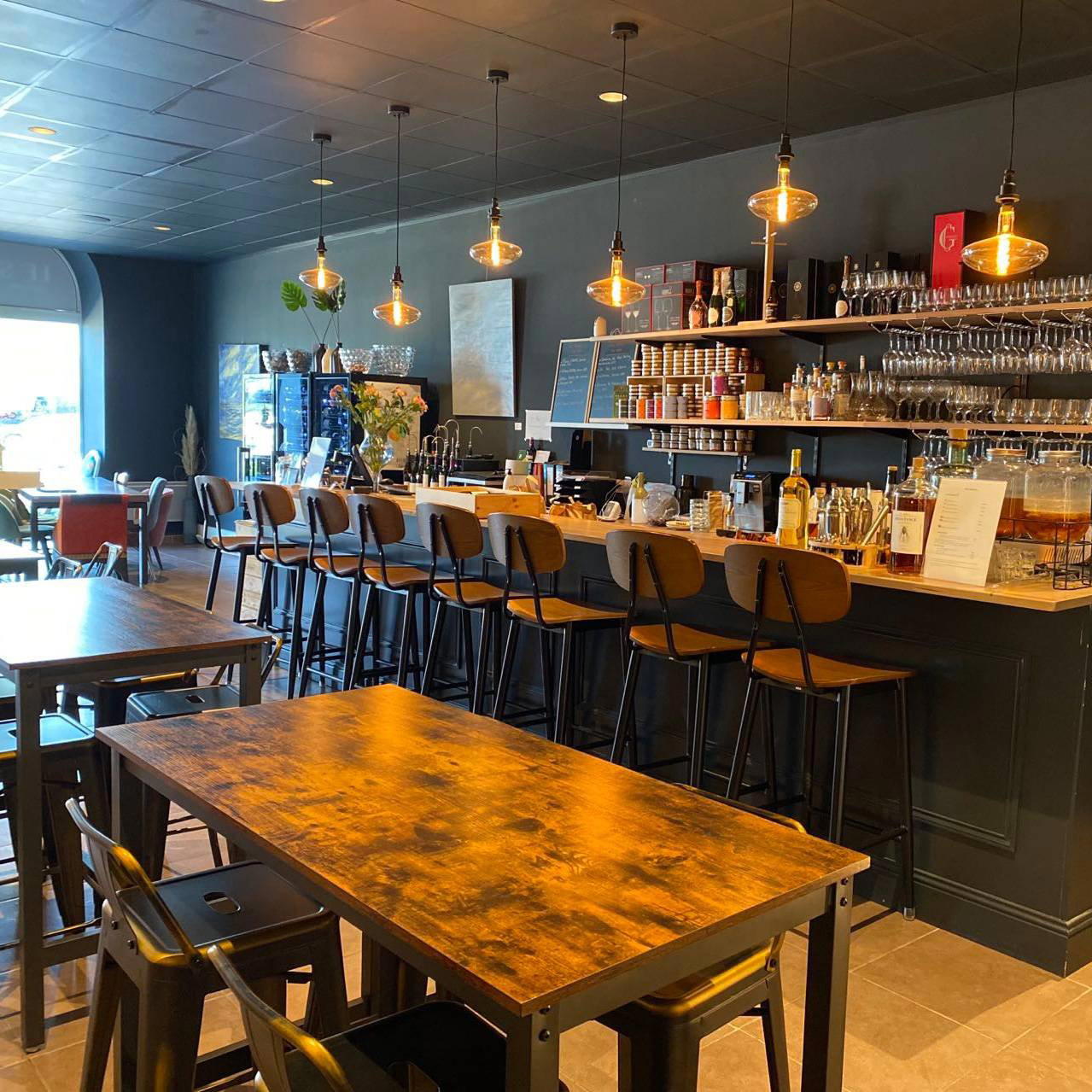
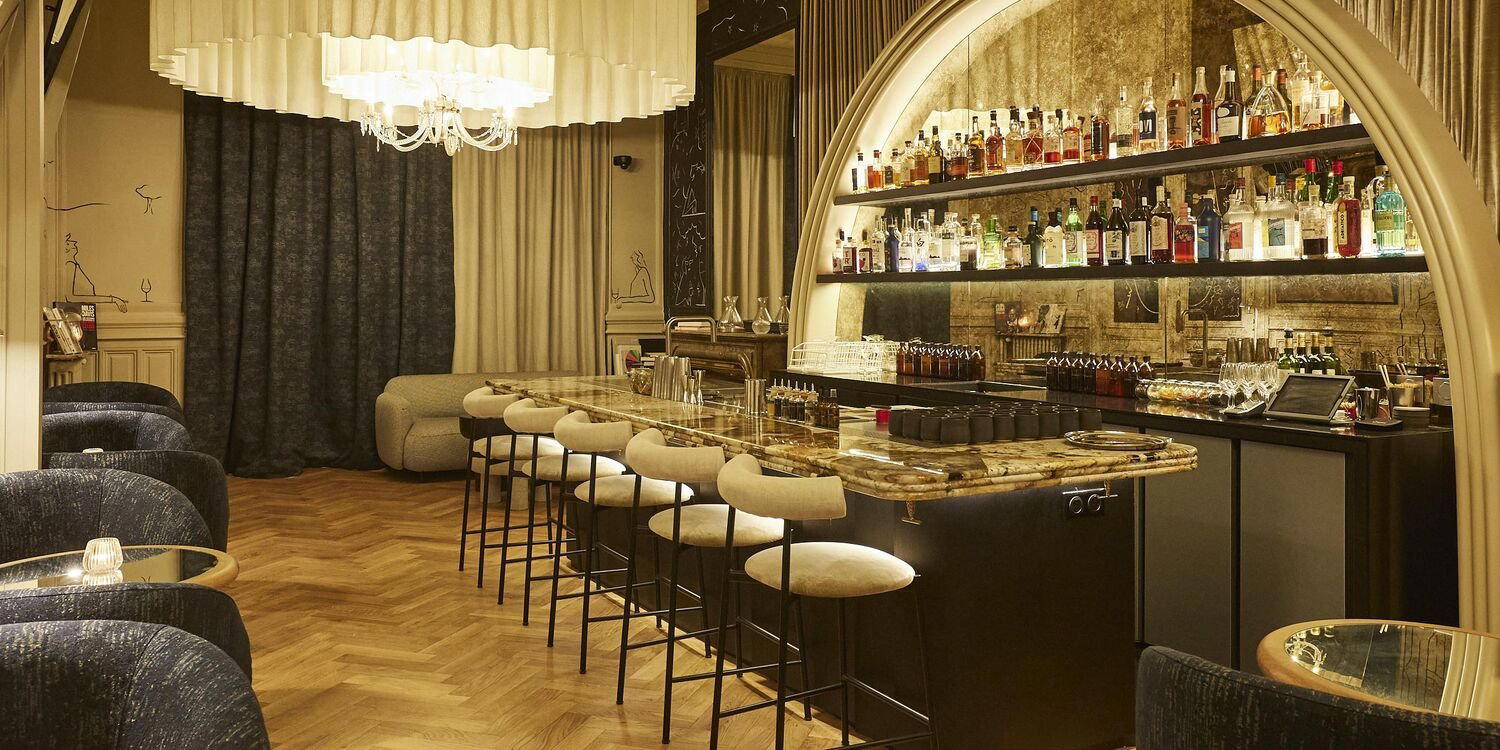
Elegant and refined with subtle woody and spicy aromas, evoking a classic Médoc atmosphere of sophistication and charm.