

1 Michelin Star · Relais Chateaux Award
Our verdict
In the vineyards outside Épernay, Alcôve earns its 2025 Michelin Plate through a modern cuisine focused on Champagne terroir expression. Chef Brian Paszko anchors the menu in the agricultural and geological identity of the Marne, placing Alcôve in the small tier of destination restaurants that treat the region as more than a backdrop for sparkling wine tourism.

Pearl is the En Primeur Club membership app, where members save venues, book tables and use the concierge.
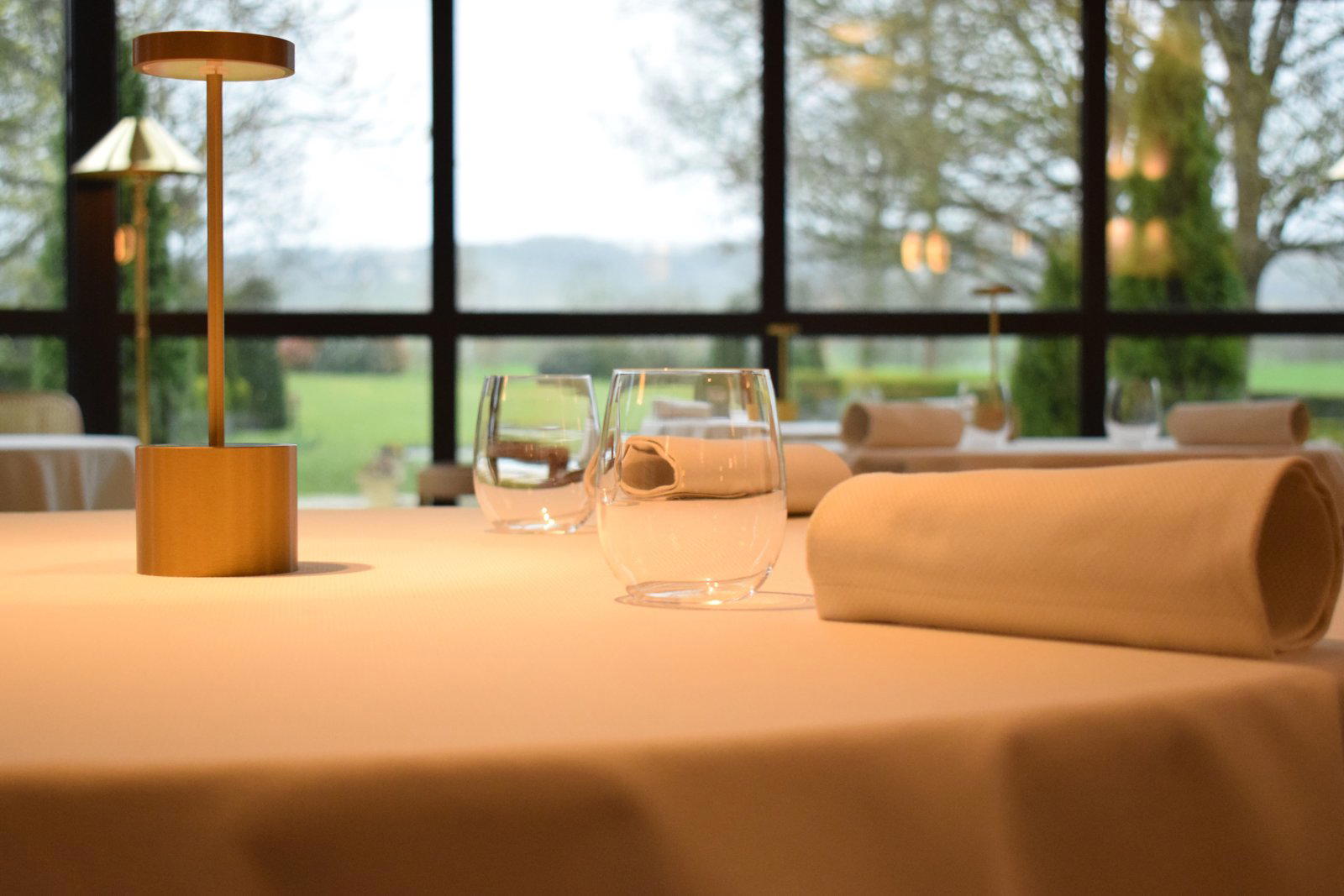
Where the Marne Valley Comes to the Table
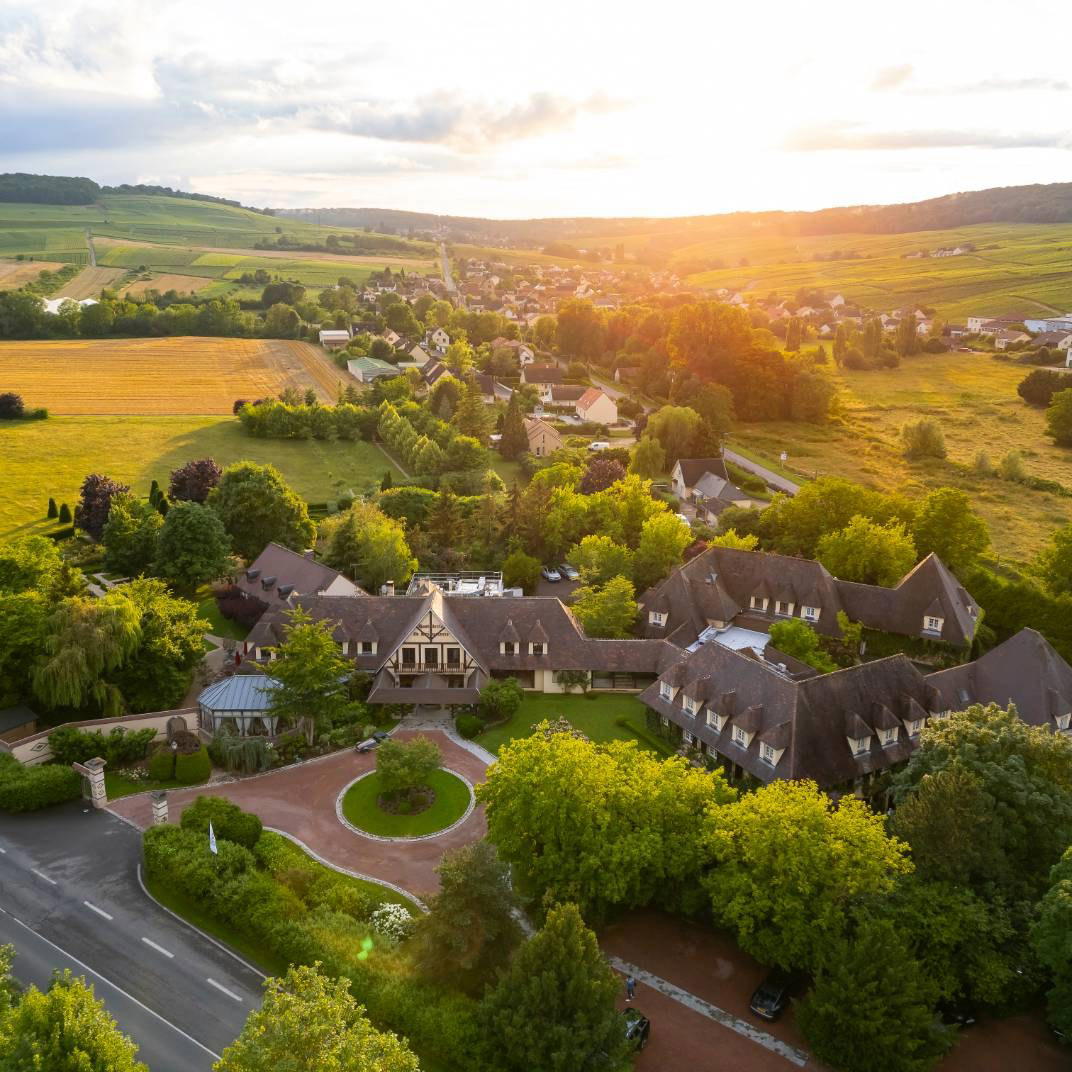
The village of Vinay sits a few kilometres south of Épernay, close enough to the grands crus slopes to feel their presence but far enough from the tourist circuits to move at its own pace. The N51 corridor through this part of the Marne carries less footfall than Reims or the Avenue de Champagne, and restaurants operating here speak to a different kind of visitor, one who has already ticked the cellar visits and wants something that explains the land through a plate rather than a glass. Alcôve, at 4 Route de Sézanne, occupies that position, and its 2025 Michelin Plate recognition signals that the broader guide network is watching what is happening outside the Champagne region's more obvious dining addresses.
Terroir as the Organizing Principle
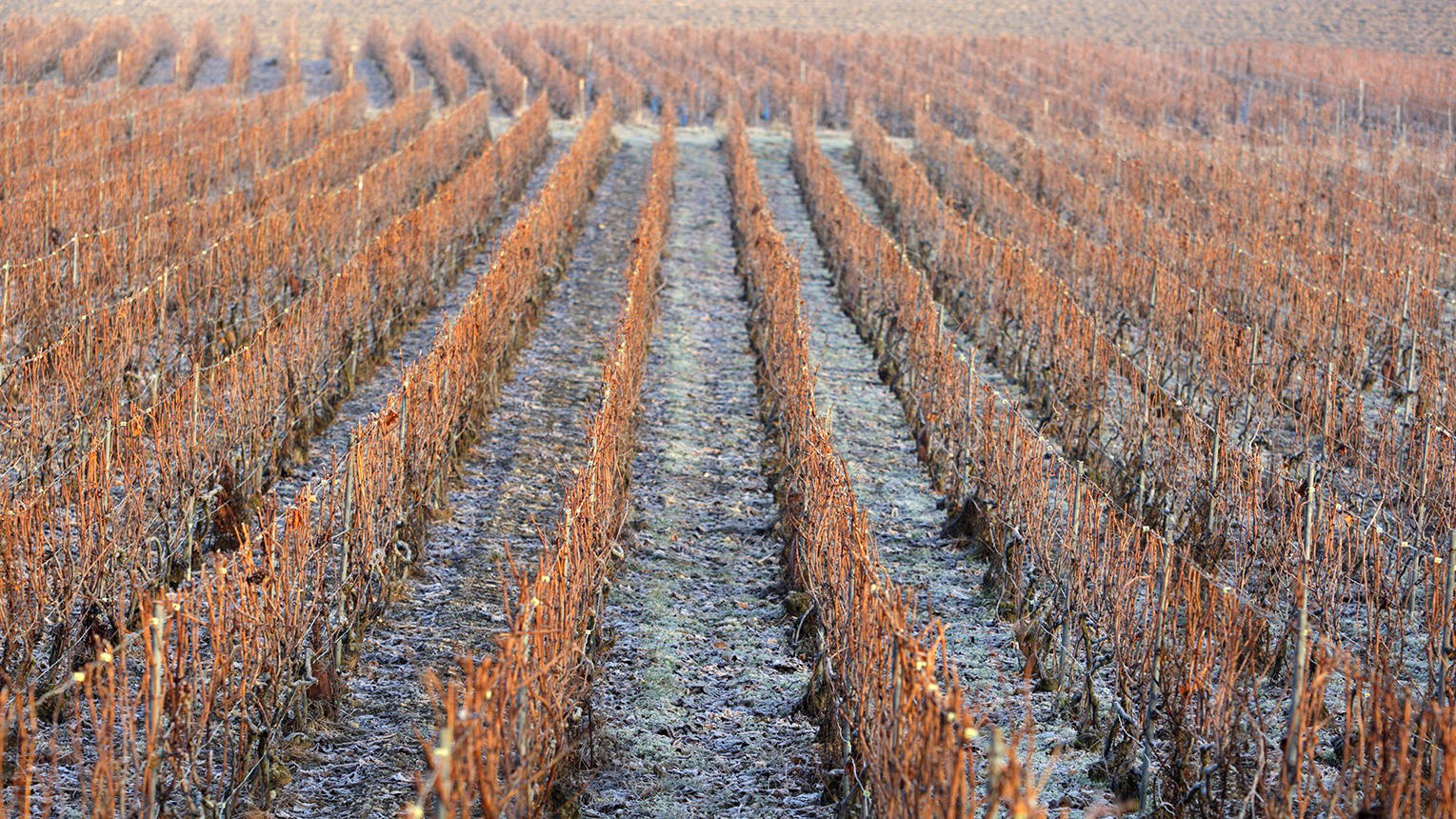
French modern cuisine has spent the last decade splitting into two broad camps: those who use terroir as a marketing concept, and those who build menus around it as a structural discipline. The distinction matters most in regions where the land itself carries a specific identity, and few regions in France have a more legible agricultural and geological identity than the Marne. The chalky subsoils that produce the tension in Premier Cru Champagne also shape the vegetables, herbs, and game that come out of the surrounding countryside. A kitchen that takes that seriously operates differently from one that simply sources locally as a principle. Alcôve's Michelin highlight of "Expression of the Terroir" places it firmly in the first camp, the menu is a reading of the Champagne countryside, not a general modern French repertoire that happens to be served nearby.
This approach connects Alcôve to a lineage of French regional restaurants that use the produce surrounding them as a primary creative constraint rather than a convenience. Places like Bras in Laguiole built an entire culinary identity around the Aubrac plateau, and Flocons de Sel in Megève similarly turns Alpine terroir into a sustained editorial statement. Alcôve operates in that tradition at the Champagne Plate tier, more accessible in price signal than the Marne's nearest starred address, Assiette Champenoise in Reims, but aligned with the same underlying argument that this region's table deserves as much attention as its bottles.
Brian Paszko and the Weight of Regional Cooking
The editorial angle here is not Brian Paszko's biography, but the culinary challenge his position represents. Cooking in the shadow of Champagne's wine identity is a specific professional problem. Diners arrive with calibrated palates and strong preconceptions about what the region means. A chef in this context must either work with that expectation, building pairings that reinforce the wine tourism frame, or reorient the conversation toward the land itself. The Michelin assessors' choice of "Expression of the Terroir" as Alcôve's defining highlight suggests Paszko is doing the latter: using modern technique to make the Marne countryside legible as a cuisine, not just a backdrop. That is a harder argument to make than placing a flute of Blanc de Blancs beside a delicate dish and letting the fizz do the talking.
Modern cuisine at the €€€€ price point, as practised at restaurants like Alléno Paris au Pavillon Ledoyen or Mirazur in Menton, tends to operate at a scale of ambition and team size that rural France rarely sustains. Alcôve at the Plate level sits in a different register, where individual craft and a tight sourcing network replace the architectural ambition of multi-starred urban kitchens. The comparison is instructive rather than hierarchical: different competitive sets, different creative freedoms, different definitions of success. Auberge de l'Ill in Illhaeusern and Troisgros in Ouches represent the generation of French provincial restaurants that proved the country's most compelling tables are not necessarily in Paris. Alcôve belongs to the current generation making a similar argument in a wine region that has historically overshadowed its food culture.
Vinay Within the Champagne Dining Circuit
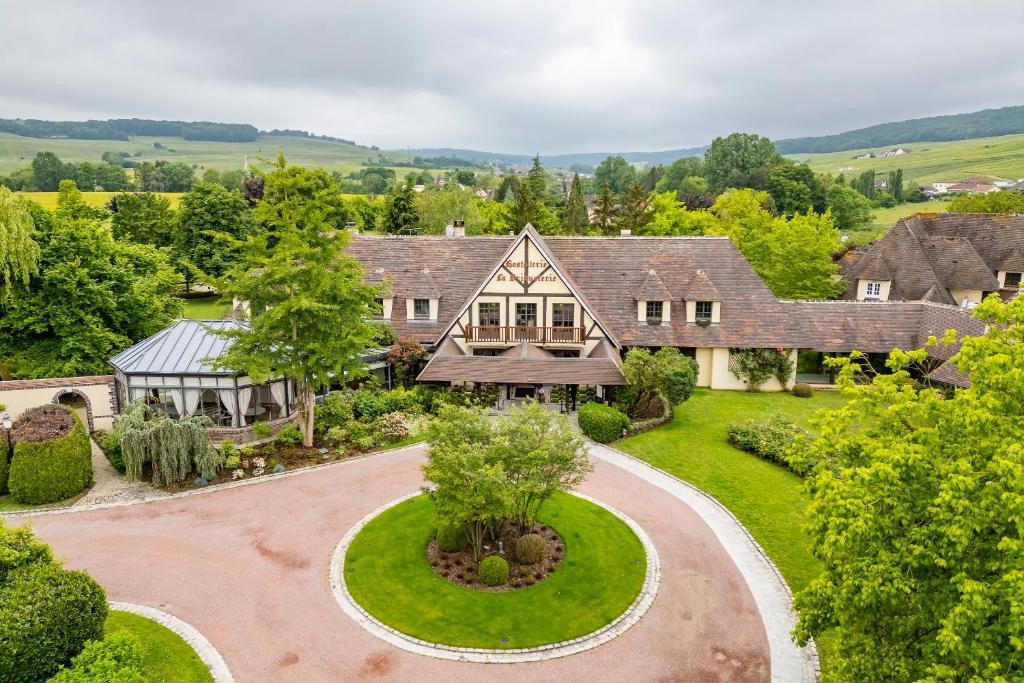
Épernay-adjacent dining has always operated somewhat independently from Reims, the region's main gastronomic address. Where Reims can claim a critical mass of destination restaurants and a city infrastructure to support extended stays, the villages south of Épernay form a looser network, more dependent on wine tourism flows and weekend visitors from Paris, roughly 90 minutes by train or 130 kilometres by road. Vinay itself is a small commune, and its restaurant density is limited. The nearest significant address is Hostellerie La Briqueterie, which provides a different format and price context in the same village. Together they represent the full range of serious dining available locally before committing to the drive toward Reims.
For visitors building a broader Champagne itinerary, Alcôve fits naturally into a day that combines cellar visits in the morning with a serious lunch or dinner at a table that extends the conversation from wine to land. The agricultural richness of the Marne valley in season, whether that means spring vegetables from chalk-soil plots, autumn game, or the particular quality of dairy and charcuterie from surrounding farms, gives the kitchen material that Parisian restaurants cannot easily replicate. See our full Vinay restaurants guide for a complete picture of what the area offers across price tiers and formats.
Placing Alcôve in the Michelin Plate Tier
A Michelin Plate is not a starred rating, but it is a deliberate curatorial signal. Since the guide introduced the Plate designation to its digital format and annual publication, it has served as an acknowledgment that a kitchen is cooking at a level the assessors consider worth flagging to readers, without yet meeting the consistency thresholds that starred classification demands. In practical terms, it means the food is technically sound and the editorial conviction is present, in Alcôve's case, the "Expression of the Terroir" note sharpens that further into a specific creative claim.
The €€€€ price range positions Alcôve at the top end of the regional market, comparable in price signal to starred addresses but without the same critical infrastructure supporting demand. That combination of premium pricing and pre-star recognition tends to indicate a kitchen investing ahead of its current tier, which in the Champagne region reads as a statement of intent toward the dining public that the wider wine world already sends to this part of France.
Planning Your Visit
Alcôve is at 4 Route de Sézanne in Vinay, a short drive from Épernay's centre. Given the Michelin Plate recognition in 2025 and the limited number of serious dining options in the village, booking ahead is the practical approach, particularly on weekends when the Champagne tourism circuit concentrates its traffic. The €€€€ price range aligns with destination-dining expectations, plan accordingly for a full meal rather than a casual stop. For context on the area's broader hospitality offer, our full Vinay hotels guide, bars guide, wineries guide, and experiences guide cover the full itinerary. Those extending the trip toward Paris or other French regional tables will find useful reference points at AM par Alexandre Mazzia in Marseille, Au Crocodile in Strasbourg, or further afield at Frantzén in Stockholm and FZN by Björn Frantzén in Dubai for those tracking modern cuisine's international circuit. Paul Bocuse in Collonges-au-Mont-d'Or remains the canonical French provincial reference point for anyone drawing that historical line from mid-century to the present.
Frequently asked questions
How much does it cost to eat at Alcôve?
Pricing at Alcôve is listed as €€€€.
What awards or recognition does Alcôve have?
Alcôve has received recognition including: Michelin Plate (2025);
What dish is Alcôve famous for?
Alcôve's 2025 Michelin Plate citation calls out 'Expression of the Terroir' as the kitchen's defining characteristic, which signals a menu built around the produce, landscape, and agricultural identity of the Marne Valley rather than any single signature plate. The recognition points to an approach where the region itself is the through-line across the menu.
What part of town is Alcôve in?
Alcôve is located at 4 Route de Sézanne, 51530 Vinay, France, Vinay.
Who's behind the kitchen at Alcôve?
The chef associated with Alcôve is Brian Paszko.
How hard is it to get a table at Alcôve?
Vinay is a small village, and Alcôve draws from a concentrated pool of Épernay visitors, regional wine-trade diners, and destination travellers following the 2025 Michelin Plate listing. That combination tends to compress availability quickly at a restaurant of this scale. Booking as far in advance as your schedule allows is advisable, particularly around the harvest season when the Champagne region sees its highest visitor concentration.
At-a-Glance Comparison
| Venue | Cuisine | Price | Awards | Notes |
|---|---|---|---|---|
| AlcôveThis venue (the venue you are viewing) | Modern French Fine Dining | $100–150 | 1 Michelin Star · Relais Chateaux Award | Not listed |
| Alléno Paris au Pavillon Ledoyen | Modern French Fine Dining | $150–200 | 3 Michelin Stars · World's 50 Best #79 | Creative |
| Kei | Contemporary French, Modern Cuisine | Not listed | Michelin 3 Star | Not listed |
| L'Ambroisie | Classic French Haute Cuisine | $300–500 | 2 Michelin Stars · World's 50 Best #23 | French, Classic Cuisine |
| Le Cinq - Four Seasons Hôtel George V | Modern French Fine Dining | $300–500 | 3 Michelin Stars · World's 50 Best #24 | French, Modern Cuisine |
| Plénitude | Modern French Sauce-Led Fine Dining | $300–500 | 3 Michelin Stars · World's 50 Best #14 | Contemporary French |
Recognition history
Dated appearances from independent guides and award organizations, with the underlying list record or original source where available.
Michelin 1 Star
Michelin
Relais Chateaux Award
Relais Chateaux
Full recognition history (4 entries)
Michelin Plate
Michelin
Relais Chateaux Award
Relais Chateaux
Continue exploring
More in Vinay
Restaurants in Vinay
All restaurants in Vinay →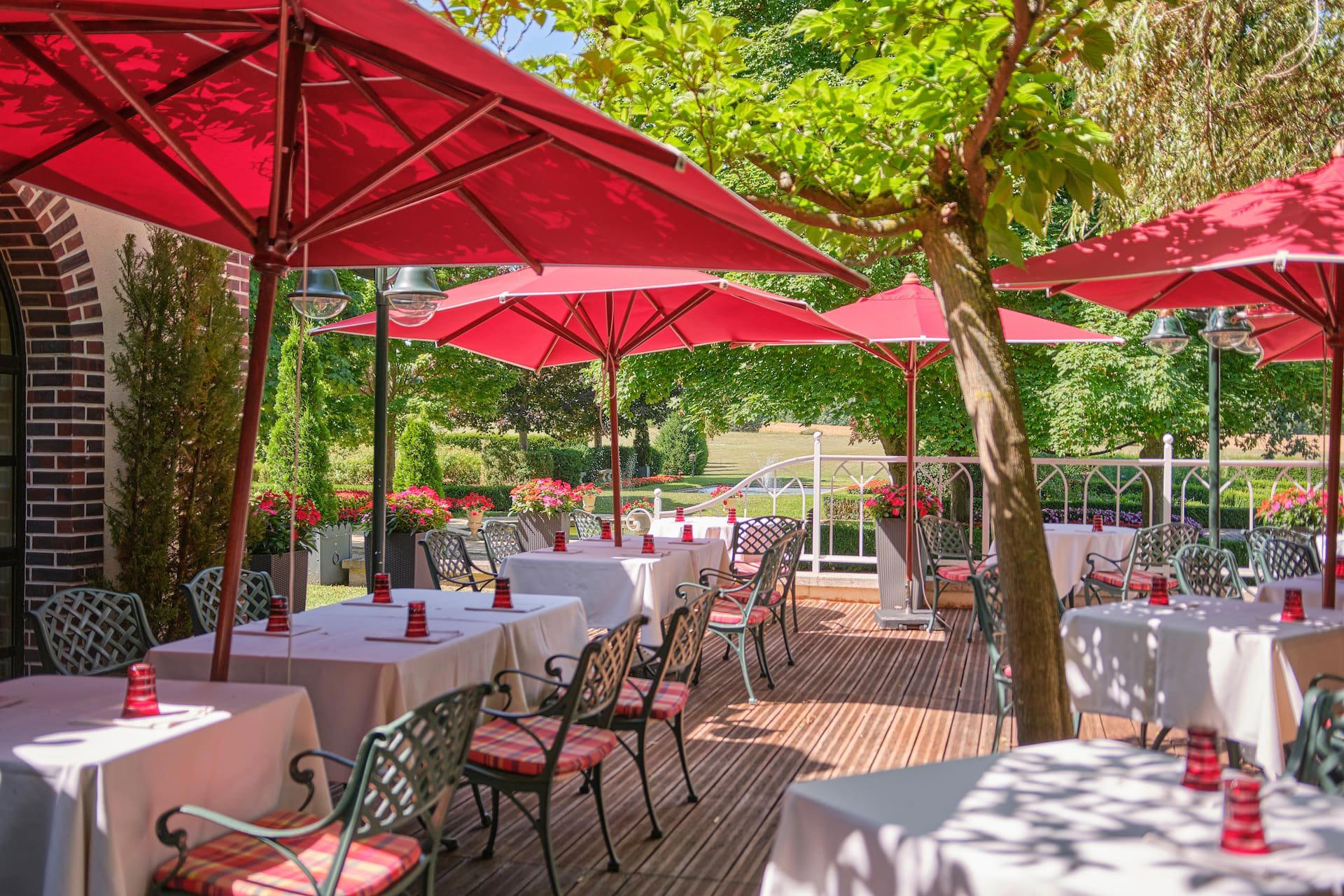
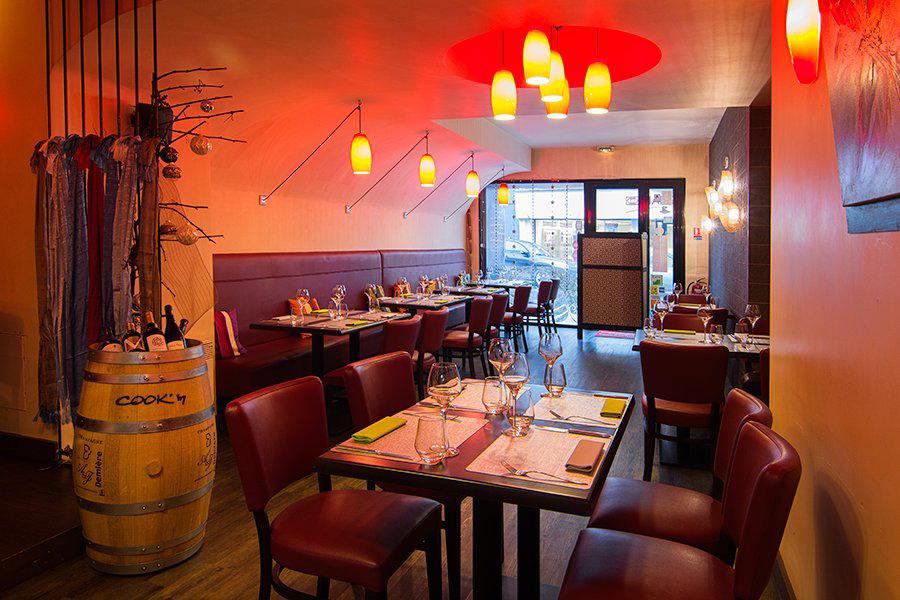
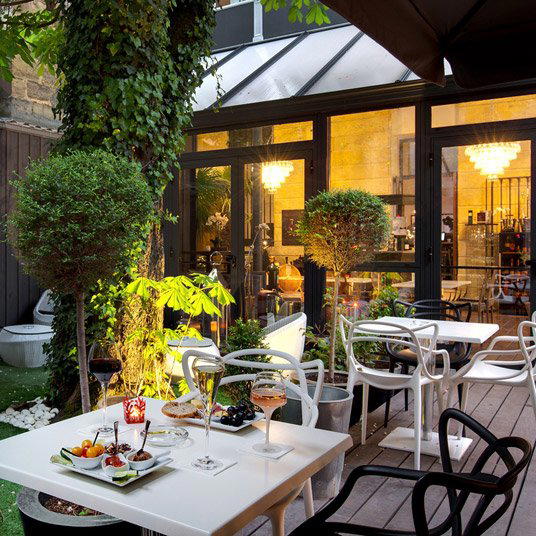
Bars in Vinay
Browse all →
Details
- Elegant
- Modern
- Cozy
- Sophisticated
- Special Occasion
- Date Night
- Garden
- Private Dining
- Extensive Wine List
- Local Sourcing
- Farm To Table
- Garden
- Vineyard
- Set Menu
Current opening hours
- Monday
- Closed
- Tuesday
- Closed
- Wednesday
- 7–9 PM
- Thursday
- 7–9 PM
- Friday
- 7–9 PM
- Saturday
- 7–9 PM
- Sunday
- 12–1:30 PM, 7–9 PM
Hours can change for holidays and private events. Hours as of .
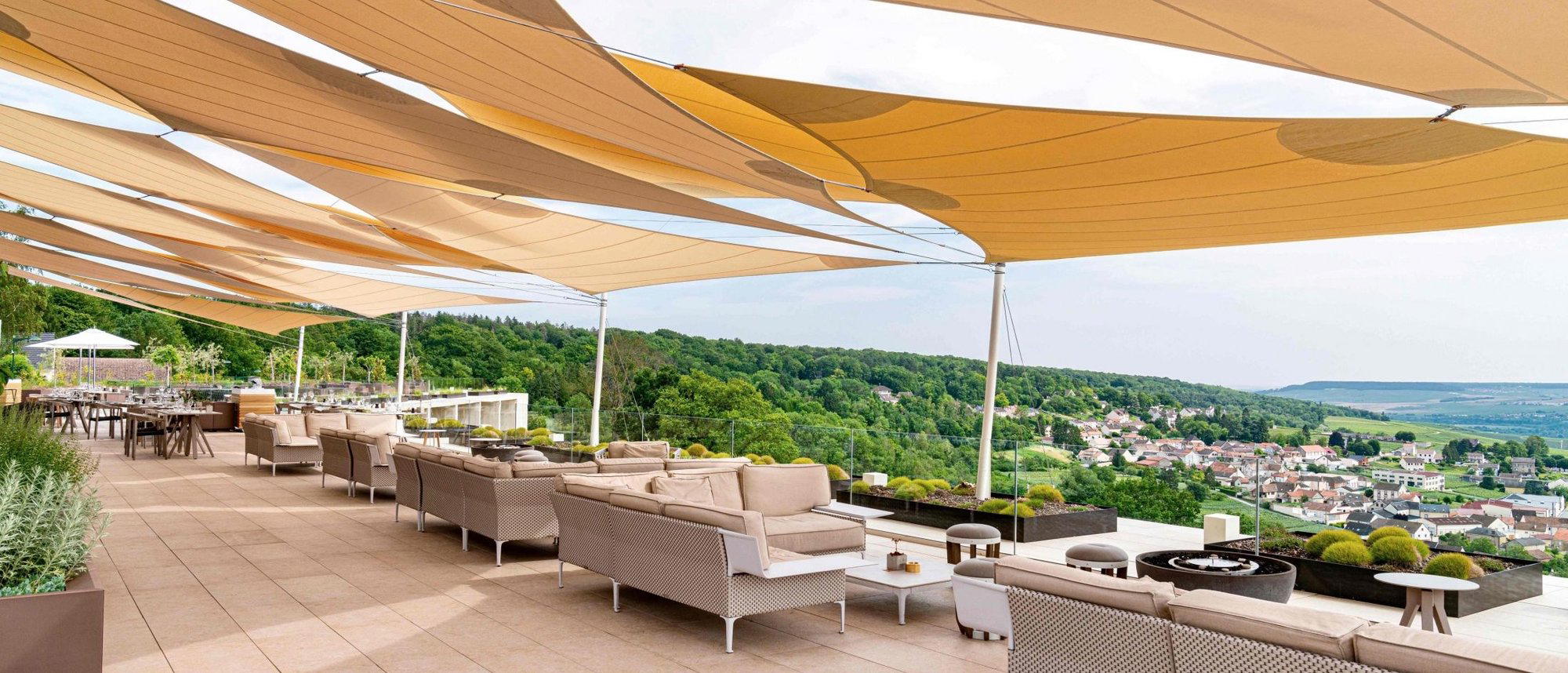
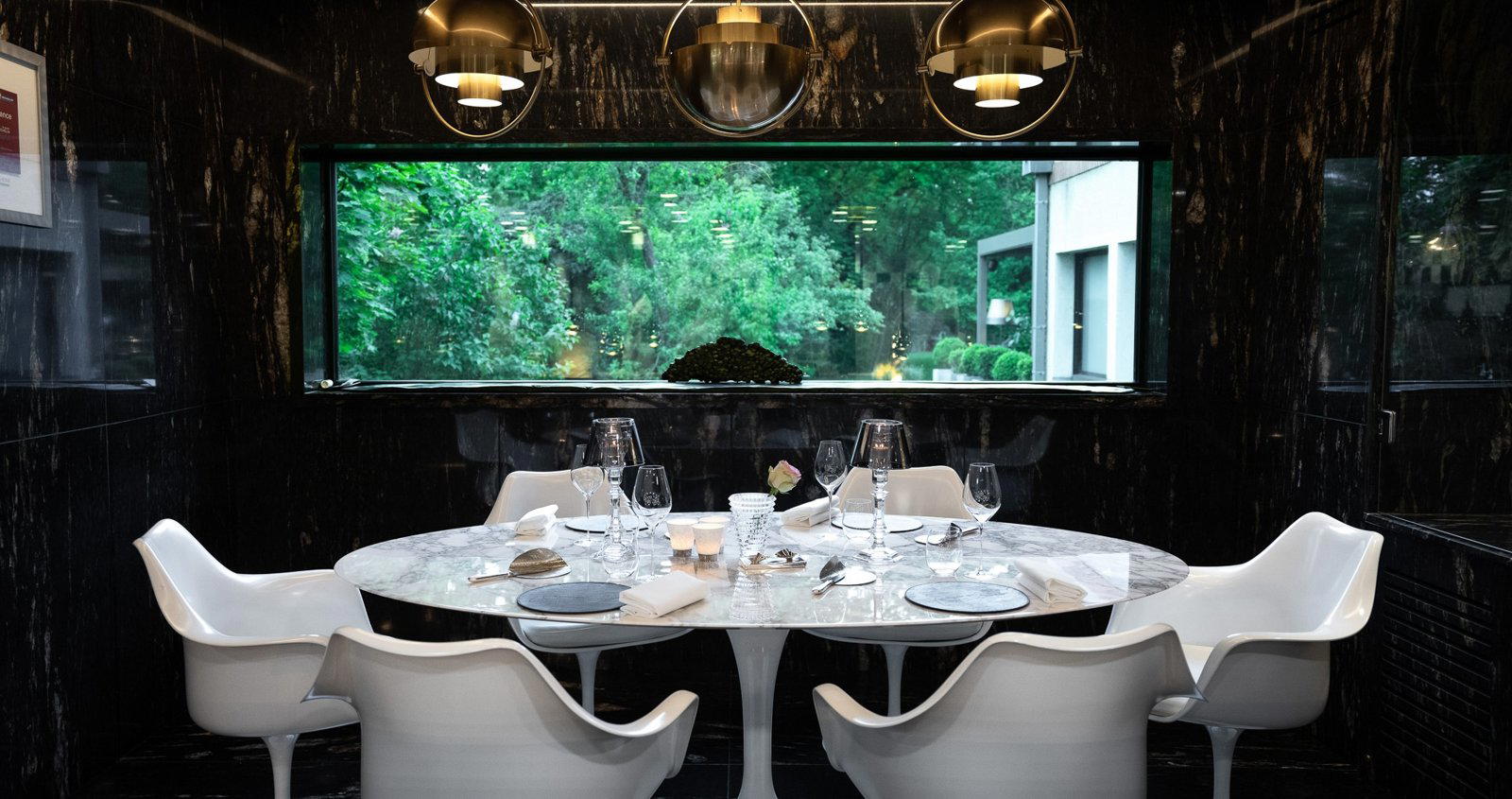
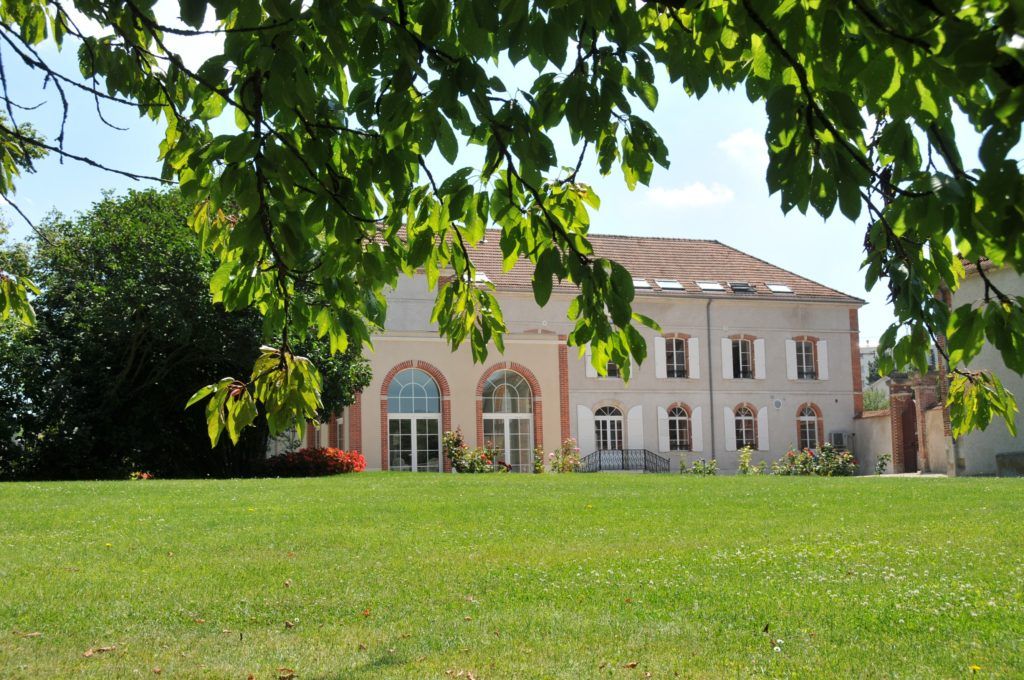
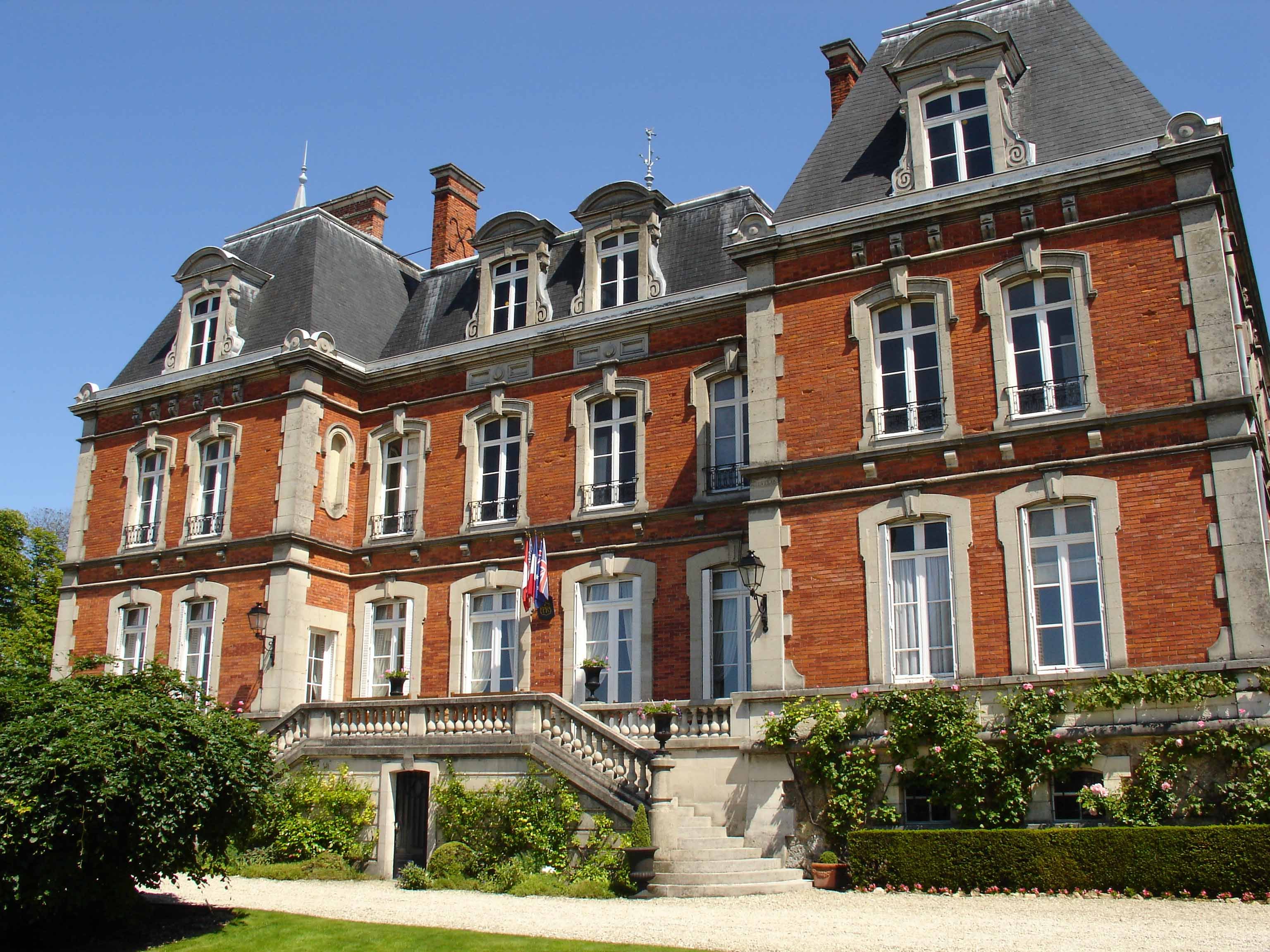
Bathed in light with views of the landscaped garden, offering an elegant and welcoming modern atmosphere.