

Under winemaker Ronan Laborde, the estate produces wines that sit in the upper tier of the appellation's competitive set, drawing comparisons to neighbours like Château Trotanoy and Château L'Eglise Clinet. Visits are by appointment at 16 Chemin de Feytit, Pomerol.
Pearl is the En Primeur Club membership app — saves, bookings, and concierge access live there. Same editors, same standards.
- Address
- 16 Chem. de Feytit, 33500 Pomerol
- Phone
- +33 5 57 25 50 00
- Website
- chateauclinet.com
- Directions
- Get directions
 Saves & bookings on Pearl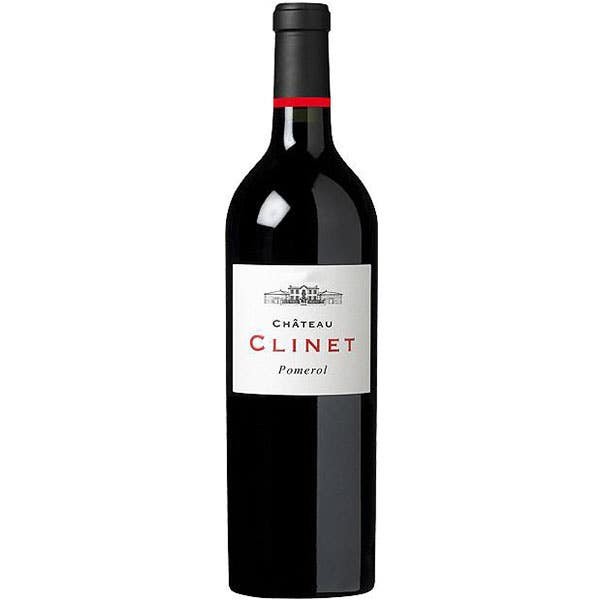
Where Pomerol's Clay Plateau Makes Its Case
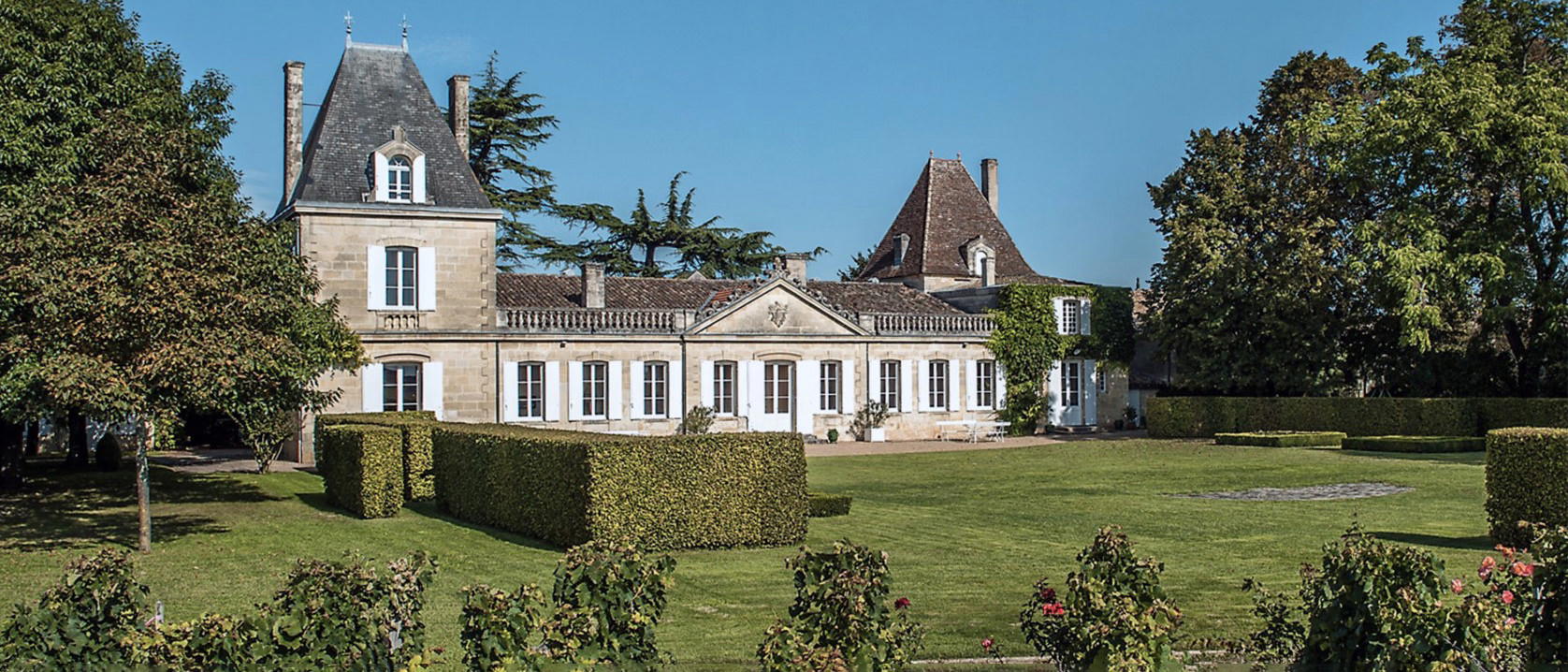
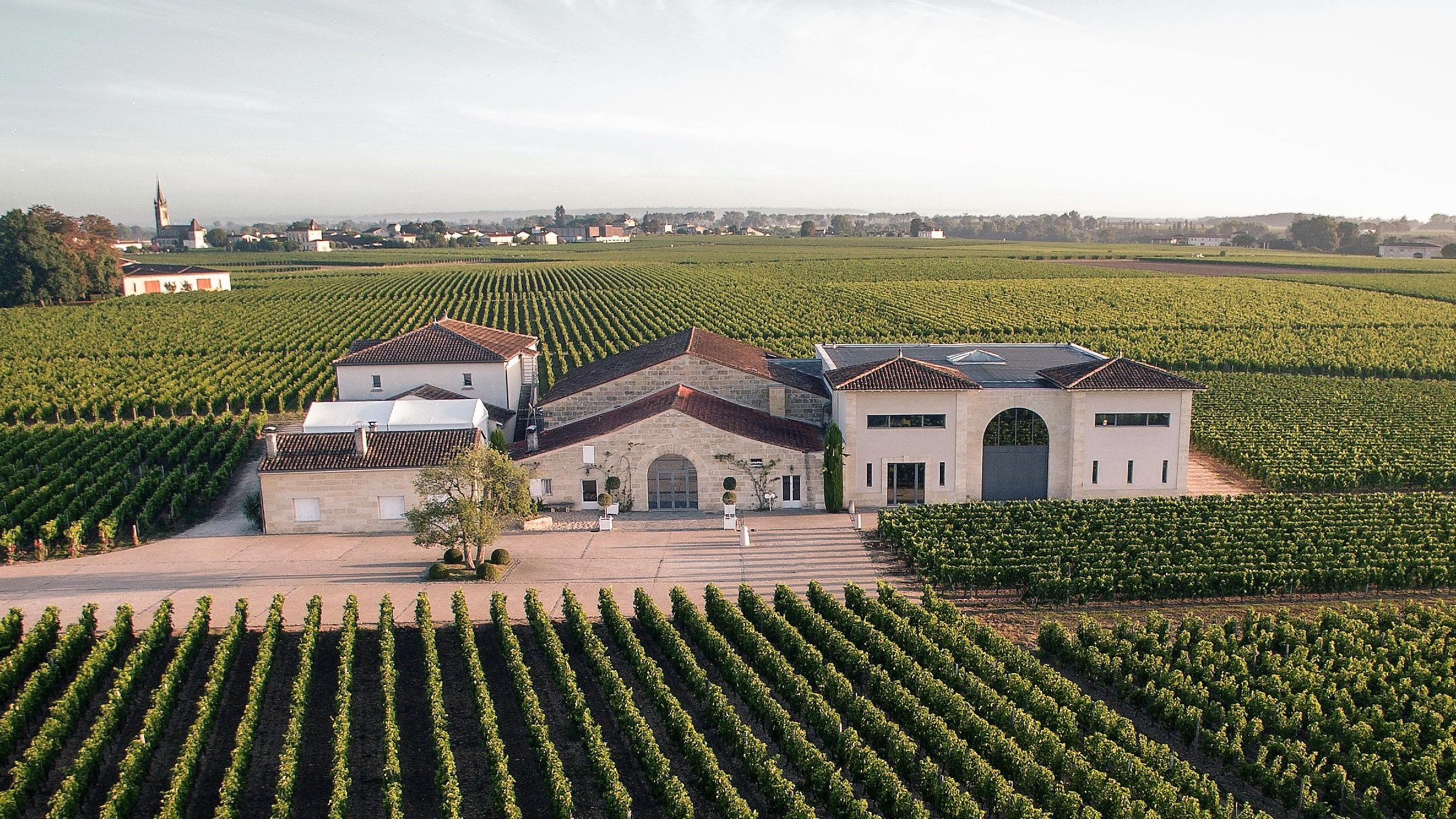
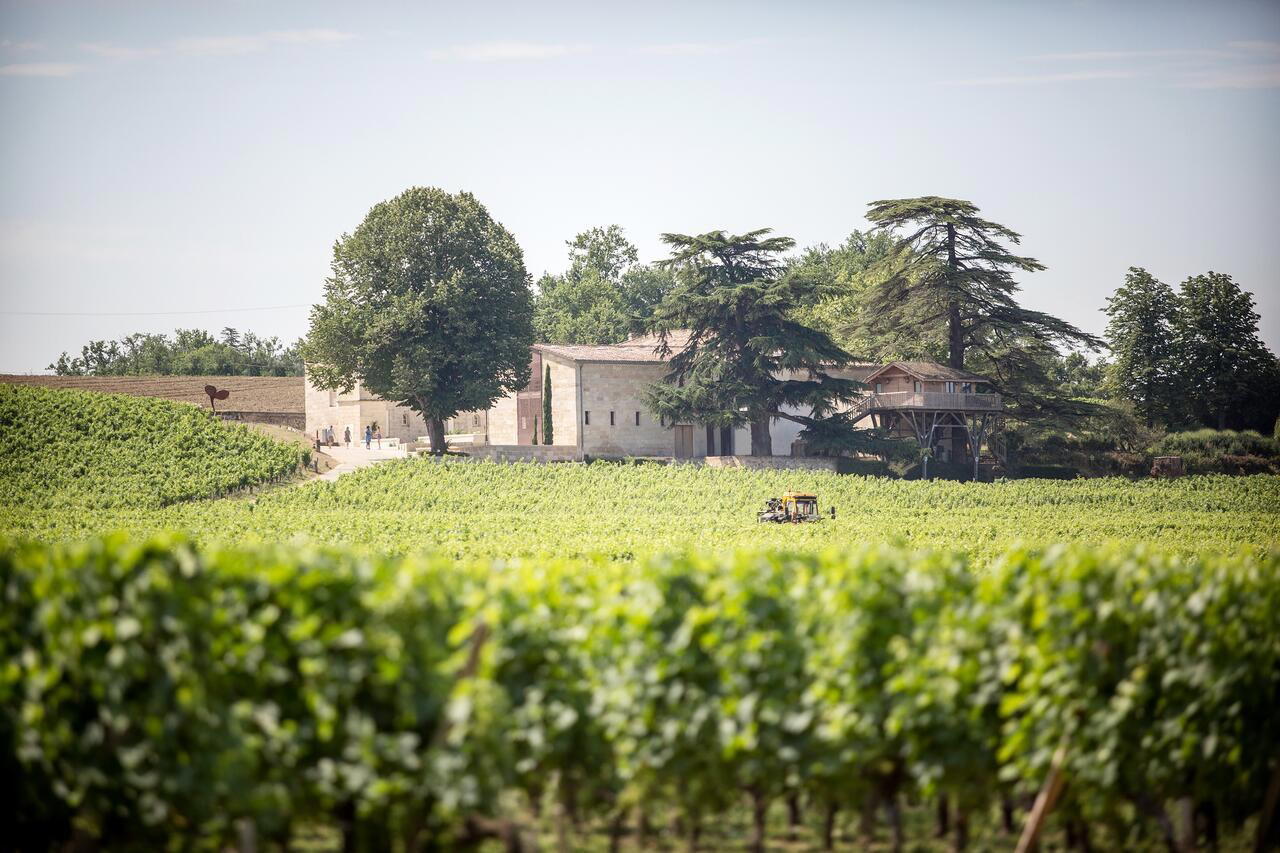
The road to Château Clinet runs through some of the flattest, least dramatic wine country in Bordeaux. Pomerol offers no hillside drama, no grand château silhouette borrowed from the Loire. What it offers instead is soil: iron-rich clay with a cold, moisture-retaining substratum that forces Merlot roots deep and slows ripening in ways that concentrate rather than dilute. At 16 Chemin de Feytit, the estate sits within that zone where the plateau's clay cap is at its thickest, placing it in a competitive position among neighbours that include Château Trotanoy, Château L'Eglise Clinet, and the appellation's undisputed reference point, Château Petrus.
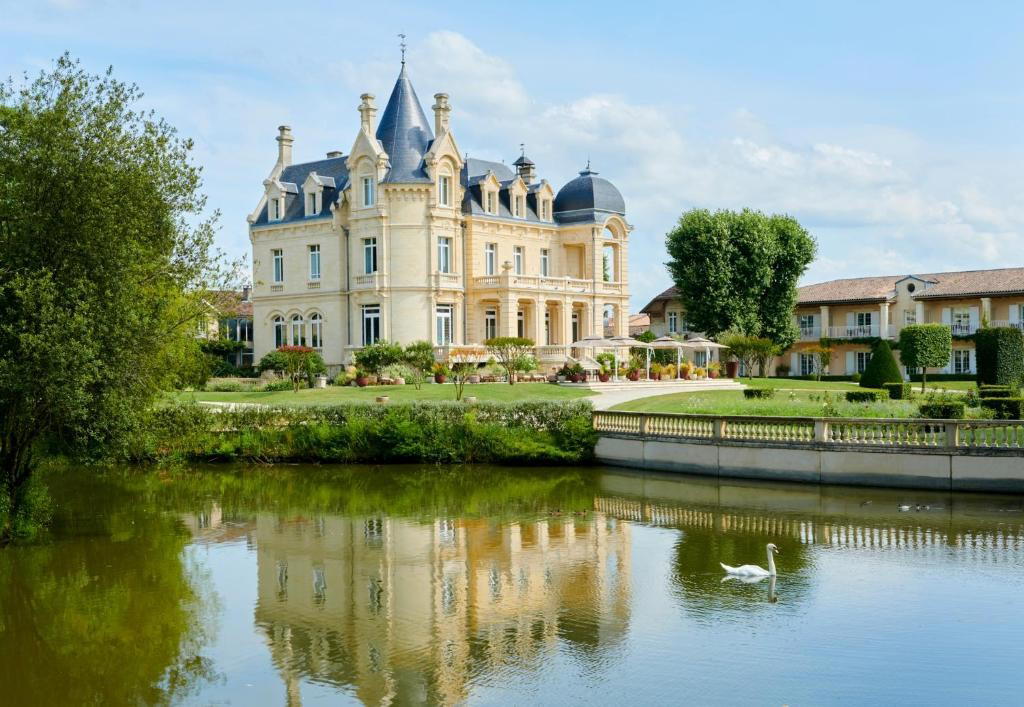
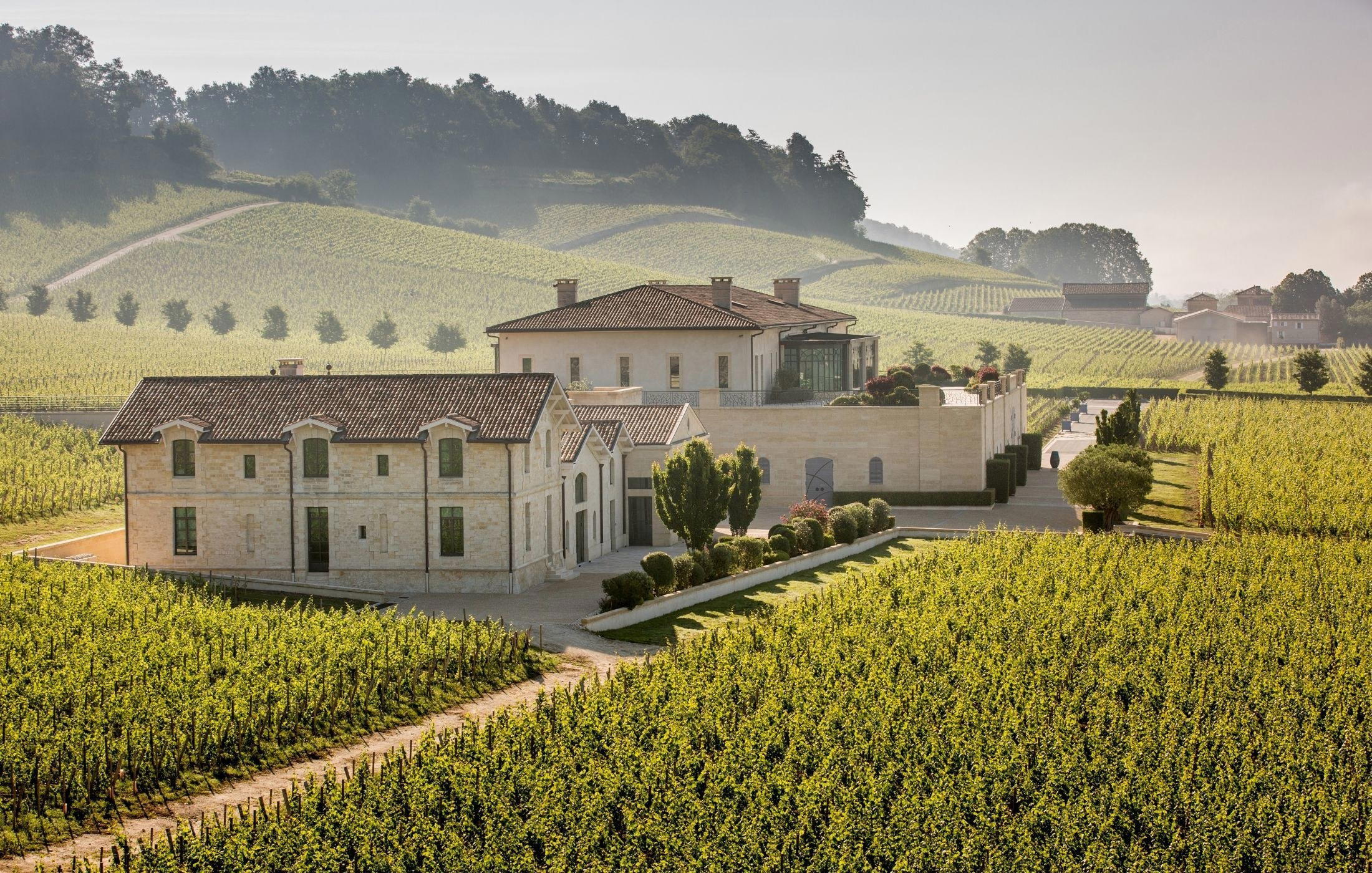
That geography matters more than architecture in Pomerol. Unlike the Médoc, where classified châteaux often announce themselves through formal allées and stone façades, the right bank operates on a different logic. Prestige here is encoded in terroir position and winemaking restraint, not in visual grandeur. Château Clinet's standing within the appellation is earned through what ends up in the bottle, not what visitors see approaching the gate.
Ronan Laborde and the Precision Argument
Pomerol's leading estates have historically separated themselves through one of two approaches: richness and power, or precision and structure. The appellation has plenty of the former; the latter requires a winemaker willing to resist the pull toward maximum extraction that Merlot on clay can easily provide.
Laborde's work is best understood comparatively. Across Pomerol, the gap between estates that manage the appellation's native richness and those that are defined by it has become the defining critical distinction. Laborde's approach at Clinet sits in the managed-richness camp: wines that carry Pomerol's characteristic plush texture while maintaining the kind of structural definition that supports extended cellaring. That balance is not automatic on this terroir; it requires harvest timing discipline, extraction choices made by vintage rather than formula, and a clear view of what the wine should look like at fifteen years rather than five.
Across France, the contrast with leaner, mineral-driven producers elsewhere is instructive. Estates such as Albert Boxler in Niedermorschwihr or Château Bastor-Lamontagne in Preignac operate from entirely different terroir premises, but the shared thread is a winemaker's willingness to let the site speak rather than impose a commercial house style. At Clinet, the clay plateau is the text; Laborde's role is editorial.
The Pomerol Competitive Set
Pomerol has no official classification, which creates a market where reputation does the work that a 1855 ranking does in the Médoc. Estates position themselves through critic scores, allocation behaviour, and the company they keep on secondary market price lists.
Estates like Château Bélair-Monange in Saint-Émilion operate within a codified structure that brings its own market signals. Pomerol's informality cuts both ways: it allows estates to move up reputationally faster, but it also means each vintage carries more weight in the critical record than it might for a classified growth with institutional inertia behind it.
For the collector building a right-bank position, Château Clinet functions as a reference for what well-managed Pomerol clay looks like at a level below particularly restricted allocations. Its wines trade on the secondary market with consistent demand, and its en primeur releases attract attention from buyers who track appellation performance over cycles rather than single years.
Vintage Timing and the En Primeur Logic
The case for buying the winery en primeur rests on the same foundation as any right-bank estate at this level: access and price. Pomerol's leading wines are produced in small quantities on estates where the vineyards are measured in single-digit hectares, and the allocation pipeline from château to négociant to merchant to consumer is tight enough that retail availability of older vintages at fair prices is limited. Buying futures in the spring following harvest, the traditional en primeur window, provides both access and, in strong vintages, a price advantage over wines purchased at physical release.
The timing of the Bordeaux en primeur campaign, typically running through April of the year following harvest, also coincides with the point at which critical assessments from major publications have circulated. By the time buyers are making allocation decisions, the vintage character is reasonably well understood. For an estate like Clinet, where vintage variation on Pomerol clay can be significant (cool, wet years compress the appellation's natural richness; warm years can tip it toward excess), reading the campaign-period reviews carefully before committing is direct risk management rather than speculation.
For broader orientation on Bordeaux's right bank, the Pomerol guide maps the appellation's key estates and their relative positioning.
Clinet in the Context of French Premium Production
The comparison set is not always obvious: a Pomerol estate and a Médoc classified growth like Château Branaire Ducru in St-Julien or Château Batailley in Pauillac produce wines that are structurally different but occupy similar prestige bands in the market. Château Boyd-Cantenac in Cantenac represents another Médoc peer point in that same tier.
Beyond Bordeaux, the Pearl Prestige tier at the guide spans categories and regions: Chartreuse in Voiron and Aberlour in Aberlour carry different production logics entirely, but their appearance in the same recognition framework reflects a shared commitment to production discipline over volume. In California, Accendo Cellars in St. Helena represents the Napa counterpart to this kind of small-production, high-attention winemaking.
Planning a Visit
The winery receives visitors by appointment at 16 Chemin de Feytit, 33500 Pomerol. The estate does not operate as a walk-in tasting room; visits are arranged in advance. Pomerol itself is a small appellation with no town centre in the conventional sense, so visitors planning time in the area typically base themselves in Libourne or Saint-Émilion, both within fifteen minutes by car.
For collectors interested in the appellation's broader range, a day in Pomerol can reasonably include visits to Château Gazin, Château Le Gay, and Château Trotanoy, all of which sit within short distances of Clinet on the same clay plateau. The geography is compact enough that a half-day circuit covers meaningful ground without requiring a vehicle for each individual move.
Price and Recognition
Comparable venues nearby, for context on price, style, and recognition.
| Venue | Cuisine | Price |
|---|---|---|
| Château ClinetThis venue — the venue you are viewing | Pomerol, Merlot, Cabernet Sauvignon | $$$$ |
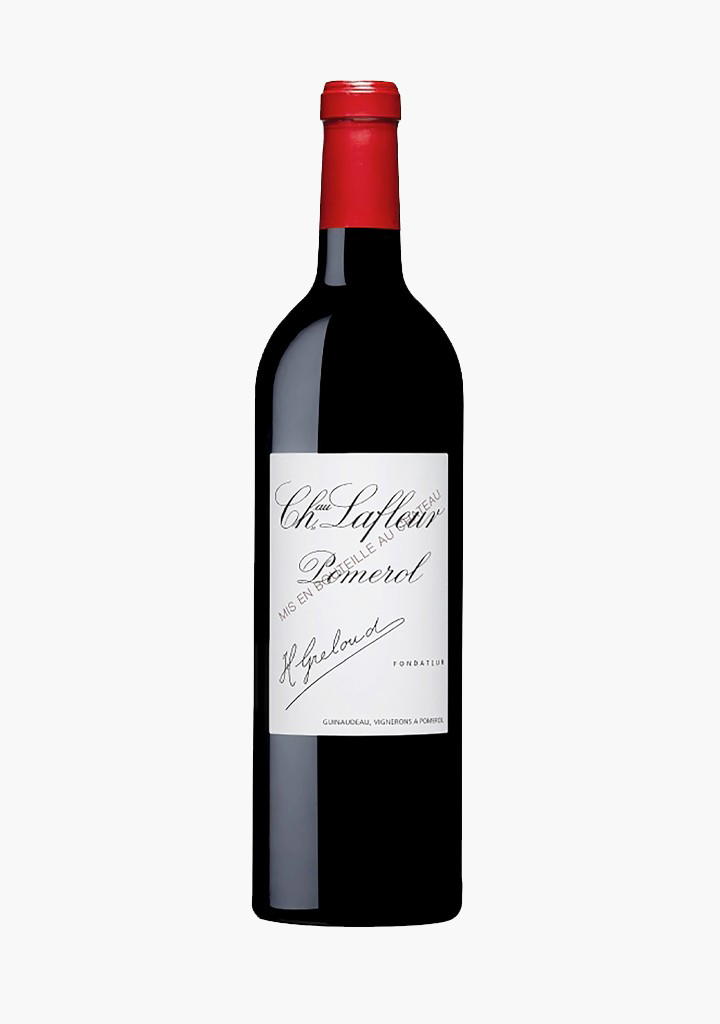
| Château La Fleur Petrus | Pomerol, Merlot, Cabernet Franc | $$$$ |
| Château Les Carmes Haut-Brion | Pessac-Léognan, Cabernet Franc, Merlot | $$$$ |
| Château L'Évangile | Pomerol, Merlot, Cabernet Franc | $$$$ |
| Château L'Eglise Clinet | Pomerol, Merlot, Cabernet Franc | $$$$ |
| Vieux Château Certan | Pomerol, Merlot, Cabernet Franc | $$$$ |
Recognition history
Dated appearances from independent guides and award organizations, with the underlying list record or original source where available.
Falstaff Winery - Listed
Falstaff
Michelin 1 Grape
Michelin
Continue exploring
More in Pomerol
Wineries in Pomerol
Browse all →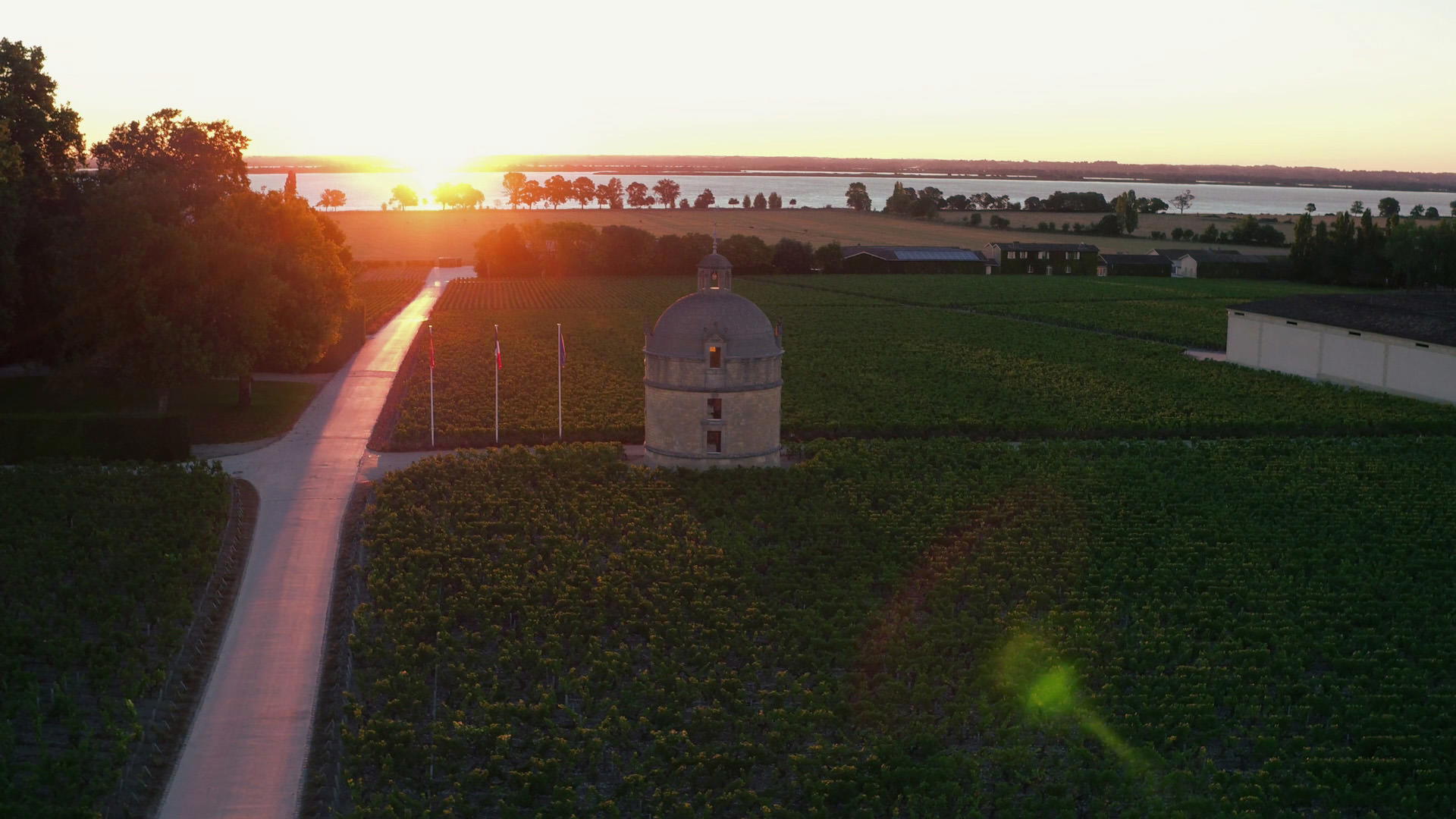
Bars in Pomerol
Browse all →

Restaurants in Pomerol
Browse all →
At a Glance
- Classic
- Elegant
- Sophisticated
- Well Known
- Wine Education
- Special Occasion
- Vineyard Tour
- Estate Grounds
- Historic Building
- Vineyard
- Pomerol AOC
- Merlot
- Cabernet Sauvignon
- Cabernet Franc
- Still Red
- Private Tasting
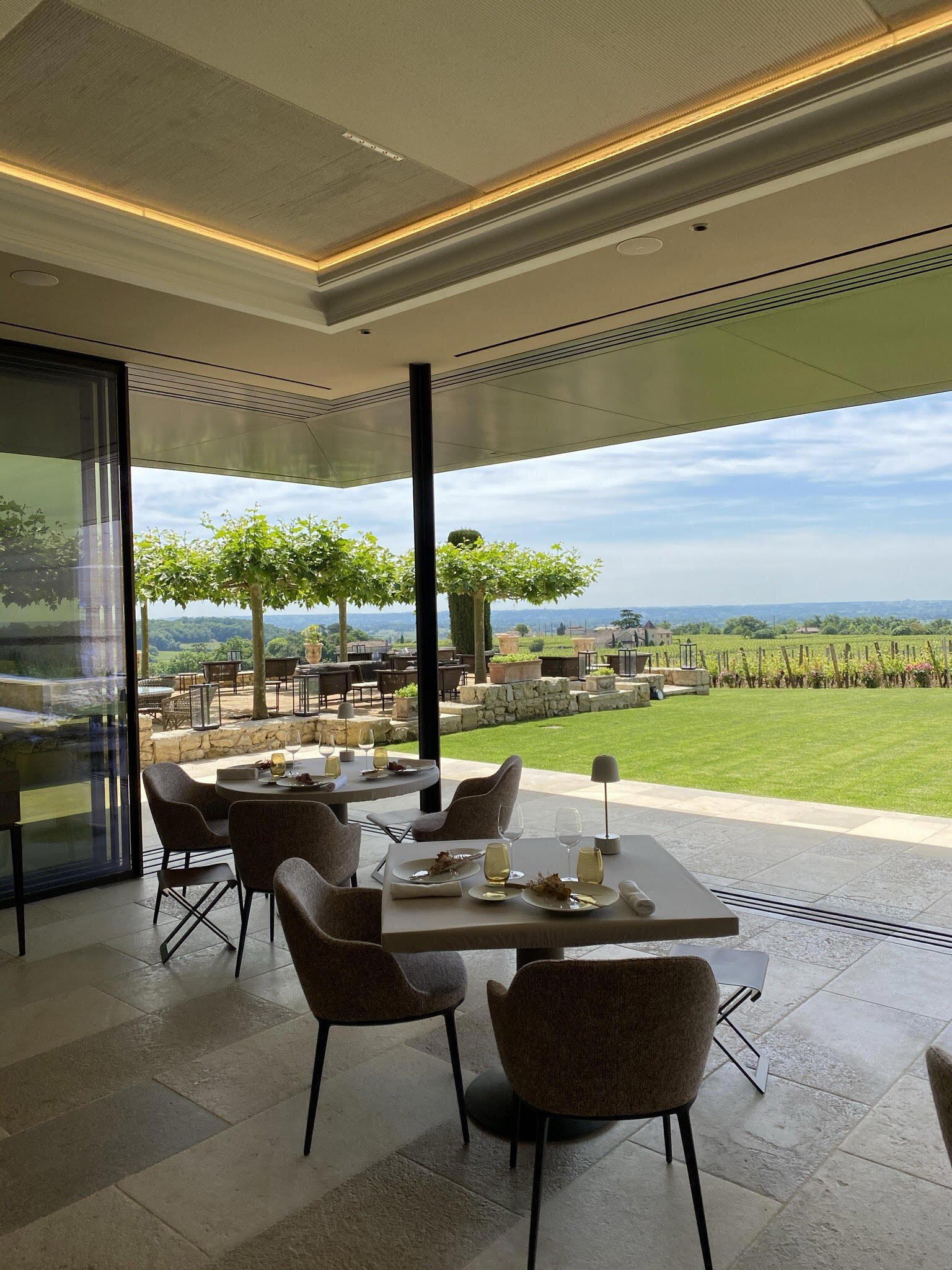
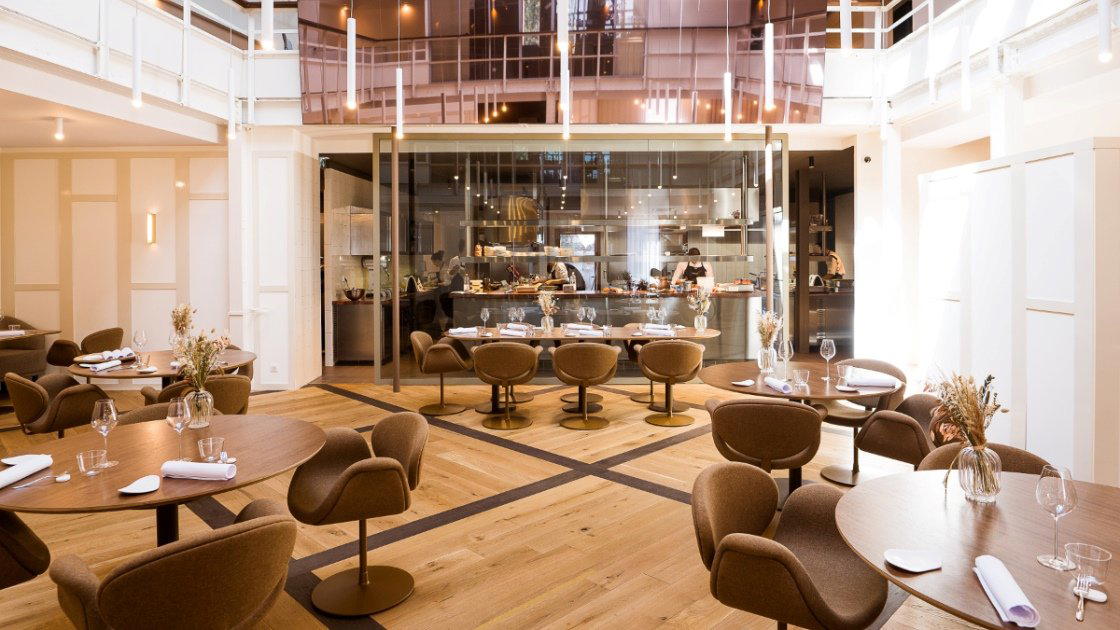
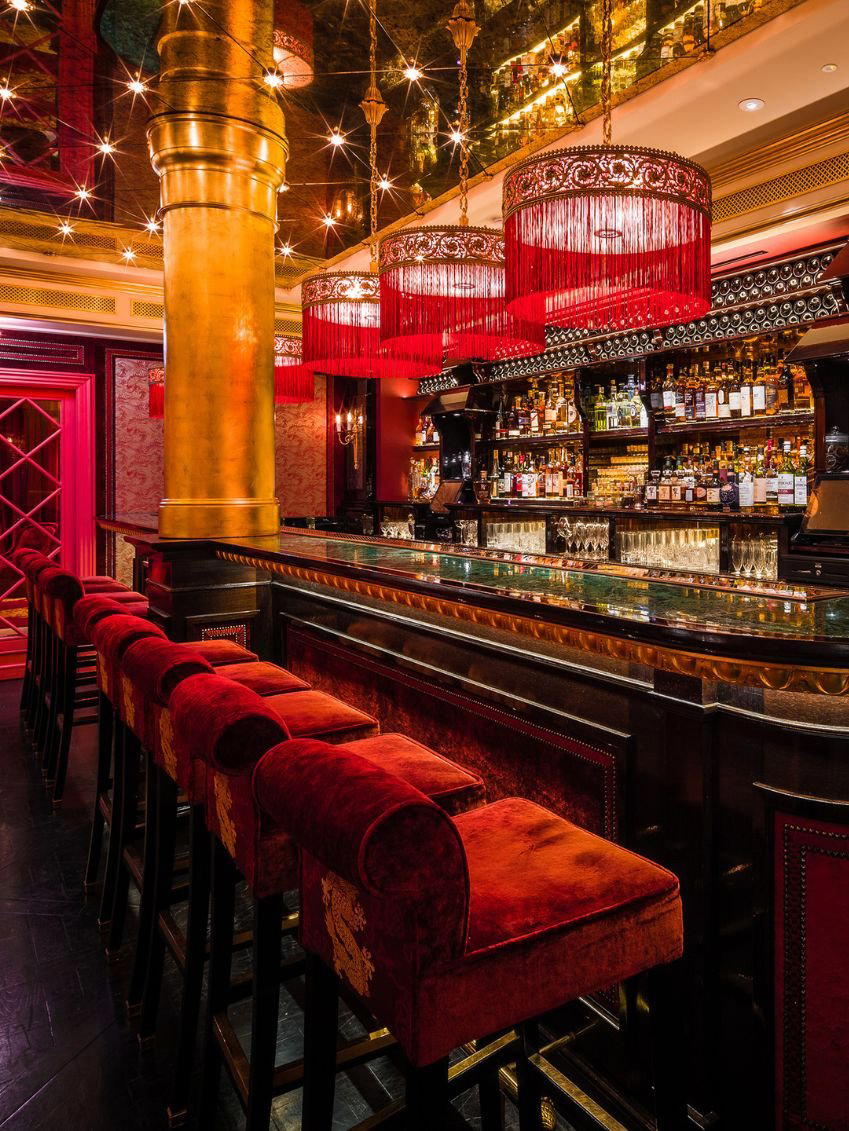
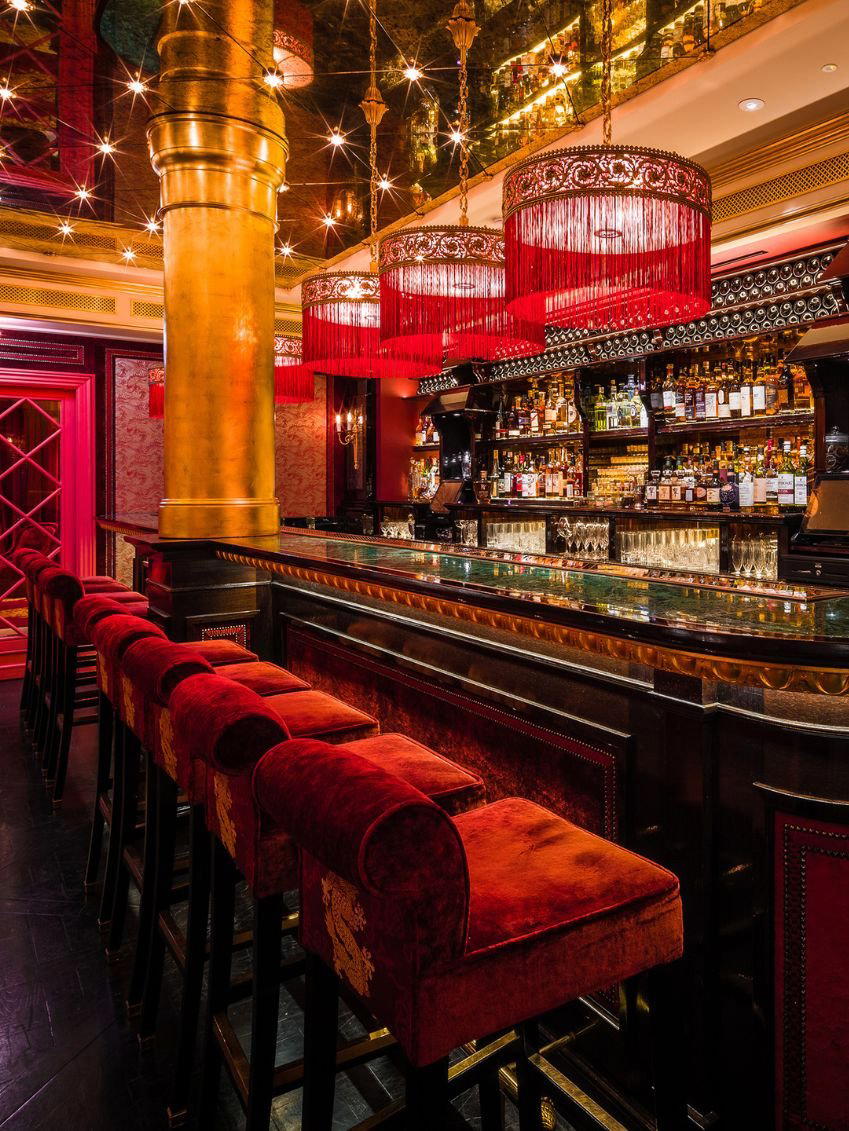
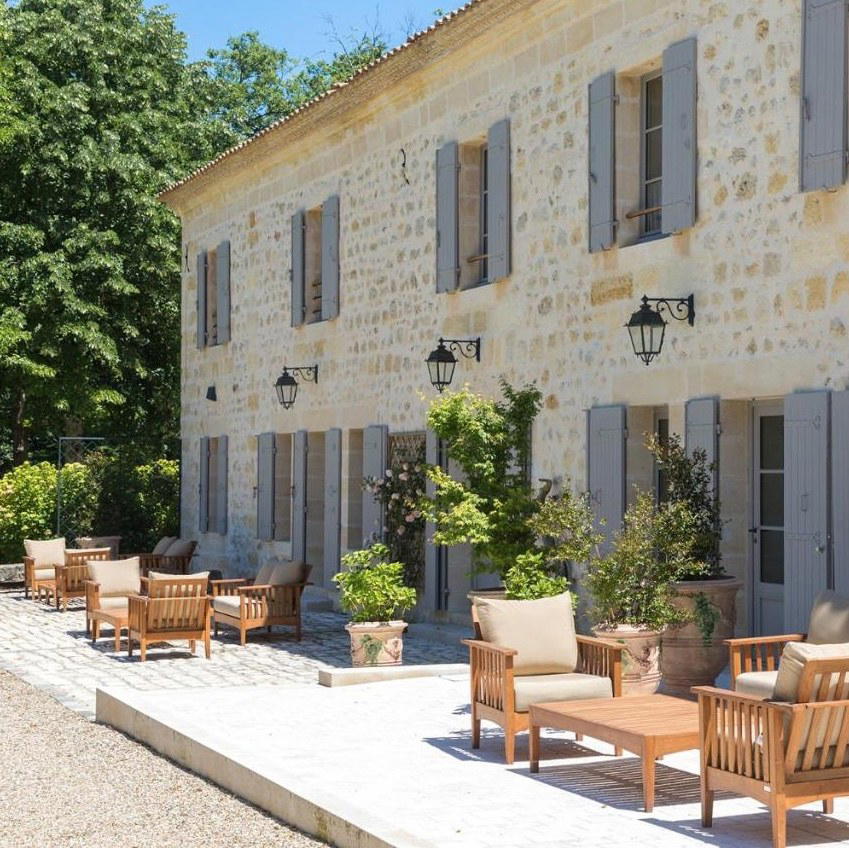
Classic and elegant historic setting with refined, sophisticated atmosphere amid old vines and Pomerol plateau.