
Michelin Selected
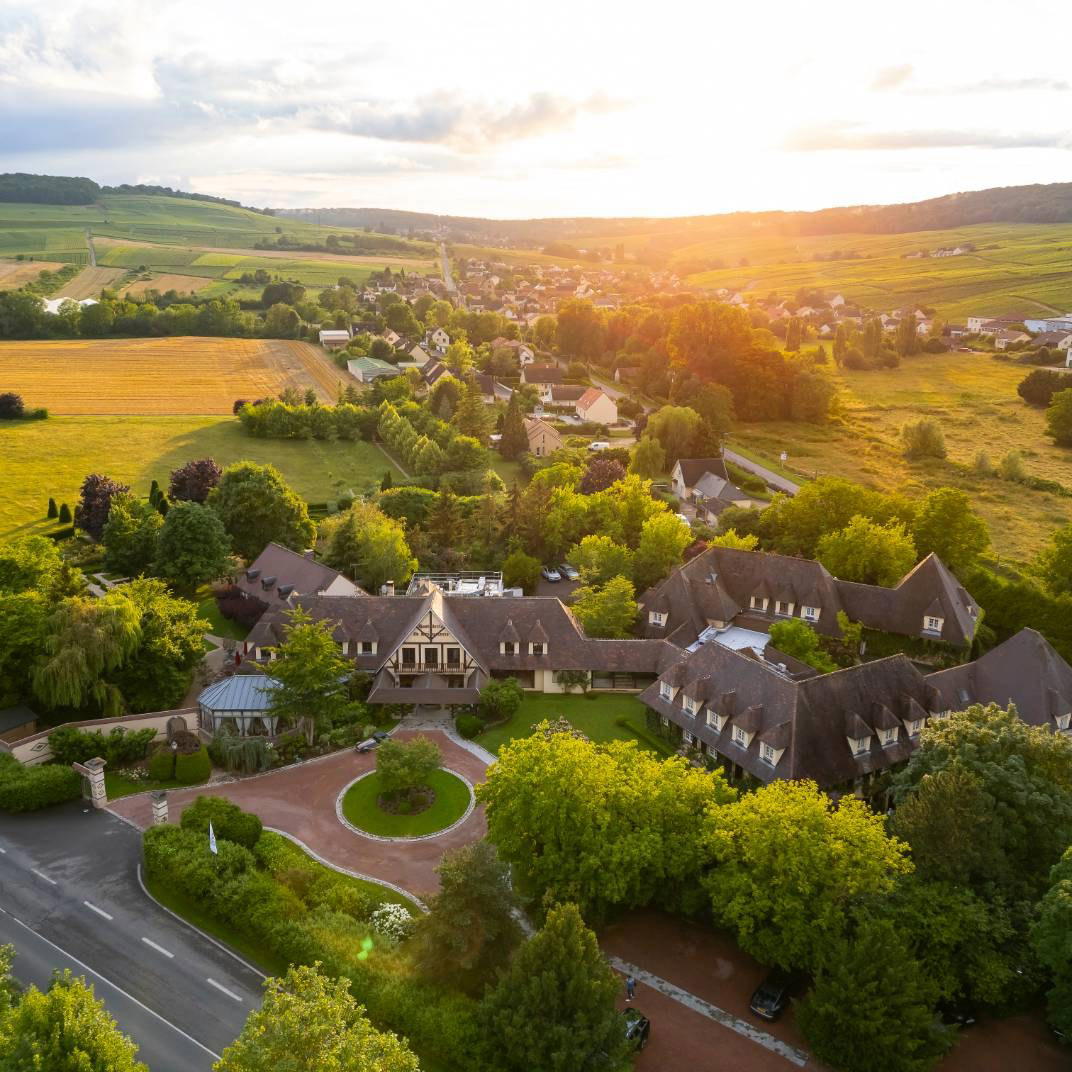
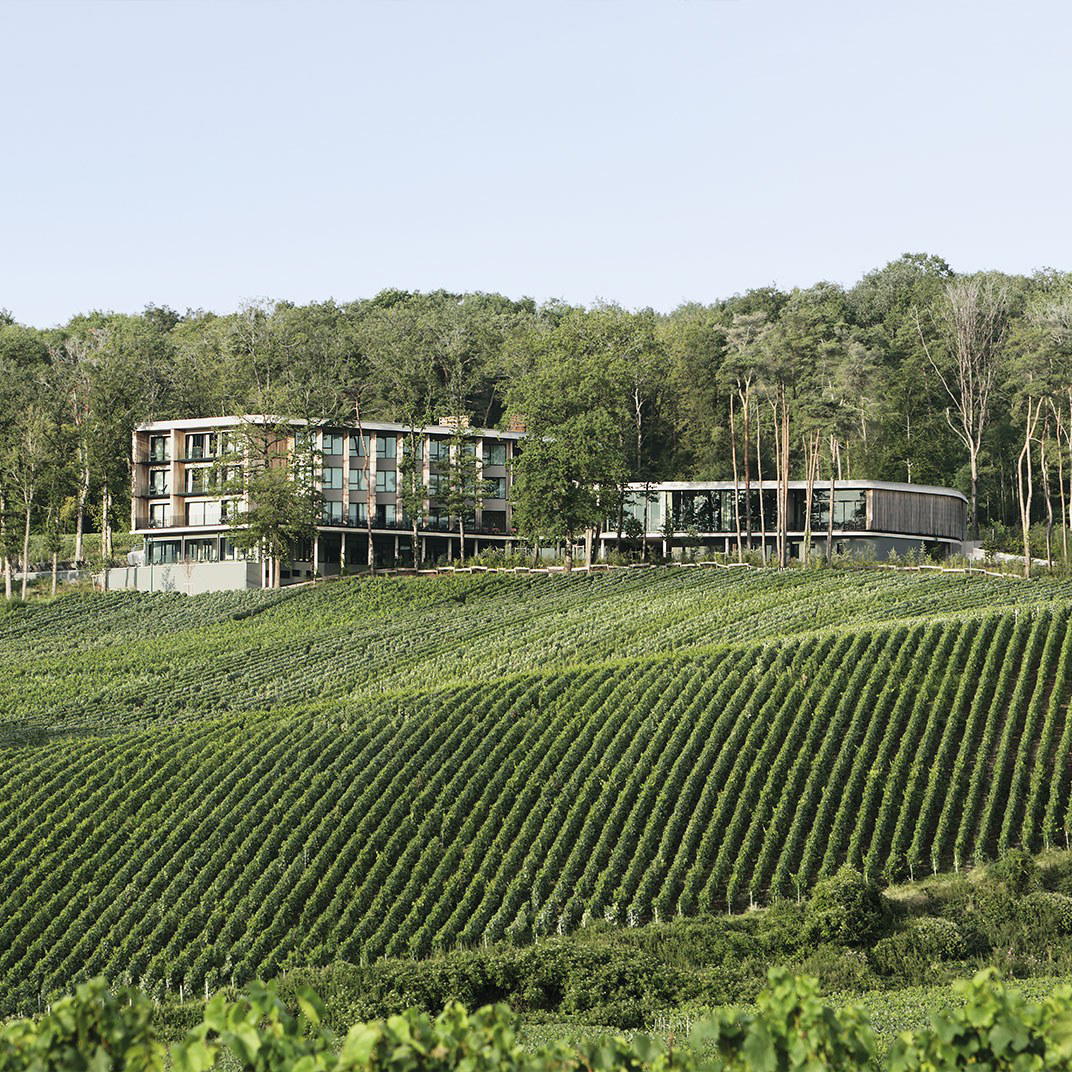
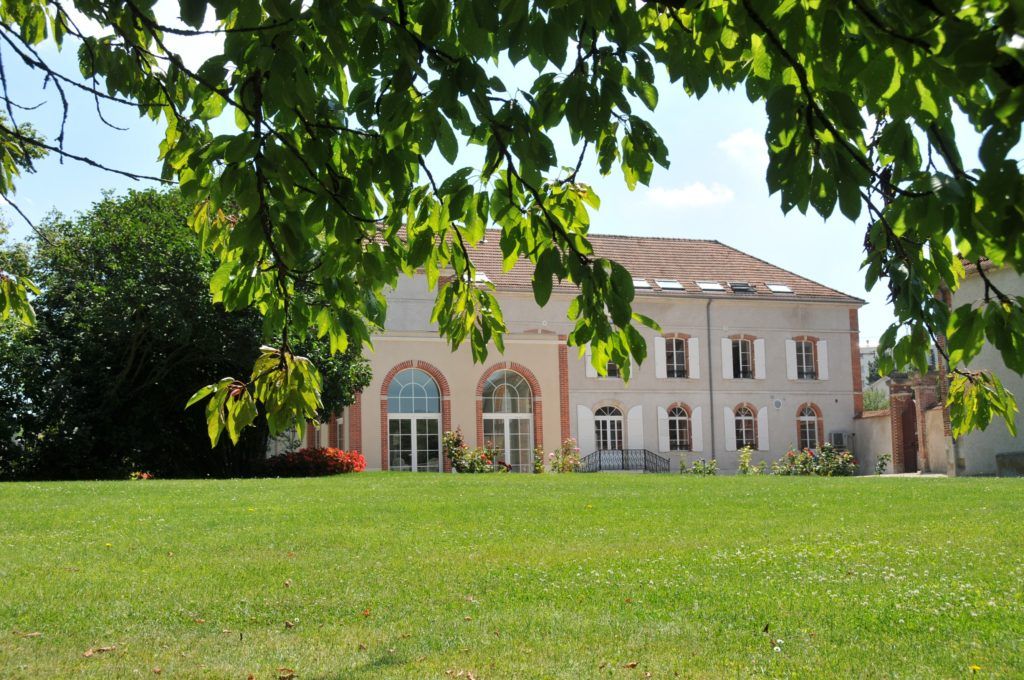
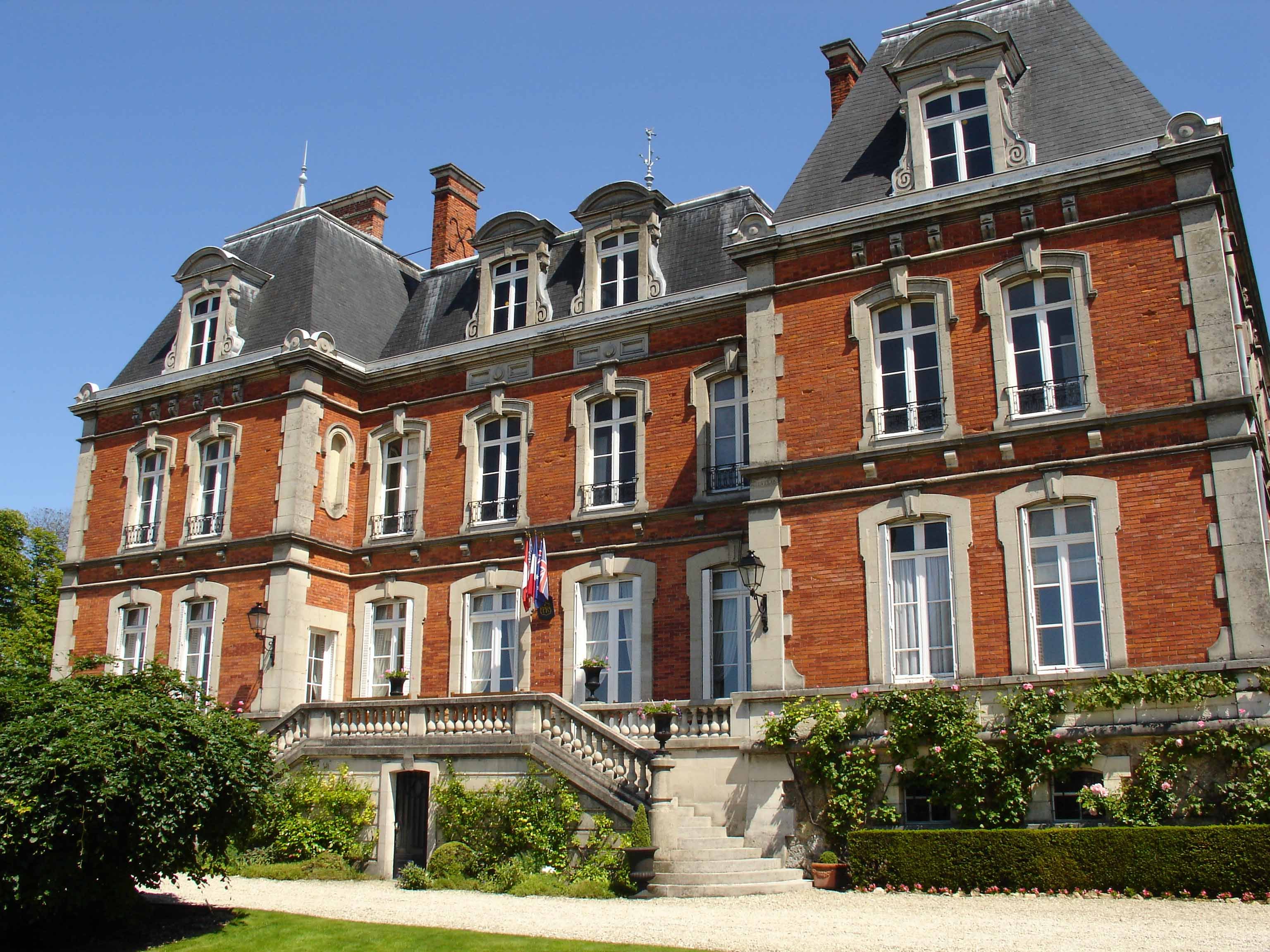
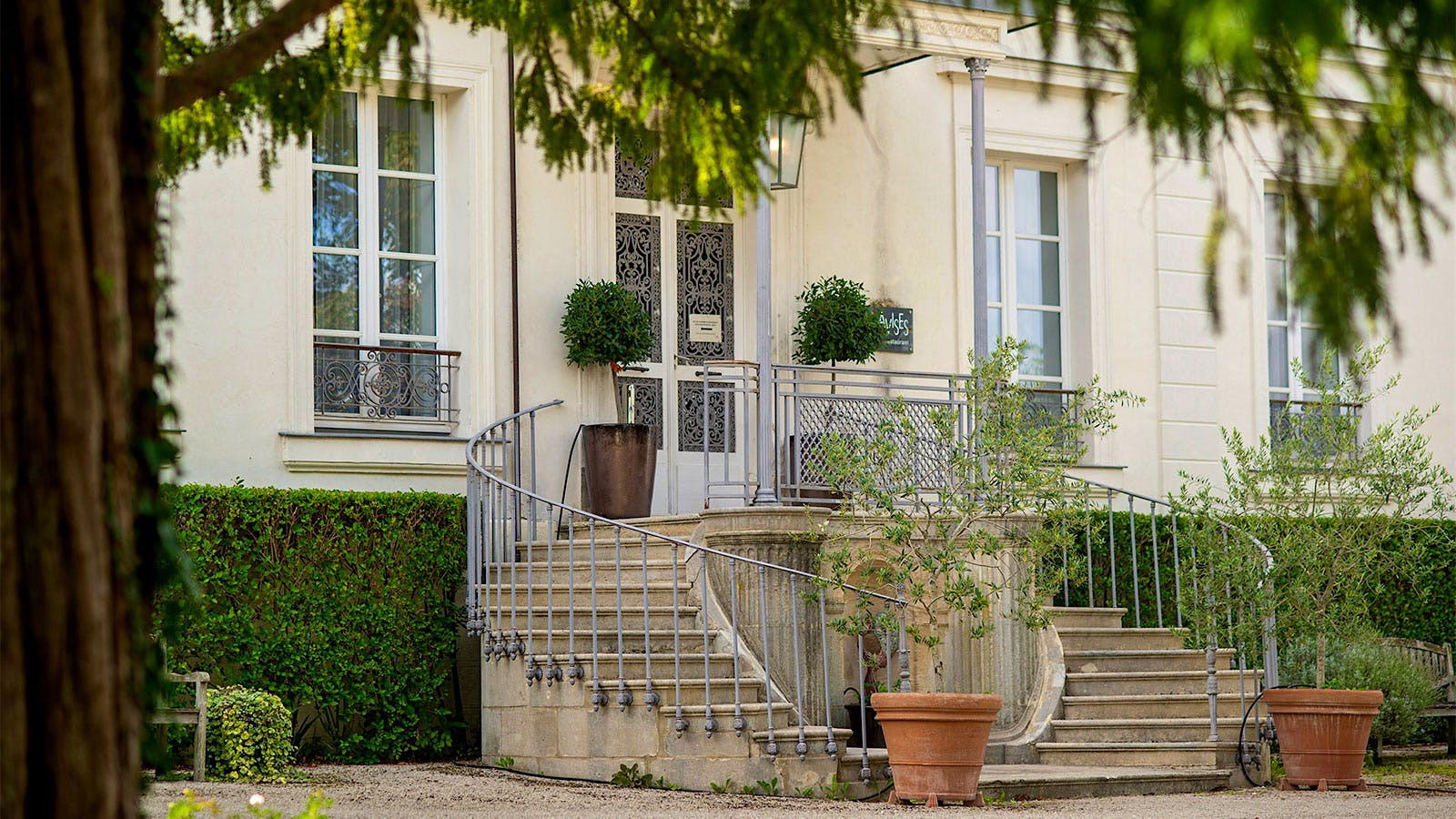
A Michelin Selected property on Épernay's southern edge, Hostellerie Briqueterie trades the town's champagne-house grandeur for a quieter residential scale. The building's origins in traditional brickwork give it a distinct material identity among the region's accommodation options, placing it closer to the discreet country-house register than the polished château circuit.

Pearl is the En Primeur Club membership app — saves, bookings, and concierge access live there. Same editors, same standards.
- Address
- 4 Route de Sézanne, 51530 Vinay, France
- Phone
- +33 3 26 59 99 99
- Website
- beauvallon.com
- Directions
- Get directions
Brick, Quietude, and the Southern Approach to Épernay
Épernay's hospitality offer divides roughly into two registers. One is defined by the grand champagne-house aesthetic: limestone façades, formal gardens, and the kind of theatrical scale that suits a city whose Avenue de Champagne has been called the world's most expensive underground street. The other register is quieter, residential in proportion, and rooted in the agricultural materials of the Marne valley itself. Hostellerie Briqueterie belongs to that second camp. Set on the Route de Sézanne heading south out of the town centre, the property takes its name from the brickwork that defines its exterior, an architectural material that sets it apart immediately from the pale stone confidence of the champagne grandes maisons lining the avenue a few minutes north.
That choice of material is not incidental. Across the broader French provincial hotel tradition, properties built from regional brick tend to signal a different kind of ambition than those built from limestone or rendered render: more domestic in scale, more rooted in local craft, less interested in projecting institutional grandeur. It is the same logic that distinguishes a Burgundian farmhouse conversion from a Reims palatial hotel, or separates Hôtel Chais Monnet & Spa in Cognac, with its converted distillery bones, from the classical symmetry of Hôtel du Palais in Biarritz. Material honesty, when it is consistent throughout a property, reads as a design statement rather than a budget constraint.
What a Michelin Selection Signals in This Category
Hostellerie Briqueterie holds a MICHELIN Selected designation in the 2025 Michelin Hotels guide, which places it in a defined quality tier within the Michelin hotel selection framework. The Michelin hotel selection operates differently from its restaurant stars: properties are assessed on comfort, character, and setting without a numerical star classification at the entry level of selection, meaning inclusion signals a quality threshold cleared rather than a rank achieved. In the context of Épernay's accommodation market, where the most discussed property has historically been the Royal Champagne Hotel & Spa in Champillon just north of the town, and where Domaine Les Crayères in Reims anchors the highest end of the wider Champagne region, a Michelin Selected designation at a more intimate property is a meaningful position in the local hierarchy.
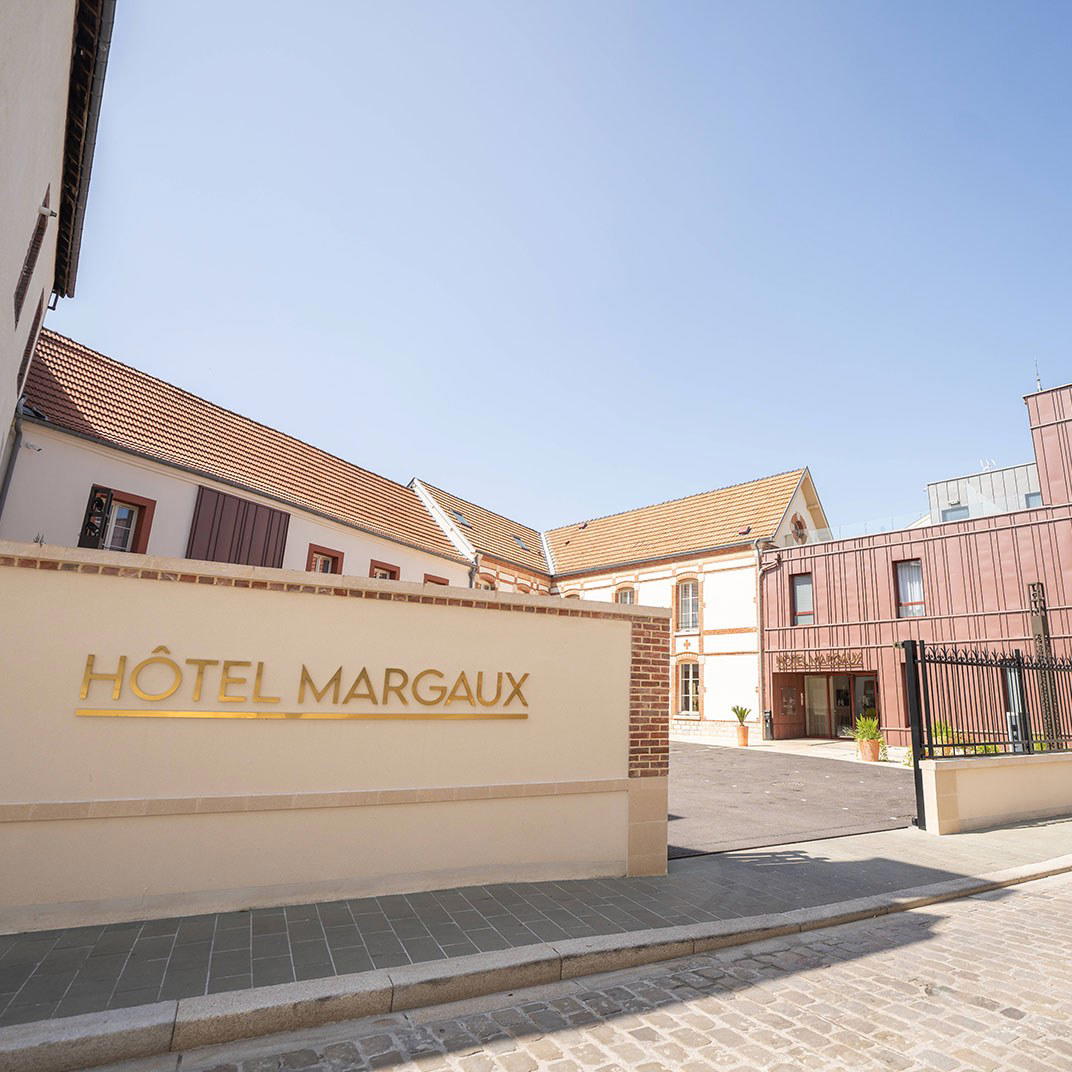
The comparison set for Hostellerie Briqueterie within Épernay itself includes newer entrants with distinct identity propositions. LOISIUM Wine Hotel Champagne approaches the wine-region hotel format with a more contemporary design vocabulary, while Maison À Deux Mains and Margaux represent the boutique and character-led end of the local market. Against these alternatives, the Briqueterie's combination of Michelin recognition and traditional architectural character places it in a specific niche: established rather than newly minted, material-led rather than concept-led.
The Architecture as the Argument
In the broader French hotel tradition, brick-built country properties occupy a specific cultural position. They are associated with the productive landscapes of northern France, with working agriculture, with the modest solidity of buildings designed to last rather than impress. The Champagne appellation itself sits in a landscape defined more by chalk geology and open field than by the theatrical scenery of Provence or the Alpine drama that makes properties like Four Seasons Megève or Le K2 Palace in Courchevel so visually legible. A hotel in this landscape that anchors its identity in local brick is making a plausible argument for belonging, rather than importing a design language from elsewhere.
That argument is strengthened by the address itself. The Route de Sézanne corridor heading south from Épernay is working Champagne country, closer in character to the village wine routes than to the institutional boulevard. Guests arriving from Paris, typically via the 1h20 direct TGV to Épernay station, find themselves within a short drive of the property without the intermediary grandeur of the main avenue. Those coming by car from the A4 motorway have a similarly direct approach. The location is not isolated, but it is separated enough from the town's commercial core to offer a quieter base for exploring the surrounding vineyards and villages of the Marne valley.
Épernay as a Base: What the Region Demands from Its Hotels
The premium hotel market in champagne country faces a particular guest expectation: that the property will function as a credible gateway to cellar visits, harvest tourism, and the kind of landscape-level engagement that cannot be experienced from a wine shop floor. In that context, hotels positioned on the edges of Épernay rather than at its centre tend to have a structural advantage for guests who are driving the vineyard routes of the Côte des Blancs to the south or the Montagne de Reims to the north. The Briqueterie's Route de Sézanne address aligns naturally with the Côte des Blancs approach, the chalk-heavy southern ridge where Chardonnay dominates and producers from Cramant to Le Mesnil-sur-Oger sit within thirty minutes by road.
This is the structural logic that distinguishes wine-region accommodation from city-centre hotels: the value proposition is not proximity to urban amenity but proximity to productive landscape. Properties that understand this, from Les Sources de Caudalie in Bordeaux to Villa La Coste in Le Puy-Sainte-Réparade, tend to build their identity around terroir adjacency rather than urban convenience. Hostellerie Briqueterie operates on the same logic, with its southward orientation toward the Champagne vineyards reinforcing the case for choosing it over town-centre alternatives.
For guests planning visits to the champagne houses on the Avenue de Champagne, the distance from the Briqueterie to the main Moët & Chandon entrance or the Perrier-Jouët facade is navigable by car in under ten minutes. The trade-off is well-established in this category of regional hotel: a slightly less convenient position in exchange for a more characterful setting and a degree of separation from the town's tourist infrastructure. See our full Épernay restaurants guide for context on where to eat in and around the town during a stay.
Planning Your Stay
Champagne's high season runs from late spring through harvest in September and October, when the vineyard landscape is at its most engaged and the major houses run their most active visiting programs. Booking in advance for this window is advisable, particularly for Michelin Selected properties where room counts tend to be limited relative to demand. Hostellerie Briqueterie sits on the Route de Sézanne at number 4, easily reachable by car from Épernay station or the A4, and its position on a named road rather than a village lane makes arrival logistics direct for first-time visitors to the region. Direct bookings are the standard approach for properties at this level in the French regional hotel market.
Comparable Venues
Comparable venues nearby, for context on price, style, and recognition.
| Venue | Cuisine | Price | Awards | Notes |
|---|---|---|---|---|
| Hostellerie BriqueterieThis venue — the venue you are viewing | Contemporary luxury country house with heritage charm, blending modern design with traditional French architecture in a vineyard setting. | $300–500 | Michelin Selected | Not listed |
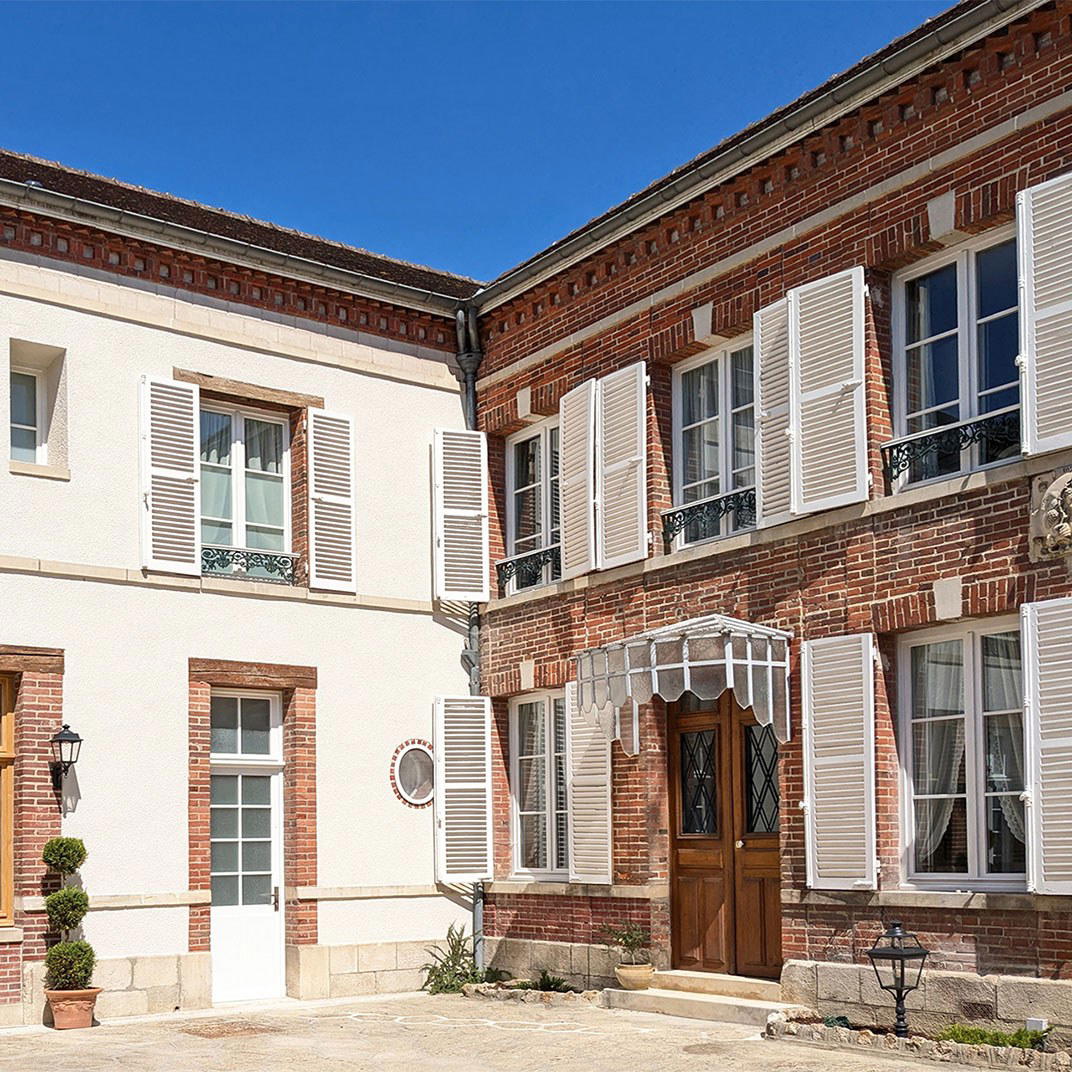
| Margaux | Boutique hotel in former presbytery with modern comforts. | Not listed | Michelin Selected | central Épernay |
| LOISIUM Wine Hotel Champagne | Contemporary luxury wine hotel blending modern architecture with vineyard landscape integration; curved wooden exterior recalls wine barrel staves. | Not listed | Michelin Selected | Mutigny |
| Maison À Deux Mains | Renovated 18th-century bourgeois demeure blending historic Champagne character with contemporary luxury. | $300–500 | Michelin Selected | Ay-Champagne |
| 5 Terres - MGallery | Historic 17th-century building with modern luxury comforts on Alsace wine route | $300–500 | Michelin Selected · Gault & Millau Exceptional Hotel | Barr |
| COMO Cordeillan-Bages | Luxury wine‑country château hotel blending Médoc heritage with COMO’s contemporary, high‑touch hospitality. | Not listed | Not listed | Pauillac / Bages (Médoc, Bordeaux Left Bank) |
Recognition history
Dated appearances from independent guides and award organizations, with the underlying list record or original source where available.
Michelin Selected
Michelin
Continue exploring
More in Épernay
Hotels in Épernay
Browse all →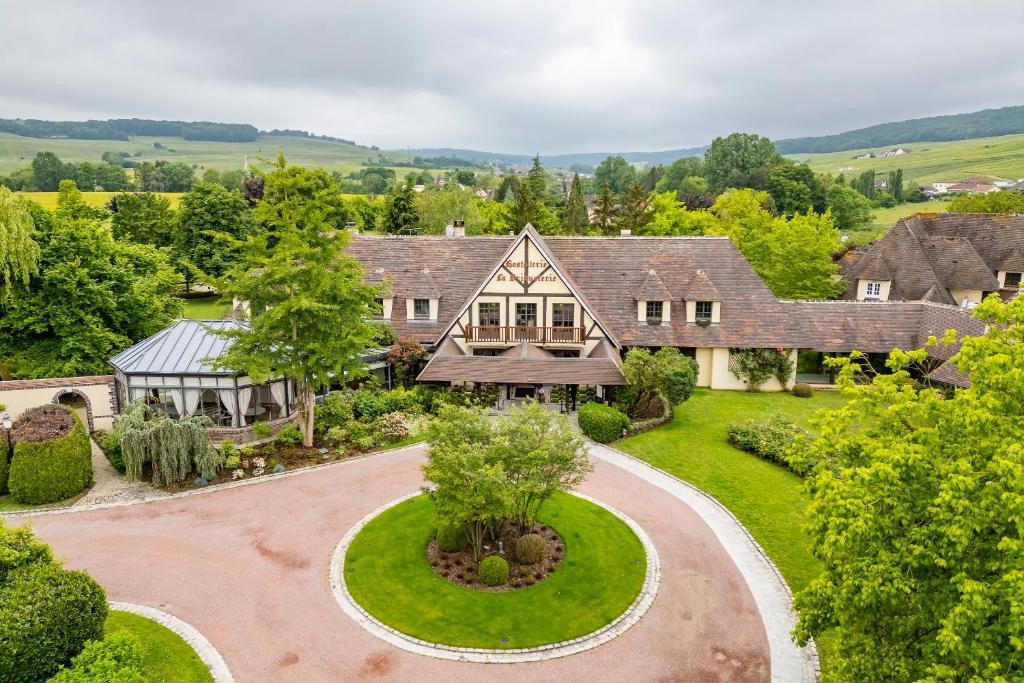
Bars in Épernay
Browse all →
Restaurants in Épernay
Browse all →
Details
- Romantic
- Quiet
- Elegant
- Scenic
- Sophisticated
- Romantic Getaway
- Weekend Escape
- Wellness Retreat
- Anniversary
- Honeymoon
- Garden
- Panoramic View
- Destination Spa
- Historic Building
- Terrace
- Private Dining
- Spa
- Pool
- Fitness Center
- Restaurant
- Bar
- Wi Fi
- Concierge
- Kids Club
- Room Service
- Vineyard
- Garden
- Wheelchair Accessible
- Accessible Parking
- Accessible Restroom
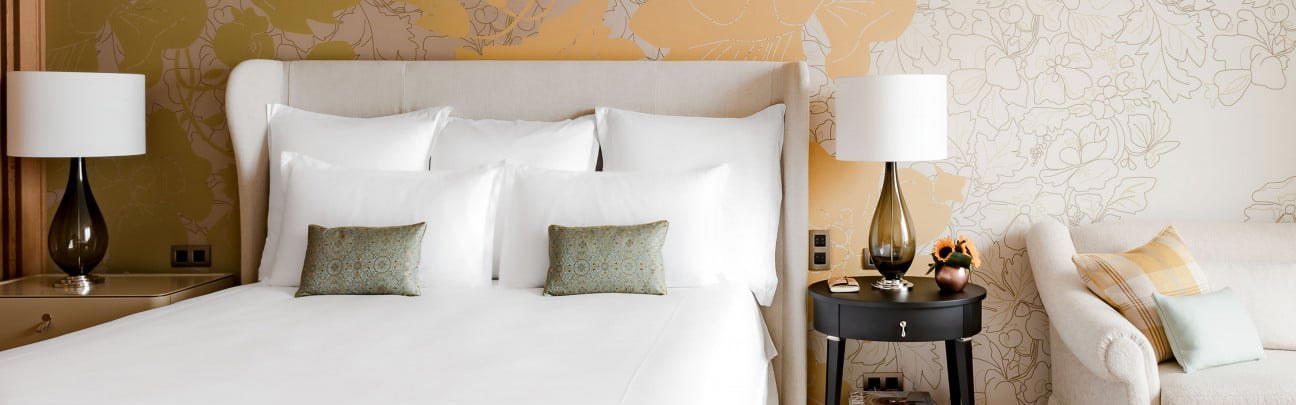
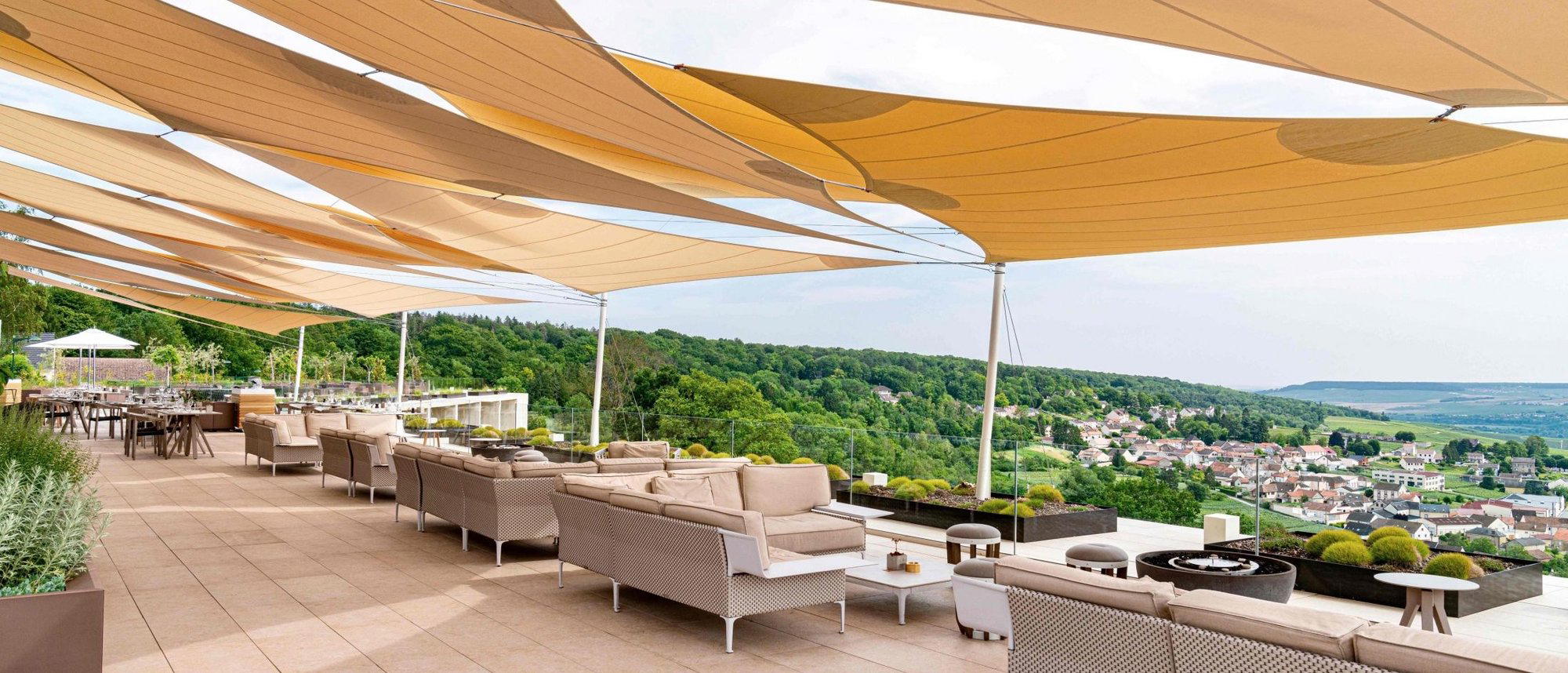
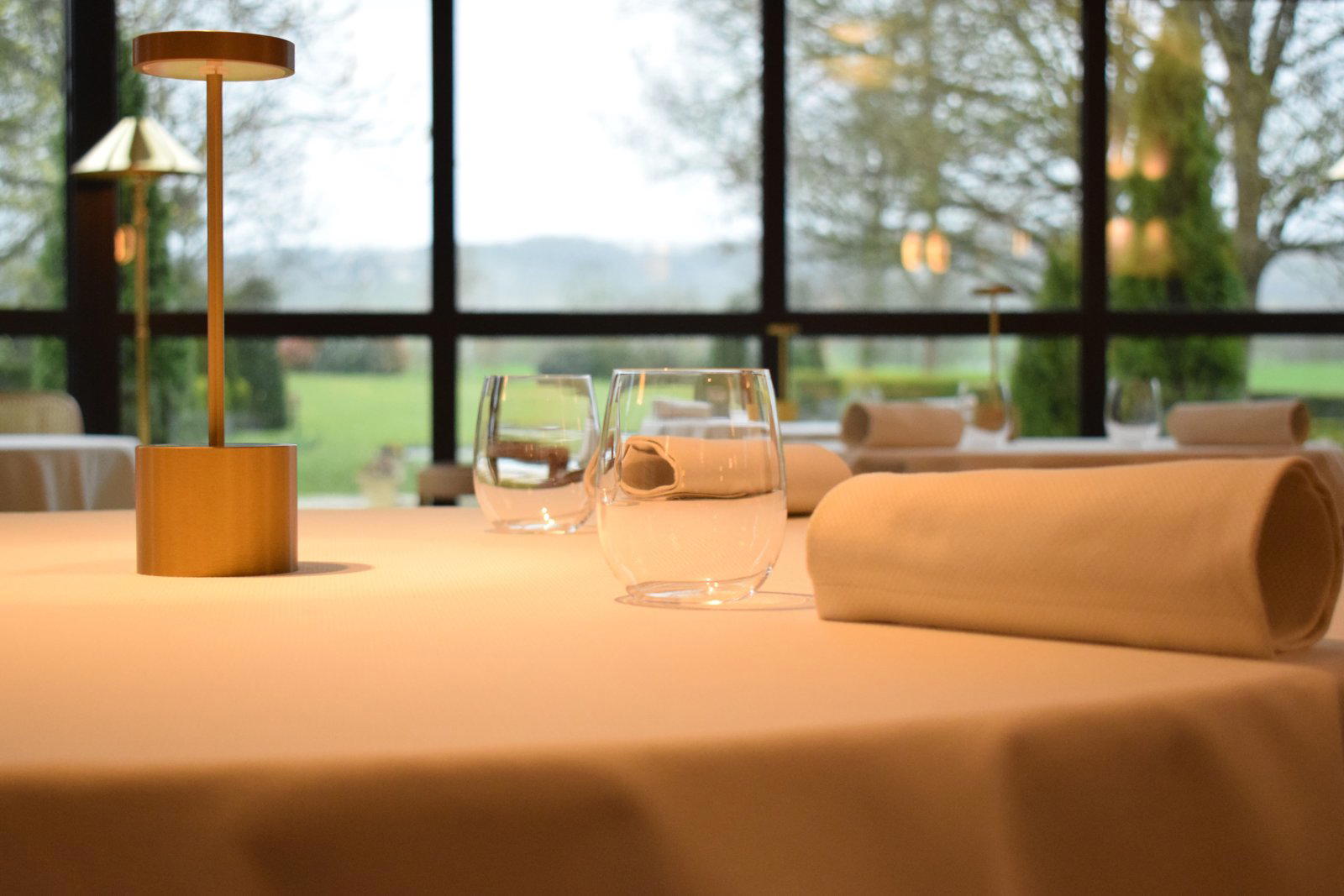
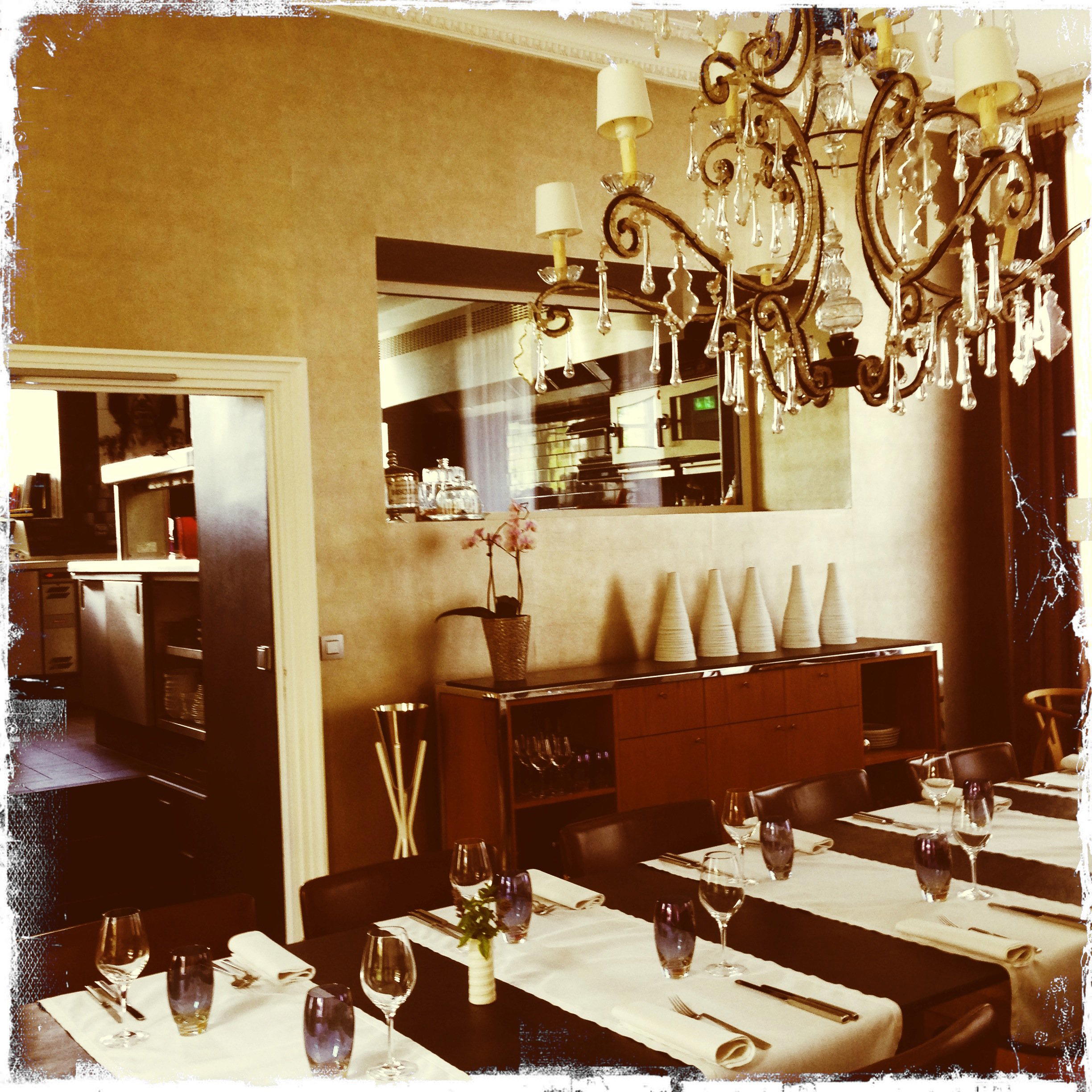
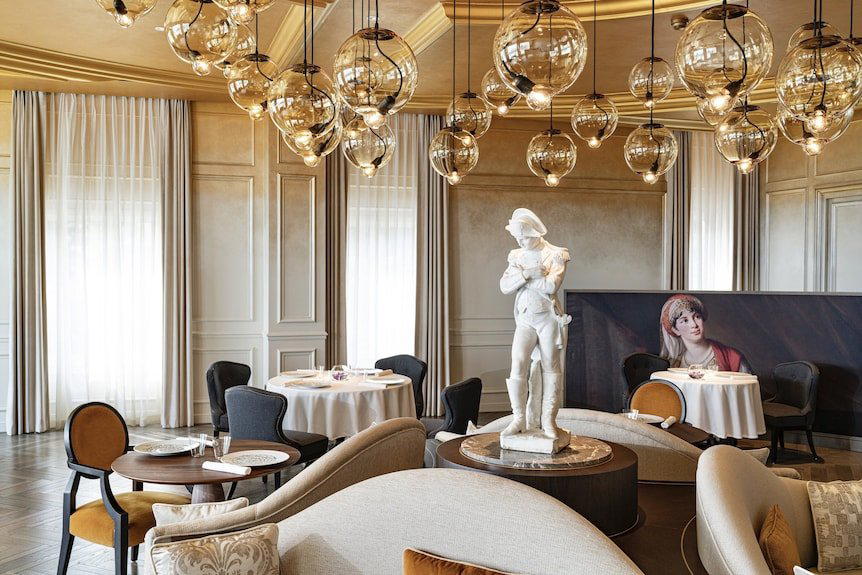
Refined yet welcoming, with contemporary furnishings blended into traditional country house architecture, soft cream and green tones, warm fireplaces, and natural light framing vineyard views.