
Michelin Selected
Selected by the Michelin Guide for 2025, LOISIUM Wine Hotel Champagne sits at 1 Allée de la Sapinière in Épernay, the production capital of the appellation. The property belongs to the LOISIUM group, whose wine-hotel concept originated in Austria's Langenlois wine country, making Épernay a natural extension of that model into France's most celebrated sparkling wine region.

Pearl is the En Primeur Club membership app — saves, bookings, and concierge access live there. Same editors, same standards.
- Address
- 1 Allée de la Sapinière, 51160 Mutigny, France
- Phone
- +33 3 10 01 82 00
- Website
- loisium.com
- Directions
- Get directions
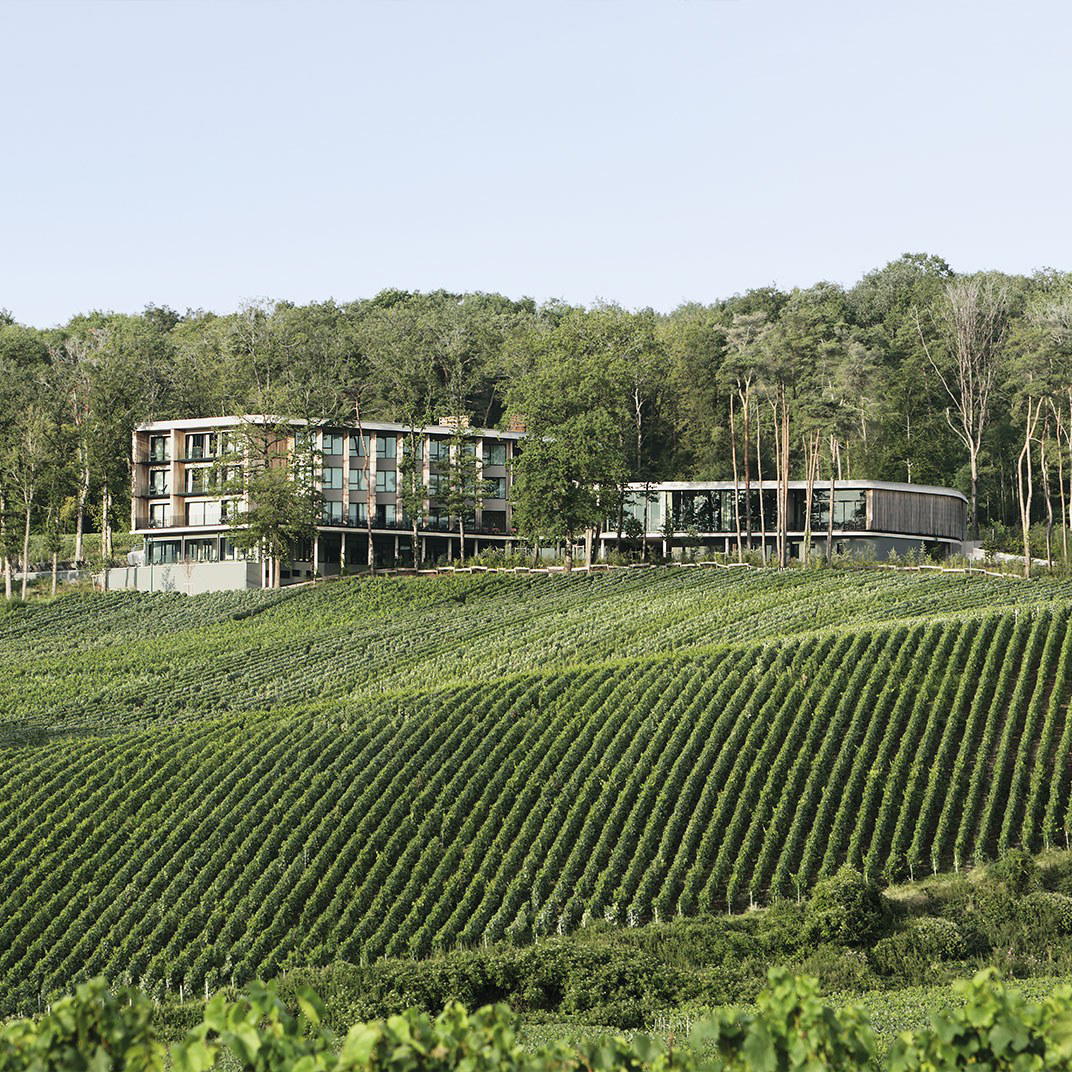
Épernay's Wine Hotel Format, Placed in Context
The Champagne region has long attracted a specific kind of hospitality investment: properties that place the wine itself at the centre of the guest experience rather than treating it as an amenity. That model, well-established in Burgundy and Bordeaux, arrived in Épernay with particular logic. A hotel that frames itself around that geography has a strong structural argument from the outset. Each LOISIUM property is built around a wine region's identity rather than generic luxury trappings. In Épernay, that means the surrounding appellation does the positioning work that a city-centre boutique property would have to manufacture.
The Michelin Guide's 2025 selection of the hotel places it in a small cohort of Épernay and wider Champagne-region properties that have cleared that editorial threshold. In the broader Champagne hotel tier, Royal Champagne Hotel & Spa in Champillon and Domaine Les Crayères in Reims occupy the highest-profile positions. LOISIUM sits in a different register: more concept-driven than grand, more wine-focused than spa-destination. One treats the restaurant as a standalone destination, often with a named chef and a programme that competes independently of the property. The other integrates the table with the cellar, making the wine selection the dominant editorial voice and the kitchen a supporting act. LOISIUM's model across its Austrian properties has historically followed the second path, and the logic transfers to Épernay with particular coherence.
In a town where you can walk from dinner to the cellars of some of the appellation's most significant producers, the dining programme at a wine-concept hotel has an obligation to engage with that proximity. The question is whether the kitchen takes Champagne as mere context, sparkling wine on a standard wine list, or as an active ingredient in how food and drink are structured and sequenced. Wine-hotel dining that fully commits to the latter produces a different experience from a conventional hotel restaurant, where the sommelier programme is the differentiator rather than the chef's personal mythology.
Épernay's restaurant scene is modest relative to the appellation's global profile. The town itself does not have a concentration of destination restaurants comparable to Reims, where Domaine Les Crayères anchors a more developed fine-dining ecosystem. That relative scarcity makes a hotel dining room that engages seriously with the region's produce and wine identity more significant locally than it would be in a city with deeper restaurant infrastructure. Visitors to Épernay who anchor their evenings here are making a deliberate choice to stay within the wine-first framework rather than seeking out standalone restaurants.
Where LOISIUM Sits in the Épernay Accommodation Set
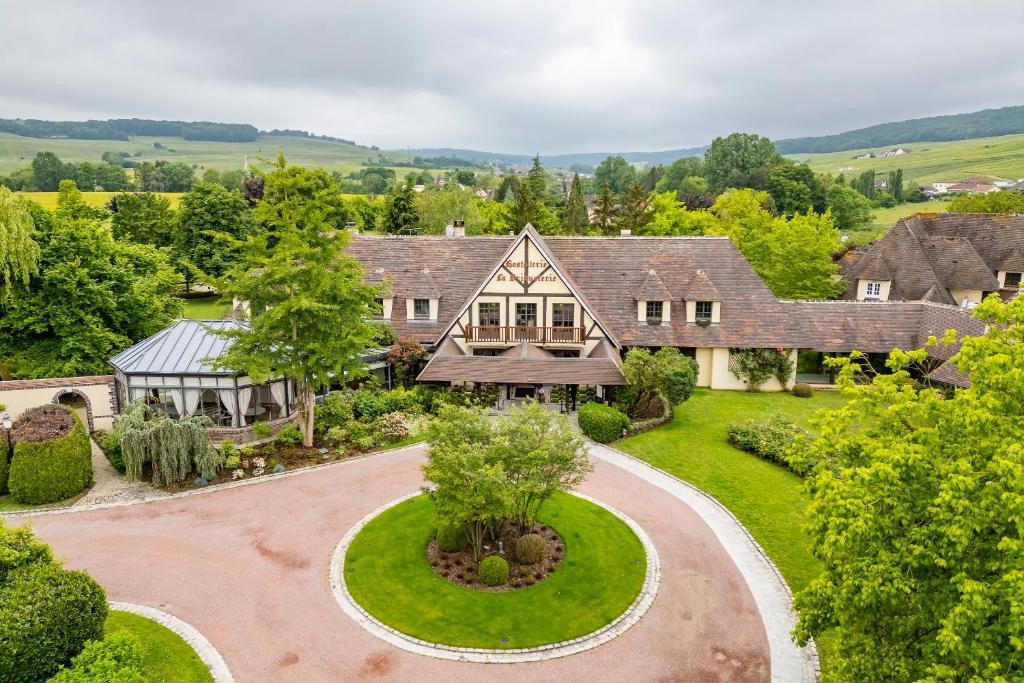
Épernay has a small but increasingly structured upper-tier accommodation market. Hostellerie Briqueterie represents the traditional Champagne country-house format, while Maison À Deux Mains and Margaux operate at the smaller, more design-conscious end of the market. LOISIUM occupies a distinct position as a branded concept property with an established wine-hotel identity that predates its Champagne outpost.
For a broader survey of where to eat and stay in the appellation, our full Épernay restaurants guide maps the town's dining and hospitality options across price points and styles.
Within the French luxury hotel context, the Michelin Selected designation places LOISIUM in the same quality signal tier as properties well beyond Champagne's borders: Le Bristol Paris, Hotel Du Cap-Eden-Roc in Cap d'Antibes, and La Bastide de Gordes all carry that imprimatur. The credential is a curation signal rather than a culinary award, indicating that Michelin's editors regard the property as worth recommending to their audience. For a wine-concept hotel in a town of Épernay's size, that level of editorial recognition carries meaningful weight in how international travellers discover and evaluate the property.
The Champagne Region as a Travel Format
Épernay functions differently from most wine destinations. Unlike Bordeaux, where château visits require planning and connections, or Burgundy, where the domaine system rewards deep prior knowledge, Champagne's grande maison infrastructure is built for structured access. The major houses offer tiered cellar experiences ranging from standard tours to private tastings with technical depth, and most are walkable from the Avenue de Champagne. A hotel stay in Épernay is therefore as much a logistical base as it is a destination in itself.
That framing shapes how LOISIUM competes. Its value proposition is not purely room quality or restaurant ambition but proximity and coherence: a property positioned to make the cellar visits, the vineyard drives through the Marne valley, and the evening glass of Blanc de Blancs feel like parts of a single programme rather than a checklist of separate activities. That kind of experience architecture is what distinguishes wine-concept hotels from standard countryside properties, and it is the model that Les Sources de Caudalie in Bordeaux and Hôtel Chais Monnet & Spa in Cognac have each developed around their own appellations.
Frequently Asked Questions
What is the main draw of LOISIUM Wine Hotel Champagne?
The property's primary argument is the combination of wine-concept programming and proximity to Épernay's production infrastructure. Épernay sits at the administrative centre of the Champagne appellation, with the Avenue de Champagne's grandes maisons within walking distance. For a traveller whose primary interest is the wine, a hotel that frames itself around that context provides a coherence that a standard luxury property in the same location would not replicate. The 2025 Michelin Selected designation adds editorial confidence to that positioning.
Price Lens
Comparable venues nearby, for context on price, style, and recognition.
| Venue | Price | Awards | Notes |
|---|---|---|---|
| LOISIUM Wine Hotel ChampagneThis venue — the venue you are viewing | Not listed | Michelin Selected | Not listed |
| Hostellerie Briqueterie | $300–500 | Michelin Selected | Vinay, Contemporary luxury country house with heritage charm, blending modern design with traditional French architecture in a vineyard setting. |
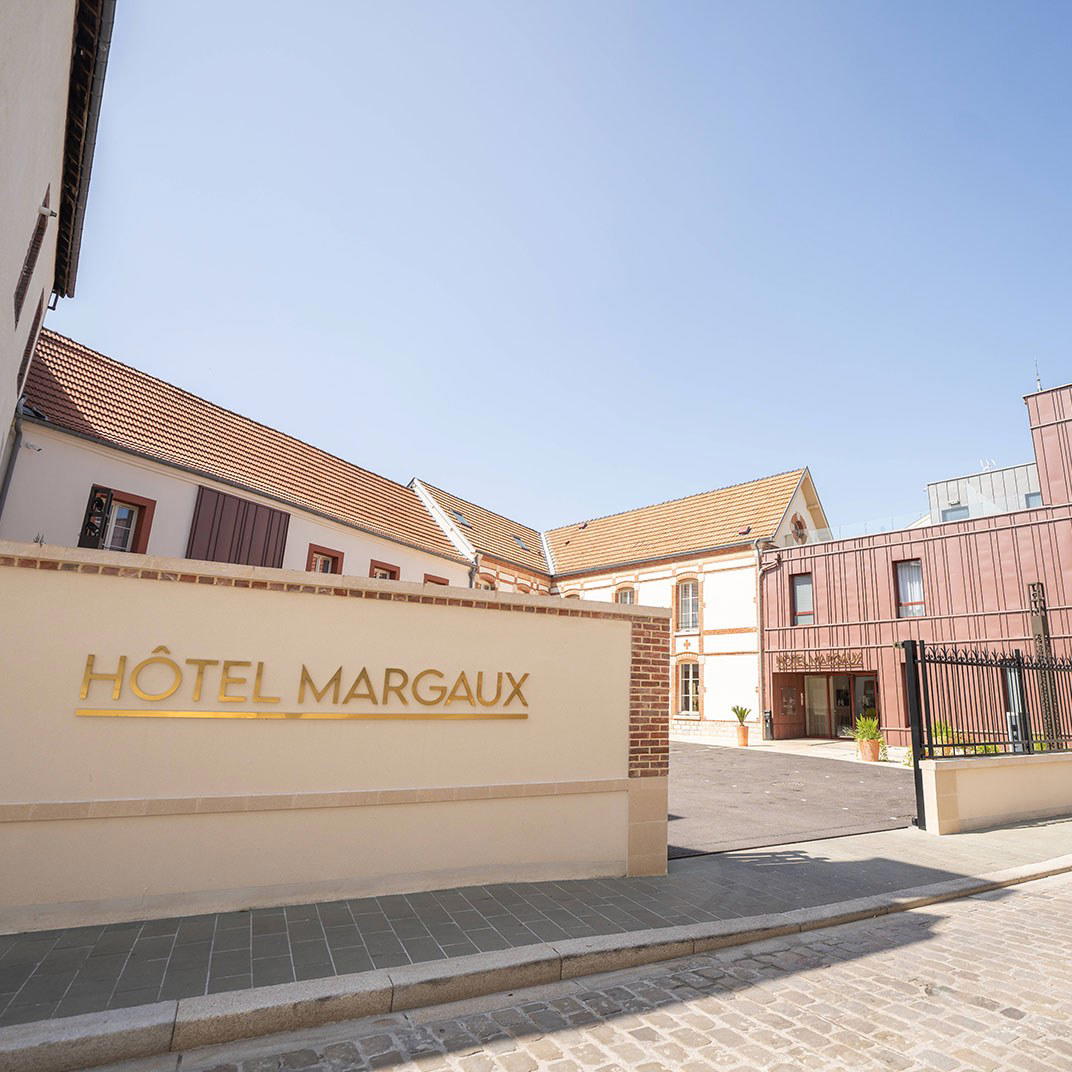
| Margaux | Not listed | Michelin Selected | central Épernay, Boutique hotel in former presbytery with modern comforts. |
| Maison À Deux Mains | $300–500 | Michelin Selected | Ay-Champagne, Renovated 18th-century bourgeois demeure blending historic Champagne character with contemporary luxury. |
| Castel Clara | Not listed | Michelin Selected | Goulphar, Chic seaside resort with slate-roofed buildings blending into the landscape. |
| Les Dromonts | Not listed | Michelin Selected | heart of Avoriaz, Well-known 1960s alpine architecture with fan-shaped pine-cone design. |
Recognition history
Dated appearances from independent guides and award organizations, with the underlying list record or original source where available.
Michelin Selected
Michelin
Continue exploring
More in Épernay
Hotels in Épernay
Browse all →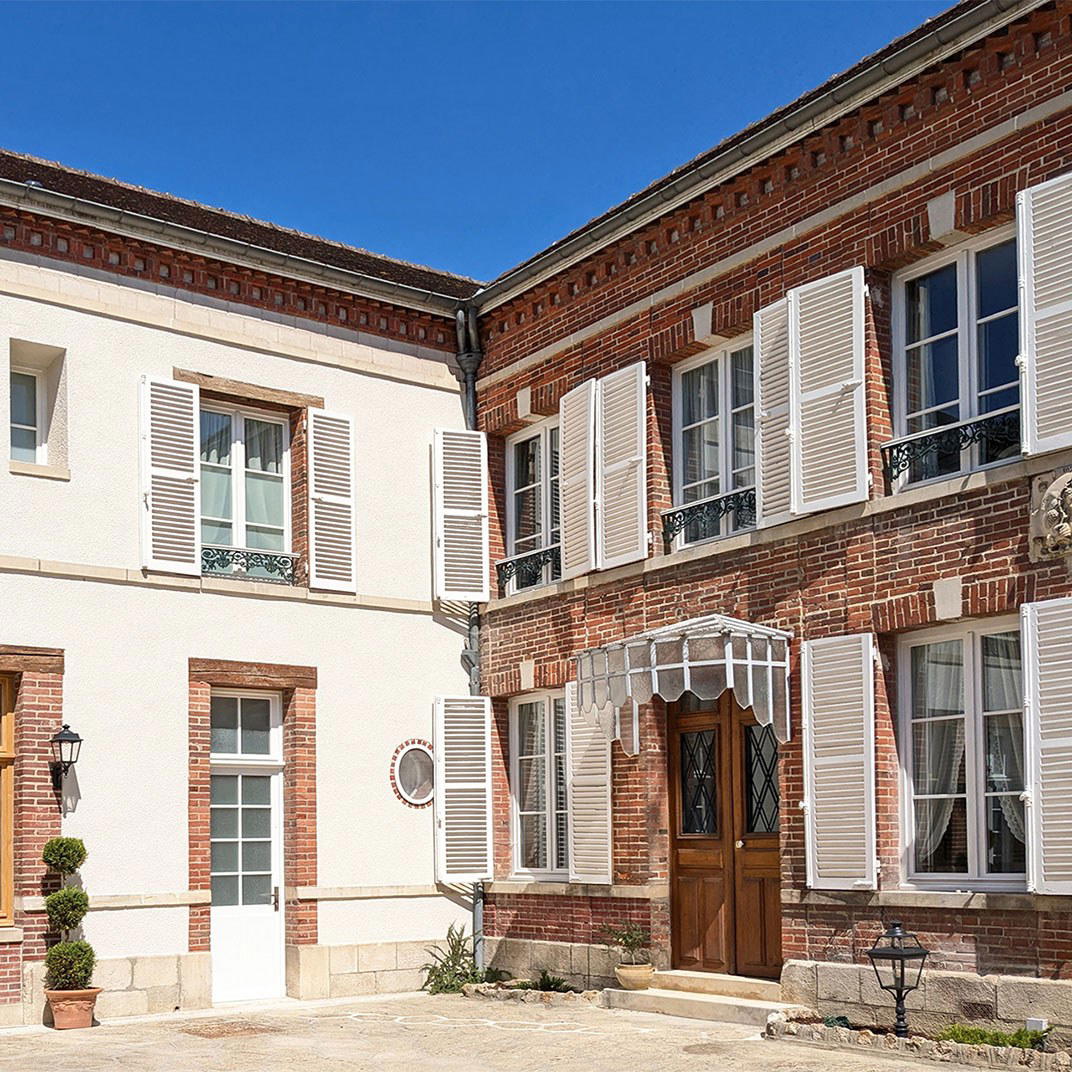
Bars in Épernay
Browse all →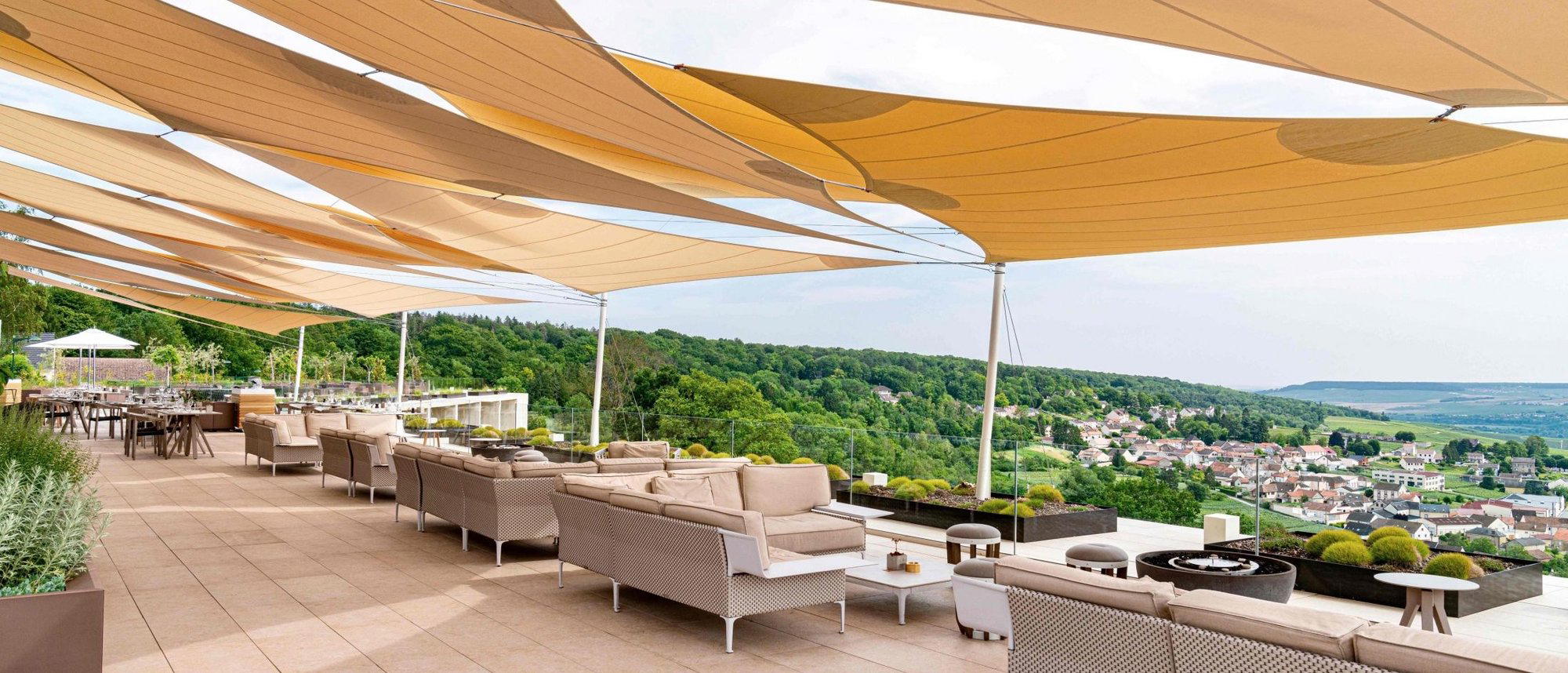
Restaurants in Épernay
Browse all →
Details
- Modern
- Romantic
- Scenic
- Elegant
- Sophisticated
- Romantic Getaway
- Wellness Retreat
- Anniversary
- Weekend Escape
- Destination Spa
- Panoramic View
- Garden
- Terrace
- Design Destination
- Wi Fi
- Outdoor Pool
- Spa
- Fitness Center
- Room Service
- Concierge
- Restaurant
- Bar
- Sauna
- Bicycle Rental
- Airport Transfer
- Meeting Rooms
- Pool
- Vineyard
- Garden
- Wheelchair Accessible
- Elevator
- Accessible Restroom
- Accessible Parking
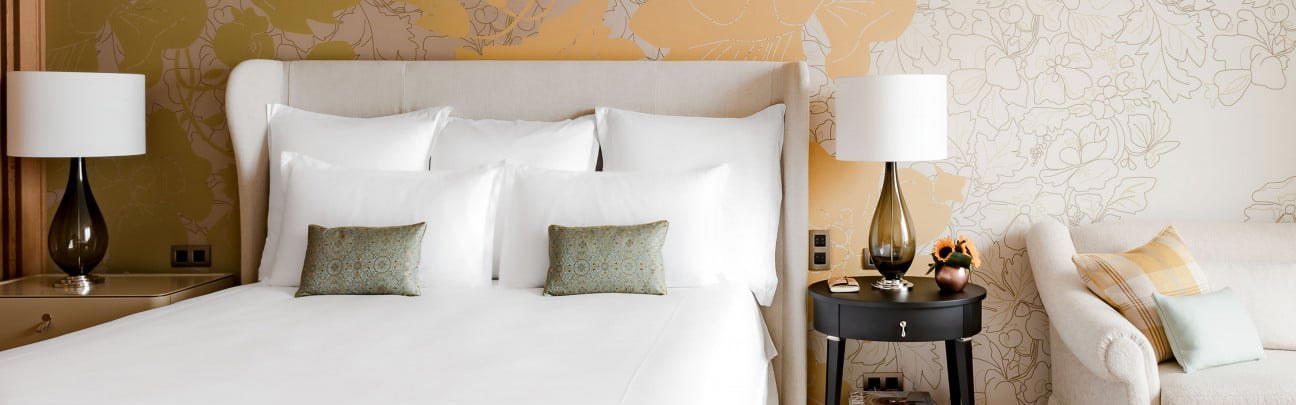
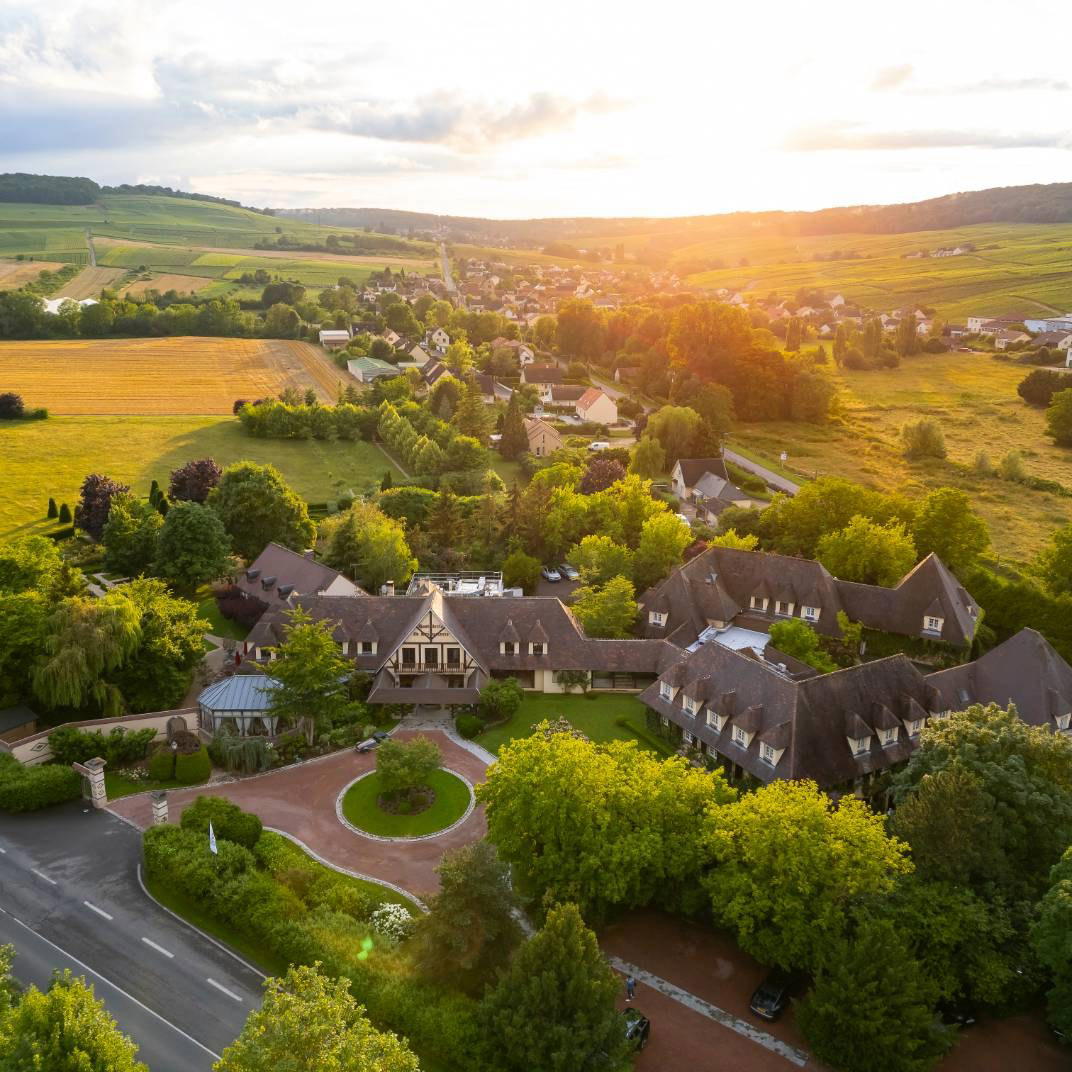
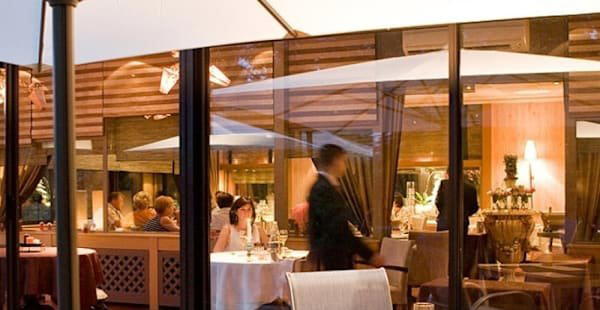
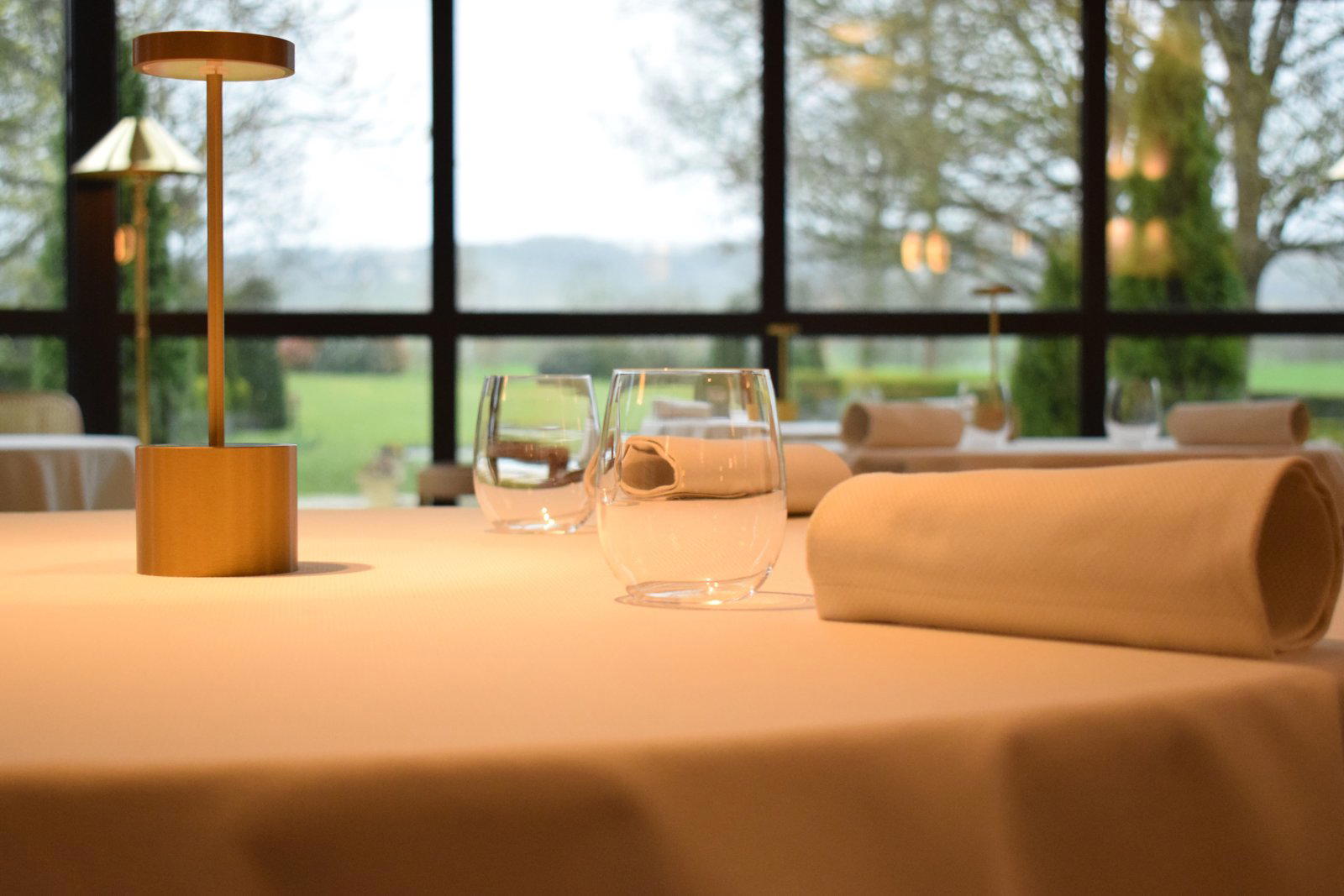
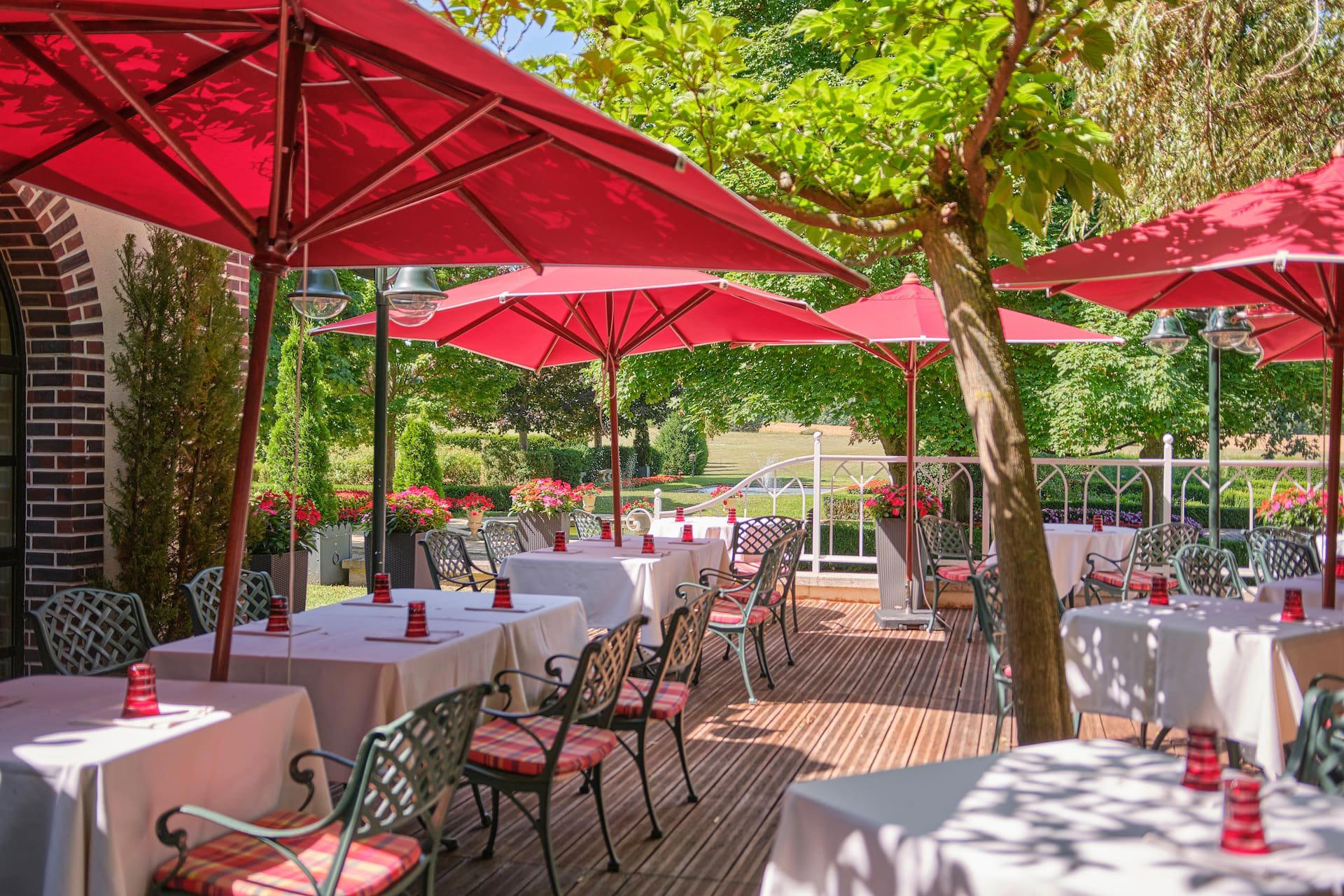
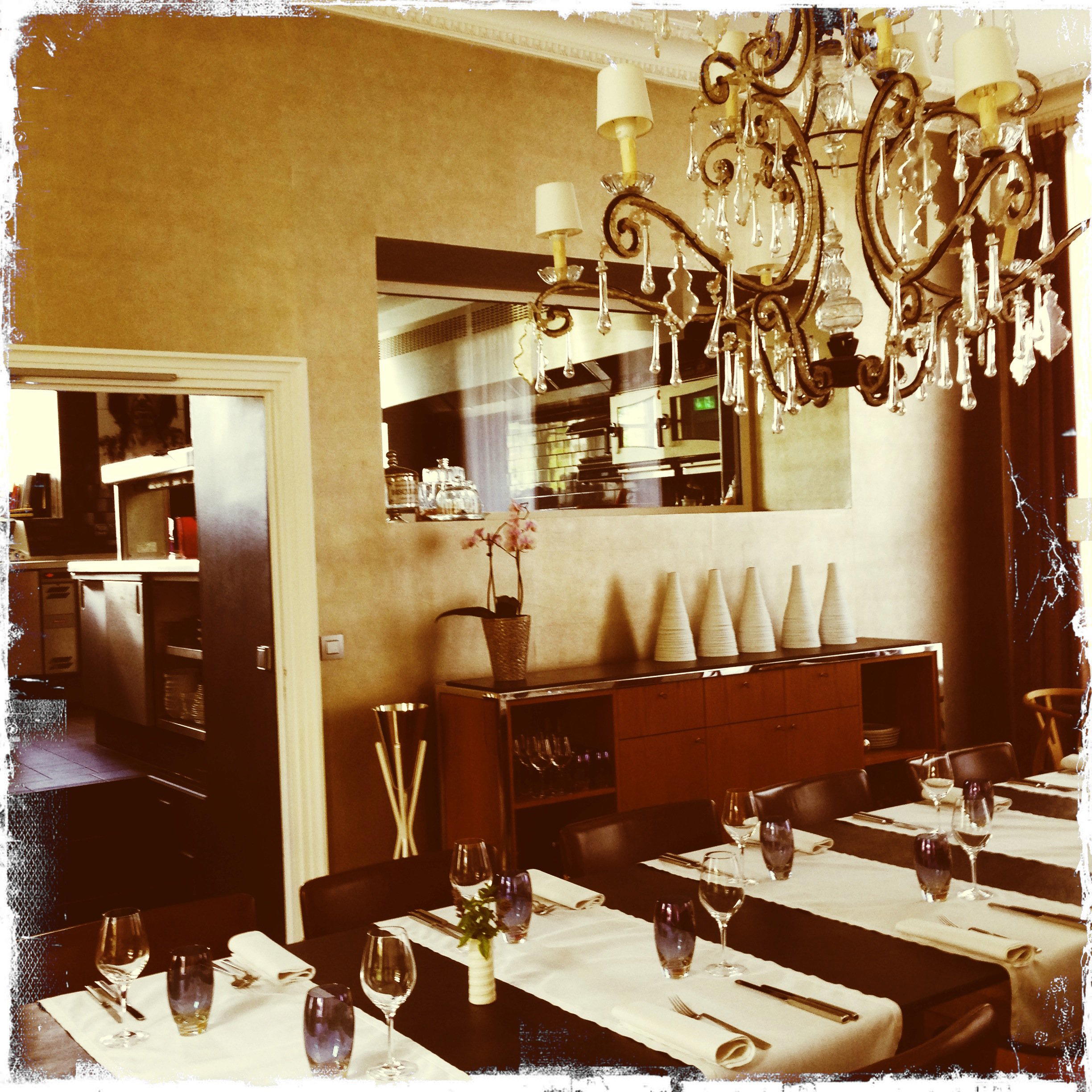
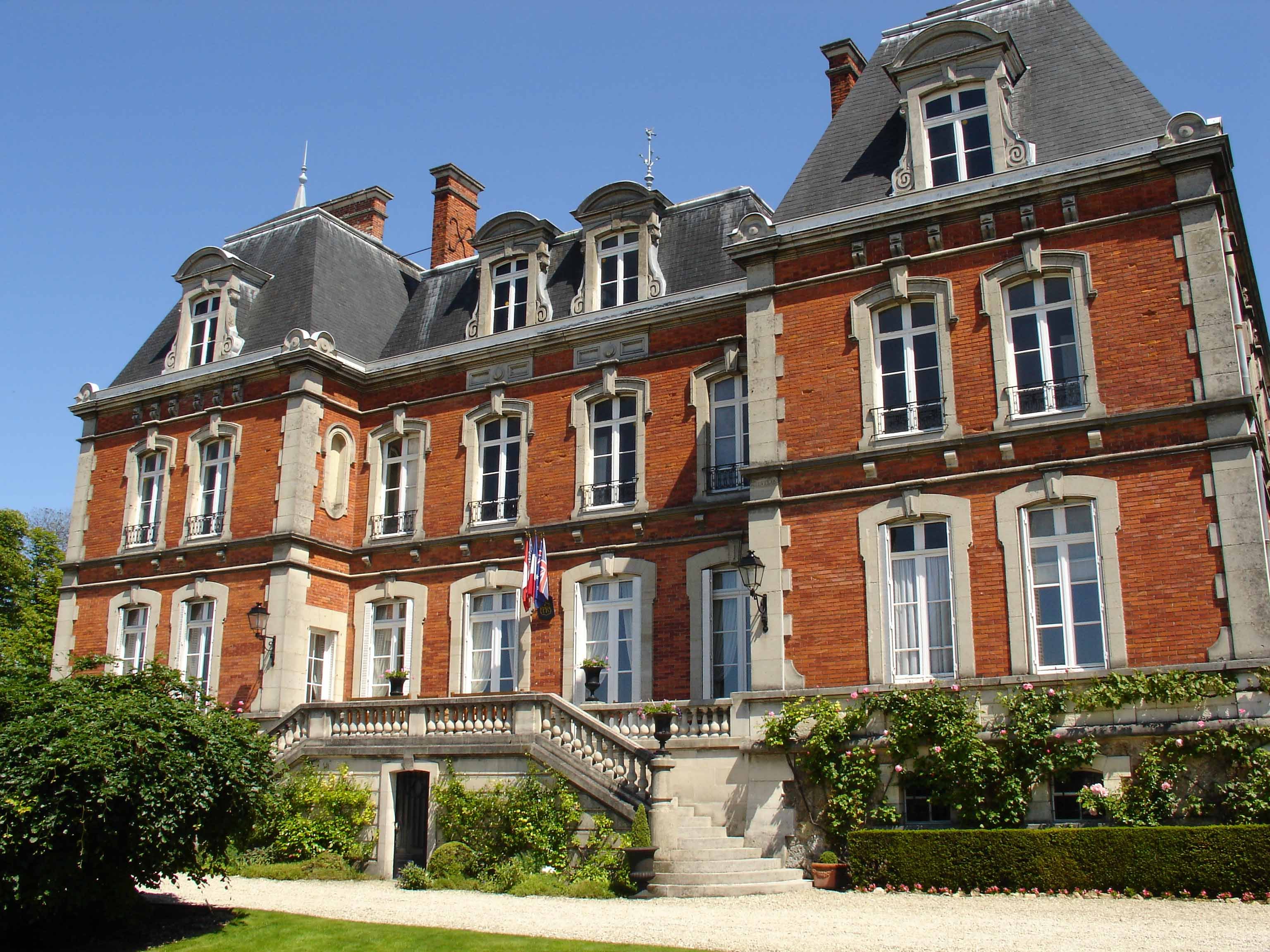
Calming, spa-like atmosphere with industrial-style spaces featuring expansive cement ceilings, fluted wood accents, and spotlights creating cozy sophistication; floor-to-ceiling windows flood rooms with natural light and vineyard views.