

A short walk from Reims Cathedral, Le Coq Rouge has earned a firm following among local winemakers and those who know the city well. The kind of room where Champagne producers unwind after a day in the caves, it occupies a specific niche in Reims's drinking culture: unpretentious, knowledgeable, and rooted in the region's vinous identity.
Pearl is the En Primeur Club membership app — saves, bookings, and concierge access live there. Same editors, same standards.
- Address
- 67 Rue Chanzy, 51100 Reims, France
- Phone
- +33 3 26 85 28 50
- Website
- le-coq-rouge.fr
- Directions
- Get directions
 Saves & bookings on Pearl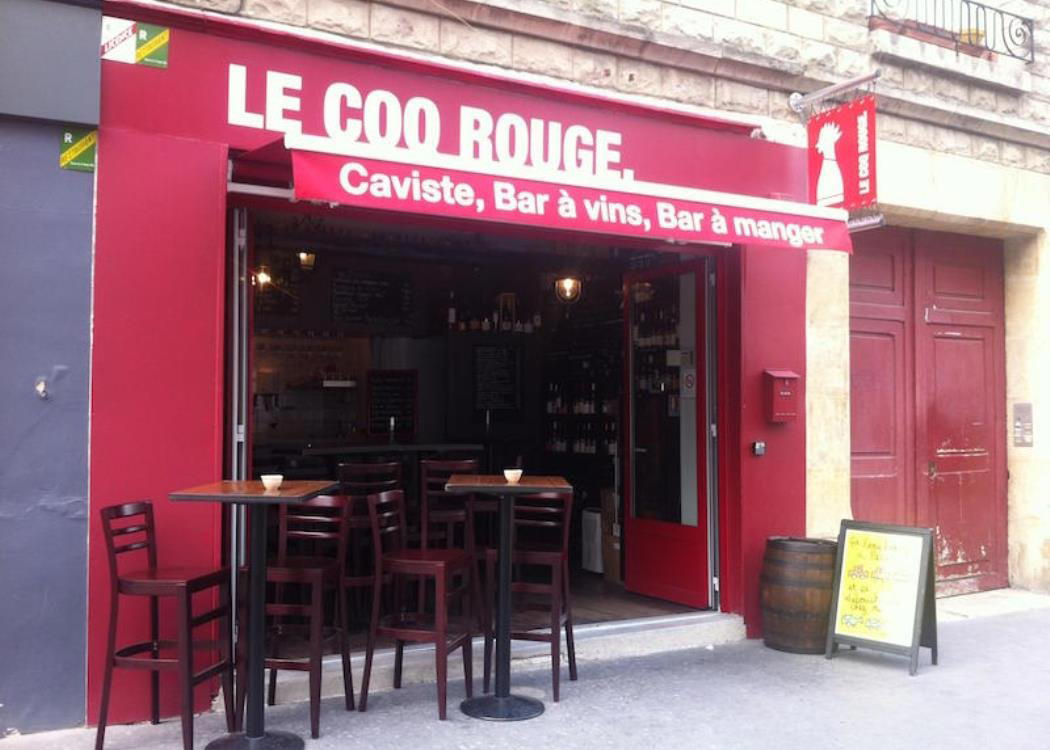
Where the Champagne Trade Drinks
In wine-producing cities, the clearest signal that a bar or bistro is doing something right is not a listing in a glossy guide but rather the presence of the people who make the wine. Reims sits at the heart of the Champagne appellation, and the city's drinking culture reflects that proximity: there is a tier of venues that functions as a social infrastructure for négociants, vignerons, and cave workers, where conversation runs between disgorgement schedules and the character of a particular village's chalk. It belongs firmly to that tier.
That positioning matters for a visitor trying to read Reims's bar scene. The city offers everything from polished hotel bars near the place Drouet-d'Erlon to stripped-back neighbourhood spots in the quieter arrondissements. The venues that attract working winemakers tend to sit in a middle register: neither tourist-facing nor aggressively local, they are places where the quality of what's in the glass is assumed rather than performed. Le Coq Rouge operates in that space, and its reputation among those who produce Champagne for a living is particularly reliable trust signal it carries.
The Room and Its Logic
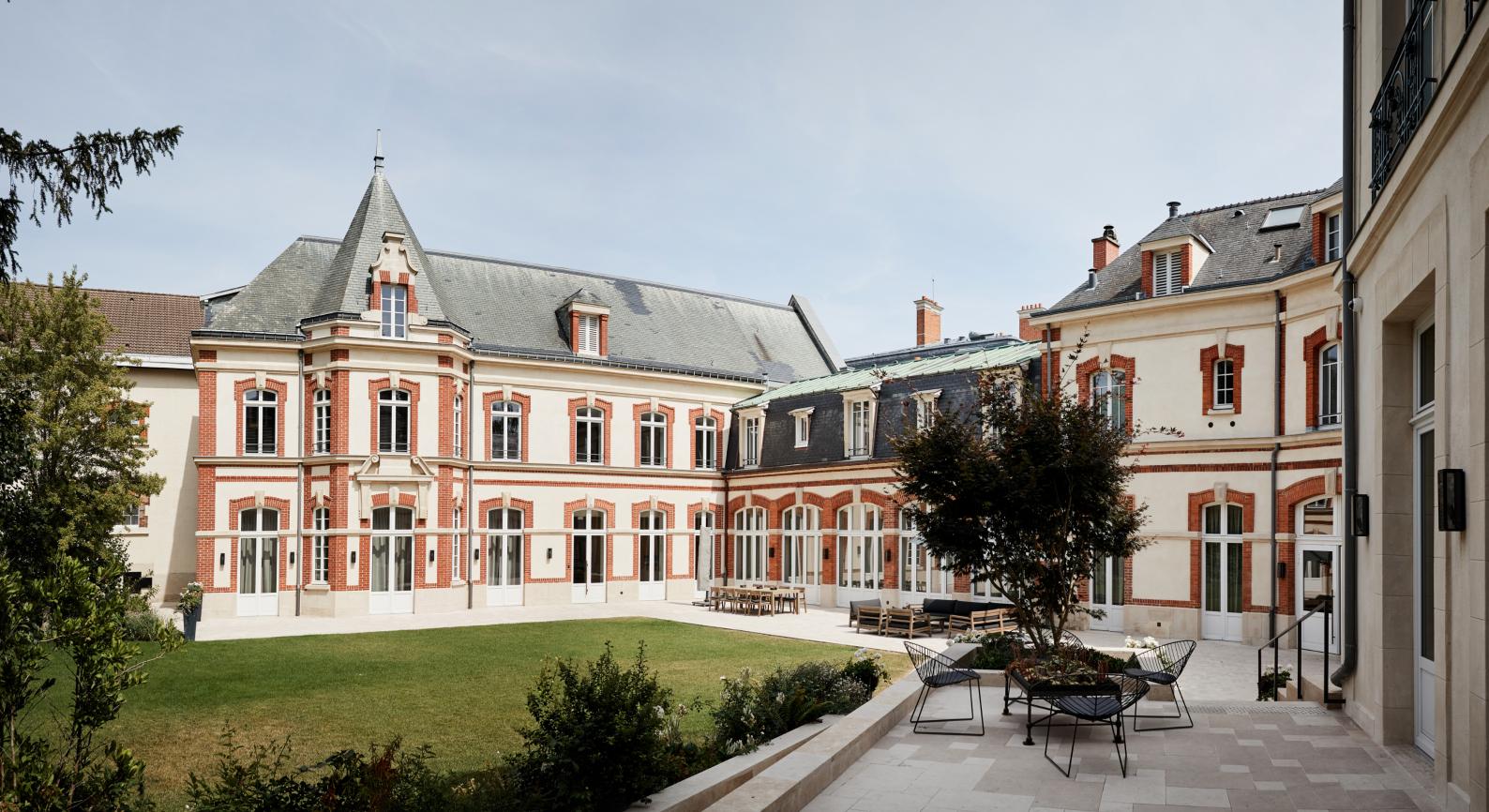
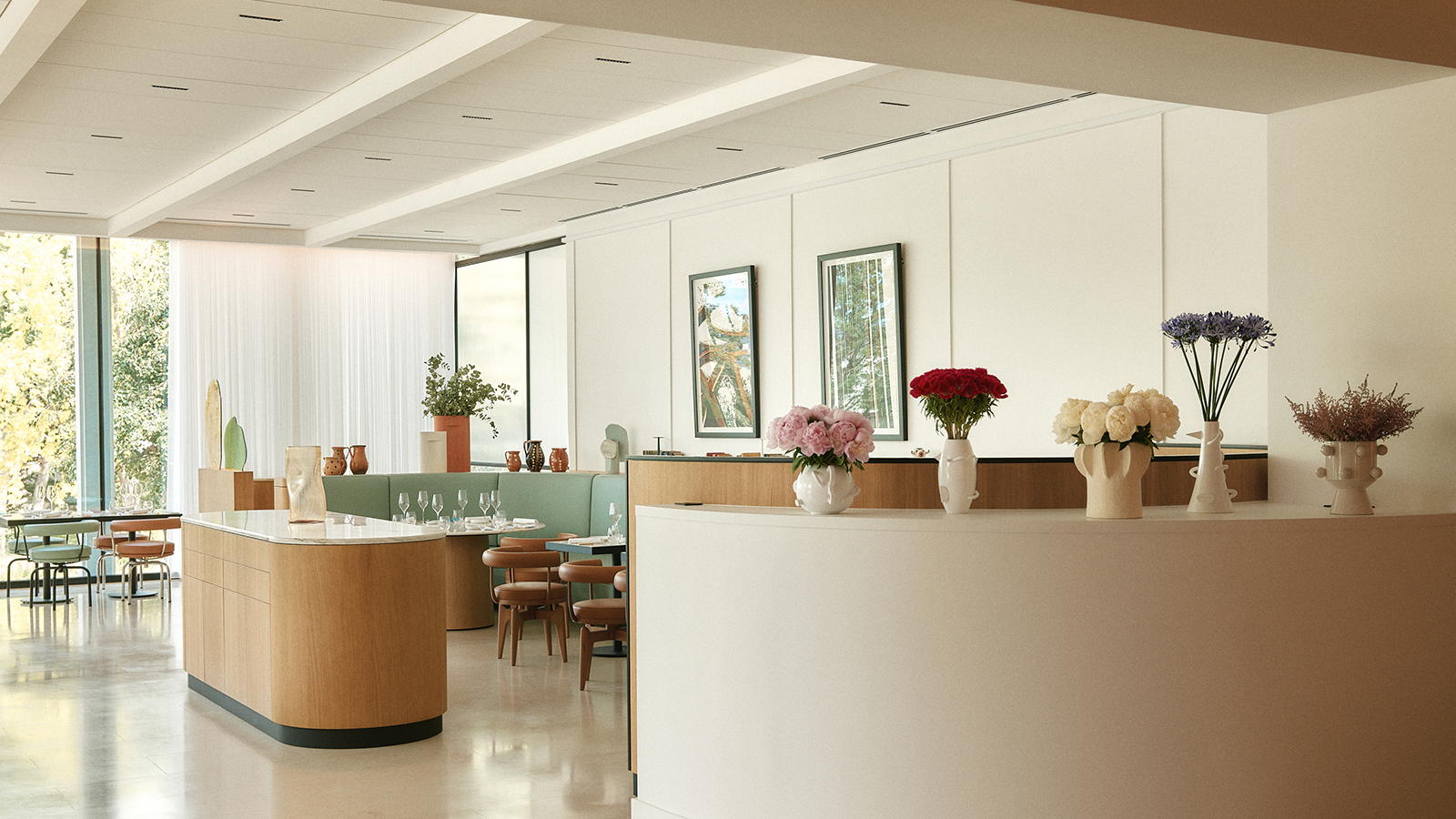
The editorial angle here is atmosphere, and atmosphere in a wine-city bar is rarely accidental. The physical character of a room communicates immediately who it is for and what kind of evening it supports. At Le Coq Rouge, the address on Rue Chanzy places it within easy reach of the Cathedral quarter without being in the thick of the tourist corridor, which already shapes the clientele. Rooms like this one tend toward a particular visual grammar in provincial French cities: materials that show use, lighting calibrated for conversation rather than photography, a counter that functions as the social spine of the space.
What distinguishes the atmosphere at venues where industry insiders congregate is a specific quality of ease. There is no performance of expertise and no presumption of ignorance toward the guest. The assumption is that people present have opinions about what they are drinking, and the environment is designed to facilitate that exchange. For a visitor arriving with genuine curiosity about Champagne, that ambient knowledge in the room is part of what the visit delivers.
The proximity to Reims Cathedral is worth noting not as a landmark tick but as a spatial reference point. The Cathedral sits at the symbolic centre of a city whose identity is inseparable from Champagne production, from the coronation history that made the region famous to the chalk caves running beneath the modern streetscape. A bar positioned in that orbit but operating at a remove from the coached-tour circuit occupies a genuinely interesting urban slot.
Reims's Bar Scene in Broader Frame
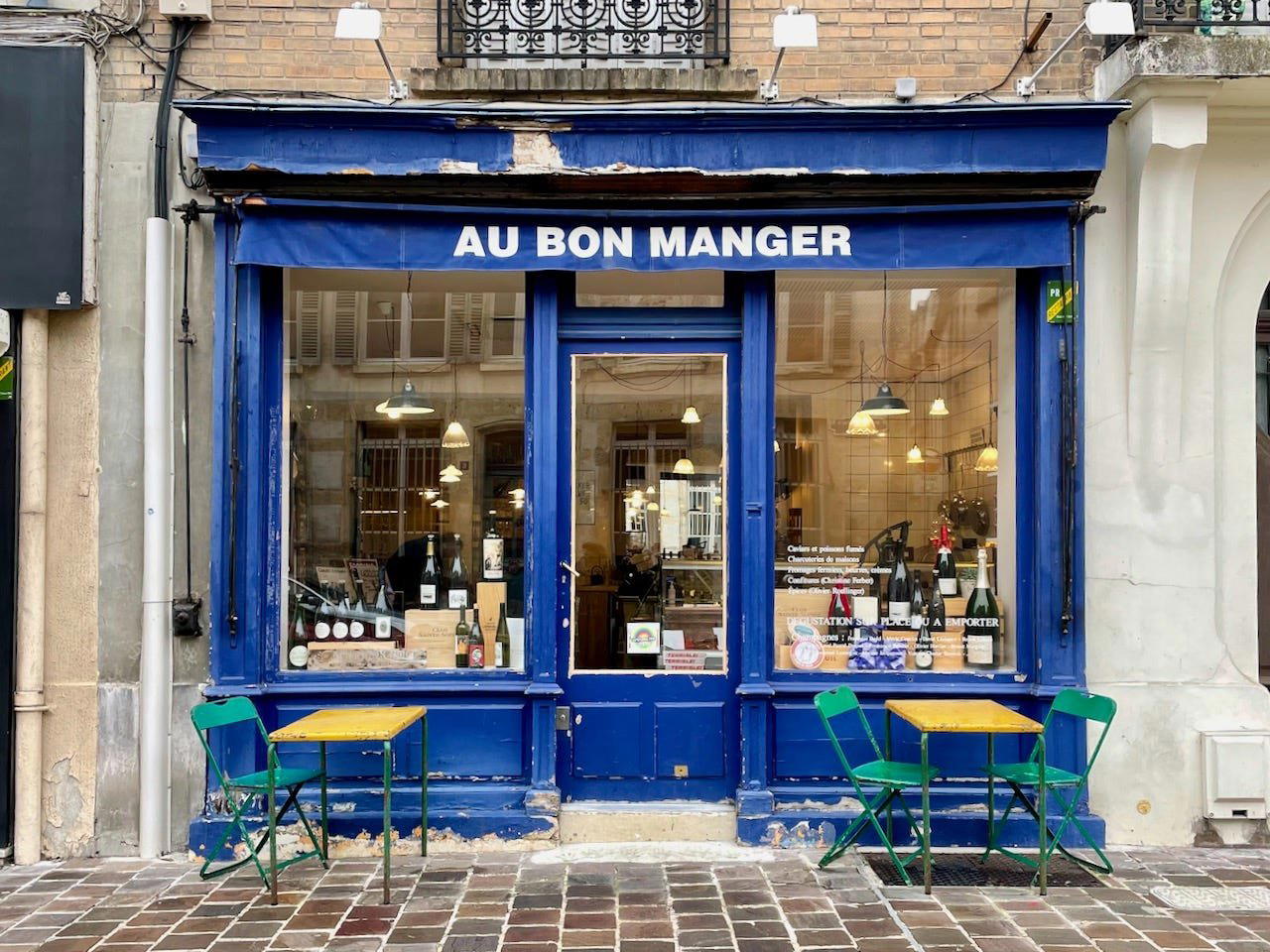
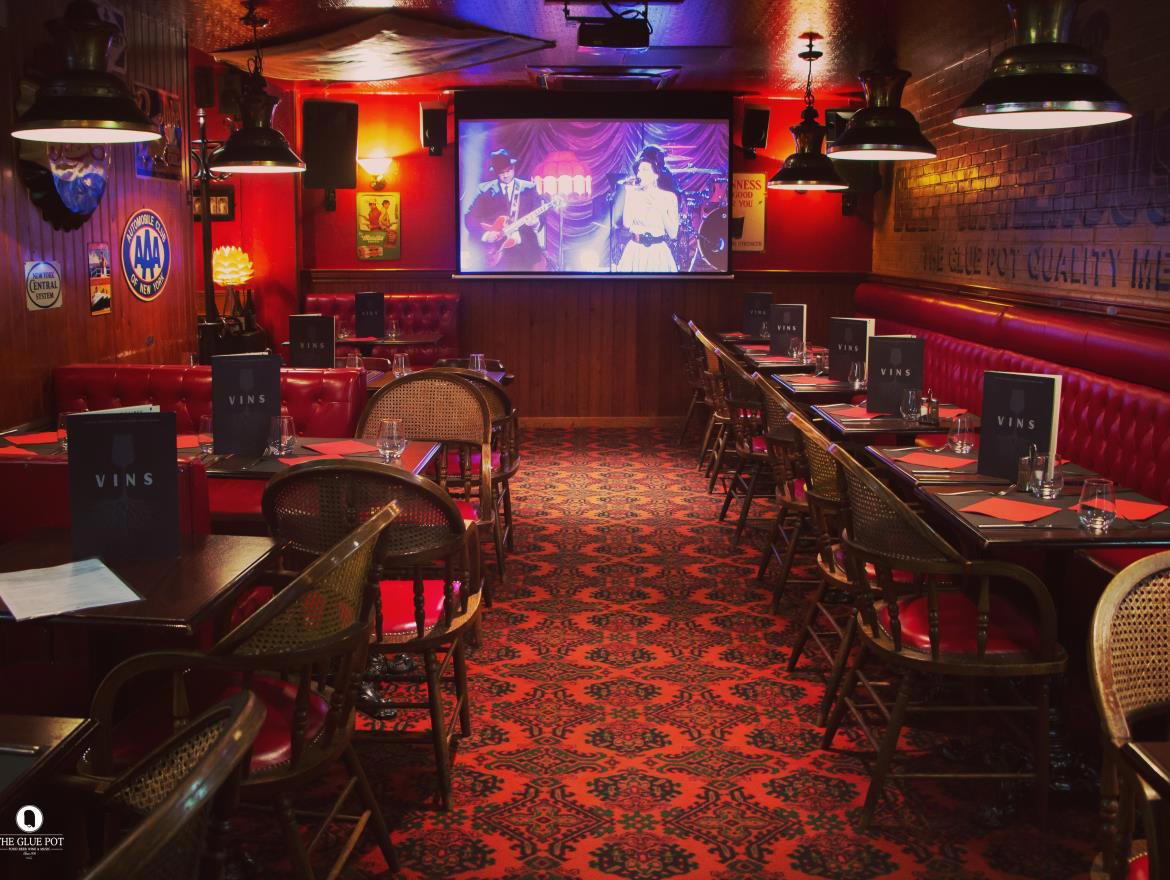
To place Le Coq Rouge properly, it helps to read it against the wider bar culture of the city. Reims has developed a credible independent bar scene in recent years, with venues ranging in format and focus. Au Bon Manger and La Vertu represent distinct points on that spectrum, while Le Wine Bar by Le Vintage takes a more explicitly wine-retail-adjacent approach. The Glue Pot sits further toward the anglophone-influenced end of things. Le Coq Rouge's distinction within that set is its industry clientele, which gives it a different conversational register from venues oriented primarily toward tourists or a younger going-out crowd.
Across French cities with strong regional wine identities, the venues that sustain winemaker patronage tend to share certain traits: they take their list seriously without making it inaccessible, they keep the food offer honest and calibrated to the drinking rather than the reverse, and they maintain a consistency that irregular visitors can rely on. Comparable dynamics play out at wine-bar fixtures in other French cities, from La Maison M. in Lyon to Coté Vin in Toulouse, and at well-regarded bars in cities with similarly strong regional identities, such as Bar Casa Bordeaux in Bordeaux and Au Brasseur in Strasbourg. In each case, the venue functions as a kind of professional commons for the local food and drink trade. The bar plays that role in Reims.
What to Drink and Why It Matters Here
In a city producing particularly scrutinised sparkling wine on earth, the default logic of a bar list runs toward Champagne, and the meaningful question is not whether it is available but which houses and growers it chooses to feature. Reims sits closest to the grande marque maisons, but the city's more engaged drinking culture has tracked the récoltant-manipulant movement closely, and bars that serve winemakers tend to carry producers outside the obvious tourist-facing labels.
For visitors arriving from markets where Champagne is primarily experienced as a celebratory signal rather than a category with genuine stylistic range, a bar frequented by producers offers an unusual opportunity to encounter the wine in the context where its complexity is most readily legible. The still wines of the region, Coteaux Champenois, appear occasionally on serious local lists and are worth pursuing if available, as they remain obscure enough outside the appellation to be genuinely instructive about the chalk terroir that underpins the sparkling wines.
For those building a wider picture of technically serious bar programs across France and beyond, it is instructive to compare how wine-first bars in regional French cities differ from the cocktail-led direction dominant in urban centres. Bar Nouveau in Paris and Papa Doble in Montpellier each represent that more spirits-forward direction, as does Bar Leather Apron in Honolulu operating in a completely different context. The bar belongs to a different tradition entirely, one where the region's own production sets the terms of the list.
Planning a Visit
Rue Chanzy is walkable from the central train station, which makes the bar logistically direct for visitors arriving on the direct TGV service from Paris Gare de l'Est, a journey of around 45 minutes. The Cathedral is close enough to combine in an afternoon before settling in for the evening. Given its local following, the room fills on weekday evenings when the trade is in town, and arriving early or accepting a wait is part of the experience at venues operating without a formal reservation structure for walk-in drinkers.
Cuisine and Credentials
Comparable venues nearby, for context on price, style, and recognition.
| Venue | Cuisine | Price | Notes |
|---|---|---|---|
| Le Coq RougeThis venue — the venue you are viewing | wine_bar | $$ | Not listed |
| Le Wine Bar by Le Vintage | wine_bar | $$ | Place du Forum |
| La Vertu | wine_bar | $$ | Boulingrin |
| Au Bon Manger | wine_bar | $$ | :null |
| The Glue Pot | wine_bar | $$$ | Centre Erlon-Est |
Recognition history
Dated appearances from independent guides and award organizations, with the underlying list record or original source where available.
Falstaff Wine Bar - 93 Falstaff Points
Falstaff
Star Wine List
Star Wine List
Continue exploring
More in Reims
Bars in Reims
Browse all →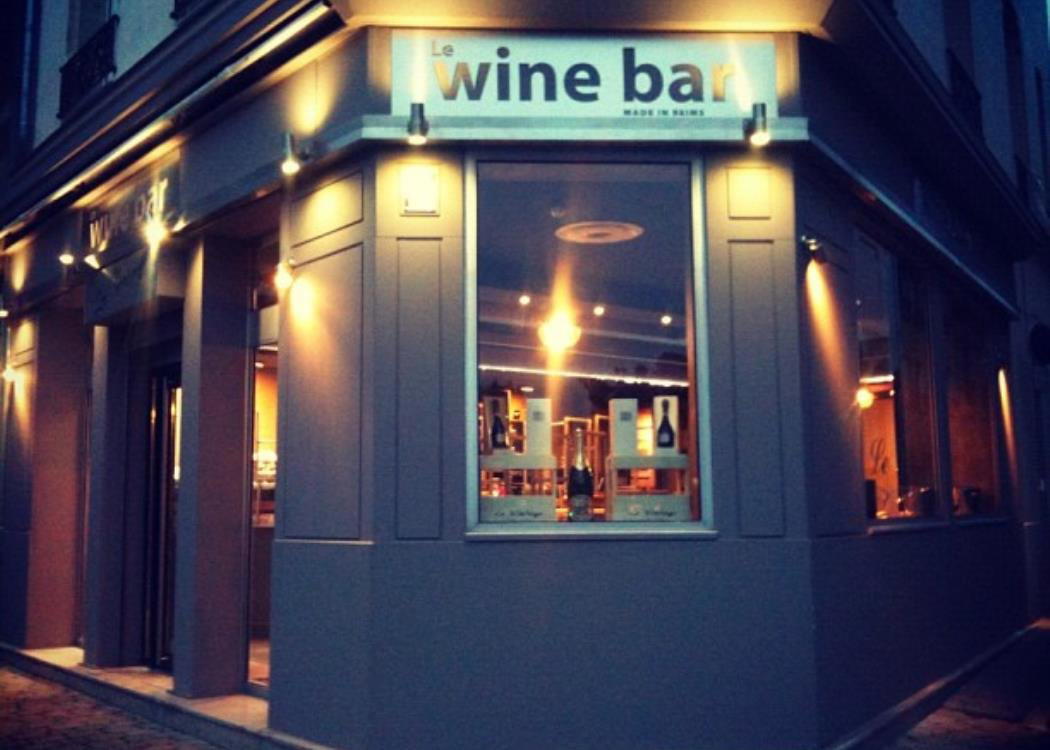
Restaurants in Reims
Browse all →
Hotels in Reims
Browse all →
At a Glance
- Cozy
- Lively
- Classic
- Romantic
- After Work
- Date Night
- Group Outing
- Casual Hangout
- Standalone
- Terrace
- Seated Bar
- Outdoor Terrace
- Communal Tables
- Conventional Wine
- Natural Wine
Current opening hours
- Monday
- Closed
- Tuesday
- 5:45 PM–12:30 AM
- Wednesday
- 5:45 PM–12:30 AM
- Thursday
- 5:45 PM–12:30 AM
- Friday
- 5:45 PM–12:30 AM
- Saturday
- 5:45 PM–12:30 AM
- Sunday
- Closed
Hours can change for holidays and private events. Last verified .
Warm, convivial atmosphere with homey decor, vintage music decorations (including Dalida), and a buzzy energy that feels both relaxed and lively despite cramped quarters.