Château Branaire Ducru


Michelin 1 Grape · Falstaff Winery - 3 Stars
Winemaker Jean-Dominique Videau oversees production from vineyards whose Cabernet Sauvignon-dominant parcels reflect the commune's signature gravel and clay terroir. For collectors building a Médoc reference set, it sits in credible company alongside Leoville Poyferré and Gruaud-Larose.

Pearl is the En Primeur Club membership app, where members save venues, book tables and use the concierge.
Gravel, Clay, and the Saint-Julien Signature
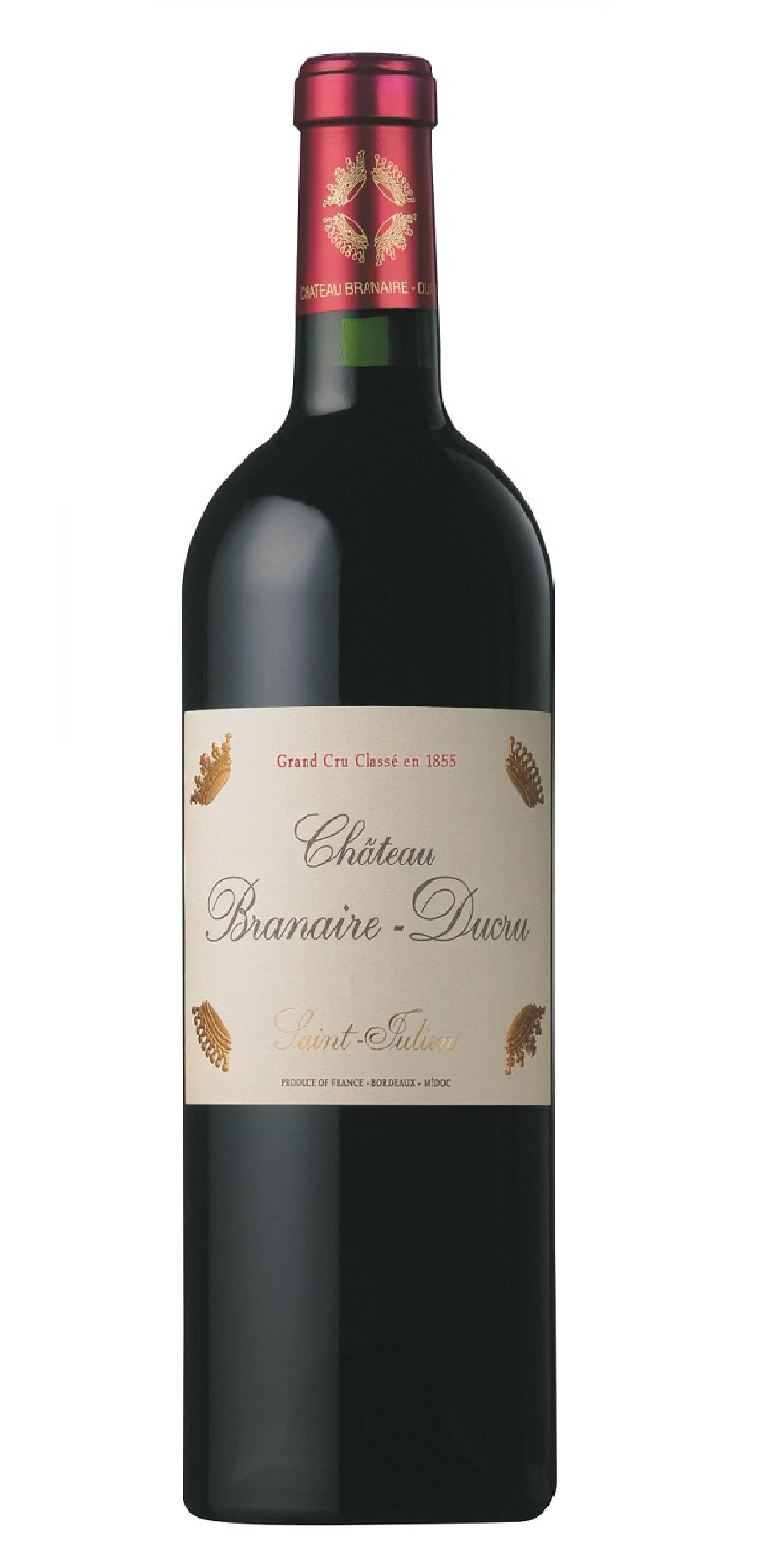
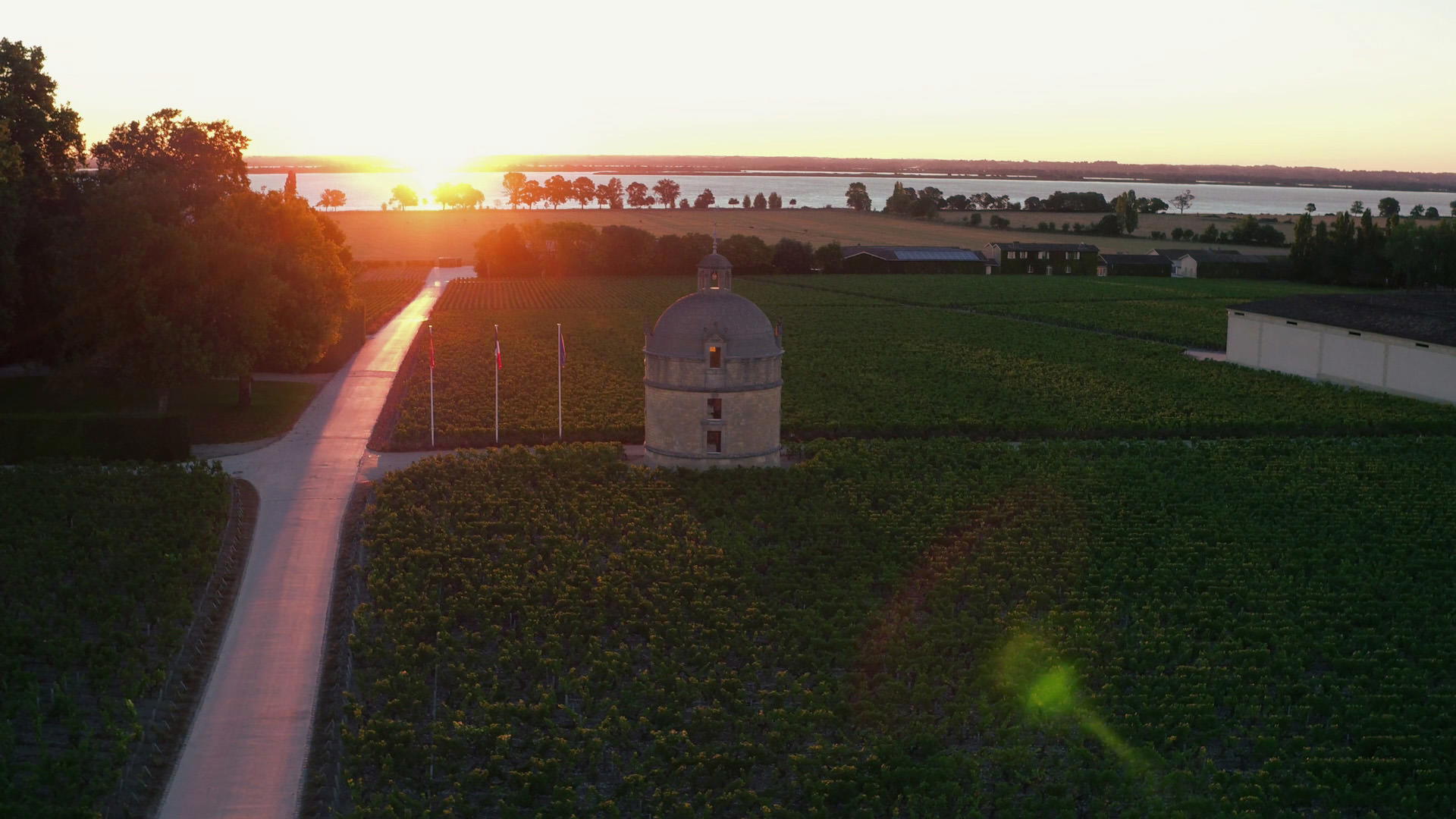
The Médoc's classified appellations each carry a generalizable terroir argument, and Saint-Julien makes one of the more convincing cases. Where Pauillac leans on deep Günzian gravel for structural weight and Margaux on lighter, sandier soils for aromatic lift, Saint-Julien sits between them, literally and stylistically. The commune's leading parcels combine gravelly crests with underlying clay that retains enough moisture to buffer the vine through dry summers, producing wines that tend toward finesse rather than brute extraction. Château Branaire Ducru, a fourth-growth estate at 1 Chemin de Bourdieu in Saint-Julien-Beychevelle, works within this framework and has done so across successive generations of stewardship.
That positioning matters because Saint-Julien's fourth growths occupy a contested middle ground: ranked below the famous trio of Léovilles but above the broader Haut-Médoc field, they compete on quality-to-classification ratio in a way that first and second growths rarely need to. Within that bracket, Branaire Ducru's consistent recognition keeps it relevant to collectors assembling Médoc verticals.
What Terroir Looks Like at Château Branaire Ducru
Terroir expression in Saint-Julien is less about dramatic soil variation than about the management of a well-understood template. The appellation's gravel beds, deposited by the Gironde and its tributaries over millennia, drain freely and force roots to seek water deep in the subsoil. The resulting vines yield less per cluster, concentrate phenolics more gradually, and produce tannins with a different texture than those from vines sitting on flatter, richer ground. In appellation terms, this is the mechanical argument for why Saint-Julien produces wines with grip but not aggression.
Winemaker Jean-Dominique Videau oversees that translation from soil to glass at Branaire Ducru. The winemaker's role in a classified Bordeaux château is less about creative invention than about precision management: when to pick, how long to macerate, the proportion of new oak, how to assemble the grand vin from different parcel lots. These are decisions made against a backdrop of specific soil maps and vine age data, and getting them consistently right across variable vintages is the technical credential that separates estates within the same appellation tier. Videau's tenure at the property is the relevant credential here, not a personal philosophy statement.
Château Gruaud-Larose draws from a larger, more internally varied vineyard, producing wines that some tasters find broader in structure. Château Leoville Poyferré, a second growth, occupies the appellation's prestige ceiling and prices accordingly. Château Saint-Pierre works from smaller production and a different parcel distribution. Each of these estates interprets the same foundational Saint-Julien gravel-clay matrix through different vineyard configurations, and tasting across them reveals more about how terroir gets filtered through site specifics than any single estate can demonstrate alone.
The Place Inside the Saint-Julien Argument
Saint-Julien as an appellation has built its critical reputation on consistency rather than drama. It rarely produces the outlier vintages that generate auction spikes or the critical shorthand that attaches to individual Pauillac estates. What it does produce, across its better classified properties, is wine that ages on a reliable arc: approachable earlier than Pauillac, more structured than most Margaux, and capable of a decade-plus evolution that rewards patience without demanding it.
Branaire Ducru sits inside that pattern. A fourth growth's pricing typically falls below the Léoville ceiling and above the generic Haut-Médoc floor, making it accessible to collectors who want classified Saint-Julien without the allocation difficulty that attaches to the appellation's most sought-after names.
Properties as different in style as Château Bastor-Lamontagne in Preignac, Château Batailley in Pauillac, and Château Bélair-Monange in Saint-Emilion occupy adjacent critical territory, each working from distinct terroir traditions. That spread illustrates how the rating accounts for performance within category rather than applying a single stylistic template across Bordeaux's varied communes.
Planning a Visit to the Estate
Saint-Julien-Beychevelle is not a village with significant tourist infrastructure, and visits to Branaire Ducru, as with most classified Médoc châteaux, are leading arranged through direct contact with the estate or through a Bordeaux négociant with an existing relationship. The D2, the road that threads through the Médoc communes from Bordeaux north toward the Gironde ferry at Lamarque, passes through Saint-Julien and provides road access to the estate's address at 1 Chemin de Bourdieu. Phone and booking details are managed at the estate level; for current visit and tasting options, the estate's own channels are the appropriate reference.
Timing matters in the Médoc. Harvest, typically running from late September through October depending on the vintage, brings activity and limited château hospitality availability. The quieter spring months, after en primeur week in April when négociants and press descend on the region, offer more relaxed access. Winter visits are possible but some châteaux limit hours outside of peak trade periods. The EP Club Saint-Julien guide covers the commune's broader context for planning a Médoc itinerary.
For collectors approaching Branaire Ducru through the en primeur system rather than as a cellar visitor, futures pricing for classified Saint-Julien estates is typically released in spring following the vintage, with négociant allocations distributed through the Bordeaux Place.
Château Branaire Ducru in a Wider Tasting Circuit
Building a meaningful understanding of Saint-Julien's terroir argument requires tasting across its classified tier, and Branaire Ducru belongs in that circuit. Collectors and visitors who follow wine beyond Bordeaux's borders will find points of comparison in how other European appellations handle the relationship between soil type and structural outcome. Albert Boxler in Alsace demonstrates how granite and sandstone parcels produce differentiated Rieslings from the same appellation, a different geography making the same terroir argument. Right bank estates like Château Clinet in Pomerol show how clay-heavy soils shift the Merlot equation in ways that make direct comparison with left-bank Cabernet estates instructive rather than competitive.
The wider EP Club universe includes properties across categories, from Château Cantemerle in the Haut-Médoc to Château Boyd-Cantenac in Cantenac, that sit in adjacent classification tiers and offer tasting reference points for understanding where fourth-growth Saint-Julien sits within the broader Médoc argument. Further afield, Accendo Cellars in St.
A Quick Peer Check
Comparable venues nearby, for context on price, style, and recognition.
| Venue | Cuisine | Price | Awards | Notes |
|---|---|---|---|---|
| Château Branaire DucruThis venue (the venue you are viewing) | Cabernet Sauvignon, Merlot | $50–100 | Michelin 1 Grape · Falstaff Winery - 3 Stars | Not listed |
| Château Gruaud-Larose | Cabernet Sauvignon, Merlot | Not listed | Michelin Main Selection · Falstaff Winery - 3 Stars | Saint-Julien |
| Château Saint-Pierre | Cabernet Sauvignon, Merlot | Not listed | Michelin Main Selection · Falstaff Winery - 3 Stars | Saint-Julien |
| Château Leoville Poyferre | Cabernet Sauvignon, Merlot | Not listed | Falstaff Winery - 3 Stars | Saint-Julien |
| Château Lynch-Bages | Cabernet Sauvignon, Merlot | Not listed | Michelin 1 Grape · Falstaff Winery - 4 Stars | Pauillac |
| Chateau Lafite Rothschild | Cabernet Sauvignon, Merlot | Not listed | Michelin 3 Grapes · Falstaff Winery - 5 Stars | Pauillac |
Recognition history
Dated appearances from independent guides and award organizations, with the underlying list record or original source where available.
Michelin 1 Grape
Michelin
Falstaff Winery - 3 Stars
Falstaff
Continue exploring
More in Saint-Julien-Beychevelle
Wineries in Saint-Julien-Beychevelle
All wineries in Saint-Julien-Beychevelle →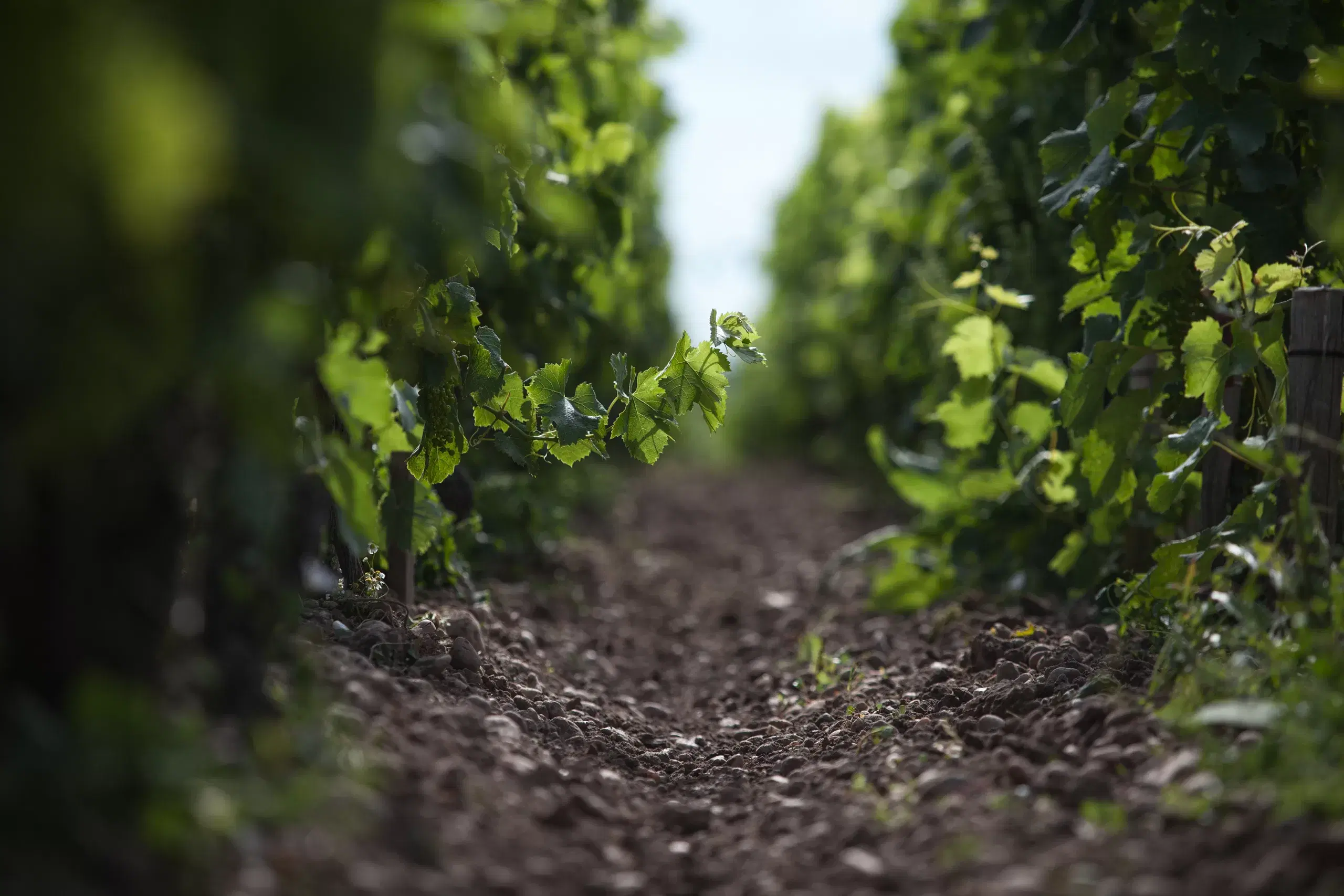
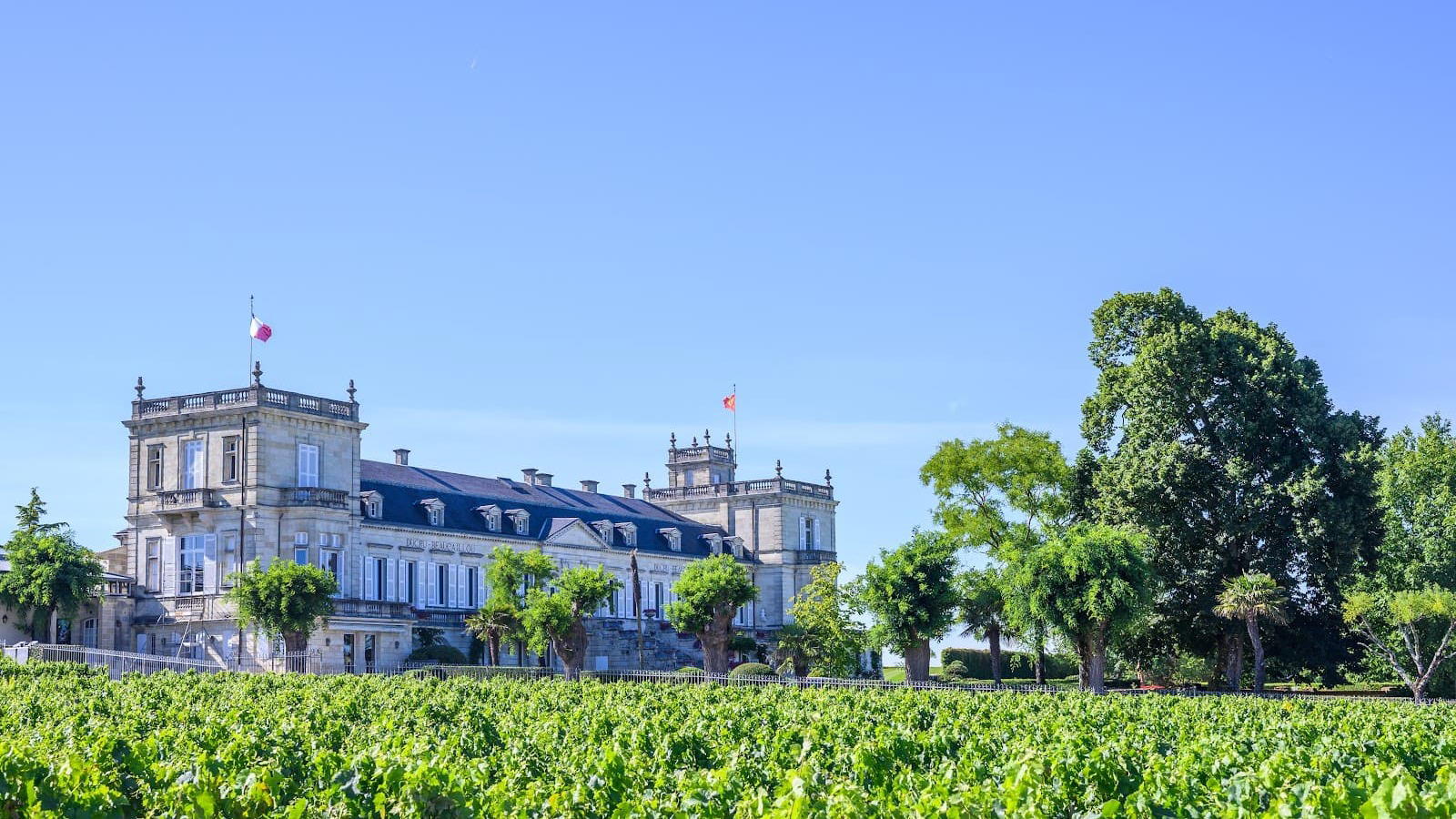
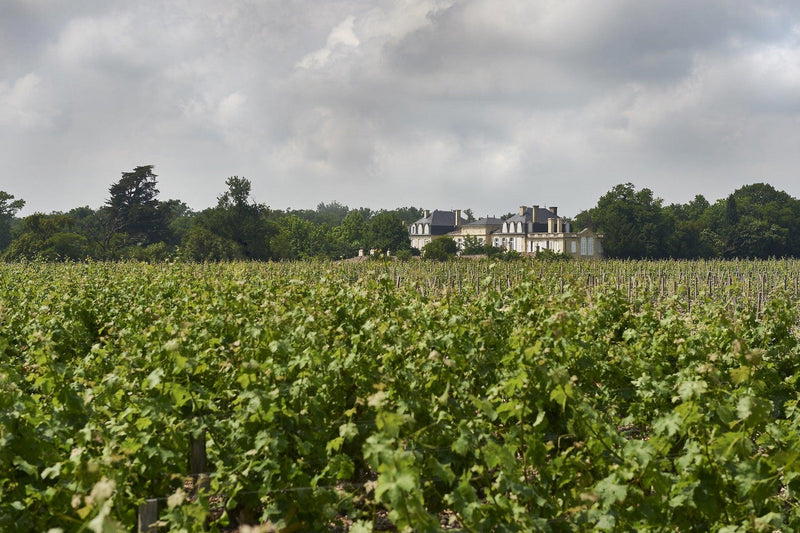
Bars in Saint-Julien-Beychevelle
Browse all →
Restaurants in Saint-Julien-Beychevelle
Browse all →
Details
- Elegant
- Classic
- Sophisticated
- Scenic
- Wine Education
- Special Occasion
- Vineyard Tour
- Barrel Room
- Historic Building
- Vineyard
- Waterfront
- Cabernet Sauvignon
- Merlot
- Petit Verdot
- Cabernet Franc
- Still Red
- Cave Tasting
- Private Tasting
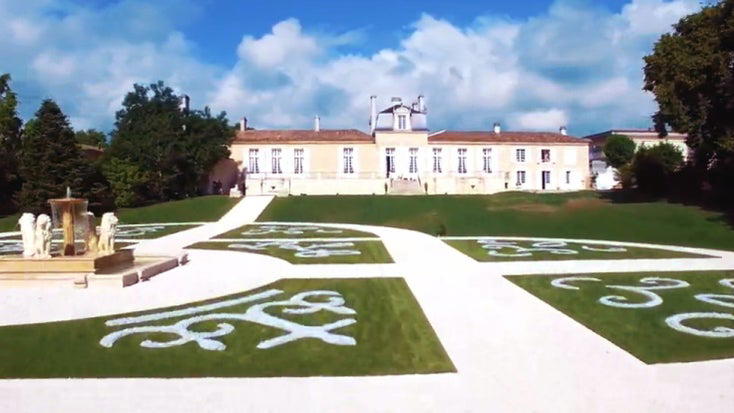
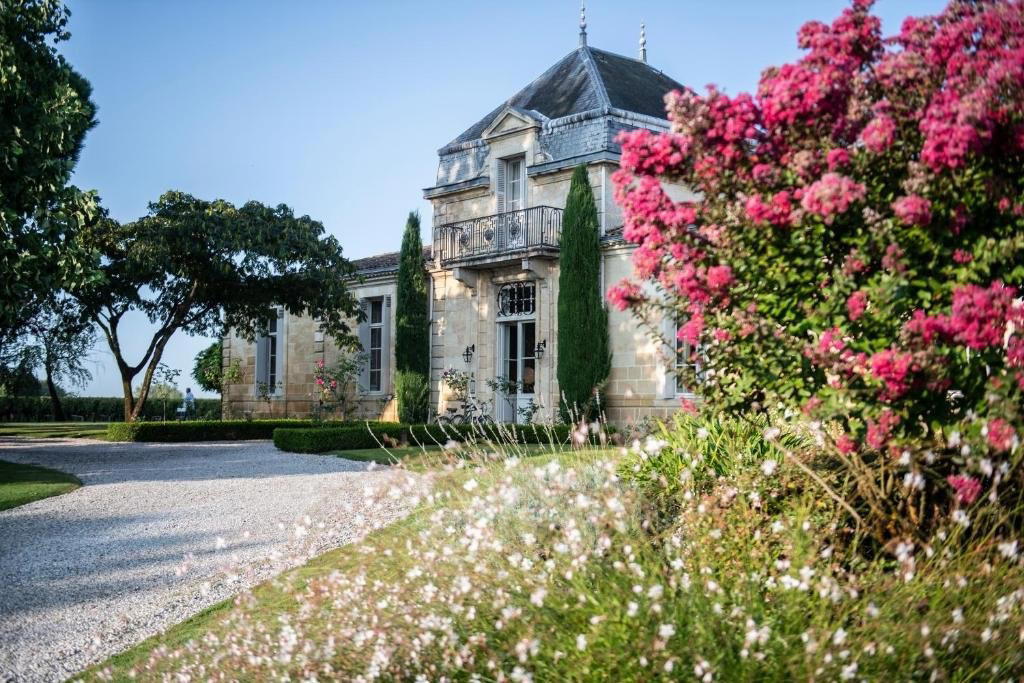
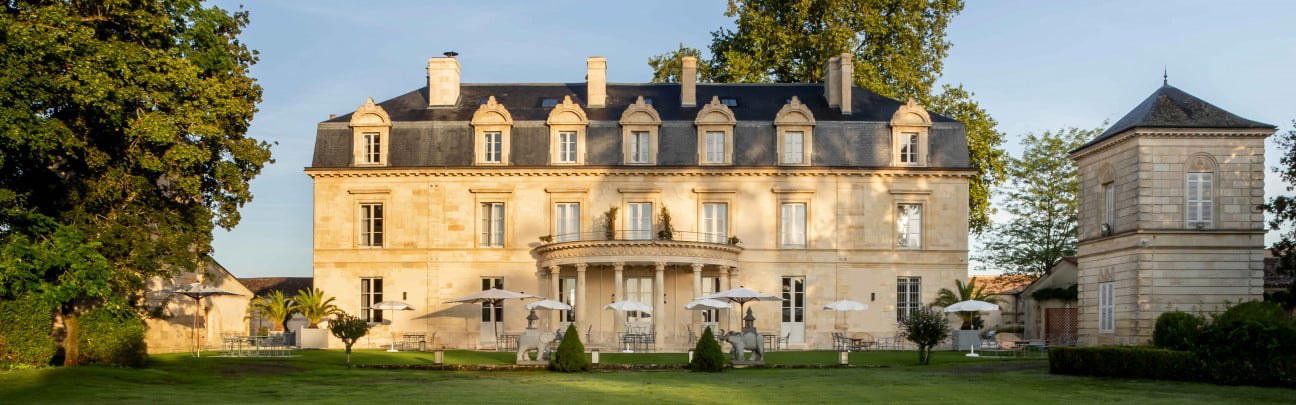
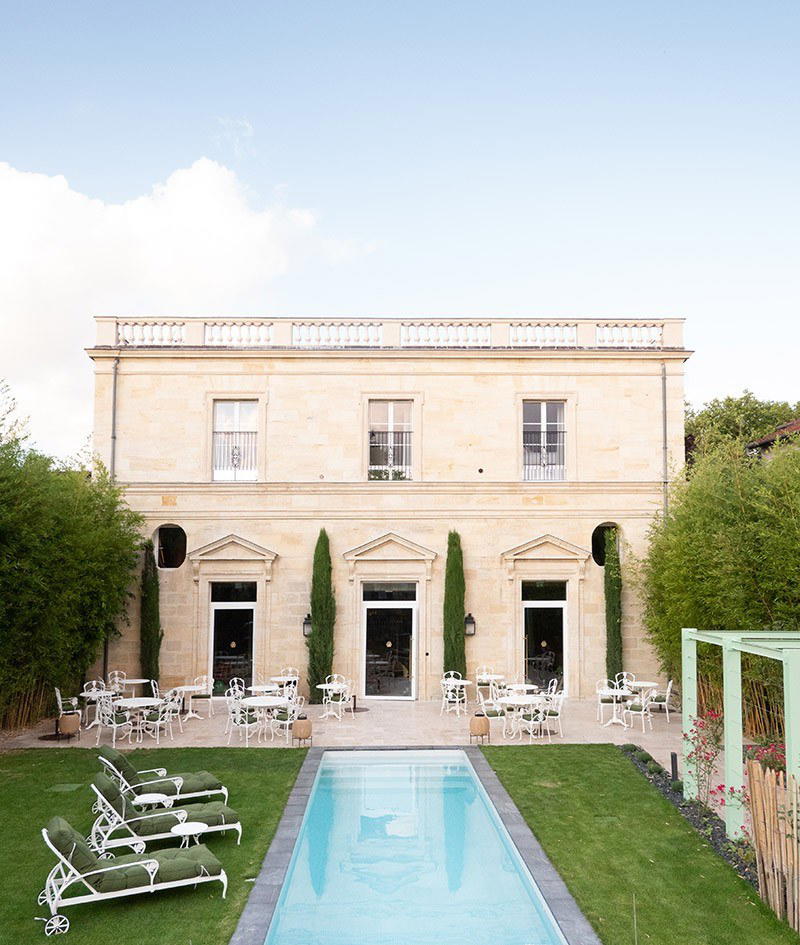
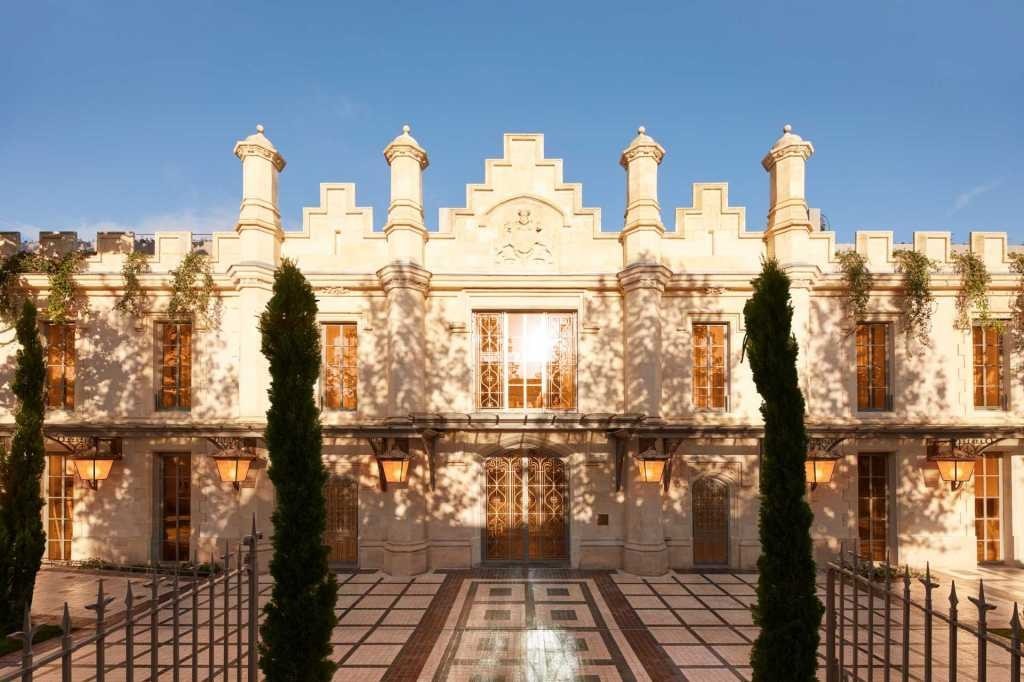
Elegant neo-classical chateau with modern facilities, beautiful grounds, and a refined, welcoming atmosphere praised in guest reviews.