Château Bélair-Monange

Château Bélair-Monange occupies a defining position on Saint-Émilion's limestone plateau, where the geology that distinguishes the appellation's upper tier is most legible in the glass. Visitors come to understand what the côte can produce at its most concentrated.
Pearl is the En Primeur Club membership app — saves, bookings, and concierge access live there. Same editors, same standards.
- Address
- 386 Rte de la Côte de la Jeune, 33330 Saint-Émilion
- Phone
- +33 5 57 51 78 96
- Website
- belairmonange.com
- Directions
- Get directions
 Saves & bookings on Pearl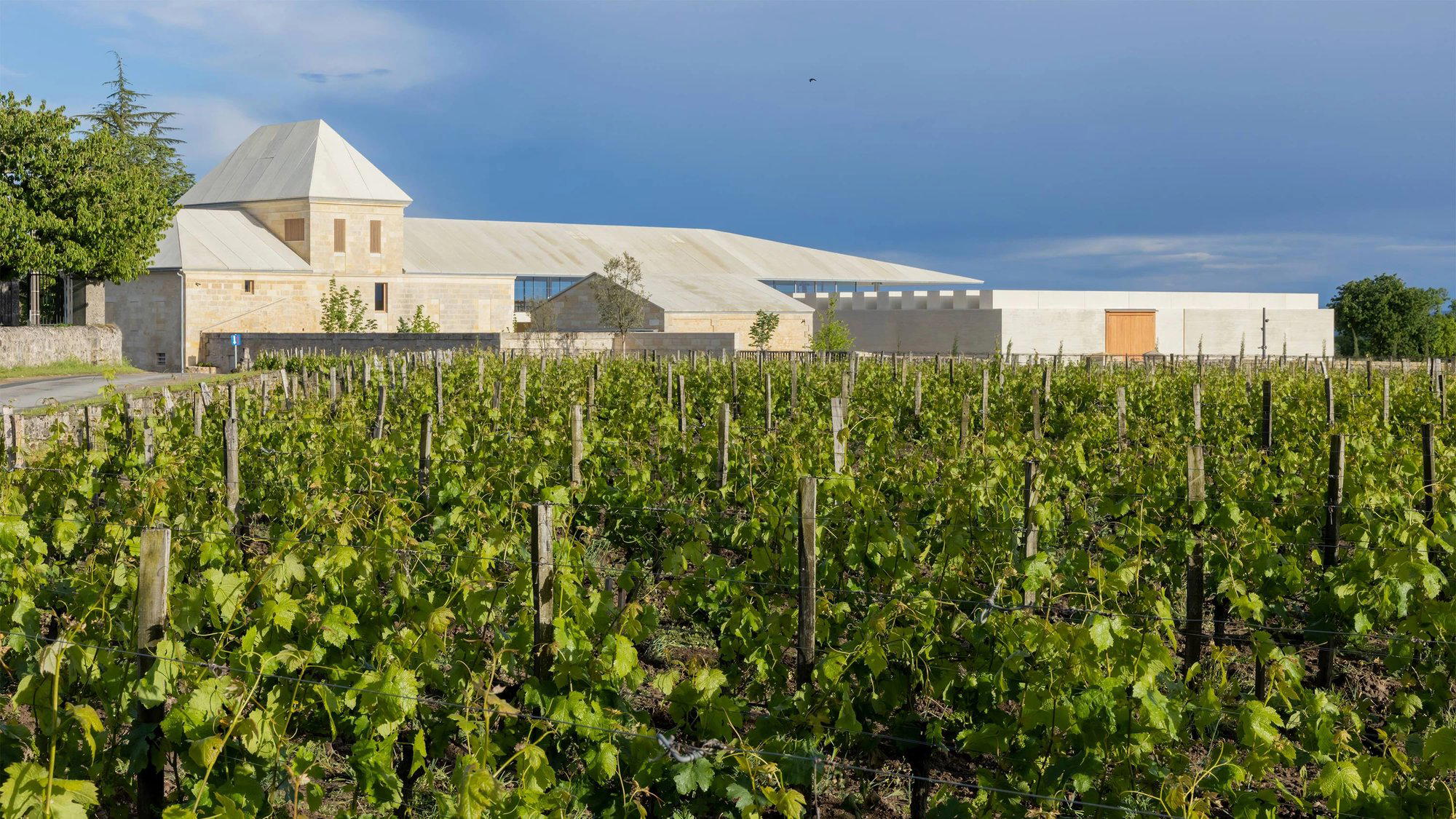
Limestone, Elevation, and What the Côte Actually Means
Standing at the edge of Saint-Émilion's upper plateau, looking south across the patchwork of vines that descend toward the valley floor, it becomes clear why address matters so much in this appellation. The côte, the steep limestone escarpment and its immediate hinterland, is where the grand cru classé argument has always been most persuasive. Château Bélair-Monange sits at that argument's centre, on the same continuous limestone shelf that has shaped the right bank's most discussed wines for generations. The address alone, 386 Route de la Côte de la Jeune, tells you something about the seriousness of the position.
Saint-Émilion's classification system has been contested, revised, and litigated, but the physical fact of the plateau has remained constant. Estates on the limestone and clay immediately around the medieval town occupy a different growing register than those on the sandier soils to the east or the gravel terraces closer to Pomerol. The cooler subsoil, the natural drainage through the rock, and the orientation of the slopes conspire to produce Merlot-dominant wines that carry more tension and mineral length than the appellation's broader reputation for plushness might suggest. Bélair-Monange is a property that makes that geological argument in physical form.
The comparable set on the Plateau
To understand where Bélair-Monange fits, it helps to map the neighbourhood. The upper plateau and côte form a compact zone where several of Saint-Émilion's most scrutinised estates operate in close proximity. Château Larcis Ducasse works a dramatic south-facing slope on the plateau's eastern edge. Château Canon-la-Gaffelière occupies the base of the côte with a different limestone and clay profile. Château Clos Fourtet sits directly on the town's limestone plateau with some of the appellation's most dramatic underground cellar galleries beneath its vines. Château La Mondotte operates in a micro-parcel style that demonstrates how fine the gradations of terroir can be within a few hundred metres.
These estates are not interchangeable. Each one reflects a slightly different aspect, depth of topsoil, and proportion of active limestone in the subsoil. What they share is a positioning argument: that the plateau and côte produce wines that belong in a conversation separate from the broader Saint-Émilion appellation.
For context beyond the right bank, the kind of site-specific, geology-driven production philosophy at work here has parallels in properties as different as Accendo Cellars in St. Helena, where single-vineyard provenance is the central argument, or Albert Boxler in Niedermorschwihr, where Alsatian grand cru parcels define the production logic. The principle, that address is destiny, travels across wine regions and styles.
The Physical Estate: What the Setting Communicates
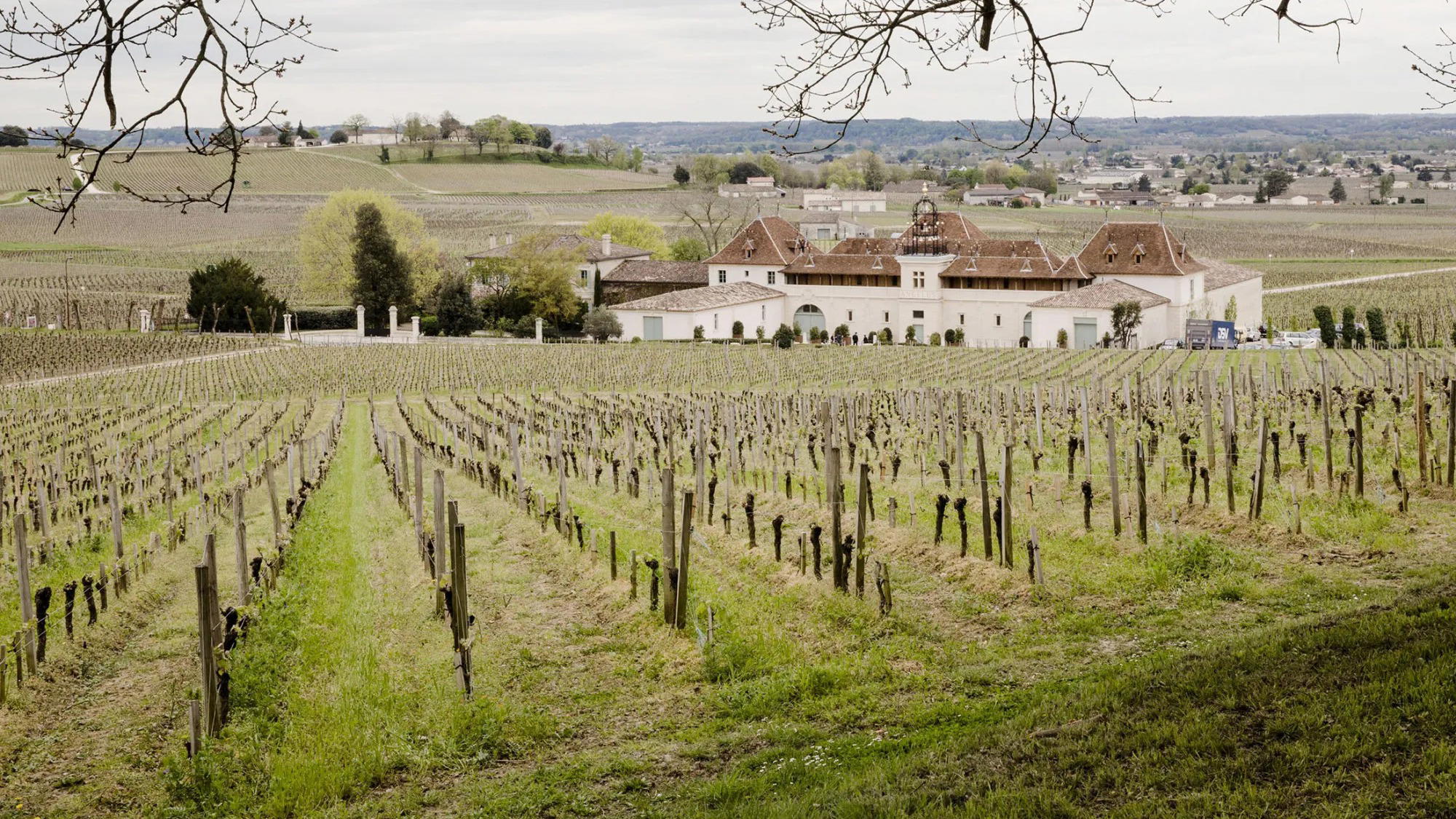
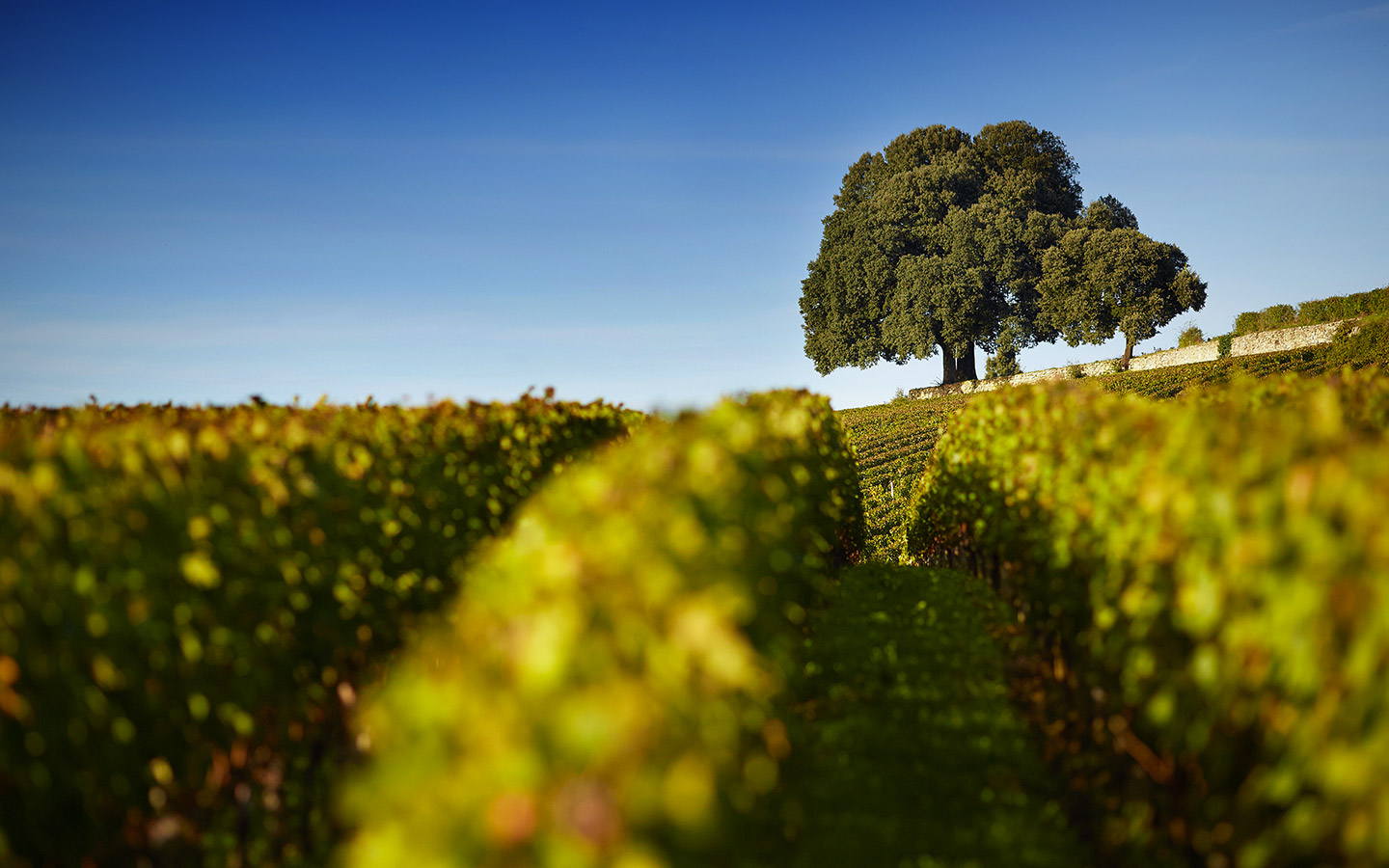
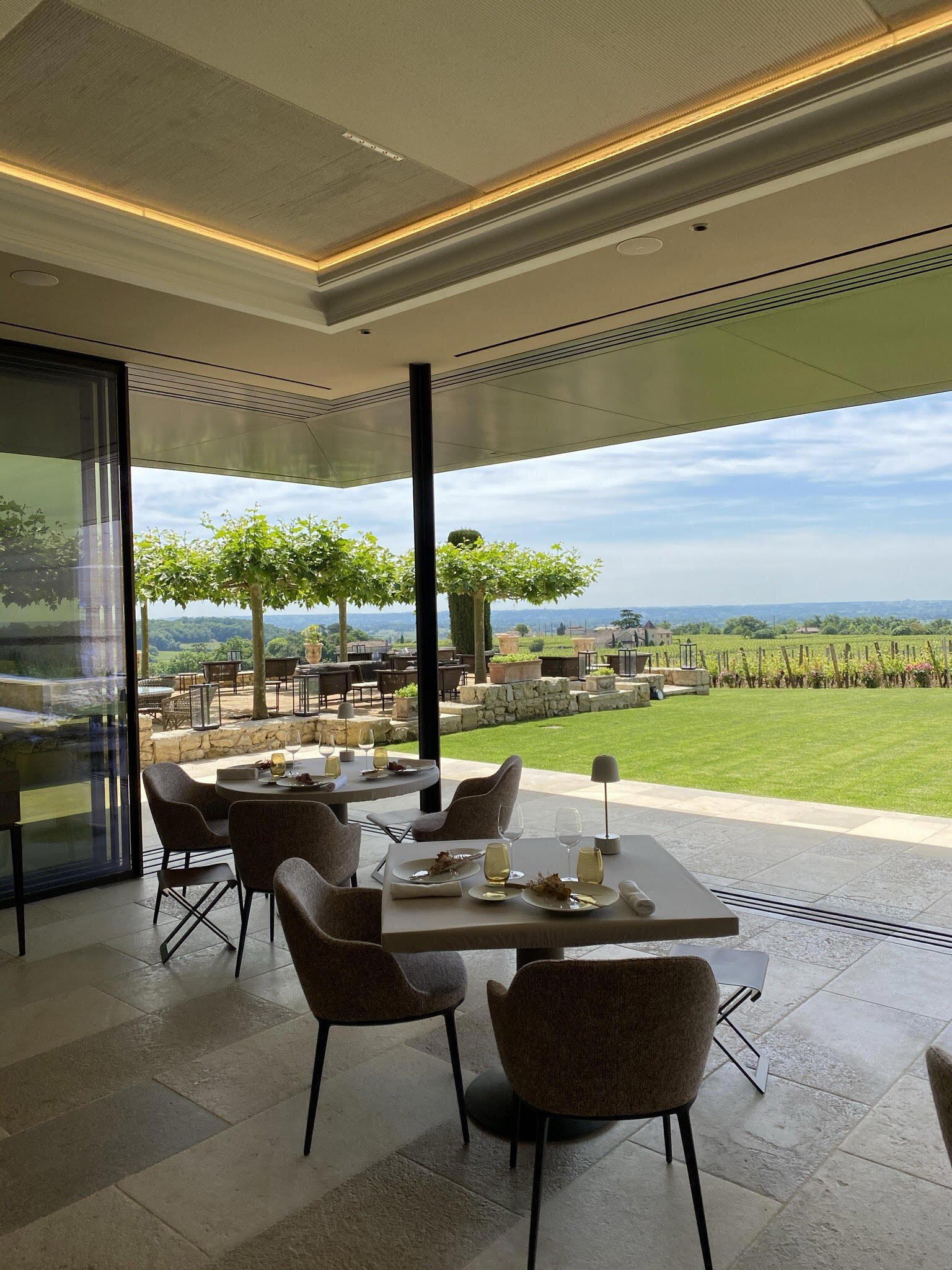
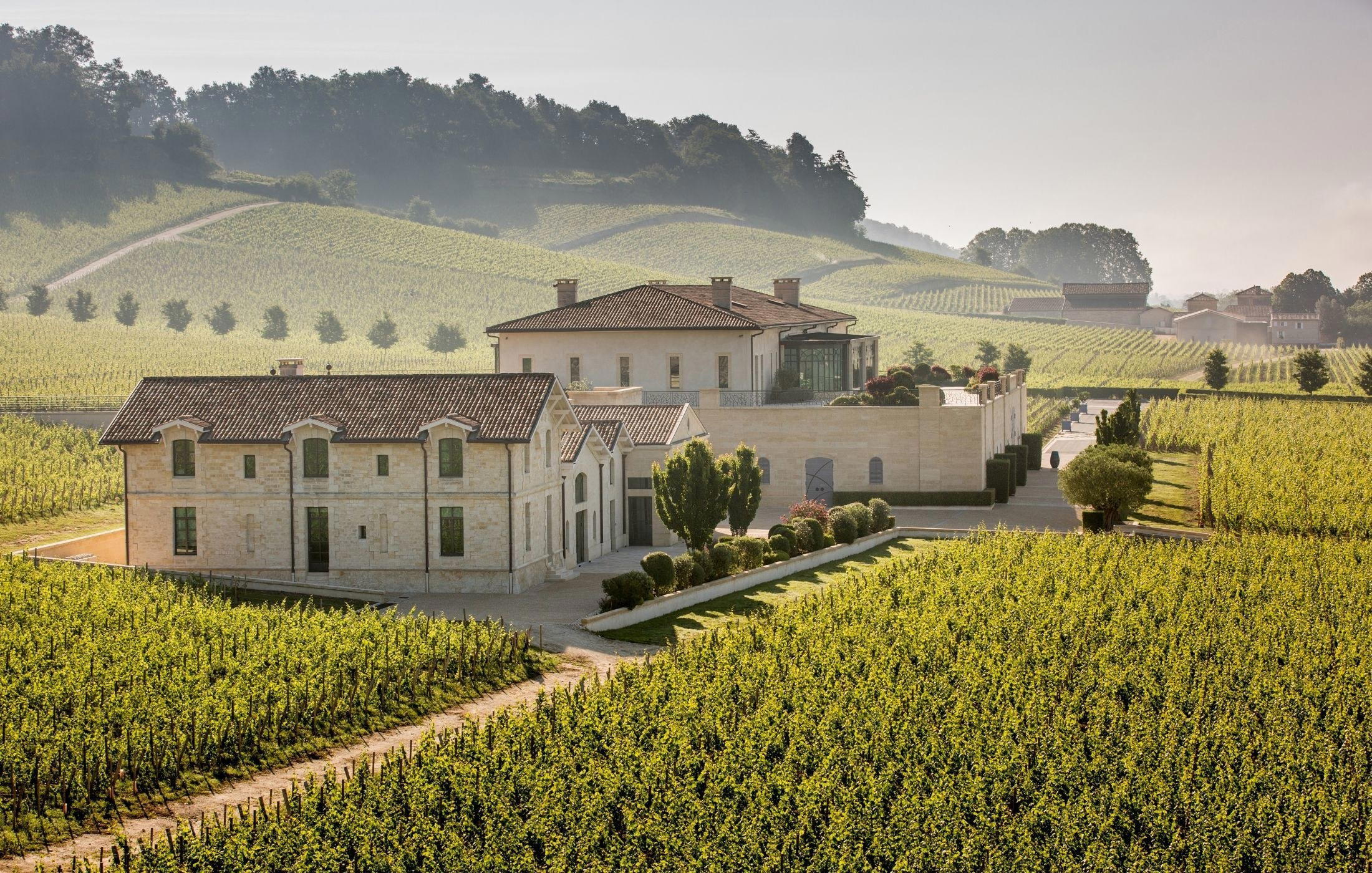
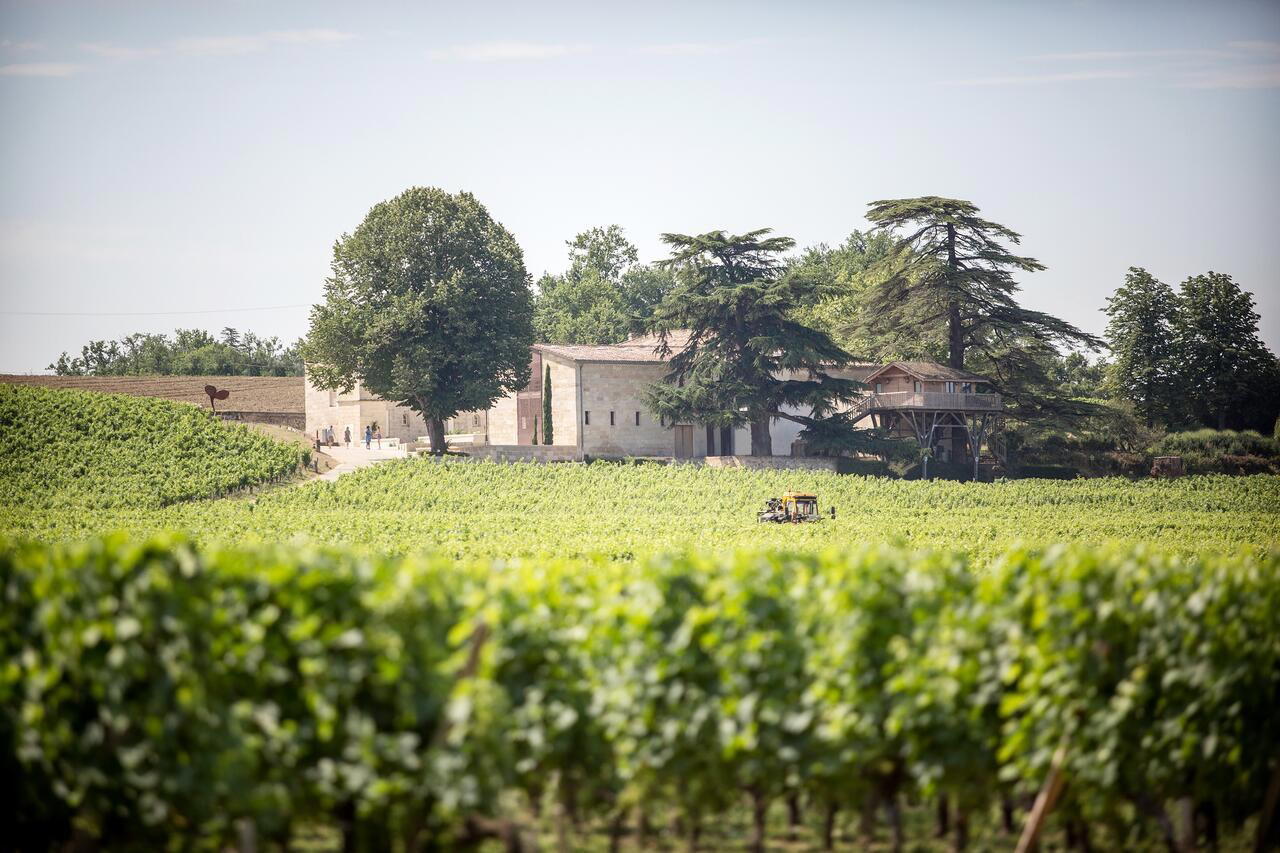
The editorial angle on Bélair-Monange is inseparable from its physical environment. The vineyard occupies a position where the plateau breaks into slope, and the visual consequence is immediate: vines that appear almost to hang from the escarpment, with the medieval towers of Saint-Émilion visible through the canopy. This is not background scenery. The orientation of the slopes, the way morning light hits the upper rows differently from the lower terraces, and the shelter provided by the surrounding woodland all have direct consequences for vine phenology and, ultimately, for what ends up in the bottle.
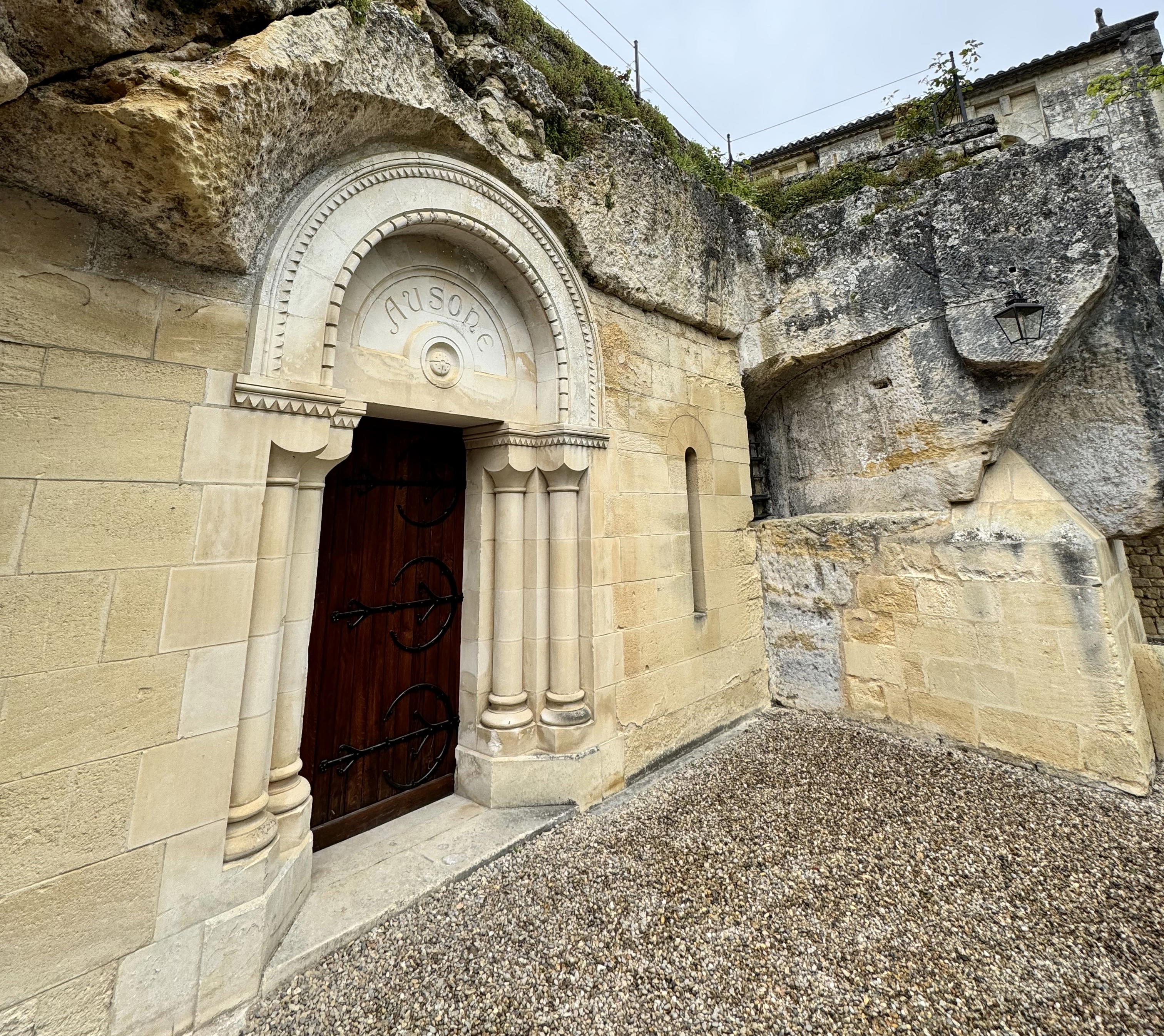
The château's walled parcels and historic cellars carved into the limestone bedrock are part of a wider pattern on the plateau. Saint-Émilion's underground geology is as significant as what sits above it: the same soft limestone (calcaire à astéries) that gives the town its monolithic church and labyrinthine catacombs provides both the mineral signature in the wine and the naturally temperature-stable caves that have served as cellars for centuries. At Bélair-Monange, the cellars are integral to the estate rather than a visitor amenity; the stone that holds the temperature for ageing is the same rock through which the vines' roots reach.
How the Wine Read Against Classification History
Saint-Émilion's classification is unusual in French wine law because it is subject to periodic revision, most recently a source of prolonged legal dispute. Within that contested framework, the question of which estates genuinely merit their status has been argued in critical circles for decades. The properties that have survived successive classifications and attracted sustained critical attention share a common thread: consistent site quality and the kind of production restraint that allows terroir to make the argument rather than extraction or new oak.
Bélair-Monange's positioning in that critical conversation is informed by its long history on one of the appellation's most respected sites. The estate has changed hands and management within living memory, and each phase of its recent history has attracted close scrutiny from critics tracking whether investment translates to bottle quality. It reflects what the property is doing now.
Comparable prestige-tier recognition in nearby appellations gives some sense of scale: Château Batailley in Pauillac and Château Branaire-Ducru in St-Julien represent the Médoc's classified-growth tier, where the Left Bank's gravel-over-clay structure produces a structurally different wine. Château Cantemerle in Haut-Médoc and Château Boyd-Cantenac in Cantenac operate in the same classified-growth framework, though the Médoc's 1855 classification is fixed where Saint-Émilion's is revisable. The difference in classification stability itself shapes how estates on the right bank pursue and communicate prestige.
Planning a Visit: What to Know Before You Go
Saint-Émilion is accessible from Bordeaux in under an hour by car, and the town itself is compact enough to reach multiple plateau estates in a single day. Bélair-Monange is located on the Route de la Côte de la Jeune on the estate's own drive from the town centre, within the working vineyard zone rather than on the tourist circuit that runs through Saint-Émilion's medieval streets. Visits to estates at this level typically require advance arrangement; drop-in access is not standard practice for prestige-tier producers in the appellation. Booking through the estate directly or via specialist wine travel operators is the reliable approach.
The broader Saint-Émilion visit warrants time beyond a single estate. Properties at different points on the classification and price spectrum cluster within a short radius. Château Bastor-Lamontagne in nearby Preignac represents a different style register entirely, while the production philosophy at Chartreuse in Voiron illustrates how heritage production traditions operate at scale outside the wine world. For a mapped view of the region's dining and hospitality options to pair with vineyard visits, our full Saint-Émilion guide covers the town and its surroundings in detail. The Château Coutet estate in Barsac also rewards comparison for visitors interested in how Bordeaux's prestige-tier producers operate across the appellation spectrum.
The Minimal Set
Comparable venues nearby, for context on price, style, and recognition.
| Venue | Cuisine | Price | Notes |
|---|---|---|---|
| Château Bélair-MonangeThis venue — the venue you are viewing | Saint-Emilion, Merlot, Cabernet Franc | $$$$ | Not listed |
| Château Cheval Blanc | Saint-Emilion, Cabernet Franc, Merlot | $$$$ | Not listed |
| Château La Conseillante | Pomerol, Merlot, Cabernet Franc | $$$$ | Not listed |
| Château Figeac | Not listed | $$$$ | Saint-Emilion, Cabernet Sauvignon, Cabernet Franc |
| Château Beau-Séjour (héritiers Duffau-Lagarrosse) | Saint-Emilion, Merlot, Cabernet Franc | $$$$ | Not listed |
| Château Clos Fourtet | Saint-Emilion, Merlot, Cabernet Franc | $$$$ | Not listed |
Recognition history
Dated appearances from independent guides and award organizations, with the underlying list record or original source where available.
Falstaff Winery - Listed
Falstaff
Continue exploring
More in Saint-Émilion
Wineries in Saint-Émilion
Browse all →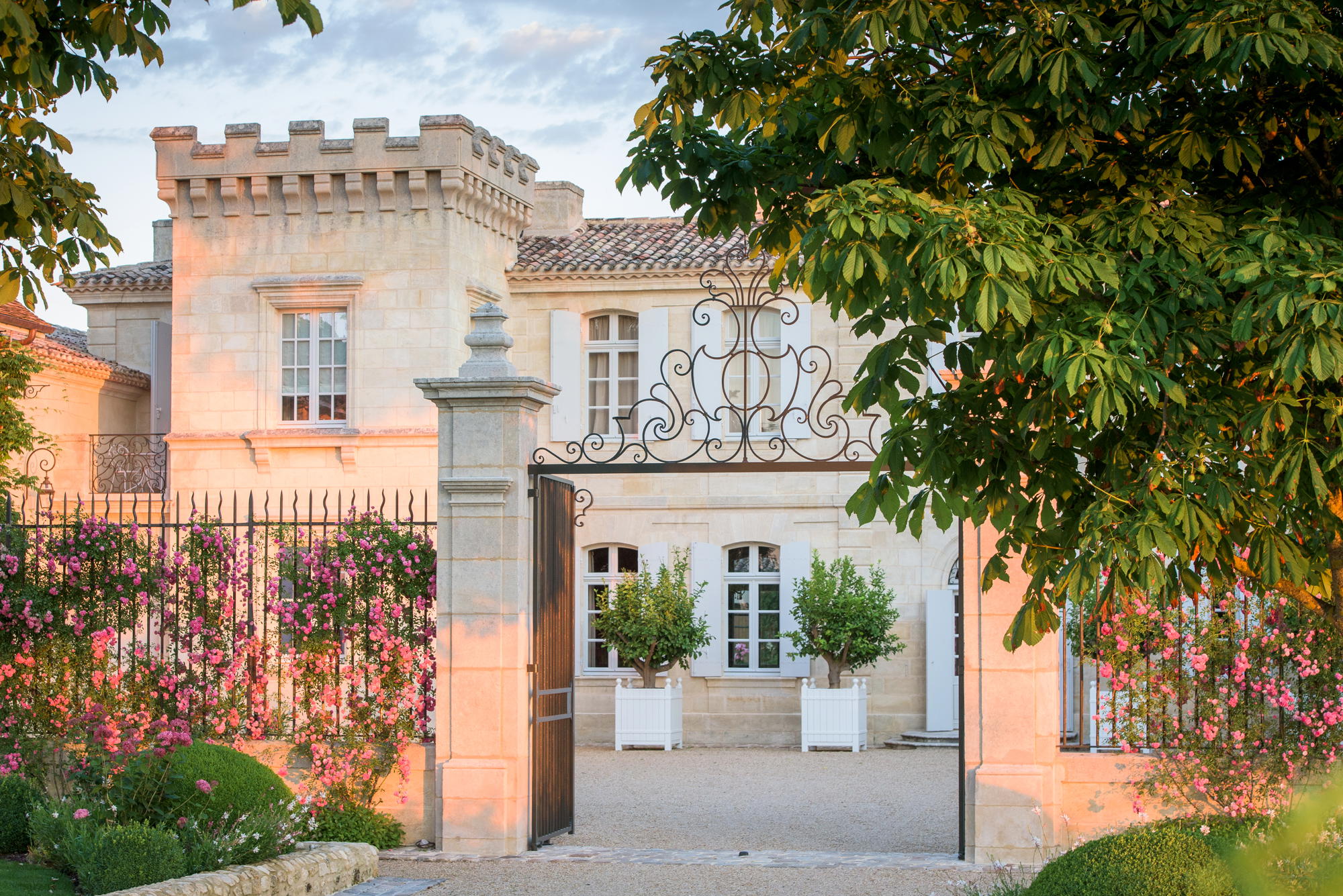
Bars in Saint-Émilion
Browse all →
Restaurants in Saint-Émilion
Browse all →
At a Glance
- Classic
- Elegant
- Historic
- Scenic
- Sophisticated
- Wine Education
- Special Occasion
- Cave Tasting
- Vineyard Tour
- Historic Building
- Vineyard
- Saint Emilion Grand Cru
- Merlot
- Cabernet Franc
- Still Red
- Private Tasting
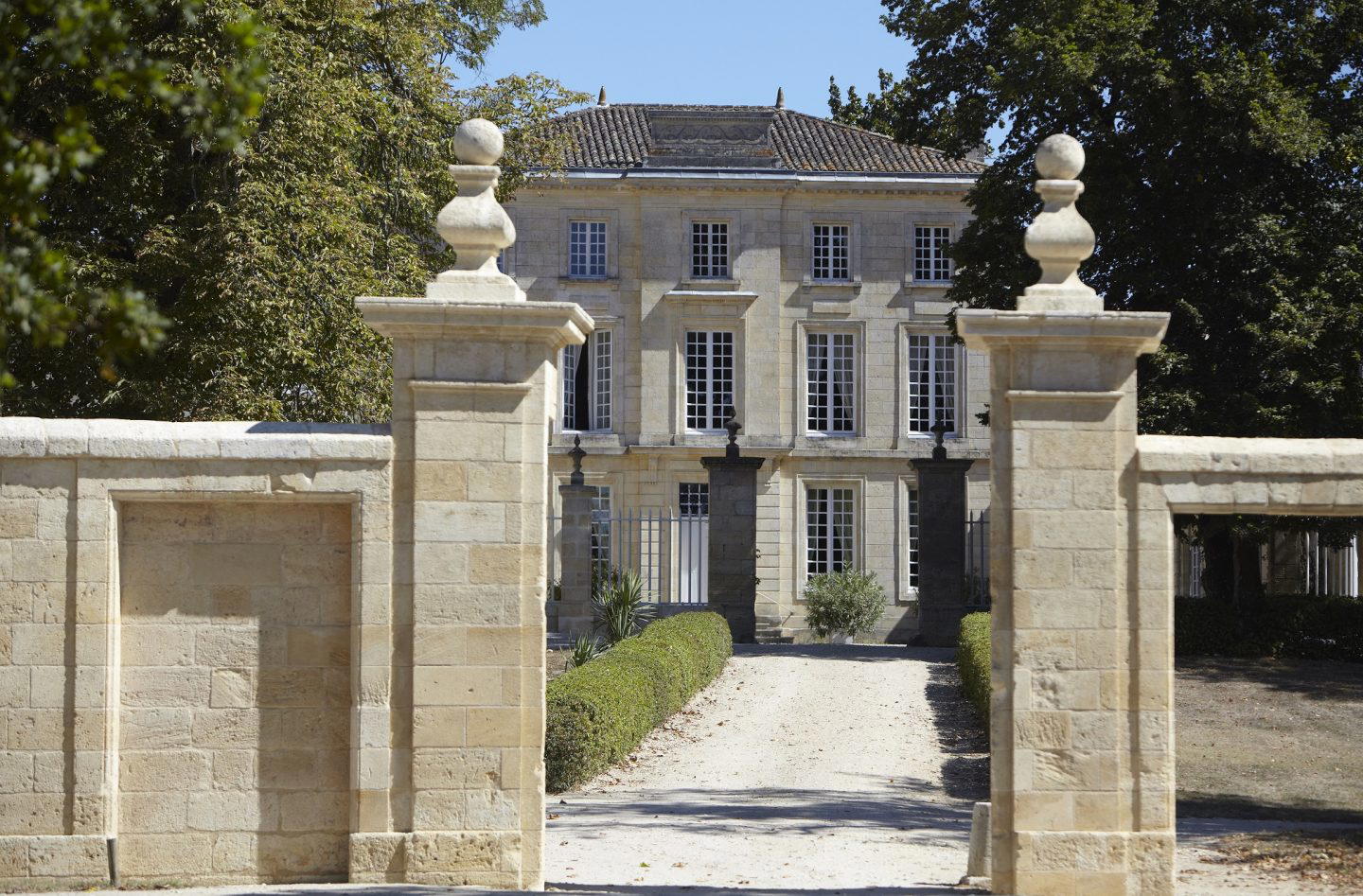
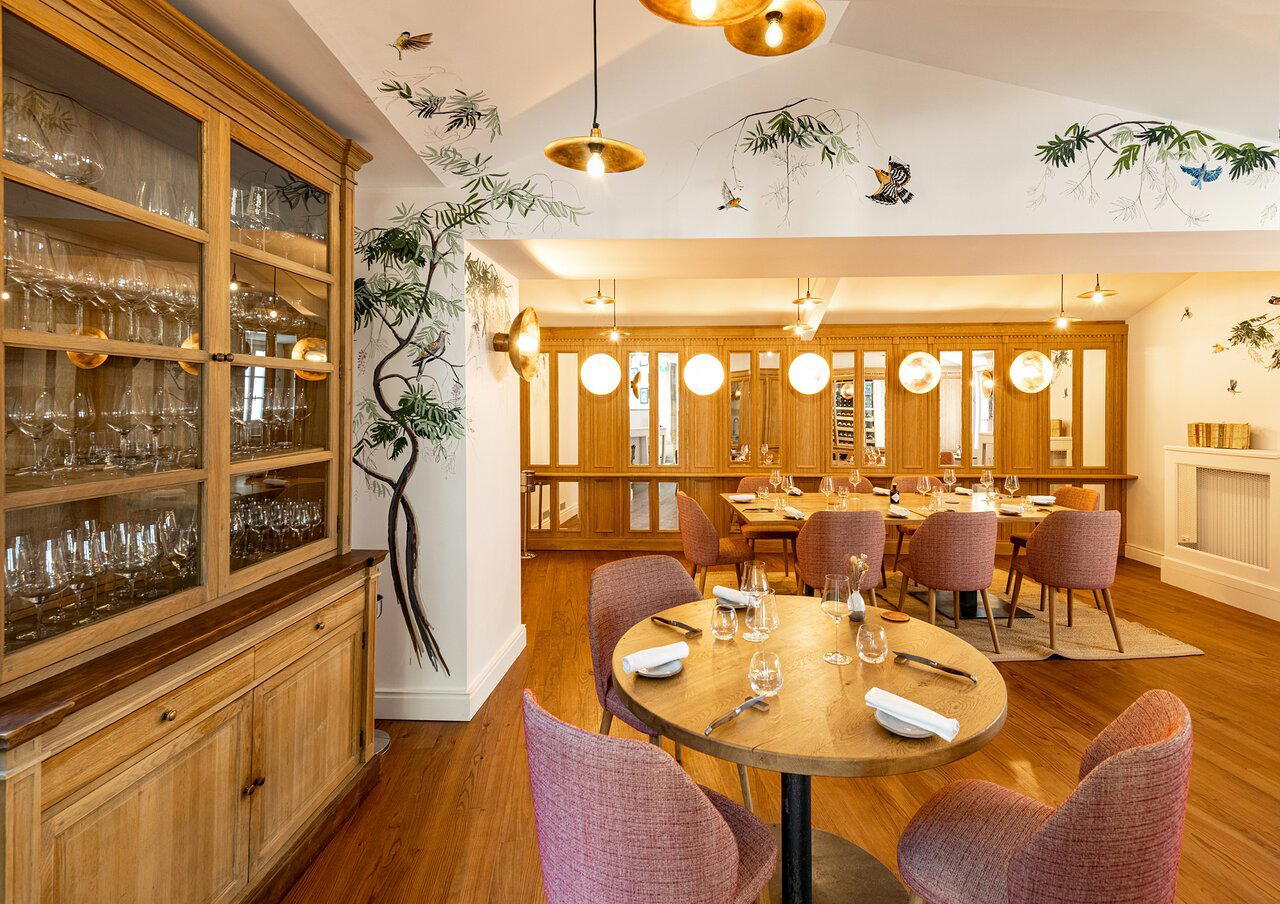
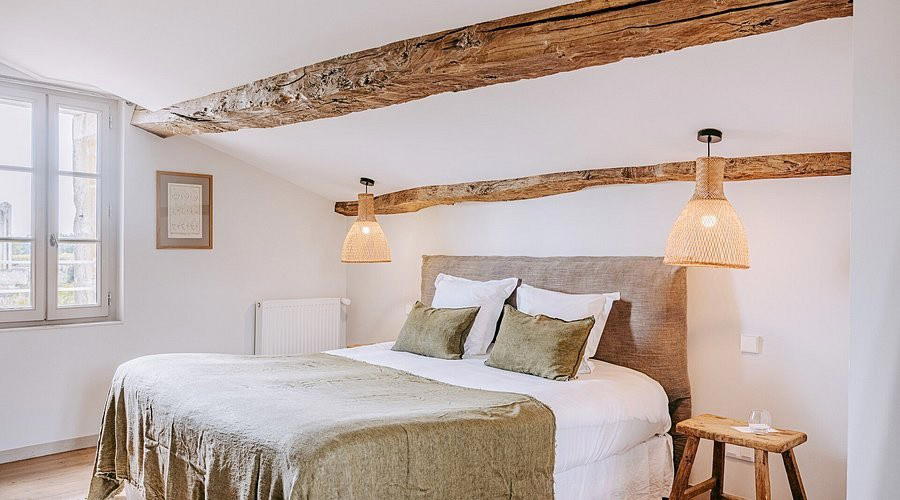
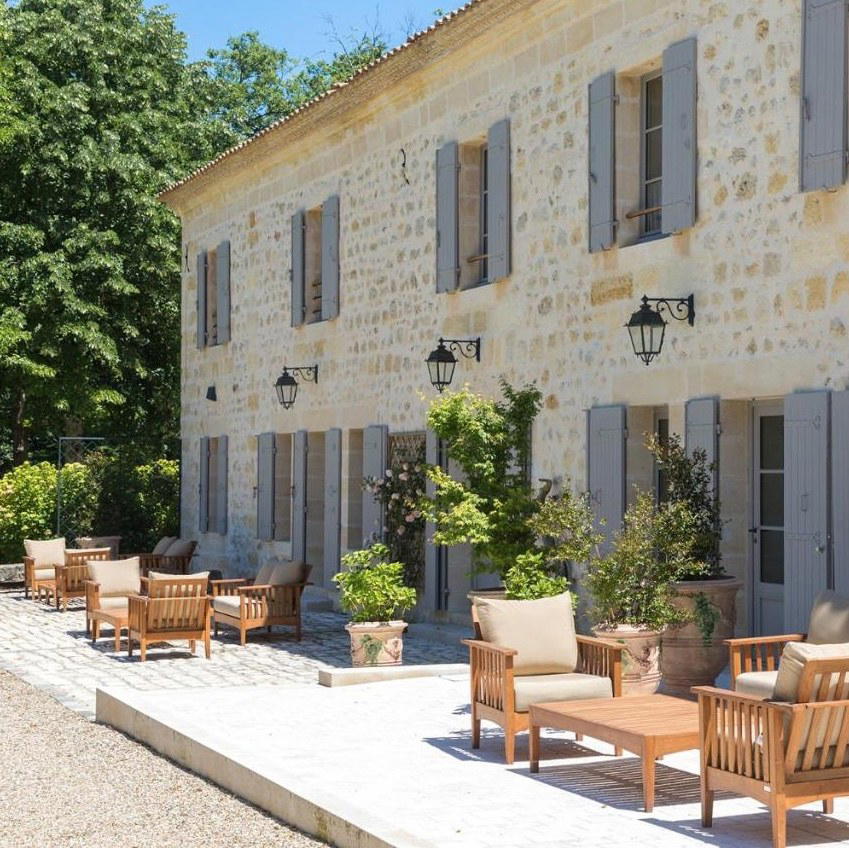
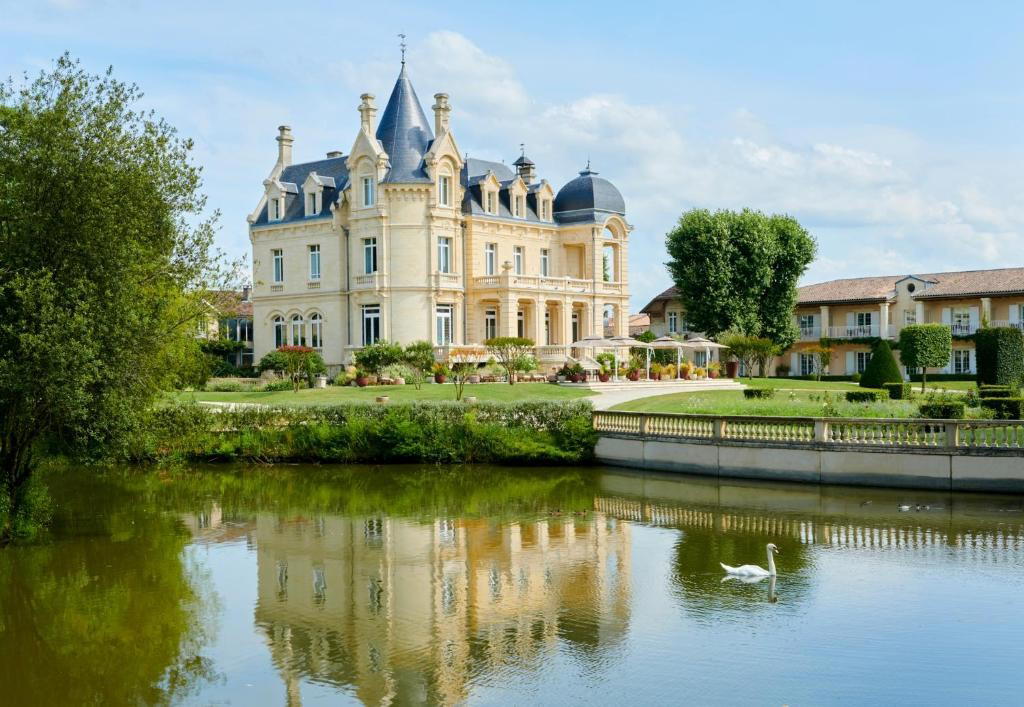
Elegant and historic atmosphere in a renovated 18th-century château with underground limestone cellars providing a cool, timeless setting.