
Yuyu holds a Michelin Star (2024) and Michelin Plate (2025) in Shimogyo Ward, where its à la carte evening format sets it apart from Kyoto's fixed-course kaiseki tradition. Sashimi arrives with Daitokuji natto instead of soy sauce, and the meal closes with a guest-chosen finish from rice, noodles, or curry. The name draws from the phrase 'yuyu-jiteki': a life of leisure, free of worldly cares.
Pearl is the En Primeur Club membership app — saves, bookings, and concierge access live there. Same editors, same standards.
- Address
- Japan, 〒600-8019 Kyoto, Shimogyo Ward, Sendocho, 187
- Phone
- +81 75-366-4529
- Website
- lajitto.com
- Directions
- Get directions
 Saves & bookings on Pearl
A Different Grammar for Kyoto Dining
Kyoto's restaurant culture is built on deference to form. The kaiseki sequence, with its fixed progression of courses, governs how the city's most celebrated kitchens operate. That structure carries real meaning, connecting each meal to a culinary lineage that runs through tea ceremony ritual and seasonal agriculture. But it also imposes a pace and a posture on the diner. You follow where the kitchen leads.
Yuyu is a one-star Michelin restaurant in Kyoto’s Shimogyo Ward, at Sendocho 187, with a price tier of ¥¥¥. The dining philosophy takes that proposition seriously. Evenings here operate à la carte, a structural choice that reads almost as a provocation inside a city where the fixed-course format dominates the Michelin tier.
What the Menu Architecture Reveals
A restaurant's menu format is never neutral. The decision to offer à la carte rather than omakase or kaiseki tells you something about how a kitchen thinks about the relationship between cook and diner. Fixed-format restaurants in Kyoto, including well-regarded addresses like Kikunoi Roan, Isshisoden Nakamura, and Kenninji Gion Maruyama, ask diners to submit to a curated sequence. There is artistry in that submission. But there is also a different kind of artistry in building a menu where each dish must justify itself independently, where the kitchen cannot rely on narrative momentum to carry a weaker moment.
Yuyu's à la carte structure places real demands on the cooking. Every plate competes for attention on its own terms. That pressure appears to produce discipline: the kitchen works within recognisable Japanese culinary boundaries while introducing substitutions and preparations that give familiar formats an unexpected edge.
The clearest example is the approach to sashimi. Across Japan, sashimi service follows a near-universal convention: raw fish arrives with soy sauce, a touch of wasabi, occasionally ponzu as a variation. Yuyu substitutes Daitokuji natto. Daitokuji is a Zen temple complex in northern Kyoto, and the natto associated with it is a dried, fermented soybean product with a more concentrated, less stringent character than the commercially common variety. Using it as a sashimi accompaniment is a deliberate recontextualisation: the umami reference point shifts, the textural contrast changes, and the dish reads as distinctly Kyoto without performing any obvious nostalgia.
The beef tongue preparation follows a similar logic. Dressed with white miso and described as resembling a stew, it takes a cut often treated as secondary and reframes it through a sauce vocabulary associated with Kyoto's lighter, sweeter flavour tradition. White miso is a Kyoto signature, shiro miso paste forms the base of the city's version of ozoni at New Year, and deploying it here signals local fluency rather than regional tourism.
The Closing Course: Structure as Hospitality
the revealing element of Yuyu's menu design is how it handles the final course. Where most restaurants at this level close with a fixed rice or noodle service, Yuyu presents a choice: rice with toppings, noodles, curry, or a range of other options. In a cuisine tradition where endings are usually prescribed, this is an act of hospitality rather than indecision. It acknowledges that guests arrive with different thresholds and different appetites, and it refuses to override individual preference with institutional habit.
This is menu architecture working as a statement about dining comfort. The freedom at the end of the meal mirrors the freedom throughout it: you are not being guided through an argument the kitchen wants to make. You are eating in a way that suits you, within a framework the kitchen has made worth inhabiting.
Shimogyo Ward and the Address
Shimogyo Ward sits at the southern edge of central Kyoto, between the historic centre and Kyoto Station. It is less visually dense with temple heritage than Gion or Higashiyama, which makes it easier to move through and less subject to the tourist saturation that affects those districts at peak periods. For dining, this translates to a neighbourhood where restaurants serve a predominantly local and repeat-visitor clientele rather than overflow foot traffic.
The full address places Yuyu at Sendocho 187. The area is accessible from Kyoto Station and well-connected by the city's bus network. For visitors managing a broader Kyoto trip, the location works naturally with stays in the central hotel corridor, and the city's hospitality options are covered in our full Kyoto hotels guide.
Where Yuyu Sits in the Kyoto Michelin Field
Yuyu holds a Michelin Star from 2024. In Kyoto's Michelin cohort, one-star Japanese restaurants occupy a tier that includes both traditionalist kaiseki houses and more individual-format kitchens. Comparison addresses in the kaiseki category, including Gion Matayoshi and Kodaiji Jugyuan, operate at ¥¥¥¥ price levels. Yuyu sits at ¥¥¥, which positions it as the more accessible end of Michelin-starred Japanese dining in the city without stepping outside the premium bracket.
For context across the Kansai and broader Japan Michelin field, the format contrast becomes sharper. HAJIME in Osaka, covered in our HAJIME restaurant profile, operates at a highly structured multi-course format at the three-star level. akordu in Nara applies a European-trained framework to Japanese ingredients. Yuyu's à la carte approach occupies a different structural position from both: it takes Michelin-tier ingredient quality and technical precision and places it inside a format that prioritises diner autonomy.
Further afield, the tension between fixed-format and free-choice dining plays out across Japan's starred tier. Harutaka in Tokyo and Myojaku in Tokyo represent different points in that spectrum. Azabu Kadowaki works within a kaiseki framework at a higher price tier. The pattern holds nationally: à la carte at the one-star level is a minority format, and in Kyoto specifically it is unusual enough to constitute a positioning choice.
7 from 44 reviews, a figure that reflects a limited but consistently positive sample rather than a large-volume average. At this stage of public review accumulation, the score is more indicative than conclusive, but it aligns with the Michelin recognition rather than contradicting it.
For a wider view of what the city's dining scene offers across formats and price points, our full Kyoto restaurants guide covers the range from informal to multi-star. Those planning around bar and drink programming will find relevant coverage in our Kyoto bars guide, and anyone approaching Kyoto through a wine or sake lens can reference our Kyoto wineries guide. For cultural and activity programming around a dining visit, our Kyoto experiences guide maps the options.
Comparable à la carte Japanese formats in other prefectures include Goh in Fukuoka and 1000 in Yokohama, and 6 in Okinawa works within a similarly relaxed diner-led structure at the regional end of the starred tier.
Planning a Visit
Yuyu operates in Shimogyo Ward at Sendocho 187, Kyoto. The price level is ¥¥¥, placing it below the ¥¥¥¥ tier occupied by Gion Sasaki, Ifuki, and Kyokaiseki Kichisen in the same city. Michelin recognition (one star in 2024, Plate in 2025). Reservations are essential, and weekend evening tables are likely to book early.
Quick reference: Yuyu, Sendocho 187, Shimogyo Ward, Kyoto, ¥¥¥ à la carte, Michelin 1 Star (2024).
The Short List
Comparable venues nearby, for context on price, style, and recognition.
| Venue | Cuisine | Price |
|---|---|---|
| YuyuThis venue — the venue you are viewing | Japanese | $$$ |
| Godan Miyazawa | Shimogyō, Michelin-Starred Tea Kaiseki | $$$$ |
| Ryoriya Maekawa | Shimogyō, Modern Japanese Fine Dining | $$$ |
| Sushi Hayashi | Kamigyō, Edomae x Kyoto-Style Omakase | $$$ |
| Mokubei | Higashiyama, Traditional Kyoto Kaiseki | $$$$ |
| Kamanza Nagashima | Yamashina, Traditional Japanese Kappo | $$$$ |
Recognition history
Dated appearances from independent guides and award organizations, with the underlying list record or original source where available.
Michelin Plate
Michelin
Michelin Plate
Michelin
Michelin 1 Star
Michelin
Continue exploring
More in Kyoto
Restaurants in Kyoto
Browse all →
Bars in Kyoto
Browse all →
Hotels in Kyoto
Browse all →
Wineries in Kyoto
Browse all →
At a Glance
- Elegant
- Intimate
- Quiet
- Classic
- Special Occasion
- Date Night
- Celebration
- Chefs Counter
- Open Kitchen
- Sake Program
- Local Sourcing
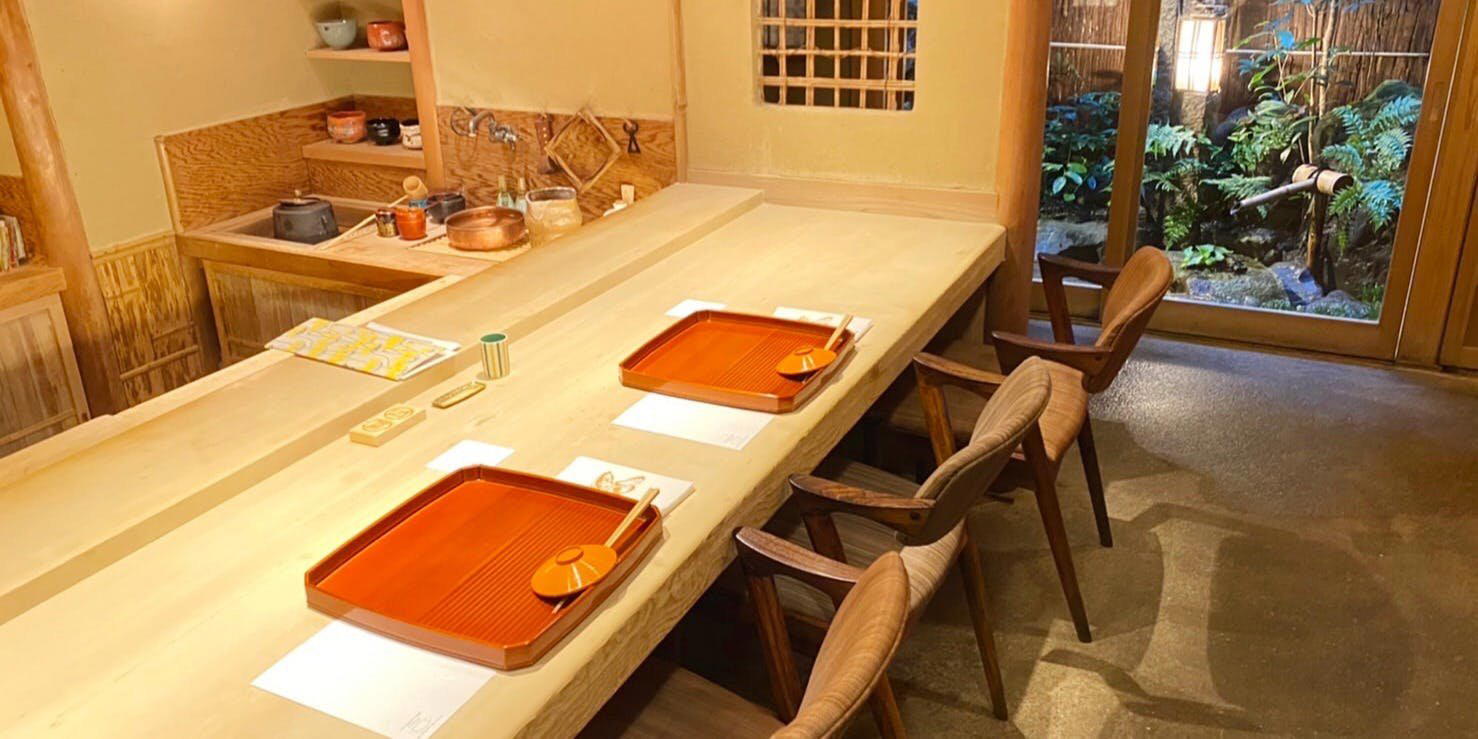
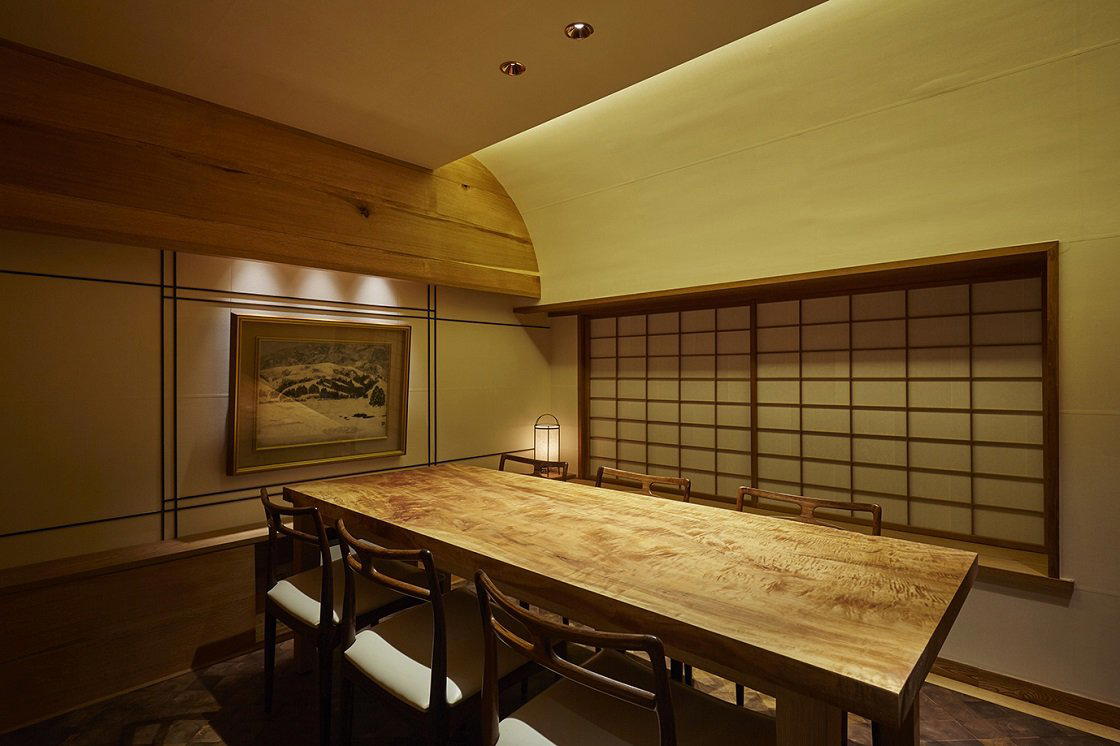
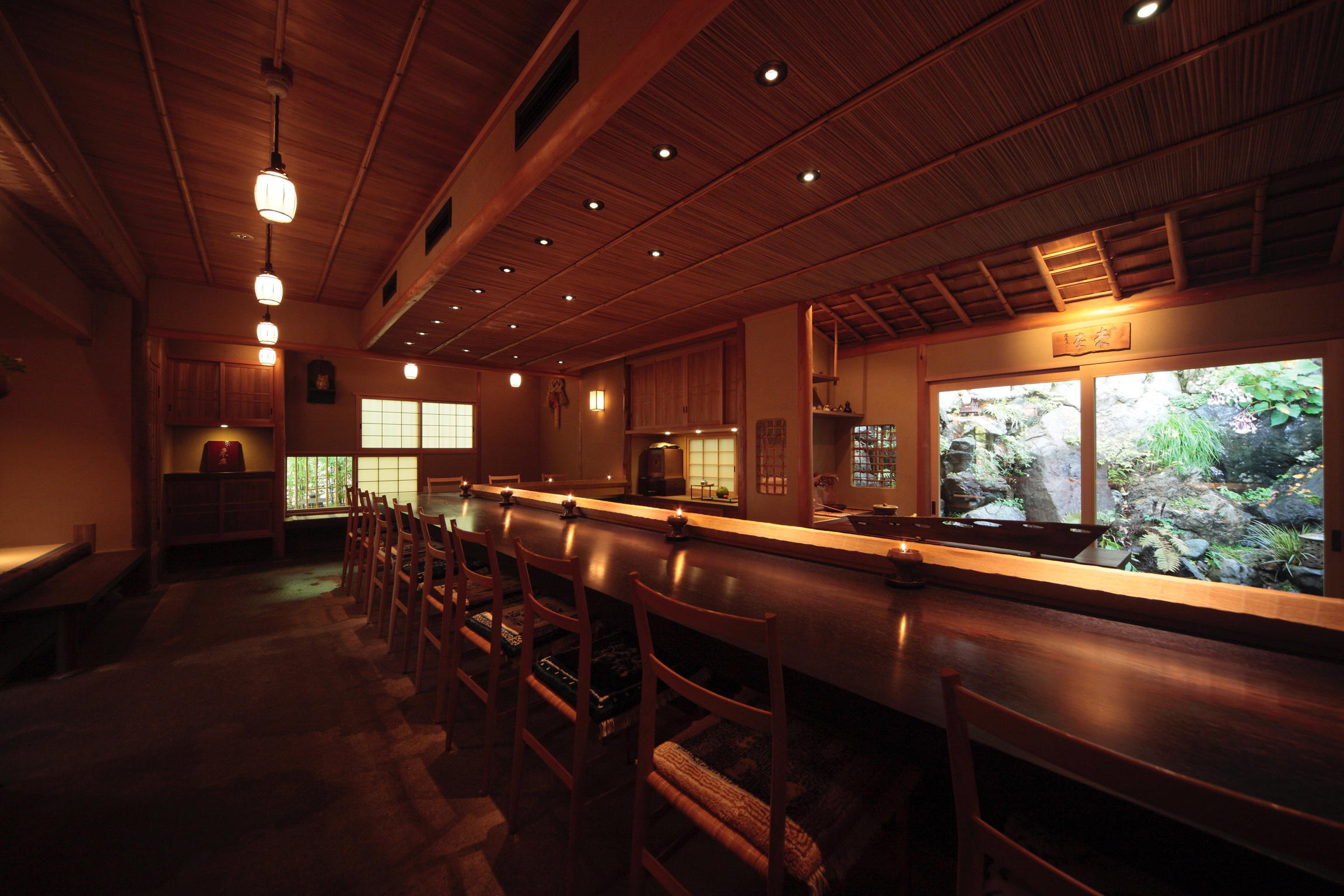
Serene, warm, and inviting atmosphere in a traditional Kyoto-style house restaurant with counter seating that encourages intimate conversation and relaxation without formality.