
1 Michelin Star
Our verdict
A Michelin-starred kappo in Kyoto's Yamashina Ward where a husband-and-wife team receives only one party per evening. The meal follows a considered sequence rooted in Kyoto tradition: congee to open, white-miso wanmono through the middle, and clay-pot rice to close.

Pearl is the En Primeur Club membership app, where members save venues, book tables and use the concierge.
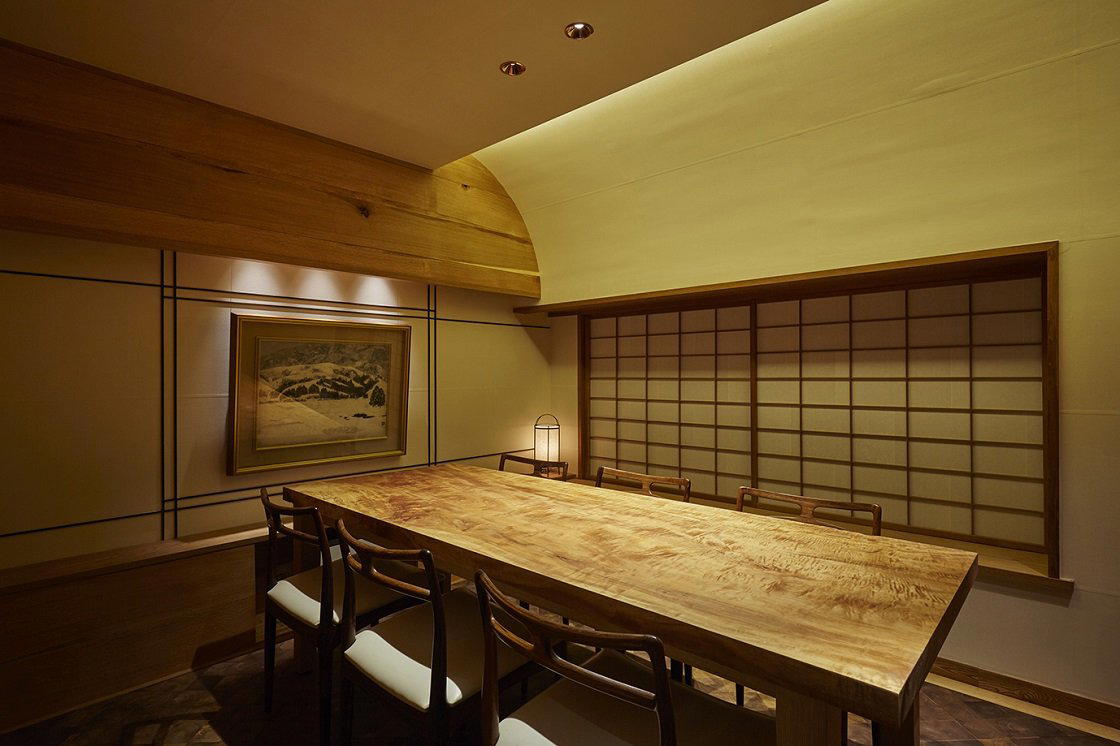
One Table, One Evening, One Kitchen
Yamashina Ward sits at the eastern edge of Kyoto, separated from the central wards by a low mountain pass that kept it historically distinct from the city's more ceremonial districts. Restaurants here operate outside the concentrated tourist circuits of Gion and Higashiyama, which means the dining room at Kamanza Nagashima, a kappo run by a couple who accept no more than one party per evening, functions with a quietness that few comparable kitchens in Japan can claim. There is no ambient hum of adjacent tables, no overlap of service timings, no kitchen racing between simultaneous covers. The entire production of the evening is directed at you.
That structural decision, limiting the room to a single party, is not a marketing position. It reflects a specific philosophy of hospitality that Kyoto's kappo tradition has long held as a benchmark: the idea that genuine care cannot be divided past a certain point. Across Kyoto's Michelin-recognised kappo and kaiseki rooms, from three-star operations in central Gion to the mid-tier bracket that Kamanza Nagashima occupies at ¥¥¥, the constraint of small service is typically the mechanism through which quality is maintained. Here, that constraint is taken to its logical end.
Sequence and Restraint: Reading the Menu as a Kyoto Document
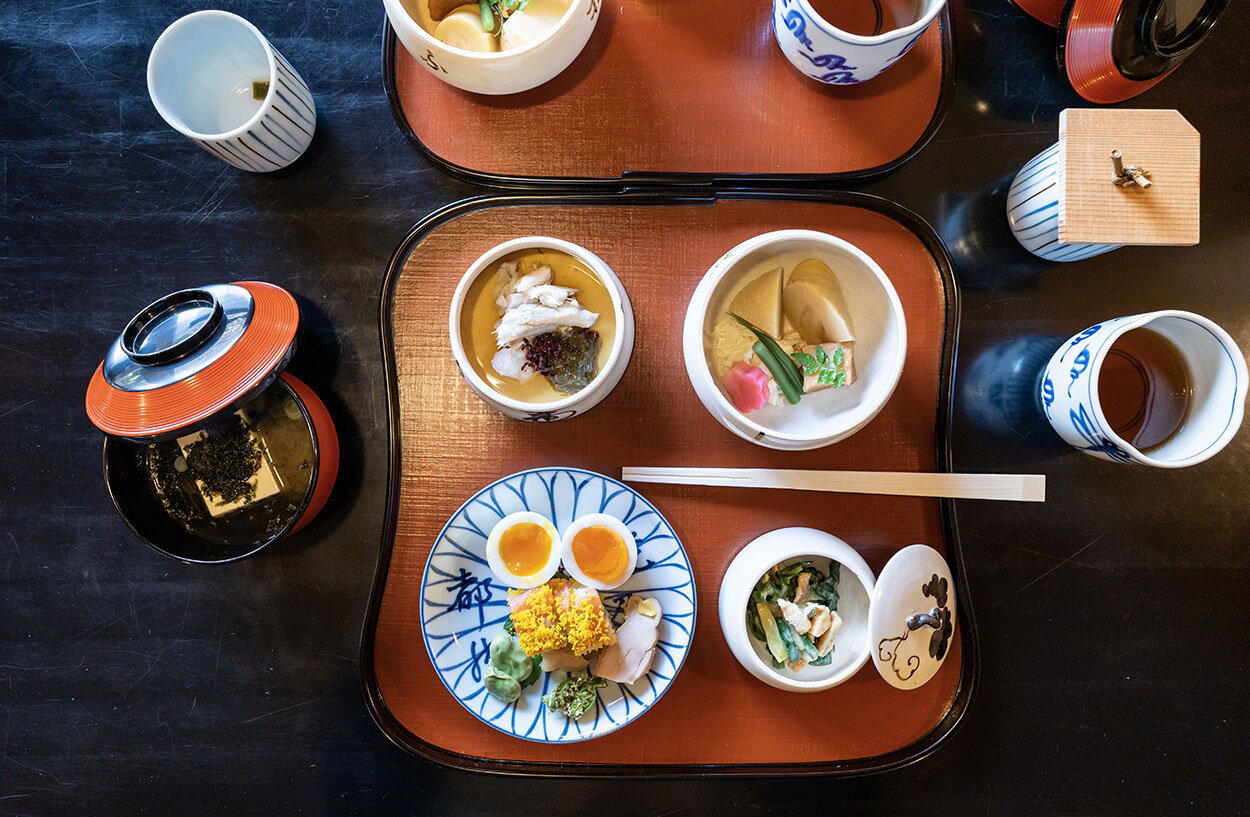
The meal at Kamanza Nagashima follows a structure that reads as a considered statement about Kyoto cooking rather than a personal chef's conceit. It opens with congee, or an alternative of steamed mochi rice topped with seasonal items, a deliberately gentle entry point that reflects the Kyoto kitchen's long-standing resistance to front-loaded drama. Where a kaiseki counter in central Kyoto might open with a composed sakizuke designed to announce technique, kappo in this register often begins with something that asks the diner to slow down first.
That same restraint governs the wanmono course, here a white-miso soup. The choice is specific to Kyoto's culinary grammar: white miso, produced from a shorter fermentation than red varieties, carries a sweetness that aligns with the local preference for subtlety over assertion. It appears at kappo and kaiseki tables across the city, from the formal settings of Isshisoden Nakamura to more intimate neighbourhood rooms, and its presence here is less a signature detail than a mark of regional fidelity. The sake service, accompanied by a sequence of snacks, follows the rhythms of a traditional kappo progression rather than a modern tasting menu format.
The meal closes with white rice cooked in clay pots, served alongside house-made pickled vegetables prepared by the proprietress. Clay-pot rice has become something of a closing ritual across Kyoto's better kappo and kaiseki rooms because it asks a direct question about technical competence: the quality of the crust, the moisture gradient through the pot, the timing of the rest. There is nowhere to hide in a bowl of plain rice. That the couple frames this course as the truest expression of kitchen skill places it in a tradition of evaluation that Kyoto diners understand well.
Where Kamanza Nagashima Sits in Kyoto's Kappo Tier
Kyoto's Michelin-recognised restaurant scene in 2024 spans a wide range of formats and price points. At the upper end, three-star kaiseki operations such as Gion Sasaki operate at ¥¥¥¥ with formal multi-course structures and international reservation demand. The two-star tier, occupied by rooms like Ifuki and Kyokaiseki Kichisen, also anchors in kaiseki at ¥¥¥¥. Kamanza Nagashima holds its single Michelin star at ¥¥¥, which places it in a bracket that includes other one-star rooms across the city working in different idioms, Gion Matayoshi, Kenninji Gion Maruyama, and Kikunoi Roan among them.
Within that single-star tier, Kamanza Nagashima occupies a position defined by format rather than price alone. The one-party-per-evening structure is not common even among intimate kappo rooms, which more typically operate with a small counter of six to eight seats served simultaneously. The comparison set, if one exists, includes a small number of private-dining kappo operations across Japan that have similarly elected scale constraints as a service principle.
For context on what single-star kappo and Japanese format restaurants are doing in other major Japanese cities, Myojaku in Tokyo and Azabu Kadowaki in Tokyo represent the metropolitan end of the same tradition, while akordu in Nara and Goh in Fukuoka show how the small-kitchen, high-attention format operates across different regional contexts.
The Sustainability Argument Built Into the Structure
The single-party format carries an environmental logic that is rarely stated but structurally present. A kitchen preparing for one group, not multiple simultaneous covers, can order with precision: no buffer inventory for unpredictable cover counts, no overproduction of mise en place that goes unused, no surplus stock from an over-estimated service. In the context of Kyoto's kaiseki and kappo tradition, where seasonal produce and proximity sourcing have always been default practice rather than marketing language, this structural minimalism becomes a form of waste reduction by design.
The proprietress's hand-made pickles are a further expression of this pattern. Fermentation and preservation have been central to Kyoto's food culture for centuries, partly as a practical response to the city's distance from the coast and its reliance on vegetables and preserved ingredients. House-made pickles produced from seasonal vegetables represent a form of whole-ingredient thinking that aligns with contemporary sustainability framing, though the tradition predates that language by generations. When similar approaches appear at other Kyoto rooms, including Kodaiji Jugyuan, they tend to be read as expressions of craft rather than environmental positioning. At Kamanza Nagashima, the context of a single-party kitchen makes the connection between care, precision, and low waste especially legible.
Clay-pot rice course reinforces this reading. Cooking rice in a clay pot, rather than a modern rice cooker, requires attention and skill but uses no more energy than necessary for one vessel serving one group. The technique privileges presence over efficiency, which in a restaurant context that has reduced its capacity to its irreducible minimum is a coherent extension of the same principle.
Planning a Visit
Kamanza Nagashima earned its Michelin star in 2024, which has increased international visibility and added pressure to an already limited booking window. A room that accepts one party per evening has, structurally, the fewest available reservations of any restaurant in its category. Prospective diners should plan several months ahead. The address in Yamashina Ward means the restaurant sits outside the central pedestrian circuits; arriving by taxi or public transport from central Kyoto takes roughly 20 to 30 minutes depending on the route and time of day.
For a broader picture of where Kamanza Nagashima sits within Kyoto's dining options, see our full Kyoto restaurants guide. For accommodation planning, our full Kyoto hotels guide covers the range from central machiya-style properties to larger international hotels. The Kyoto bars guide, Kyoto wineries guide, and Kyoto experiences guide round out the planning picture for a full visit.
For those building a multi-city Japanese itinerary, HAJIME in Osaka, Harutaka in Tokyo, 1000 in Yokohama, and 6 in Okinawa offer reference points for how Japan's Michelin-recognised dining operates at different price tiers and regional formats.
Know Before You Go
- Location: 20-1 Anshubabanonishicho, Yamashina Ward, Kyoto 607-8007
- Price range: ¥¥¥
- Awards: Michelin 1 Star (2024)
- Format: Kappo; one party accepted per evening
- Booking lead time: Several months recommended given single-party capacity
- Getting there: Yamashina Ward is approximately 20-30 minutes from central Kyoto by taxi or train
Frequently asked questions
Is Kamanza Nagashima more mid-range or high-end?
Pricing at Kamanza Nagashima is listed as ¥¥¥.
What kind of recognition has Kamanza Nagashima received?
Kamanza Nagashima has received recognition including: A kappo run by a kind-hearted couple, who pour their hearts into making diners feel welcome, which is why they only cater to one party per evening. The meal begins with congee, or steamed mochi rice topped with seasonal items and then cont….
What do regulars order at Kamanza Nagashima?
The kitchen operates on a fixed-progression set menu, so there is no à la carte selection to navigate. The sequence moves from congee or steamed mochi rice through sake and snacks, a white-miso wanmono, and closes with white rice cooked in clay pots, a dish the chef considers the clearest measure of cooking skill. Pickled vegetables made by the proprietress accompany the final course.
Where is Kamanza Nagashima in Kyoto?
Kamanza Nagashima is located at 20-1 Anshubabanonishicho, Yamashina Ward, Kyoto, 607-8007, Japan, Kyoto.
How far ahead should I plan for Kamanza Nagashima?
With one party accepted per evening, available slots are scarcer here than at almost any other Michelin-starred restaurant in Kyoto. The 2024 Michelin one-star recognition has added significant international demand to an already narrow booking window, so planning several months ahead is a reasonable baseline. No direct booking contact is listed publicly, so reaching out through your accommodation concierge or a specialist reservation service is the practical approach.
What is Kamanza Nagashima known for?
Kamanza Nagashima is a Michelin one-star kappo in Kyoto's Yamashina Ward that accepts a single party per evening, making it one of the most structurally intimate restaurants in the city. A couple runs the kitchen and dining room, and the meal follows a set sequence rooted in Kyoto cooking, white-miso wanmono, clay-pot rice, and house-made pickles among the defining elements. The format prioritises attention over volume, with the proprietress's handmade pickles and the chef's clay-pot rice course carrying particular significance.
Quick Comparison
| Venue | Cuisine | Price | Awards | Notes |
|---|---|---|---|---|
| Kamanza NagashimaThis venue (the venue you are viewing) | Traditional Japanese Kappo | Not listed | 1 Michelin Star | Not listed |
| Gion Sasaki | Modern Kaiseki | $300–500 | 3 Michelin Stars · La Liste Top Restaurants | Kaiseki, Japanese |
| cenci | Innovative Italian-Japanese Fusion | $100–150 | 1 Michelin Star · World's 50 Best #76 | Italian |
| Ifuki | Sumibi Kappo Kaiseki | $200–300 | 2 Michelin Stars · La Liste Top Restaurants | Kaiseki |
| Kyokaiseki Kichisen | Kyoto Kaiseki | $200–300 | 2 Michelin Stars · La Liste Top Restaurants | Japanese |
| Kyo Seika | Modern Chinese Fine Dining | $150–200 | 1 Michelin Star · Tabelog Bronze #216 | Chinese |
Recognition history
Dated appearances from independent guides and award organizations, with the underlying list record or original source where available.
Michelin 1 Star
Michelin
Full recognition history (3 entries)
Michelin Plate
Michelin
Michelin 1 Star
Michelin
Continue exploring
More in Kyoto
Restaurants in Kyoto
All restaurants in Kyoto →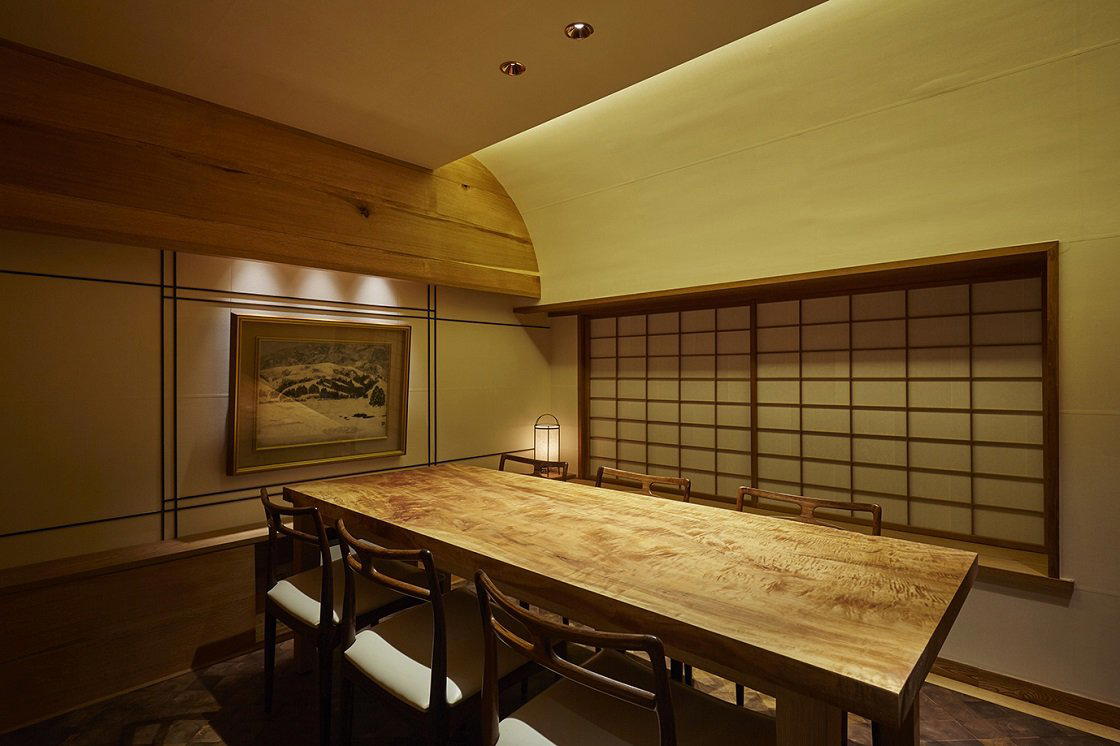
Bars in Kyoto
All bars in Kyoto →

Hotels in Kyoto
All hotels in Kyoto →
Wineries in Kyoto
Browse all →
Details
- Intimate
- Elegant
- Special Occasion
- Sake Program
- Counter Dining
- Vegetarian Friendly
Current opening hours
- Monday
- 11:30 AM–9:30 PM
- Tuesday
- 11:30 AM–9:30 PM
- Wednesday
- 11:30 AM–9:30 PM
- Thursday
- 11:30 AM–9:30 PM
- Friday
- 11:30 AM–9:30 PM
- Saturday
- 11:30 AM–9:30 PM
- Sunday
- 11:30 AM–9:30 PM
Hours can change for holidays and private events. Hours as of .
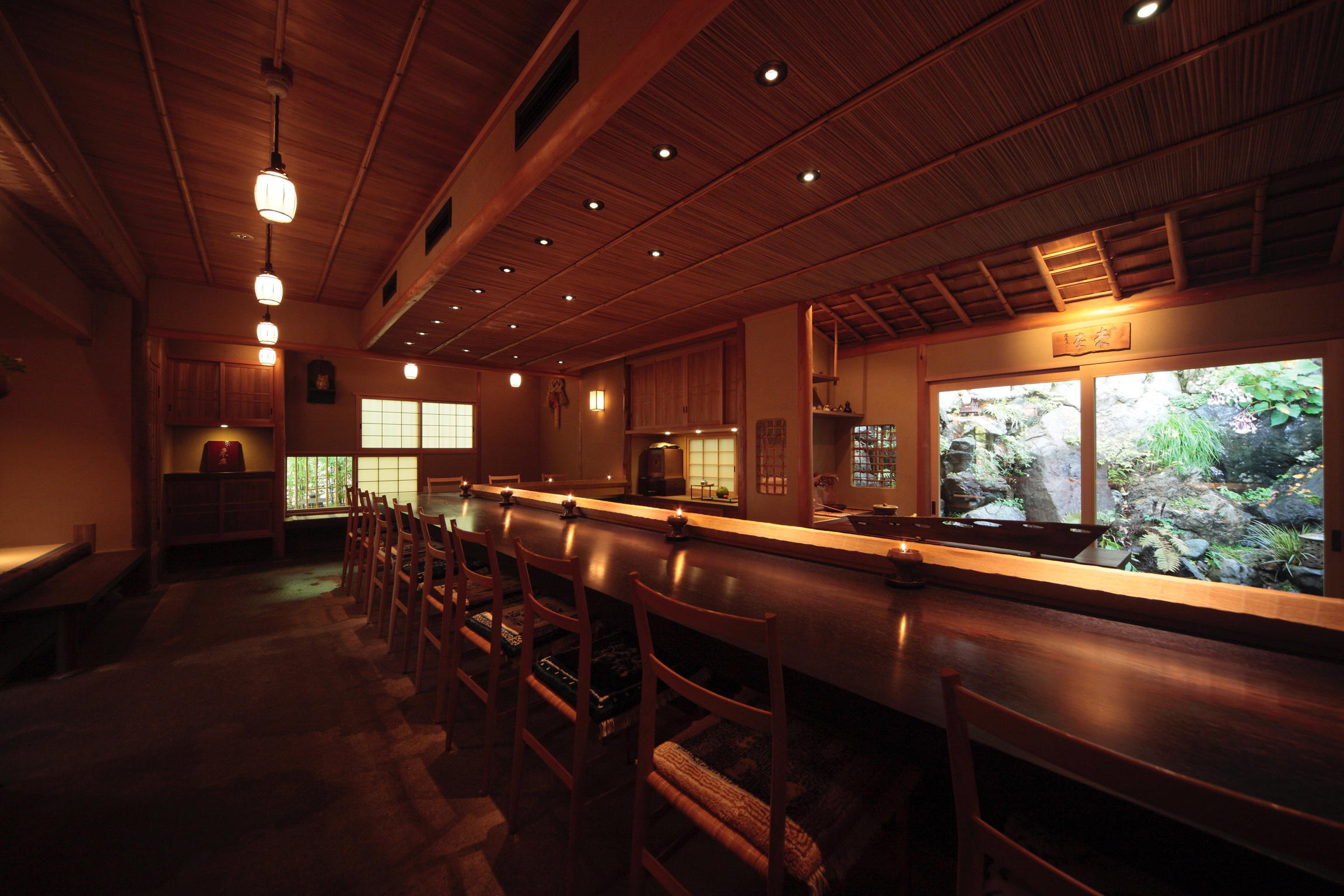
Unassuming and intimate with counter and tatami seating, offering a welcoming hideaway atmosphere.