
Sushi Hayashi in Kyoto's Kamigyo Ward operates at the ¥¥¥¥ tier with a technique that deliberately avoids sugar in the rice seasoning, drawing sweetness from the fish itself. The kitchen follows Kyoto seasonal custom, serving mackerel and steamed sushi through autumn and winter. A Michelin Selected recognition places it within the city's serious sushi conversation.
Pearl is the En Primeur Club membership app — saves, bookings, and concierge access live there. Same editors, same standards.
- Address
- Japan, 〒602-0825 Kyoto, Kamigyo Ward, Omotecho, 31-1 グランコスモ御所 101
- Phone
- +81 75-746-3020
- Website
- tablecheck.com
- Directions
- Get directions
 Saves & bookings on Pearl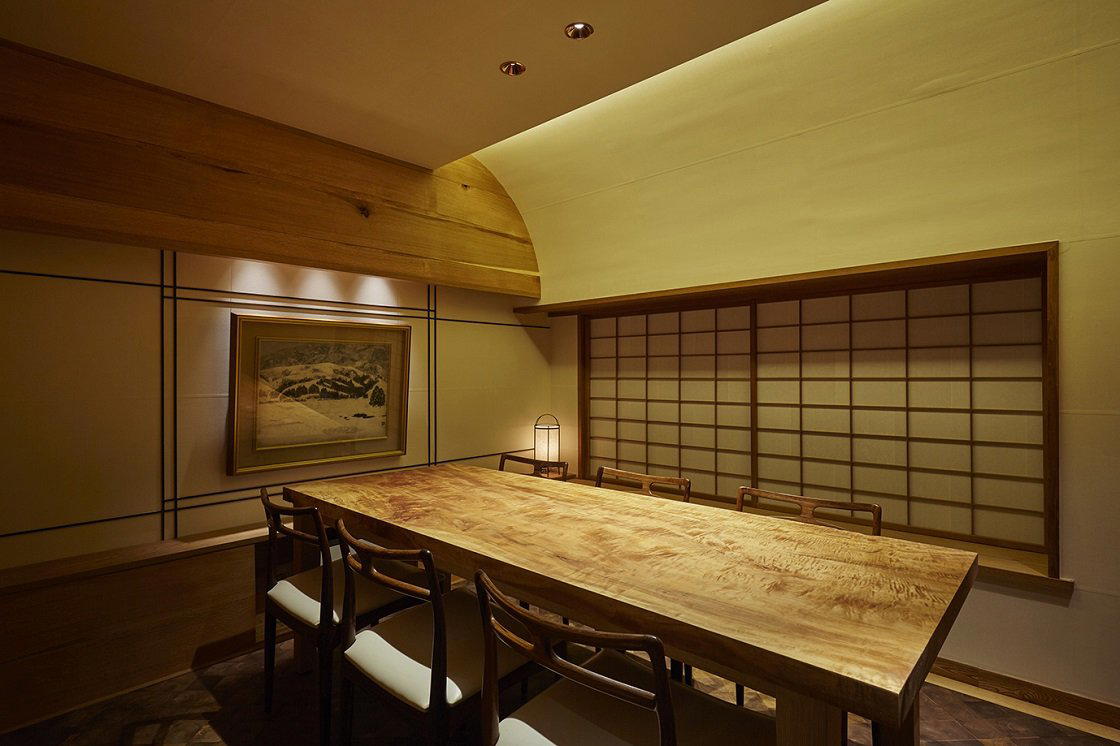
Sushi in Kyoto: What the City Demands From the Format
Kyoto does not take naturally to sushi the way Tokyo or Osaka do. The city's culinary identity runs through kaiseki, precision vegetable cookery, and a centuries-old tradition of restrained, ingredient-led presentation. That context matters when you walk into a sushi counter here, because the expectations placed on the format are different. At the ¥¥¥¥ price tier, a Kyoto sushi-ya is not simply competing with other sushi counters in the city; it is competing for attention and expenditure against kaiseki houses at the same price point, venues like KASHIWAI and Kikunoi Sushi Ao. The sushi counter that earns its place in this environment has to offer something the kaiseki room cannot.
Sushi Hayashi, located in Kamigyo Ward near the Imperial Palace district, earns recognition through a technical approach that has absorbed Kyoto's preoccupation with restraint and seasonality without abandoning what makes Edo-style sushi structurally coherent.
The Rice Logic
Sushi rice is the single most consequential variable in evaluating a counter at this level. Seasoning philosophy divides practitioners: sugar is commonly used to round the vinegar and build a faster, more accessible sweetness. At Sushi Hayashi, sugar is absent from the rice entirely. The seasoning runs on rice vinegar and salt alone, which requires the fish itself to complete the flavour arc. This is a higher-risk calibration. It demands that the seafood selection carry more expressive sweetness in its own right, and it shifts the burden of the course's enjoyment from the rice base to the interaction between rice and topping. For the diner, the implication is that the meal reads less as a series of discrete bites and more as a continuous conversation between components.
Temperature management follows from this. Because the rice seasoning is leaner, the topping's temperature at the moment of service becomes a variable the kitchen controls carefully, varying by preparation to maintain coherence across the sequence. The progression begins with squid, a light-flavoured piece that orients the palate toward the rice before heavier fish follow. This is not arbitrary sequencing; it is pacing strategy, and it is the kind of structural detail that separates counters that have thought through the full arc of a sitting from those that build around peak bites alone.
Seasoning as Editorial Statement
The condiment choices applied to different fish categories reveal a kitchen working in dialogue with Kyoto's broader flavour tradition. Blueback fish, the mackerel, sardine, and horse mackerel group known for their stronger, more assertive oils, receive kinome (the aromatic leaf buds of the Japanese pepper tree). White-fleshed fish are paired with a paste of chilli pepper and yuzu zest. Both choices use local, seasonal aromatics rather than the standard wasabi-and-soy template that dominates most Edo-style counters. This is not fusion; it is Kyoto-inflected sushi, using the city's aromatic vocabulary to modulate flavour without disrupting structural coherence.
The autumn-to-winter appearance of mackerel sushi and steamed sushi (mushizushi) is a direct reference to Kyoto's historical sushi tradition. Mushizushi is a preparation specific to the region, made by gently warming the assembled piece over steam, a format rarely seen at Tokyo-style counters. That Sushi Hayashi runs this alongside its hand-formed pieces during the colder months signals an awareness of, and commitment to, the local canon. Comparable venues in the city, including Izugen and Izuu, have built their identities around Kyoto-specific sushi formats, but operate at different price points and with different structural frameworks. The restaurant sits closer to the omakase counter model, where Kyoto seasonality becomes a thread within a larger tasting sequence rather than the entire premise.
Value at the ¥¥¥¥ Tier in Kyoto
Spending at the ¥¥¥¥ level in Kyoto requires a conscious decision about what you are buying. The city's kaiseki tradition is so deeply resourced and historically embedded that a diner can spend the same amount and access among the more fully realised dining formats in the world. Against that competition, a sushi counter has to justify its position on specificity: a technique, a sourcing chain, a seasonal alignment that you cannot replicate by walking into a kaiseki room.
The restaurant's case rests on the no-sugar rice philosophy, the Kyoto-specific aromatic condiments, and the seasonal mushizushi programme. These are not marketing points; they are structural decisions that affect what lands on the plate. The Michelin Selected recognition provides external validation that the execution meets a professional standard. For comparison, Sushi Rakumi operates at the same price tier within the city and serves as a useful benchmark for what ¥¥¥¥ sushi in Kyoto looks like across different technical approaches. Further afield, the standard shifts considerably: Harutaka in Tokyo represents what a three-Michelin-star Edo-style counter demands in terms of price and precision, while export formats like Sushi Shikon in Hong Kong and Shoukouwa in Singapore show how the format translates at premium price points outside Japan. The restaurant occupies a narrower, more local register: a Kyoto counter doing sushi on Kyoto's terms.
Planning Your Visit
The restaurant is located at グランコスモ御所 101, Omotecho 31-1, Kamigyo Ward, Kyoto, in the neighbourhood immediately east of the Imperial Palace grounds. The area is quieter than the more tourist-saturated corridors of Gion or Pontocho, which is consistent with a counter that appears to draw primarily from a local and returning audience. Budget: ¥¥¥¥, placing the meal in the upper tier of Kyoto dining expenditure. Reservations: Essential. Timing: Autumn and winter are particularly complete seasons in terms of menu range, as the mackerel and mushizushi preparations are specific to that period. A spring or summer visit will focus more exclusively on the hand-formed omakase sequence.
Elsewhere in the Kansai region, HAJIME in Osaka and akordu in Nara anchor different ends of the premium dining spectrum. For those extending a Japan itinerary further, Goh in Fukuoka, 1000 in Yokohama, and 6 in Okinawa each represent distinct regional expressions of premium Japanese dining.
The Short List
Comparable venues nearby, for context on price, style, and recognition.
| Venue | Cuisine | Price |
|---|---|---|
| Sushi HayashiThis venue — the venue you are viewing | Kamigyō, Edomae x Kyoto-Style Omakase | $$$ |
| Godan Miyazawa | Shimogyō, Michelin-Starred Tea Kaiseki | $$$$ |
| Jiki Miyazawa | Nakagyō, Modern Kaiseki | $$$ |
| Ryoriya Maekawa | Shimogyō, Modern Japanese Fine Dining | $$$ |
| Hassun | Higashiyama, Traditional Kyoto Kappo | $$$$ |
| Mitsuyasu | Kamigyō, Seasonal Kaiseki Omakase | $$$$ |
Recognition history
Dated appearances from independent guides and award organizations, with the underlying list record or original source where available.
Michelin Plate
Michelin
Michelin Plate
Michelin
Continue exploring
More in Kyoto
Restaurants in Kyoto
Browse all →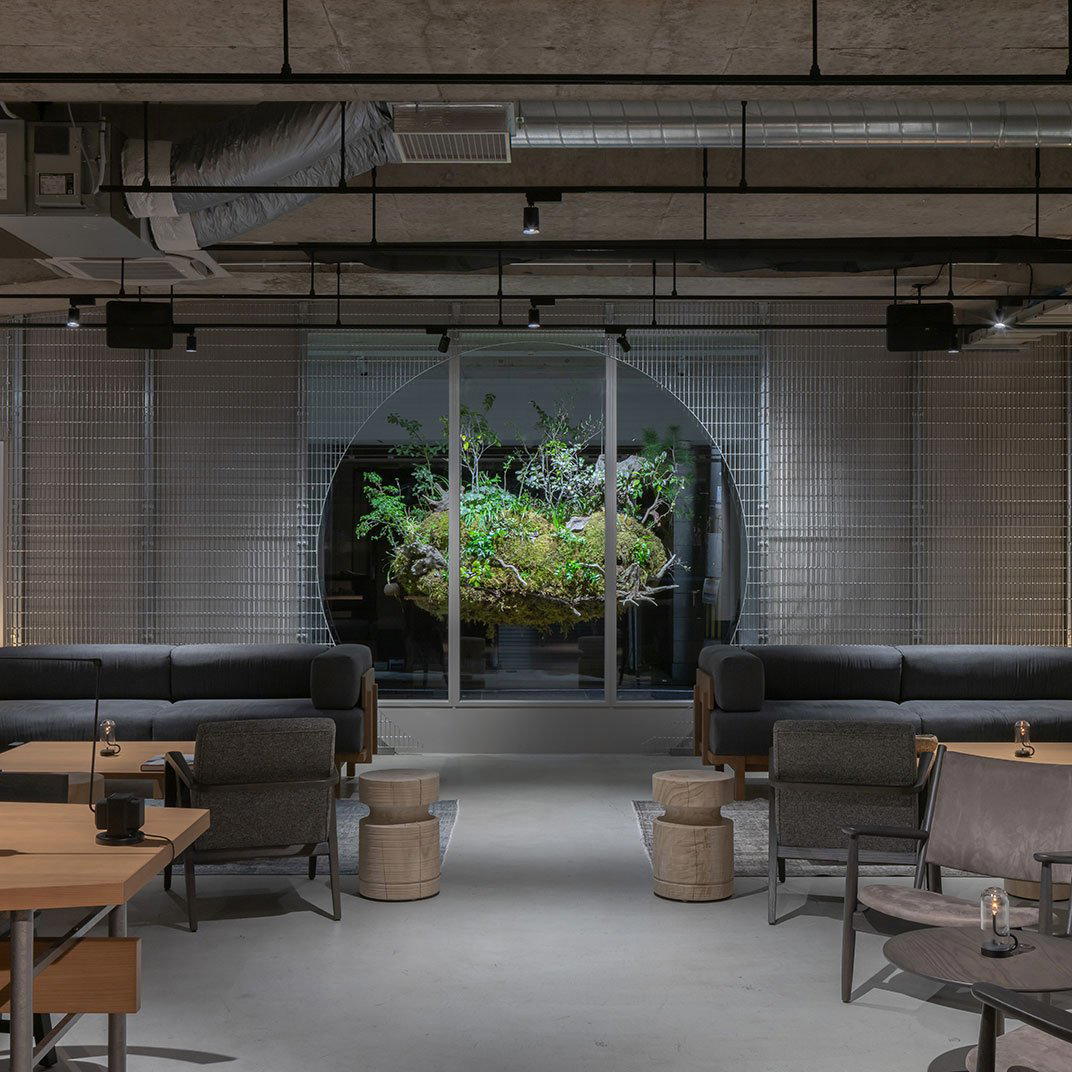
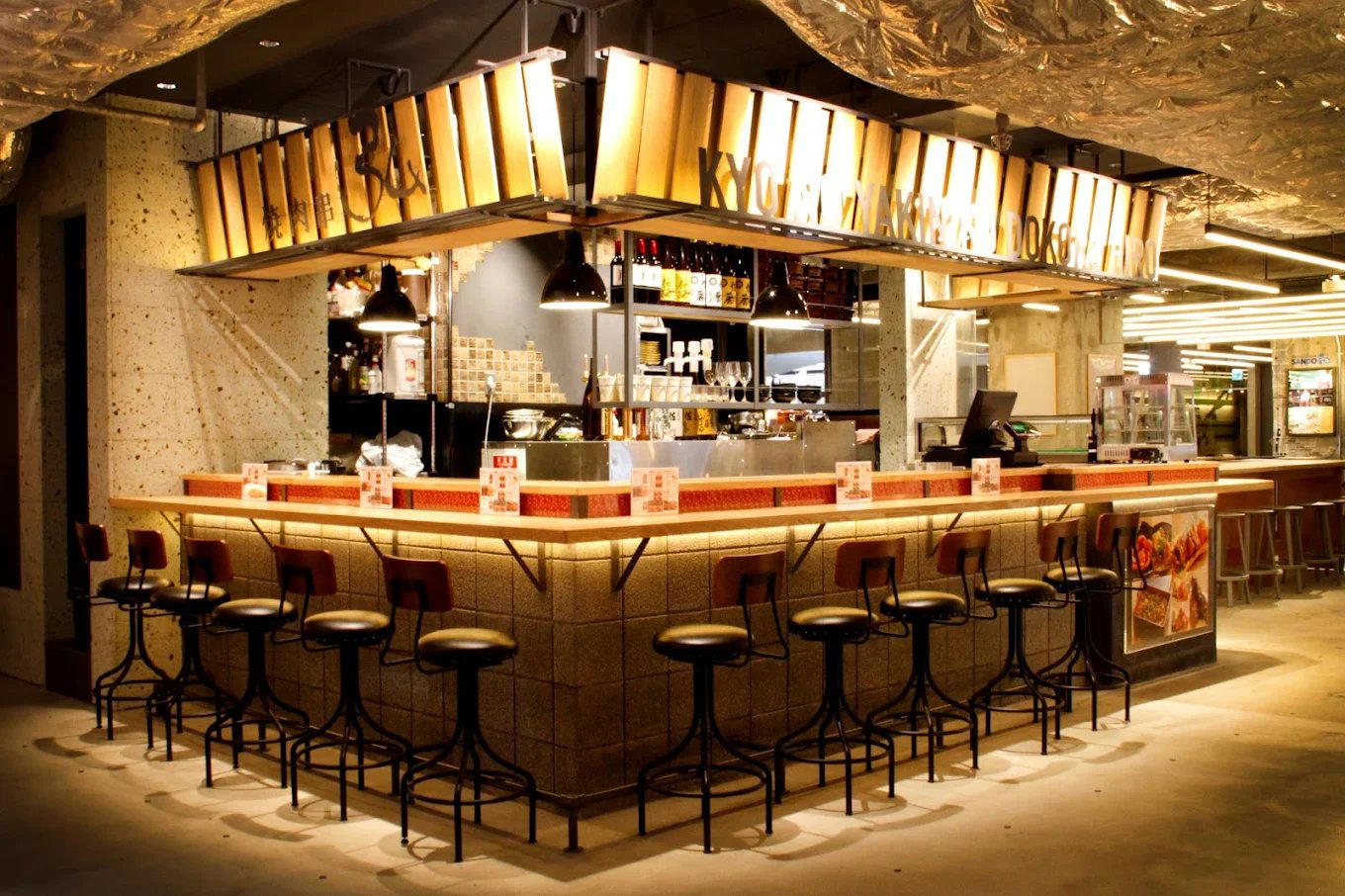
Bars in Kyoto
Browse all →

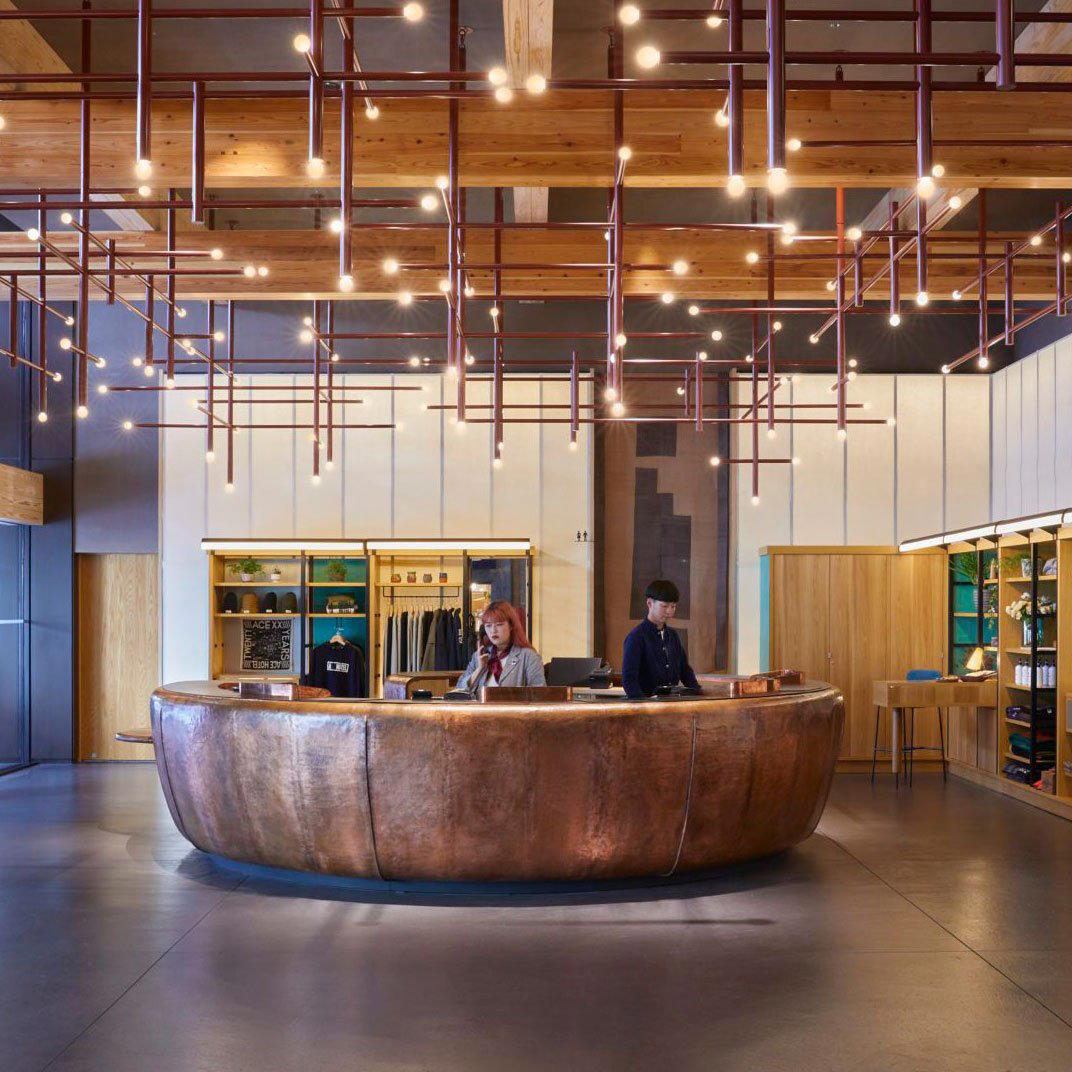
Hotels in Kyoto
Browse all →

Wineries in Kyoto
Browse all →
At a Glance
- Intimate
- Elegant
- Cozy
- Sophisticated
- Date Night
- Special Occasion
- Business Dinner
- Chefs Counter
- Sake Program
- Local Sourcing
- Sustainable Seafood
Current opening hours
- Monday
- 6–9 PM
- Tuesday
- 12–2 PM, 6–9 PM
- Wednesday
- Closed
- Thursday
- Closed
- Friday
- 6–9 PM
- Saturday
- 12–2 PM, 6–9 PM
- Sunday
- 12–2 PM, 6–9 PM
Hours can change for holidays and private events. Last verified .
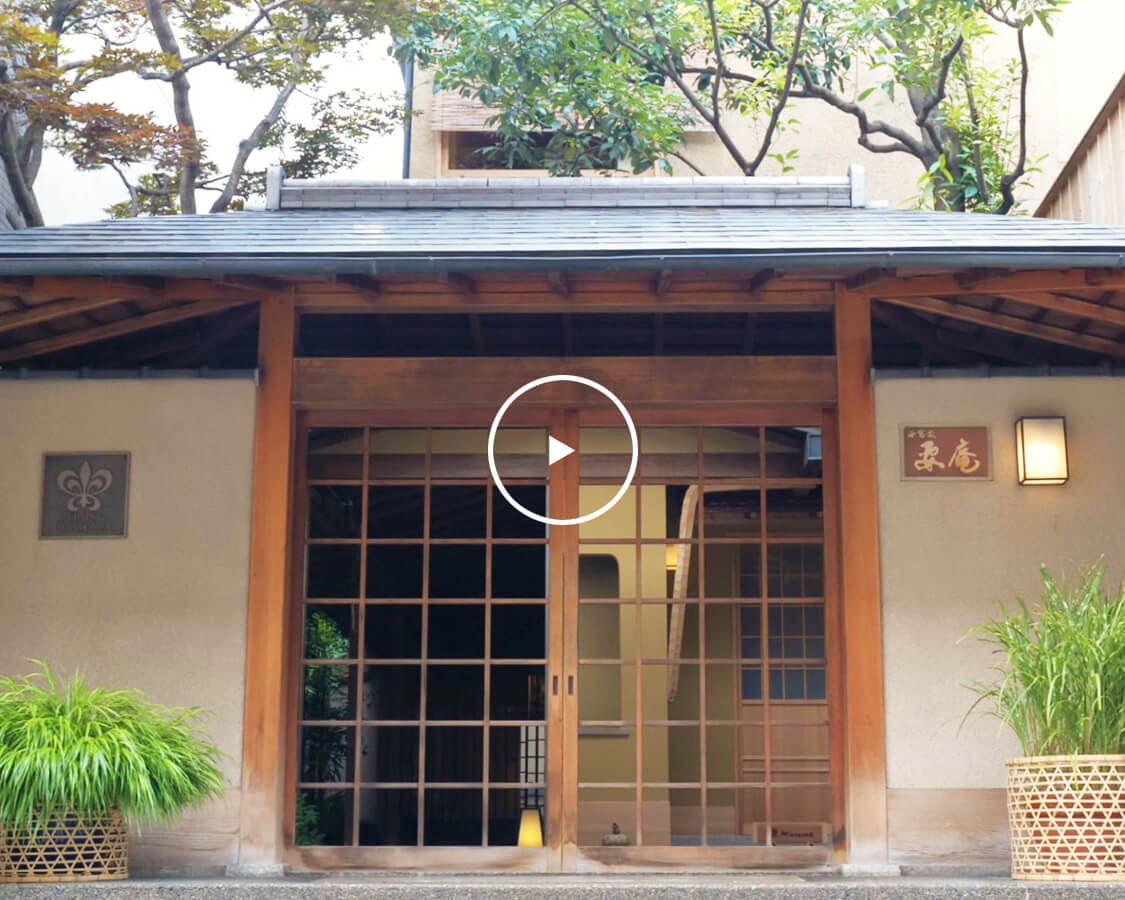
Cozy Japanese-style space with soothing ambience, calm and serene atmosphere at the chef's counter.