
Michelin Plate
Our verdict
A fourth-generation kitchen lineage shapes dishes accompanied by handwritten waka poetry and Buddhist blessings, placing this restaurant in a small tier of Kyoto dining rooms where craft, cultural continuity, and considered sourcing converge at a ¥¥¥ price point.

Pearl is the En Primeur Club membership app, where members save venues, book tables and use the concierge.
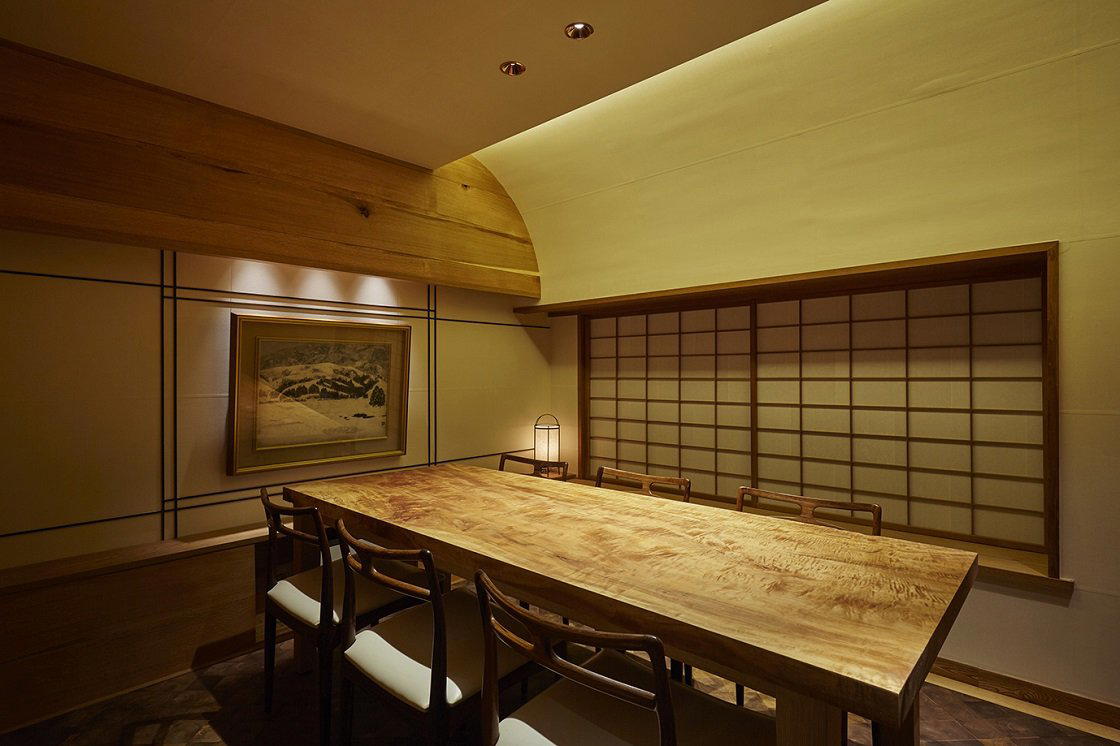
Hanamikoji Street and the Weight of Continuity
Hanamikoji Street carries more dining history per metre than almost anywhere in Japan. The cobbled corridor running through Gion's southern half has hosted tea-house culture, geiko banquets, and formal kaiseki for centuries, and the restaurants that have survived here have done so not through reinvention but through studied precision. Walking this street at dusk, with paper lanterns beginning to glow and the sound of wooden geta on stone, places you inside a scene that has changed remarkably little in its essential character. Mokubei occupies a position on this street that is, by Kyoto standards, entirely unremarkable in the leading sense: a room that assumes you understand why you are there.
Among Gion's Michelin-recognised dining rooms, Mokubei sits at the ¥¥¥ tier, a notch below the ¥¥¥¥ kaiseki institutions such as Gion Matayoshi and Isshisoden Nakamura. That positioning matters. It signals a deliberate focus on a specific discipline rather than the full architectural sweep of kaiseki, and it places the room in conversation with guests who are seeking depth over breadth.
Eel as Discipline, Not Feature
In Kyoto cuisine, eel occupies a category distinct from its role in Tokyo or Osaka cooking. Kyoto's unagi tradition emphasises texture over char, restraint over sweetness, and the structural integrity of the fish over any sauce applied to it. At Mokubei, eel is described as the signature fare, and the preparation methodology reflects the commitment that designation implies: the fish is deboned by hand with a patience designed specifically to preserve the flesh's characteristic texture rather than accelerate service. This is a point worth dwelling on, because it speaks to a broader philosophy shared by Kyoto's most considered dining rooms.
The sustainability argument for this approach is implicit rather than declared. Slow, skilled deboning wastes less fish, preserves the full character of each piece, and requires a kitchen culture oriented around craft rather than throughput. In a city where freshwater eel populations face documented pressure across East Asia, the decision to work with the fish at this level of precision carries an ethical dimension that the most thoughtful Kyoto kitchens take seriously. The resource is treated accordingly.
Other Gion-area restaurants in the same neighbourhood, such as Kenninji Gion Maruyama and Kodaiji Jugyuan, draw on the Higashiyama ward's produce relationships and seasonal rhythms. Mokubei's focus on a single primary ingredient represents a different kind of commitment: rather than rotating seasonal variety, the kitchen deepens its relationship with one subject across the year.
Cultural Continuity as Editorial Practice
The handwritten waka poetry and Buddhist blessings that accompany dishes at Mokubei are not decorative additions. Waka, the classical Japanese verse form with a history reaching back to the 7th century, carries specific semantic and emotional weight in Kyoto culture. Serving it in the chef's own hand alongside food is an act of cultural transmission, an insistence that the meal is a document as much as a meal. Buddhist blessings at the table speak to the deeply integrated relationship between food and ritual in Kyoto's monastic and aristocratic dining traditions.
This practice connects Mokubei to a pattern visible across Kyoto's most generationally rooted restaurants: the use of food as a vehicle for preserving and transmitting the city's intellectual and spiritual heritage. Michelin's 2024 star and 2025 Plate recognition acknowledge this approach, though the most relevant assessment is what those distinctions signal about peer placement. The star positions Mokubei clearly above the city's everyday Japanese dining rooms while keeping it in a different register from the three-star kaiseki houses that operate at a different scale of formality and price.
For broader context on how Kyoto's dining scene distributes across styles and price points, see our full Kyoto restaurants guide.
Four Generations and What That Actually Means
Fourth-generation kitchens in Kyoto occupy a specific structural position. By the fourth generation, the founding generation's improvisations have become doctrine, the second generation's refinements have become technique, and the third generation's adaptations have become tradition. What the fourth generation inherits is a set of expectations so thoroughly embedded that any deviation is legible as a choice rather than an accident.
In practice, this means a kitchen culture where the ratio of inherited knowledge to personal expression is weighted heavily toward inheritance. The fourth-generation chef at Mokubei brings an additional layer described in the Michelin record as the inquisitive spirit developed through apprenticeship, suggesting that the received tradition has been tested against external reference rather than simply replicated. That combination: received depth plus external training, is characteristic of Kyoto's most durable dining rooms, where the tension between fidelity and curiosity is managed consciously rather than resolved in either direction.
Across Japan, this pattern appears in different forms. Harutaka in Tokyo represents the single-generation mastery model, while HAJIME in Osaka demonstrates the innovation-forward approach. Kikunoi Roan within Kyoto itself offers a comparative generational depth, operating at a higher price tier with a broader kaiseki format. For Japanese cuisine operating in different regional contexts, Myojaku and Azabu Kadowaki in Tokyo, akordu in Nara, Goh in Fukuoka, 1000 in Yokohama, and 6 in Okinawa each demonstrate how Japanese dining tradition expresses itself differently across geographies.
Where Mokubei Sits in Gion's Michelin Tier
Gion concentrates more starred restaurants per square kilometre than any other neighbourhood in Japan. That density creates a clear competitive architecture. At the upper end, multi-star kaiseki houses command ¥¥¥¥ pricing and require months of advance booking. At the entry level, a range of Plate-recognised and Bib Gourmand rooms serve Kyoto cooking at accessible prices. Mokubei's single-star, ¥¥¥ position sits between these bands, in a tier that rewards focused expertise over comprehensive kaiseki orchestration.
For those planning a broader visit to Kyoto, the city's hotels, bars, and cultural experiences are mapped in our Kyoto hotels guide, our Kyoto bars guide, our Kyoto wineries guide, and our Kyoto experiences guide.
Planning Your Visit
Mokubei is located at 570-120 Gionmachi Minamigawa, Higashiyama Ward, a short walk from Gion-Shijo Station on the Keihan Line. The address places it directly on Hanamikoji Street, within walking distance of several other Michelin-recognised rooms in the ward.
| Venue | Cuisine | Price Tier | Michelin Recognition | Format |
|---|---|---|---|---|
| Mokubei | Kyoto Japanese (Eel-focused) | ¥¥¥ | 1 Star (2024), Plate (2025) | Speciality, cultural accompaniment |
| Gion Sasaki | Kaiseki | ¥¥¥¥ | Michelin-recognised | Full kaiseki |
| Ifuki | Kaiseki | ¥¥¥¥ | Michelin-recognised | Full kaiseki |
| Kyokaiseki Kichisen | Japanese | ¥¥¥¥ | Michelin-recognised | Full kaiseki |
| cenci | Italian | ¥¥¥ | Michelin-recognised | Contemporary Italian |
Given the single-star status and the specificity of the format, booking well in advance is advisable for any Gion dining room at this tier. Dress expectations at Mokubei are not formally stated, but Hanamikoji's general dining culture leans toward considered, quiet presentation rather than formal Western attire.
What to Order at Mokubei
The eel preparation is the reference dish and the reason the room holds its Michelin recognition. The handwork involved in deboning is described explicitly in Michelin's own record of the restaurant, making the eel courses the most documented and therefore the most reliable ordering anchor. The accompanying waka poetry and Buddhist blessings are part of the experience as served, not optional additions, so the full sequence as presented by the kitchen is the appropriate way to approach a meal here. For diners comparing Kyoto's eel-focused rooms against its broader kaiseki offering, the contrast between Mokubei's speciality depth and the wider seasonal architecture of rooms like Kikunoi Roan is worth considering when choosing where to direct a Gion evening.
Frequently asked questions
Where exactly is Mokubei?
Mokubei is located at 570-120 Gionmachi Minamigawa, Higashiyama Ward, Kyoto, 605-0074, Japan, Kyoto.
A quick peer check to anchor this venue’s price and recognition.
| Venue | Cuisine | Price | Awards | Notes |
|---|---|---|---|---|
| MokubeiThis venue (the venue you are viewing) | Traditional Kyoto Kaiseki | $50–100 | Michelin Plate | Not listed |
| Gion Sasaki | Modern Kaiseki | $300–500 | 3 Michelin Stars · La Liste Top Restaurants | Kaiseki, Japanese |
| cenci | Innovative Italian-Japanese Fusion | $100–150 | 1 Michelin Star · World's 50 Best #76 | Italian |
| Ifuki | Sumibi Kappo Kaiseki | $200–300 | 2 Michelin Stars · La Liste Top Restaurants | Kaiseki |
| Kyokaiseki Kichisen | Kyoto Kaiseki | $200–300 | 2 Michelin Stars · La Liste Top Restaurants | Japanese |
| Kyo Seika | Modern Chinese Fine Dining | $150–200 | 1 Michelin Star · Tabelog Bronze #216 | Chinese |
Recognition history
Dated appearances from independent guides and award organizations, with the underlying list record or original source where available.
Michelin Plate
Michelin
Full recognition history (2 entries)
Michelin Plate
Michelin
Continue exploring
More in Kyoto
Restaurants in Kyoto
All restaurants in Kyoto →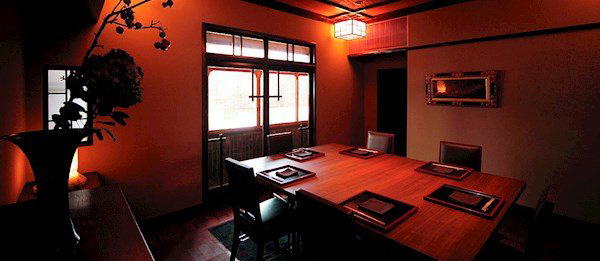
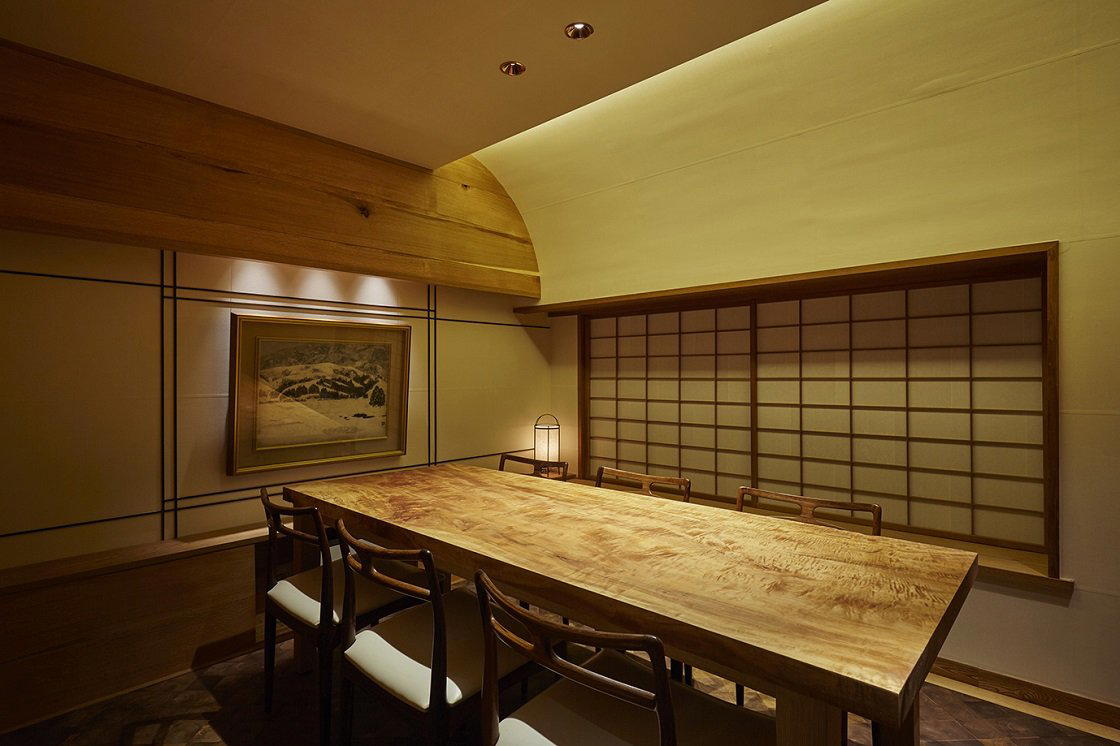
Bars in Kyoto
All bars in Kyoto →
Hotels in Kyoto
All hotels in Kyoto →
Wineries in Kyoto
Browse all →
Details
- Elegant
- Intimate
- Quiet
- Sophisticated
- Classic
- Date Night
- Special Occasion
- Celebration
- Chefs Counter
- Open Kitchen
- Private Dining
- Historic Building
- Local Sourcing
- Tasting Menu
- Counter Dining
- Set Menu
Current opening hours
- Monday
- 12–1 PM, 6–7:30 PM
- Tuesday
- 12–1 PM, 6–7:30 PM
- Wednesday
- 12–1 PM, 6–7:30 PM
- Thursday
- 12–1 PM, 6–7:30 PM
- Friday
- 12–1 PM, 6–7:30 PM
- Saturday
- 12–1 PM, 6–7:30 PM
- Sunday
- Closed
Hours can change for holidays and private events. Hours as of .
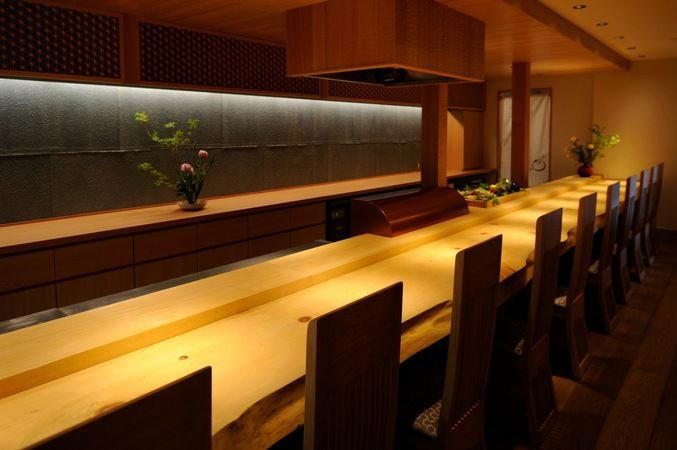
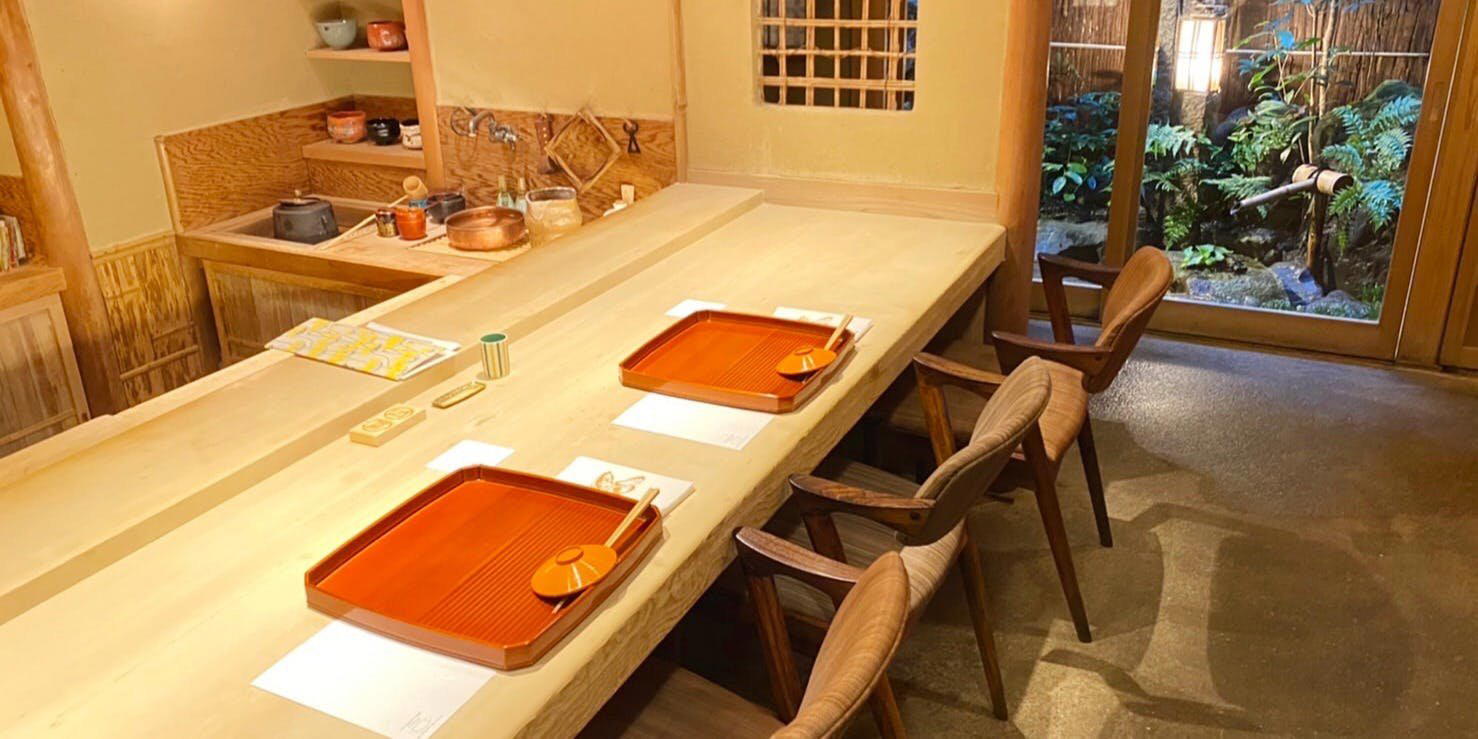
Warm hinoki wood and hand-polished stone counter in a discreet, serene setting with soft lighting that reveals carefully considered textures; an atmosphere of quiet luxury and refined restraint.