
Yoshizawa brings formal Japanese cuisine into Roppongi Hills without treating the setting as an afterthought. Its Tabelog 100 selection for Japanese cuisine in Tokyo in 2025, 30-seat scale, private-room structure, counter seating, sake and wine program, and fish-led kitchen place it in the city’s polished kaiseki tier rather than the casual Roppongi dining stream.
Pearl is the En Primeur Club membership app — saves, bookings, and concierge access live there. Same editors, same standards.
- Address
- Japan, 〒106-6608 Tokyo, Minato City, Roppongi, 6 Chome−10−1 Roppongi Hills Mori Tower ウェストウォーク 5階
- Phone
- +81 3-6812-9799
- Website
- yoshizawa-roppongi.com
 Saves & bookings on Pearl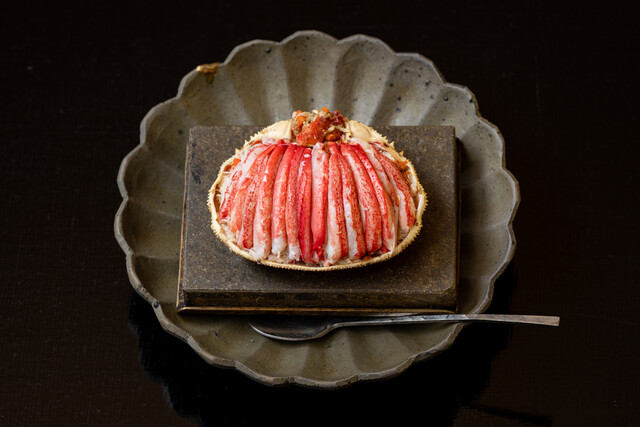
Roppongi Hills changes how Japanese fine dining is read before the first course: vertical, polished, metropolitan, with glass, retail corridors, controlled arrival, and dinner framed as part of a larger evening rather than a hidden appointment. Yoshizawa fits that setting as a Roppongi expression of Japanese cuisine: composed, reservation-led, and suited to guests who want a structured course meal with enough privacy and service choreography for business dinners, celebrations, and serious meals without Ginza formality.
Tokyo’s Japanese cuisine category is broader than many visitors assume, spanning austere counters, kappo rooms, kaiseki houses, hotel dining, and polished urban restaurants where the front-of-house team must read the table as closely as the kitchen reads the season. Yoshizawa sits in the latter bracket. It was selected for Tabelog 100 Japanese cuisine Tokyo in 2025 and appears in the 2023 selection history, useful signals in a city where Japanese restaurants compete across many service formats and price bands.
Fish-led Japanese cuisine in a Roppongi Hills room
The kitchen’s stated emphasis is fish, placing the meal in a long Tokyo habit: seafood is not a garnish to kaiseki, but a main measure of judgment. In a formal Japanese meal, sequence matters as much as each plate. The point is pacing, temperature, cuts, seasoning, and the rhythm created by rice, broth, grilled items, and seasonal produce. Team coordination is central. The kitchen, drinks service, and floor staff must move as one, because the meal loses force if sake or wine arrives late, the room feels rushed, or the private-room format disconnects guests from the cooking.
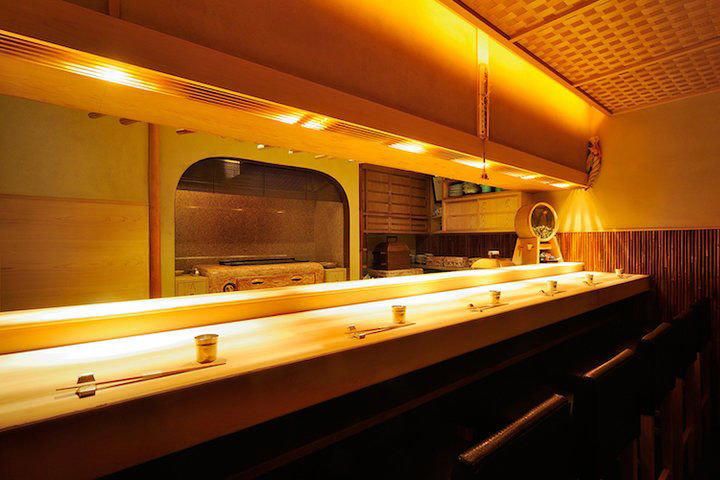
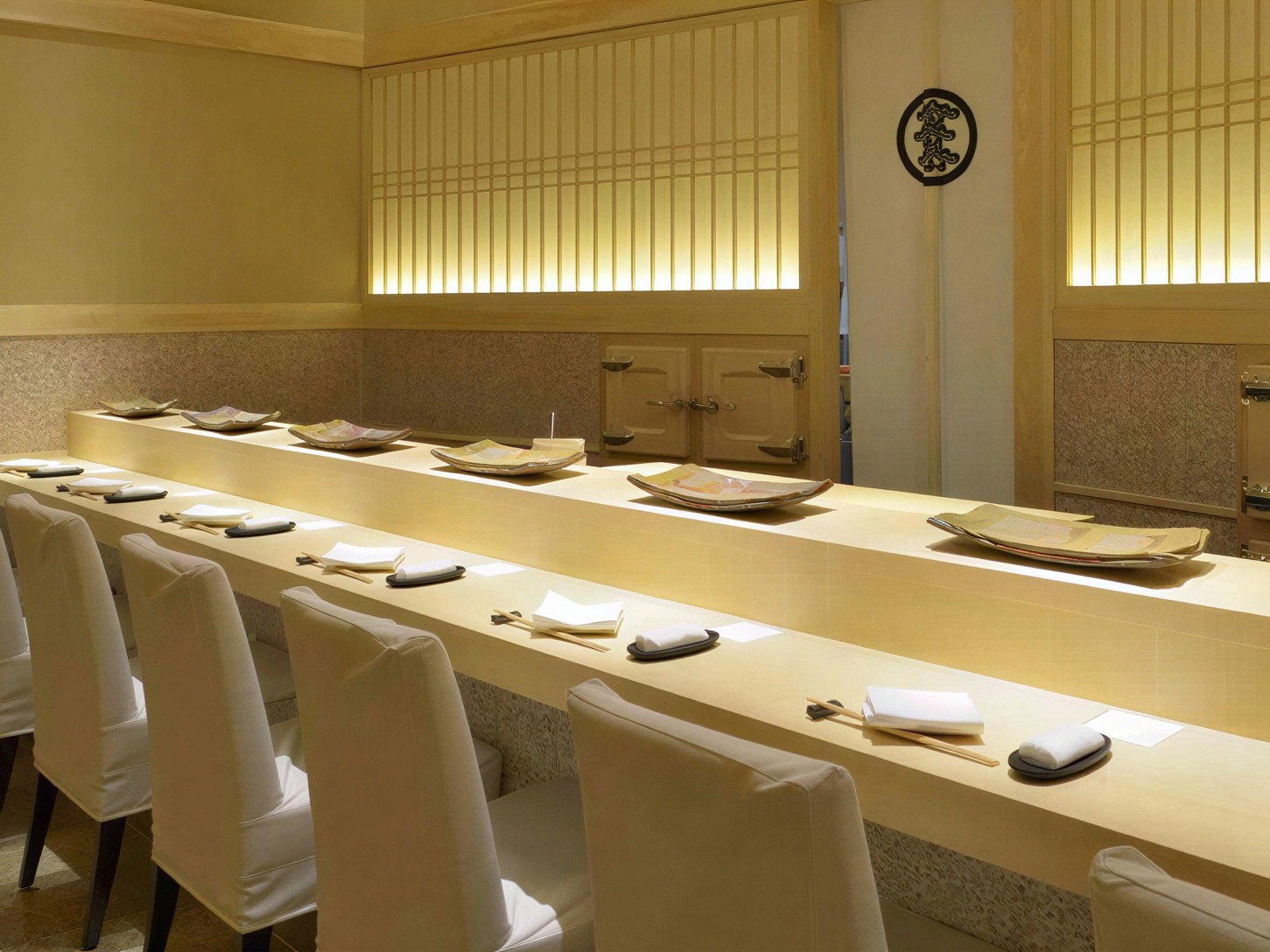
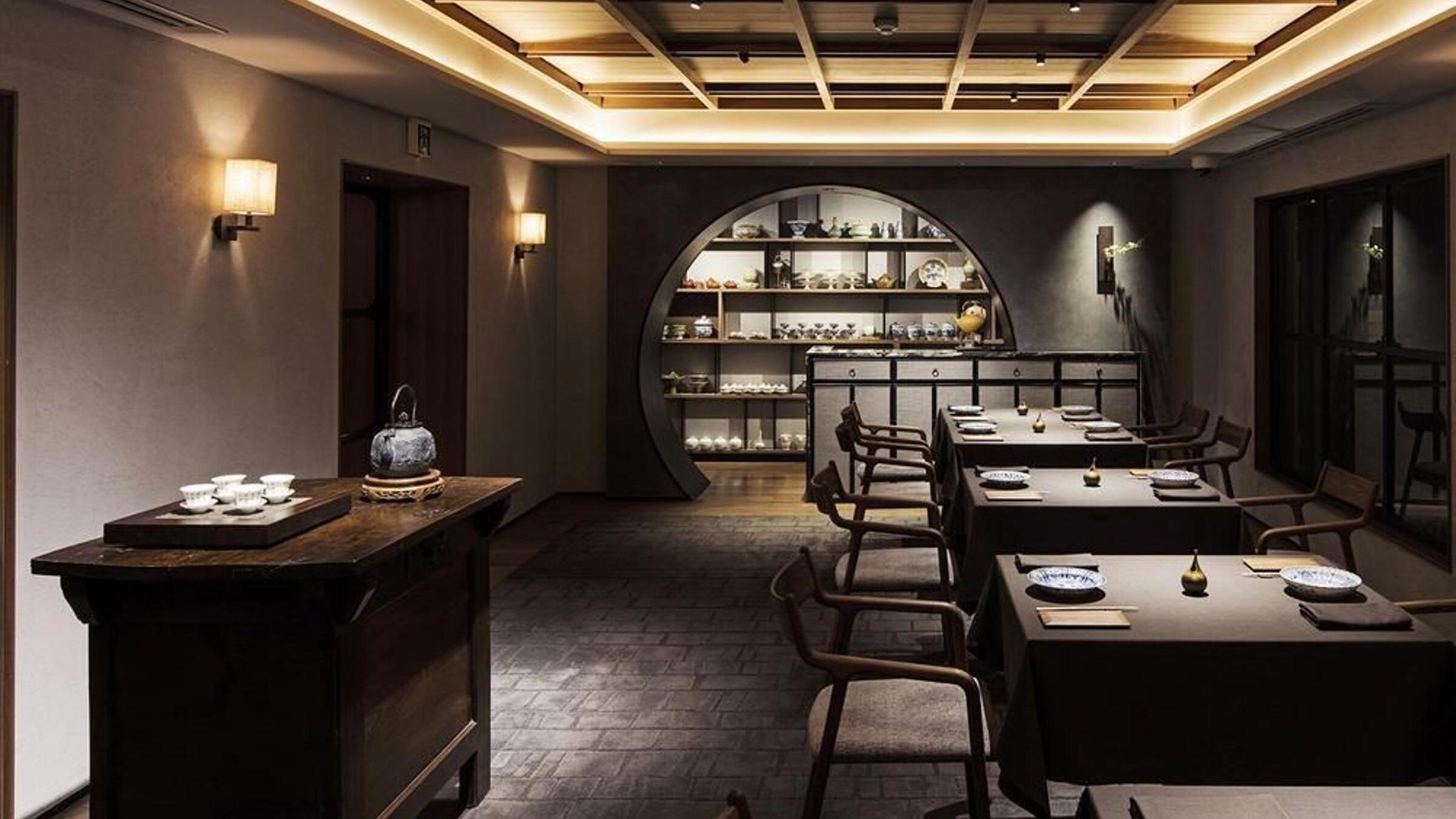
Yoshizawa’s Roppongi setting makes that team dynamic relevant. The restaurant lists sake and wine rather than relying only on nihonshu orthodoxy, fitting international Roppongi without abandoning Japanese structure. Counter seating gives solo diners and pairs a closer view of the meal’s timing, while four private rooms with 24 seats make it viable for groups seeking conversation within the course format. The total room is 30 seats, so this is not a banquet operation disguised as fine dining; the scale remains small enough for controlled service.
Within Roppongi, the comparison is less about cuisine labels than intent. The Oak Door and French Kitchen express the district’s hotel-restaurant confidence; L’Atelier de Joël Robuchon Tokyo and LA BOUTIQUE de Joel Rubchon Roppongi hiruzu ten reflect its appetite for French luxury and casual pâtisserie-led formats. Oryori Mukyu sits closer to the Japanese dining conversation. Yoshizawa belongs to the same neighborhood ecosystem but answers a different question: where to take a course-driven Japanese meal when privacy, polished service, and a drinks program matter as much as the cooking category.
Why the service format matters as much as the cooking
Tokyo has many restaurants where the chef’s counter is the central drama. Roppongi adds another requirement: flexibility without looseness. A Japanese course restaurant here must handle visiting diners, local regulars, corporate tables, and small celebrations while protecting cadence. The listed services point that way: longer parties, celebrations, take-out, non-smoking operation, and a policy that children should be able to enjoy a course meal and be reserved as adults. That is not decorative; it shows a room built around adult pacing and course discipline rather than casual drop-in dining.
Price clarifies the competitive set. Dinner is JPY 20,000 to JPY 29,999, with lunch at JPY 10,000 to JPY 14,999. That puts Yoshizawa above everyday Roppongi dining but below the rarefied tier where scarcity alone becomes the story. Lunch offers sharper value for diners seeking the format and service polish without the full dinner spend; dinner fits when the evening itself carries weight.
The restaurant opened in 2018, giving it time to move beyond opening-year novelty. Its Tabelog score of 3.74 and Tabelog 100 recognition matter because Tokyo’s Japanese cuisine category is crowded with specialist rooms, and sustained visibility requires consistency across food, room, and service. Awards are not a substitute for judgment, but they help separate a polished Roppongi address from restaurants that use location and interior design as cover for ordinary cooking.
Planning the meal without overcomplicating it
Yoshizawa is a reservation restaurant, with set rather than loose start times. That is typical of serious course dining in Tokyo: the kitchen sequences the room, and late arrivals can disrupt more than one table. Dinner guests must order at least one drink, further underlining the drinks team’s role. Payment is broad by Tokyo standards, with major credit cards accepted and PayPay available, while electronic money is not accepted.
The Roppongi Hills location shapes logistics. Access from Roppongi Station is short, and parking is available within the complex with free parking depending on spend, provided the parking ticket is brought along. For travelers comparing Tokyo dining slots, the decision is less novelty than suitability. Choose Yoshizawa for Japanese cuisine with privacy, composed service, and a fish-conscious kitchen in Roppongi. Choose a counter-only specialist elsewhere if chef proximity matters above all.
For broader Tokyo planning, see Our full Tokyo restaurants guide, then cross-check nearby dining styles such as . 鮪と炭火焼き うお炭 秋葉原店, 12/10 Shinjuku ten, 124. KAGURAZAKA (Yakitori), 2D Cafe, and 3 Chome no Curry Ya San. City context also matters beyond restaurants: use Our full Tokyo hotels guide, Our full Tokyo bars guide, Our full Tokyo wineries guide, and Our full Tokyo experiences guide to place dinner in the wider trip. Regional comparisons can be useful too: -Grilled beef Sukiyaki- KAMAKURA TANUKIAN 鎌倉 たぬき庵 in Kamakura.cafe in Osaka.know in Kumamoto, (Shoku) Vietnam in Kawasaki, [Curry Senmon Ten] Maruyama Kyoju. in Sapporo, [ki:] in Kyoto, Jōdo Saké Bar in Los Angeles, and Onigiri Time in Pasadena show how Japanese dining formats shift across cities and abroad.
In Context: Similar Options
Comparable venues at similar price and category levels.
| Venue | Cuisine | Price | Notes |
|---|---|---|---|
| YoshizawaThis venue — the venue you are viewing | Seasonal Kaiseki in Roppongi Hills | $$$$ | Not listed |
| Akasaka Asada | Traditional Kaga Kaiseki (Ryotei) | $$$$ | Akasaka |
| きよ田 離れ | Edomae Sushi Omakase | $$$$ | Ginza |
| 焼肉 いぶさな | Heritage Wagyu Yakiniku | $$$$ | Shibuya (Yoyogi/Sendagaya) |
| 七ひろ | Modern Japanese Omakase | $$$$ | Minato |
| TOKYO Whisky Library – Premium Whisky Bar & Restaurant | Modern Japanese Grill & Whisky Bar | $$$$ | Minato |
Recognition history
Dated appearances from independent guides and award organizations, with the underlying list record or original source where available.
Tabelog 100 #54 · No. 54
Tabelog · Tabelog 100 - Japanese cuisine - TOKYO - 2025










At a Glance
- Elegant
- Quiet
- Sophisticated
- Intimate
- Modern
- Special Occasion
- Celebration
- Date Night
- Business Dinner
- Private Dining
- Design Destination
- Standalone
- Sake Program
- Local Sourcing
Current opening hours
- Monday
- Closed
- Tuesday
- 6–10:30 PM
- Wednesday
- 11:30 AM–2:30 PM, 6–10:30 PM
- Thursday
- 11:30 AM–2:30 PM, 6–10:30 PM
- Friday
- 11:30 AM–2:30 PM, 6–10:30 PM
- Saturday
- 11:30 AM–2:30 PM, 6–10:30 PM
- Sunday
- 11:30 AM–2:30 PM, 6–10:30 PM
Hours can change for holidays and private events. Last verified .
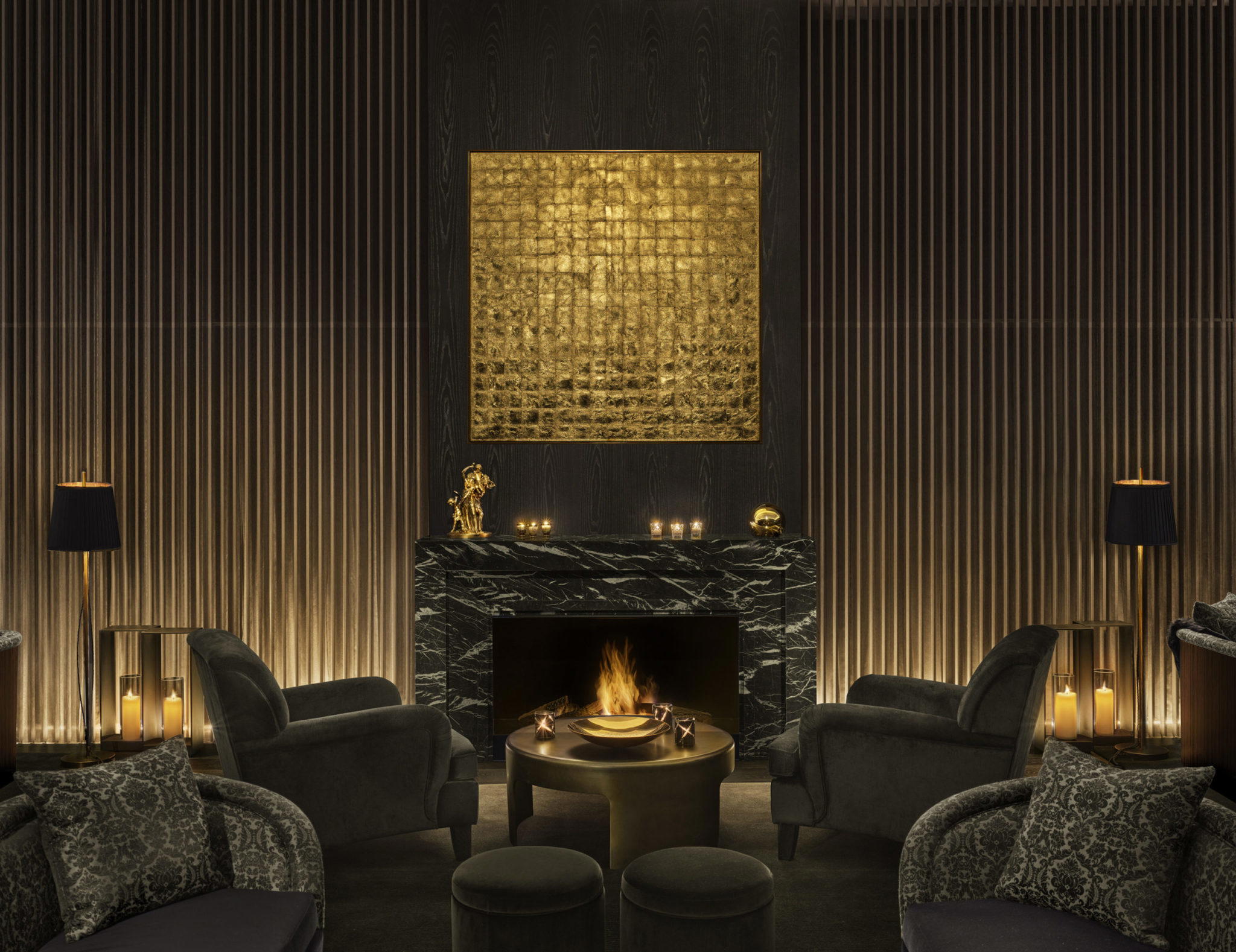
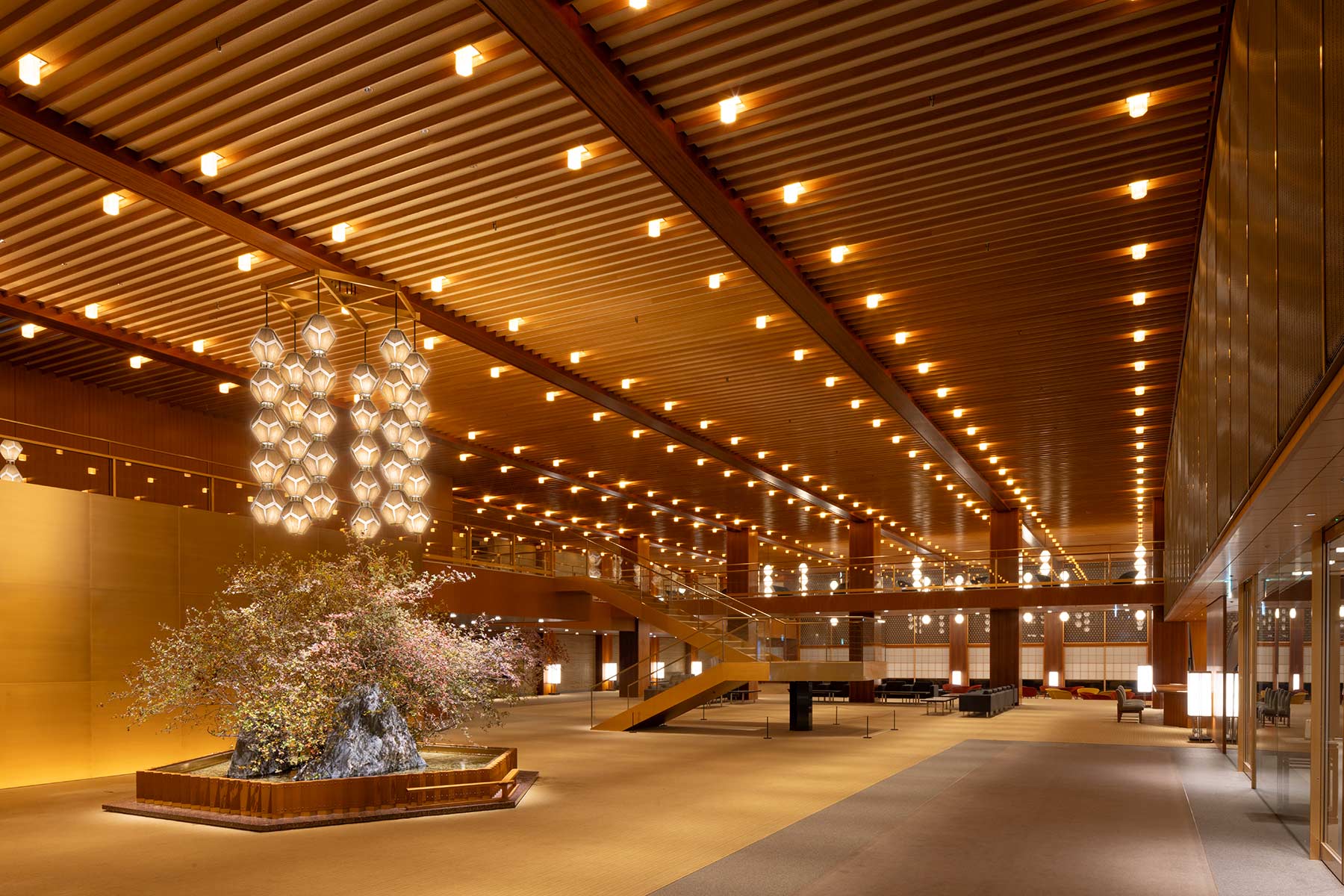
Calm and understated with a traditional Japanese aesthetic inside a modern Roppongi Hills building, focusing on quiet, private-feeling spaces, carefully chosen tableware, and a serene, unhurried dining rhythm.