
Ginza’s teppanyaki tier is increasingly defined by Japanese beef handled through a performance format with international polish. Honten Yamashina places Omi beef and steakhouse technique in an 11th-floor Ginza Place setting, with Tabelog 100 Steak / Teppanyaki EAST selections in 2024 and 2025 giving it clear standing in Tokyo’s competitive grill category.
Pearl is the En Primeur Club membership app — saves, bookings, and concierge access live there. Same editors, same standards.
- Address
- Japan, 〒104-0061 Tokyo, Chuo City, Ginza, 5 Chome−8−1 Ginza Place, 11F
- Phone
- +81 3-6264-5888
- Website
- honten-yamashina.jp
 Saves & bookings on Pearl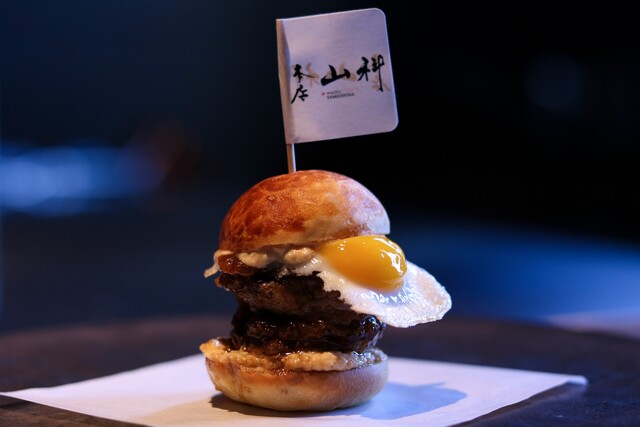
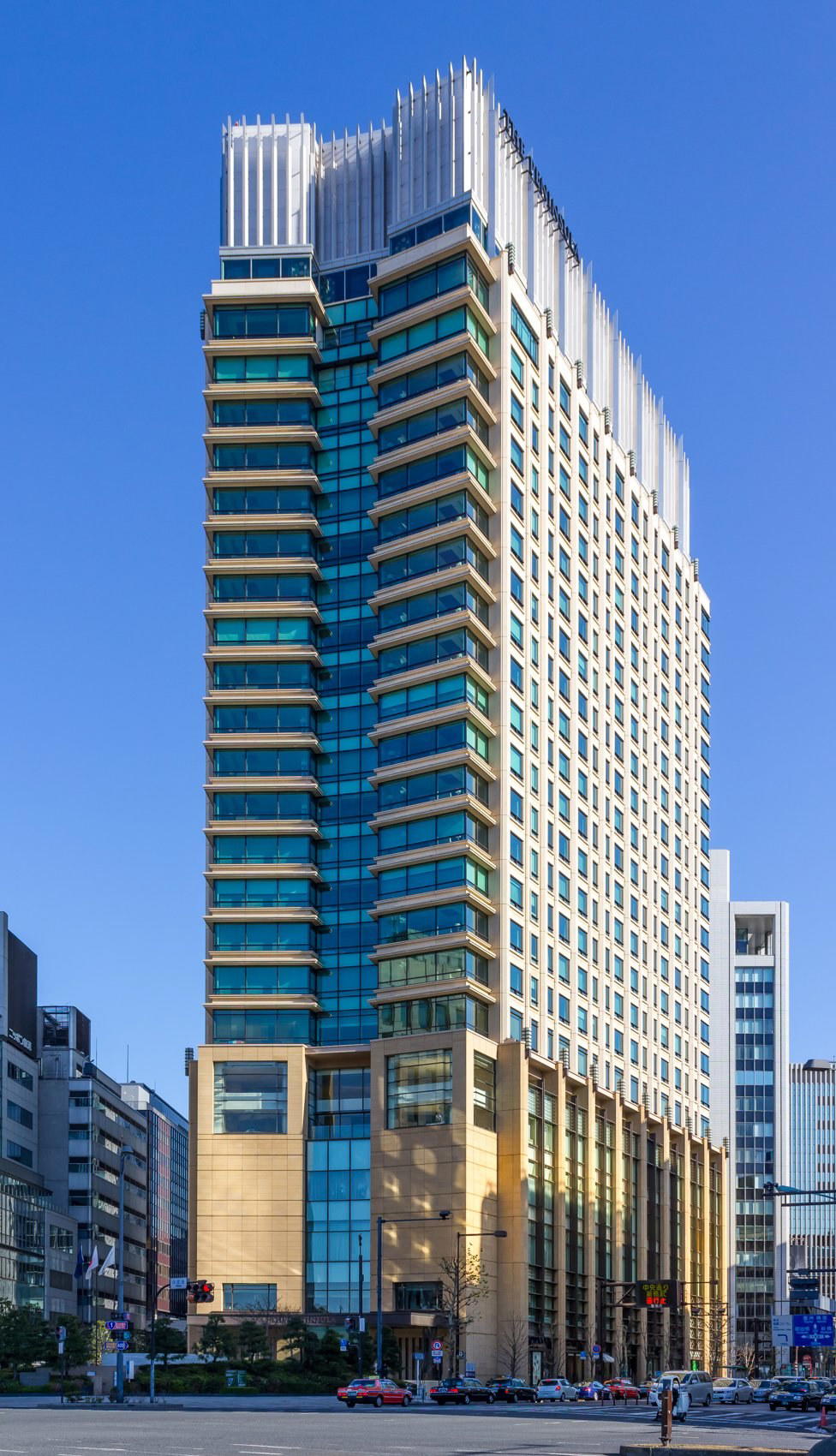
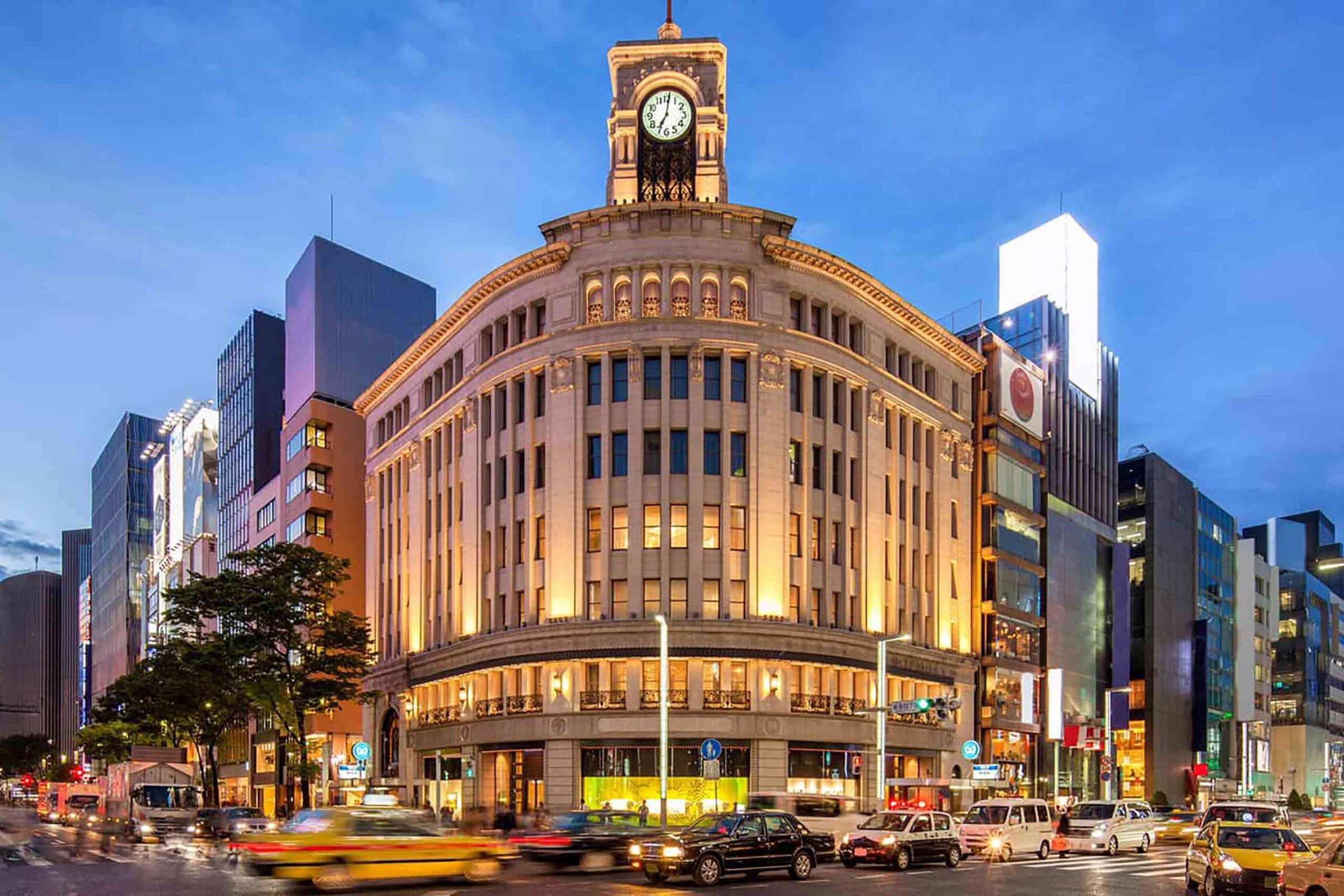
The arrival is pure Ginza vertical dining: the city’s retail glare below, the restaurant lifted above the 4-chome crossing, and the meal framed as theatre rather than counter-service intimacy. Teppanyaki in Tokyo often lives between two impulses, Japanese ingredient reverence and a steakhouse vocabulary shaped by imported luxury. Honten Yamashina belongs to that intersection, where beef pedigree, grill control, wine service, and a polished room matter as much as the chef’s hand at the iron plate.
That context matters in Ginza, a district where the dining map runs from rarefied sushi counters to old coffee rooms, French salons, curry specialists, and tightly focused grill houses. Readers mapping the neighbourhood can compare the spread through Our full Tokyo restaurants guide, while adjacent planning sits in Our full Tokyo hotels guide, Our full Tokyo bars guide, Our full Tokyo wineries guide, and Our full Tokyo experiences guide. The useful comparison is not just price; it is format. Ginza Furuta and Sawada sit in a different Japanese dining register, while Laduree Salon de the Ginza mitsukoshi ten and Tricolore Honten show how the same district also protects European salon and kissaten traditions at a lower spend.
Omi beef through the grammar of teppanyaki
Tokyo’s premium beef rooms rarely sell novelty. They sell control: heat, timing, fat management, seasoning, and pacing. The local ingredient signal here is Omi beef, one of Japan’s historic wagyu strains, handled inside a format that owes part of its global appeal to postwar steakhouse performance. That combination explains the restaurant’s positioning better than any biographical chef story would. The product is Japanese; the service grammar is international; the location is Ginza, where both are expected to behave with precision.
The category recognition is specific. Honten Yamashina was selected for Tabelog 100 Steak / Teppanyaki EAST in 2024 and again in 2025, with a Tabelog score of 3.69 attached to the 2025 listing. In Tokyo, where steak and teppanyaki compete against sushi, tempura, kappo, and French-influenced tasting menus for high-spend dinners, that recognition places it inside a narrower grill-focused field rather than the broader fine-dining race. It is a different decision from choosing a sushi counter, and a more structured one than booking an à la carte steakhouse.
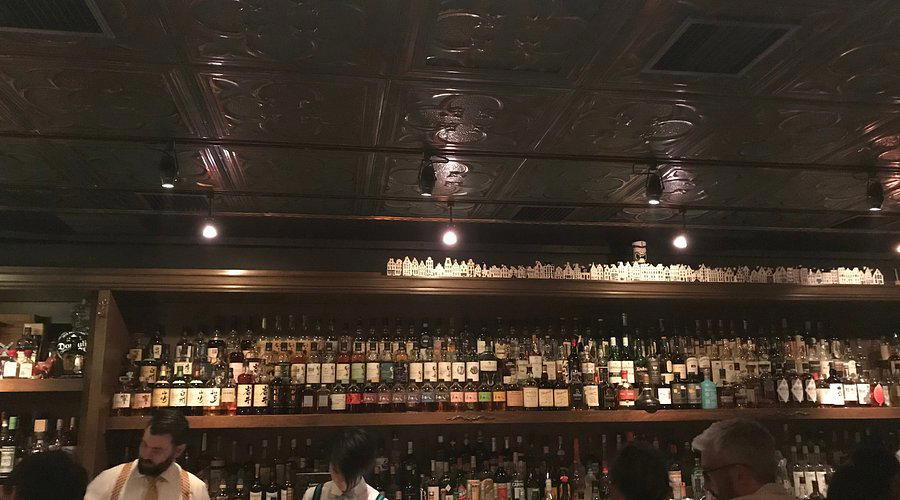
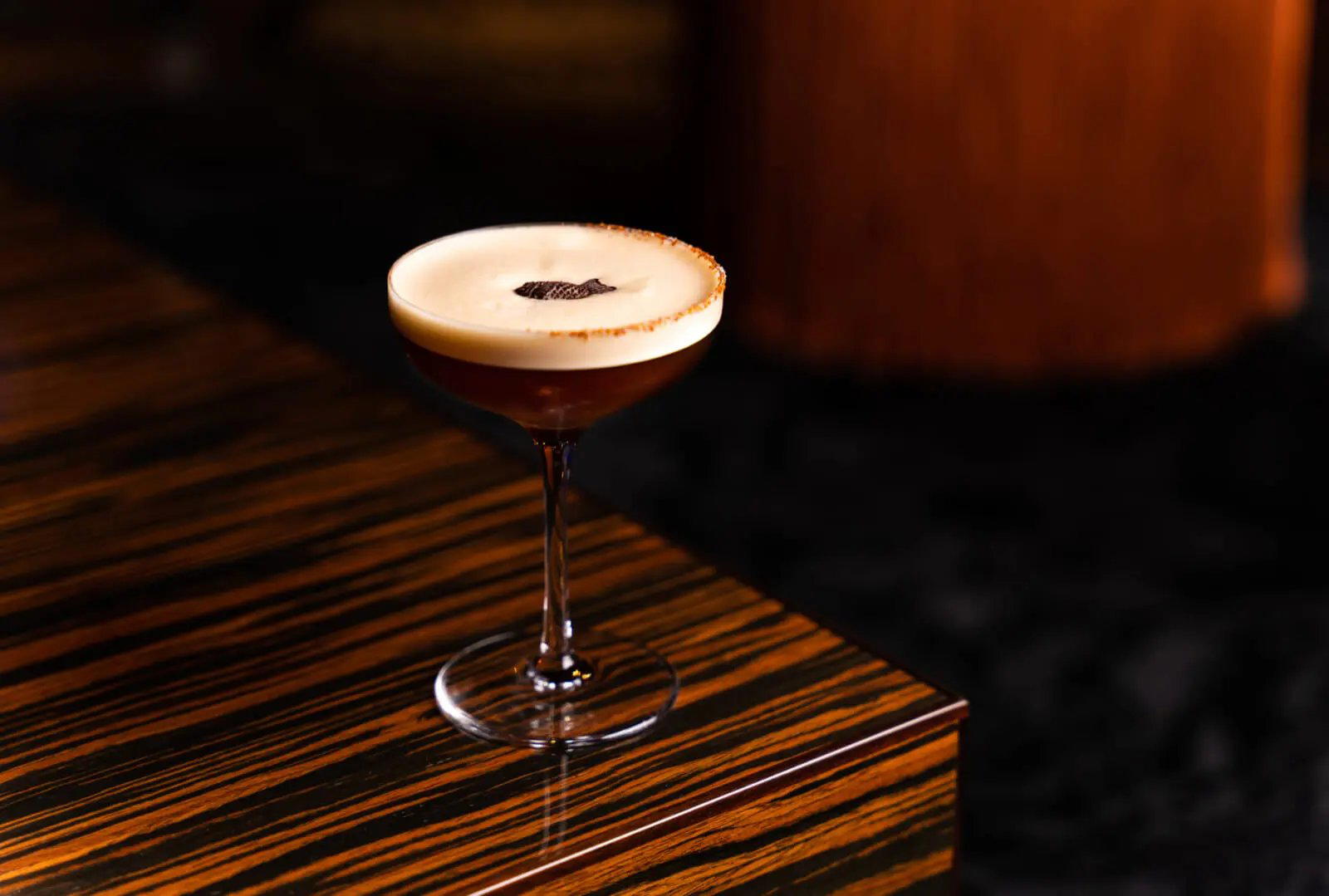
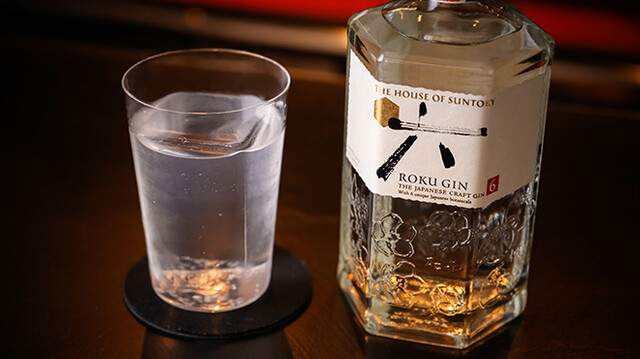
The drinks program points in the same direction: sake, shochu, wine, and cocktails are all part of the offer, with sommelier service listed. That breadth suits teppanyaki’s hybrid identity. Wagyu can support Burgundy, sake, or a tighter Japanese spirits pairing depending on seasoning and course structure, and Ginza diners tend to expect that flexibility at this level.
Ginza polish without counter-only austerity
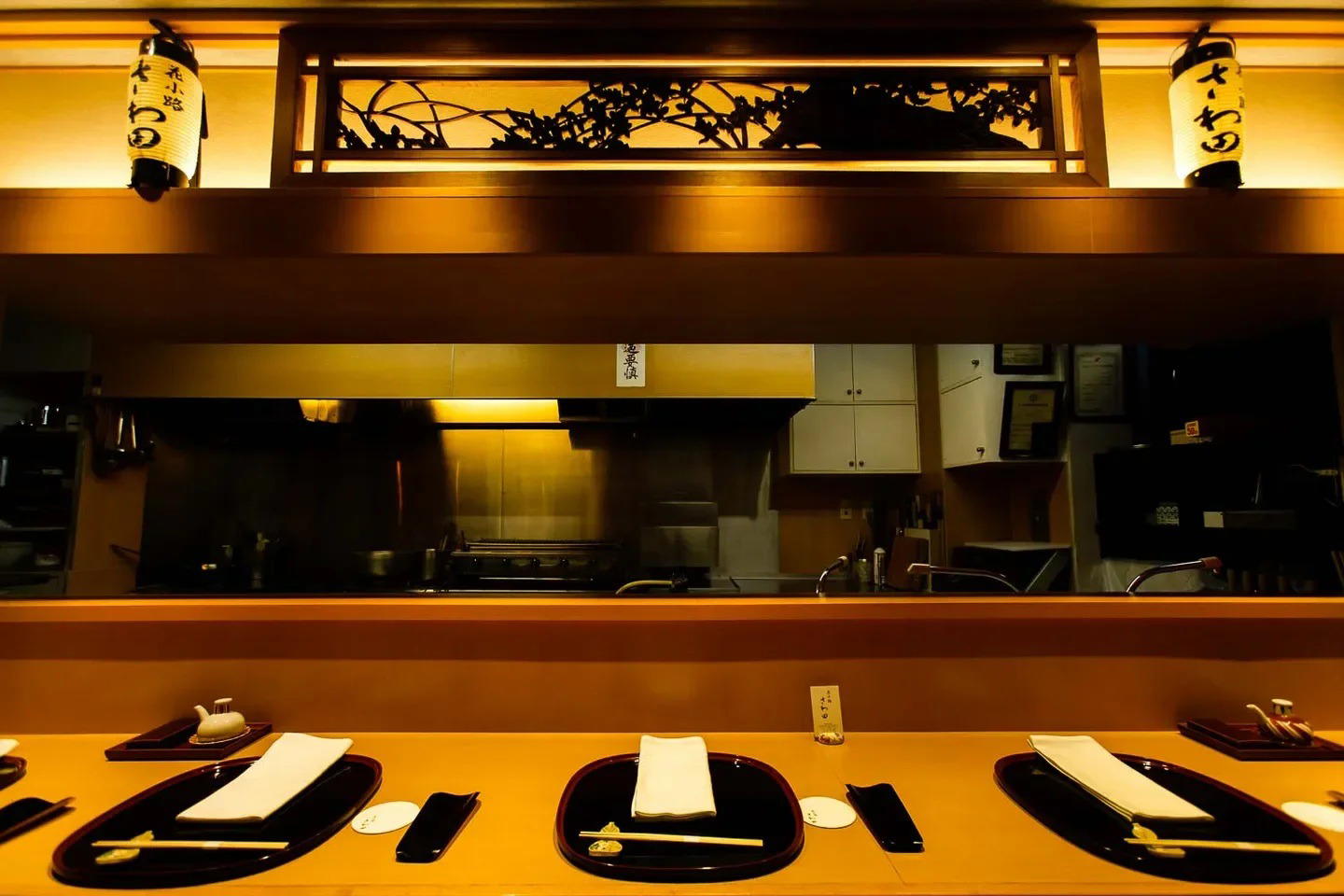
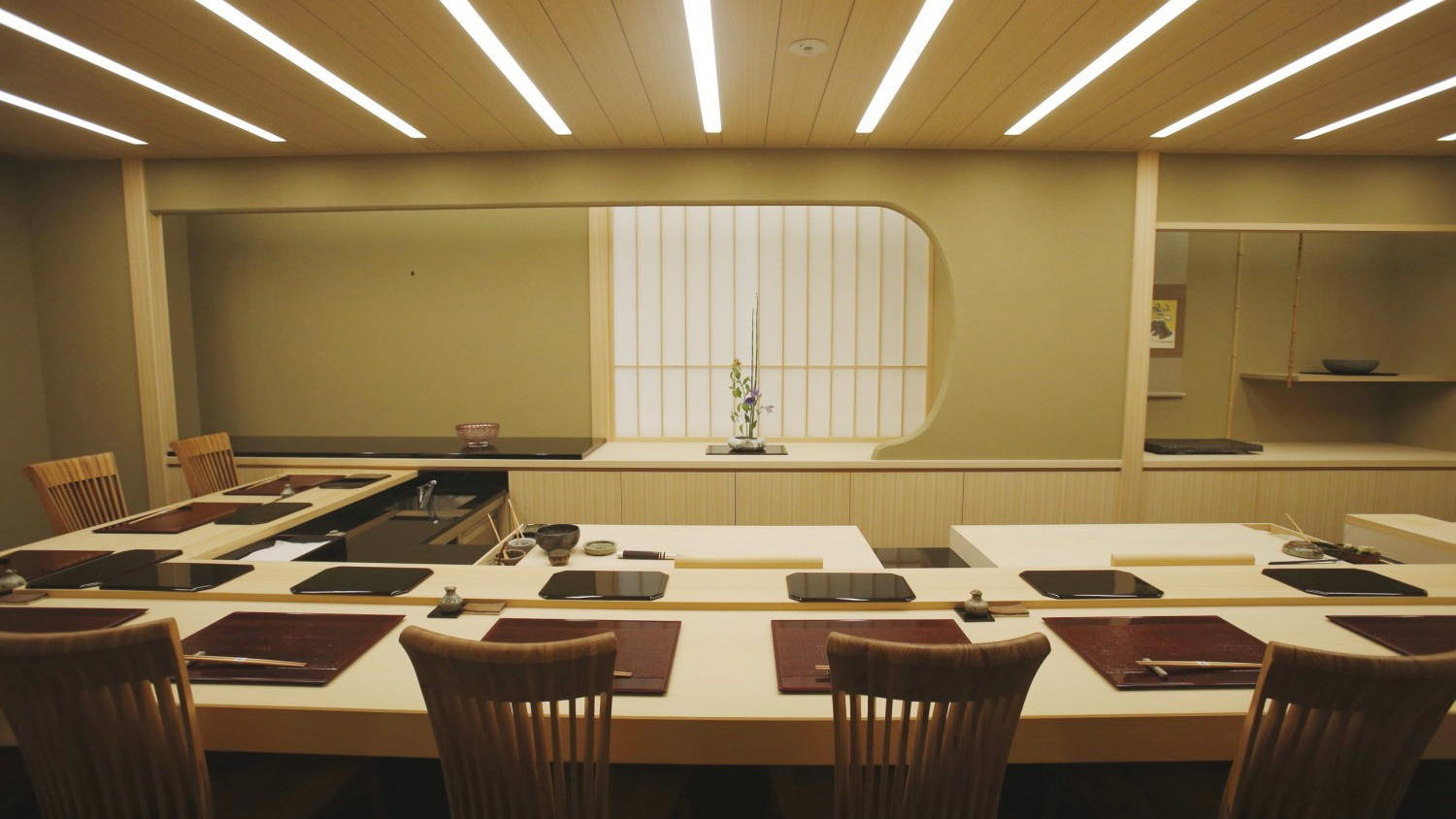
Room scale changes the experience. Many of Tokyo’s high-status counters trade on scarcity and small seat counts; this address lists 80 seats, with counter seating, sofa seating, private rooms, and wheelchair access. That puts it closer to a polished urban dining room than a hushed eight-seat temple. For travellers, the distinction is practical and cultural: it can carry business dinners, celebrations, and small private groups without asking every guest to submit to the same counter ritual.
Private-room availability also broadens the use case. Teppanyaki can accommodate up to seven guests in a private-room setting, while yakiniku reservations are handled through the related Ginza Yamashina Hanare channel. That separation is useful because teppanyaki and yakiniku are often confused by visitors, yet they deliver different forms of control. Teppanyaki places the cooking performance in professional hands; yakiniku gives the table more agency over the grill. Choosing the correct format matters more than chasing a famous address.
Across Tokyo, this kind of specialization is common. A guest weighing charcoal-forward meals might look at. 鮪と炭火焼き うお炭 秋葉原店 or 124. KAGURAZAKA (Yakitori); a different night could mean 12/10 Shinjuku ten, 3 Chome no Curry Ya San, or 2D Cafe. Outside Tokyo, the same national appetite for narrow formats runs through -Grilled beef Sukiyaki- KAMAKURA TANUKIAN 鎌倉 たぬき庵 in Kamakura, [ki:] in Kyoto.cafe in Osaka.know in Kumamoto, (Shoku) Vietnam in Kawasaki, and [Curry Senmon Ten] Maruyama Kyoju. in Sapporo. For Japanese drinking culture abroad, Jōdo Saké Bar in Los Angeles and Onigiri Time in Pasadena show how focused Japanese formats travel, though the Ginza version remains tied to beef provenance and service choreography.
Who should choose this Ginza grill room
This is the stronger choice for diners who want wagyu handled as a composed restaurant experience rather than a self-grilled meal. The spend sits in Tokyo’s premium casual-to-formal band for steak and teppanyaki, below the stratosphere of the city’s hardest sushi counters but well above everyday beef dining. The setting, service charge, sommelier presence, and private-room structure all point to an occasion room with business-dinner utility.
The critical read is simple: choose Honten Yamashina for Japanese beef interpreted through an internationally legible teppanyaki frame, not for a chef-driven tasting-menu narrative. Ginza already has enough restaurants asking diners to worship authorship. This address is more about product, heat, and the choreography of a room built for polished urban dining.
A Minimal
Comparable venues for context, by category and price tier.
| Venue | Cuisine | Price | Notes |
|---|---|---|---|
| Honten YamashinaThis venue — the venue you are viewing | Not listed | $$$$ | Not listed |
| Yachiyo | Marunouchi, Traditional Japanese Kaiseki | $$$$ | Not listed |
| Yakatabune Izanagi | Not listed | $$$$ | Shinagawa, Wagyu Omakase on Tokyo Bay Yakatabune |
| Kondo | Chūō, Modern Edomae Tempura Omakase | $$$$ | Not listed |
| USHIGORO S. GINZA | Not listed | $$$$ | Chūō, Luxury Yakiniku (Japanese BBQ) |
| Toku Uchiyama | Chūō, Traditional Japanese Kaiseki | $$$$ | Not listed |
Recognition history
Dated appearances from independent guides and award organizations, with the underlying list record or original source where available.
Tabelog 100 #23 · No. 23
Tabelog · Tabelog 100 - Steak / Teppanyaki - EAST - 2025





At a Glance
- Elegant
- Romantic
- Modern
- Sophisticated
- Well Known
- Intimate
- Date Night
- Business Dinner
- Celebration
- Special Occasion
- Group Dining
- After Work
- Chefs Counter
- Panoramic View
- Design Destination
- Standalone
- Private Dining
- Extensive Wine List
- Sake Program
- Sommelier Led
- Local Sourcing
- Farm To Table
- Skyline
- Street Scene
Current opening hours
- Monday
- 11:30 AM–3 PM, 5–11 PM
- Tuesday
- 11:30 AM–3 PM, 5–11 PM
- Wednesday
- 11:30 AM–3 PM, 5–11 PM
- Thursday
- 11:30 AM–3 PM, 5–11 PM
- Friday
- 11:30 AM–3 PM, 5–11 PM
- Saturday
- 11:30 AM–3 PM, 5–11 PM
- Sunday
- 11:30 AM–3 PM, 5–11 PM
Hours can change for holidays and private events. Last verified .
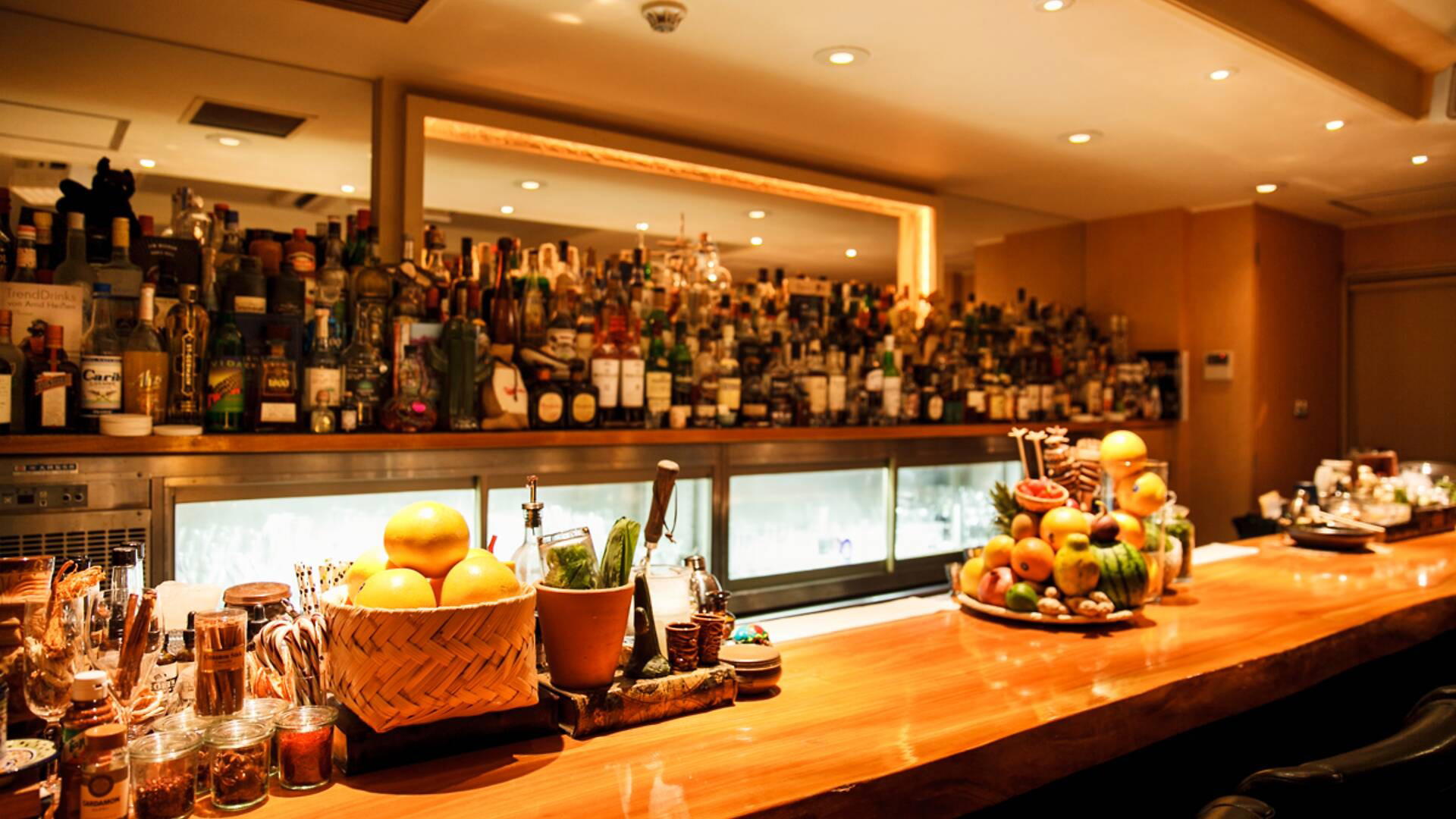
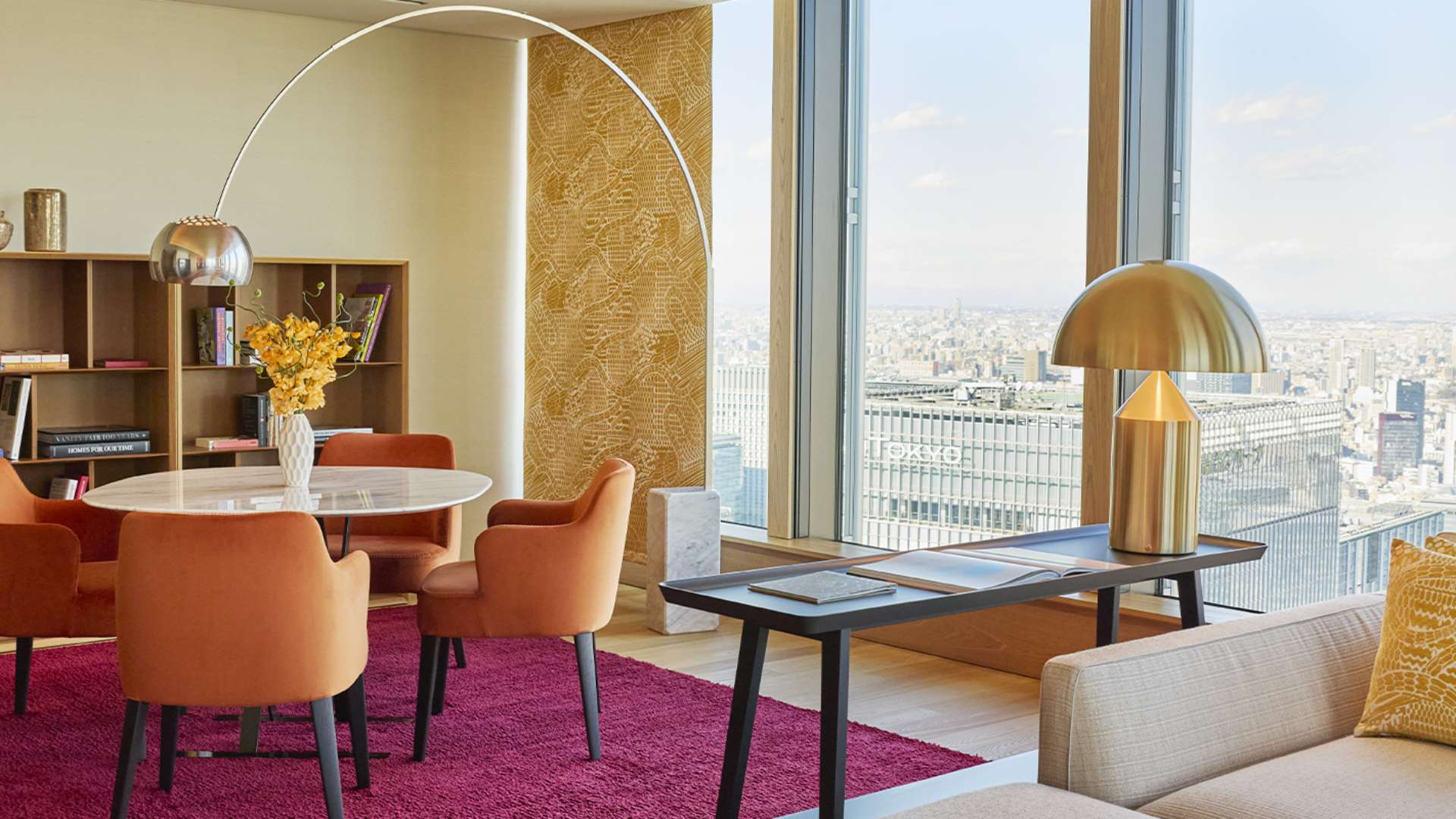
High-ceilinged, simple modern-Japanese space with Baccarat chandeliers and counter seating facing the teppan and Ginza skyline, creating an upscale yet relaxed atmosphere suited to dates, business dinners, and special occasions.