
Our verdict
Tucked into the residential backstreets of Arakicho in Shinjuku, 青華こばやし is one of Tokyo's quieter arguments for the continuing relevance of refined Japanese cuisine. The address alone signals intent: this is not a restaurant that courts foot traffic. Reservations require planning, and the cooking rewards it — a counter experience rooted in seasonal discipline and the kind of accumulated precision that Tokyo's top-tier dining scene selects for.

Pearl is the En Primeur Club membership app — saves, bookings, and concierge access live there. Same editors, same standards.
- Address
- 10-17 Arakicho, Shinjuku City, Tokyo 160-0007, Japan
- Phone
- +81363800978
- Hours
- Daily 12–9 PM
- Website
- seika-kobayashi.com
- Directions
- Get directions
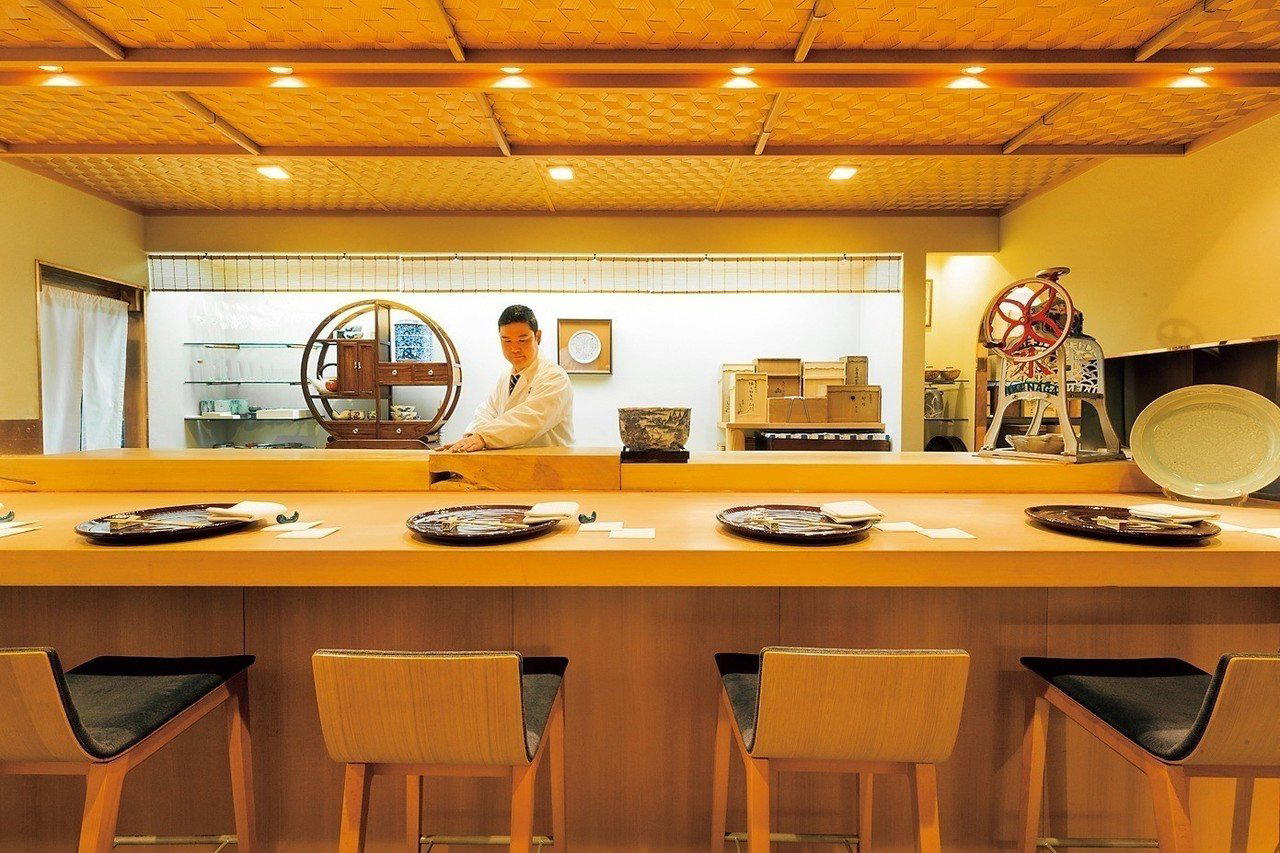
Arakicho and the Quiet End of Tokyo's Dining Spectrum
Tokyo's premium dining scene has a loud end and a quiet one. The loud end fills magazine covers: multi-storey Roppongi towers, chef-branded omakase counters with social media queues, tasting menus designed as much for photography as for eating. The quiet end is harder to find and, for many visitors, more rewarding. Arakicho, a residential pocket of Shinjuku tucked between the noise of Yotsuya and the density of Shinjuku-Sanchome, belongs firmly to the latter. The neighbourhood has no particular tourism infrastructure, no obvious dining strip, no landmark that appears in guidebooks. What it has is a concentration of small, serious restaurants that operate on the assumption that their guests already know why they came.
青華こばやし sits in that context. The address — 10-17 Arakicho, Shinjuku City — places it in a part of Tokyo where the streets narrow and the signage shrinks, where the restaurants that survive do so on reputation rather than visibility. That geography is not incidental. It shapes the register of the experience before a single dish arrives.
A Format That Has Refined Itself Over Time
The editorial angle that matters most for 青華こばやし is not its current state but its trajectory. Restaurants in this tier of Tokyo dining, serious, counter-forward, operating in residential neighbourhoods without the scaffolding of a hotel group or a celebrity chef brand, tend to evolve in one of two directions. Some calcify, repeating a format that earned early recognition until the repetition itself becomes the identity. Others refine: they strip away what was provisional, deepen what was already working, and arrive at something that feels both settled and alive.
The broader pattern across Tokyo's kaiseki-adjacent and refined Japanese dining scene over the past decade has been a gradual clarification of what each tier is actually for. The high-volume end consolidated around international hotel properties and recognisable names, places like RyuGin in Roppongi, which operates at the intersection of kaiseki tradition and spectacle, or L'Effervescence, which applies French technique to a similar logic of seasonality. At the other end, smaller counters with tighter formats have doubled down on restraint. 青華こばやし belongs to that second group: a restaurant whose evolution has been inward rather than outward, toward greater precision rather than broader reach.
The Competitive Tier It Inhabits
To place 青華こばやし accurately, it helps to understand what the top end of Tokyo's non-sushi counter dining actually looks like. The reference points are counters and small dining rooms where the chef-to-guest ratio is high, the menu is seasonal and largely non-negotiable, and the price reflects time and ingredient quality rather than spectacle. Harutaka in Ginza represents the sushi equivalent of this tier: a counter where the format is fixed, the ingredient sourcing is non-negotiable, and the pricing sits at ¥¥¥¥. Sézanne at the Four Seasons Marunouchi operates at a similar price bracket from a French-influenced angle. Crony in Minami-Aoyama represents the more experimental French-Japanese end of the same price tier.
青華こばやし occupies a related but distinct niche: rooted in Japanese culinary tradition, operating outside the hotel infrastructure, and located in a neighbourhood that filters for guests who are already oriented toward this kind of experience.
Japan's wider dining geography reinforces why this tier matters. HAJIME in Osaka and Gion Sasaki in Kyoto represent analogous positions in their respective cities: serious, counter-based, operating on seasonal discipline with minimal concession to accessibility. Goh in Fukuoka and akordu in Nara extend the same logic into smaller markets. What connects them is not cuisine type but operating philosophy: these are restaurants that have chosen depth over breadth, and whose evolution has been in the direction of greater specificity rather than wider appeal.
What the Arakicho Location Signals
The neighbourhood itself is part of the argument. Arakicho has a particular character in Tokyo's dining geography: it is close enough to Shinjuku to be accessible but far enough from its commercial centre to discourage casual visitors. The restaurants that have established themselves here, and 青華こばやし is among the most noted, have done so without the benefit of walk-in traffic or neighbourhood tourism. That durability, in a city where restaurants open and close at pace, is a signal in itself.
For comparison, consider the regional counterparts that have similarly built reputations in non-obvious locations: 一本木 柑山制 in Nanao, 湖畔庵 in Takashima, or 岳羽屋 in Nishikawa Machi, all operating in markets where geography alone requires a level of intentionality from the guest that urban venues never demand. 青華こばやし is the Tokyo version of that dynamic: the location filters the guest list before the reservation system does.
Planning a Visit
Reservations at 青華こばやし require advance planning; this is not a restaurant where same-week availability is realistic for most dates. The Arakicho address is accessible via Yotsuya-Sanchome Station on the Marunouchi Line, a short walk through residential streets that give no particular indication of what lies ahead. Visitors arriving from outside Tokyo who are structuring an itinerary around serious dining should treat this alongside other advance-booking commitments, comparable in lead time to Harutaka or the counter seats at RyuGin. For a broader picture of Tokyo's dining options at this tier, our full Tokyo restaurants guide maps the field across neighbourhoods and cuisine types.
International reference points for guests cross-referencing this kind of experience against non-Japanese fine dining: Le Bernardin in New York City and Atomix in New York City occupy analogous positions in their market, counters and small rooms where format discipline and ingredient focus drive the experience. The comparison is useful for calibrating expectations rather than cuisine type. Additional regional context from Japan's wider fine dining circuit: 古仲山乃 in Sapporo, Birdland in Sakai, and Bistro Ange in Toyohashi all represent the distributed seriousness of Japan's dining scene outside its major urban centres.
Frequently asked questions
Where is 青華こばやし located?
青華こばやし is located at 10-17 Arakicho, Shinjuku City, Tokyo 160-0007, Japan, Tokyo.
Why is 青華こばやし located in Arakicho rather than a central Tokyo dining district?
Arakicho sits close enough to Shinjuku for accessibility while carrying none of the commercial density of Roppongi or Ginza — a deliberate positioning that shapes the guest experience before the meal begins. Restaurants in this neighbourhood tend to draw guests who have sought them out specifically, which aligns with the counter kaiseki format where the kitchen sets the entire pace and sequence. The address at 10-17 Arakicho, Shinjuku City reflects a tradition of serious Tokyo dining establishing itself in quieter residential corridors rather than high-footfall blocks.
What should I order at 青華こばやし?
At restaurants operating at this tier in Tokyo, the menu structure is set by the kitchen, not the guest. Counter kaiseki in Arakicho typically runs as a fixed seasonal progression, so the practical decision is when to book, not what to order. Arrive with no dietary restrictions unannounced — communicate them at the time of reservation.
Do they take walk-ins at 青華こばやし?
Walk-in availability at 青華こばやし is not a workable strategy. Tokyo's serious counter restaurants in residential addresses like Arakicho operate on reservations booked weeks or months in advance, with small seat counts that fill quickly. Plan through a concierge or reservation service well ahead of your intended date.
Recognition Snapshot
Comparable venues nearby, for context on price, style, and recognition.
| Venue | Cuisine | Price | Awards | Notes |
|---|---|---|---|---|
| 青華こばやしThis venue — the venue you are viewing | 割烹・小料理 | $200–300 | Not listed | Not listed |
| Yachiyo | Japanese Kaiseki | $100–150 | Not listed | Marunouchi |
| Kusunoki | Oil-Free Tempura Omakase | $150–200 | Not listed | Shinjuku |
| Ningyocho Imahan Toukyou gaaden terasu kioichou ten | Traditional Wagyu Sukiyaki & Shabu-shabu | $100–150 | Tabelog 100 #30 | Chiyoda |
| Morimoto | Modern Japanese Sushi and Teppanyaki | $200–300 | Not listed | Minato |
| Chidori | Chicken Omakase (Toriryori) Counter | $150–200 | Tabelog 100 #42 | Minato |
Recognition history
Dated appearances from independent guides and award organizations, with the underlying list record or original source where available.
Opinionated About Dining Top Restaurants in Japan Ranked #516
Opinionated About Dining
Full recognition history (3 entries)
Opinionated About Dining Top Restaurants in Japan Ranked #416
Opinionated About Dining
Opinionated About Dining Top Restaurants in Japan Recommended
Opinionated About Dining












Details
- Elegant
- Intimate
- Sophisticated
- Quiet
- Date Night
- Special Occasion
- Business Dinner
- Chefs Counter
- Sake Program
- Omakase
Current opening hours
- Monday
- 12–9 PM
- Tuesday
- 12–9 PM
- Wednesday
- 12–9 PM
- Thursday
- 12–9 PM
- Friday
- 12–9 PM
- Saturday
- 12–9 PM
- Sunday
- 12–9 PM
Hours can change for holidays and private events. Last verified .
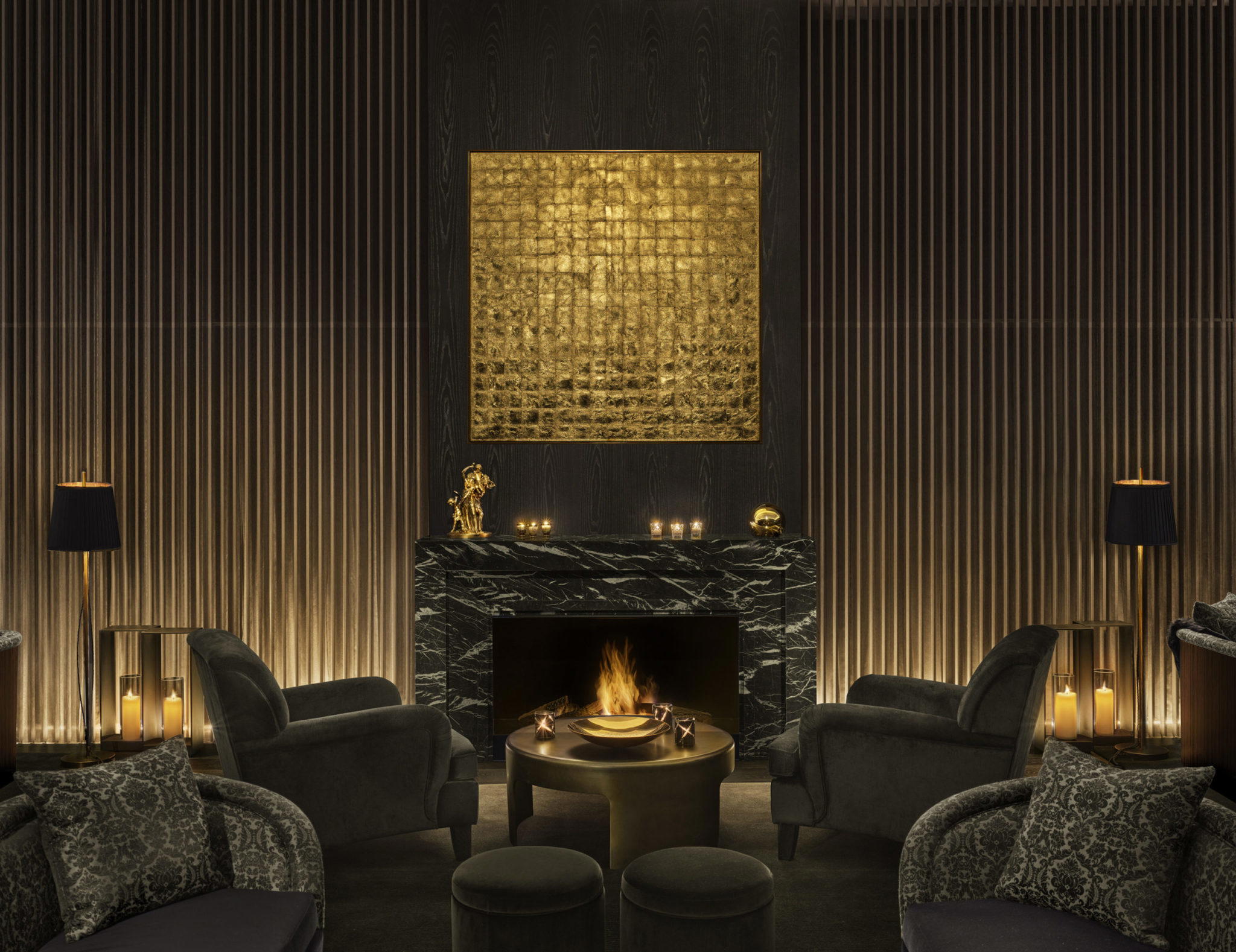
静謐なカウンター席と洗練された空間で、器を愛でながら日本料理の真髄を楽しめる落ち着いた雰囲気。