


A Michelin Plate-recognised prix fixe counter in Azabu-Juban, Unagi Tokito applies a cross-cultural lens to freshwater eel, moving between classic kabayaki and shioyaki preparations and French-inflected interpretations. The ¥¥¥ format makes it a credible entry point into creative unagi dining without the price ceiling of multi-starred kaiseki.
Pearl is the En Primeur Club membership app — saves, bookings, and concierge access live there. Same editors, same standards.
- Address
- Japan, 〒106-0045 Tokyo, Minato City, Azabujuban, 2 Chome−5−11 AZABUMAISON 201
- Phone
- +81 3-6812-9671
- Website
- tokitou-unagi.jp
- Directions
- Get directions
 Saves & bookings on Pearl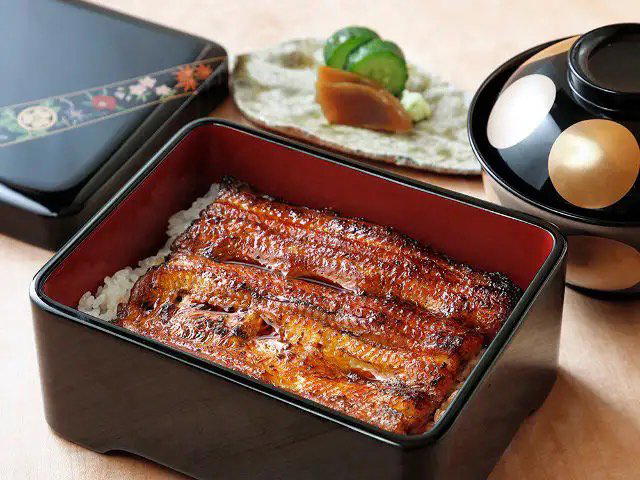
If you eat one thing in Azabu-Juban, make it eel done this way
Tokyo's unagi tradition is long, exacting, and fairly conservative. The Kanto-style kabayaki method, in which the eel is steamed before grilling and lacquered with a soy-mirin tare, has been refined across generations at houses like Nodaiwa Azabu Iikura Honten and Hatsuogawa. Those restaurants treat the recipe as a fixed argument: the goal is execution, not reinvention. Unagi Tokito, a restaurant in Azabu-Juban, takes the opposite position. Its prix fixe format works through the same primary ingredient across a range of preparations, some traditional, some lifted directly from French technique, and asks what else eel can do when the brief is widened.
That argument lands differently at lunch and dinner, and choosing between the two services is especially important decision you will make before booking. The mood, the pacing, and the value calculus shift between them in ways that matter to how you read the menu.
The Lunch Case: Precision in Daylight
Daytime unagi eating in Tokyo has a particular social logic. The classic unaju, eel baked to a lacquered finish and served on rice in a lacquer box, is historically the format for a working lunch eaten with purpose rather than leisure. Many of the city's long-standing eel houses fill their midday seats with regulars who order from memory and leave within the hour. The register is efficient and focused.
Tokito's lunch service fits that tempo in format but complicates the content. The prix fixe moves through the core preparations methodically: kabayaki in a bun-style presentation that reframes the familiar glaze-and-grill sequence as something closer to a composed small plate, shioyaki broadened with plum pulp and yuzu-kosho, and the unaju executed with what the Michelin documentation describes as skill built at veteran eel restaurants. The last point matters here: the kitchen's grounding in orthodox technique reads most clearly at lunch, when the format is tighter and each preparation stands alone. The daylight eating is, in this sense, a better test of technical range.
From a value perspective, the ¥¥¥ price position is a relevant anchor. Compared with multi-starred kaiseki addresses in Minato, including Ginza Yondaime TAKAHASHIYA or ¥¥¥¥ tasting counters, the Tokito lunch represents a meaningfully different spend-to-dish ratio. You are not paying for ten courses of seasonal produce sourced from named farms. You are paying for a focused argument about a single ingredient across a handful of preparations, which is a sharper deal if that argument interests you.
The Dinner Case: The French Detour Comes Forward
Evening service gives the kitchen room to extend the sequence and introduce the preparations that have no precedent in the unagi canon. The dish that most clearly defines Tokito's positioning is eel simmered in wine, a technique the menu notes was borrowed from French cooking the chef encountered in Paris. At dinner, with more time on either side of it, this preparation can be read in context rather than as an interruption: it arrives inside a progression that moves from particularly recognisable domestic forms toward something more speculative.
This is a broader pattern in contemporary Tokyo dining. A number of mid-tier creative restaurants now use French technique as a secondary grammar applied to Japanese primary ingredients, a practice common enough in kaiseki-adjacent formats but less frequently seen in single-ingredient restaurants. Tokito's version of this is unusually direct: the wine braise is not a fusion gesture but a structural borrowing, the technique applied intact to an ingredient the source cuisine does not use. Whether that works depends on your expectations arriving. If you are looking for orthodox kabayaki, dinner here is the wrong service. If you are interested in what a trained eye from outside the tradition sees in the ingredient, the evening format is where that perspective has greater space.
Dinner also gives more time to the shioyaki preparation, which in the context of Tokito's menu acts as a counterpoint to the kabayaki's richness. Salt-broiled eel, plum pulp, and yuzu-kosho is a lighter, more acidic register that a longer evening sequence earns: at lunch it can read as a quick pivot, at dinner it has room to make its case.
Azabu-Juban and the Format's Neighbourhood Logic
Azabu-Juban is one of central Tokyo's more walkable mixed neighbourhoods, less rigidly premium than Ginza, less dominated by expense-account dining than Roppongi. It holds a range of long-standing specialty restaurants alongside newer creative formats, which is part of why a prix fixe unagi counter at ¥¥¥ finds a natural audience here. The address, AZABUMAISON 201 on Azabu-Juban 2-chome, places it within easy walking distance of Azabu-Juban station on the Namboku and Oedo lines.
The neighbourhood has existing unagi heritage. Nodaiwa, one of Tokyo's most respected traditional eel houses, operates nearby and represents the conservative pole of the same tradition. Eating at both on consecutive visits, or even the same day, produces a clear picture of what Tokito is and is not doing relative to established practice.
For those travelling across Japan, comparable creative or specialty eel addresses include Ike Edoyakiunagi Asahitei in Nara and Kanesho in Kyoto, both operating within more orthodox frameworks. Tokito's prix fixe format positions it differently from either: it is less about regional execution and more about what happens when a chef with an appetite for different cooking systems applies that appetite to a single Japanese ingredient.
Planning Your Visit
| Venue | Cuisine | Price Tier | Format | Recognition |
|---|---|---|---|---|
| Unagi Tokito | Unagi / Freshwater Eel | ¥¥¥ | Prix fixe | Michelin Plate 2025 |
| Nodaiwa Azabu Iikura Honten | Unagi (Traditional) | ¥¥¥ | À la carte / Set | Long-established house |
| Mejiro Zorome | Japanese | ¥¥¥ | Set menu | Michelin recognised |
| Watabe | Japanese | ¥¥¥ | Set menu | Michelin recognised |
Elsewhere in Japan, creative tasting formats with comparable ambition include HAJIME in Osaka, Gion Sasaki in Kyoto, akordu in Nara, Goh in Fukuoka, 1000 in Yokohama, and 6 in Okinawa.
What Should I Eat at Unagi Tokito?
The menu is prix fixe and eel-only, so the question is which preparations to pay closest attention to rather than what to order. The unaju, eel over rice in a lacquer box, is where the kitchen's grounding in traditional technique is most directly legible. The shioyaki with plum pulp and yuzu-kosho represents the lightest register and acts as a useful contrast to the richer kabayaki. The wine-braised preparation is especially unusual on the menu and the clearest signal of the restaurant's cross-cultural intent. If you are eating at dinner, that sequence has room to develop in full. At lunch, prioritise the kabayaki-in-bun and the unaju as the tightest expression of what the format is doing. The Michelin Plate recognition in 2025 covers the full menu rather than individual dishes, so confidence in the overall execution is reasonable across preparations.
Budget and Context
Comparable venues nearby, for context on price, style, and recognition.
| Venue | Cuisine | Price | Awards | Notes |
|---|---|---|---|---|
| Unagi TokitoThis venue — the venue you are viewing | Minato, Modern French-Influenced Unagi | $$$ | Michelin Plate | Not listed |
| Sato Burian | Not listed | $$$ | Not listed | Suginami, Premium Yakiniku with Chateaubriand |
| Tentenkyokyo Umean | Bunkyō, Soba and Tempura | $$$ | Michelin Plate | Not listed |
| Hakozakicho Sumito | Chūō, Edomae Sushi | $$$ | Michelin Plate | Not listed |
| Toriyaki Ohana | Shibuya, Modern Chicken Toriyaki Omakase | $$$ | Michelin Plate | Not listed |
| Aoyama Ototo | Not listed | $$$ | Michelin Plate | Shibuya, Seasonal Japanese Kaiseki with Charcoal-Grilled Seafood |
Recognition history
Dated appearances from independent guides and award organizations, with the underlying list record or original source where available.
Michelin Plate
Michelin
Opinionated About Dining Top Restaurants in Japan Recommended
Opinionated About Dining
Michelin Plate
Michelin
Tabelog 100 #55 · No. 55
Tabelog · Tabelog 100 - Unagi - 2024












At a Glance
- Elegant
- Sophisticated
- Intimate
- Modern
- Date Night
- Special Occasion
- Business Dinner
- Chefs Counter
- Open Kitchen
- Private Dining
- Sake Program
Current opening hours
- Monday
- 6–8:30 PM
- Tuesday
- 12–2 PM, 6–8:30 PM
- Wednesday
- 12–2 PM, 6–8:30 PM
- Thursday
- 12–2 PM, 6–8:30 PM
- Friday
- 12–2 PM, 6–8:30 PM
- Saturday
- 12–2 PM, 6–8:30 PM
- Sunday
- Closed
Hours can change for holidays and private events. Last verified .
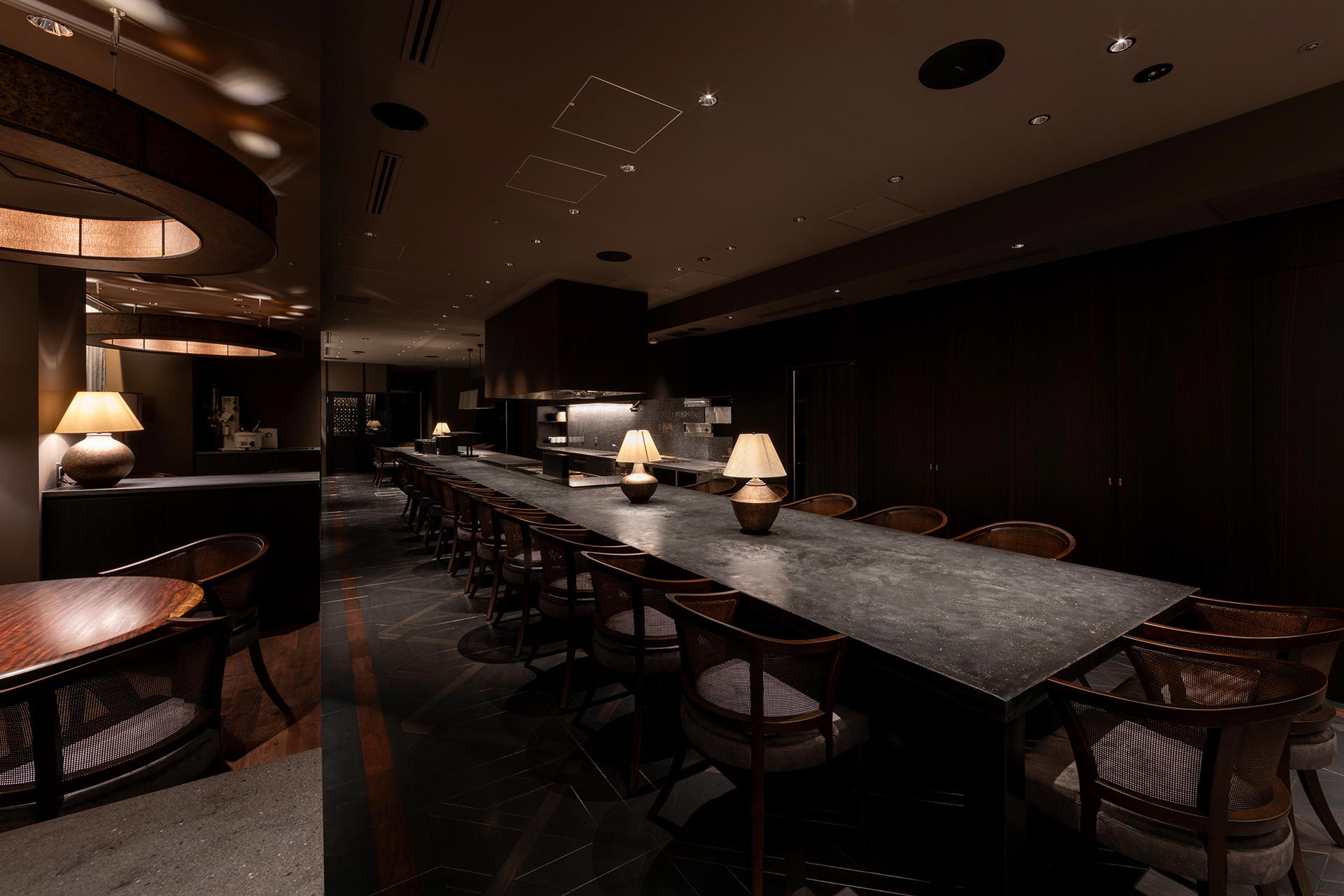
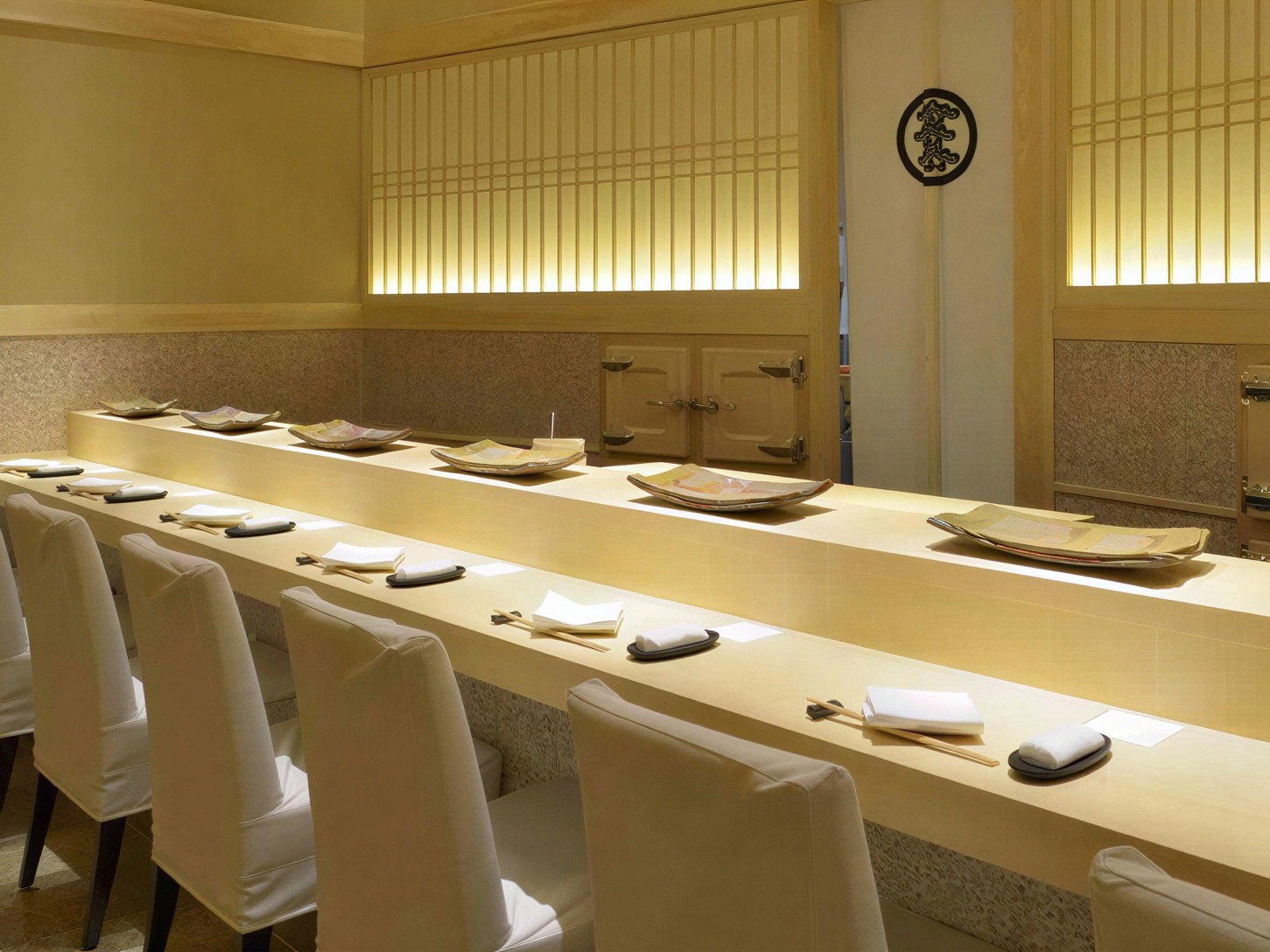
Cozy counter seating in front of the charcoal grill creates a warm, intimate atmosphere with a stylish and relaxing space.