


Operating since the Edo period, Nodaiwa Azabu Iikura Honten holds a Michelin star and a fifth-generation proprietorship in Higashi-Azabu. The kitchen follows classical Edo technique: eel is steamed to remove excess fat before grilling, either plain in shirayaki style or glazed in kabayaki. The house tare, adjusted across generations to reflect shifting tastes, is among the more historically grounded in Tokyo.
Pearl is the En Primeur Club membership app — saves, bookings, and concierge access live there. Same editors, same standards.
- Address
- 1 Chome-5-4 Higashiazabu, Minato City, Tokyo 106-0044, Japan
- Phone
- +81 3-3583-7852
- Website
- nodaiwa.co.jp
- Directions
- Get directions
 Saves & bookings on Pearl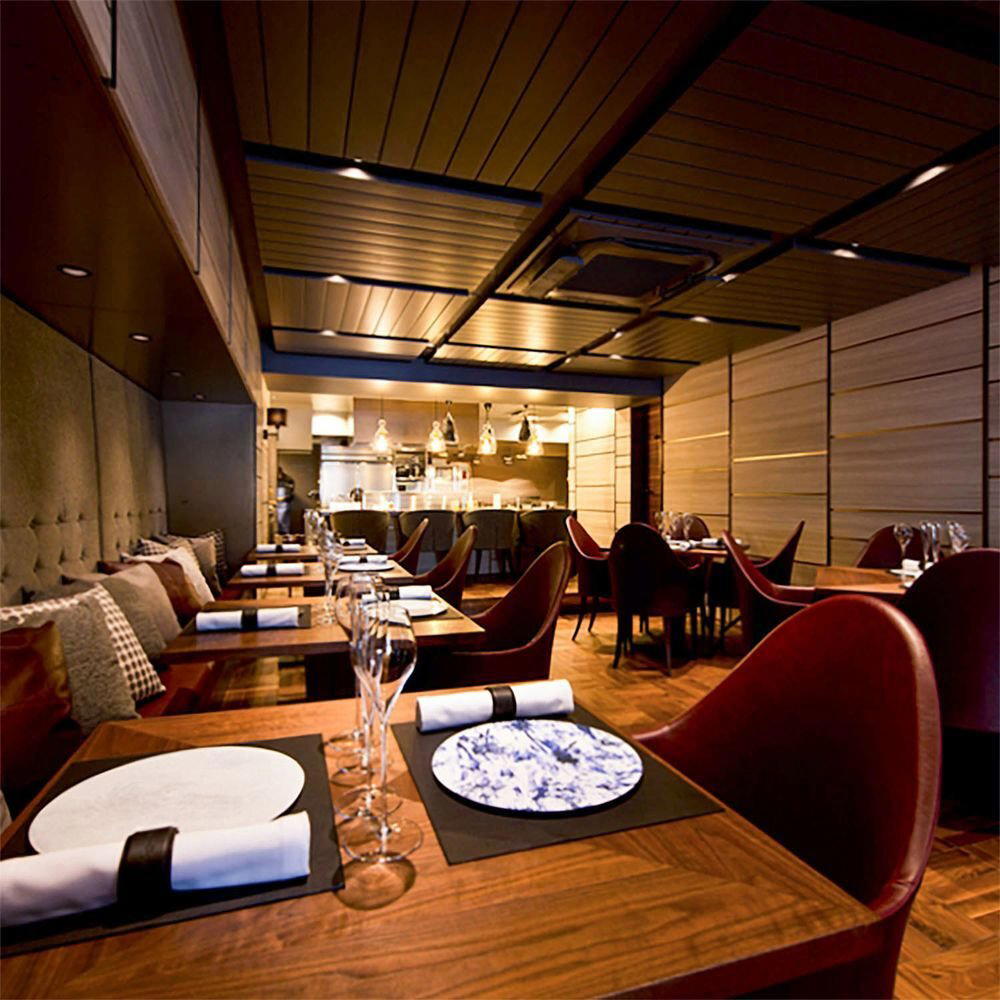
A Sauce That Has Been Evolving for Centuries
Tokyo's unagi tradition divides along regional lines before it divides along quality lines. The Kanto style, dominant in the capital, involves steaming the eel first to purge excess fat before finishing it over charcoal, producing a texture markedly softer than the direct-grill Kansai approach. That distinction matters because it shapes everything downstream: the char, the fat content, the way sauce adheres to the flesh. At Nodaiwa Azabu Iikura Honten in Higashi-Azabu, the kitchen operates squarely within that Kanto tradition, and has done so continuously since the Edo shogunate. The restaurant is one of the few places in the city where the historical lineage of a preparation style can be traced through five generations of the same family.
The fifth-generation proprietor, Kanejiro Kanemoto, continues a philosophy inherited rather than invented: that eel is a food for everyone, not a luxury category sealed off behind ceremony. That positioning has practical consequences. At the ¥¥ price tier, Nodaiwa sits well below the ¥¥¥¥ bracket occupied by Tokyo's kaiseki and premium sushi counters, venues like Ginza Yondaime TAKAHASHIYA or the Michelin-weighted omakase rooms that price against a different audience entirely. A Michelin star earned in 2024, alongside Opinionated About Dining rankings placing it 22nd in Japan for casual dining in 2024 and 30th in 2025, confirms the kitchen's technical standing without displacing its identity as an accessible specialist house.
The Technique Behind the Tradition
Unagi cooking in the Kanto style is a three-stage process: steaming, resting, then grilling. The steaming phase is not incidental. It removes fat from the flesh and changes the texture at the cellular level, resulting in a softer, more yielding bite than direct-fire methods allow. The grill then provides the surface char and the aromatic caramelisation that define kabayaki. At Nodaiwa, that grilling happens either with the house tare, a soy-mirin dipping sauce whose proportions have shifted across generations as taste preferences evolved, or without any sauce at all in the shirayaki preparation. Shirayaki is the more demanding test of an eel kitchen: with no sauce to add depth or mask imperfection, the quality of the sourced eel and the precision of the grill work are fully exposed.
The tare itself carries institutional weight. In serious unagi houses, the sauce base is maintained continuously, with new batches blended into the existing stock so that a portion served today carries flavour memory from previous decades. That accumulation of depth is difficult to replicate in a newer kitchen, which is part of why establishments with long operating histories occupy a distinct position in this category. For context on how the category plays across Tokyo more broadly, Hatsuogawa, Mejiro Zorome, Unagi Tokito, and Watabe each represent different points on the spectrum of approach, price, and setting. Nodaiwa anchors the historical end of that range.
Outside Tokyo, the Edo-style eel tradition continues in specialist houses in other cities. Ike Edoyakiunagi Asahitei in Nara and Kanesho in Kyoto carry variations of the same classical approach in different regional contexts.
Planning Around This Restaurant
The editorial angle on Nodaiwa is inseparable from the practical one, because knowing how to approach this restaurant changes what you take from it. The address is 1 Chome-5-4 Higashi-Azabu, Minato City, Tokyo 106-0044, placing it in a quiet residential and diplomatic pocket of the city that sits between the noise of Roppongi to the west and the bayside density of Shiodome to the east. The neighbourhood does not generate foot traffic in the way that Ginza or Shibuya do, which means visitors arriving without intent are rare. The audience here tends to be deliberate: locals who already understand the category, visitors who have done the research, and business diners for whom a historically grounded specialist house communicates something that a contemporary kaiseki room does not.
3 across 1,599 responses. Michelin recognition and Opinionated About Dining placement both indicate that the critical community has reached a similar conclusion. The OAD ranking, which weights heavily toward the assessments of professional chefs and industry insiders, is particularly telling for a casual-format specialist: a ranking of 22nd in Japan in 2024 in that category places Nodaiwa in recognised territory across the serious assessment circuit covering Japanese dining.
Booking logistics for this category in Tokyo generally follow a pattern: lunch service tends to be more accessible than dinner, and mid-week slots open earlier than weekend ones. Nodaiwa's Higashi-Azabu location, away from the highest-concentration tourist and business entertainment zones, may make securing a reservation marginally more achievable than at comparably rated venues in Ginza or Nihonbashi. However, the Michelin star and the growing global profile of Tokyo dining mean that foreign visitors should not assume availability on short notice. Planning two to four weeks ahead is sensible as a baseline; more lead time during peak travel periods in spring and autumn is advisable.
The ¥¥ pricing tier places a meal here within reach of most visitors making dedicated dining decisions in Tokyo. The category itself rewards a considered approach: ordering shirayaki alongside kabayaki allows a direct comparison of what the kitchen can do without and with the sauce, a comparison that is genuinely instructive for understanding the technique at work.
Where Nodaiwa Sits in Tokyo's Dining Frame
Tokyo's restaurant recognition apparatus, across Michelin, OAD, and the various critical circuits that cover Japanese dining internationally, tends to cluster attention on the ¥¥¥¥ tier: kaiseki rooms, premium sushi counters, and the wave of French-influenced fine dining that cities like Osaka and Tokyo have developed in parallel. Venues at that level include HAJIME in Osaka, Gion Sasaki in Kyoto, akordu in Nara, Goh in Fukuoka, 1000 in Yokohama, and 6 in Okinawa. Nodaiwa operates by a different logic entirely, one that treats accessibility as a condition of cultural transmission rather than a compromise. Kanemoto trains successive cohorts of cooks in the specific techniques of Edo eel preparation, which means the restaurant functions partly as an institution for keeping a craft alive rather than simply as a place to eat.
That institutional function is what separates Nodaiwa from most other Michelin-starred restaurants in the city. The recognition here reflects mastery of a specific historical tradition, maintained at scale, at accessible prices, without relaxing the technical standards that make the tradition worth maintaining. That is a narrower and harder thing to achieve than originality.
For more on where to eat, drink, and stay across the city, see our full Tokyo restaurants guide, our full Tokyo hotels guide, our full Tokyo bars guide, our full Tokyo wineries guide, and our full Tokyo experiences guide.
What Should I Eat at Nodaiwa Azabu Iikura Honten?
The kitchen's two core preparations anchor the menu. Kabayaki, in which the steamed eel is dipped in the house tare and grilled over charcoal, is the signature: the sauce caramelises against the flesh and produces the aromatic profile that defines the Edo unagi tradition. Shirayaki, the unsauced version, is grilled plain and served without accompaniment beyond condiments such as wasabi or salt, which allows the quality of the eel itself and the control of the grill work to register directly. Ordering both on the same visit is one instructive approach, since the contrast between the preparations illuminates what the technique and the ingredient each contribute. The house tare, refined across five generations and adjusted as tastes have shifted between Meiji-era proportions and contemporary preferences, carries a depth that a newer restaurant cannot manufacture. The Ginza Yondaime TAKAHASHIYA reference point applies here: within Tokyo's specialist category restaurants, the accumulated flavour history of a long-maintained sauce is treated as a credential in its own right. Nodaiwa holds that credential across a longer arc than almost any comparable house in the city. The Michelin star awarded in 2024 and the OAD casual rankings confirm that the technical execution supports the historical claim.
What It’s Closest To
Comparable venues nearby, for context on price, style, and recognition.
| Venue | Cuisine | Price | Awards | Notes |
|---|---|---|---|---|
| Nodaiwa Azabu Iikura HontenThis venue — the venue you are viewing | Traditional Kansai-Style Unagi | $$$$ | Michelin 1 Star | Not listed |
| Nishiazabu Noguchi | Kaiseki Omakase | $$$$ | Michelin 1 Star | Minato |
| Ginza Toyoda | Michelin-Starred Kaiseki | $$$$ | Michelin 1 Star | Chūō |
| Akasaka Shimabukuro | Refined Kaiseki | $$$$ | Michelin 1 Star | Minato |
| GINZA OKUDA | Seasonal Japanese Kaiseki | $$$$ | Michelin 1 Star | Chūō |
| Yotsuya Minemura | Kappo Omakase with Soba | $$$$ | Michelin 1 Star | Shinjuku |
Recognition history
Dated appearances from independent guides and award organizations, with the underlying list record or original source where available.
Michelin 1 Star
Michelin
Opinionated About Dining Casual in Japan Ranked #110
Opinionated About Dining
Opinionated About Dining Casual in Japan Ranked #30
Opinionated About Dining
Michelin 1 Star
Michelin
Opinionated About Dining Casual in Japan Ranked #22
Opinionated About Dining
Tabelog 100 #95 · No. 95
Tabelog · Tabelog 100 - Unagi - 2024
Opinionated About Dining Top Restaurants in Japan Highly Recommended
Opinionated About Dining
Continue exploring
More in Tokyo
More from Chef Various
Browse all →
Restaurants in Tokyo
Browse all →


Bars in Tokyo
Browse all →






At a Glance
- Classic
- Elegant
- Intimate
- Well Known
- Quiet
- Special Occasion
- Celebration
- Date Night
- Private Dining
- Historic Building
- Beer Program
- Local Sourcing
Current opening hours
- Monday
- 11 AM–1:30 PM, 5–8 PM
- Tuesday
- 11 AM–1:30 PM, 5–8 PM
- Wednesday
- 11 AM–1:30 PM, 5–8 PM
- Thursday
- 11 AM–1:30 PM, 5–8 PM
- Friday
- 11 AM–1:30 PM, 5–8 PM
- Saturday
- 11 AM–2 PM, 5–8 PM
- Sunday
- Closed
Hours can change for holidays and private events. Last verified .
Deeply traditional Edo-period setting with original wooden machiya structure, tatami seating, hushed service, and refined Japanese details including flowers and miniature trees that transport guests to a quieter historical age.