
In Bunkyo's Yushima district, Tentenkyokyo Umean keeps Edo-period tempura and soba tradition alive through an omakase format that lets diners shape their own meal. Shiba-shrimp tempura, a staple of the old shitamachi soba-shop counter, anchors the menu, carrying a culinary lineage that predates modern Tokyo. The ¥¥¥ pricing places it firmly in the considered mid-to-upper tier, accessible without the reservation gauntlet of the city's Michelin-weighted counters.
Pearl is the En Primeur Club membership app — saves, bookings, and concierge access live there. Same editors, same standards.
- Address
- 3 Chome-10-10 Yushima, Bunkyo City, Tokyo 113-0034, Japan
- Phone
- +81 3-5817-8066
- Website
- instagram.com
- Directions
- Get directions
 Saves & bookings on Pearl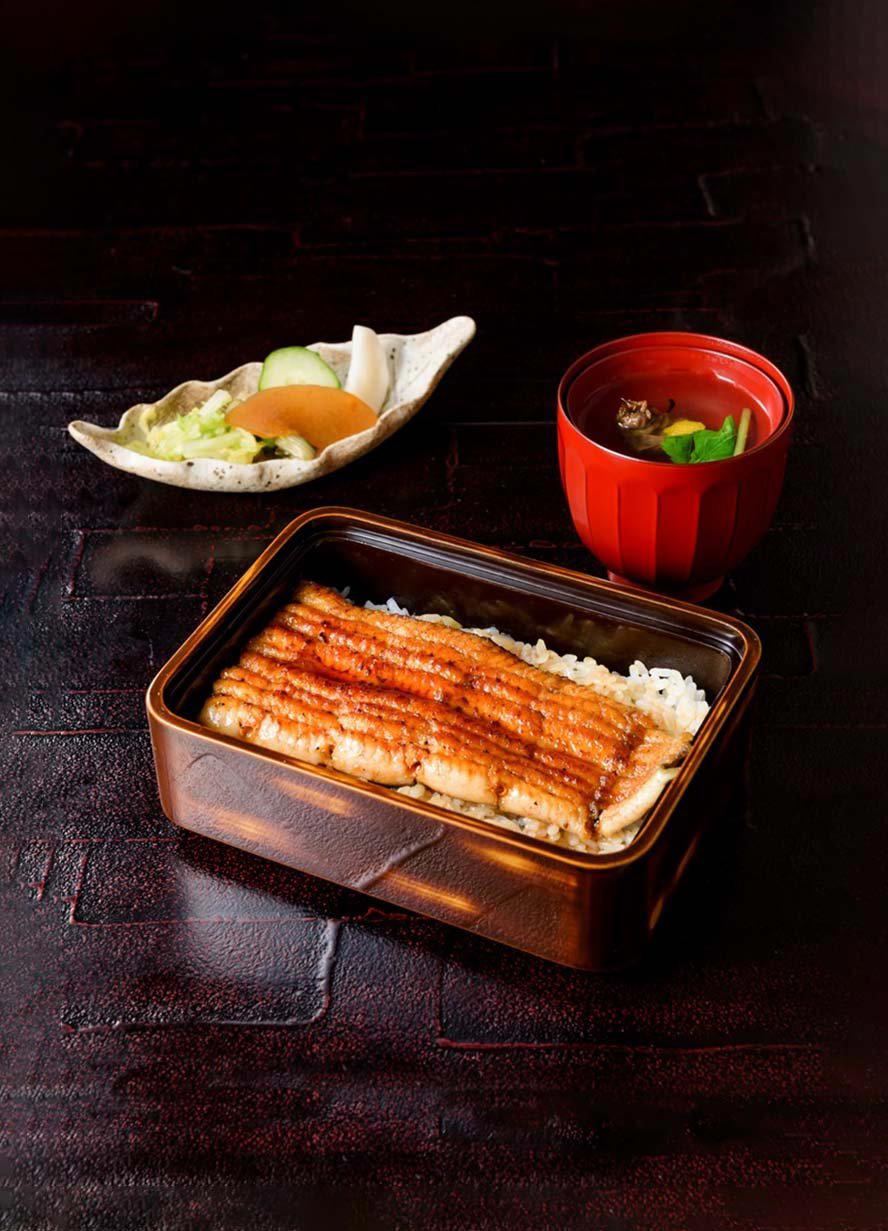
Soba, Shrimp, and the Long Memory of Edo
Shiba shrimp, small, sweet, and once harvested from the tidal flats of what is now reclaimed land in central Tokyo, tell a compressed history of the city in a single bite. The sea that gave them their name no longer exists, replaced by port infrastructure and urban fill. Yet the shrimp, skewered and deep-fried, remain a fixed point in Tokyo's tempura canon, ordered at soba counters across the shitamachi districts just as they were in the Edo period. At Tentenkyokyo Umean, located in Yushima in Bunkyo City, that continuity is the menu's central argument.
Tokyo's premium dining conversation is often dominated by innovation, by French-Japanese hybridisation, and by kaiseki counters pushing technique into new registers. Venues like RyuGin and L'Effervescence sit at the expensive end of that forward-looking spectrum. Sézanne and Crony represent the French-inflected wing. Against all of that, a soba-and-tempura house in Yushima that foregrounds shiba shrimp is doing something deliberate: holding ground rather than chasing the new. In a city that has largely moved on from its Edo-period soba-shop culture, that position carries its own weight.
What the Omakase Format Reveals About the Kitchen's Priorities
The omakase structure at Tentenkyokyo Umean is looser than the rigid progression you would encounter at a high-end sushi counter like Harutaka, where the chef's sequence is the product. Here, the format carries a meaningful degree of guest agency: you decide whether to include small dishes alongside the tempura or to build your meal around the frying alone. That flexibility is not a hedge; it reflects the way Edo-period soba shops actually operated, where the counter served as a social space and the order of eating was negotiated rather than imposed.
The name itself encodes this: Tentenkyokyo carries the wish that guests enjoy tempura and soba to their heart's content. The phrase is affective, almost folk-song in register, and it positions the restaurant inside a tradition of hospitality that pre-dates the tasting-menu era entirely. That origin matters for understanding what kind of visit this is. You are not being guided through a chef's vision; you are participating in a form of eating that Tokyo's working districts practiced for centuries.
Shiba Shrimp and the Tradition It Carries
Shiba-shrimp question deserves its own paragraph, because the ingredient's trajectory mirrors Tokyo's urban history in ways that most menu descriptions ignore. The shrimp were once fished from the Shibaura tidal flats near what is now Minato Ward. As Edo grew and its coastline was progressively reclaimed through the Meiji and Showa eras, the habitat disappeared. The shrimp largely vanished from local waters. Yet the preparation survived, sustained by soba shops in older neighbourhoods as a point of identity: small, crisply battered, eaten with tsuyu or salt, a standard that anchors the tempura section of any serious soba counter.
Tempura as a category sits at different price and ambition levels across Tokyo. At the premium end, dedicated tempura-omakase restaurants in Ginza or Nihonbashi charge ¥¥¥¥ and style the frying course as a procession of seasonal seafood and vegetables. Tentenkyokyo Umean occupies the ¥¥¥ band, which places it closer to the traditional soba-shop model than the standalone tempura counter. The combination of soba and tempura under one roof is historically coherent; separating them into distinct restaurant categories is the modern departure, not the original practice.
Yushima and the Bunkyo Dining Context
Bunkyo is not a district that features heavily in Tokyo dining itineraries written for international visitors. The neighbourhood's character is shaped by Yushima Tenmangu shrine, the University of Tokyo campus, and the kind of low-rise residential and commercial fabric that has been slower to gentrify than Shibuya or Minami-Aoyama. Soba and tempura houses fit here in a way they no longer fit in Roppongi. The address at 3 Chome-10-10 Yushima puts the restaurant within the older tissue of the city, which is precisely the right location for a kitchen making claims about Edo continuity.
For visitors building a broader Tokyo itinerary, Bunkyo offers a different register than the city's headline dining districts. Our full Tokyo restaurants guide covers the city's full range, from this neighbourhood scale up to the major-destination counters. If the trip extends beyond Tokyo, HAJIME in Osaka, Gion Sasaki in Kyoto, and akordu in Nara represent different approaches to the same tradition of serious Japanese cooking. Further afield, Goh in Fukuoka, 1000 in Yokohama, and 6 in Okinawa each reflect distinct regional identities. For international comparisons in the tradition-versus-innovation framing, Le Bernardin in New York City and Atomix in New York City occupy analogous positions on opposite ends of the classical-to-contemporary spectrum.
Planning a Visit
The restaurant sits in the ¥¥¥ price tier, which positions it below the full-commitment omakase counters that dominate Tokyo's premium sushi and kaiseki scene, but above casual soba shops where tempura is an afterthought. The omakase format means timing is structured rather than drop-in, and advance reservation is sensible, particularly for weekend evenings when Yushima draws visitors to the shrine. The restaurant address is 3 Chome-10-10 Yushima, Bunkyo City, Tokyo 113-0034. If you are organising accommodation for the area, our full Tokyo hotels guide covers options across the city's distinct neighbourhoods. For drinks before or after, the Tokyo bars guide and Tokyo wineries guide provide context on what the city's drinking scene looks like at different price points. The Tokyo experiences guide is also worth consulting if Bunkyo and its shrine circuit are part of a wider day.
Similar Picks
Comparable venues nearby, for context on price, style, and recognition.
| Venue | Cuisine | Price | Notes |
|---|---|---|---|
| Tentenkyokyo UmeanThis venue — the venue you are viewing | Soba and Tempura | $$$ | Not listed |
| Ichita いち太 | Seasonal Japanese Kaiseki with House-made Soba | $$$ | Minato |
| Tsurutokame | Seasonal Kaiseki | $$$ | Chūō |
| Morifuji | Traditional Japanese Conger Eel | $$$ | Shinjuku |
| Koshita | Japanese Fine Dining | $$$ | Chiyoda |
| Sato Burian | Premium Yakiniku with Chateaubriand | $$$ | Suginami |
Recognition history
Dated appearances from independent guides and award organizations, with the underlying list record or original source where available.
Michelin Plate
Michelin









At a Glance
- Cozy
- Intimate
- Elegant
- Date Night
- Solo
- Special Occasion
- Sake Program
Current opening hours
- Monday
- 12–2 PM
- Tuesday
- Closed
- Wednesday
- 12–2 PM, 6–9 PM
- Thursday
- 12–2 PM, 6–9 PM
- Friday
- 12–2 PM, 6–9 PM
- Saturday
- 12–2 PM, 6–9 PM
- Sunday
- 12–2 PM, 6–9 PM
Hours can change for holidays and private events. Last verified .
Warm welcoming relaxed atmosphere.