
A Michelin Bib Gourmand unagi specialist in Mejiro, Toshima City, where freshwater eel is dressed, skewered, and grilled over high-grade charcoal in full view of counter seats. Edo-style technique keeps steaming time short and sauce sparse, letting the eel carry the work. Rice arrives firm, finished with freshly ground sansho pepper. A mid-price entry point into Tokyo's serious unagi tradition.
Pearl is the En Primeur Club membership app — saves, bookings, and concierge access live there. Same editors, same standards.
- Address
- Japan, 〒171-0031 Tokyo, Toshima City, Mejiro, 3 Chome−3−1 目白スクエアビル B1F
- Phone
- +81 3-6908-3653
- Website
- tablecheck.com
- Directions
- Get directions
 Saves & bookings on Pearl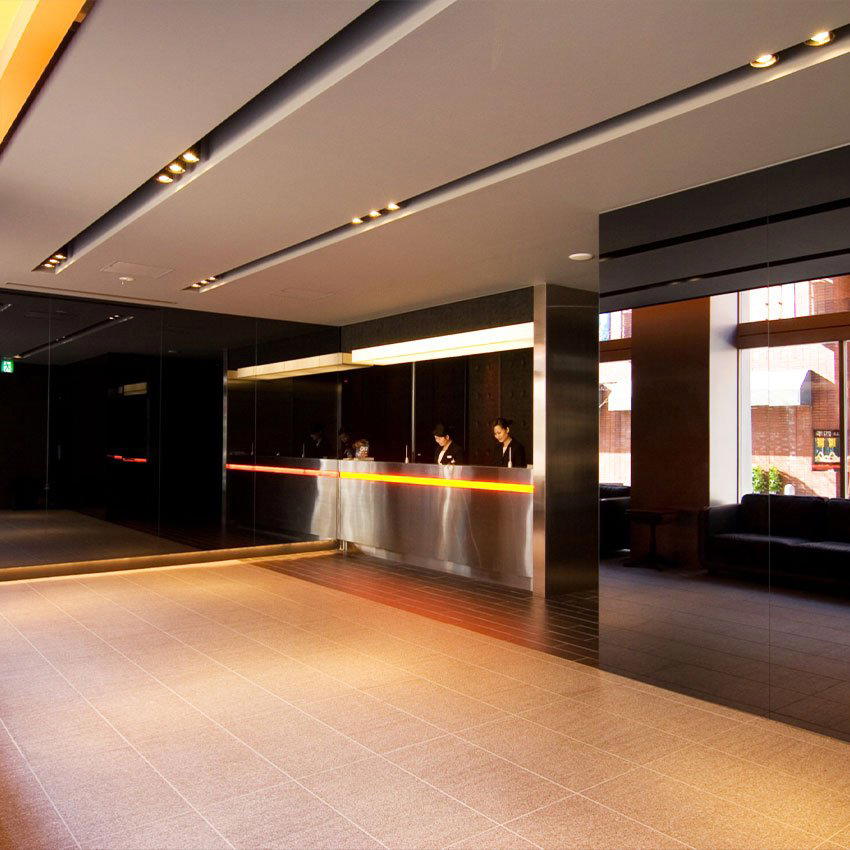
Counter Cooking as Architecture: The Design Logic of Mejiro Zorome
Mejiro Zorome is a Tokyo restaurant serving Edo-style unagi with Kyosui eel. The older, high-ceilinged establishments in Asakusa and Ueno were built for anonymity: customers seated in rooms, food arriving complete, the kitchen invisible. A newer generation of specialist counters, concentrated in residential neighbourhoods rather than tourist corridors, inverts that logic entirely. At Mejiro Zorome, located in the basement level of the Mejiro Square Building in Toshima City, the counter format is not incidental to the experience, it is the experience. The kitchen is the room. The cooking sequence is the architecture.
This spatial choice carries weight. When a kitchen commits to counter exposure, every element of craft becomes legible: the maintenance of the live purifying tanks where eel is held until the moment of preparation, the skewering, the rhythm of passes over the charcoal grill. Diners at the counter are not watching a performance staged for them; they are observing a technical process that happens to have an audience. That distinction matters, and Mejiro Zorome's Bib Gourmand recognition from Michelin in 2024 suggests the inspectors read the room the same way.
The Edo Tradition and What Restraint Actually Means
Edo-style unagi, the dominant grammar of Tokyo eel cookery, relies on a steaming step inserted between two grill passes. The logic is textural: steaming drives off excess fat, creating the softer, cleaner finish that distinguishes Tokyo-style from the Nagoya approach, where eel is grilled without steaming and arrives with a firmer, more charred character. The variable in Edo-style is how long the steam runs. Longer steaming produces a more homogeneous, yielding texture; shorter steaming preserves more of the eel's fibrous structure and allows the charcoal char to remain present in the bite.
The restaurant's recorded technique specifies a short steaming time, a choice that positions it toward the firmer, more texturally assertive end of the Edo spectrum. Sauce is applied in three dips but used sparingly, the classical tare methodology without the heavy coating that can overwhelm the eel's flavour. Freshly ground sansho pepper and rice cooked to a firm consistency complete the composition. Each of these choices reinforces the same editorial position: let the ingredient lead. This is not a minimalism of effort but a minimalism of interference, which requires more technical precision, not less.
Across Tokyo's unagi tier, a similar philosophy appears at Nodaiwa Azabu Iikura Honten, one of the city's most historically rooted eel houses, and at Hatsuogawa, another specialist in the Edo mode. Ginza Yondaime TAKAHASHIYA occupies a higher price bracket and a more prominent address, offering a useful point of comparison for what shifts as you move up the tier. Unagi Tokito and Watabe round out the conversation among Tokyo's active unagi specialists worth tracking.
Mejiro as a Neighbourhood Context
Mejiro sits between Ikebukuro to the north and Takadanobaba to the south, a residential pocket that has historically supported a quieter tier of specialist dining rather than the destination-restaurant traffic of Ginza or Shinjuku. The Mejiro Square Building basement location follows a pattern recognisable across Tokyo's mid-price specialist category: good-quality cooking at accessible prices in spaces designed for regulars rather than tourists. This geography is itself a trust signal. Restaurants in working residential neighbourhoods cannot sustain themselves on novelty visits; the clientele cycles back weekly, and the kitchen has to perform consistently to hold it.
Chef Okada Yoshiaki works within this neighbourhood context, where the counter format and the mid-price positioning (¥¥ on a four-point scale) communicate a specific kind of proposition: serious technique, open process, no premium charged for address or spectacle. The Bib Gourmand designation, which Michelin awards to venues offering quality cooking at moderate prices, formalises exactly this positioning.
What the Counter Reveals About Craft
The live tank element deserves particular attention. Keeping eel alive in purifying tanks until the moment of preparation is standard practice at specialist houses, but it is not universal across the broader category. The purification period removes the muddy, iodine-adjacent off-notes that can characterise eel held in standard conditions, and it allows the fish to arrive at the grill in the cleanest possible state. When this process runs in full view of counter seats, it functions as both transparency and statement of intent: the gap between tank and grill is minutes, not hours.
High-grade charcoal, referenced explicitly in the venue's award documentation, produces a radiant heat that differs from gas in its distribution and its interaction with the eel's surface fat. Charcoal grilling at this level is a skilled, variable process, humidity, coal temperature, and distance all require active management. The counter placement means these adjustments are visible rather than theoretical, which gives the meal a quality of real-time education that a private room never could.
Positioning Within Tokyo's Broader Dining Map
Within Tokyo's full premium dining spectrum, the restaurant operates at a different register from the ¥¥¥¥ kaiseki counter of Gion Sasaki in Kyoto or the tasting-menu ambition of HAJIME in Osaka. Its comparable set is the category of single-discipline Tokyo specialists that use Michelin recognition as a quality anchor without moving into luxury pricing. The comparison also extends to unagi specialists outside the capital: Ike Edoyakiunagi Asahitei in Nara and Kanesho in Kyoto each practise regional variants of the eel tradition, providing useful reference points for how technique and flavour profile shift across Japan's geography.
For readers building a broader Tokyo itinerary, the city's full dining range is mapped across our full Tokyo restaurants guide, with related coverage in our full Tokyo hotels guide, our full Tokyo bars guide, our full Tokyo wineries guide, and our full Tokyo experiences guide. Further afield, akordu in Nara, Goh in Fukuoka, 1000 in Yokohama, and 6 in Okinawa cover the regional spread of Japan's current restaurant conversation.
Planning Your Visit
Address: Mejiro Square Building B1F, 3 Chome-3-1 Mejiro, Toshima City, Tokyo 171-0031. Access: Mejiro Station (JR Yamanote Line) is the nearest rail connection, placing the restaurant within walking distance of the station's east exit. Budget: ¥¥ on a four-point scale, positioning this as a mid-range specialist. Awards: Michelin Bib Gourmand 2024.2 across 173 reviews. Reservations are recommended. Hours: Mon to Tue and Thu to Sun, 11 AM to 2 PM and 5 to 9 PM; closed Wednesday.
Cuisine Context
Comparable venues nearby, for context on price, style, and recognition.
| Venue | Cuisine | Price | Awards | Notes |
|---|---|---|---|---|
| Mejiro ZoromeThis venue — the venue you are viewing | Edo-style Unagi with Kyosui Eel | $$$ | Bib Gourmand | Not listed |
| Edosoba Hosokawa | Traditional Edo Soba | $$$ | Bib Gourmand | Sumida |
| Osobano Kouga | Authentic Handmade Soba | $$$ | Bib Gourmand | Minato |
| wokotote | Modern Kaiseki | $$$ | Bib Gourmand | Bunkyō |
| Tokihami | Modern Kappo Izakaya | $$$ | Michelin Plate | Chūō |
| Tempura Nakagawa | Edomae Tempura | $$$ | Michelin Plate | Chūō |
Recognition history
Dated appearances from independent guides and award organizations, with the underlying list record or original source where available.
Michelin Bib Gourmand
Michelin
Michelin Bib Gourmand
Michelin







At a Glance
- Modern
- Cozy
- Intimate
- Sophisticated
- Date Night
- Solo
- Special Occasion
- Chefs Counter
- Open Kitchen
- Sake Program
- Local Sourcing
Current opening hours
- Monday
- 11 AM–2 PM, 5–9 PM
- Tuesday
- 11 AM–2 PM, 5–9 PM
- Wednesday
- Closed
- Thursday
- 11 AM–2 PM, 5–9 PM
- Friday
- 11 AM–2 PM, 5–9 PM
- Saturday
- 11 AM–2 PM, 5–9 PM
- Sunday
- 11 AM–2 PM, 5–9 PM
Hours can change for holidays and private events. Last verified .
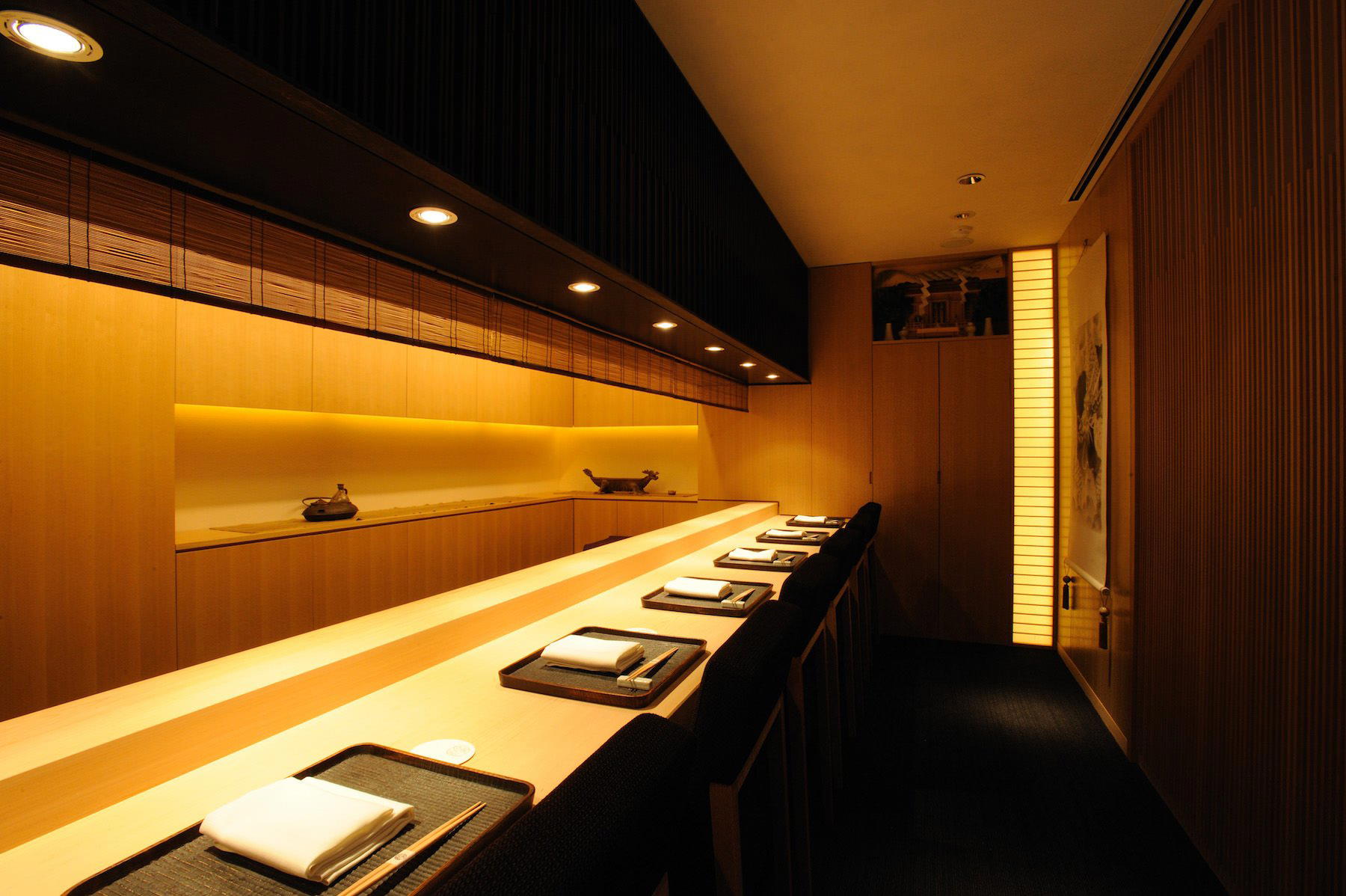
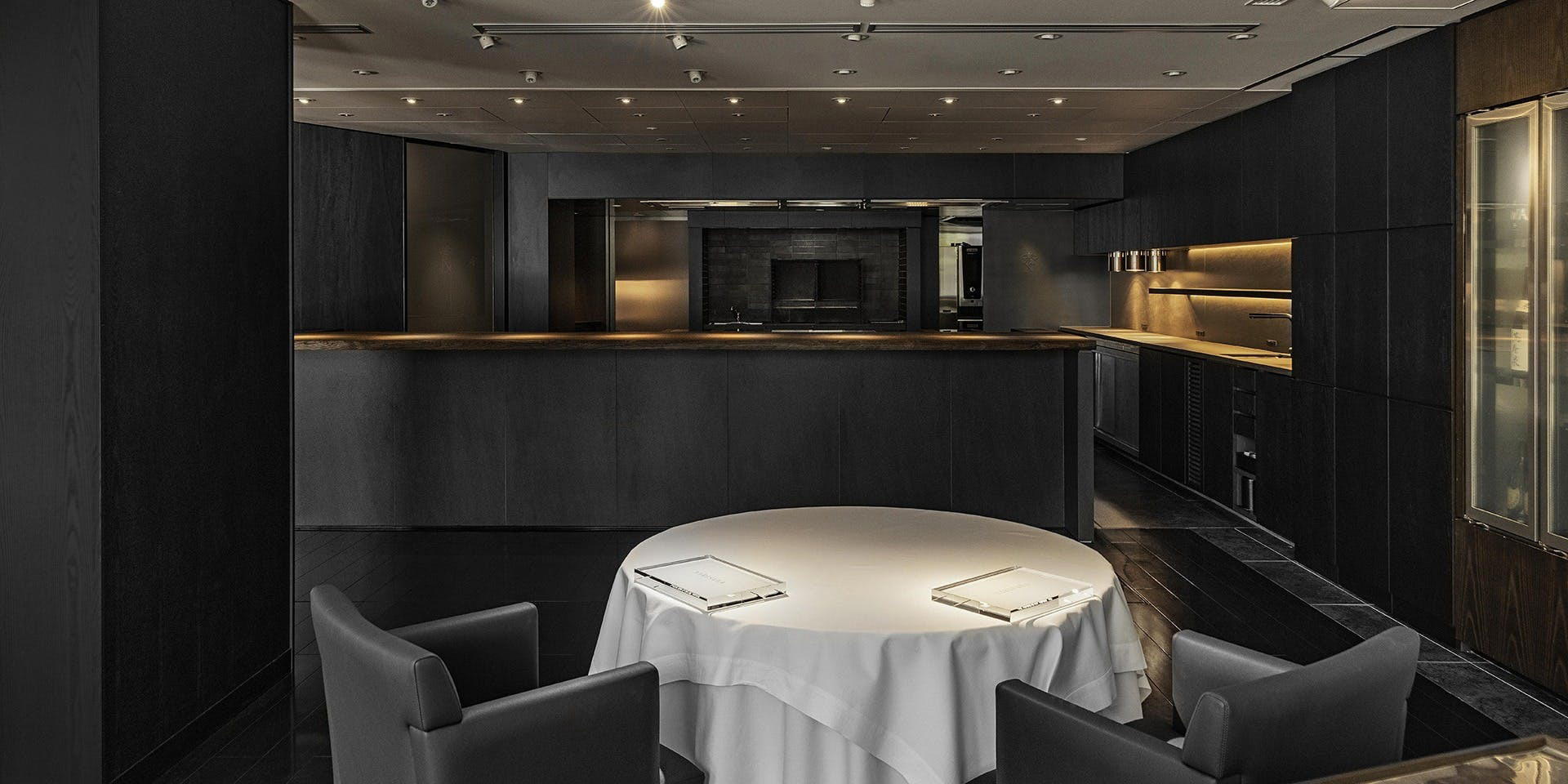
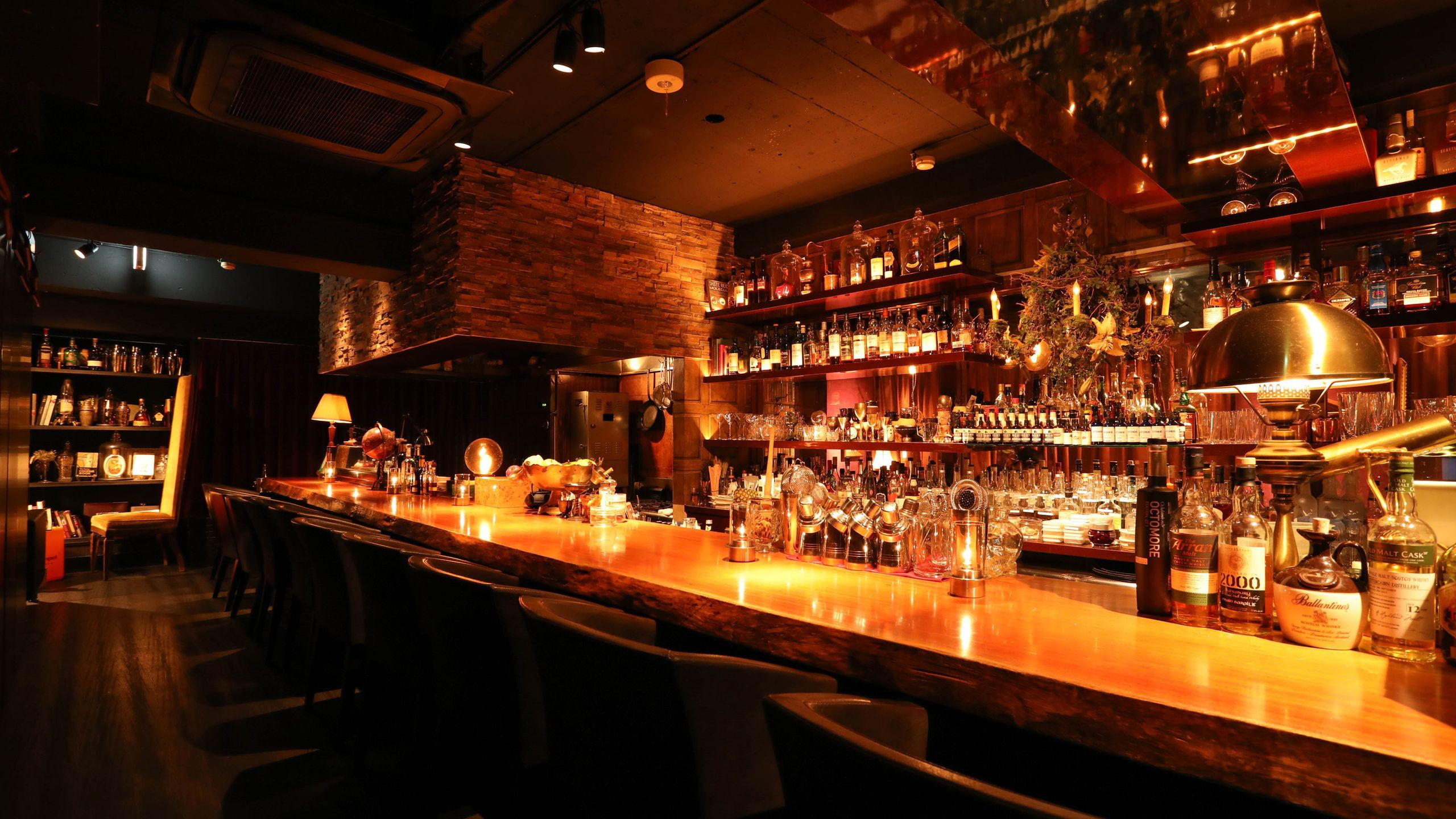
Modern Japanese aesthetic centered on a counter with warm subdued materials and calibrated lighting highlighting the grilling process; calm during lunch and intimate at dinner.