

A Ginza outpost of a Saitama eel house founded in 1873, Ginza Yondaime Takahashiya brings the Kanto tradition of steamed-then-grilled unagi into a kaiseki-inflected format the fourth proprietor calls 'eel kappo.' Michelin Plate recognition in both 2024 and 2025 places it inside the city's recognised unagi tier, at a mid-range price point that sits well below the capital's premium kaiseki counters.
Pearl is the En Primeur Club membership app — saves, bookings, and concierge access live there. Same editors, same standards.
- Address
- Japan, 〒104-0061 Tokyo, Chuo City, Ginza, 4 Chome−12−1 VORT銀座イーストⅡ 4F
- Phone
- +81 3-3547-0021
- Website
- takahashiya-ginza.com
- Directions
- Get directions
 Saves & bookings on Pearl
Where Tokyo's Eel Tradition Meets the Kaiseki Counter
The fourth floor of a Ginza commercial building is not where most diners expect to encounter a restaurant lineage stretching back to the Meiji era, but that displacement is part of the point. The Kanto approach to unagi has always been about transformation through process: the eel is split down the back, steamed to extract fat and soften the flesh, then grilled over charcoal to finish. The result is texturally distinct from the Kansai method, which skips the steaming step entirely. Ginza Yondaime Takahashiya, the Tokyo branch of a house founded in Sugito, Saitama Prefecture in 1873, operates squarely within that Kanto lineage, and the room's quiet formality signals that from the moment you arrive.
The Architecture of the Meal
The format here is the story. Most Tokyo unagi restaurants still operate within a tight menu vocabulary: hitsumabushi, uma-don, variations on the rice-bowl formula. The fourth proprietor, Akihiro Takahashi, moved in a different direction when he brought the house to Ginza, framing the meal around what he describes as 'eel kappo.' In practice, that means soup dishes and decoratively arranged preparations served in a kaiseki sequence, rather than the single-dish presentation that most eel specialists offer. The word kappo carries specific meaning in Japanese dining: it implies a counter format where the cook prepares dishes to order and paces them according to the guest's rhythm, closer to a French tasting menu in its logic than to the fixed donburi sets that anchor the broader unagi category.
That structural choice has consequences for how you eat. The meal unfolds across multiple courses rather than arriving as a composed bowl, which means the diner engages with eel in several forms and textures across the sitting. Each component is prepared fresh: the eel is cut to order, steamed, and then grilled, which is not a given even in serious Tokyo unagi houses. The kaiseki scaffolding around the main ingredient also allows for seasonal vegetables, dashi-based soups, and garnishes that shift with the market, placing this closer in spirit to Kyoto kaiseki traditions than to the fast-service eel shops that remain common across the capital. For comparable takes on Kanto unagi traditions at a similar price tier, Hatsuogawa and Unagi Tokito offer useful reference points, each with their own formatting logic.
The Sukiyaki Detour
Within a meal built on classical process, there is one gesture that reads as explicitly contemporary: the option to dip eel in raw egg yolk, à la sukiyaki. That single touch is worth pausing on. Sukiyaki's egg-dip ritual is among the more recognised tableside customs in Japanese dining, familiar to most guests before they arrive. Transplanting it to an eel course is an associative move, borrowing the richness and ceremonial quality of sukiyaki service and applying it to a different protein. The egg yolk softens the char from the grill, adds fat, and slows the pace of eating in a way that suits a kappo format. It is the kind of detail that signals a kitchen comfortable with Tokyo's broader dining culture, not just its eel-specialist tradition.
Where This Sits in the Ginza Eel Spectrum
Ginza's dining tier runs from street-level lunch counters up through three-Michelin-star rooms at the ¥¥¥¥ bracket, represented in the neighbourhood by kaiseki and sushi operations such as Gion Sasaki in Kyoto or, at the summit of the Tokyo sushi world, counters comparable to Harutaka. Takahashiya sits at ¥¥, which in central Ginza is a meaningful position: it offers the address and the format discipline of premium dining without the pricing of the city's leading kaiseki or omakase counters. That combination of Meiji-era provenance, consistent Michelin Plate recognition in 2024 and 2025, and a mid-range price point gives it a different competitive role from peers such as Nodaiwa Azabu Iikura Honten, one of Tokyo's most cited unagi addresses, which operates at a higher price tier.
For diners exploring unagi more broadly across Japan, the category extends well beyond Tokyo. Kanesho in Kyoto and Ike Edoyakiunagi Asahitei in Nara represent the Kansai approach to the same ingredient, where the absence of steaming produces a firmer, more charred result. The contrast between the two regional traditions is one of the more instructive comparisons in Japanese dining and is worth planning a meal around if time in Japan allows for both cities.
Getting Oriented in the Neighbourhood
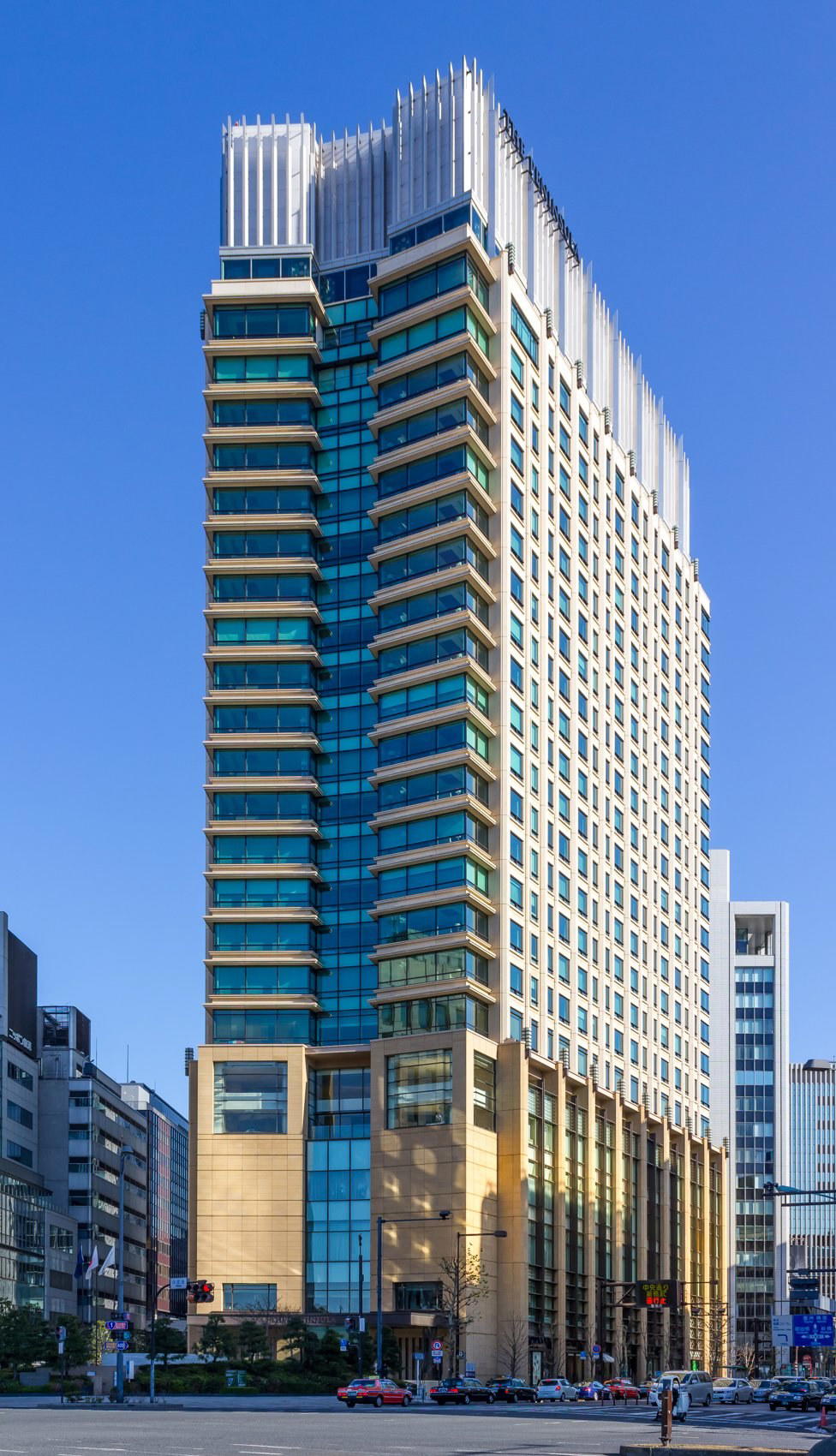
The restaurant occupies the fourth floor of VORT Ginza East II, a commercial building on Chome 4-12-1 in Ginza's central grid. The eel kappo format at Takahashiya sits in a distinct niche within that mix. Beyond unagi, Tokyo's dining scope extends to Mejiro Zorome and Watabe for contrasting Japanese formats, and our full Tokyo restaurants guide maps the broader picture. Elsewhere in Japan, HAJIME in Osaka, akordu in Nara, Goh in Fukuoka, 1000 in Yokohama, and 6 in Okinawa round out the country's fine-dining options for those planning a longer itinerary.
Cuisine and Recognition
Comparable venues nearby, for context on price, style, and recognition.
| Venue | Cuisine | Price | Awards | Notes |
|---|---|---|---|---|
| Ginza Yondaime TAKAHASHIYAThis venue — the venue you are viewing | Traditional Japanese Unagi Kappo | $$$$ | Michelin Plate | Not listed |
| Noto Kanazawanosachi Ginza Furuta | Ishikawa Regional Japanese Kaiseki | $$$$ | Michelin Plate | Chūō |
| Kagurazaka Marutomi | Kaiseki with Iwate Wagyu | $$$$ | Michelin Plate | Shinjuku |
| Hibinoryori Viola | Kaiseki Home Cooking | $$$$ | Michelin Plate | Minato |
| Arakicho Tatsuya | Seasonal Kaiseki | $$$$ | Michelin Plate | Shinjuku |
| Oryori Katsushi | Seasonal Kaiseki Kappo | $$$$ | Michelin Plate | Chūō |
Recognition history
Dated appearances from independent guides and award organizations, with the underlying list record or original source where available.
Michelin Plate
Michelin
Michelin Plate
Michelin
Michelin Plate
Michelin
Tabelog 100 #2 · No. 2
Tabelog · Tabelog 100 - Unagi - 2024




At a Glance
- Elegant
- Sophisticated
- Classic
- Intimate
- Business Dinner
- Special Occasion
- Solo
- Sake Program
- Local Sourcing
Current opening hours
- Monday
- Closed
- Tuesday
- 11:15 AM–11 PM
- Wednesday
- 11:15 AM–11 PM
- Thursday
- 11:15 AM–11 PM
- Friday
- 11:15 AM–11 PM
- Saturday
- 11:15 AM–11 PM
- Sunday
- 11:15 AM–11 PM
Hours can change for holidays and private events. Last verified .
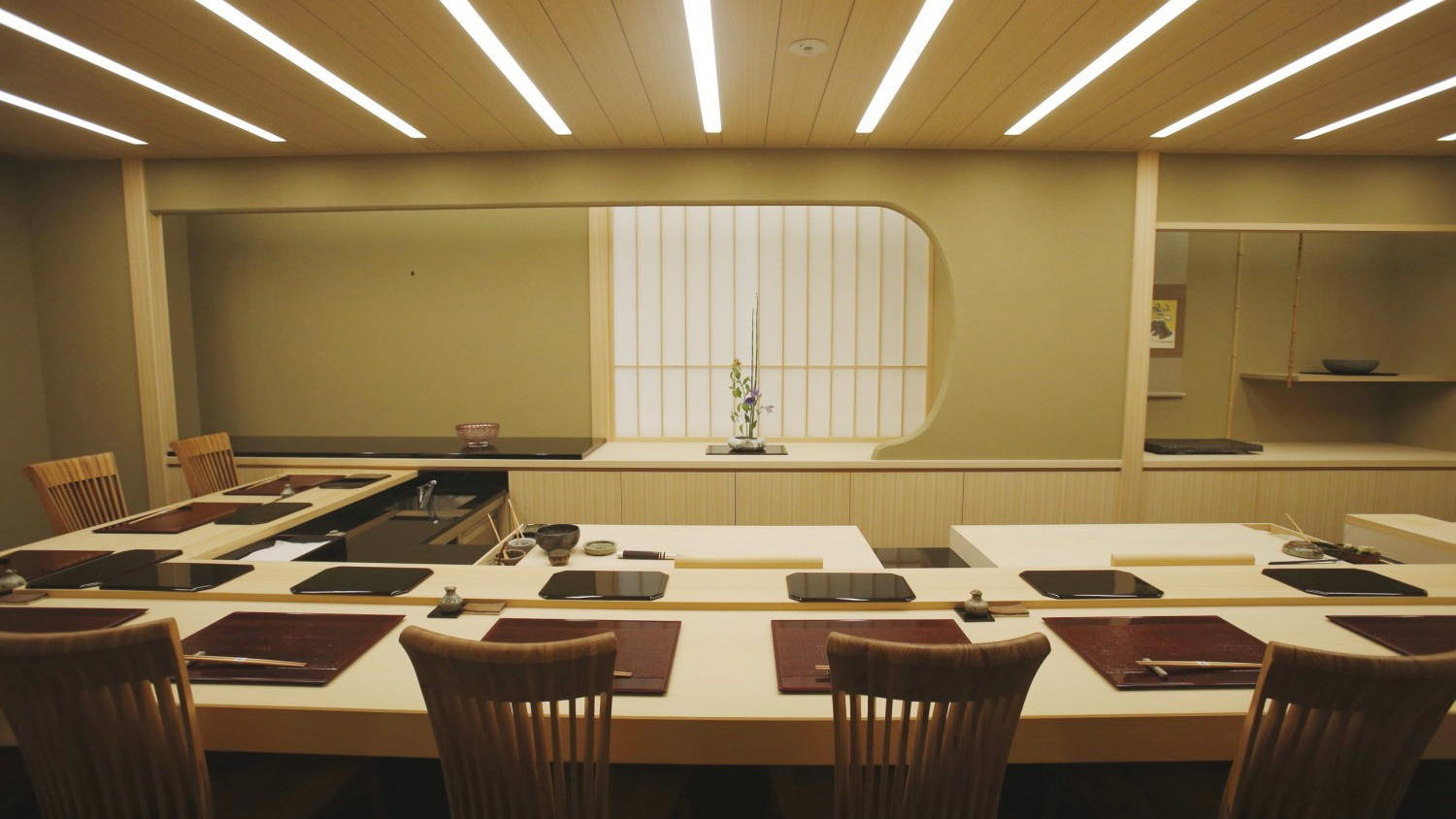
Refined and relaxed space resembling a small art museum with calm, sophisticated atmosphere.