
Aoyama Ototo holds a Michelin Plate in both 2024 and 2025 for its focused approach to char-grilled fish and iron-pot rice, operating at the mid-price tier in Jingumae. Set lunches anchor the midday offering while evenings open into à la carte grilling, sake pairings, and a kitchen that draws on the chef's Wakayama roots for its pickled Nanko-ume apricots.
Pearl is the En Primeur Club membership app — saves, bookings, and concierge access live there. Same editors, same standards.
- Address
- Japan, 〒150-0001 Tokyo, Shibuya, Jingumae, 3 Chome−1−28 BELL TOWN 青山 B1
- Phone
- +81 3-6804-1914
- Website
- aoyama-ototo.jp
- Directions
- Get directions
 Saves & bookings on Pearl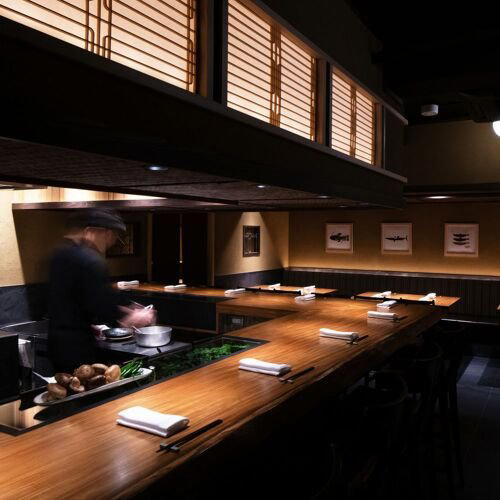
Below Street Level in Jingumae
Aoyama's dining character is split between two registers: the self-consciously polished restaurants that line the main avenues near Omotesando, and a quieter tier of neighbourhood-facing rooms tucked into basements and backstreets. Aoyama Ototo operates firmly in the second category. The address puts it in the basement level of Bell Town on Jingumae's third block, a short walk from both Omotesando and Gaienmae stations. The approach through that neighbourhood sets expectations correctly.
Tokyo's mid-range Japanese dining scene is more competitive than most cities manage at any price point. At the ¥¥¥¥ tier, three-Michelin-star kaiseki rooms like Kagurazaka Ishikawa and Azabu Kadowaki define one end of the spectrum, and high-calibre sushi counters occupy another. Aoyama Ototo prices at about $75 per person, which places it in the range where the cooking has to justify itself on its own terms rather than on occasion or spectacle. That it holds a Plate citation at this price point says something about consistency,
Char, Salt, and Miso: The Logic of the Menu
The clearest way to read Aoyama Ototo's menu is through its sourcing logic. The kitchen is built around two techniques, char-grilling over direct heat and rice cooked in an iron pot, and the fish that moves through both those methods comes from traditions with specific geographic identities. Salt-grilled mackerel is a preparation as old as Japanese coastal cooking, where the salting draws moisture, concentrates flavour, and creates a skin that takes char without drying the flesh. Saikyo-yaki, in which fish is marinated in sweet white miso from Kyoto before grilling, is a different proposition: the miso caramelises under heat and the fish emerges with a lacquered surface and a flavour that is simultaneously sweet, fermented, and smoky.
These are not dishes that announce themselves. Sablefish prepared saikyo-style is a combination that appears across good-quality Japanese restaurants, but the quality of the miso marinade and the control of the grill determine whether the result is routine or something worth returning for. At the restaurant, the set lunch format makes mackerel and sablefish saikyo-yaki the centrepiece of the midday meal, a decision that reflects confidence in the kitchen's ability to execute the same preparation at volume without losing accuracy.
The Nanko-ume apricots warrant specific attention as an ingredient. Wakayama Prefecture grows roughly 60 percent of Japan's domestic ume crop, and Nanko-ume is the variety most associated with high-quality pickled plum production. The chef's connection to Wakayama brings this ingredient into the kitchen not as a sourcing detail for the menu card but as a functional pairing tool: the salt-acid intensity of pickled ume cuts through fatty fish and amplifies plain rice in a way that vinegar-based condiments cannot replicate. It is the kind of ingredient that signals a kitchen thinking about provenance at a regional, not just national, level. For a comparison with how regional sourcing plays out in different formats, the broader sourcing philosophies at work across Jingumae Higuchi and Ginza Fukuju provide useful context on how Tokyo's mid-to-upper Japanese dining rooms handle ingredient geography.
Evening Format and the Sake Question
The evening shifts the format away from set meals and toward a more open à la carte structure. Guests select from a range of meats and vegetables for grilling alongside fish options, and the menu extends to bar snacks suited to pairing with sake and wine. This dual register, table dinner and bar counter, suits Tokyo's neighbourhood rooms, where the kitchen serves both people eating seriously and people drinking with food rather than the reverse.
Sake pairing in this context matters more than it might in a formal restaurant. When the cooking is built around grilled fish and pickled accompaniments, the drink choice intersects directly with the food logic. A junmai from a rice-forward brewery will handle the salt and char differently than a ginjo with more aromatic leading notes, and a kitchen producing saikyo-yaki benefits from pairing partners that can accommodate the sweetness in the miso without fighting it. Wine is listed as an option, which puts the restaurant into a small but growing category of Japanese grill rooms that acknowledge the overlap between European natural wine culture and the umami-salt register of Japanese grilled food.
Where It Sits in the Aoyama Dining Picture
Jingumae and the broader Aoyama area contain a wide distribution of restaurant types, from high-concept French and innovative Japanese at the expensive end down through casual ramen and cafe formats. The mid-tier Japanese dining segment, rooms that hold Michelin recognition but operate at accessible price points, is well represented. Myojaku is one reference point in Tokyo's mid-format Japanese dining; for visitors interested in how this register plays across other Japanese cities, Goh in Fukuoka, Gion Sasaki in Kyoto, and HAJIME in Osaka illustrate how different cities handle the same tension between accessibility and culinary rigour. Regional options further afield include akordu in Nara, 6 in Okinawa, and 1000 in Yokohama. For those building a broader Tokyo trip, Isshisoden Nakamura in Kyoto and Kashiwaya Osaka Senriyama round out the Kansai comparison set.
That figure, combined with two consecutive Michelin Plate citations, positions the restaurant as a reliable address in a neighbourhood where reliable is a harder credential to earn than it might appear.
Planning a Visit
The restaurant is located at 3 Chome-1-28 Bell Town Aoyama, B1, Jingumae, Shibuya, Tokyo. The basement entrance is off the main block in the Jingumae 3-chome area, accessible from both Omotesando Station (B2 exit) and Gaienmae Station on the Ginza Line. The ¥¥ price positioning makes it viable as a lunch destination without requiring advance planning on the budget side. Set lunches run on salt-grilled mackerel and sablefish saikyo-yaki; evenings operate on a broader à la carte basis with grilled meats and vegetables alongside fish.
Just the Basics
Comparable venues nearby, for context on price, style, and recognition.
| Venue | Cuisine | Price | Notes |
|---|---|---|---|
| Aoyama OtotoThis venue — the venue you are viewing | Japanese | $$$ | Not listed |
| Shokudo Uyuki | Taitō, Seasonal Japanese Omakase | $$$ | Not listed |
| Tsurutokame | Chūō, Seasonal Kaiseki | $$$ | Not listed |
| Sushi Marufuku | Suginami, Aged Sushi Omakase | $$$ | Not listed |
| Sato Burian | Not listed | $$$ | Suginami, Premium Yakiniku with Chateaubriand |
| Asakusa Nagami | Taitō, Traditional Kaiseki | $$$ | Not listed |
Recognition history
Dated appearances from independent guides and award organizations, with the underlying list record or original source where available.
Michelin Plate
Michelin
Michelin Plate
Michelin
Michelin Plate
Michelin














At a Glance
- Elegant
- Intimate
- Cozy
- Sophisticated
- Date Night
- Special Occasion
- Business Dinner
- Open Kitchen
- Chefs Counter
- Sake Program
- Extensive Wine List
- Local Sourcing
- Sustainable Seafood
Current opening hours
- Monday
- 12–2 PM, 6–11 PM
- Tuesday
- 12–2 PM, 6–11 PM
- Wednesday
- 12–2 PM, 6–11 PM
- Thursday
- 12–2 PM, 6–11 PM
- Friday
- 12–2 PM, 6–11 PM
- Saturday
- 12–2 PM, 6–10 PM
- Sunday
- Closed
Hours can change for holidays and private events. Last verified .
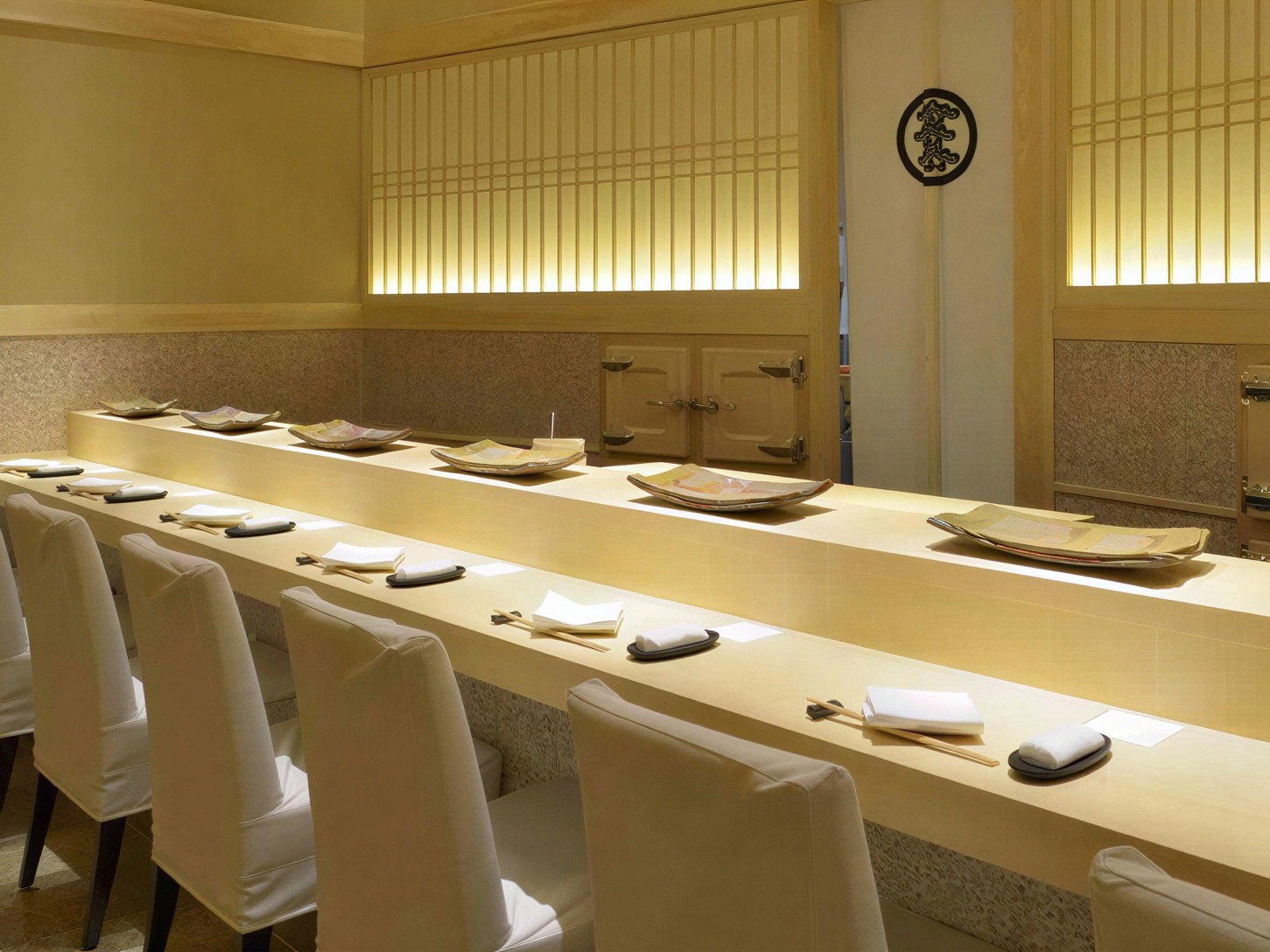
Warm, basement setting with open kitchen counter and table seating; soft lighting with charcoal smoke and clay pot steam creating an intimate, sensory dining experience.