

A Michelin Bib Gourmand eel specialist operating in Asakusa since the early twentieth century, Hatsuogawa prepares kabayaki using a sauce recipe passed down from its founder. The kitchen occupies a mid-price tier (¥¥) in Tokyo's unagi tradition, drawing a loyal neighbourhood following and visitors who come specifically to eat at one of the city's most enduring eel houses. Reservations are advisable, particularly at peak hours.
Pearl is the En Primeur Club membership app — saves, bookings, and concierge access live there. Same editors, same standards.
- Address
- 2 Chome-8-4 Kaminarimon, Taito City, Tokyo 111-0034, Japan
- Phone
- +81 3-3844-2723
- Website
- tabelog.com
- Directions
- Get directions
 Saves & bookings on Pearl
Hatsuogawa
Asakusa has a longer institutional memory than almost any other Tokyo neighbourhood. Its temple approach, covered shopping arcades, and cluster of century-old specialist restaurants represent the survival of Shitamachi, the old low city, in a form that the rest of Tokyo largely replaced with glass towers and chain dining. Hatsuogawa is a restaurant in Tokyo's Asakusa serving Traditional Japanese Unagi. Named partly after its founding proprietor, Hatsutaro, and partly by a coincidence of language (ogawa translates as 'little river', the preferred habitat of freshwater eel), this unagi shop has been part of Kaminarimon since the early years of the twentieth century. The name, in other words, is not branding. It is record.
The Asakusa Unagi Tradition
Freshwater eel, unagi, is one of the few ingredients in Japanese cuisine where geography and history are inseparable. Edo-period Tokyo developed kabayaki, the technique of butterflying the eel, skewering it, grilling it over charcoal, and basting repeatedly with a tare sauce, into a distinct regional style that differed from the Kansai approach further west. Where Osaka cooks leave the eel's belly intact and steam it before grilling, the Kanto tradition splits the back, steams first, then finishes over direct heat for a texture that is simultaneously tender and slightly lacquered.
Asakusa, given its proximity to the Sumida River and its centuries of dense working-class settlement, built more unagi specialists per neighbourhood block than almost anywhere in the city. That density has thinned considerably, which makes the handful of genuinely old houses more meaningful, not less. For comparison, the Minato ward houses Nodaiwa Azabu Iikura Honten, one of the city's other landmark eel addresses, at the upper-price end of the category. Hatsuogawa occupies the ¥¥ mid-range, which places it closer to neighbourhood institution than destination tasting counter, and that positioning is part of its integrity, not a limitation.
The Kabayaki at Hatsuogawa
The central fact about this kitchen is the sauce. The tare used to baste the eel during grilling is a recipe handed down from the founding generation, maintained by the current proprietor's wife and her family. In the Japanese artisan tradition, accumulated tare, replenished rather than replaced, deepening in complexity across decades of use, functions as a form of living heritage. The sauce in use today is not a recreation of the original; it is, in the continuous logic of this approach, the original, extended through time.
Waiting is presented here as part of the format, not a fault in service. Kabayaki is prepared to order, which introduces a natural interval between ordering and eating. The convention at houses like Hatsuogawa is to receive appetizers, small dishes suited to sake, while the eel grills. That rhythm, unhurried and sequential, is a specific pleasure of this kind of traditional house, and it aligns the meal with the pace of the neighbourhood around it. Among Tokyo's specialist eel restaurants, you can also find this unhurried format at Unagi Tokito and Watabe, both of which follow comparable grilling-to-order traditions.
Recognition and Local Standing
At ¥¥, the Bib Gourmand signals that the kitchen is not competing on luxury cues but on technical consistency and ingredient quality within a defined, traditional scope. That is a different type of recognition than a star, and a more relevant one for an eel house whose identity is built around continuity rather than evolution.
The physical evidence of loyalty is visible inside the restaurant in the form of senjafuda, small decorative paper slips, historically placed by worshippers at shrine pillars, and collected or displayed as tokens of affiliation by dedicated patrons. Their accumulation on the walls signals repeat visitors over years, not anonymous tourist footfall.
For other Michelin-recognised restaurants in the city operating across different price tiers and cuisines, Ginza Yondaime TAKAHASHIYA and Mejiro Zorome provide useful reference points on how Tokyo's recognition landscape distributes across neighbourhood and format types.
Kaminarimon: Location and Approach
The restaurant's address on Kaminarimon Street places it a short distance from Senso-ji, Tokyo's largest Buddhist temple and the gravitational centre of Asakusa. This is not coincidence; many of Asakusa's specialist food shops historically clustered near the temple precincts to serve both residents and the steady flow of pilgrims. For a visitor arriving by metro, Asakusa Station on the Ginza Line is one practical entry point. The area remains walkable and compact enough that no particular navigation challenge arises.
Asakusa as a whole rewards visitors who move slowly. The main Nakamise arcade approaching the temple handles volume and tourist commerce; the streets immediately surrounding it, where Hatsuogawa operates, have a steadier, more residential register. Arriving with time to walk the blocks around the restaurant before or after eating fits the neighbourhood's character more naturally than treating it as a quick stop between stations.
How to Secure a Hatsuogawa Reservation
Given the restaurant's neighbourhood standing and relatively compact format, visiting in person to enquire about same-day or future availability is one practical approach for visitors without Japanese-language assistance. The restaurant is open Monday through Sunday, with varying lunch and dinner hours.
, and our full Tokyo experiences guide.
Elsewhere in Japan, the eel tradition takes different forms. Ike Edoyakiunagi Asahitei in Nara and Kanesho in Kyoto both operate within the same craft, with regional inflections that reflect the Kansai approach to the ingredient. For fine dining outside Tokyo entirely, HAJIME in Osaka, Gion Sasaki in Kyoto, akordu in Nara, Goh in Fukuoka, 1000 in Yokohama, and 6 in Okinawa each represent the range of what serious Japanese restaurants are doing across different cities and formats.
Quick Reference
- Address: 2 Chome-8-4 Kaminarimon, Taito City, Tokyo 111-0034
- Cuisine: Unagi / Freshwater Eel (kabayaki, Kanto style)
- Price tier: ¥¥ (mid-range)
- Recognition: Michelin Bib Gourmand 2024
- Reservations: No online booking currently listed; contact or visit directly
- Nearest metro: Asakusa Station (Ginza Line)
How It Stacks Up
Comparable venues nearby, for context on price, style, and recognition.
| Venue | Cuisine | Price | Awards | Notes |
|---|---|---|---|---|
| HatsuogawaThis venue — the venue you are viewing | Traditional Japanese Unagi | $$ | Bib Gourmand | Not listed |
| Hamacho Kaneko | Traditional Soba with Tempura | $$ | Bib Gourmand | Chūō |
| Teuchi Asama | Hand-Cut Shoyu Ramen | $$ | Bib Gourmand | Meguro |
| Tempura Kakiage Yukimura | Casual Tempura Kakiage | $$ | Bib Gourmand | Minato |
| Soba Tajima | Handmade Soba Noodles | $$ | Bib Gourmand | Minato |
| distinctive | Kawaii Themed Cafe | $$ | Michelin Plate | Meguro |
Recognition history
Dated appearances from independent guides and award organizations, with the underlying list record or original source where available.
Michelin Bib Gourmand
Michelin
Michelin Bib Gourmand
Michelin
Tabelog 100 #12 · No. 12
Tabelog · Tabelog 100 - Unagi - 2024








At a Glance
- Cozy
- Classic
- Intimate
- Solo
- Date Night
- Special Occasion
- Historic Building
- Sake Program
Current opening hours
- Monday
- 12–1:30 PM, 5–7:30 PM
- Tuesday
- 12–1:30 PM, 5–7:30 PM
- Wednesday
- 12–2 PM, 5–7:30 PM
- Thursday
- 12–1:30 PM, 5–7:30 PM
- Friday
- 12–1:30 PM, 5–7:30 PM
- Saturday
- 12–1:30 PM, 5–7:30 PM
- Sunday
- 12–1:30 PM, 5–7:30 PM
Hours can change for holidays and private events. Last verified .
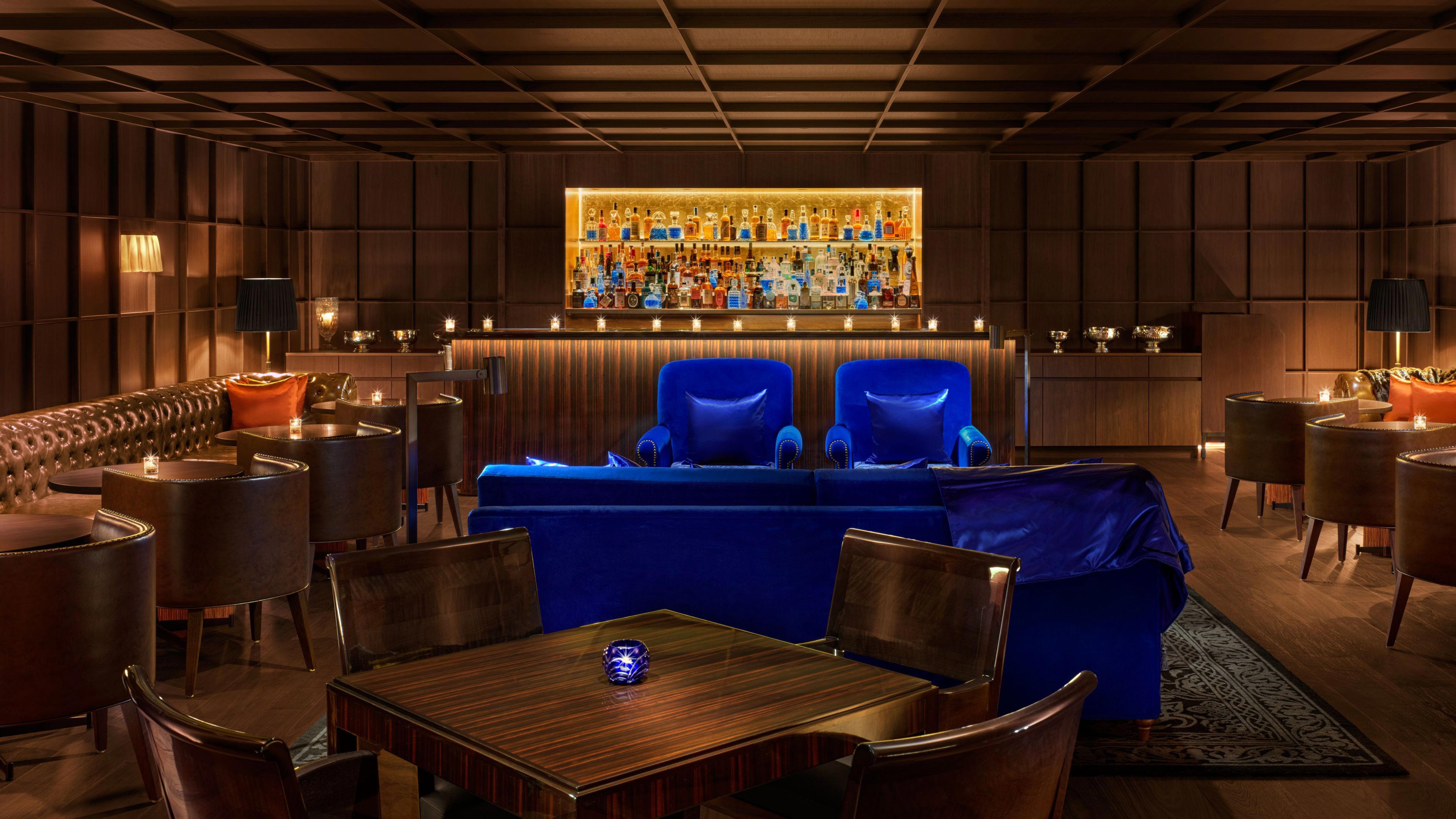
Cozy tatami room with traditional Japanese decor, warm charcoal grill aromas, and soft conversational atmosphere.