
Michelin Bib Gourmand
Our verdict
A Michelin Bib Gourmand unagi specialist in Higashiyama, Kanesho has operated since the end of the Edo period and occupies a narrow alley setting that mirrors its subject matter. The fourth-generation kitchen brought Kyoto-specific constructions to the eel canon: kinshi-don layered with fine omelette strips, and ochazuke eel served under green tea. Two consecutive Bib Gourmand recognitions in 2024 and 2025 confirm its position in Kyoto's accessible-but-serious dining tier.

Pearl is the En Primeur Club membership app — saves, bookings, and concierge access live there. Same editors, same standards.
- Address
- 155 Tokiwacho, Higashiyama Ward, Kyoto, 605-0079, Japan
- Phone
- +81 75-532-5830
- Hours
- Mon ClosedTue–Wed 11:30 AM–2 PM, 5:30–9 PMThu ClosedFri–Sat 11:30 AM–2 PM, 5:30–9 PMSun Closed
- Directions
- Get directions
The menu
What to order
- Kinshi-don
- Unagi Don
- Eel with Egg
An Alley Built to Scale
The approach to Kanesho sets the terms of engagement before you reach the door. The alley running through Higashiyama Ward is long and narrow, the kind of passage that discourages casual browsing, and the shop sits at its far end. A noren bearing a leaping eel marks the entrance — the single visual signal that this address has been in the river-fish trade since the late Edo period. Kyoto's older specialist restaurants frequently carry this quality: a physical discretion that is less about secrecy and more about centuries of operating without needing to advertise.
The setting matters because it conditions what comes next. Unagi restaurants in Japan tend to divide between high-ceremony kaiseki adjacents and working neighbourhood shops that have served the same dishes for generations. Kanesho sits in the latter tradition: a Michelin Bib Gourmand address at single-¥ pricing, where the cuisine is the argument for being there, not the room or the performance around it.
What the Menu Reveals
Menu architecture at a specialist unagi shop tells you something about how the kitchen thinks, and Kanesho's two signature preparations reveal a specifically Kyoto sensibility rather than a generic eel-house formula.
Kinshi-don, attributed to the fourth-generation chef, is the more structurally distinctive of the two dishes. Kinshitamago — egg omelette sliced into fine, thread-like strips, is not an invention of this kitchen. It appears across Kyoto's traditional repertoire in chirashizushi and steamed sushi preparations, where it acts as a textural and visual element with deep roots in the city's culinary grammar. The decision to bring that component into a don format, layering it with eel over rice, positions kinshi-don as a dish that reads across multiple traditions simultaneously. For diners already familiar with Kyoto-style chirashi, that cross-reference is immediate. For those who are not, it is a primer in how the city's kitchen vocabulary works: components carry meaning beyond any single dish.
Ochazuke preparation takes a different logic. Eel simmered in dipping sauce, then finished with green tea poured over the bowl, is a method that converts intensity into something more open and refreshing. Ochazuke as a format has long served as the palate-resetting final course in Kyoto and Osaka meal sequences, and applying it to eel rather than leftover rice or fish produces a dish that is both grounded in tradition and formally surprising. The green tea does not overwrite the eel's flavour; it extends and lifts it.
Together, these two dishes sketch a menu philosophy oriented around Kyoto's existing culinary conventions rather than departure from them. This is not a kitchen chasing novelty. It is one that has spent multiple generations identifying where eel and Kyoto tradition intersect most productively.
Positioning in Kyoto's Specialist Tier
Kyoto's restaurant culture stratifies sharply. At the top of the price range, kaiseki houses such as Gion Sasaki and Hyotei operate as full evening commitments with pricing to match. The Bib Gourmand tier, where Michelin acknowledges quality-to-value ratio rather than technical ambition per se, contains a different kind of restaurant: specialists with real depth in a narrow category, accessible without being casual.
Kanesho holds two consecutive Bib Gourmand recognitions (2024 and 2025), which places it in identifiable company. For unagi specifically, the peer comparison shifts partly outside Kyoto: Nodaiwa Azabu Iikura Honten in Tokyo represents the more formal, higher-ceremony end of the eel-specialist category, while Ginza Yondaime TAKAHASHIYA operates at a different price point and register. Within Kyoto's own unagi landscape, Kyogoku Kaneyo and Okuniya Mambei occupy the same specialist conversation.
At single-¥ pricing, Kanesho sits below the threshold where kaiseki-style service expectations apply.
For context against Kyoto's broader Michelin-recognised dining: Isshisoden Nakamura represents the multi-starred Japanese tradition at the upper end, while Kanesho functions at the other pole, deep specialism, accessible pricing, multi-generational practice.
Historical Weight and What It Means Practically
A founding date at the end of the Edo period places Kanesho's origins in the mid-to-late 19th century, a period when Kyoto's food culture was still shaped by its status as imperial capital. The shop began as a wholesaler of river fish, a commercial function that preceded the restaurant format, and the progression from wholesaler to specialist kitchen follows a pattern common among Kyoto's oldest food establishments, where proximity to raw materials was the original competitive edge.
What this historical grounding means for the contemporary diner is less about romance and more about operational credibility. A kitchen that has worked with freshwater eel across multiple generations has had time to develop sourcing relationships, preparation methods, and dish constructions that are genuinely refined rather than assembled. The kinshi-don did not emerge from a trend cycle. It emerged from a fourth-generation chef working within an established tradition and finding where Kyoto's egg preparation conventions could extend an existing eel format.
Beyond Kanesho, Kyoto rewards this kind of specialist research. The city's restaurant culture has a depth that benefits from deliberate itinerary construction: see our full Kyoto restaurants guide for the wider picture, alongside hotels, bars, experiences, and wineries across the city.
Planning Your Visit
| Venue | Category | Price | Recognition | City |
|---|---|---|---|---|
| Kanesho | Unagi specialist | ¥ | Michelin Bib Gourmand 2024, 2025 | Kyoto |
| Kyogoku Kaneyo | Unagi specialist | Kyoto | ||
| Nodaiwa Azabu Iikura Honten | Unagi specialist | Michelin recognised | Tokyo | |
| Ginza Yondaime TAKAHASHIYA | Unagi specialist | Tokyo |
The address, 155 Tokiwacho, Higashiyama Ward, puts Kanesho within Kyoto's most historically dense ward, which means foot traffic is high in the surrounding area during peak tourist seasons (spring cherry blossom and autumn foliage periods in particular). Arriving outside those windows, or early in the day, is the practical approach for anyone who wants to eat without queueing.
For those building a broader Kansai itinerary, the region's serious dining extends well beyond Kyoto: HAJIME in Osaka, akordu in Nara, and further afield, Goh in Fukuoka, Harutaka in Tokyo, 1000 in Yokohama, and 6 in Okinawa all represent the range of Japan's serious restaurant culture across price tiers and formats.
What Should I Order at Kanesho?
The two dishes that define this kitchen are the kinshi-don and the ochazuke eel. The kinshi-don, eel over rice with fine-cut egg omelette strips, is the more Kyoto-specific construction and the dish most directly associated with the fourth-generation chef's contribution to the menu. It is the appropriate starting point for anyone eating here for the first time, grounded in the city's culinary conventions in a way that generic eel-over-rice formats are not. The ochazuke preparation, with green tea poured over eel simmered in dipping sauce, is the cleaner, lighter option and makes sense as a second course or a standalone if the kinshi-don is unavailable. Both are documented in Michelin's Bib Gourmand notes for the restaurant across its 2024 and 2025 recognitions.
Frequently asked questions
What's Kanesho's location?
Kanesho is located at 155 Tokiwacho, Higashiyama Ward, Kyoto, 605-0079, Japan, Kyoto.
What price level is Kanesho?
Pricing at Kanesho is listed as ¥.
What kind of recognition has Kanesho received?
Kanesho has received recognition including: The shop was founded at the end of the Edo period as a wholesaler of river fish. Situated at the end of an alley as long and narrow as an eel’s bed, Kanesho is recognisable by the leaping eel emblazoned on its noren. ‘Kinshi-don’, the brain….
What should I order at Kanesho?
The kinshi-don is the dish this kitchen built its reputation on: eel over rice layered with kinshitamago, the fine-cut egg omelette strips central to Kyoto preparations like chirashizushi. It was created by the fourth-generation chef and remains the reason most visitors make the trip down the alley. The ochazuke eel — eel simmered in dipping sauce then drenched in green tea — offers a lighter, more unusual route through the menu, and its clean finish makes a strong case for ordering both.
Nearby-ish Comparables
| Venue | Cuisine | Price | Awards | Notes |
|---|---|---|---|---|
| KaneshoThis venue — the venue you are viewing | Traditional Japanese Eel Specialist | $20–30 | Michelin Bib Gourmand | Not listed |
| Gion Sasaki | Modern Kaiseki | $300–500 | 3 Michelin Stars · La Liste Top Restaurants | Kaiseki, Japanese |
| cenci | Innovative Italian-Japanese Fusion | $100–150 | 1 Michelin Star · World's 50 Best #76 | Italian |
| Ifuki | Sumibi Kappo Kaiseki | $200–300 | 2 Michelin Stars · La Liste Top Restaurants | Kaiseki |
| Kyokaiseki Kichisen | Kyoto Kaiseki | $200–300 | 2 Michelin Stars · La Liste Top Restaurants | Japanese |
| Kyo Seika | Seasonal Chinese Fine Dining in Kyoto | Not listed | 1 Michelin Star | Chinese |
Recognition history
Dated appearances from independent guides and award organizations, with the underlying list record or original source where available.
Michelin Bib Gourmand
Michelin
Full recognition history (3 entries)
Michelin Bib Gourmand
Michelin
Michelin Bib Gourmand
Michelin
Continue exploring
More in Kyoto
Restaurants in Kyoto
Browse all →

Bars in Kyoto
Browse all →
Hotels in Kyoto
Browse all →
Wineries in Kyoto
Browse all →
Details
- Cozy
- Intimate
- Date Night
- Solo
- Open Kitchen
- Chefs Counter
- Sake Program
- A La Carte
- Counter Dining
- Beer
- Sake
Current opening hours
- Monday
- Closed
- Tuesday
- 11:30 AM–2 PM, 5:30–9 PM
- Wednesday
- 11:30 AM–2 PM, 5:30–9 PM
- Thursday
- Closed
- Friday
- 11:30 AM–2 PM, 5:30–9 PM
- Saturday
- 11:30 AM–2 PM, 5:30–9 PM
- Sunday
- Closed
Hours can change for holidays and private events. Last verified .
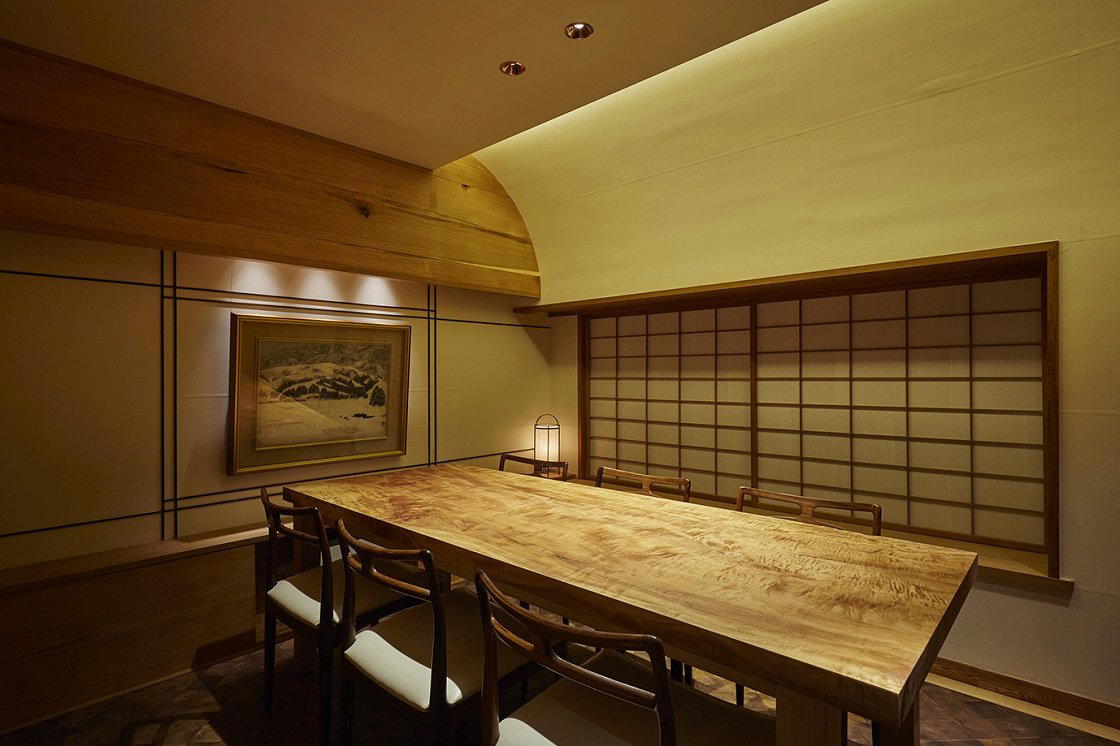
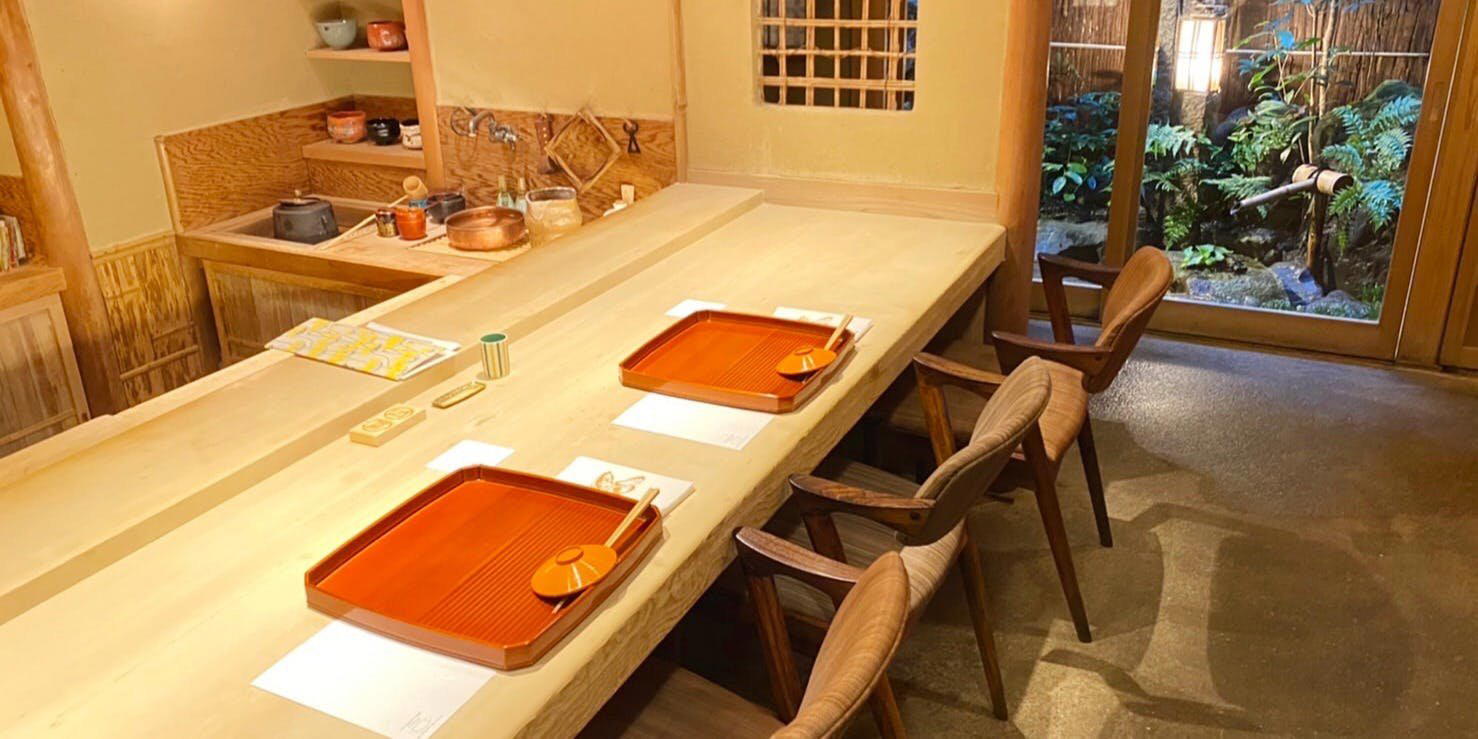
Cozy and warm with counter seating facing an open kitchen, minimalist interior, subtle lighting, and a hushed, tranquil atmosphere.