
A basement counter in Nihonbashi Hakozakicho where the ritual of Edomae sushi is observed with quiet precision. The chef visits the wholesale market even on days without purchasing, a discipline that shows in the quality and range of tuna at every stage of fatness. Awarded a Michelin Plate in 2025, this is mid-price omakase taken seriously, rice temperature, nikiri formulation, and ingredient sequencing all adjusted to the specific topping.
Pearl is the En Primeur Club membership app — saves, bookings, and concierge access live there. Same editors, same standards.
- Address
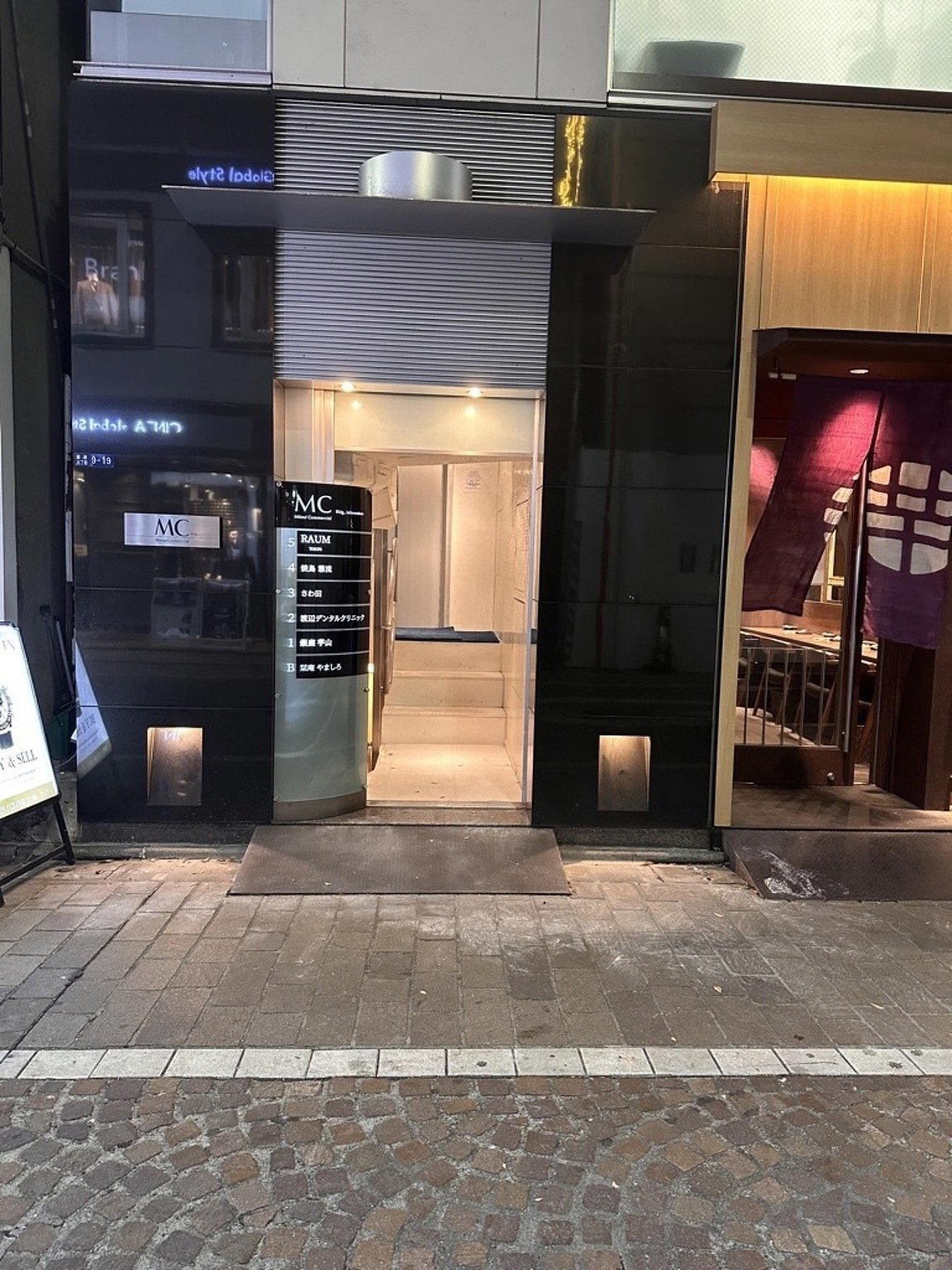
- Japan, 〒103-0015 Tokyo, Chuo City, Nihonbashihakozakicho, 27−2 渡菊第三ビル B1F
- Phone
- +81 3-3527-2220
- Website
- hakozakichosumito.com
- Directions
- Get directions
 Saves & bookings on Pearl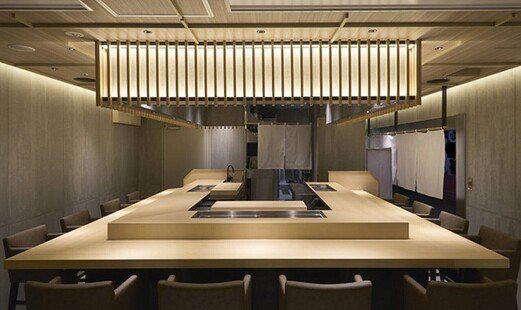
Basement Level, Full Attention
The basement floors of Tokyo's older commercial buildings have long hosted a particular kind of seriousness. No signage competing for the street, no passing foot traffic to court, the only guests are those who already know. Nihonbashi Hakozakicho, a quiet pocket of Chuo Ward that sits between the freight-historical waterways of old Edo and the corporate towers of modern Tokyo, holds several such addresses. Hakozakicho Sumito occupies the B1F of a low-rise building at 27-2, and the descent into it is the first signal that what follows will be conducted on its own terms.
This part of Nihonbashi lacks the concentrated prestige of Ginza's sushi corridor, where counters like Sushi Kanesaka and Harutaka operate at price points that reach into ¥¥¥¥ territory and above. Sumito sits in the ¥¥¥ band, a meaningful distinction in Tokyo omakase, where that tier still demands craft and market sourcing but offers a different cost-to-technique proposition than the top-bracket counters. The Michelin Plate in 2025 places it within the guide's field of recognition.
The Ritual at the Counter
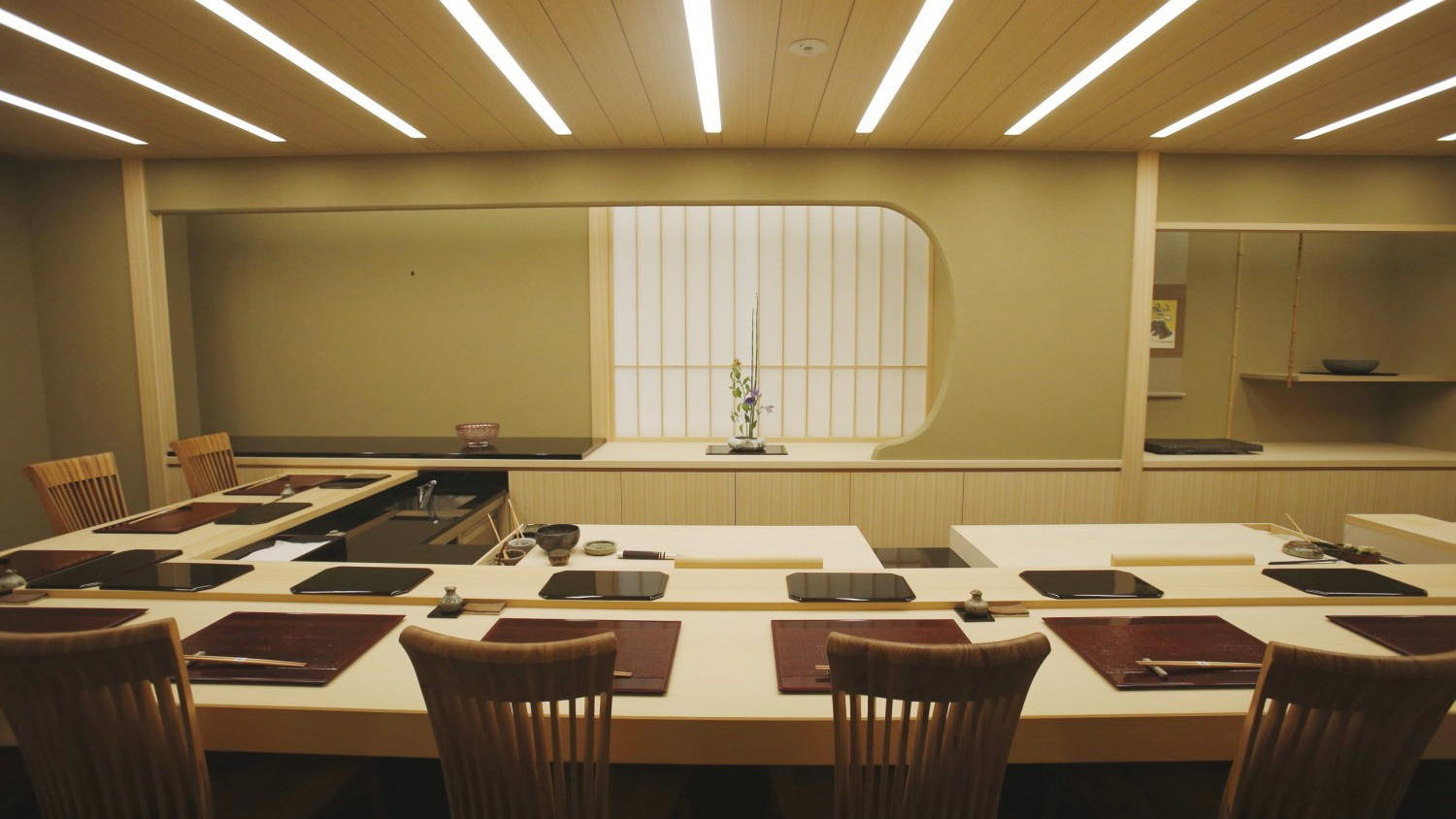
Edomae sushi has always been a ceremony of sequencing, temperature, and restraint, a format in which the chef's decisions are made before the guest sits down, not in response to preferences announced at the table. The logic of the meal at Sumito follows this tradition closely. Rice temperature is varied according to each topping, a calibration that matters more than it might appear: cold rice dulls the perception of vinegar seasoning, while shari too close to body temperature can overwhelm the delicate fats in lean fish. Getting that variable right across an entire omakase sequence requires consistent preparation and acute attention during service.
The nikiri, that reduced blend of soy sauce, mirin, sake, and broth that the chef applies directly to each piece, is also formulated differently depending on the item. Lighter applications for fish whose flavour is subtle and easily suppressed; richer reductions where the fat content of the topping can carry a more assertive seasoning. This is the kind of differentiation that separates a counter treating nikiri as a single house condiment from one where it functions as a variable in the seasoning system. At the better Edomae counters across the city, from Edomae Sushi Hanabusa to Hiroo Ishizaka, this level of sauce-by-piece consideration is a baseline expectation. Sumito applies the same standard.
Tuna as the Measure of Sourcing
In Tokyo's omakase culture, the range and quality of tuna across its fat spectrum has become a reliable proxy for a chef's market relationships. Maguro is not a single ingredient, akami (lean loin), chutoro (medium-fatty belly), and otoro (the deep, heavily marbled belly cut) each require separate sourcing judgements and often come from different parts of the fish or different fish entirely. Presenting all three coherently across a single meal, at appropriate temperatures and with the right nikiri weight behind each, is a structuring challenge that defines the middle section of most serious omakase.
The tuna sequence here runs from fatty toro wrapped in nori as an early snack through to nigiri covering all three cuts. That intelligence compounds over time. It is the kind of market discipline that shows not in any single extraordinary piece but in consistency across seasons and across the full progression of the meal.
Ingredient-First in a Competitive Field
The phrase "ingredients first" carries weight in a city where competition among serious counters is intense. Tokyo's Michelin sushi slate runs from neighbourhood counters operating on craft principles to destination addresses like Sukiyabashi Jiro Roppongiten, where the formal reputation of the lineage has become part of the meal's meaning. Sumito does not operate in that register of institutional prestige. Instead, its positioning in the ¥¥¥ tier argues that sourcing discipline and technical precision in rice and seasoning can deliver the essentials of the Edomae form without the overhead of a starred address.
That argument is credible in Tokyo in 2025. The city's mid-price omakase tier has matured considerably over the past decade, with more chefs trained at high-level counters choosing to open smaller, leaner operations where the cost savings get redirected toward ingredient quality rather than dining-room theatre. The Michelin Plate reflects that position: technically serious and sourcing-committed. For a comparison at the level above, Harutaka holds three stars at ¥¥¥¥; understanding where Sumito sits relative to that ceiling is useful when calibrating expectations and budget.
For those building a wider Japan itinerary, the country's sushi culture extends well beyond Tokyo. Sushi Shikon in Hong Kong and Shoukouwa in Singapore represent how the Edomae tradition has transferred to other Asian cities, while within Japan, kaiseki-focused alternatives in Kyoto (Gion Sasaki) and creative Japanese cooking in Osaka (HAJIME) offer different registers of formal Japanese dining. The full Tokyo restaurants guide maps the broader scene, and the Tokyo hotels guide, bars guide, experiences guide, and wineries guide cover the rest of a Tokyo visit. Regional extensions to Goh in Fukuoka, akordu in Nara, 1000 in Yokohama, and 6 in Okinawa add further range for those extending their itinerary.
Planning a Visit
| Venue | Price Tier | Recognition | Format | Neighbourhood |
|---|---|---|---|---|
| Hakozakicho Sumito | ¥¥¥ | Michelin Plate (2025) | Omakase counter | Nihonbashi Hakozakicho, Chuo |
| Harutaka | ¥¥¥¥ | Michelin 3 Stars | Omakase counter | Ginza |
| Sushi Kanesaka | ¥¥¥¥ | Michelin 2 Stars | Omakase counter | Ginza |
| Edomae Sushi Hanabusa | ¥¥¥ | Michelin recognised | Omakase counter | Tokyo |
The address, 27-2 Nihonbashihakozakicho, Chuo-ku, B1F, is direct to locate by map. Reservations are essential.7 across 26 reviews. Dress code is smart casual, and hours run Monday through Sunday, 11:30 AM to 2:30 PM and 5:30 to 10:30 PM.
What Should I Eat at Hakozakicho Sumito?
The menu is omakase, with the chef determining the sequence. The tuna progression is the documented centrepiece: fatty toro in nori early in the meal, followed by nigiri covering akami, chutoro, and otoro as the sequence develops. The nikiri formulation changes by piece, and rice temperature is adjusted to each topping, both elements worth paying attention to as markers of the kitchen's technical standard. The full EP Club context for this style of sushi, and comparable counters across Tokyo, is in the Tokyo restaurants guide.
Recognition, Side-by-Side
Comparable venues nearby, for context on price, style, and recognition.
| Venue | Cuisine | Price | Awards | Notes |
|---|---|---|---|---|
| Hakozakicho SumitoThis venue — the venue you are viewing | Edomae Sushi | $$$ | Michelin Plate | Not listed |
| Unagi Tokito | Modern French-Influenced Unagi | $$$ | Michelin Plate | Minato |
| Chiso Koryu | Seasonal Japanese Kaiseki | $$$ | Michelin Plate | Chūō |
| Sushi Teru | Edomae Sushi Omakase | $$$ | Michelin Plate | Shinjuku |
| Kyoryori Aun | Kyoto-style Kaiseki with Dashi Focus | $$$ | Michelin Plate | Shibuya |
| Fujisushi | Traditional Stop-Style Sushi | $$$ | Michelin Plate | Minato |
Recognition history
Dated appearances from independent guides and award organizations, with the underlying list record or original source where available.
Michelin Plate
Michelin
Michelin Plate
Michelin






At a Glance
- Elegant
- Intimate
- Sophisticated
- Date Night
- Solo
- Special Occasion
- Chefs Counter
- Sake Program
Current opening hours
- Monday
- 11:30 AM–2:30 PM, 5:30–10:30 PM
- Tuesday
- 11:30 AM–2:30 PM, 5:30–10:30 PM
- Wednesday
- 11:30 AM–2:30 PM, 5:30–10:30 PM
- Thursday
- 11:30 AM–2:30 PM, 5:30–10:30 PM
- Friday
- 11:30 AM–2:30 PM, 5:30–10:30 PM
- Saturday
- 11:30 AM–2:30 PM, 5:30–10:30 PM
- Sunday
- 11:30 AM–2:30 PM, 5:30–10:30 PM
Hours can change for holidays and private events. Last verified .
Serene and spacious interior with softly lit lantern entrance, polished L-shaped counter seating eight, and calm, refined atmosphere.