

Michelin Bib Gourmand · Tabelog 100 #70
Our verdict
A Michelin Bib Gourmand unagi specialist in Bunkyo City, Watabe traces its roots to a fishmonger's grill and now operates across two distinct registers: a lunchtime programme built around the house 'Enma-ju' box of shirayaki and kabayaki, and an evening menu that folds French technique into eel preparation.

Pearl is the En Primeur Club membership app — saves, bookings, and concierge access live there. Same editors, same standards.
- Address
- 1 Chome-9-14 Koishikawa, Bunkyo City, Tokyo 112-0002, Japan
- Phone
- +81 3-3812-7448
- Hours
- Mon–Tue 11:30 AM–2 PM, 5–9 PMWed–Thu ClosedFri–Sun 11:30 AM–2 PM, 5–9 PM
- Website
- unagiyawatabe.com
- Directions
- Get directions
- Booking
- Book on TableCheck
The menu
What to order
- Enmaju
- Kabayaki unagi
- Shirayaki unagi
- Unagi liver skewer
If you eat one thing in Bunkyo City, make it eel at Watabe
Tokyo's unagi scene is more stratified than most visitors realise. At one end sit the white-tablecloth kabayaki specialists in Asakusa and Minami-Senju, where century-old houses charge accordingly for wild eel and charcoal-fired tradition. At the other end, chain eel-rice bowls fill convenience gaps across the city. Watabe in Koishikawa occupies a third position: a Michelin Bib Gourmand-recognised address in the ¥¥ tier that bridges serious craft and accessible pricing, with an evening programme that moves the genre somewhere else entirely. For any reader with one meal to spend in this part of Tokyo, the choice is not complicated.
From fishmonger's grill to Franco-Japanese eel house
The trajectory of Watabe's cooking is, in itself, a small study in how Tokyo's neighbourhood restaurants evolve. The business began as a fishmonger, and the shift toward restaurant operation came not from formal training or deliberate concept-building but because the eel the owner grilled at the shop drew enough attention to sustain a full dining operation. That origin still shapes the character of the place: the cooking reads as craft first, concept second.
Freshwater eel in Japan arrives from several competing supply chains. Farmed domestic production, predominantly from Aichi and Shizuoka prefectures, supplies the majority of Tokyo's restaurants; wild eel has become scarce enough that its use is typically flagged explicitly and priced at a premium. For a ¥¥-tier operation like Watabe, the sourcing question matters precisely because the price point does not allow for wild-eel extravagance. What it does allow for, and what the Bib Gourmand recognition implicitly validates, is careful preparation of good farmed product. The eel that reaches the grill here is the point of departure; how it is handled is the editorial statement.
The Enma-ju and the logic of the daytime menu
The lunch programme at Watabe centres on 'Enma-ju', a box meal that presents both principal preparations of unagi simultaneously: shirayaki, the eel grilled plain without sauce so the fat and texture speak without interference, and kabayaki, the more familiar preparation in which the eel is dipped in a sweetened soy-based tare before being broiled to a lacquered finish, served over rice. The name references Konnyaku-Enma, a deity enshrined at nearby Genkaku-ji Temple, which places the dish in explicit conversation with the neighbourhood's religious geography rather than treating locality as decorative context.
The side-by-side presentation of shirayaki and kabayaki within a single box is an instructive format for anyone developing a working understanding of how preparation method, not just ingredient quality, defines unagi character. Shirayaki isolates the eel's natural oils and the Maillard crust of direct grilling; kabayaki layers the tare's caramelised depth over the same substrate. Eating both in sequence is a technical comparison built into the service logic of the dish.
For context on how Tokyo's unagi specialists approach the same fundamental tension between plain grilling and sauced preparation, Nodaiwa Azabu Iikura Honten and Hatsuogawa operate in the higher price tiers with similar foundational techniques. Ginza Yondaime TAKAHASHIYA, Mejiro Zorome, and Unagi Tokito round out the Michelin-tracked eel category in Tokyo, each with distinct neighbourhood positioning.
The evening shift: French technique applied to eel
The evening menu introduces preparations that most unagi houses would consider category violations: terrine of kabayaki and foie gras, smoked eel paired with Brie de Meaux. The French register is not superficial garnish. Terrines require understanding of fat ratios, gelification, and temperature control; pairing eel with aged washed-rind cheese involves working out how the tare's sweetness interacts with the funk and cream of Brie de Meaux. These are technically considered choices, and the kitchen's stated aim of eel cuisine with foundations in French cooking is visible in the approach rather than merely asserted.
This kind of Franco-Japanese synthesis sits within a broader pattern in Tokyo, where chefs trained across culinary traditions have spent the last two decades testing how European technique applies to Japanese ingredient categories. The ¥¥¥¥ end of that movement is represented by addresses like HAJIME in Osaka and Tokyo venues operating at kaiseki price points. Watabe's version of the same inquiry runs at a fraction of those prices and centres it on a single, specific ingredient rather than an omakase-format exploration. For readers who have also explored French-influenced cuisine at Gion Sasaki in Kyoto or akordu in Nara, Watabe's evening programme offers a ground-level counterpoint to those higher-register interpretations.
Bunkyo City context and seasonality
Koishikawa sits within Bunkyo, a ward better known for Koishikawa Korakuen garden and the University of Tokyo than for destination dining. The neighbourhood's unagi connection is reinforced by the Genkaku-ji Temple proximity and the Konnyaku-Enma association embedded in the Enma-ju dish name. Visiting in late summer, specifically around the traditional doyo no ushi no hi (midsummer day of the ox, typically late July), aligns with the cultural peak of unagi consumption in Japan; restaurants across Tokyo see highest demand during this period, and Bunkyo's quieter position relative to Asakusa or Ginza makes it a more manageable target on high-traffic days. Outside that period, autumn through winter is when farmed eel carries more fat ahead of the cold season, which shifts the texture of both shirayaki and kabayaki preparations.
Planning your visit
| Venue | Cuisine | Price tier | Michelin recognition | Area |
|---|---|---|---|---|
| Watabe | Unagi / Freshwater Eel | ¥¥ | Bib Gourmand 2024 | Koishikawa, Bunkyo |
| Nodaiwa Azabu Iikura Honten | Unagi | ¥¥¥ | Michelin starred | Azabu, Minato |
| Hatsuogawa | Unagi | ¥¥¥ | Michelin recognised | Central Tokyo |
| Mejiro Zorome | Unagi | ¥¥ | Michelin recognised | Mejiro |
The address is 1 Chome-9-14 Koishikawa, Bunkyo City, Tokyo 112-0002. Confirm current hours and booking options directly before visiting.
Explore Tokyo's restaurants, hotels, bars, wineries, and experiences. Unagi specialists in other Japanese cities include Ike Edoyakiunagi Asahitei in Nara and Kanesho in Kyoto. For broader regional dining, Goh in Fukuoka, 1000 in Yokohama, and 6 in Okinawa are worth cross-referencing depending on your itinerary.
Frequently asked questions
What is the signature dish at Watabe?
What is the vibe at Watabe?
A quick comparison for context.
| Venue | Cuisine | Price | Awards | Notes |
|---|---|---|---|---|
| WatabeThis venue — the venue you are viewing | Traditional Japanese Unagi | $50–100 | Michelin Bib Gourmand · Tabelog 100 #70 | Not listed |
| Harutaka | Edo-Style Omakase Sushi | $200–300 | 3 Michelin Stars · World's 50 Best #76 | Sushi |
| RyuGin | Modern Kaiseki | $500+ | 3 Michelin Stars · World's 50 Best #41 | Kaiseki, Japanese |
| L'Effervescence | Modern French with Japanese Influences | $200–300 | 3 Michelin Stars · World's 50 Best #69 | French |
| HOMMAGE | Modern French with Japanese Influences | $150–200 | 2 Michelin Stars · World's 50 Best #78 | Innovtive French, French |
| MAZ | Innovative Peruvian-Japanese Fusion | $150–200 | 2 Michelin Stars · World's 50 Best #28 | Innovative |
Recognition history
Dated appearances from independent guides and award organizations, with the underlying list record or original source where available.
Michelin Bib Gourmand
Michelin
Tabelog 100 #70 · No. 70
Tabelog · Tabelog 100 - Unagi - 2024
Full recognition history (3 entries)
Michelin Bib Gourmand
Michelin








Details
- Classic
- Cozy
- Business Dinner
- Special Occasion
- Solo
- Standalone
- Set Menu
- A La Carte
- Pescatarian Friendly
Current opening hours
- Monday
- 11:30 AM–2 PM, 5–9 PM
- Tuesday
- 11:30 AM–2 PM, 5–9 PM
- Wednesday
- Closed
- Thursday
- Closed
- Friday
- 11:30 AM–2 PM, 5–9 PM
- Saturday
- 11:30 AM–2 PM, 5–9 PM
- Sunday
- 11:30 AM–2 PM, 5–9 PM
Hours can change for holidays and private events. Last verified .
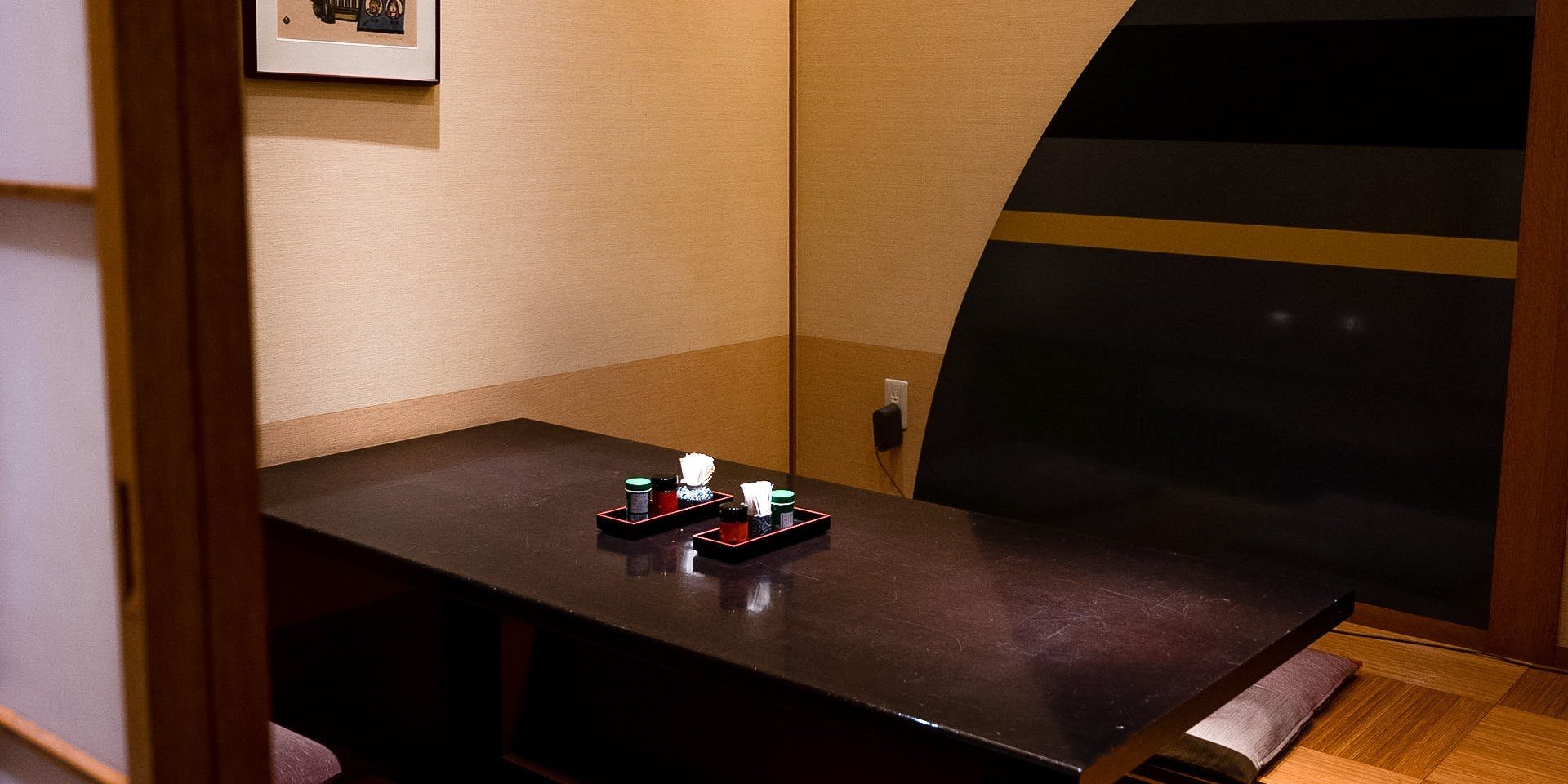
Traditional Japanese eel-restaurant atmosphere, with tatami seating noted by a diner and a classic, focused setting rather than a flashy dining room.