Tsuchi-ya

Tabelog 100 #85
Our verdict
Tsuchi-ya sits in Higashimurayama, a residential district on Tokyo's western fringe where the dining scene operates at a remove from the Michelin-mapped centre. The name, written with the character for earth or soil, points toward a kitchen oriented around ingredient provenance and seasonal sourcing. For those tracking Japan's quieter regional dining circuit, this is a venue worth knowing.

Pearl is the En Primeur Club membership app, where members save venues, book tables and use the concierge.
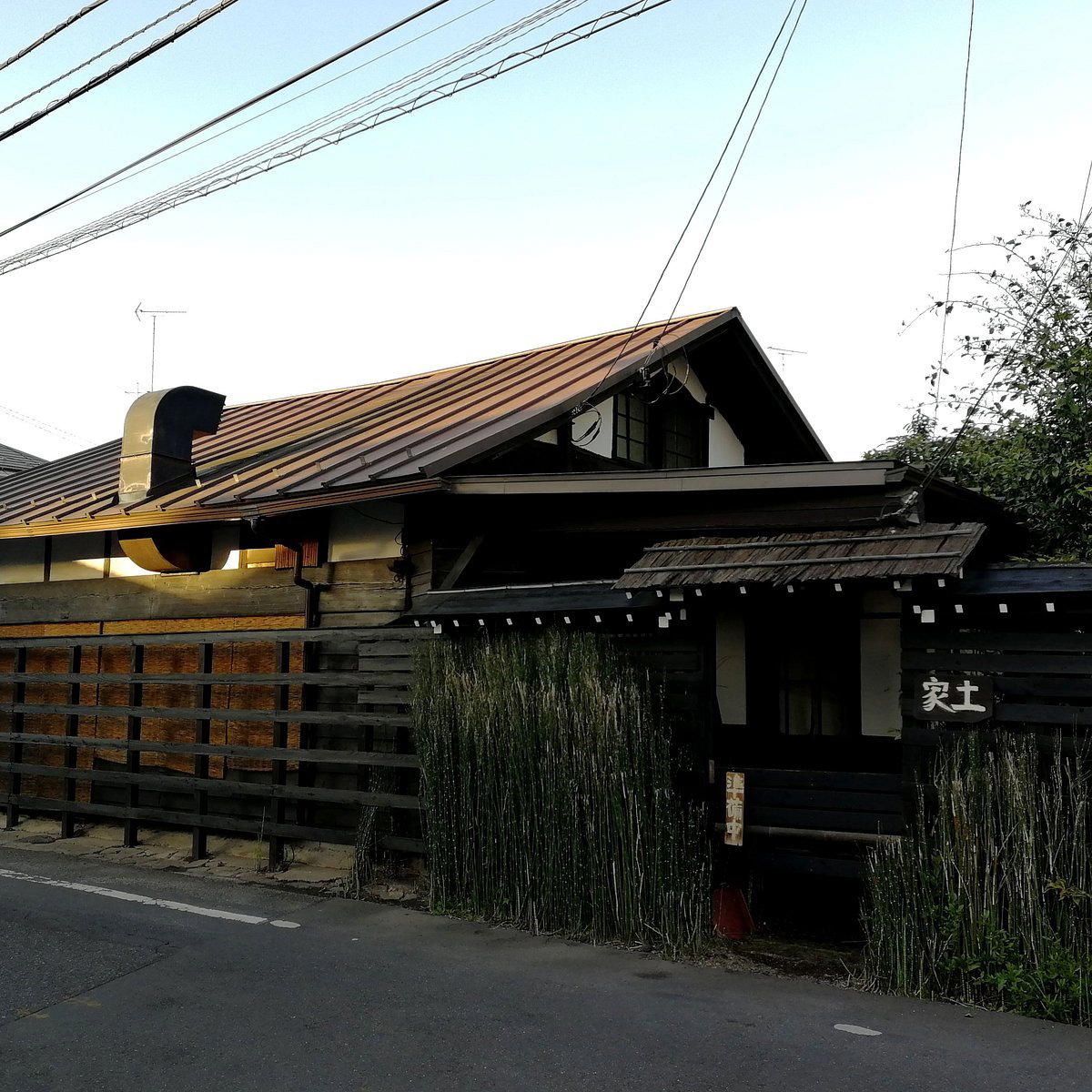
Western Tokyo's Quieter Dining Register
Higashimurayama sits roughly 30 kilometres west of central Tokyo, past the more familiar suburban stops of Kokubunji and Haijima, in a residential belt that most food-focused visitors have little reason to cross. That distance from the city's Michelin-mapped core is precisely the condition under which a certain kind of Japanese restaurant tends to operate: lower visibility, smaller catchment, and a dining room that survives on local commitment rather than tourist flow. Tsuchi-ya occupies an address in Noguchicho, one of the district's quieter residential pockets, and the name itself, drawing on the character for earth or soil, signals an orientation that runs through much of Japan's ingredient-led counter dining. This is a register worth understanding before arriving.
Japan's broader dining culture has long maintained a productive tension between metropolitan prestige and regional sincerity. The restaurants that attract the most sustained critical attention, venues like Harutaka in Tokyo or Gion Sasaki in Kyoto, operate inside dense urban cores where supply chains, press access, and peer competition sharpen both ambition and execution. But an older tradition runs parallel: the neighbourhood restaurant that earns loyalty not through award cycles but through its relationship with the land and the producers immediately around it. Tsuchi-ya, at its Higashimurayama address, belongs to the geography that tends to produce the latter type.
The Sourcing Argument in Japanese Cuisine
The character choice in Tsuchi-ya's name carries interpretive weight. In Japanese culinary vocabulary, a deep connection to soil, to where ingredients are grown, raised, or caught, is not merely aesthetic. It is the structural argument of the menu. This approach is most visible at the kaiseki level, where venues like HAJIME in Osaka have built internationally recognised reputations around the relationship between the kitchen and the source. At a more intimate scale, it manifests in restaurants that build seasonal menus around what specific farmers, fishers, and foragers can reliably deliver, menus that shift not because a chef wants variety, but because the supply genuinely changes.
This sourcing discipline is harder to maintain in Tokyo's centre, where proximity to Tsukiji and its successor Toyosu market means access to extraordinary product, but product of a somewhat deracinated kind: fish from distant prefectures, vegetables from multiple growing regions, assembled into menus that can be exceptional without being rooted. The further a restaurant sits from that market infrastructure, the more it tends to rely on direct supplier relationships, on what the surrounding prefecture produces, and on seasonal rhythms that are local rather than national. For the reader tracking this distinction, the western Tokyo suburbs are worth periodic attention.
Japan's regional dining circuit holds several examples of this sourcing orientation operating at a high level. akordu in Nara frames its menu explicitly around Yamato vegetables and local producers. Goh in Fukuoka draws on Kyushu's proximity to exceptional seafood and agricultural diversity. And further afield, venues such as 一本木 街川製 in Nanao and 湖鄰庵粋 in Takashima operate within tightly drawn regional identities that urban dining cannot easily replicate. Tsuchi-ya's location in a western Tokyo neighbourhood places it adjacent to the Tama region, which has its own productive agricultural history despite sitting within the greater metropolitan boundary.
Approaching the Address
Reaching Higashimurayama from central Tokyo involves the Seibu Shinjuku Line or the Seibu Haijima Line, both of which run west from Seibu-Shinjuku Station. The journey takes roughly 40 to 50 minutes depending on the service. Noguchicho, where Tsuchi-ya's address falls, is a residential quarter that does not announce itself: the streets are narrow, the buildings low, and there is little of the commercial density that marks central Tokyo dining districts. This arrival experience, the deliberate journey, the quiet streets, is itself calibrating. It sets expectations away from theatre and toward something more considered.
This kind of travel-to-eat dynamic is a recurring feature of Japan's more absorbed dining culture. Counter restaurants and small specialist venues frequently occupy residential locations precisely because the rent structure allows the kitchen to command a higher proportion of the budget than is possible in prime commercial real estate. For practical guidance on the wider area's dining circuit, our full Higashimurayama restaurants guide covers the broader context.
Where Tsuchi-ya Sits in the Regional Frame
What the name and location together suggest is a kitchen working within the ingredient-led register that has produced some of Japan's most carefully constructed smaller restaurants, venues that do not appear in the first tier of international coverage but sustain a committed local following. This is not a default consolation; it is a specific and often preferable mode of dining.
The comparison set here is not the three-star counters of central Tokyo or the kaiseki rooms that draw international reservation queues months in advance. The more useful peer frame is the network of regional specialists across Japan who have built reputations through producer relationships and seasonal fidelity rather than through media positioning. Venues like 夕佳仙山乃 in Sapporo, 庭羽屋 in Nishikawa Machi, and bodai in Nachikatsuura all operate in this register, and understanding them as a category helps calibrate what a visit to Tsuchi-ya might reasonably involve.
For those whose Japan dining itinerary extends to other formats and regions, the range is considerable. Denko Sekka in Hiroshima represents a different regional tradition. Birdland in Sakai and Bistro Ange in Toyohashi show how western influences have been absorbed into regional Japanese dining outside the major cities. And for readers tracking how Japanese culinary approaches translate internationally, Atomix in New York City and Le Bernardin in New York City offer reference points at the highest level of that global conversation. Closer to the Pacific, Blue Ocean Steak in Nakagami District and Cafe Naoshima Konichiwa on Naoshima illustrate the breadth of the regional dining circuit that sits outside Tokyo's gravitational pull.
Planning a Visit
Given the residential location and the limited publicly available information on Tsuchi-ya's booking method, hours, and format, direct verification before visiting is advisable. Japan's smaller neighbourhood restaurants often operate with restricted sittings, advance reservation requirements, and formats that change seasonally. Arriving without a confirmed reservation at venues of this type is rarely productive. For those making the journey from central Tokyo, building the visit into a day that also explores the Tama region makes practical sense, the western suburbs have their own rhythm and a half-day or full day allows the distance to be worthwhile rather than merely logistical.
Frequently asked questions
Is Tsuchi-ya suitable for children?
Tsuchi-ya is located in a quiet residential neighbourhood in Higashimurayama, which suggests a low-key, unhurried setting rather than a high-tempo urban dining room. Whether children are accommodated depends on the format and seating arrangement, neither of which is publicly confirmed. Direct contact with the venue before visiting with young guests is the practical approach, particularly given how limited publicly circulated information on the restaurant currently is.
What kind of setting is Tsuchi-ya?
The address places Tsuchi-ya in Noguchi-cho, a residential quarter of Higashimurayama roughly 30 kilometres west of central Tokyo, well outside the dense dining corridors of Shinjuku or Ginza. This is a neighbourhood restaurant in the truest sense, serving a local catchment rather than a tourist circuit. The name itself, with its reference to soil in Japanese culinary vocabulary, points toward a grounded, ingredient-focused atmosphere rather than a theatrical or fashion-driven one.
How do you get to Tsuchi-ya from central Tokyo, and how long does the journey take?
Tsuchi-ya sits in Higashimurayama, reachable via the Seibu Shinjuku Line from Seibu-Shinjuku Station, placing the journey at approximately 40 to 50 minutes depending on the service. The restaurant's address in Noguchi-cho, Higashimurayama, puts it well beyond the suburban stops most Tokyo visitors pass through. This is not a detour made by accident, the trip is deliberate, and the residential surroundings make the destination itself part of the experience.
What do people recommend at Tsuchi-ya?
The venue's name signals a philosophy oriented around provenance and the sourcing of ingredients, which in the Japanese dining context typically means the kitchen's strengths follow what is seasonal and local. Visiting with an open approach to the menu, rather than fixed expectations, aligns with how this style of restaurant generally operates.
How do I find Tsuchi-ya?
Tsuchi-ya is located at Japan, 〒189-0022 Tokyo, Higashimurayama, Noguchicho, 4 Chome−18−1, Higashimurayama.
Quick Comparison
Comparable venues nearby, for context on price, style, and recognition.
| Venue | Cuisine | Price | Awards | Notes |
|---|---|---|---|---|
| Tsuchi-yaThis venue (the venue you are viewing) | Traditional Soba with Kaiseki Courses | Not listed | Tabelog 100 #85 | Not listed |
| Yamaki (弥満喜) | Traditional Japanese chicken restaurant featuring Okukuji Shamo | $10–20 | Tabelog 100 #49 | 大子町 |
| Sumire (すみれ) | Premium Soba & Japanese | Not listed | Not listed | Minato Mirai |
| Kirakutei (器楽亭) | Seafood Izakaya | $20–30 | Not listed | Kugayama |
| Keyaki (けやき) | Sapporo miso ramen shop | $10–20 | Tabelog 100 #85 | Susukino |
| Karafuto Shokudō | Fresh Hokkaido Seafood Bowls | $20–30 | Not listed | Noshappu |
Recognition history
Dated appearances from independent guides and award organizations, with the underlying list record or original source where available.
Tabelog 100 #85 · No. 85
Tabelog · Tabelog 100 - Soba - EAST - 2025
Continue exploring
More in Higashimurayama
Restaurants in Higashimurayama
All restaurants in Higashimurayama →



Bars in Higashimurayama
Browse all →


Hotels in Higashimurayama
Browse all →


Wineries in Higashimurayama
Browse all →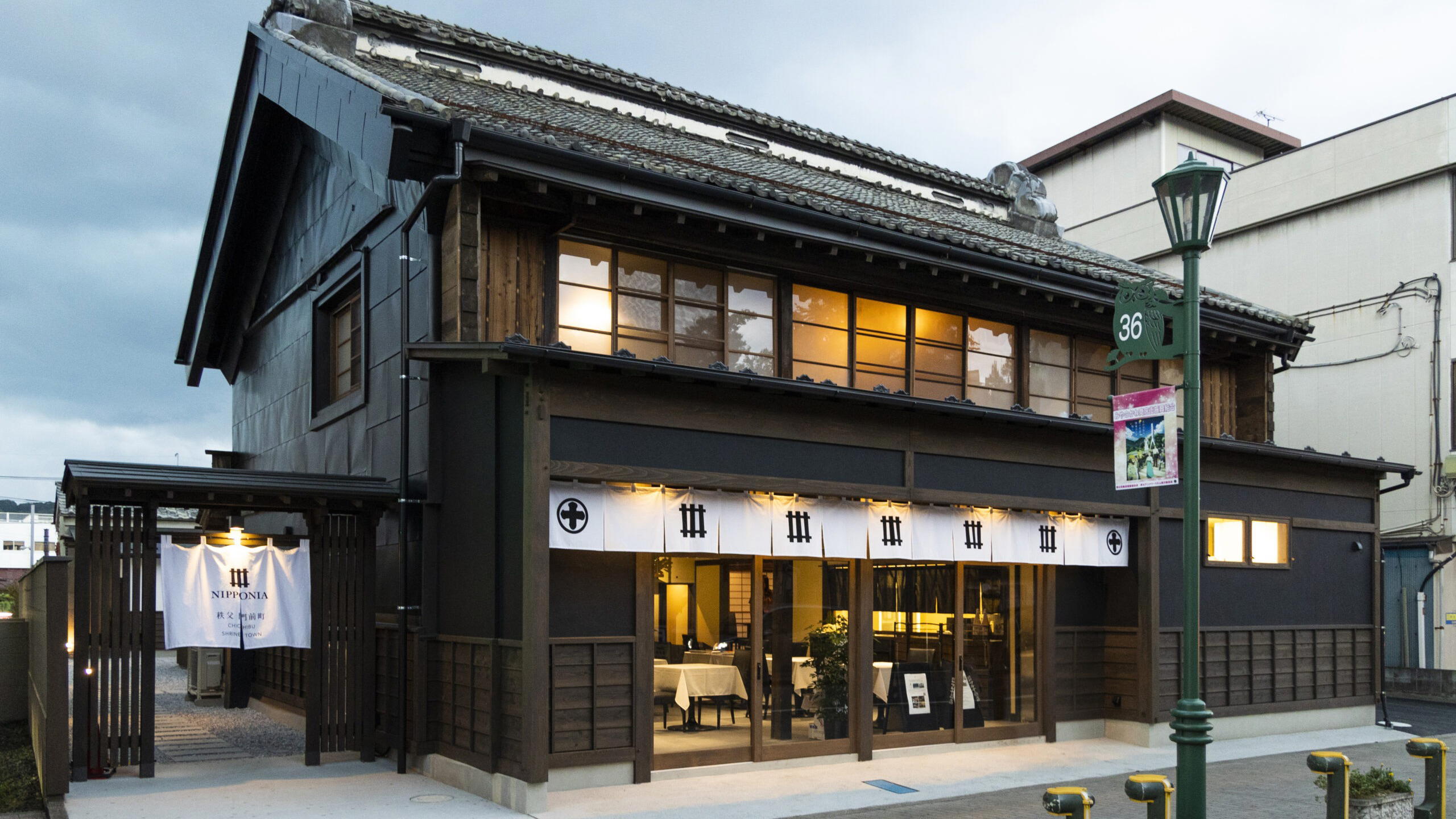
Details
- Cozy
- Quiet
- Rustic
- Intimate
- Solo
- Date Night
- Casual Hangout
- Historic Building
- Sake Program
- A La Carte
- Set Menu
- Sake
Current opening hours
- Monday
- 12–2:30 PM, 6–8:30 PM
- Tuesday
- 12–2:30 PM, 6–8:30 PM
- Wednesday
- 12–2:30 PM, 6–8:30 PM
- Thursday
- 12–2:30 PM, 6–8:30 PM
- Friday
- 12–2:30 PM, 6–8:30 PM
- Saturday
- 12–2:30 PM, 6–8:30 PM
- Sunday
- 12–2:30 PM, 6–8:30 PM
Hours can change for holidays and private events. Hours as of .
Traditional old house (kominka) atmosphere in a quiet neighborhood, providing a cozy and countryside-like feel.