
Our verdict
Kojimachi Nihee occupies a quiet stretch of Chiyoda's Kojimachi district, positioning itself within a neighbourhood better known for government offices and embassies than fine dining. The address alone signals a deliberate remove from Tokyo's more trafficked restaurant corridors, and the format rewards guests who come with patience and appetite for a structured, course-by-course progression through the kitchen's point of view.

Pearl is the En Primeur Club membership app, where members save venues, book tables and use the concierge.
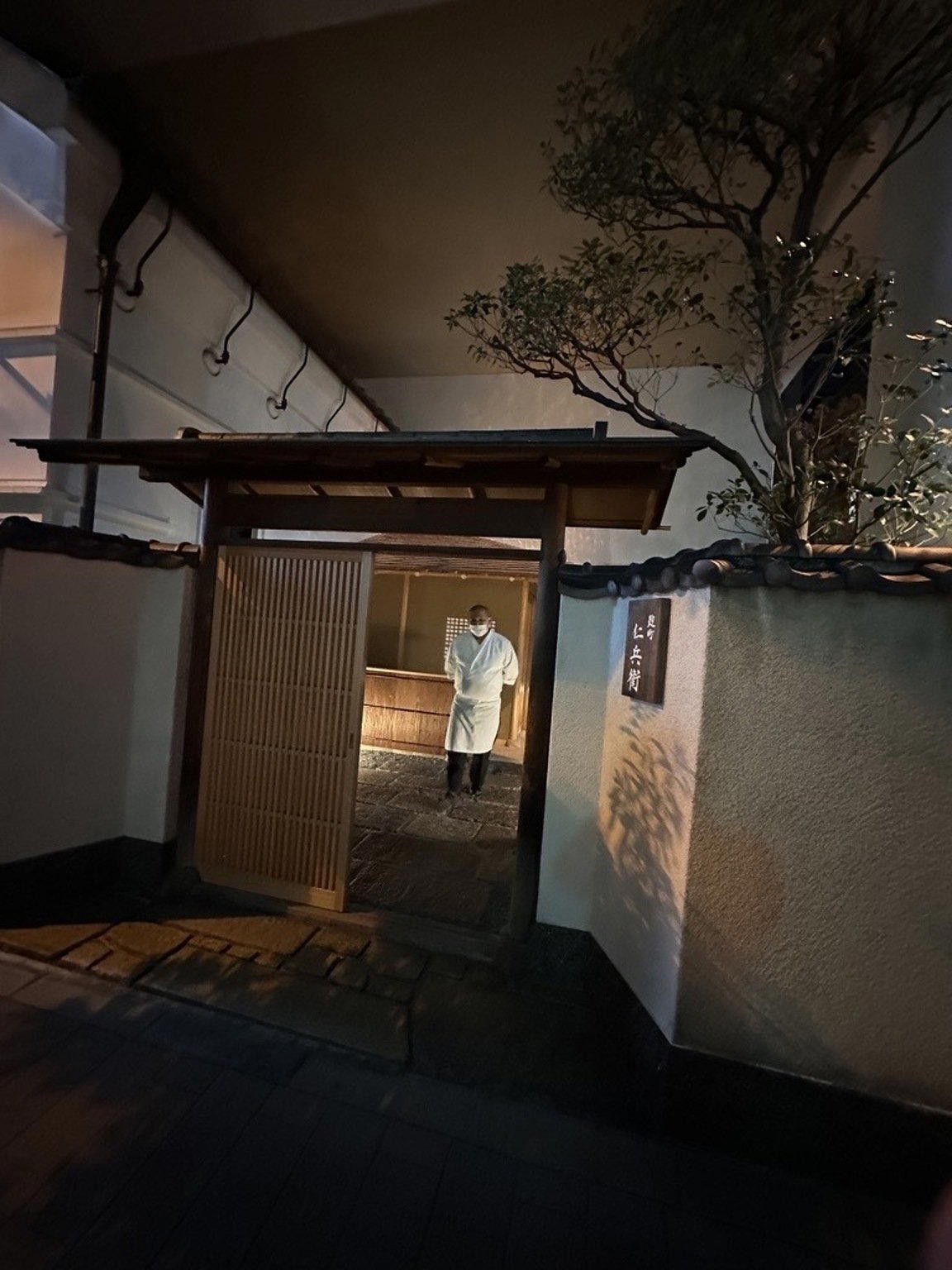
Kojimachi and the Question of Location as Intention
Tokyo's most discussed dining addresses tend to cluster in Ginza, Minami-Aoyama, or the tighter streets of Shinjuku and Shibuya. Chiyoda's Kojimachi district sits at a different register entirely. The neighbourhood is dominated by mid-century office buildings, foreign embassies, and the quiet residential streets that fill in around them. Restaurants that choose this postcode are, in almost every case, making a statement about audience: guests who know to look here have already moved past the obvious choices on the other side of the city.
That dynamic shapes the dining environment in ways that matter to the experience. The walk from Kojimachi Station on the Tokyo Metro Yurakucho Line takes under five minutes, but the surroundings have none of the commercial intensity that marks arrival in Ginza or Roppongi. The effect, before a single dish arrives, is a kind of decompression that higher-footfall districts struggle to provide.
For context on how Tokyo's broader dining offer maps across the city, our full Tokyo restaurants guide traces the distinctions between neighbourhood restaurant cultures, from the counter-sushi density of Ginza to the kaiseki clusters of Akasaka.
How the Meal Moves: Progression as the Format's Core Logic
Japan's most considered restaurant formats share a structural commitment to sequence. Whether the tradition is kaiseki, sushi omakase, or a French-influenced multi-course menu, the logic is the same: each course positions the one that follows, and the meal's meaning accumulates rather than peaks at a single moment. This is the tradition Kojimachi Nihee sits inside, at an address that keeps the room focused rather than distracted by passing foot traffic or neighbourhood noise.
The course-by-course format that defines Tokyo's serious dining culture operates with a different pacing philosophy from European tasting menus. The sequencing tends to move from restraint toward intensity rather than building toward a single theatrical centrepiece. Early courses establish the kitchen's vocabulary, often through lighter, more acidic preparations that orient the palate. Middle courses introduce richer textures and more assertive seasoning. The close, frequently built around rice or a more contemplative preparation, functions as resolution rather than flourish. At restaurants operating in Chiyoda's quieter precincts, that arc is typically allowed to breathe at its own pace rather than being compressed to turn tables.
Comparable progressions are visible at some of Tokyo's most decorated counters. Harutaka, a three-Michelin-star sushi counter in Ginza, builds its omakase through a sequence that moves from lighter white fish to the fattier, more intense cuts toward the close. RyuGin, the three-star kaiseki address in Roppongi, frames its progression through Japanese seasonality with a precision that has made it a reference point for the form internationally. Each represents a different tradition, but both demonstrate how Tokyo's top-tier formats treat sequencing as the primary editorial act of the meal.
The Chiyoda Context: Where Kojimachi Sits in Tokyo's Dining Geography
Chiyoda ward contains some of Tokyo's least mapped dining territory relative to its actual quality ceiling. The area around the Imperial Palace, Kudanshita, and Kojimachi has historically housed restaurants serving the ward's daytime population of civil servants and office workers, but a quieter tier of serious establishments has grown alongside them. The address on 3 Chome-5-19 Kojimachi places Kojimachi Nihee in the denser part of the neighbourhood, within walking distance of the Hanzomon and Kojimachi metro stops.
For guests building a broader Tokyo itinerary around dining, Chiyoda's relative calm sits usefully alongside Ginza's concentration of Michelin-starred addresses. L'Effervescence in Minami-Aoyama and Sézanne in the Four Seasons at Marunouchi both represent the French-inflected end of Tokyo's tasting-menu spectrum, each with three Michelin stars and a progression logic that shares structural DNA with Japanese multi-course formats. Crony, a two-star address with an innovative French approach, operates in the same broad tier.
Beyond Tokyo, the multi-course progression format appears at some of Japan's most talked-about addresses outside the capital: HAJIME in Osaka, Gion Sasaki in Kyoto, and akordu in Nara each demonstrate how Japan's regional dining culture has developed the tasting-progression format well beyond Tokyo's borders.
Seasonal Timing and When to Visit
Tokyo's serious dining culture is governed by seasonality in a way that reshapes menus and ingredient availability on a near-monthly basis. The spring window, running from late March through May, brings the ingredients most associated with renewal in Japanese cooking: bamboo shoots, cherry blossom-period fish at their pre-summer peak, and the lighter flavours that define the post-winter reset. Autumn, from October through December, is the period when much of Japan's premium ingredients align: matsutake mushroom, Pacific saury, and the deeper flavours associated with the harvest season.
For visitors timing around a multi-course format, both seasons carry a case for prioritising Chiyoda-area restaurants where the room's quieter character amplifies the attention a seasonal menu rewards. Summer visits require advance reservation planning in Tokyo generally, as August sees domestic travel increase significantly and reservation windows at serious restaurants tighten accordingly.
Guests planning a broader Japan itinerary can extend the progression-format logic to Goh in Fukuoka, 1000 in Yokohama, or 6 in Okinawa for a picture of how structured multi-course dining varies by region and ingredient pool.
Planning Your Visit
| Detail | Kojimachi Nihee | Harutaka (Ginza) | RyuGin (Roppongi) |
|---|---|---|---|
| District | Kojimachi, Chiyoda | Ginza | Roppongi |
| Metro Access | Kojimachi or Hanzomon lines | Ginza line | Hibiya / Oedo lines |
| Format | Multi-course progression | Sushi omakase | Kaiseki |
| Michelin Recognition | 3 Stars | 3 Stars | |
| Price Tier | ¥¥¥¥ | ¥¥¥¥ |
For hotels within walking or short-transit distance of Chiyoda, our full Tokyo hotels guide maps the city's accommodation options by neighbourhood. Guests who prefer to build a full evening around the Kojimachi area will find Chiyoda well served by both international hotel groups and smaller properties near the Imperial Palace grounds.
For a wider view of what the city offers beyond the dining room, our guides to Tokyo bars, Tokyo wineries, and Tokyo experiences cover the city's full premium offer. For international reference points on the structured tasting format, Le Bernardin in New York and Atomix, also in New York, represent the form at its most developed outside Japan, with Atomix in particular drawing direct parallels to the Korean and Japanese multi-course traditions.
Frequently asked questions
Is Kojimachi Nihee a good choice for a first serious tasting-menu experience in Tokyo?
The Kojimachi address functions differently from the higher-profile tasting-menu corridors in Ginza or Minami-Aoyama, which can make it a more considered entry point for guests who want a structured multi-course progression without the ambient intensity of Tokyo's busiest dining districts. The neighbourhood's quieter character supports the kind of attention a course-based meal rewards. Guests entirely new to the format may find it useful to read around the kaiseki and omakase traditions before arriving, given that the progression logic at addresses like this one assumes a guest who is engaged with, not just eating, the sequence.
Comparable Options
Comparable venues nearby, for context on price, style, and recognition.
| Venue | Cuisine | Price | Awards | Notes |
|---|---|---|---|---|
| Kojimachi NiheeThis venue (the venue you are viewing) | Edomae Nigiri Sushi | $300–500 | Not listed | Not listed |
| Kien | Traditional Japanese Kaiseki | $150–200 | Tabelog 100 #87 | Minato |
| The Okura | Luxury Japanese Fine Dining Collection | $200–300 | Not listed | Minato |
| 福鮨 | Hokkaido-style Omakase Sushi | Not listed | Not listed | Minato |
| Mudai | Japanese Omakase / Kaiseki | $300–500 | Tabelog 100 #47 | Minato |
| Teppanyaki Go | Luxury Teppanyaki in Palace Hotel Tokyo | $150–200 | Tabelog 100 #67 | Chiyoda |
Recognition history
Dated appearances from independent guides and award organizations, with the underlying list record or original source where available.
Opinionated About Dining Top Restaurants in Japan Recommended
Opinionated About Dining
Continue exploring
More in Tokyo
Restaurants in Tokyo
All restaurants in Tokyo →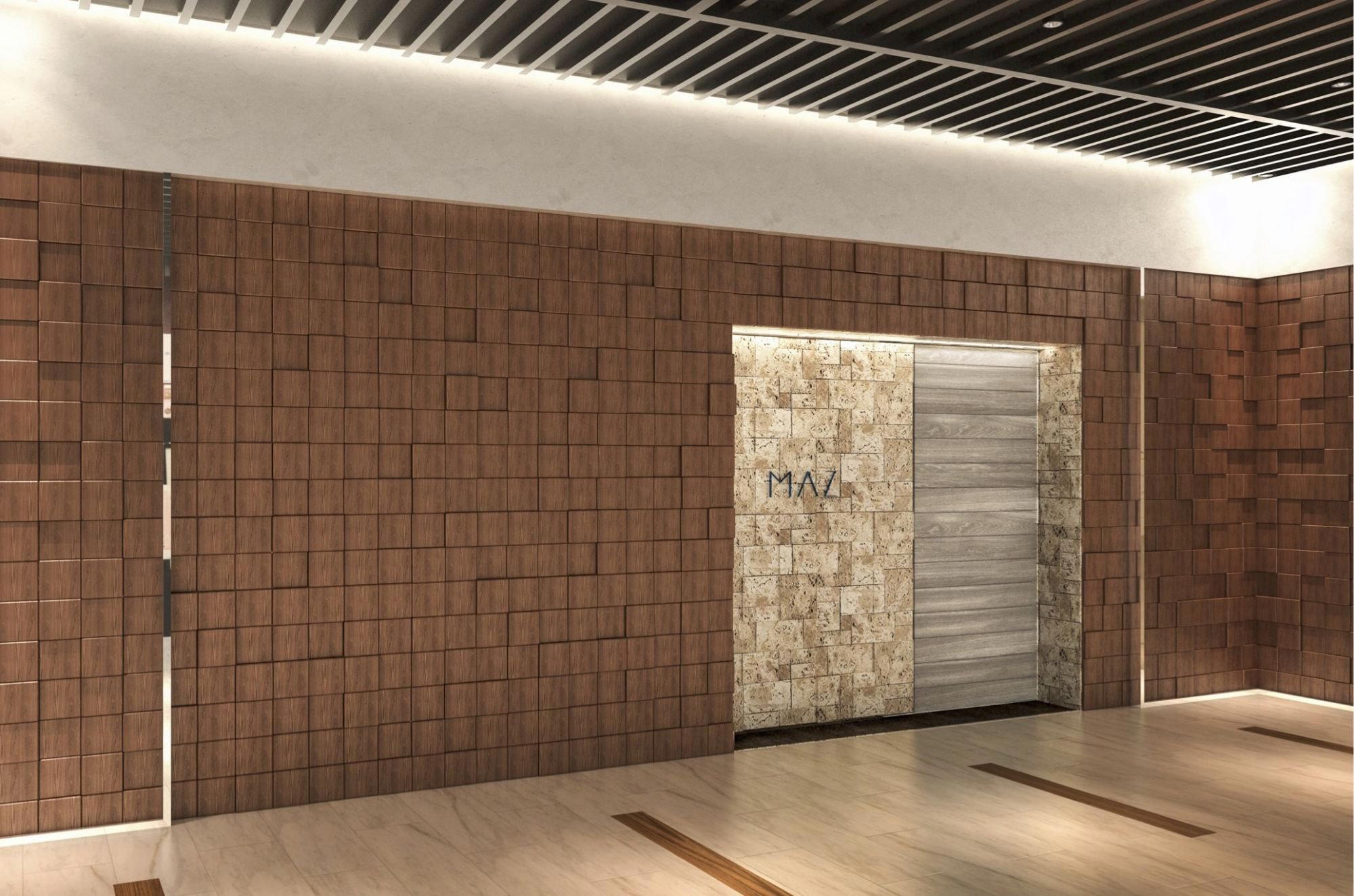

Bars in Tokyo
All bars in Tokyo →




Details
- Elegant
- Intimate
- Sophisticated
- Special Occasion
- Date Night
- Chefs Counter
- Sake Program
- Counter Dining
- Sake
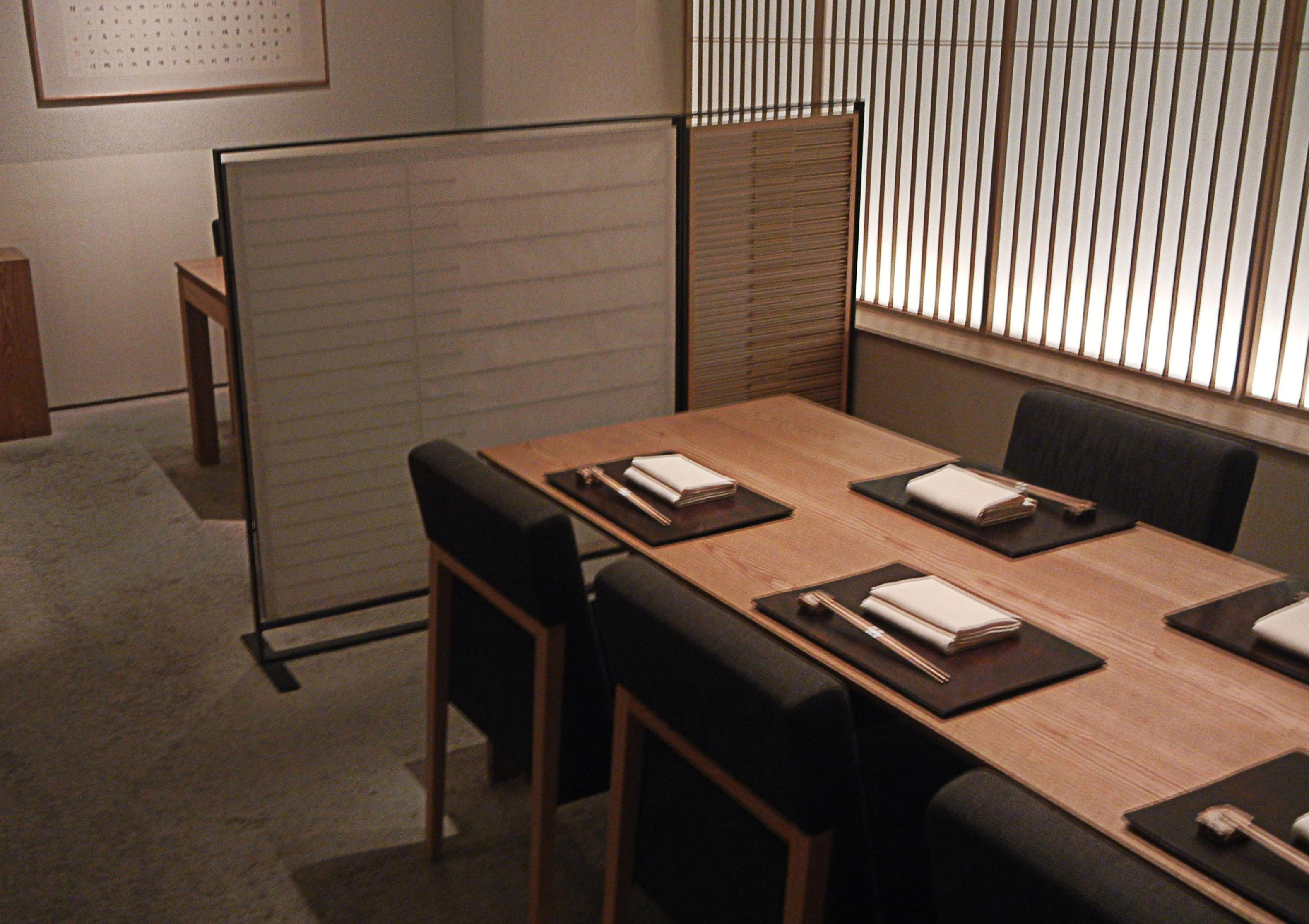
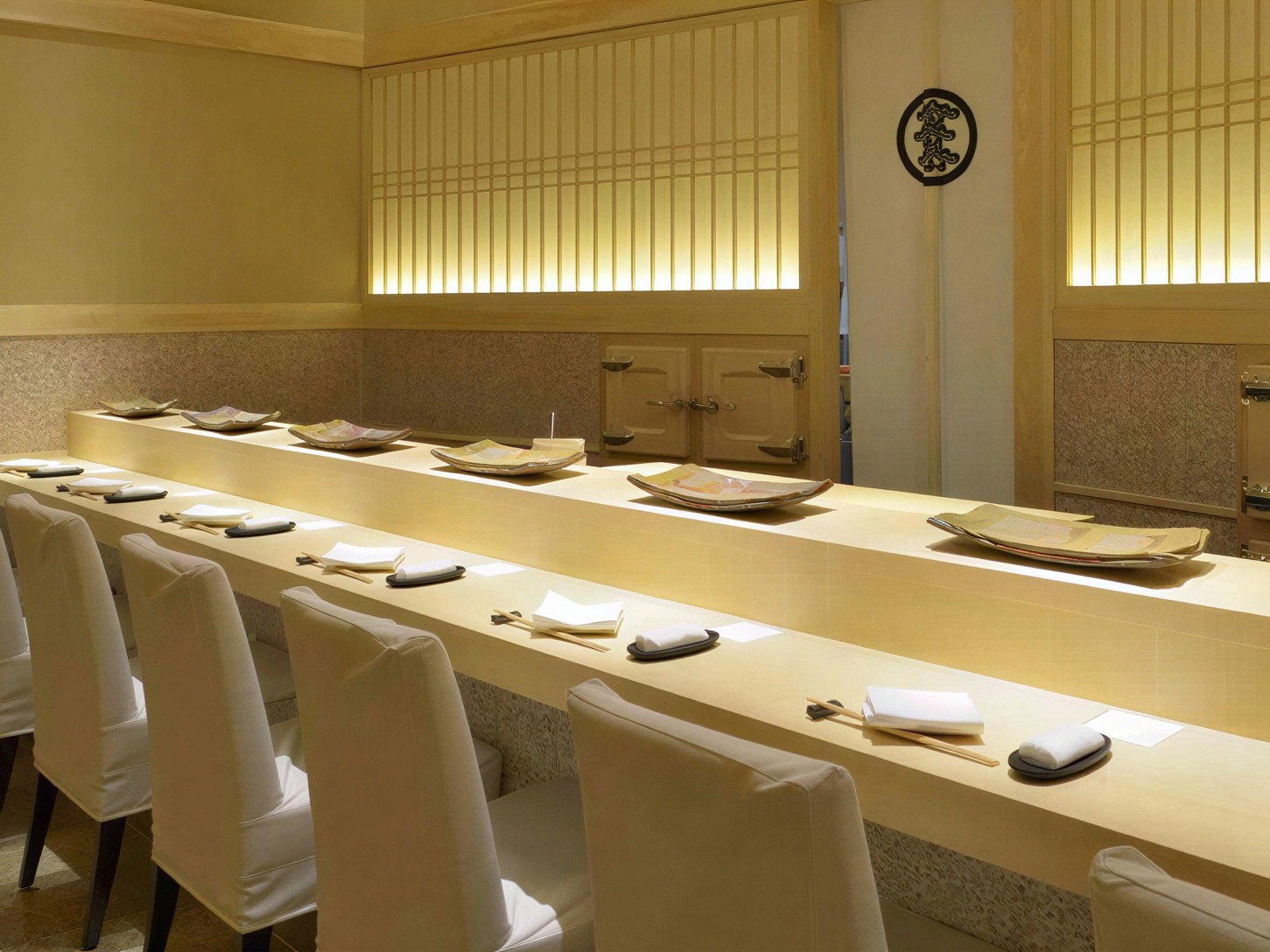
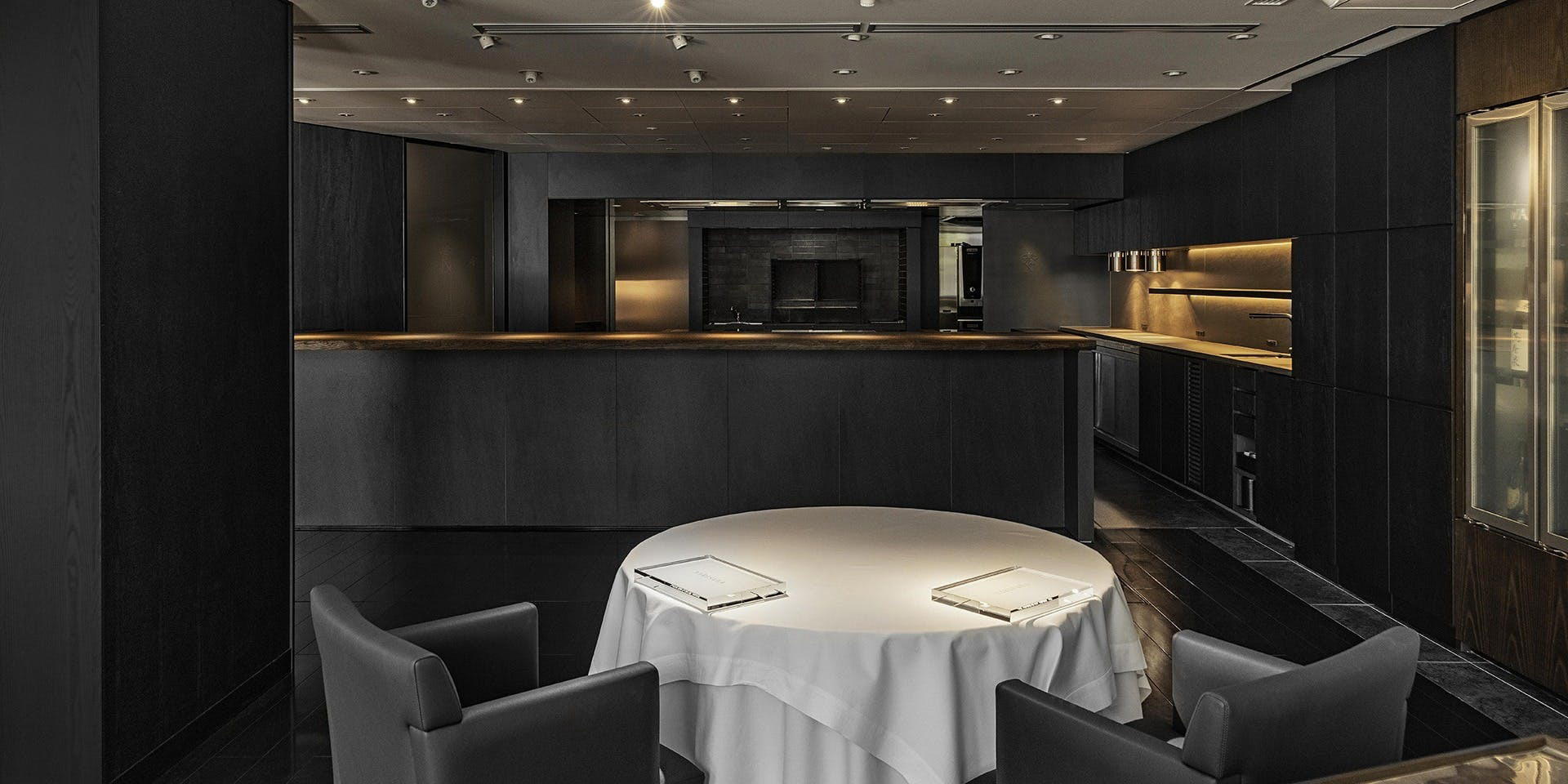
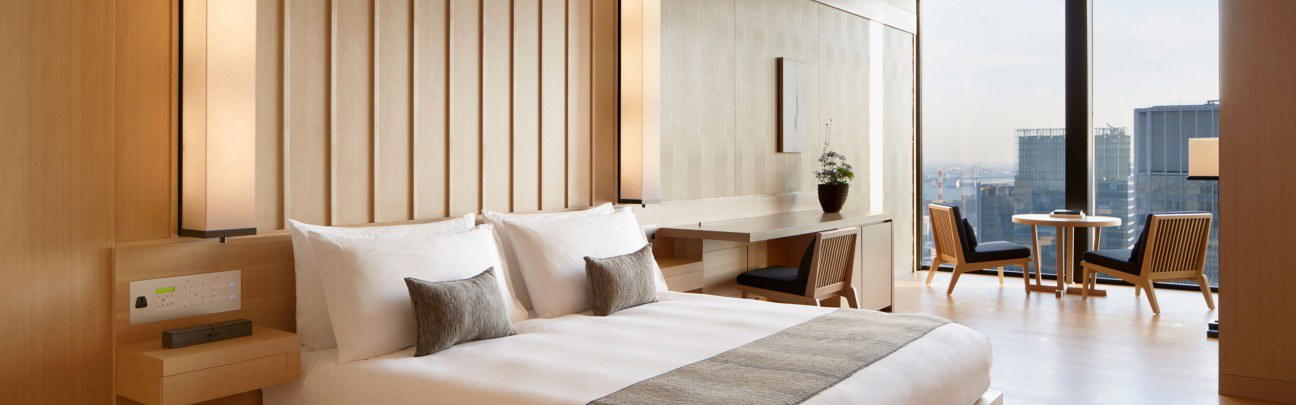
Luxurious and traditional with chashitsu elements, spacious counter-only setup fostering an intimate and sophisticated atmosphere.