Situated in Ginza 6-chome, 鮨 銀座 occupies the upper tier of Tokyo's omakase counter scene, where room design and spatial discipline shape the meal as much as the fish does. The address places it inside one of the world's most competitive sushi corridors, where proximity to peer counters sets expectations before you arrive.
 Discover on Pearl
Pearl is the En Primeur Club membership app — saves, bookings, and concierge access live there. Same editors, same standards.
- Address
- Japan, 〒104-0061 Tokyo, Chuo City, Ginza, 6 Chome−7−7 4F
- Phone
- +81332891044
- Website
- sushiaoki.jp
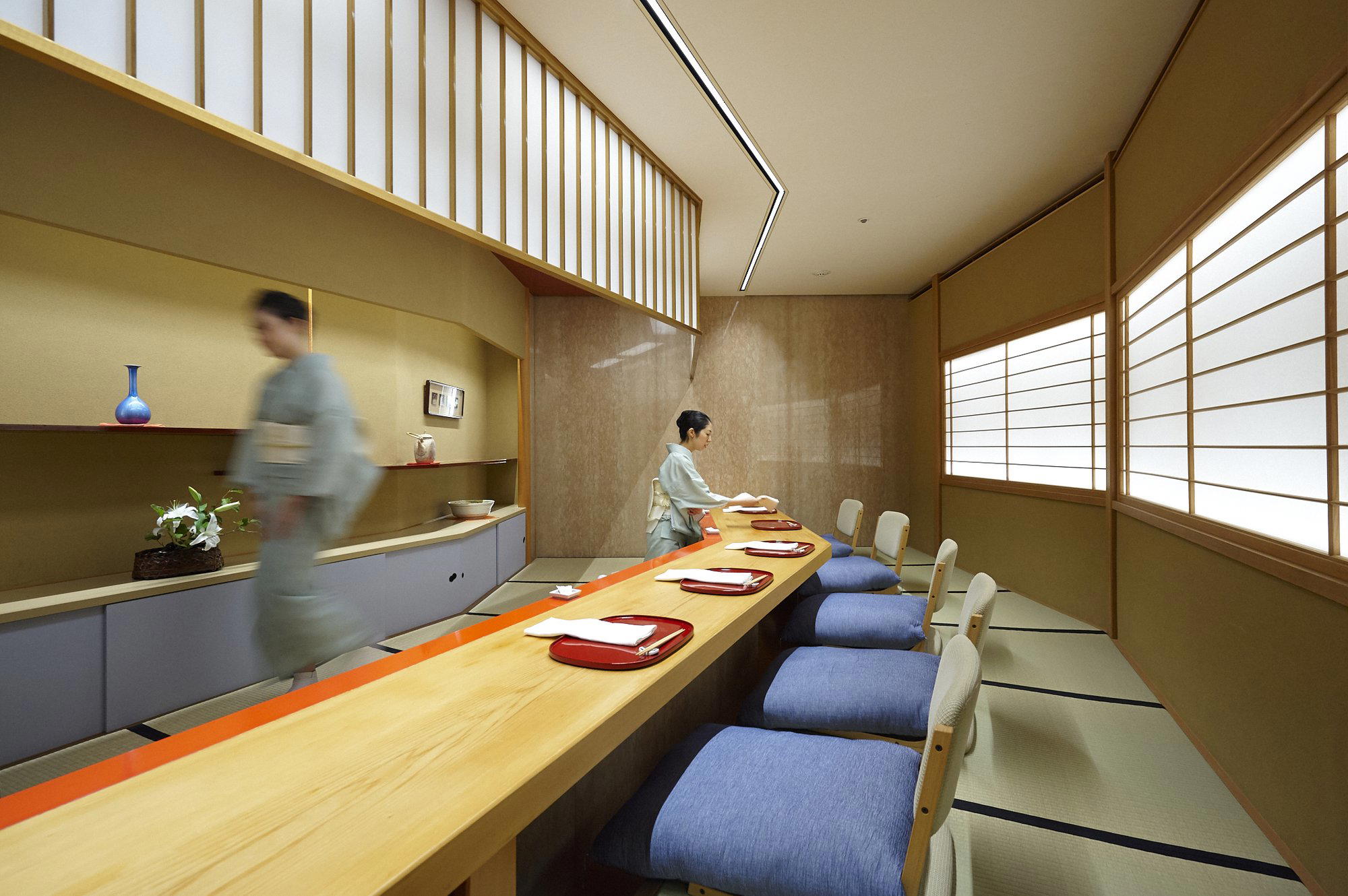
The Counter as Architecture: Ginza's Omakase Room
In Ginza, the physical container of a meal is itself a statement. The district's leading omakase rooms have spent the past decade refining not just what arrives on the plate but how the room frames the act of eating: the angle of the counter, the grain of the wood, the distance between seats, the relationship between the kitchen and the guest. This spatial discipline is not incidental. It is the primary language through which Ginza sushi rooms communicate their tier. 鮨 青木, an Edomae Sushi Omakase restaurant in Tokyo's Ginza district, operates inside that tradition, occupying a floor-level position that places it in the middle of one of Tokyo's most concentrated corridors of high-end counter dining.
Ginza's sushi density is worth understanding before you book anywhere in the district. Within a few city blocks, you will find counters that have held Michelin recognition for over a decade alongside newer rooms still establishing their identity. The address on Chuo-ku's main Ginza artery is not accidental for any of these venues: proximity to the Kabukiza theatre district, the department store clientele of Matsuya and Mitsukoshi, and the evening traffic of business entertainment have made this corridor the default location for the kind of formal omakase meal that anchors a Tokyo itinerary. Harutaka, one of the district's most consistently recognised counters, operates nearby at the same ¥¥¥¥ price tier, as does RyuGin, which brings kaiseki discipline to a comparable spend. These peer venues set the baseline against which any Ginza counter is read.
What the Room Tells You Before the First Course Arrives
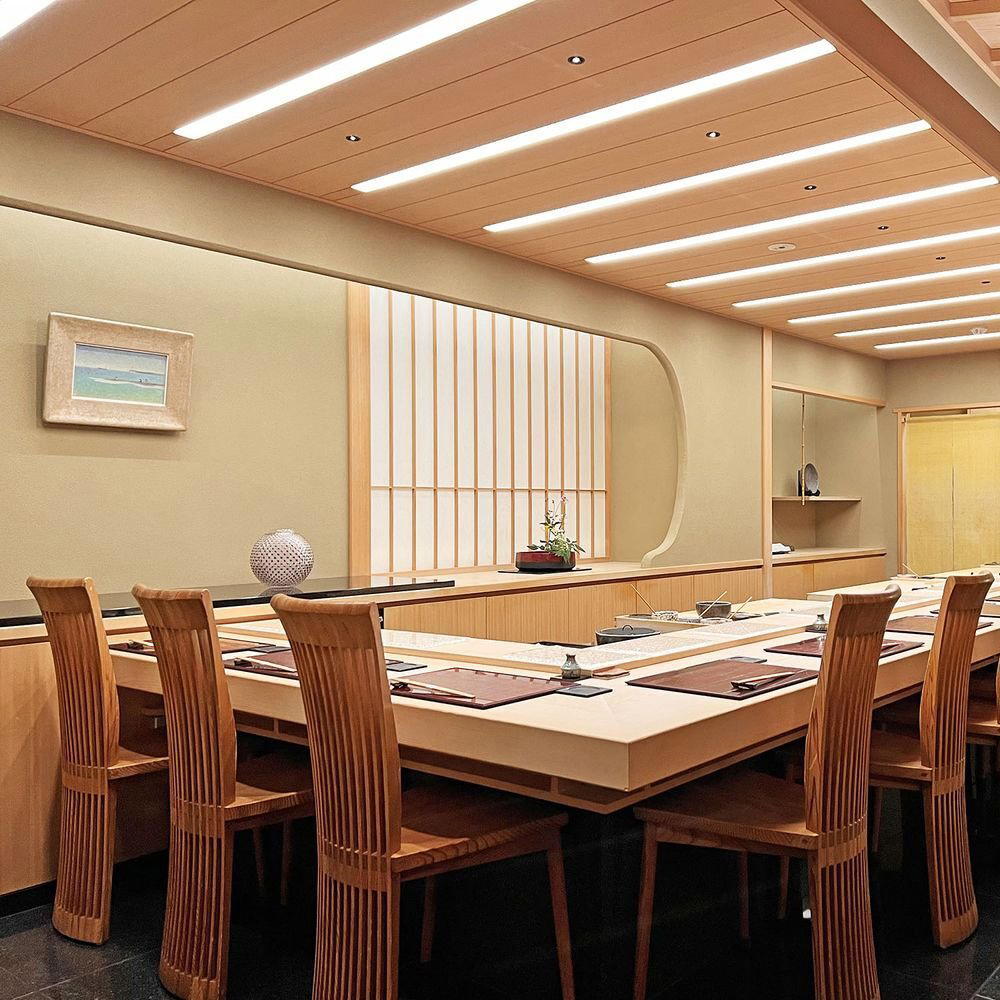
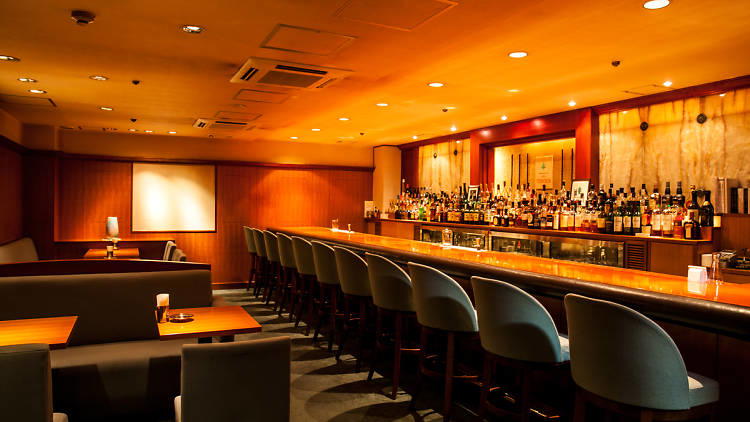
The design logic of Ginza's omakase rooms operates on a different register from the theatrical, high-ceiling formats that have proliferated in Western cities. Here, compression is deliberate. Counters are kept short, typically eight to twelve seats, so that a single chef or head of kitchen can maintain eye contact with every guest throughout the meal. The ceiling height is calibrated for conversation without echo. Lighting tends toward warm and direct, illuminating the chef's board and the guest's plate without washing out the colour of the fish. These are not aesthetic choices made in isolation; they are the physical grammar of a dining format that depends on continuous, low-intensity exchange between kitchen and counter.
At 6 Chome-7-7 Ginza, the building position matters as much as the interior. The Chuo City block this address sits on is characterised by vertical stacking, multiple restaurants across multiple floors in a single building, a format that Ginza has refined across decades of real estate pressure. Dining on an upper or basement floor in this district is standard rather than exceptional, and the leading rooms use that separation from street noise to create a controlled acoustic environment. When the city drops away behind an elevator door, the meal begins before the first piece of neta is cut.
Ginza Sushi in Competitive Context
Tokyo's omakase market has stratified considerably over the past ten years. At the entry level, standing sushi bars and casual counter formats offer edomae technique at accessible price points. At the apex, counters with multi-year waiting lists and per-person spends that exceed luxury hotel room rates operate in a category of their own. The middle and upper tiers, which is where Ginza 6-chome addresses predominantly sit, compete on a combination of fish sourcing credibility, counter design, service depth, and the calibre of the experience as a whole rather than on any single element.
For comparison, L'Effervescence and Sézanne represent the French fine dining bracket in Tokyo at comparable price positions, while Crony sits in the innovative French tier at ¥¥¥¥. These cross-category comparisons matter because sophisticated Tokyo diners do not choose between sushi rooms in isolation, they are choosing between entire format categories on a given evening. Beyond Tokyo, the same curatorial standard applies to venues like HAJIME in Osaka and Gion Sasaki in Kyoto, both of which operate at the top of their respective regional markets with comparable spatial and culinary discipline.
Planning a Ginza Counter Meal: What to Expect Logistically
Booking timelines for serious Ginza omakase counters can range from one month to over six months depending on the room's profile and the time of year. The spring cherry blossom period (late March to mid-April) and autumn (October to November) represent peak pressure on reservations across the district. Summer, particularly August, tends to ease slightly as domestic corporate entertaining drops and some international visitors pause travel.
The Ginza-itchome and Ginza stations are both within walking distance of the 6-chome address, making access from central Tokyo or from the Marunouchi business district direct. Late-evening bookings are standard for the format, the majority of Ginza omakase counters run dinner-only services beginning between 17:30 and 19:00, with multi-course structures that typically run two to two-and-a-half hours. Budget accordingly for the full block of an evening rather than a standalone dinner slot.
For a broader view of where this venue sits within Tokyo's dining geography, Tokyo's counter dining ranges from innovative Japanese formats to the French-Japanese fusion rooms that have defined Minami-Aoyama and Ebisu. Regional alternatives worth holding alongside a Tokyo itinerary include akordu in Nara, Goh in Fukuoka, and Abon in Ashiya, each of which brings a distinct regional identity to formal counter dining. Further afield, affetto akita in Akita, Aji Arai in Oita, Ajidocoro in Yubari District, Akakichi in Imabari, and aki nagao in Sapporo represent the geographic spread of Japan's serious counter dining culture beyond its three main urban centres. Internationally, Le Bernardin in New York City and Lazy Bear in San Francisco offer useful comparative reference points for how counter-format and chef-driven tasting experiences operate at the top of their respective markets.
A Tight Comparison
Comparable venues nearby, for context on price, style, and recognition.
| Venue | Cuisine | Price |
|---|---|---|
| 鮨 青木This venue — the venue you are viewing | Chūō, Edomae Sushi Omakase | $$$$ |
| Sushi Mitani (鮨 三谷) | Yotsuya, Edomae-style Omakase | $$$$ |
| 銀座 kappou ukai | Chūō, Traditional Kappou Robatayaki | $$$$ |
| Kitagawa | Chūō, Modern Japanese Kappo | $$$$ |
| 新ばし しみづ | Minato, Edomae Sushi | $$$$ |
| 銀座 うち山 | Chūō, Tea Kaiseki Japanese | $$$$ |



At a Glance
- Intimate
- Elegant
- Minimalist
- Sophisticated
- Date Night
- Special Occasion
- Solo
- Chefs Counter
- Sake Program
- Sustainable Seafood
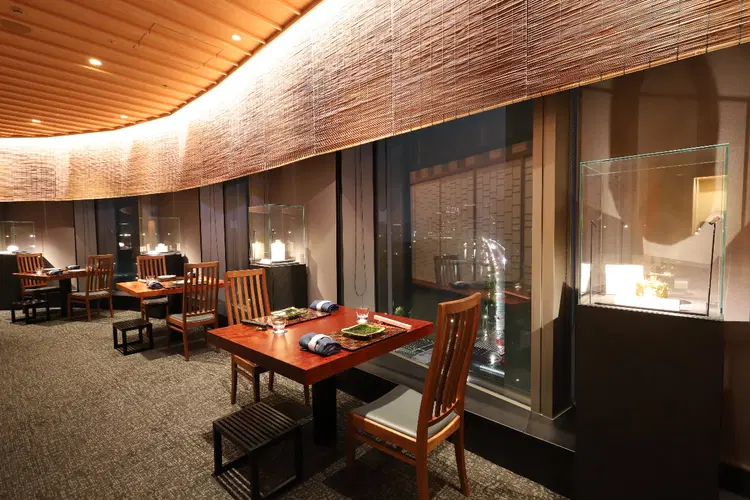
Dimly lit, serene counter with focus on the sushi preparation, creating an intimate and reverent atmosphere.