Tempura Ono occupies a quiet corner of Hatchobori, the kind of address that signals a restaurant built for regulars rather than tourists. In a city where tempura at the high end follows a strict counter format and seasonal rhythm, Ono represents the Chuo ward iteration of that tradition, discreet, address-specific, and best approached as a deliberate choice for a milestone meal rather than a casual booking.
Pearl is the En Primeur Club membership app — saves, bookings, and concierge access live there. Same editors, same standards.
- Address
- 2 Chome-15-5 Hatchobori, Chuo City, Tokyo 104-0032, Japan
- Phone
- +81335524600
- Website
- tempura-ono.com
- Directions
- Get directions
 Saves & bookings on Pearl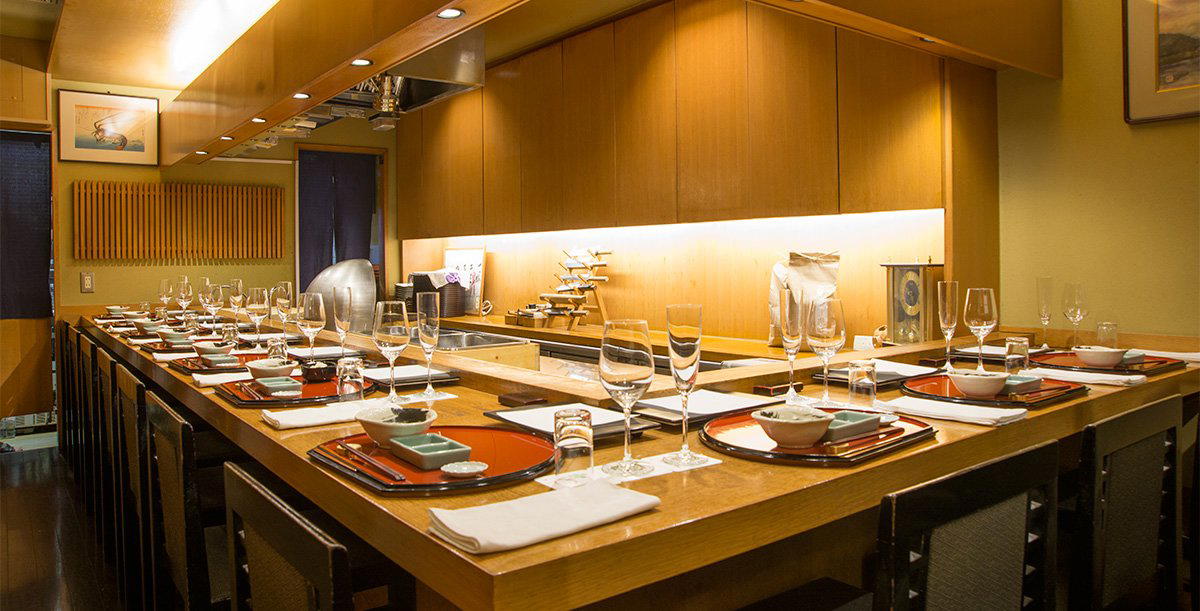
Tempura at the High End: What Hatchobori Tells You About the Room
Tokyo's premium tempura scene operates on different logic than its sushi or kaiseki counterparts. Where omakase sushi counters have consolidated around Ginza and Minami-Aoyama, and kaiseki destinations like RyuGin cluster near entertainment districts, the city's leading tempura houses tend to disperse into quieter commercial neighbourhoods, Hatchobori among them. The area sits in Chuo ward, east of Ginza, historically a working financial district with a low tourist footprint. A restaurant choosing this address is not positioning itself as a discovery; it is positioning itself for a specific clientele that already knows where it is going.
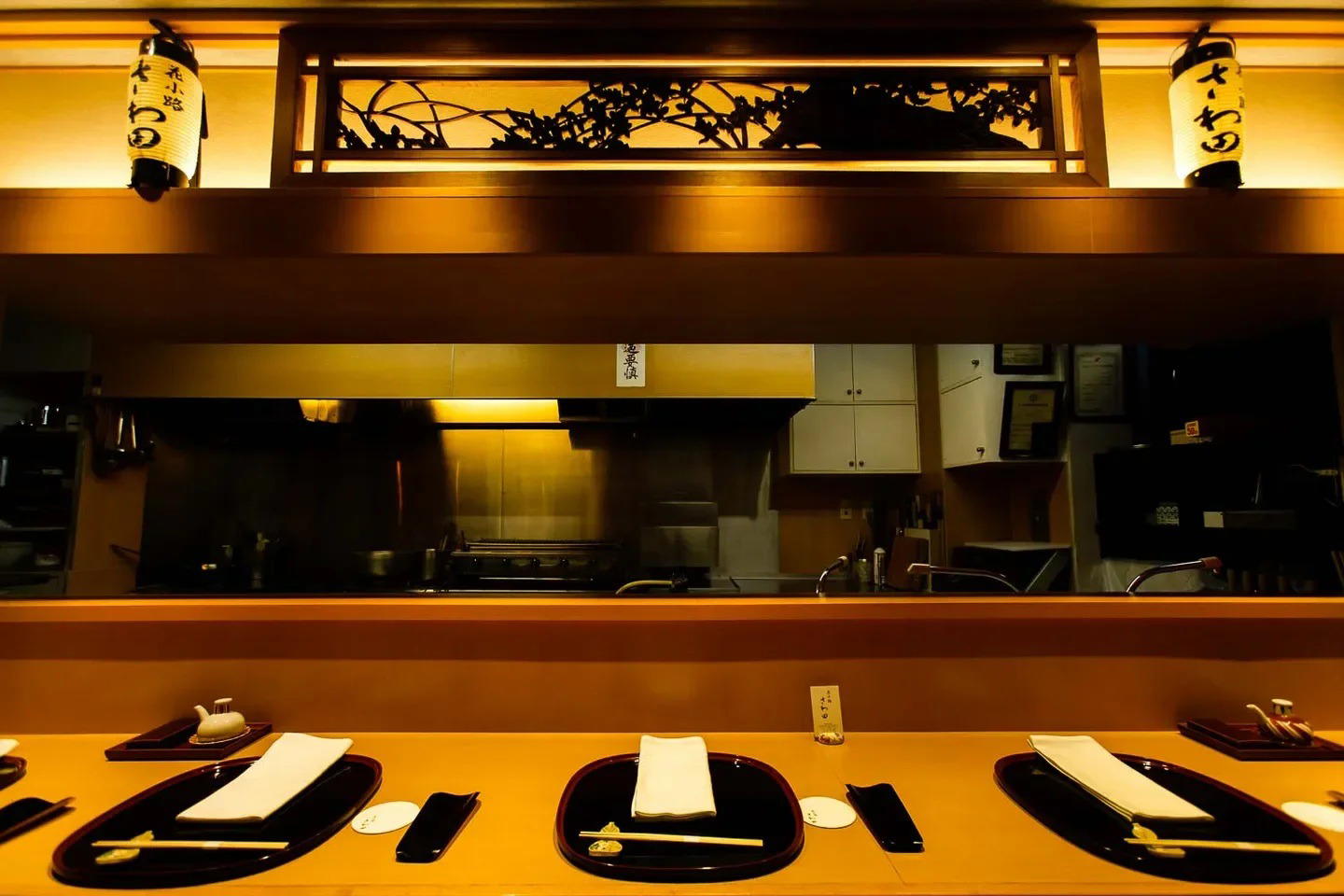
Tempura Ono (てんぷら 小野), at 2 Chome-15-5 Hatchobori, Chuo City, Tokyo, is a Seasonal Tempura Omakase restaurant with a reservation-only counter and a price point of about $200 per person. Hatchobori's restaurant addresses tend to reward repeat visitors over first-timers, and that dynamic shapes how a meal here should be understood. This is occasion territory, the kind of room where the choice of venue signals as much as the meal itself.
The Format That Makes Tempura a Milestone Meal
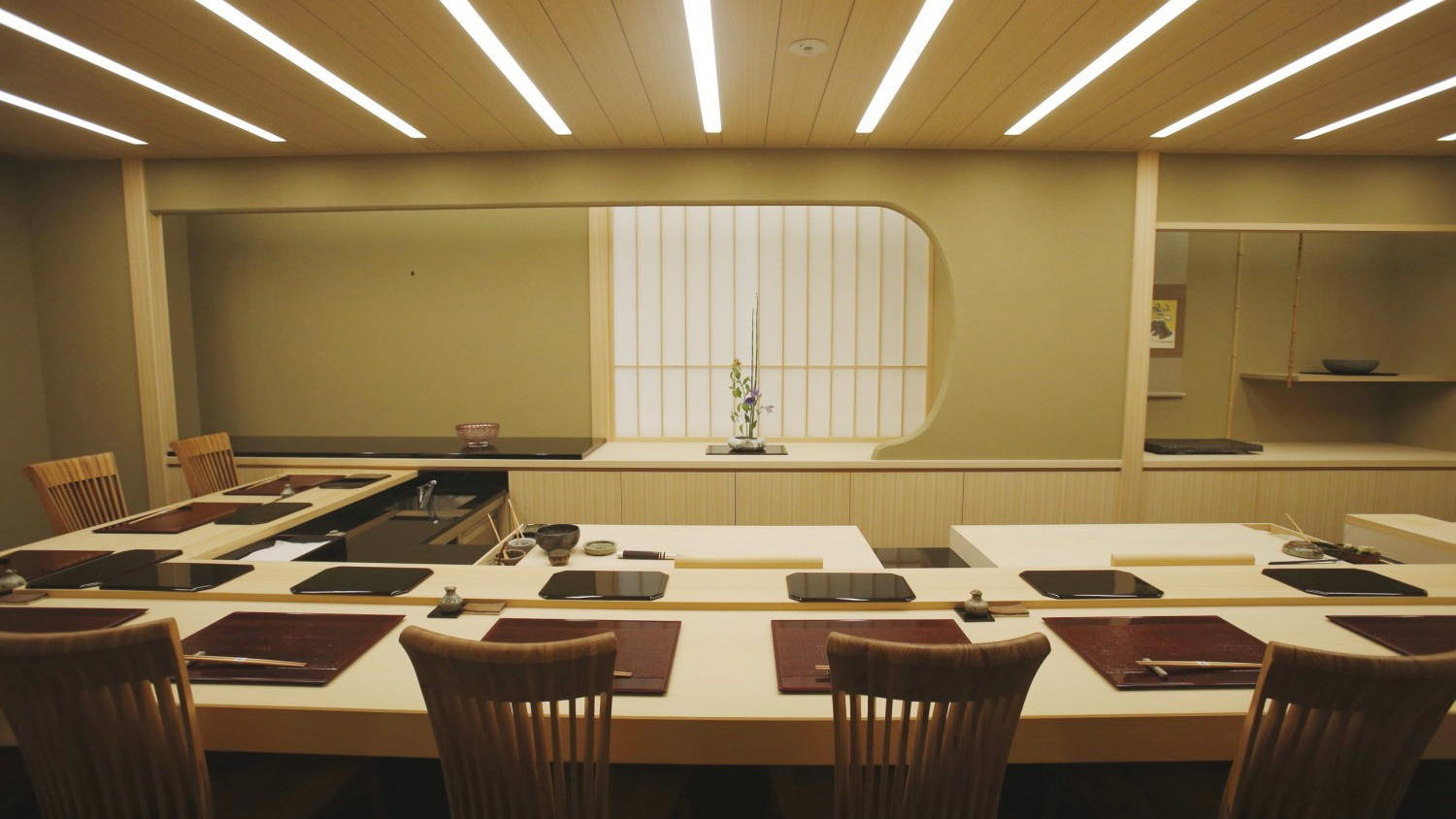
High-end tempura in Tokyo follows a format that is almost unchanged in its architecture from its Edo-period commercial origins, even as technique has sharpened considerably. A chef works a purpose-built counter with a purpose-built temperature window, frying in sequence, and pieces arrive one at a time. There is no sharing, no family-style service, and no opportunity to order around the sequence. The format is inherently ceremonial, closer to a kaiseki progression than to a set of shared dishes.
That structure makes premium tempura particularly well-suited to occasions. Unlike a dinner at a contemporary French room such as L'Effervescence or Sézanne, where the room's energy and design carry considerable social weight, a tempura counter focuses attention on the sequence itself. Conversation happens between pieces rather than across a shared table, and the meal's pacing is set entirely by the kitchen. For a significant birthday, an anniversary, or a business occasion where the meal should be the event rather than the backdrop, that controlled structure is an asset.
Tokyo's upper-tier tempura counters also carry a seasonality logic that makes the timing of a reservation part of the occasion. Spring brings fresh bamboo shoots and young vegetables. Summer introduces ayu (sweetfish) and early-harvest produce. Autumn pushes toward mushroom varieties and richer fish. The seasonal rotation means that two visits six months apart will produce substantially different experiences, which is part of why regulars at rooms like Ono tend to book to a calendar rather than on impulse.
How Ono Sits Within Tokyo's Tempura Tier
Tokyo's premium tempura market has narrowed over the past decade. The middle segment, sit-down tempura restaurants with good but not counter-format execution, has faced pressure from both ends: casual tempura chains have commoditised the lower price tier, while the upper counter format has attracted enough attention that it now occupies its own prestige bracket. Rooms that survive at the summit of that bracket do so through consistency, regulars, and the kind of quiet reputation that does not require a dining room on a high-traffic street.
Ono's Hatchobori address puts it in the same geography as Tokyo institutions that deliberately avoid tourist-facing positioning. For comparison, Harutaka in the sushi category similarly maintains a discreet Ginza address with counter seating that skews toward regulars and advance planners, see Harutaka's full profile here. The tempura equivalent of that positioning is a room that does not need a Michelin-facing marketing posture to fill seats, because its clientele books by word of mouth and returns on occasion.
At the broader Japan level, the premium counter format that defines Ono's category extends well beyond Tokyo. HAJIME in Osaka and Gion Sasaki in Kyoto represent the regional parallel in their respective cuisines, counter-format rooms with a regulars-first culture and a deliberate distance from high-volume tourism. The pattern is consistent: Japan's most serious dining rooms in any category tend to be found at addresses that require intent to locate.
Planning the Visit: What to Know Before You Book
Hatchobori is accessible via the Tokyo Metro Hibiya Line and the JR Keiyo Line, both stopping at Hatchobori Station, placing the address roughly ten to fifteen minutes from central Ginza by train. The neighbourhood has no significant pre-dinner bar scene of its own, so arriving from elsewhere in central Tokyo and returning the same way is the standard approach.
For the category of occasion this room suits, anniversary, milestone birthday, significant business dinner, it is worth noting how Ono's format compares logistically with nearby alternatives:
| Venue | Cuisine | Price Tier | Format |
|---|---|---|---|
| Tempura Ono | Tempura | Not confirmed | Counter, sequential |
| Harutaka | Sushi | ¥¥¥¥ | Counter, omakase |
| RyuGin | Kaiseki | ¥¥¥¥ | Table, multi-course |
| L'Effervescence | French | ¥¥¥¥ | Table, tasting menu |
| Crony | Innovative French | ¥¥¥¥ | Counter, tasting menu |
The table above reflects confirmed peer data.
Beyond Tokyo, travellers who appreciate the counter-format philosophy will find it echoed at akordu in Nara, Goh in Fukuoka, and, further afield, at internationally decorated counters like Le Bernardin in New York City and Atomix, where the tasting-menu counter format has become its own prestige signal in a non-Japanese context.
Awards and Standing
Comparable venues nearby, for context on price, style, and recognition.
| Venue | Cuisine | Price | Notes |
|---|---|---|---|
| てんぷら 小野This venue — the venue you are viewing | Seasonal Tempura Omakase | $$$$ | Not listed |
| Mon cher ton ton (六本木 モンシェルトントン) | Teppanyaki with Kobe Beef | $$$$ | Roppongi |
| Japanese Cuisine Yamazaki | Seasonal Japanese Kaiseki | $$$$ | Chūō |
| Tempura Hasegawa | Michelin-Starred Tempura Omakase | $$$$ | Sumida |
| Roku Roku | Edo-mae Sushi & Kaiseki | $$$$ | Minato |
| Taku | Michelin-Starred Edomae Sushi Omakase | $$$$ | Minato |




At a Glance
- Elegant
- Intimate
- Sophisticated
- Classic
- Special Occasion
- Date Night
- Business Dinner
- Solo
- Chefs Counter
- Open Kitchen
- Sake Program
- Local Sourcing
- Street Scene
Current opening hours
- Monday
- 11:30 AM–2 PM, 5:30–10 PM
- Tuesday
- 11:30 AM–2 PM, 5:30–10 PM
- Wednesday
- 11:30 AM–2 PM, 5:30–10 PM
- Thursday
- 11:30 AM–2 PM, 5:30–10 PM
- Friday
- 11:30 AM–2 PM, 5:30–10 PM
- Saturday
- Closed
- Sunday
- Closed
Hours can change for holidays and private events. Last verified .
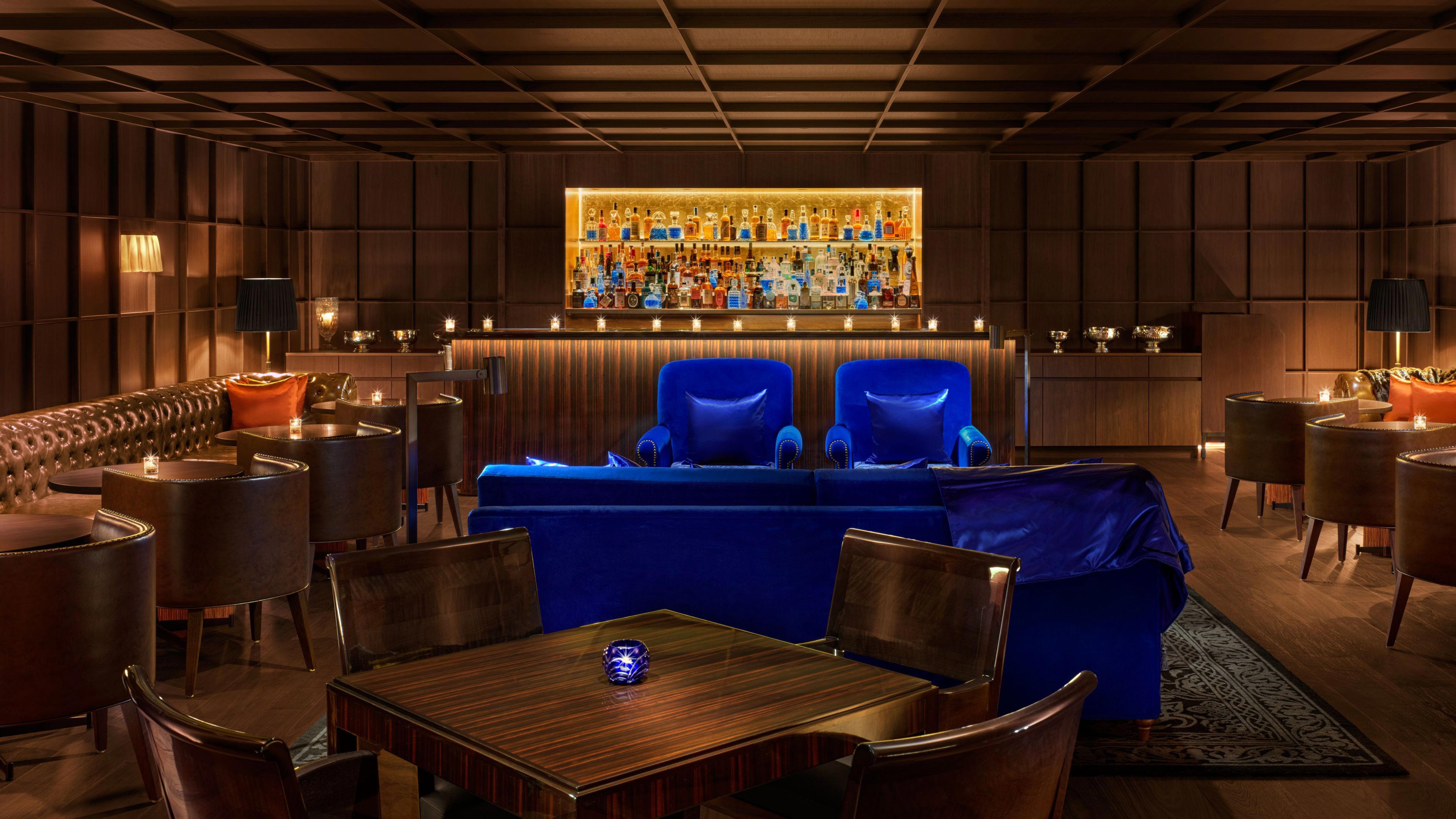
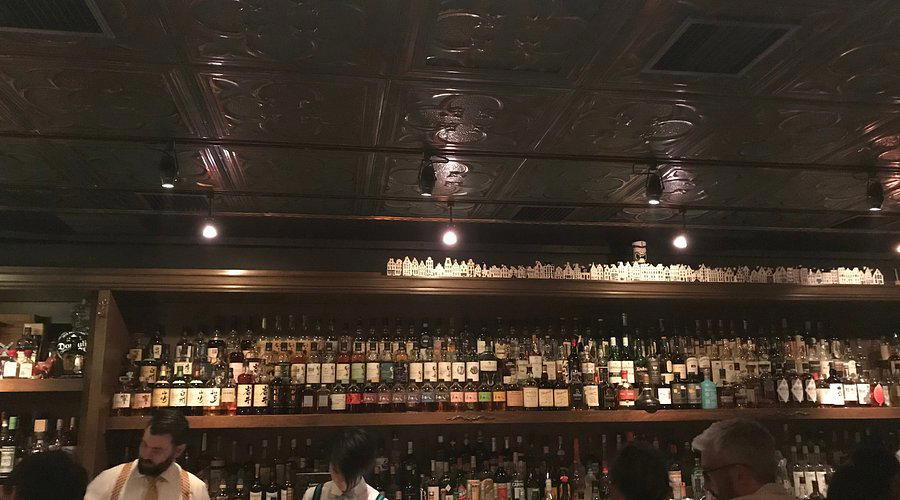
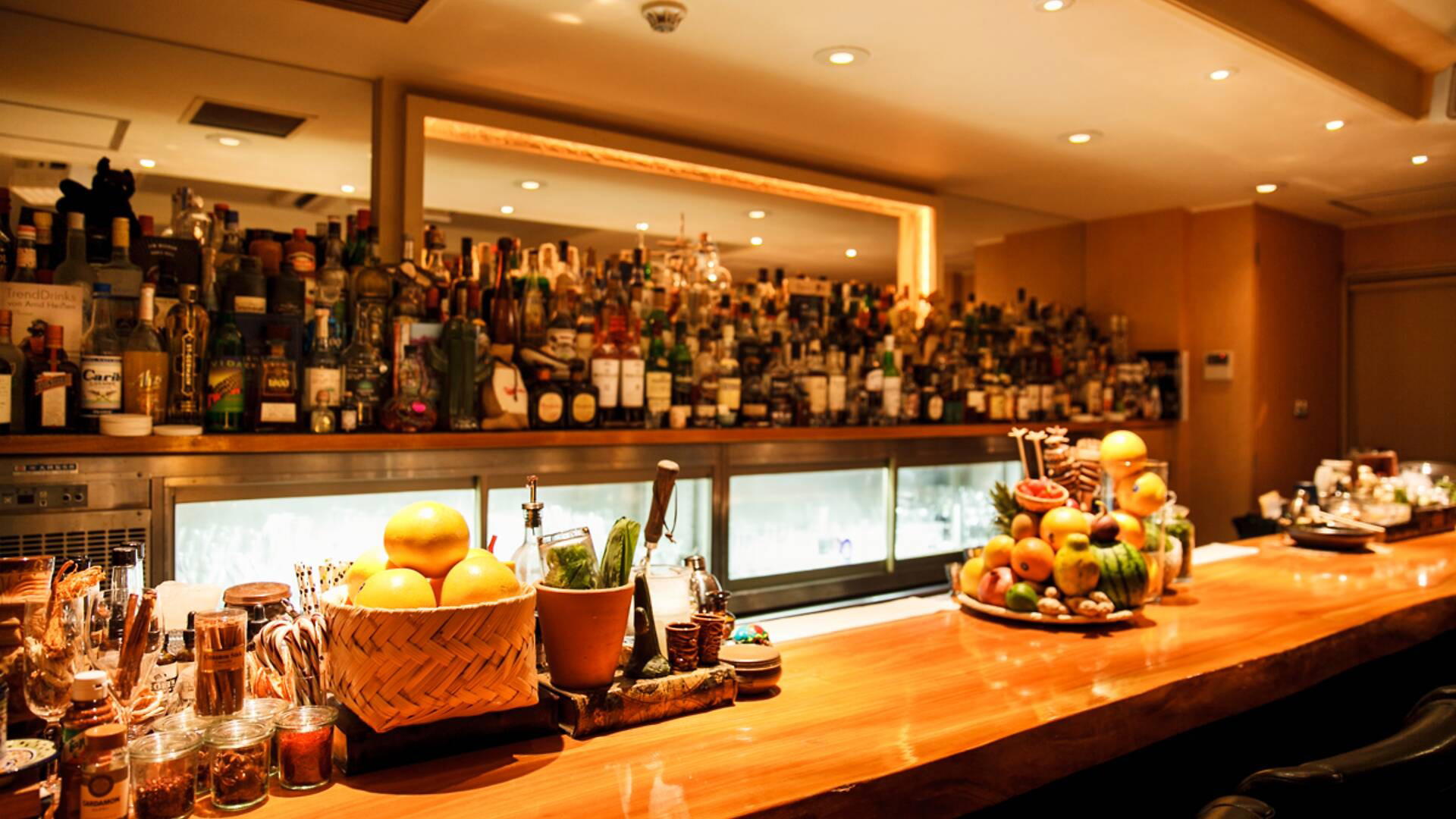
Traditional Japanese style with warm, friendly atmosphere at L-shaped counter seating overlooking Tokyo street scene.