Michelin Bib Gourmand · Tabelog 100 #27
Our verdict
A Michelin Bib Gourmand holder in Jingumae, Tonkatsu Nanaido applies name-brand pork, chunky breadcrumb coatings, and lard fried at lower temperatures to produce crisp, succulent cutlets at single-¥ pricing. Rice cooked in clay pots and finished in wooden tubs adds textural depth rarely found at this price tier. The Shibuya address keeps it accessible to central Tokyo without the tourist-circuit markups of Ginza or Shinjuku.

Pearl is the En Primeur Club membership app, where members save venues, book tables and use the concierge.
The menu
What to order
- Amagi Shamo Chicken Katsu
- Tokyo X Tonkatsu
- Hayashi SPF Pork Tonkatsu
Lard, Breadcrumbs, and Clay Pots: What Tonkatsu Nanaido Gets Right in Jingumae
The smell reaches you before the food does. Frying in lard at a lower temperature than the sunflower-oil standard produces a slower, more aromatic bloom, and the chunky breadcrumb crust browns into something that feels structurally different from the finer panko typical of the category. This is what Tonkatsu Nanaido, tucked into the Rosa Bianca building on a side street in Jingumae 3-chome, delivers at a price point that Michelin's Bib Gourmand panel confirmed in 2024 as representing genuine value. In a city where single-¥ tonkatsu can mean functional, unremarkable pork, the restaurant sits in a narrow tier: affordable entry price, technique applied with care usually reserved for higher brackets.
How Tokyo's Tonkatsu Scene Sets the Stage
Tokyo's tonkatsu category has stratified sharply over the last decade. At one end, specialist counters like Butagumi and Katsuyoshi compete on provenance storytelling and price tiers that push comfortably into ¥¥¥ territory, offering menu cards that read like breed registers for heritage pigs. At the other end, chain operations deliver reliable but undistinguished results. The middle tier, where Bib Gourmand recognition tends to cluster, rewards restaurants that bring a specific technical or sourcing conviction to a format that could otherwise be mechanical. Ginza Katsukami, Katsusen, and Fry-ya each occupy distinct positions in that middle band. Nanaido's positioning is defined by its insistence on name-brand pork, the lard-frying approach, and the clay-pot rice preparation, three choices that signal deliberate distance from the category's cheaper norms.
The Sensory Architecture of the Meal
Tonkatsu is, at its core, a study in contrast: the shattering of a crust against the give of the meat beneath. The method at Nanaido approaches this through the combination of coarser breadcrumbs and the properties of lard as a frying medium. Lard has a distinct smoke point and carries flavor compounds that neutral oils do not, and frying at a cooler temperature extends the process, allowing moisture to redistribute rather than evacuate quickly. The result, based on the approach described in the venue's own record, is a crust that holds its structure longer and meat that retains its softness through to the final piece.
The rice component is treated with equivalent attention. Clay-pot cooking builds a gentle crust at the base while producing even heat distribution, and the transfer to round wooden tubs allows residual steam to be absorbed rather than condense back into the grains. Sweetness comes forward; the texture stays cohesive without becoming sticky. In a category where rice often plays a passive role, this method elevates it to a structural element of the meal rather than a filler that comes alongside.
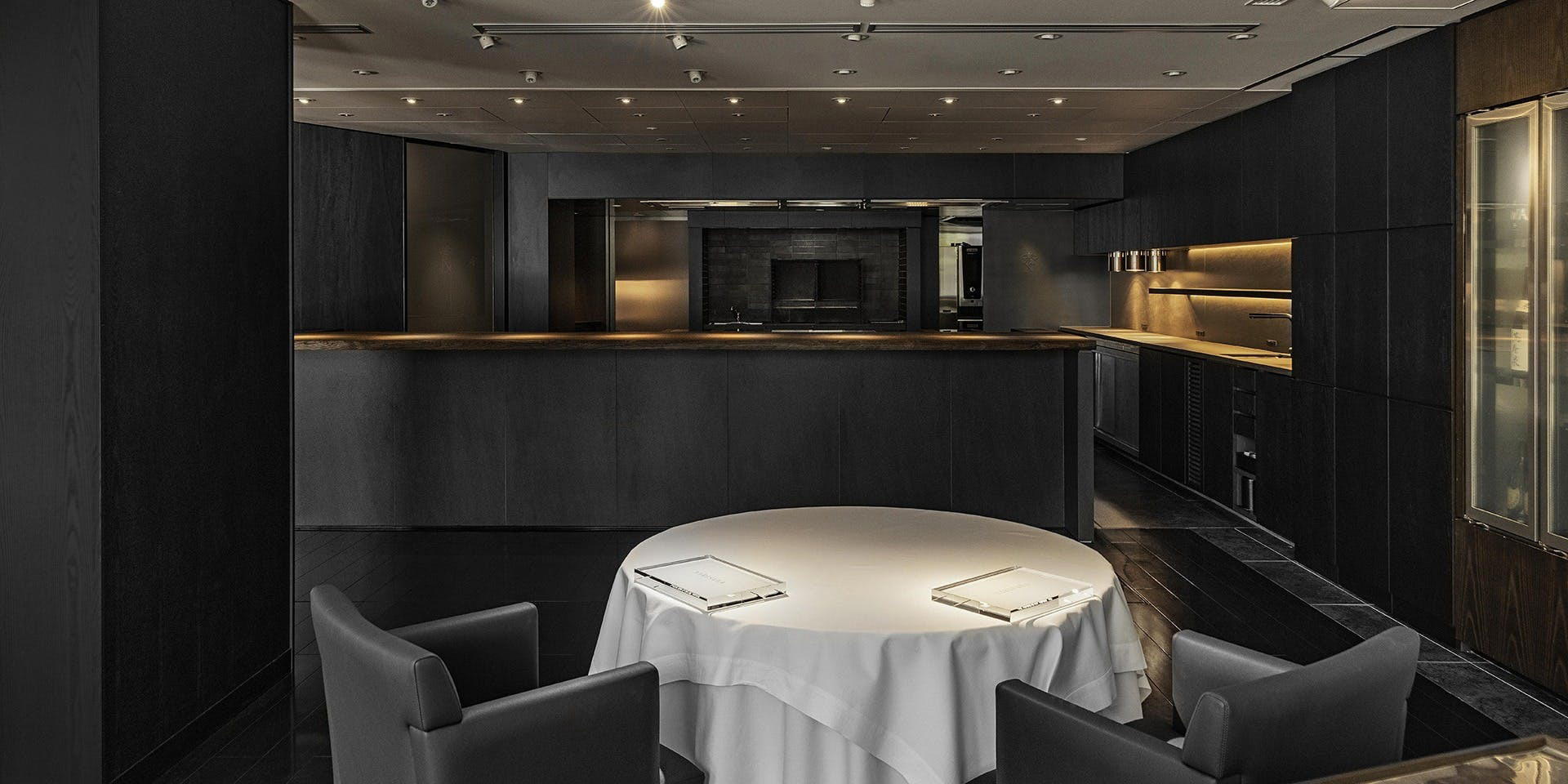
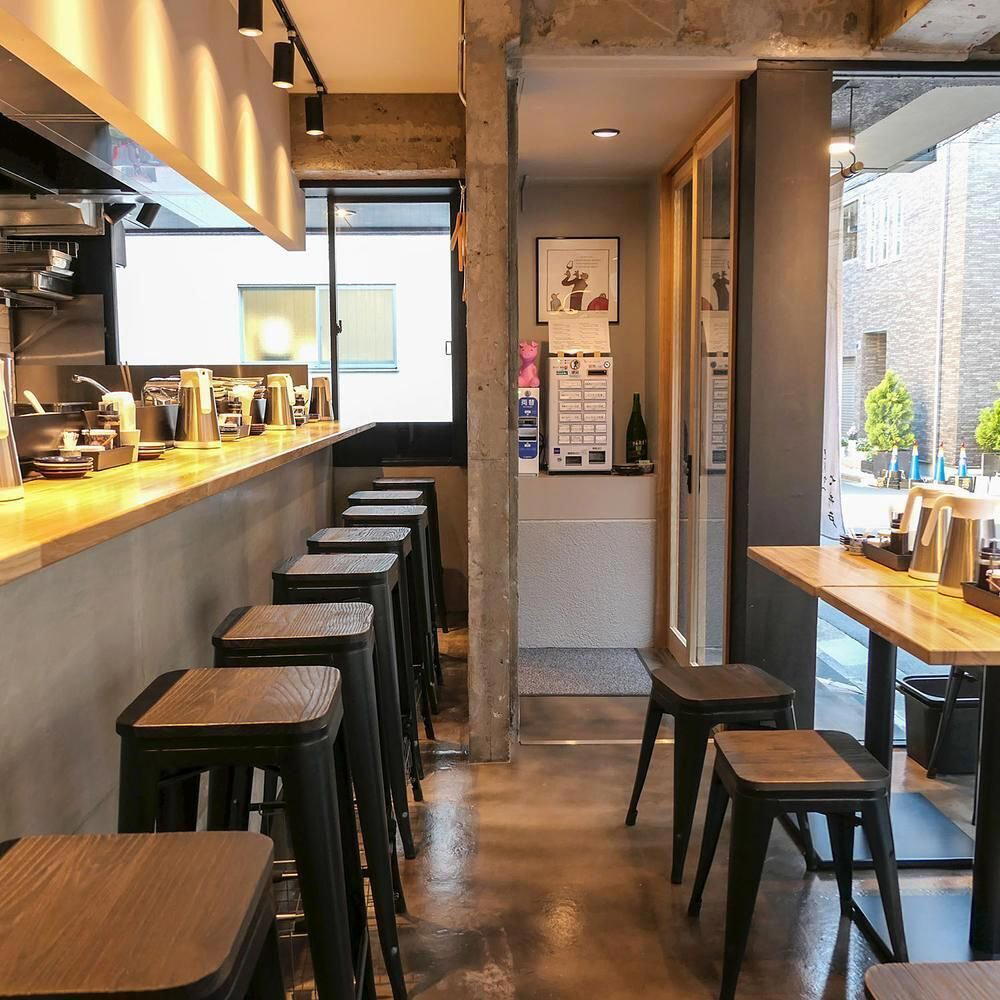
The visual register of a well-executed tonkatsu counter tends to be modest: white tiles or light wood, the counter facing the kitchen, the sound of oil, the condensation on a cold glass of mugicha. Nanaido sits in Jingumae, a neighborhood with a different ambient energy than the salaryman-lunch tonkatsu counters of Nihonbashi or Shimbashi, and its Rosa Bianca building address keeps it within easy reach of Harajuku and Omotesando foot traffic without the design-hotel inflection that can push comparable restaurants into the ¥¥¥ range simply through address association.
Chicken Cutlets and Cross-Category Expertise
Kitchen's background includes yakitori, and the chicken cutlet reflects that. Within the tonkatsu format, chicken cutlets occupy a secondary position, often treated as a lower-cost concession to diners who avoid pork. Here, the yakitori background brings a different calibration of doneness, temperature management, and confidence with poultry that distinguishes the chicken option from a routine addition. For diners who follow Japanese fried chicken preparations across categories, this is a meaningful distinction. A chef who works with chicken at the level that a yakitori kitchen demands will approach the bird differently in the breading context, and the combination of expertise makes Nanaido's range more coherent than it might first appear.
Jingumae Context and Visiting Logistics
Address at 3 Chome-42-11 Jingumae places the restaurant within the broader Omotesando-Harajuku corridor, a part of Shibuya that draws a different dining demographic than the Ginza tonkatsu belt. The price range sits at single-¥, making it one of the more accessible Bib Gourmand entries in the Shibuya ward. Timing toward mid-week, or arriving when the lunch service opens, reduces the probability of a sold-out rice service. For broader Tokyo planning, our full Tokyo restaurants guide maps the category across neighborhoods and price tiers. Additional city context is available through our full Tokyo hotels guide, our full Tokyo bars guide, our full Tokyo wineries guide, and our full Tokyo experiences guide.
Tonkatsu Beyond Tokyo
Category extends across Japan's major cities with regional variations in pork breed preference and preparation style. Jukuseibuta Kawamura in Kyoto applies aged-pork methodology that diverges from the fresh-cut approach more common in Tokyo, and Kyomachibori Nakamura in Osaka reflects the Kansai tendency toward slightly lighter frying. For travelers moving through the Kansai corridor, the contrast with Tokyo's approach makes the category worth tracking across cities. Wider regional dining references include HAJIME in Osaka, Gion Sasaki in Kyoto, akordu in Nara, Goh in Fukuoka, 1000 in Yokohama, and 6 in Okinawa for broader itinerary context.
Frequently asked questions
Is Tonkatsu Nanaido child-friendly?
The restaurant's origin story is worth noting here: the chef opened Nanaido specifically because tonkatsu held meaning as a childhood treat. That backstory is consistent with a setting where younger diners are welcome. The single price tier (¥) also keeps the spend at a level that suits family visits without financial pressure.
What's the overall feel of Tonkatsu Nanaido?
The address at 3 Chome-42-11 Jingumae puts this in a residential pocket of the Omotesando-Harajuku corridor, away from the main retail drag. The format is a specialist tonkatsu counter with clay-pot rice and a Michelin Bib Gourmand recognition in 2024, which signals honest, high-value cooking rather than formal dining theatre. The mood runs closer to a focused neighbourhood specialist than a destination tasting room.
What kind of recognition has Tonkatsu Nanaido received?
Tonkatsu Nanaido has received recognition including: As a child, the chef was sometimes given tonkatsu as a special treat. That happy memory inspired him to open this tonkatsu restaurant. Insisting on meat rich with flavour, he uses name-brand pork only. A combination of chunky breadcrumbs an….
What's the must-try dish at Tonkatsu Nanaido?
The pork cutlet is the kitchen's central argument: name-brand pork, chunky breadcrumbs, and frying in lard at a lower temperature than the industry standard, which produces a crust that holds without greasiness. Pair it with the clay-pot rice, transferred to wooden tubs to preserve texture and draw out sweetness. For something less expected, the chicken cutlet draws on the chef's parallel background running a yakitori counter.
Peers You’d Cross-Shop
A short peer table to compare basics side-by-side.
| Venue | Cuisine | Price | Awards | Notes |
|---|---|---|---|---|
| Tonkatsu NanaidoThis venue (the venue you are viewing) | Premium Tonkatsu | $20–30 | Michelin Bib Gourmand · Tabelog 100 #27 | Not listed |
| Harutaka | Edo-Style Omakase Sushi | $200–300 | 3 Michelin Stars · World's 50 Best #76 | Sushi |
| RyuGin | Modern Kaiseki | $500+ | 3 Michelin Stars · World's 50 Best #41 | Kaiseki, Japanese |
| L'Effervescence | Modern French with Japanese Influences | $200–300 | 3 Michelin Stars · World's 50 Best #69 | French |
| HOMMAGE | Modern French with Japanese Influences | $150–200 | 2 Michelin Stars · World's 50 Best #78 | Innovtive French, French |
| MAZ | Innovative Peruvian-Japanese Fusion | $150–200 | 2 Michelin Stars · World's 50 Best #28 | Innovative |
Recognition history
Dated appearances from independent guides and award organizations, with the underlying list record or original source where available.
Michelin Bib Gourmand
Michelin
Tabelog 100 #27 · No. 27
Tabelog · Tabelog 100 - Tonkatsu - 2026
Full recognition history (3 entries)
Michelin Bib Gourmand
Michelin