

A Michelin Bib Gourmand recipient in consecutive years (2024 and 2025), Jukuseibuta Kawamura sits in Kyoto's Yamashina Ward and builds its menu around aged, carefully sourced pork. The kitchen's signature approach rests on twice-frying at low temperature and a selection of named pork breeds and grades, with the aged 'jukusei-buta' cut at the centre of it all. For the price bracket, the depth of sourcing and technique is difficult to match in Kyoto's tonkatsu scene.
Pearl is the En Primeur Club membership app — saves, bookings, and concierge access live there. Same editors, same standards.
- Address
- 57-1 Takehananishinoguchicho, Yamashina Ward, Kyoto, 607-8089, Japan
- Phone
- +81 75-595-0295
- Website
- instagram.com
- Directions
- Get directions
 Saves & bookings on Pearl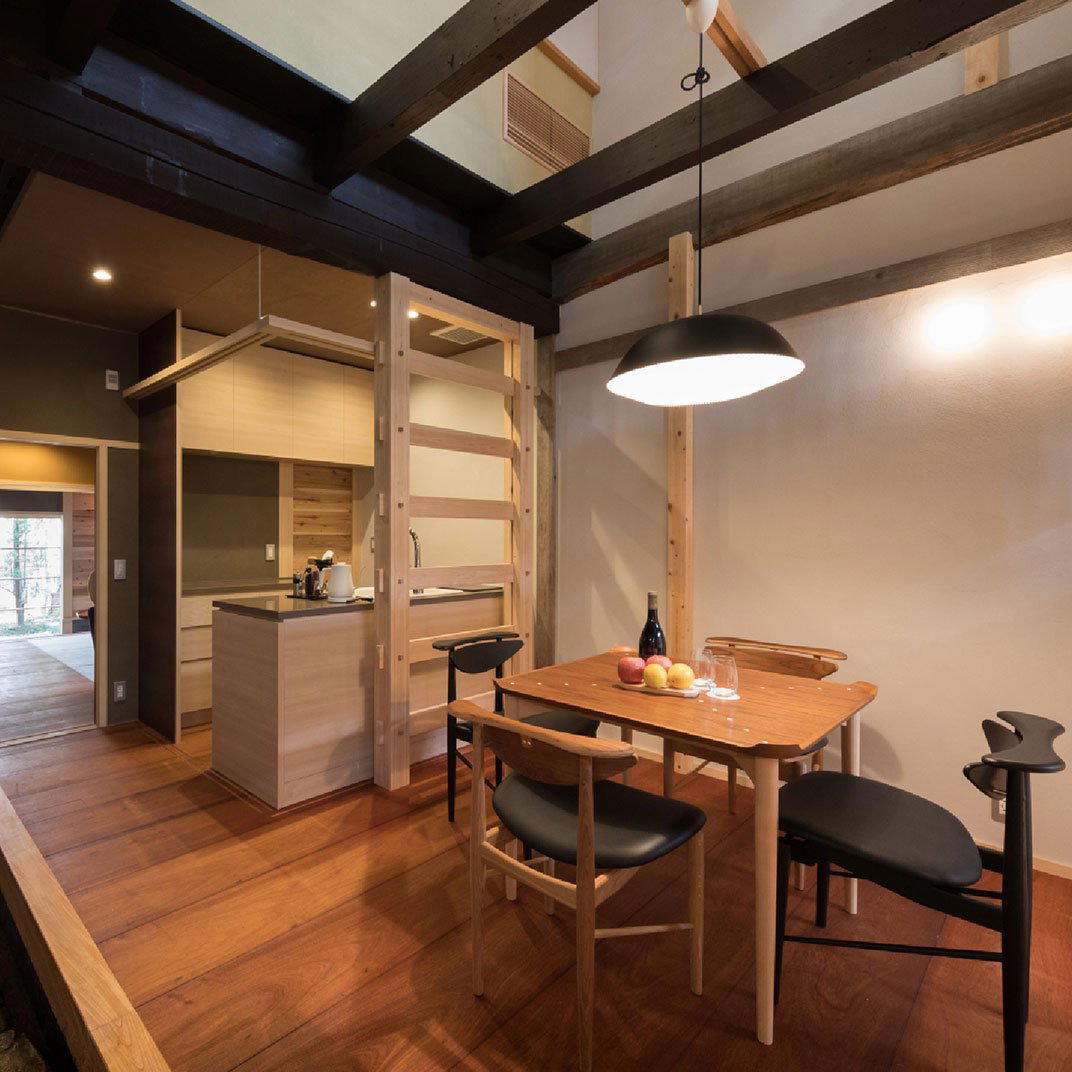
Where Kyoto's Tonkatsu Scene Gets Serious
Most serious tonkatsu in Japan falls into a recognisable pattern: a counter-led room, a focused menu, and the kind of concentration on a single technique that the Japanese kitchen does better than almost anywhere else. In Kyoto, where the dominant dining conversation circles kaiseki and the traditions of Kikunoi Honten or Hyotei, the tonkatsu specialist occupies a quieter but increasingly credible tier. Jukuseibuta Kawamura, located in the residential spread of Yamashina Ward rather than the tourist-dense centre, operates squarely within that specialist register.
The approach here begins before the oil is ever heated. The pork is sourced from a butcher in Fushimi and rested before service, a process the restaurant calls 'jukusei-buta', aged pork, which supplies both the kitchen's identity and its name. The logic is the same as dry-ageing beef: enzyme activity deepens flavour and relaxes muscle fibres. Where most tonkatsu kitchens prioritise freshness of cut, this one makes a counter-argument in favour of time.
The Logic of the Menu
Japan's premium pork market is more differentiated than most Western diners expect. Specific breeds, regional rearing conditions, and feed programmes produce meaningfully different fat profiles and textures. At Jukuseibuta Kawamura, those distinctions are made explicit: the menu is structured so that diners can select both the breed and grade of pork they want. That choice-of-cut framework is common at high-end tonkatsu counters in Tokyo, at places like Butagumi and Fry-ya, but is less standard in Kyoto, which makes the format here notable within its city context.
The frying itself follows a low-temperature double-fry method. First pass at lower heat cooks the interior gently; a second pass at higher heat sets the crust. The plaque on the wall at Kawamura summarises the kitchen's governing principle with economy: 'Timing is everything.' That kind of precision is what separates a lightly coated, clean-tasting katsu from one that has absorbed oil and lost structural coherence. Comparable standards in Kyoto's tonkatsu comparable set can be found at Tonkatsu Shimizu, though each kitchen pursues the technique with distinct sourcing priorities.
The pork katsu curry, seasoned with ginger and spices, extends the kitchen's range without departing from its core. Curry katsu occupies a slightly different register from a straight loin or fillet cut: less about the purity of the pork itself and more about the interplay of spice, sauce, and crust. Its inclusion suggests a kitchen comfortable appealing to different intentions at the table.
Collaboration in a Small Kitchen
Editorial angle here is less about a single cook than about the coordination that a small, technique-focused kitchen demands. Tonkatsu at this level of sourcing and precision requires alignment across every step: the butcher in Fushimi who supplies and rests the pork, the kitchen's management of oil temperature and timing, and front-of-house staff who can explain the grade selection to a diner who may not be fluent in Japan's pork breed vocabulary. At Jukuseibuta Kawamura, chef Julien Montbabut heads that operation, a French name in a Japanese kitchen, which in contemporary Japan is less unusual than it might once have seemed, given the broad internationalisation of culinary training and movement across the industry.
What the Bib Gourmand recognition signals, beyond quality, is a consistency that requires the whole room to operate in sync. Michelin's Bib Gourmand designation, awarded in both 2024 and 2025, marks kitchens delivering food of notable quality at accessible price points. That kind of sustained recognition at the ¥ price tier is, in Kyoto's broader dining context, harder to achieve than it looks. The city's Michelin-decorated restaurants skew heavily toward multi-course kaiseki formats at ¥¥¥¥, venues like Gion Sasaki and Isshisoden Nakamura occupy that upper bracket, which makes the Bib distinction at a neighbourhood tonkatsu counter a genuinely separate achievement.
Yamashina Ward: Off the Main Circuit
Yamashina sits east of the city's central tourist axis, separated from districts like Gion and Higashiyama by a ridge. It is a residential and working neighbourhood, and the restaurant's address there places it firmly outside the areas where most visitors concentrate their dining itineraries. That positioning has practical implications: the pace is quieter, the clientele more local, and the context more everyday than ceremonial. For a restaurant built around an accessible price tier and a casual format, that geographic logic makes sense. Visitors approaching Kyoto's dining from the traditional centre may find the neighbourhood easier to reach by train, but the setting offers a more everyday register than the city's tourist-facing zones.
Kyoto's broader dining spectrum, including its kaiseki tradition and its increasingly noted mid-range scene, is covered in our full Kyoto restaurants guide. For those planning a longer visit to the Kansai region, comparable depth in different formats can be found at HAJIME in Osaka and akordu in Nara. Further afield, Goh in Fukuoka and Harutaka in Tokyo represent the broader range of serious dining across Japan. The Tokyo tonkatsu scene, in particular, offers a direct point of comparison for how the format evolves at different price tiers and sourcing philosophies. 1000 in Yokohama are worth noting. 6 in Okinawa rounds out the national picture for those covering Japan comprehensively.
Cuisine and Recognition
Comparable venues nearby, for context on price, style, and recognition.
| Venue | Cuisine | Price | Awards | Notes |
|---|---|---|---|---|
| Jukuseibuta KawamuraThis venue — the venue you are viewing | Aged Pork Tonkatsu | $$ | Bib Gourmand | Not listed |
| Saketosakana DNA | Japanese Izakaya with Fresh Seafood | $$ | Bib Gourmand | Shimogyō |
| Ikkon Uehara | Kyoto Kappo and Kaiseki | $$ | Bib Gourmand | Kita |
| Teuchisoba Kanei | Traditional Hand-Ground Soba | $$ | Bib Gourmand | Kita |
| NOODLE SHOP RENNOSUKE | Refined Kyoto Ramen | $$ | Bib Gourmand | Kita |
| Oito | Traditional Japanese Oden | $$ | Bib Gourmand | Higashiyama |
Recognition history
Dated appearances from independent guides and award organizations, with the underlying list record or original source where available.
Michelin Bib Gourmand
Michelin
Tabelog 100 #91 · No. 91
Tabelog · Tabelog 100 - Tonkatsu - 2026
Michelin Bib Gourmand
Michelin
Michelin Bib Gourmand
Michelin
Continue exploring
More in Kyoto
Restaurants in Kyoto
Browse all →
Bars in Kyoto
Browse all →
Hotels in Kyoto
Browse all →

Wineries in Kyoto
Browse all →
At a Glance
- Cozy
- Intimate
- Casual
- Solo
- Family
- Casual Hangout
- Open Kitchen
- Sake Program
- Local Sourcing
Current opening hours
- Monday
- 10:30 AM–8 PM
- Tuesday
- 10:30 AM–8 PM
- Wednesday
- 10:30 AM–8 PM
- Thursday
- Closed
- Friday
- 10:30 AM–8 PM
- Saturday
- 10 AM–8 PM
- Sunday
- 10 AM–8 PM
Hours can change for holidays and private events. Last verified .
Casual and inviting with natural woods, soft lantern lighting, and a counter framing the cooking process; relaxing atmosphere praised in reviews.