

Butagumi has held a consistent position near the upper end of the Opinionated About Dining Casual Japan rankings for three consecutive years, placing it among the more closely watched tonkatsu addresses in Tokyo. The Nishiazabu location puts it in a quieter, residential corner of Minato, where the cooking draws serious attention without the foot traffic of central dining districts. Chef Satoshi Oishi oversees a menu built around premium pork breeds and the precise discipline that defines high-end tonkatsu.
Pearl is the En Primeur Club membership app — saves, bookings, and concierge access live there. Same editors, same standards.
- Address
- 2 Chome-24-9 Nishiazabu, Minato City, Tokyo 106-0031, Japan
- Phone
- +81 3-5466-6775
- Website
- butagumi.com
- Directions
- Get directions
 Saves & bookings on Pearl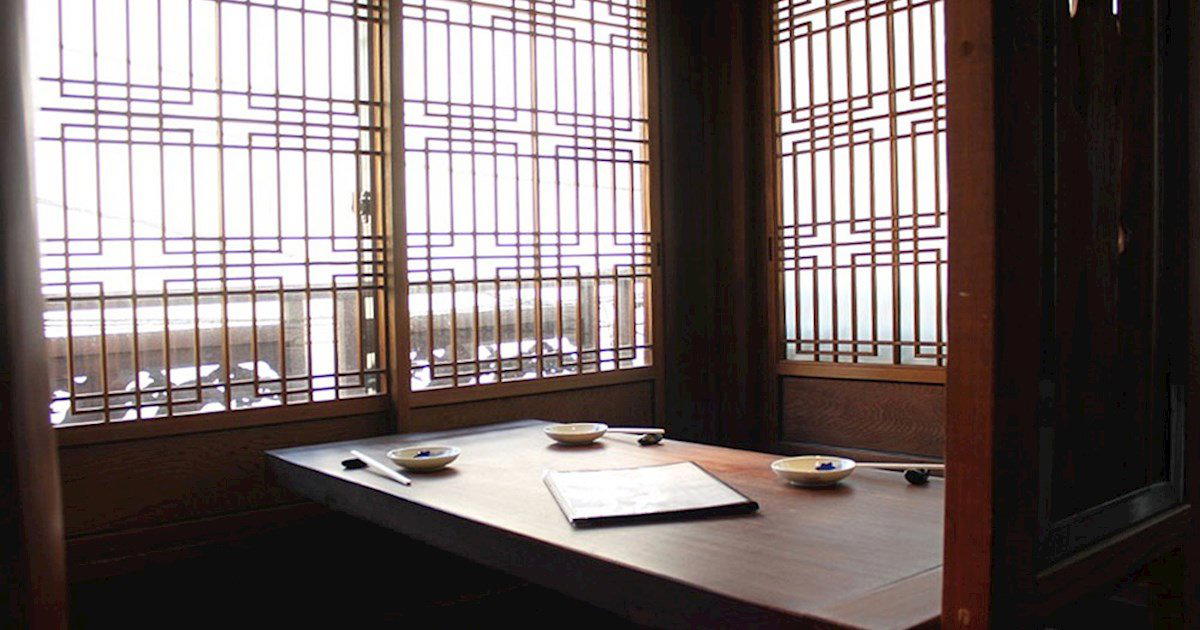
Where Nishiazabu Quiets Down and Tonkatsu Demands Attention
The streets around 2-chome Nishiazabu run narrow and residential by Tokyo standards, with little of the signage noise that marks the city's more commercial dining corridors. Arriving at Butagumi on foot from Hiroo or Roppongi, you pass low-slung apartment blocks and the occasional neighbourhood izakaya before the restaurant announces itself with the subdued discretion that characterises serious addresses in this part of Minato. The building itself reads less like a restaurant than like a converted townhouse.
That geographical positioning matters as context. Nishiazabu occupies a middle ground between the full-gloss luxury of Roppongi Hills and the old-money restraint of Hiroo. It is a neighbourhood where dining rooms can be genuinely specialist without needing to justify themselves through spectacle. Butagumi fits that character: the focus here is tonkatsu, treated not as a casual lunch option but as a complete discipline with its own sourcing protocols, frying logic, and service rhythm.
Tonkatsu as a Formal Practice
In Tokyo's wider dining hierarchy, tonkatsu occupies an unusual position. It sits outside the Michelin categories that reward kaiseki, sushi, and French-inflected tasting menus, the top end of the tonkatsu category sustains its own competitive rigour, tracked by specialist lists rather than the star system. Opinionated About Dining has placed Butagumi at 28th (2023), 29th (2024), and 28th (2025) in its Casual Japan ranking. Consistency at that level across three consecutive cycles is a more meaningful signal than a single high placement: it indicates a house that holds its standards rather than peaking and receding.
The discipline that separates a serious tonkatsu counter from a competent one is mostly invisible to the casual eater but immediately legible to anyone who has eaten widely in the category. Breed selection is the starting point, the better houses work with heritage and regional pork varieties, where fat distribution and muscle fibre density produce results that commodity pork cannot replicate. The breading and frying stages require their own calibration: oil temperature, crumb coarseness, resting time after the cut. At restaurants operating at Butagumi's tier, these variables are treated with the same seriousness that a sushi chef applies to rice temperature or a kaiseki kitchen applies to dashi extraction. Chef Satoshi Oishi oversees this process, and the sustained OAD position across three years suggests the kitchen operates with reliable control over all of it.
The Ritual of the Meal
The tonkatsu dining ritual has a defined structure that rarely varies at this level, and understanding it helps to read the meal correctly. There is no tasting menu logic here, no multi-act progression designed to produce a narrative arc. The form is simpler and more demanding for that simplicity: a small number of cuts, served in the classic format of sliced pork with finely shredded cabbage, rice, miso soup, and pickles. The quality of the central ingredient carries everything. The cabbage is not garnish, it is a palate reset between bites, and a kitchen's attention to it (freshness of the shred, the moment it is dressed) functions as a secondary quality signal. The condiment selection, typically mustard, tonkatsu sauce, and salt options, shapes how the diner reads the fat and crust.
At a restaurant ranked consistently in the leading thirty casual addresses across all of Japan, the expectation is that every element of this ritual is executed to a standard that rewards slowing down. This is not fast food in the cultural sense of the category, it is disciplined short-order cooking in the way that the leading tempura, yakitori, and ramen counters in Tokyo treat their respective forms. The meal is short by tasting-menu standards but has its own internal pacing: the wait while the cutlet fries, the moment it arrives and the cook makes the cut, the brief steam that rises before you begin.
Where Butagumi Sits in the Tokyo Tonkatsu Field
Tokyo's serious tonkatsu addresses are distributed across several price points and neighbourhoods. Among the more closely tracked in the current OAD rankings are Fry-ya, Ginza Katsukami, Katsusen, Katsuyoshi, and Maisen, which operates at a more accessible price point and volume but remains a reference point for the category's broader character. Butagumi's three-year consistency in the OAD Casual Japan leading thirty places it firmly in the specialist tier of this competitive set, distinct from volume operators and aligned with restaurants where pork sourcing and frying precision drive the positioning.
Jukuseibuta Kawamura in Kyoto and Kyomachibori Nakamura in Osaka represent how the form translates outside Tokyo, with Kansai kitchens bringing different sourcing priorities and house flavour profiles to the same structural discipline. Comparing those experiences against Butagumi makes for a useful cross-city study of how a single cooking form absorbs regional character.Japan's wider fine dining context, from HAJIME in Osaka and Gion Sasaki in Kyoto to akordu in Nara, Goh in Fukuoka, 1000 in Yokohama, and 6 in Okinawa, is worth surveying if the trip extends beyond the capital.
Know Before You Go
- Address: 2 Chome-24-9 Nishiazabu, Minato City, Tokyo 106-0031
- Cuisine: Tonkatsu (specialist, premium tier)
- Chef: Satoshi Oishi
- Recognition: Opinionated About Dining Casual Japan, ranked 28th (2023 and 2025), 29th (2024) 4 from 1,281 reviews
- Neighbourhood: Nishiazabu, Minato, quieter residential pocket between Hiroo and Roppongi
- Booking: Advance reservation strongly advised given sustained OAD ranking and limited capacity typical of specialist tonkatsu addresses
Standing Among Peers
Comparable venues nearby, for context on price, style, and recognition.
| Venue | Cuisine | Price | Notes |
|---|---|---|---|
| ButagumiThis venue — the venue you are viewing | Premium Tonkatsu | $$$ | Not listed |
| Ginza Torishige | Traditional Yakitori | $$$ | Chūō |
| KANE MASU | Seafood Izakaya | $$$ | Chūō |
| Hakata Hotaru | Hakata Izakaya | $$$ | Minato |
| Imafuku | Michelin-Starred Sukiyaki & Shabu-Shabu | $$$ | Minato |
| Sanchokuya Taka | Seafood Izakaya with Sake Pairing | $$$ | Shibuya |
Recognition history
Dated appearances from independent guides and award organizations, with the underlying list record or original source where available.
Opinionated About Dining Casual in Japan Ranked #28
Opinionated About Dining
Tabelog 100 #49 · No. 49
Tabelog · Tabelog 100 - Tonkatsu - 2026
Opinionated About Dining Casual in Japan Ranked #28
Opinionated About Dining
Opinionated About Dining Casual in Japan Ranked #29
Opinionated About Dining
Opinionated About Dining Casual in Japan Ranked #28
Opinionated About Dining












At a Glance
- Cozy
- Elegant
- Classic
- Intimate
- Date Night
- Solo
- Casual Hangout
- Historic Building
- Sake Program
- Local Sourcing
Current opening hours
- Monday
- Closed
- Tuesday
- 11:30 AM–3 PM, 6–10 PM
- Wednesday
- 11:30 AM–3 PM, 6–10 PM
- Thursday
- 11:30 AM–3 PM, 6–10 PM
- Friday
- 11:30 AM–3 PM, 6–10 PM
- Saturday
- 11:30 AM–3 PM, 6–10 PM
- Sunday
- 11:30 AM–3 PM, 6–10 PM
Hours can change for holidays and private events. Last verified .
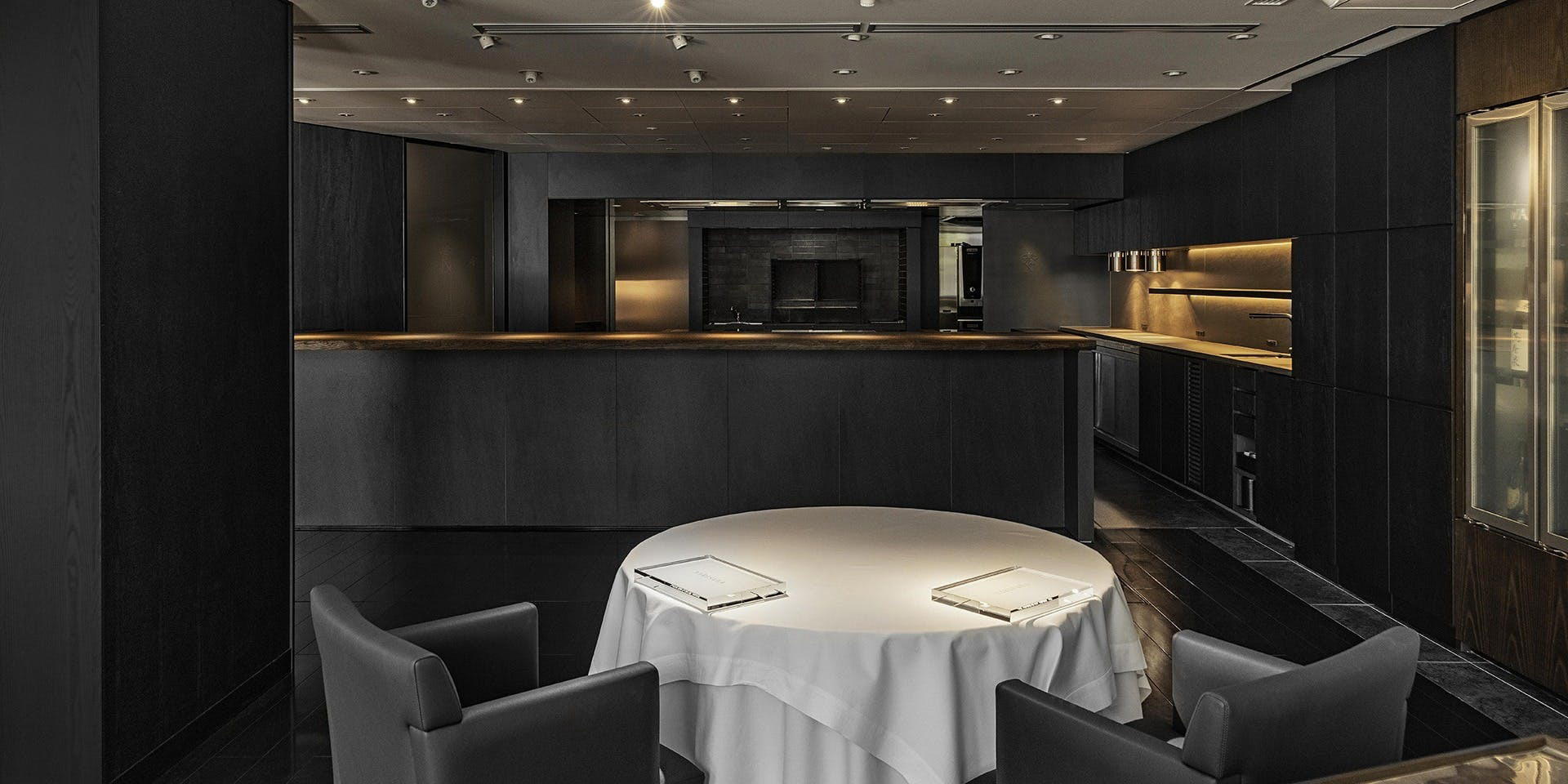
Comfortable and quaint traditional Japanese house setting with glowing floor lights in some locations, stylish open kitchen, and an elegant, intimate atmosphere.