
A Michelin Bib Gourmand tonkatsu counter in Shimokitazawa's back streets, Katsuyoshi works from a refurbished traditional space where recycled timber and twin copper frying pots define both the aesthetic and the technique. The price point sits at the accessible end of Tokyo's serious tonkatsu tier, with counter seats offering a direct view of the kitchen's dual-temperature frying method.
Pearl is the En Primeur Club membership app — saves, bookings, and concierge access live there. Same editors, same standards.
- Address
- Japan, 〒155-0031 Tokyo, Setagaya City, Kitazawa, 2 Chome−3−12 友和ビル B1
- Phone
- +81 3-3412-5990
- Website
- katsuyoshi1974.jp
- Directions
- Get directions
 Saves & bookings on Pearl
A Back-Street Counter in a Converted Home
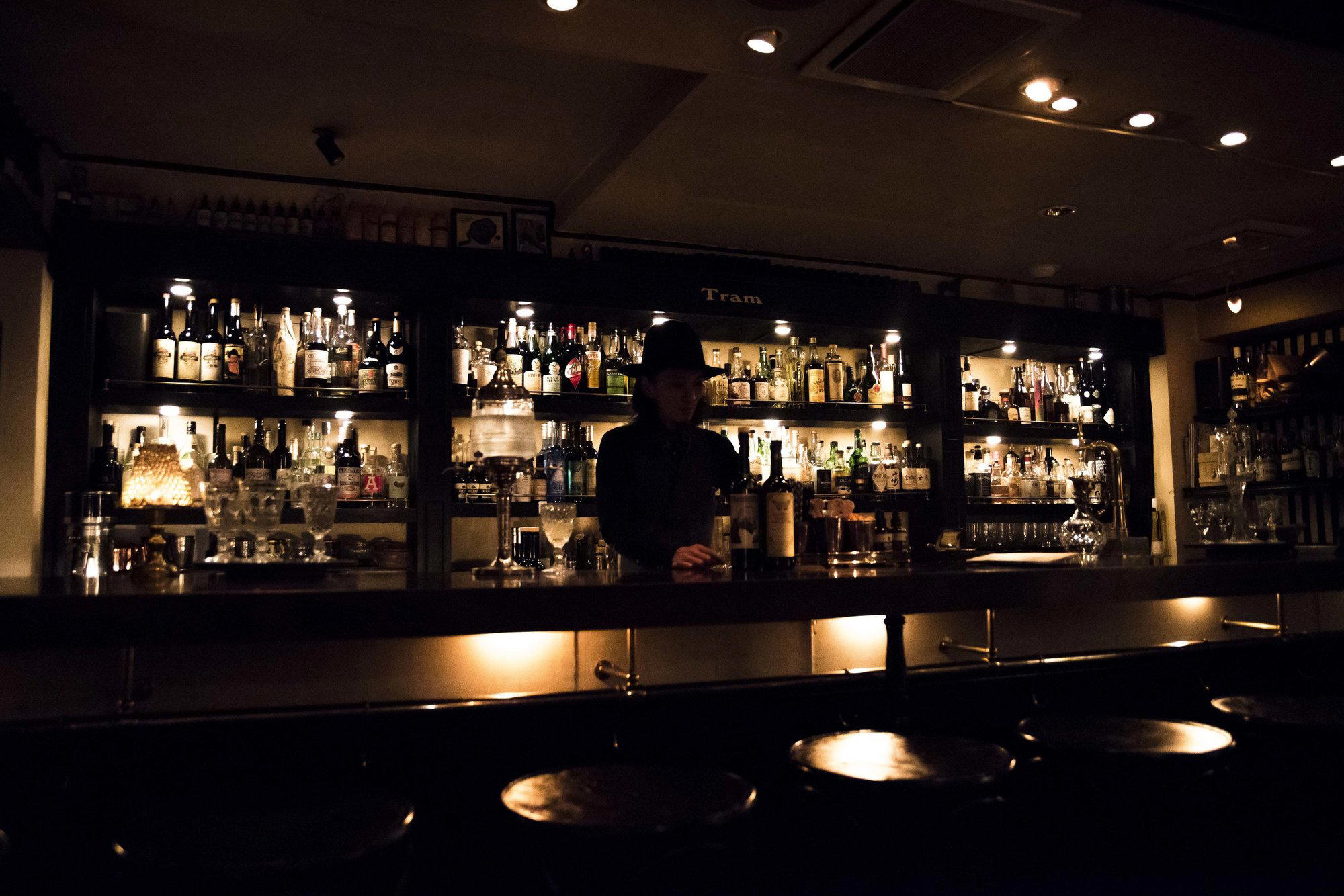
Tokyo's tonkatsu scene has a clear structural logic: large-format, high-volume shops on main thoroughfares at one end, and small, technically precise counters in residential back streets at the other. Katsuyoshi sits firmly in the second category. The address is Shimokitazawa, specifically a basement-level space on a side alley off Kitazawa 2-chome, and the physical container matters as much as what comes out of the fryer. The shop occupies a refurbished traditional home, its interior built around recycled timber that gives the room a worn, unhurried quality. Nothing about the space performs newness. The wood carries age, and the room reads like a neighbourhood fixture rather than a dining destination.
That distinction has real consequences for how you experience the meal. Counter dining in a space this intimate means the architecture is constantly in view: the grain of the wood, the low ceiling, the two copper pots sitting in the kitchen ahead of you. The room is small enough that the sounds of the kitchen, oil temperature, the rhythm of the chef's work, become part of the atmosphere rather than background noise. For a cuisine where the frying process is essentially the product, that transparency is not incidental. It is the point.
Dual-Temperature Frying and What It Signals
Across Tokyo's serious tonkatsu counters, oil temperature control is the central technical variable. The distinction between a shop that maintains a single frying temperature and one that adjusts based on the cut, thickness, and protein type indicates the level of precision at work. Katsuyoshi uses two copper pots running at different temperatures, applying hotter oil to certain preparations and cooler oil to others. The copper itself is not merely aesthetic, the material conducts and holds heat differently from stainless steel, and its use at this price point signals a deliberate prioritisation of performance over cost efficiency.
The menu extends beyond pork cutlets to include fried seafood, with scallop and tiger prawn listed as particularly popular preparations. This range is consistent with a subset of Tokyo tonkatsu shops that treat the frying medium as a technique applicable across proteins, not a pork-only specialisation. That breadth also allows the kitchen to demonstrate temperature discrimination more visibly: shellfish and lean pork require meaningfully different heat management, and a counter that handles both well is making a technical argument with every service.
Where Katsuyoshi Sits in the Tokyo Tonkatsu Tier
The Michelin Bib Gourmand recognition Katsuyoshi received in 2024 places it in a specific band of the city's dining hierarchy: high enough in quality for Michelin's inspectors to flag it, but priced below the starred tier. The Bib Gourmand designation, which the Guide awards to restaurants offering notable cooking at a moderate price, is often a more practically useful signal for a category like tonkatsu than a star would be. The cuisine's DNA is everyday eating, and shops that climb to multi-star pricing tend to move away from what makes the format compelling in the first place.
Comparative positioning within Tokyo's tonkatsu category is worth understanding. Butagumi in Nishi-Azabu has built its reputation around rare-breed pork sourcing and a single-minded focus on the cutlet itself. Ginza Katsukami operates in a higher price bracket in a district where the address carries its own premium. Maisen, in Omotesando, is the large-format legacy name, high volume, consistent, and a reference point for visitors new to the category. Katsusen and Fry-ya round out a wider field of serious practitioners across the city. Katsuyoshi's single-yen price range and residential back-street address put it closest to the neighbourhood specialist end of that spectrum, high craft, low ceremony.
The Shimokitazawa Context
The neighbourhood matters. Shimokitazawa is not a dining district in the way Ginza or Roppongi are. It is a residential and subcultural neighbourhood, historically associated with live music venues, vintage clothing, and the kind of small-footprint independent businesses that have been steadily displaced from central Tokyo by rising rents. A tonkatsu counter in a converted basement in Shimokitazawa is operating in a different commercial register than the same food served in a purpose-built dining room in a more polished district. The back-alley location is not a handicap, it is part of the shop's identity, and it self-selects for diners who know what they are looking for.
For visitors building a wider Japan itinerary, the tonkatsu tradition extends meaningfully across the country. Jukuseibuta Kawamura in Kyoto and Kyomachibori Nakamura in Osaka represent how the category has taken root in the Kansai region with distinct local inflections. Other Japan restaurants worth considering include HAJIME in Osaka, Gion Sasaki in Kyoto, akordu in Nara, Goh in Fukuoka, 1000 in Yokohama, and 6 in Okinawa for a broader picture of Japan's current dining range.
Planning Your Visit
The ¥ price range places Katsuyoshi among the more accessible entries in Tokyo's Bib Gourmand cohort. Counter seats offer one direct engagement with the kitchen, the frying pots are in view, and the chef's sequencing of each order is observable from that position. The shop's back-alley location in Shimokitazawa's Kitazawa 2-chome area rewards some advance navigation planning; the building is basement-level, and the address does not announce itself from the street. Given the small-format space typical of this category of Tokyo counter, early arrival or advance booking is advisable, particularly on weekends and evenings.
Quick reference: Michelin Bib Gourmand 2024 | Price: ¥¥ | Google: 4.3 (356 reviews) | Address: 〒155-0031 Tokyo, Setagaya City, Kitazawa, 2 Chome-3-12 友和ビル B1 | Cuisine: Tonkatsu
The Essentials
Comparable venues nearby, for context on price, style, and recognition.
| Venue | Cuisine | Price | Notes |
|---|---|---|---|
| KatsuyoshiThis venue — the venue you are viewing | Setagaya, Tonkatsu | $$ | Not listed |
| Mejiro Shunkotei | Not listed | $$ | Toshima, Modern Yoshoku (Japanese-Style Western) |
| Tempura Kakiage Yukimura | Minato, Casual Tempura Kakiage | $$ | Not listed |
| Shinjiko Shijimi Chukasoba Kohaku | Ōta, Shijimi Clam Chuka Soba | $$ | Not listed |
| Sobakiri Suzuki | Nerima, Traditional Soba | $$ | Not listed |
| Shiosoba Jiku | Suginami, Traditional Shio Ramen | $$ | Not listed |
Recognition history
Dated appearances from independent guides and award organizations, with the underlying list record or original source where available.
Michelin Bib Gourmand
Michelin
Michelin Bib Gourmand
Michelin







At a Glance
- Cozy
- Classic
- Solo
- Business Dinner
- Chefs Counter
- Sake Program
Current opening hours
- Monday
- Closed
- Tuesday
- Closed
- Wednesday
- Closed
- Thursday
- 11:30 AM–2:30 PM, 5–10 PM
- Friday
- Closed
- Saturday
- Closed
- Sunday
- Closed
Hours can change for holidays and private events. Last verified .
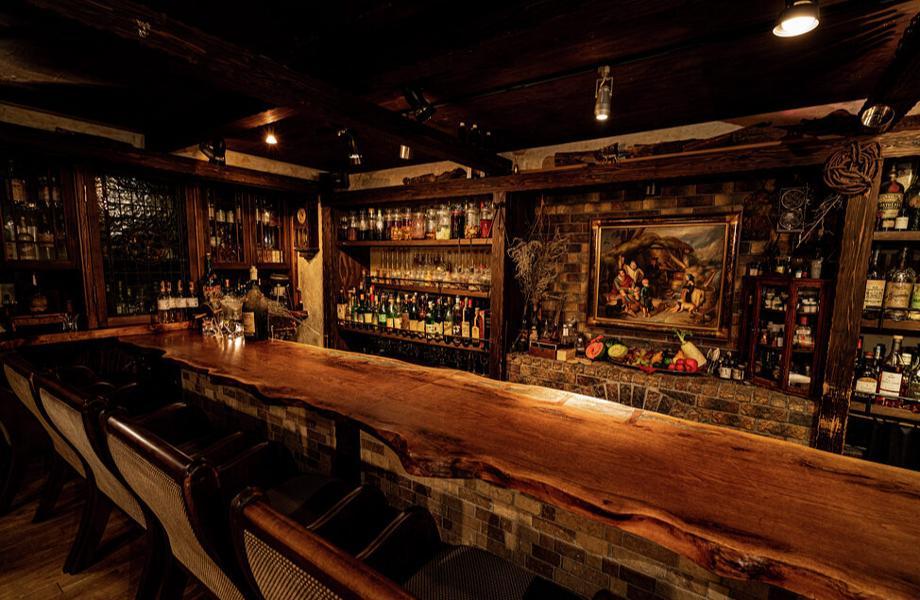
Retro interior in a refurbished traditional home with recycled wood, warm lighting, stylish and relaxing counter seating.