


A Michelin Bib Gourmand holder on the Opinionated About Dining Japan Casual list three years running, Ginza Katsukami operates on the fifth floor of a Ginza office building and serves prix fixe tonkatsu only, with rare cuts fried one slice at a time. The format rewards patience: each piece arrives hot from the kitchen in sequence, with name-brand pork varieties available to compare side by side.
Pearl is the En Primeur Club membership app — saves, bookings, and concierge access live there. Same editors, same standards.
- Address
- Japan, 〒104-0061 Tokyo, Chuo City, Ginza, 5 Chome−6−10 銀座ミヤコビル 5階
- Phone
- +81 3-6263-8720
- Website
- katsukami.com
- Directions
- Get directions
 Saves & bookings on Pearl
Fifth Floor, Ginza: Where Tonkatsu Becomes a Structured Argument
Ginza has long occupied an unusual position in Tokyo's dining order: the district that once defined white-tablecloth aspiration now holds everything from ¥¥¥¥ omakase counters to tightly formatted lunch-only specialists. Ginza Katsukami belongs to the latter tradition in address only. It sits on the fifth floor of the Ginza Miyako Building on Chome 5-6-10, which means you arrive by elevator rather than by recognising a shopfront, and the transition from Ginza's street-level retail theatre to a contained, focused dining room is part of the experience. In a district where ambience is often purchased at great expense, the format here does the atmospheric work instead.
The tonkatsu category in Tokyo operates across a wider register than most visitors expect. Entry-level sets at standing counters run well under ¥1,000. Mid-tier sit-down restaurants in the ¥¥ bracket offer breaded pork loin or fillet with rice, pickles, and miso as a reliable, satisfying transaction. At the upper end, a small number of specialist houses treat the cut, the breed, and the frying sequence as variables worth controlling with precision. Ginza Katsukami operates at that specialist end of the ¥¥ tier, where the decision to serve prix fixe only, with rare cuts and named pork varieties available to compare, separates it from the category's reliable middle ground.
The Prix Fixe Argument for Tonkatsu
Prix fixe formats in Japanese casual dining carry a specific logic. When a kitchen fries each item to order and serves it immediately, a sequential structure prevents the table from becoming a waiting exercise. Ginza Katsukami applies this discipline to tonkatsu: each slice is fried one at a time and delivered piping hot, which means the set menu is not a restriction but a pacing mechanism that keeps the kitchen's output at its intended temperature and texture.
The standard tonkatsu menu elsewhere in Tokyo defaults to two cuts: hire (fillet) and rosu (loin). The distinction matters because fillet is leaner and more tender while loin carries a fat cap that rewards proper rendering. What separates Ginza Katsukami from peer restaurants at a similar price point is the inclusion of rarer cuts, rump and round tip among them, that are seldom offered outside specialist houses. These cuts carry different fat distributions and muscle textures, which in a comparative tasting context gives the meal an analytical quality that direct set menus rarely achieve.
The addition of minced pork burgers within the prix fixe reads as a deliberate pivot: the preparation is less technically demanding than a clean-fried cutlet but demonstrates an interest in varying the register rather than producing an unbroken sequence of similar items. It is the kind of decision that reflects kitchen confidence rather than novelty for its own sake.
Name-Brand Pork and What It Signals About the Category
Japan's branded pork market is more developed than most diners outside the country realise. Kurobuta (Berkshire), Kagoshima black pig, and various prefecture-specific branded varieties carry documented flavour profiles tied to feed and rearing conditions. When a tonkatsu restaurant makes these varieties available for comparison within a single meal, it is making a claim about its sourcing relationship and its kitchen's ability to differentiate between them in the frying process. The restaurant's offer of multiple name-brand varieties within the prix fixe positions it within a small subset of Tokyo tonkatsu houses where provenance is the primary editorial statement. Compare the approach taken at Butagumi, which has long operated on a similar branded-pork-comparison model, or at Katsuyoshi, where the breed selection is equally deliberate. Maisen and Fry-ya approach the category from different angles, while Katsusen represents the more accessible end of the specialist market.
Drinks and the Tonkatsu Pairing Problem
Tonkatsu presents a specific pairing challenge. The breaded exterior carries fat from the frying oil; the pork itself, depending on the cut, varies from lean and clean to richly marbled. The standard beverage context in Tokyo tonkatsu restaurants runs toward draft beer or cold barley tea, both of which cleanse the palate between pieces without competing with the pork's flavour. Sake is less commonly foregrounded at casual tonkatsu houses than at kaiseki or sushi counters, but the logic for it is sound: a dry junmai with sufficient acidity cuts through the fried crust in a way that a lighter lager does not.
At the restaurant's price tier, the beverage programme is unlikely to match the sake depth of a ¥¥¥¥ kaiseki counter like HAJIME in Osaka or the considered pairing philosophy at Gion Sasaki in Kyoto. The editorial interest here is different: in a prix fixe format where each cut arrives individually, the opportunity to pause between pieces and reset with a well-chosen drink mirrors the pacing logic of the menu itself. The structural conditions for a thoughtful drinks-to-course relationship are present.
Recognition and Peer Position
The restaurant holds a Michelin Bib Gourmand (2024) and has appeared on the Opinionated About Dining Japan Casual list in three consecutive years: ranked 31st in 2023, 25th in 2024, and 29th in 2025. The OAD ranking movement is worth reading carefully: a rise from 31st to 25th followed by a modest retreat to 29th suggests a restaurant that has established a stable position in the upper tier of Japan's casual dining recognition rather than one climbing sharply or declining. The Bib Gourmand designation confirms value relative to price, which at the ¥¥ tier in Ginza carries additional weight given the district's general cost structure.3 across 616 responses. For context within Japan's broader fine and casual dining recognition, see also akordu in Nara, Goh in Fukuoka, 1000 in Yokohama, and 6 in Okinawa.
Planning Your Visit
The restaurant opens for lunch from 11:30 am to 2:00 pm and for dinner from 6:00 pm to 8:00 pm, Monday through Sunday. The dinner window is short at two hours, which combined with the prix fixe format implies sittings rather than open-ended service. Arriving close to the opening of either session is advisable. The address is 5 Chome-6-10 Ginza, Chuo City, Tokyo, fifth floor of the Ginza Miyako Building.
How Ginza Katsukami Compares to Peer Options
| Venue | Cuisine | Price Tier | Format | Recognition |
|---|---|---|---|---|
| The restaurant | Tonkatsu | ¥¥ | Prix fixe, rare cuts | Michelin Bib Gourmand, OAD Casual Top 30 |
| Butagumi | Tonkatsu | ¥¥ | Breed-comparison menu | Established specialist |
| Katsuyoshi | Tonkatsu | ¥¥ | Set menu | Recognised specialist |
| Maisen | Tonkatsu | ¥¥ | À la carte and set | High-volume institution |
| Fry-ya | Tonkatsu/Fry | ¥¥ | Specialist fry format | Emerging recognition |
What Regulars Order at Ginza Katsukami
The prix fixe structure means that ordering, in the conventional sense, is not the primary decision a regular makes. The kitchen sequences the cuts and the kitchen controls the frying. What returning visitors appear to seek, based on the restaurant's public framing and its OAD recognition, is the comparative pork tasting element: the ability to move through different named breeds and less common cuts within a single meal. The rump and round tip cuts, rarely available at comparable price points, are the items that differentiate a repeat visit from a first-time experience. The minced pork burger, arriving as a tonal shift within the set, is the item most likely to prompt conversation at the table. Chef Mr. Hirata's decision to maintain the prix fixe-only format across both lunch and dinner sittings reflects a commitment to the format as the primary expression of the restaurant's position in Tokyo's tonkatsu category.
Side-by-Side Snapshot
Comparable venues nearby, for context on price, style, and recognition.
| Venue | Cuisine | Price | Awards | Notes |
|---|---|---|---|---|
| Ginza KatsukamiThis venue — the venue you are viewing | Tonkatsu Omakase | $$$ | Bib Gourmand | Not listed |
| Sobakappo Nagano | Soba Kappo | $$$ | Bib Gourmand | Sumida |
| Ponta Honke | Traditional Japanese Tonkatsu | $$$ | Bib Gourmand | Taitō |
| Sosakumenkobo NAKIRYU | Michelin-Starred Tantanmen Ramen | $$ | Bib Gourmand | Toshima |
| Tamawarai | Traditional Handmade Soba | $$$ | Michelin Plate | Shibuya |
| Sudachi | Creative Japanese Kappo | $$$ | Michelin Plate | Minato |
Recognition history
Dated appearances from independent guides and award organizations, with the underlying list record or original source where available.
Michelin Bib Gourmand
Michelin
Opinionated About Dining Casual in Japan Ranked #5
Opinionated About Dining
Tabelog 100 #97 · No. 97
Tabelog · Tabelog 100 - Tonkatsu - 2026
Opinionated About Dining Casual in Japan Ranked #29
Opinionated About Dining
Michelin Bib Gourmand
Michelin
Opinionated About Dining Casual in Japan Ranked #25
Opinionated About Dining
Opinionated About Dining Casual in Japan Ranked #31
Opinionated About Dining








At a Glance
- Intimate
- Cozy
- Elegant
- Classic
- Date Night
- Special Occasion
- Solo
- Chefs Counter
- Open Kitchen
- Sake Program
Current opening hours
- Monday
- 11:30 AM–2 PM, 6–9:30 PM
- Tuesday
- 11:30 AM–2 PM, 6–9:30 PM
- Wednesday
- 11:30 AM–2 PM, 6–9:30 PM
- Thursday
- 11:30 AM–2 PM, 6–9:30 PM
- Friday
- 11:30 AM–2 PM, 6–9:30 PM
- Saturday
- 11:30 AM–2 PM, 6–9:30 PM
- Sunday
- 11:30 AM–2 PM, 6–9:30 PM
Hours can change for holidays and private events. Last verified .
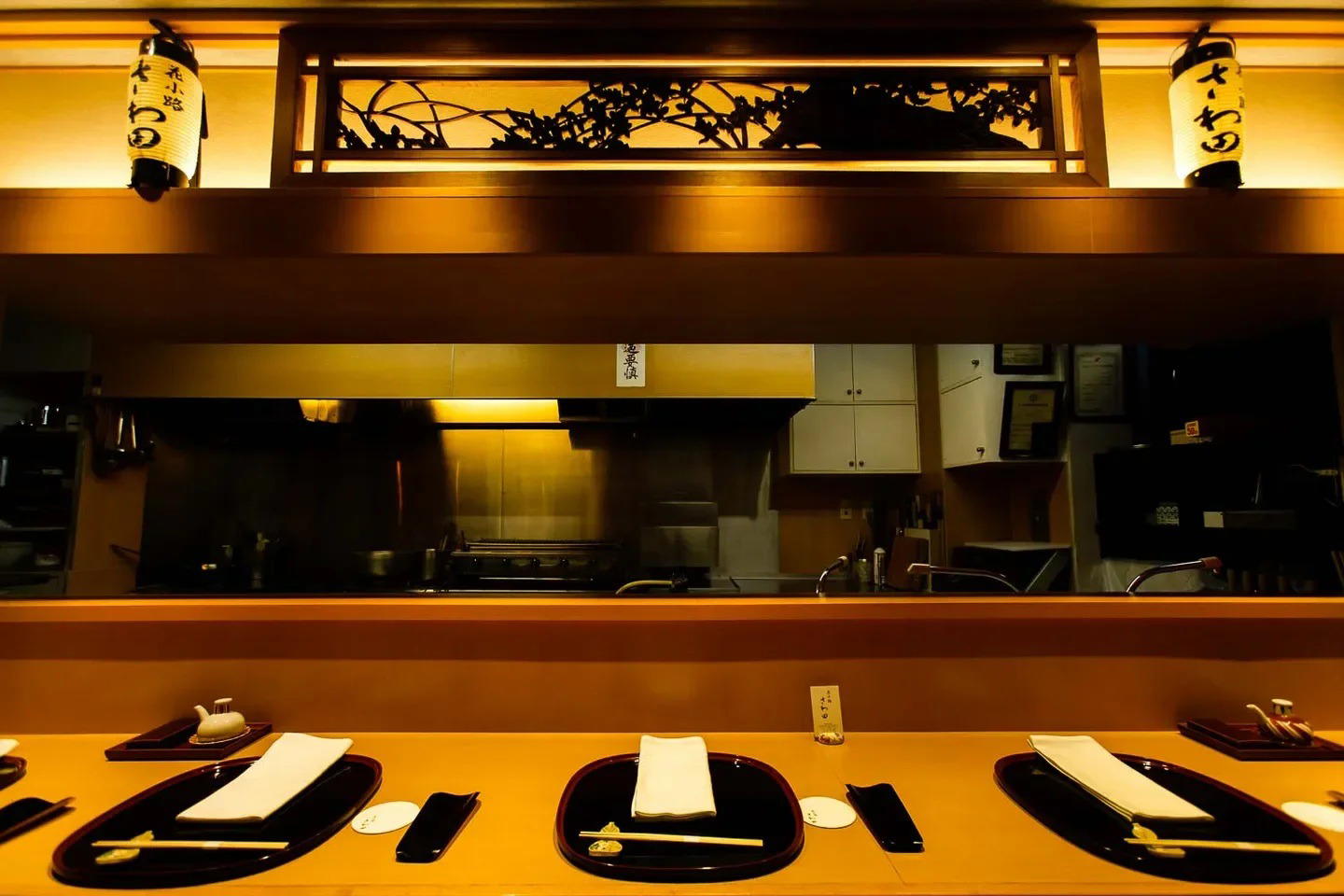
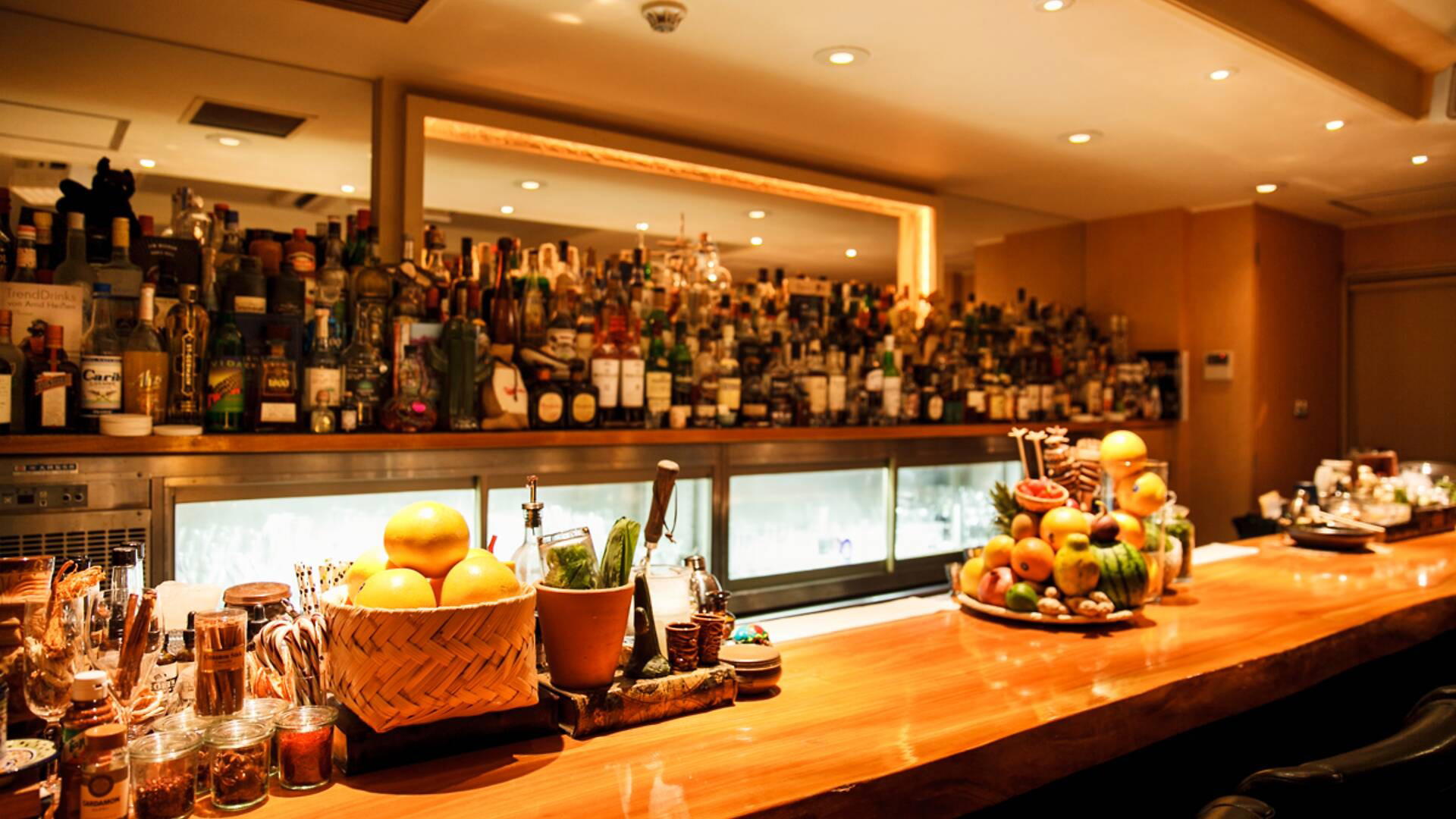
Cozy and intimate with traditional decor, soft lighting, and counter seating overlooking the open kitchen.