

A Michelin Bib Gourmand tonkatsu counter in Asahi-ku, Kyomachibori Nakamura reframes fried pork as a structured, comparative exercise. The prix fixe format spans tenderloin, shoulder, and ham, each sliced tableside, with multiple pork-loin brands available for side-by-side tasting. The meal closes with either katsudon or minced-pork cutlet curry, placing this in a category well above casual tonkatsu dining.
Pearl is the En Primeur Club membership app — saves, bookings, and concierge access live there. Same editors, same standards.
- Address
- 2 Chome-8-15 Senbayashi, Asahi-ku, Osaka, 535-0012, Japan
- Phone
- +81 6-7164-4153
- Website
- instagram.com
- Directions
- Get directions
 Saves & bookings on Pearl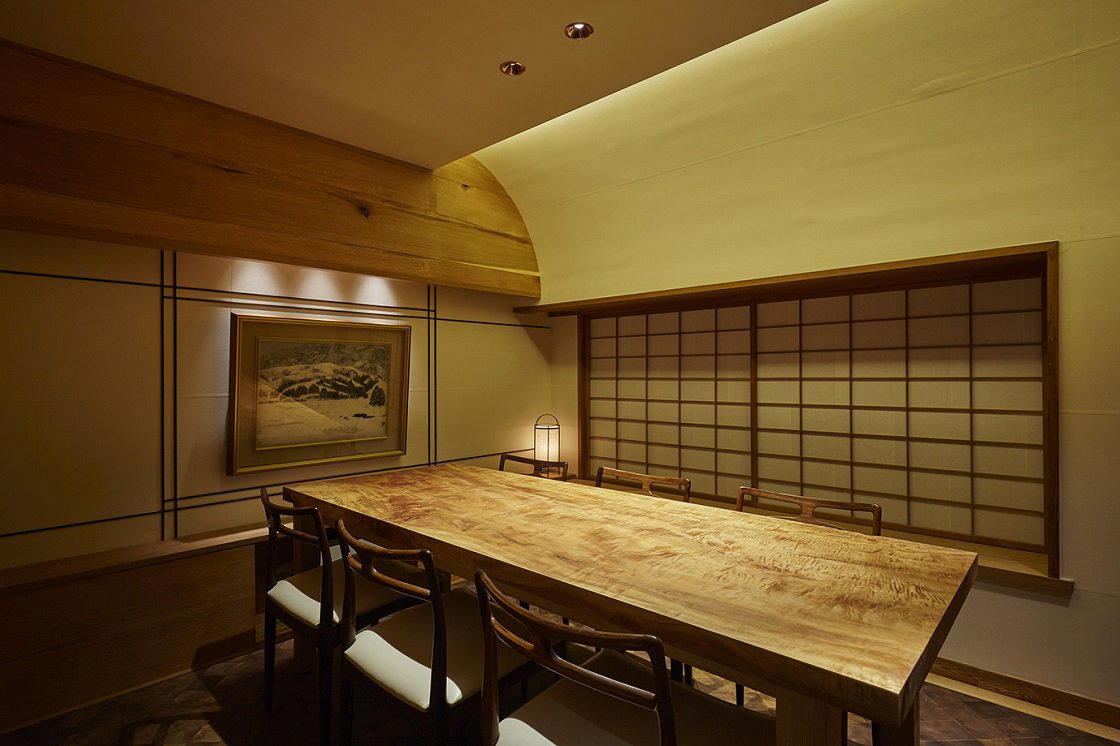
Where Tonkatsu Became a Study in Precision
Osaka's Bib Gourmand tier has long rewarded restaurants that do one thing with notable technical command, and that pattern is visible throughout the city's mid-price category. Tonkatsu, though, occupies a specific corner of that tradition: a dish with deep Meiji-era roots, refined over a century of frying technique, fat management, and pork sourcing, and now enjoying a quiet reinvention at a handful of counters that have shifted the format from casual bowl-and-plate dining toward something closer to structured tasting. Kyomachibori Nakamura, holding a 2025 Michelin Bib Gourmand, sits squarely in that evolving tier.
The address is in Asahi-ku, removed from the dense restaurant corridors of Namba and Shinsaibashi where much of Osaka's dining attention concentrates. That geographic remove is part of what defines this category: these are not destination restaurants built around spectacle, but neighbourhood counters that earn recognition through consistency and craft. The Michelin Bib Gourmand designation, which tracks value at a serious standard, is the relevant credential here, placing Nakamura alongside Osaka's other technically sharp, accessibly priced dining options rather than against the ¥¥¥¥ French programs at HAJIME or La Cime.
The Prix Fixe Format as a Structural Argument
What distinguishes the more serious end of contemporary tonkatsu dining from the category's mass-market expression is the move toward prix fixe structure. Serving cuts sequentially, by the slice, changes the diner's relationship with the food: instead of a single large cutlet arriving with a mound of shredded cabbage, the meal becomes comparative, analytical even. Tenderloin, shoulder, and ham each carry different fat distributions, fibre densities, and responses to heat. Presented in sequence, they ask the diner to pay attention in a way that a standard tonkatsu set does not.
At Nakamura, that structure is taken a step further with multiple brands of pork loin available for direct comparison. This is a relatively niche practice in the tonkatsu world, but it mirrors the sourcing transparency that has become standard at the high end of Japanese beef and seafood dining. The question being posed at the table is not just whether the pork is well-cooked, but whether the diner can distinguish the textural and fat-melt differences between regional or breed-specific pork products. That framing shifts tonkatsu from comfort food into something more deliberate.
The frying method reinforces the intent. Pork cooked in lard at low temperature, then allowed to carry through in residual heat, produces a result that differs substantially from the high-heat breadcrumb-crunch approach common at faster tonkatsu shops. The crust remains intact but the interior stays loose and moist, the Maillard browning happens slowly, and the fat in the pork itself renders without seizing. Whether that method is more demanding or simply different is a matter of preference, but it aligns with the direction that serious tonkatsu has been moving for at least the past decade in Japan's major cities.
How the Category Has Shifted
The tonkatsu category in Japan has undergone a quiet but meaningful evolution over the past fifteen to twenty years. What was once a utilitarian dish, deep-fried pork, rice, miso soup, cabbage, has split into at least two distinct tracks. The first remains mass-market: chain restaurants, shopping-mall food courts, fast delivery. The second has become a vehicle for sourcing narratives, breed comparisons, and technical refinement, overlapping in some respects with the craft-butchery movements that emerged in Western dining during the same period.
Counters operating in that second track, including Nakamura and peers like Tonkatsu Fujii and Tonkatsu KATSU Hana in Osaka, tend to share a set of common signals: smaller capacity, prix fixe or structured set formats, emphasis on named pork brands or regional sourcing, and deliberate frying techniques. Michelin's recognition of Nakamura through the Bib Gourmand puts institutional weight behind this direction, signalling that the guide considers the technical and sourcing ambitions at this end of the category to be genuinely substantive rather than marketing positioning.
For a broader picture of how this sits within Osaka's overall restaurant scene, the full Osaka restaurants guide covers the range from kaiseki to street food. Readers interested in how this evolutionary pattern plays out in Tokyo's tonkatsu scene can reference Butagumi and Fry-ya, both of which represent a similar shift toward sourcing transparency and structured tasting in the capital.
Closing the Meal: Katsudon or Curry
The format's conclusion, a choice between katsudon and minced-pork cutlet curry, is a considered editorial statement about how a tonkatsu meal should end. Both options are deeply embedded in Japanese comfort-food culture, but serving them as the final course of a structured meal rather than as standalone dishes repositions them. Katsudon, with its egg-bound rice and braised cutlet, is a dish that rewards the same pork quality that the earlier cuts have been showcasing; curry, with its longer-cooked, minced character, is a different expression of the same ingredient. Neither is incidental here.
This kind of close echoes what kaiseki menus do with their final rice course: after the precision of what came before, the closing dish grounds the experience in the familiar. It is a structure that Osaka diners, accustomed to both the formality of kaiseki and the directness of street-food culture, are likely to read intuitively.
Placing It in the Region's Dining Map
Osaka operates as a culinary hub with connections running to Kyoto's kaiseki tradition, Nara's slower, more ingredient-focused dining, and Fukuoka's ramen and offal culture to the southwest. For visitors moving through the Kansai region, Nakamura offers a point of contrast with the more ceremonial dining associated with Kyoto restaurants like Gion Sasaki or the European-influenced tasting menus at akordu in Nara. which is consistent with the Bib Gourmand's function as a recognition of accessible, technically serious dining rather than exclusive fine dining. Beyond Kansai, the comparison extends to destinations like Harutaka in Tokyo, Goh in Fukuoka, 1000 in Yokohama, and 6 in Okinawa, each representing the discipline of a focused format executed at a high technical level in their respective cities.
Know Before You Go
- Address: 2 Chome-8-15 Senbayashi, Asahi-ku, Osaka 535-0012, Japan
- Cuisine: Tonkatsu, prix fixe format
- Price range: ¥¥ (mid-range; Michelin Bib Gourmand tier)
- Recognition: Michelin Bib Gourmand 2025 4 from 361 reviews
- Format note: Multiple pork brands available for comparative tasting; meal closes with katsudon or minced-pork cutlet curry
- Booking: Contact details not currently listed; advance enquiry recommended given Bib Gourmand recognition
What's the Leading Thing to Order at Kyomachibori Nakamura?
The structural answer is to follow the prix fixe sequence as designed: the comparative tasting of tenderloin, shoulder, and ham across multiple pork-loin brands is what distinguishes the experience from a standard tonkatsu set. The Michelin Bib Gourmand citation specifically references the pork sourcing and multi-cut format as the restaurant's core proposition. For the closing course, the choice between katsudon and minced-pork cutlet curry is a matter of preference rather than a technical recommendation, but both are integral to the meal's structure rather than optional additions.
Peers in This Market
Comparable venues nearby, for context on price, style, and recognition.
| Venue | Cuisine | Price | Notes |
|---|---|---|---|
| Kyomachibori NakamuraThis venue — the venue you are viewing | Tonkatsu Omakase | $$$ | Not listed |
| Sobakiri Gaku | Artisanal Soba | $$$ | Chūō |
| Nihonshuzammai Utsutsuyo | Japanese Izakaya with Sake Focus | $$$ | Chūō |
| Oribe | French-Infused Teppanyaki & Okonomiyaki | $$$ | Nishi |
| Ishii | Premium Yakitori Omakase | $$$$ | Kita |
| Temmabashi Fujikawa | Kappo Kaiseki with Tempura | $$$ | Kita |
Recognition history
Dated appearances from independent guides and award organizations, with the underlying list record or original source where available.
Michelin Bib Gourmand
Michelin
Tabelog 100 #6 · No. 6
Tabelog · Tabelog 100 - Tonkatsu - 2026
Michelin Bib Gourmand
Michelin
Michelin Plate
Michelin
Continue exploring
More in Osaka
Restaurants in Osaka
Browse all →



Bars in Osaka
Browse all →




Hotels in Osaka
Browse all →




Wineries in Osaka
Browse all →
At a Glance
- Elegant
- Cozy
- Sophisticated
- Special Occasion
- Date Night
- Chefs Counter
- Open Kitchen
- Sake Program
Current opening hours
- Monday
- Closed
- Tuesday
- 11 AM–2:30 PM, 5:30–8 PM
- Wednesday
- 11 AM–2:30 PM, 5:30–8 PM
- Thursday
- 11 AM–2:30 PM, 5:30–8 PM
- Friday
- 11 AM–2:30 PM, 5:30–8 PM
- Saturday
- 11 AM–2:30 PM, 5:30–8 PM
- Sunday
- 11 AM–2:30 PM, 5:30–8 PM
Hours can change for holidays and private events. Last verified .
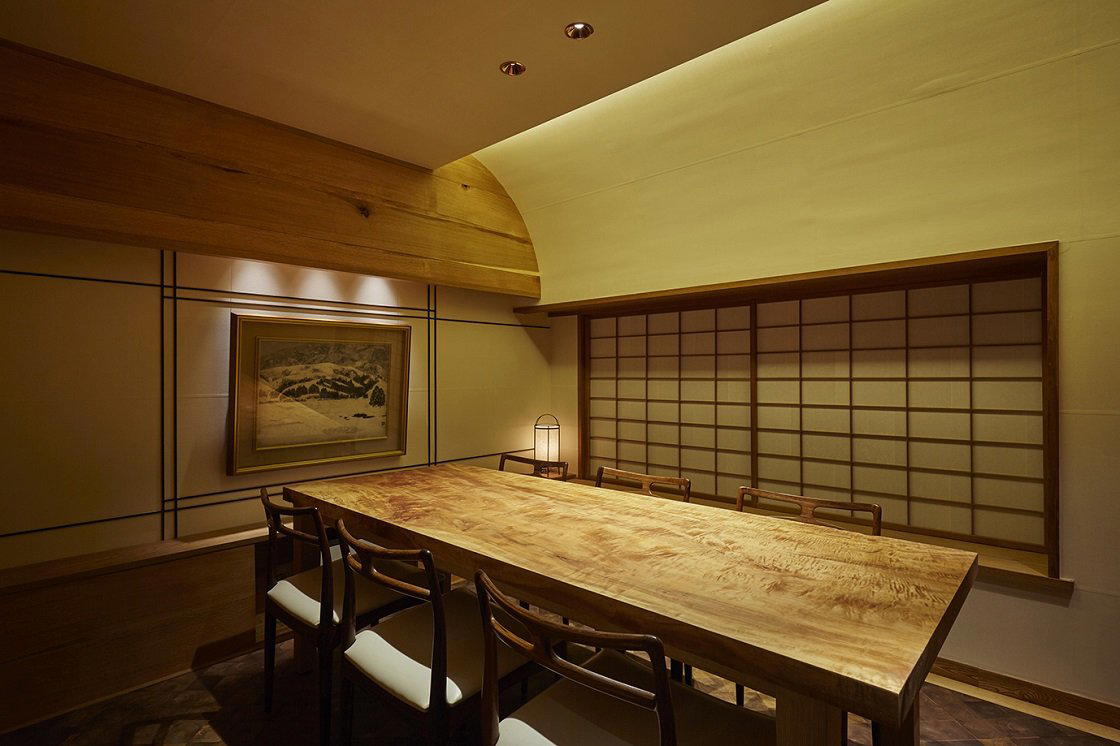
Elegant and relaxed interior with stylish, comfortable seating and a classy casual atmosphere.