
In Higashiyama's kappo tradition, Tokuo takes a deliberate step sideways from the fixed-course orthodoxy that defines much of Kyoto's upper dining tier. An à la carte format anchors the experience, with year-round preparations of blanquillo and heritage duck dumplings signalling a kitchen shaped by apprenticeship and seasonal discipline. Michelin Plate recognition in both 2024 and 2025 confirms its position in the city's mid-premium bracket.
Pearl is the En Primeur Club membership app — saves, bookings, and concierge access live there. Same editors, same standards.
- Address
- Japan, 〒605-0034 Kyoto, Higashiyama Ward, Nakanochō, 203 1F Schilf神宮道
- Phone
- +81 75-771-3322
- Website
- kyoto-kakyo.com
- Directions
- Get directions
 Saves & bookings on Pearl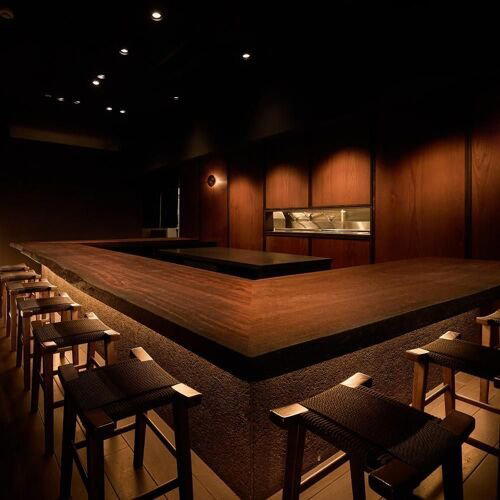
Where Kappo Meets the Freedom of À La Carte
Kyoto's kappo tradition sits in a particular space between the rigidity of kaiseki and the informality of izakaya. In classical kappo, the chef works in open view of the guest, cutting, grilling, and assembling in real time, a format that prizes the relationship between kitchen and counter over the sequenced ceremony of the tatami room. What Tokuo does with this inheritance is instructive: rather than follow the fixed-course orthodoxy that dominates much of the city's mid-to-upper dining tier, it commits fully to à la carte, returning agency to the guest in a way that most Kyoto restaurants at this price point have moved away from. For diners who have spent evenings at Kikunoi Roan or Isshisoden Nakamura working through prescribed courses, the shift in dynamic here is immediately felt.
The Address: Nakanochō, Higashiyama
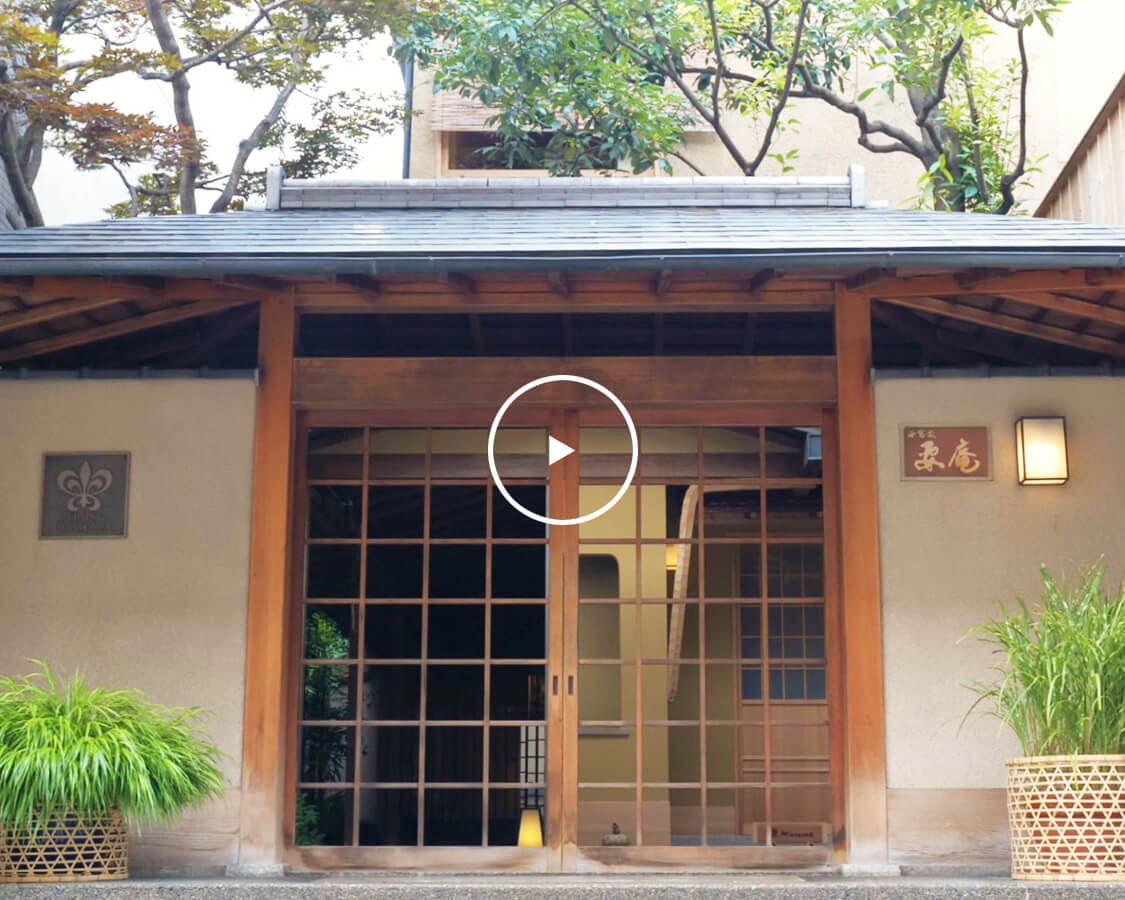
Tokuo sits on Jingūmichi, the avenue that runs between Heian Shrine and the lanes of Higashiyama Ward, a corridor that has become one of Kyoto's more interesting addresses for serious eating without the full spectacle of Gion's main strip. The building is a first-floor space within a quiet residential block, the kind of address that rewards looking at a map before you arrive rather than hoping to stumble across it. Higashiyama is dense with established names: Gion Matayoshi, Kenninji Gion Maruyama, and Kodaiji Jugyuan all operate within this broader neighbourhood zone, each anchoring a different register of Japanese hospitality. Tokuo's position within that context is as a more direct, less ceremonially loaded option at the ¥¥¥ tier, the same price band as Italian-inflected 1000 in Yokohama or akordu in Nara, and well below the ¥¥¥¥ brackets occupied by kaiseki stalwarts like Gion Sasaki or Ifuki.
The Ritual of the Meal: Pacing by Season, Not by Script
The intentionality of Japanese dining rarely announces itself, it accumulates through sequence, temperature, and the logic of what arrives when. At Tokuo, that intentionality operates through seasonal rotation and method variation rather than a fixed narrative arc. The clearest expression of this is in how blanquillo, a white-fleshed saltwater fish that functions as a staple of Kyoto cuisine, is treated across the year. The preparation shifts with the season and the chef's judgment: flame-grilled, deep-fried, or as sakamushi, seasoned with sake and salt, then steamed, each method extracts a different quality from the same ingredient. The effect, for a returning guest across seasons, is that the dish functions as both constant reference point and moving target, a structure common in serious kappo kitchens but rare in restaurants that have committed to à la carte rather than the more controllable environment of a set menu.
The duck meat dumplings carry a different kind of weight. Prepared in direct reference to the chef's apprenticeship, they arrive at the table as a heritage item rather than a signature showpiece, the distinction matters in a kappo context, where lineage and transmission are treated as substantive values, not marketing shorthand. The same logic applies to the rice dish: enveloped in grated yam and bean curd skin, it is positioned specifically as a summer preparation, something that sits easily in the stomach during the humid months that descend on Kyoto from late June through September. These are not arbitrary additions to an à la carte list; they are dishes that reveal a kitchen thinking about the relationship between format, season, and guest comfort in the way that Kyoto's longer dining traditions demand. Guests familiar with the approach at Myojaku in Tokyo or Azabu Kadowaki will recognise the underlying philosophy, even if the register here is more casual.
Michelin Recognition in Context
Tokuo holds a Michelin Plate in both 2024 and 2025, the guide's designation for kitchens producing food of good quality, sitting below the star tiers but above the undifferentiated mass of listed restaurants. In the context of Kyoto, where the starred roster runs from HAJIME's Osaka counterpart to multi-starred kaiseki institutions, the Plate is an honest signal: this is a kitchen worth seeking rather than one that has broken through into the city's upper competitive set. That positioning is consistent with the à la carte format, the address, and the price tier. Restaurants working at the same recognition level in Japan's other dining cities, Harutaka in Tokyo, Goh in Fukuoka, 6 in Okinawa, operate across different cuisines and formats, but the shared thread is a kitchen with a clear point of view that hasn't yet accumulated the institutional weight of a star.
Planning Your Visit
Location: 203-1F Schilf Jingūmichi, Nakanochō, Higashiyama Ward, Kyoto 605-0034, first-floor space on the avenue running toward Heian Shrine; confirm the entrance point before arriving.
Comparable Spots
Comparable venues nearby, for context on price, style, and recognition.
| Venue | Cuisine | Price | Notes |
|---|---|---|---|
| TokuoThis venue — the venue you are viewing | Michelin 3-Star Traditional Japanese Kaiseki | $$$$ | Not listed |
| Isoyama | Kaiseki Japanese | $$$$ | Nakagyō |
| Takoyakushi Furukawa | Authentic Japanese Kaiseki | $$$$ | Nakagyō |
| Wakasugi | Traditional Japanese Kaiseki & Omakase | $$$$ | Kita |
| Tokumaru | Seasonal À La Carte Japanese | $$$$ | Nakagyō |
| Shuhaku | French-Japanese Fusion Kaiseki | $$$$ | Higashiyama |
Recognition history
Dated appearances from independent guides and award organizations, with the underlying list record or original source where available.
Michelin Plate
Michelin
Michelin Plate
Michelin
Michelin Plate
Michelin
Continue exploring
More in Kyoto
Restaurants in Kyoto
Browse all →
Bars in Kyoto
Browse all →
Hotels in Kyoto
Browse all →

Wineries in Kyoto
Browse all →
At a Glance
- Elegant
- Intimate
- Sophisticated
- Special Occasion
- Celebration
- Date Night
- Chefs Counter
- Private Dining
- Garden
- Sake Program
- Local Sourcing
- Garden
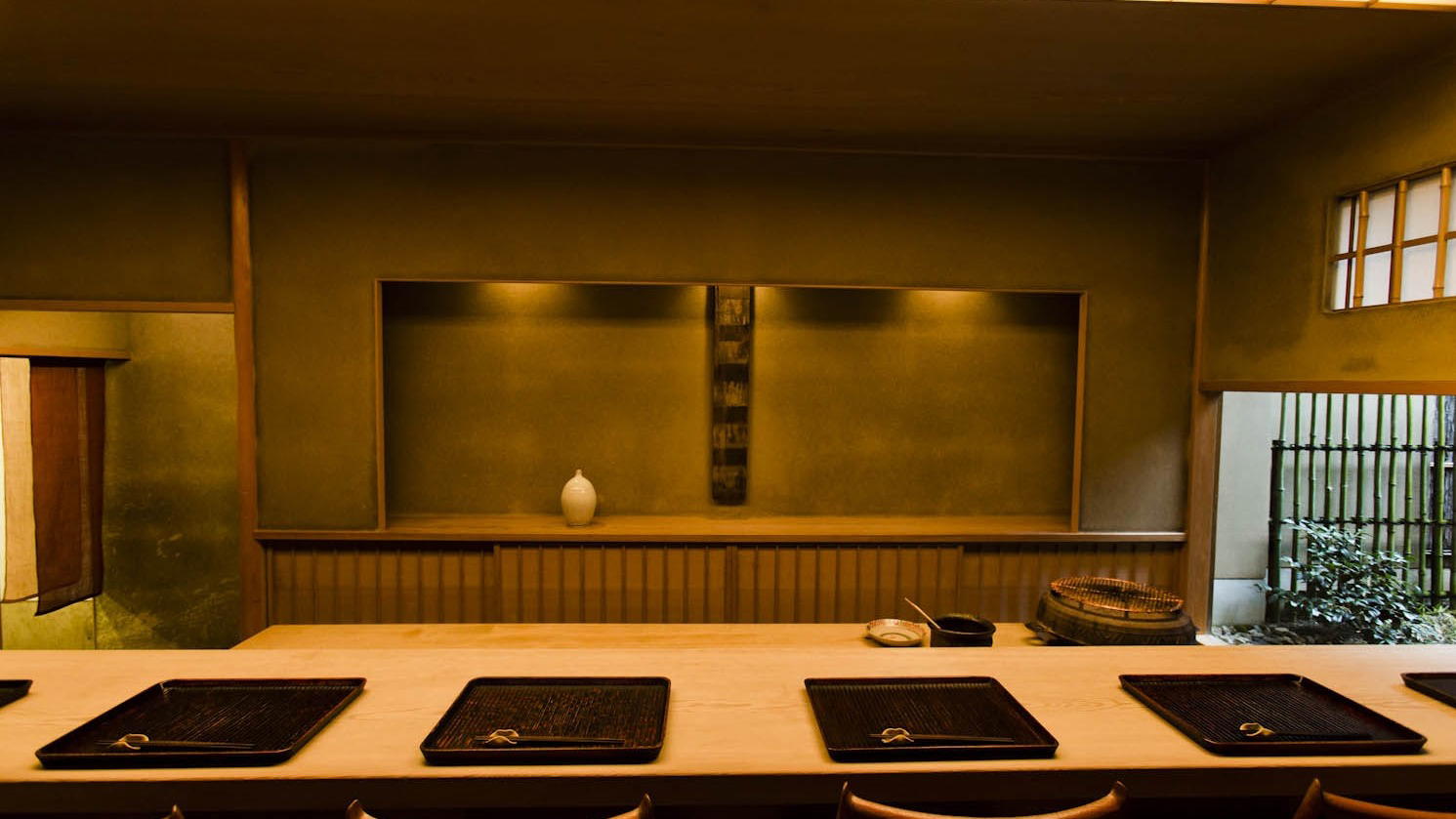
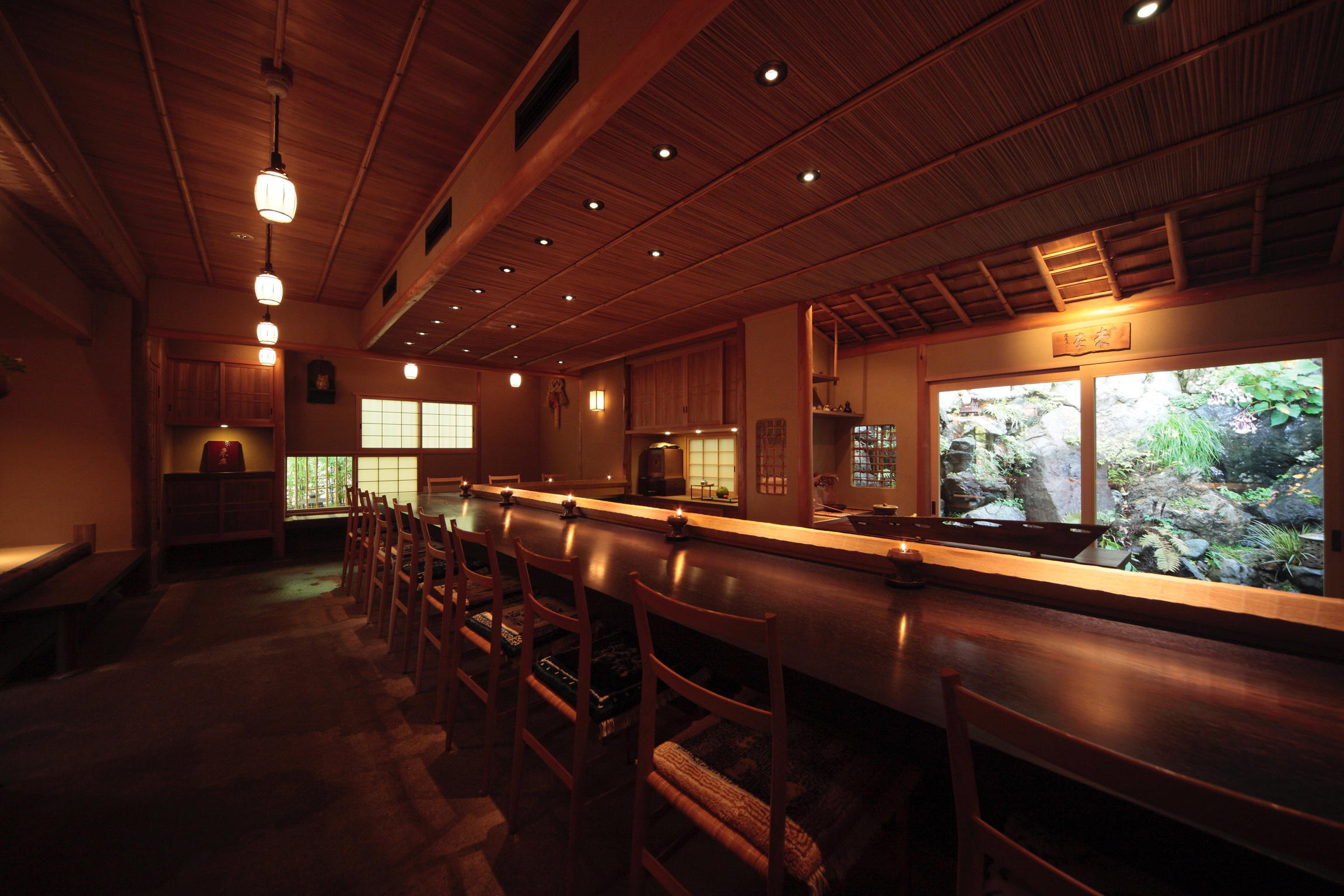
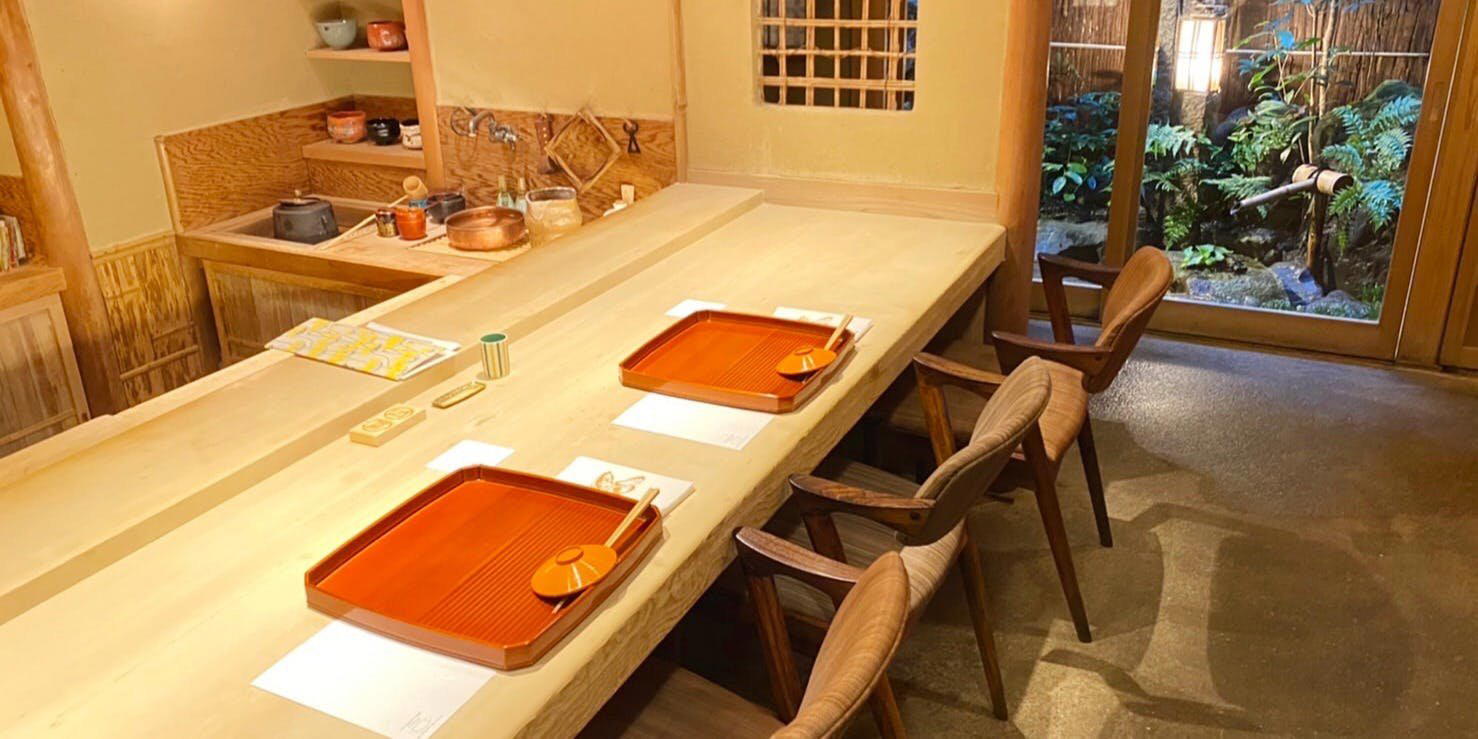
Serene and refined with traditional Japanese aesthetics, private dining rooms overlooking manicured gardens, soft lighting that highlights seasonal tableware and ingredients.