Google: 5.0 · 51 reviews
.png)
Behind the curtain of an izakaya chain on a central Kyoto street, Takoyakushi Furukawa operates as one of the city's quieter expressions of Japanese seasonal cooking. The meal opens with drawn dashi and moves through a broad menu of small seasonal plates before closing with rice. A Michelin Plate holder in both 2024 and 2025, it sits at the ¥¥¥ tier — accessible relative to Kyoto's kaiseki upper bracket.
 Discover on Pearl
Pearl is the En Primeur Club membership app — saves, bookings, and concierge access live there. Same editors, same standards.
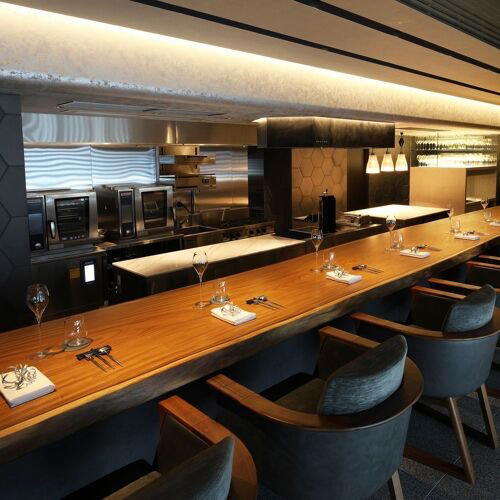
The Space Behind the Space
Kyoto has a long tradition of deliberate concealment. The leading rooms are rarely the ones facing the street. Takoyakushi Furukawa uses this convention architecturally: the entrance to the building is occupied by a branch of an izakaya chain, and the dining room you are actually looking for sits behind it, announced by nothing more than a sign and a noren shop curtain. This arrangement is not a gimmick. It functions as a form of physical editing, filtering out the casual passerby and establishing, before a single dish has arrived, that the experience requires some intention to reach. In a city where even the most serious restaurants often look, from the outside, like ordinary shopfronts, Takoyakushi Furukawa takes that understatement one step further.
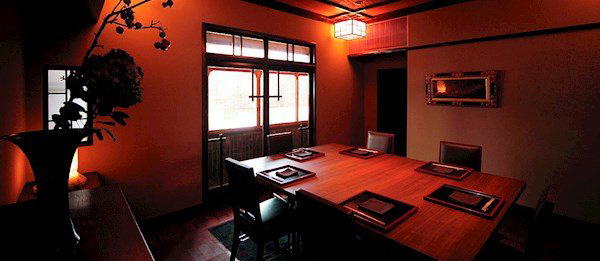
The design logic matters here. Kyoto's mid-tier Japanese dining rooms have generally resisted the exposed-counter theatrics that Tokyo omakase culture adopted from the late 2010s onward. Rooms tend toward the enclosed rather than the performative: quiet materials, contained lighting, a spatial grammar that keeps the focus on the food and the season rather than on the chef's choreography. Takoyakushi Furukawa, placed inside a secondary room reached through another establishment entirely, sits squarely inside that tradition. The physical approach sets up a meal that is meant to be encountered gradually, not displayed.
How the Menu Is Structured
The meal opens with a drawing of dashi stock. This is not a neutral decision. In Japanese cooking, dashi functions as the foundational grammar of a dish: a clear stock made from kombu and katsuobushi that carries the full weight of umami without opacity or heaviness. Beginning a meal with the stock itself, presented so the diner can register both its aroma and its taste before the dishes that depend on it appear, is a teaching structure as much as a culinary one. It places the seasonal character of the ingredients at the front of the experience rather than burying it in finished preparations. Few restaurants make the infrastructure of Japanese cuisine this visible to a general audience.
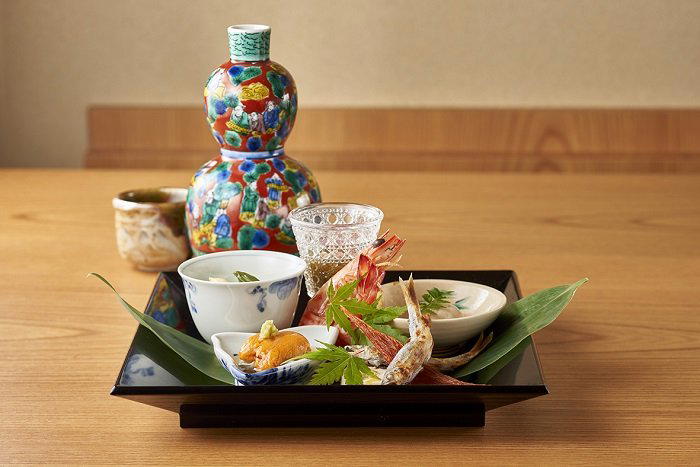
From that foundation, the menu extends across an extensive sequence of small plates organised around the flavours of the current season. Kyoto's kaiseki tradition at its upper end, represented by restaurants like Isshisoden Nakamura and Kikunoi Roan, fixes this seasonal rotation to a highly ritualised sequence of courses with prescribed vessels and presentation. Takoyakushi Furukawa operates within a related sensibility but at a different register: the seasonal emphasis is maintained, the breadth is there, but the format is more expansive and less ceremonially strict. This places it in a mid-tier category that has real currency in Kyoto, where the gap between a ¥¥¥¥ kaiseki room and a casual izakaya can feel enormous, and where the ¥¥¥ tier covers some of the city's most intellectually serious cooking.
The meal closes with rice, either plain white rice, takikomi-gohan (rice cooked together with vegetables or protein), or zosui, a loose rice porridge that functions as a gentle finalisation of the meal's broth-led logic. This closing structure is consistent with traditional Japanese meal rhythm, where the rice course signals completion rather than an afterthought. It also connects back to the opening dashi sequence: broth starts the meal, broth-rice closes it.
Where Takoyakushi Furukawa Sits in Kyoto's Dining Structure
Kyoto's Japanese dining spectrum currently splits between a small group of high-investment kaiseki rooms at the ¥¥¥¥ tier — places like Gion Matayoshi and Kenninji Gion Maruyama — and a broader field at ¥¥¥ that ranges from tourist-oriented set-menu restaurants to genuinely craft-oriented rooms that receive less international attention. Takoyakushi Furukawa's Michelin Plate recognition in 2024 and 2025 places it clearly in the latter group. The Michelin Plate designation in Japan is applied to restaurants that inspectors consider to present cooking of consistent quality and a clear culinary point of view, without the technical formality required for a star. For a ¥¥¥ restaurant in Kyoto, it represents meaningful validation within a highly competitive field.
Its Google rating of 4.9 across 20 reviews reflects a small but highly satisfied audience, the kind of ratio that typically indicates a restaurant operating below its discovery level rather than one with broad general appeal. Peer Japanese restaurants in the ¥¥¥¥ bracket, including Kodaiji Jugyuan, occupy a different competitive set. Takoyakushi Furukawa's more useful comparisons are restaurants with a similar seasonal-Japanese framework at a price point that makes regular visits realistic for those based in Kyoto, not just destination diners arriving for a single occasion.
For visitors who want to understand how Japanese seasonal cooking operates outside the formal kaiseki structure, Takoyakushi Furukawa offers something that is harder to find in cities like Tokyo, where the ¥¥¥ Japanese room often defaults to a more abbreviated format. Restaurants like Myojaku and Azabu Kadowaki in Tokyo operate with comparable seriousness but in a metropolitan context that prices and presents the experience differently. In Nara, akordu takes a European frame to regional Japanese produce. Takoyakushi Furukawa stays within the Japanese idiom without the capital city markup or the full kaiseki apparatus.
Planning Your Visit
The address places it on a central Kyoto street accessible from the Karasuma corridor, though the internal layout means arrival requires some attention: enter the izakaya chain at street level and proceed to the back. Budget: ¥¥¥, placing it below Kyoto's top-tier kaiseki rooms and within reach for a serious dinner without the advance financial commitment of the ¥¥¥¥ bracket. Reservations: booking method is not publicly documented in current records; approach through the venue directly once identified. Dress: no formal dress code is on record, but the context and price point are consistent with Kyoto's general expectation of neat, considered dress rather than resort or streetwear. Timing: seasonal menus shift with the produce calendar, so visits in late spring (when Kyoto's ingredients transition) or early autumn deliver the most marked seasonal contrasts in the food.
For a broader view of where Takoyakushi Furukawa fits among Kyoto's options, see our full Kyoto restaurants guide. For accommodation, our full Kyoto hotels guide covers options across the city's neighbourhoods. Further reading on the wider Kansai region: HAJIME in Osaka and Goh in Fukuoka represent the kind of destination-grade Japanese cooking that frames Takoyakushi Furukawa's regional context. For drinking, our full Kyoto bars guide and our full Kyoto wineries guide cover the city's broader beverage scene, while our full Kyoto experiences guide maps cultural programming across the city.
Peers Worth Knowing
A quick peer check to anchor this venue’s price and recognition.
| Venue | Cuisine | Price |
|---|---|---|
| Takoyakushi FurukawaThis venue — the venue you are viewing | Japanese | ¥¥¥ |
| Gion Sasaki | Kaiseki, Japanese | ¥¥¥¥ |
| cenci | Italian | ¥¥¥ |
| Ifuki | Kaiseki | ¥¥¥¥ |
| Kyokaiseki Kichisen | Japanese | ¥¥¥¥ |
| Kyo Seika | Chinese | ¥¥¥ |
Continue exploring
More in Kyoto
Restaurants in Kyoto
Browse all →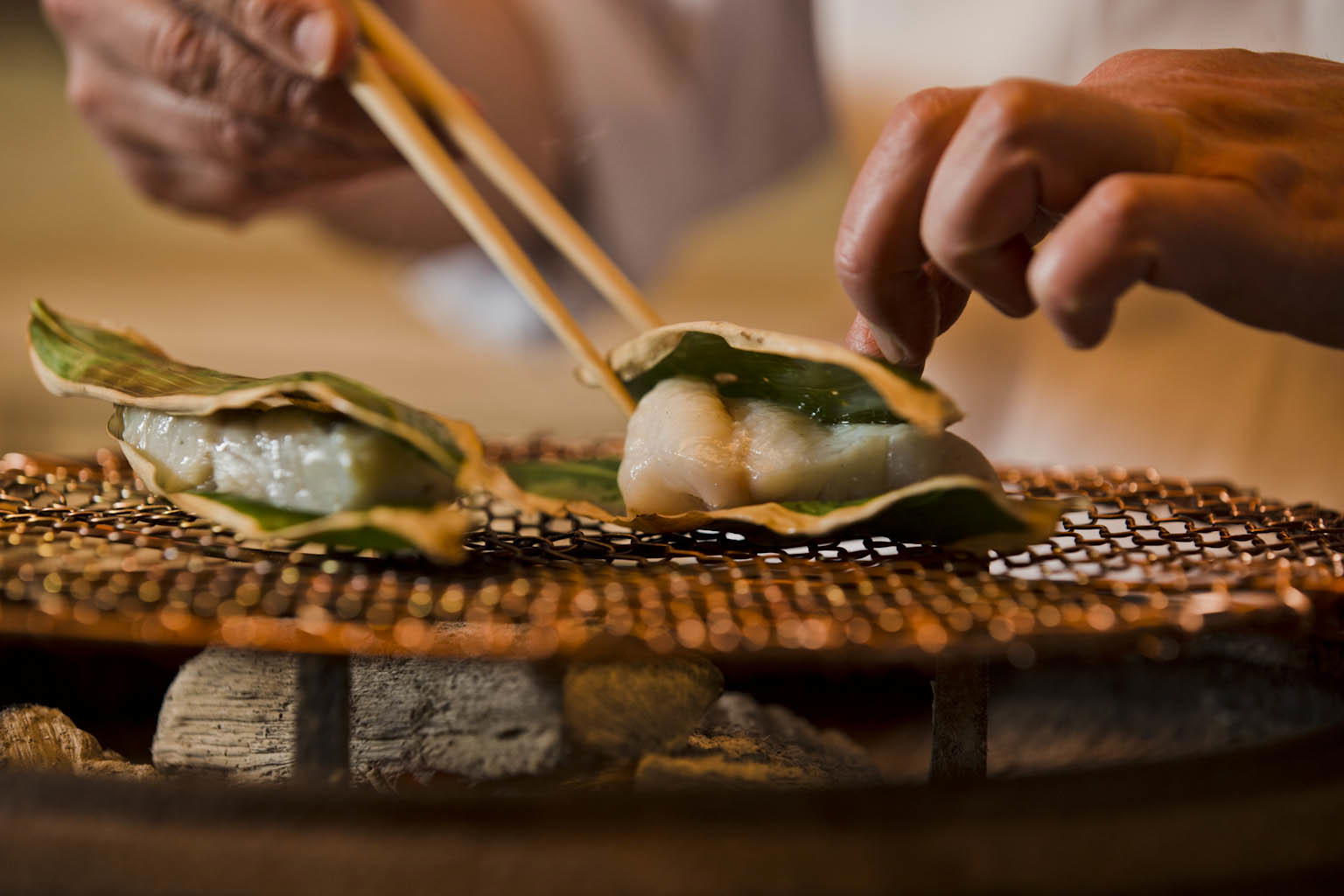
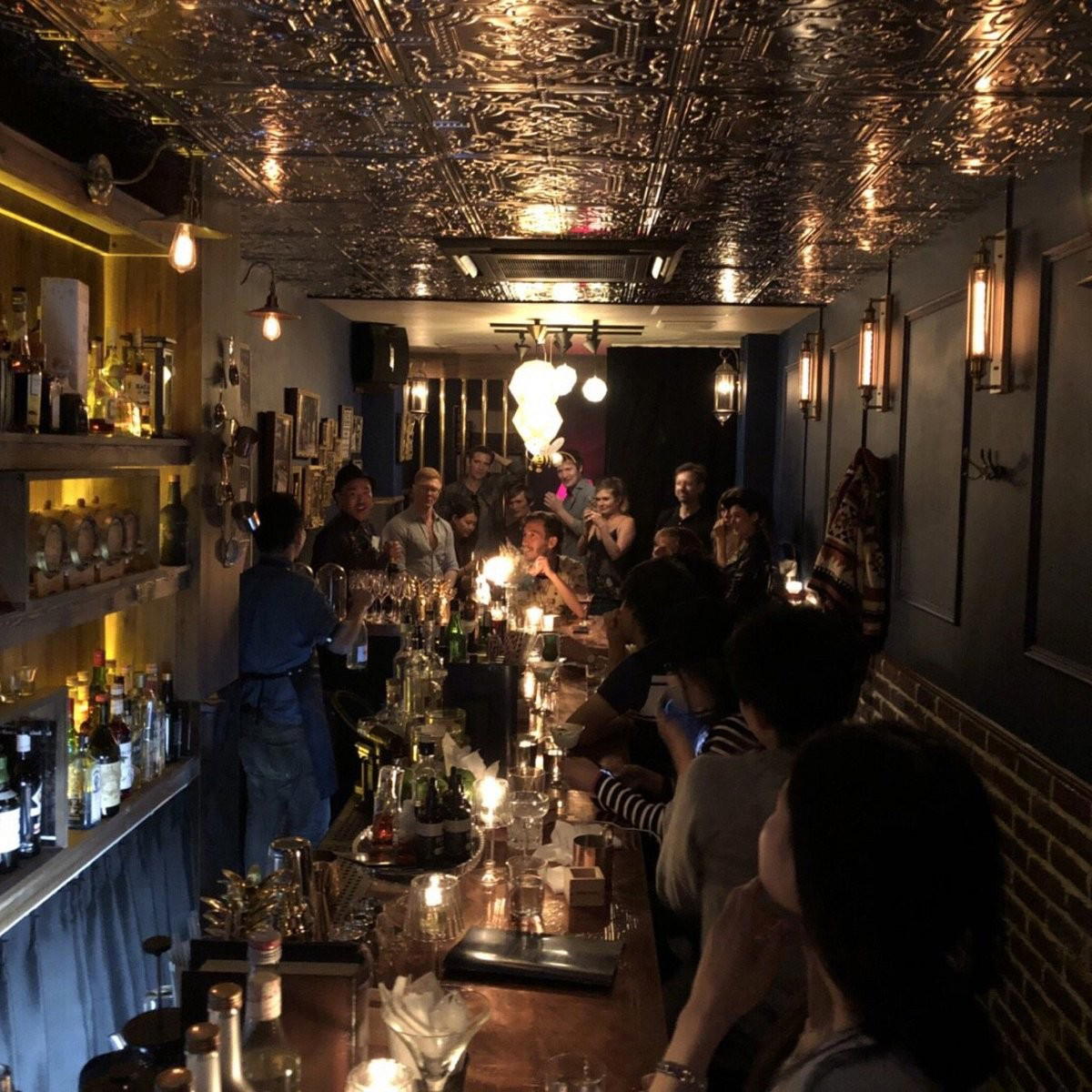
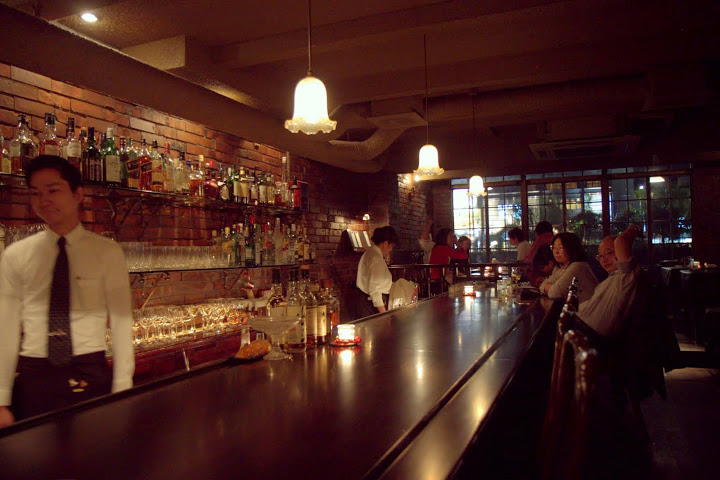
Bars in Kyoto
Browse all →

Hotels in Kyoto
Browse all →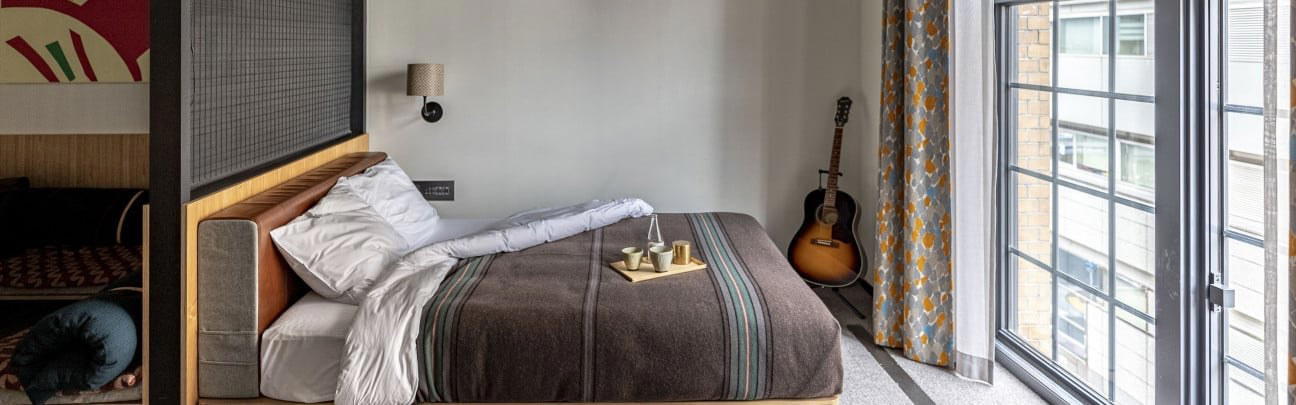
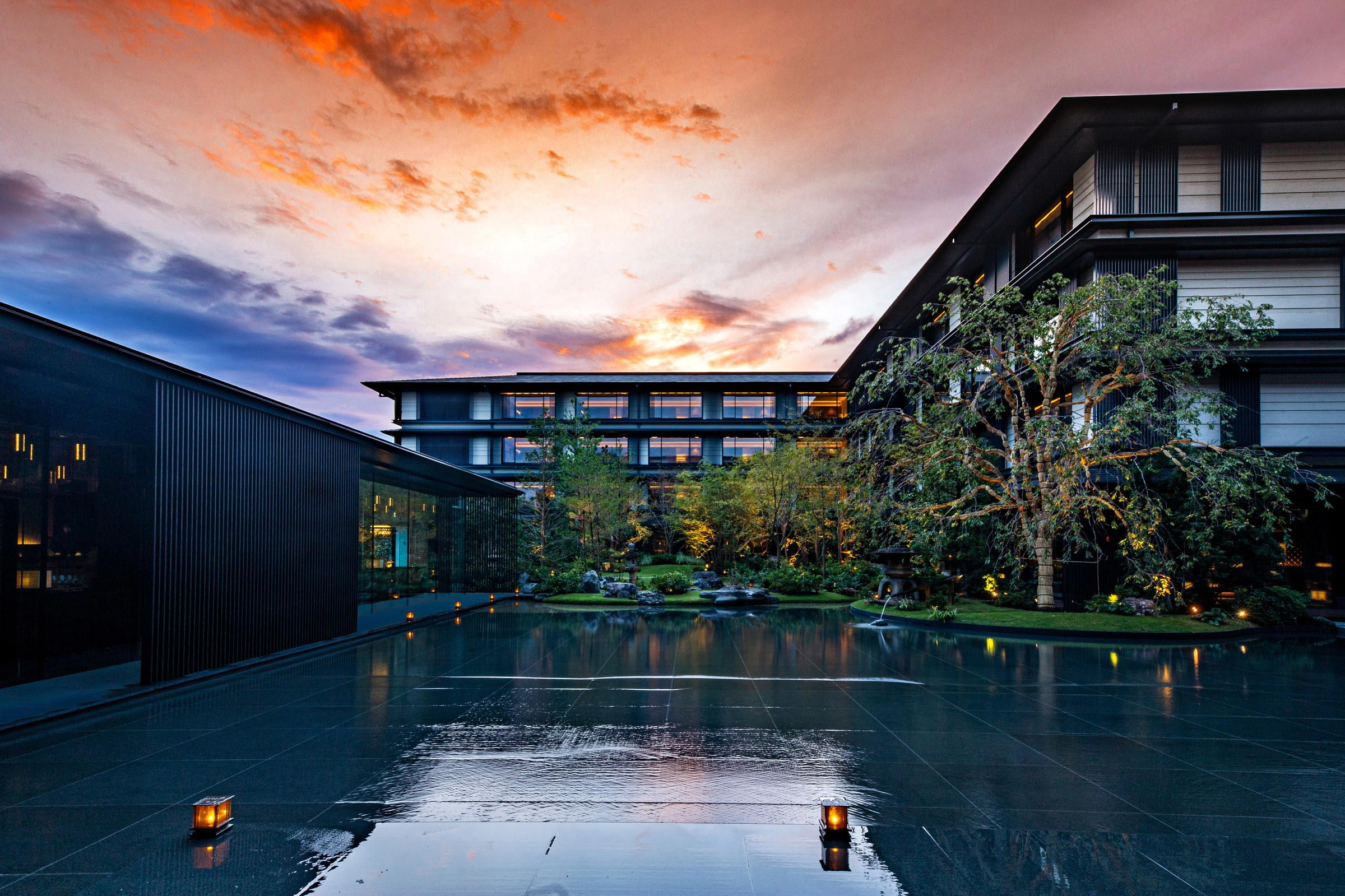

Wineries in Kyoto
Browse all →
At a Glance
- Intimate
- Cozy
- Elegant
- Hidden Gem
- Quiet
- Sophisticated
- Date Night
- Special Occasion
- Business Dinner
- Chefs Counter
- Open Kitchen
- Sake Program
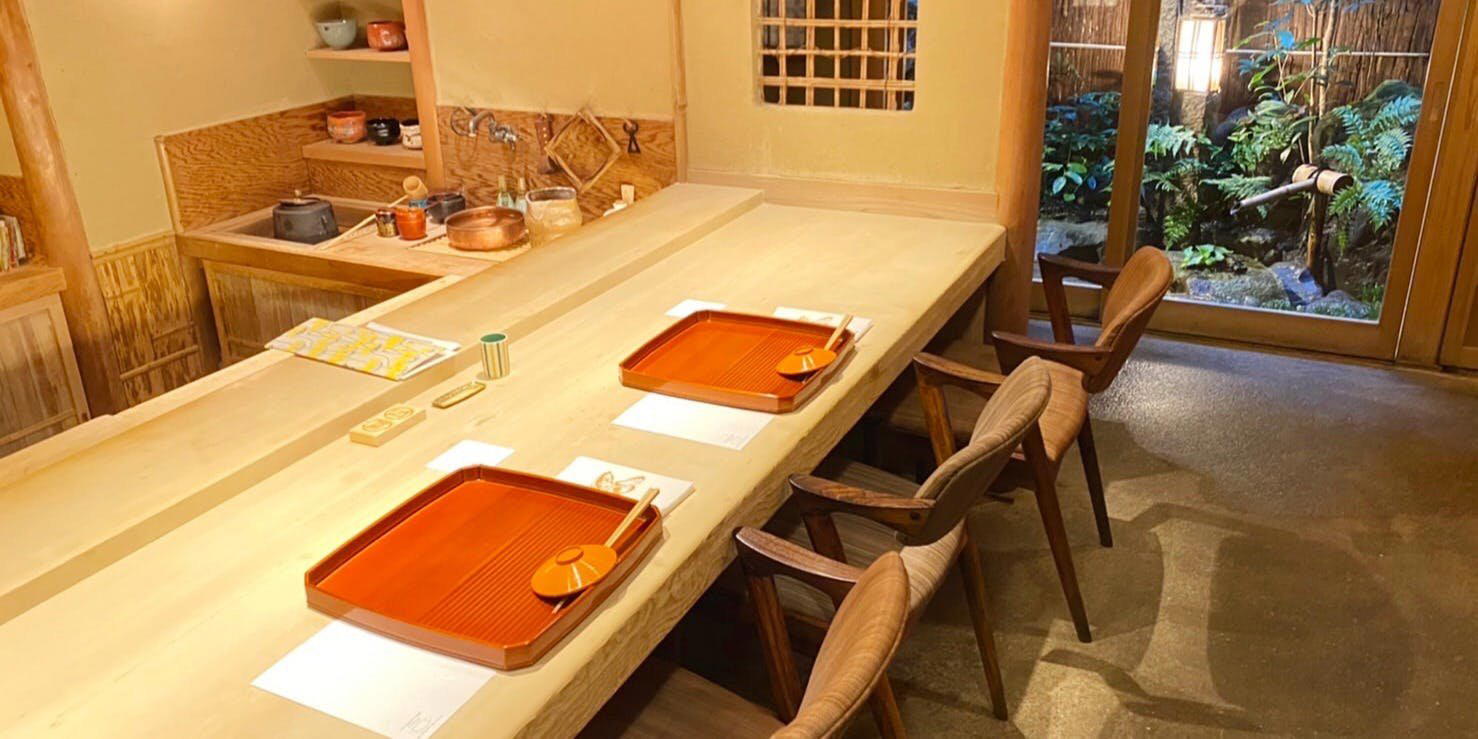
Calm, private, and serene with counter seating allowing guests to watch preparation in an elegant cypress wood space.