

Michelin Plate · Tabelog 100 #41
Our verdict
In Toranomon's Nishishinbashi district, Tempura Aratamikawa operates from a second-floor room dressed in Taisho Romanticist interior detail, its aesthetic as considered as its technique. The kitchen draws on lineage from a leading tempura practitioner, producing Edomae standards, shrimp, sillago, conger eel, that read closer to grilled than fried. A 2025 Michelin Plate recognises the precision behind that distinction.

Pearl is the En Primeur Club membership app, where members save venues, book tables and use the concierge.
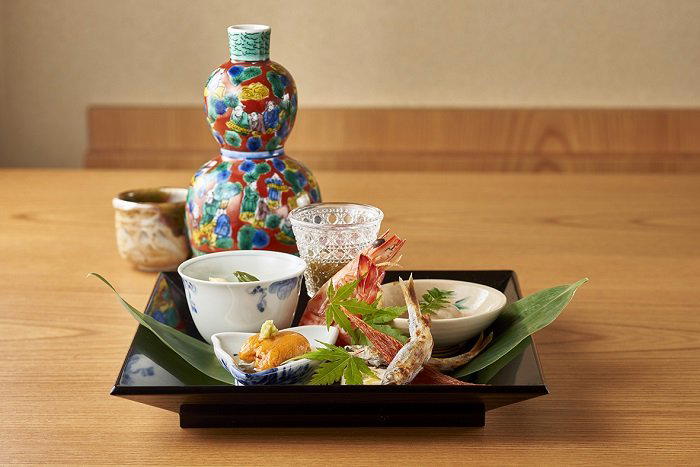
The menu
What to order
- Anago tempura
- Matsutake tempura
- Sweet potato tempura
Light, Oil, and the Taisho Interior
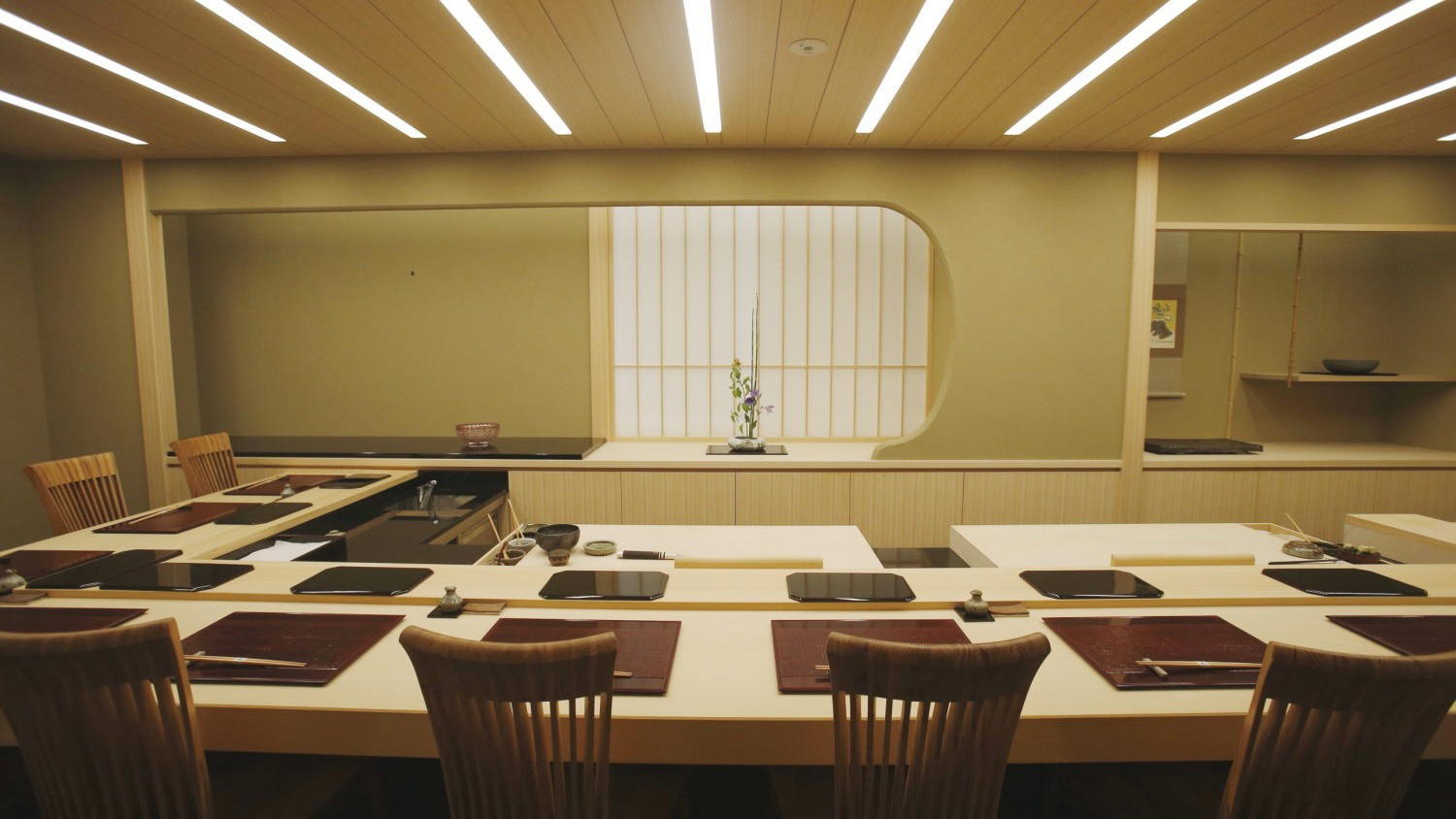
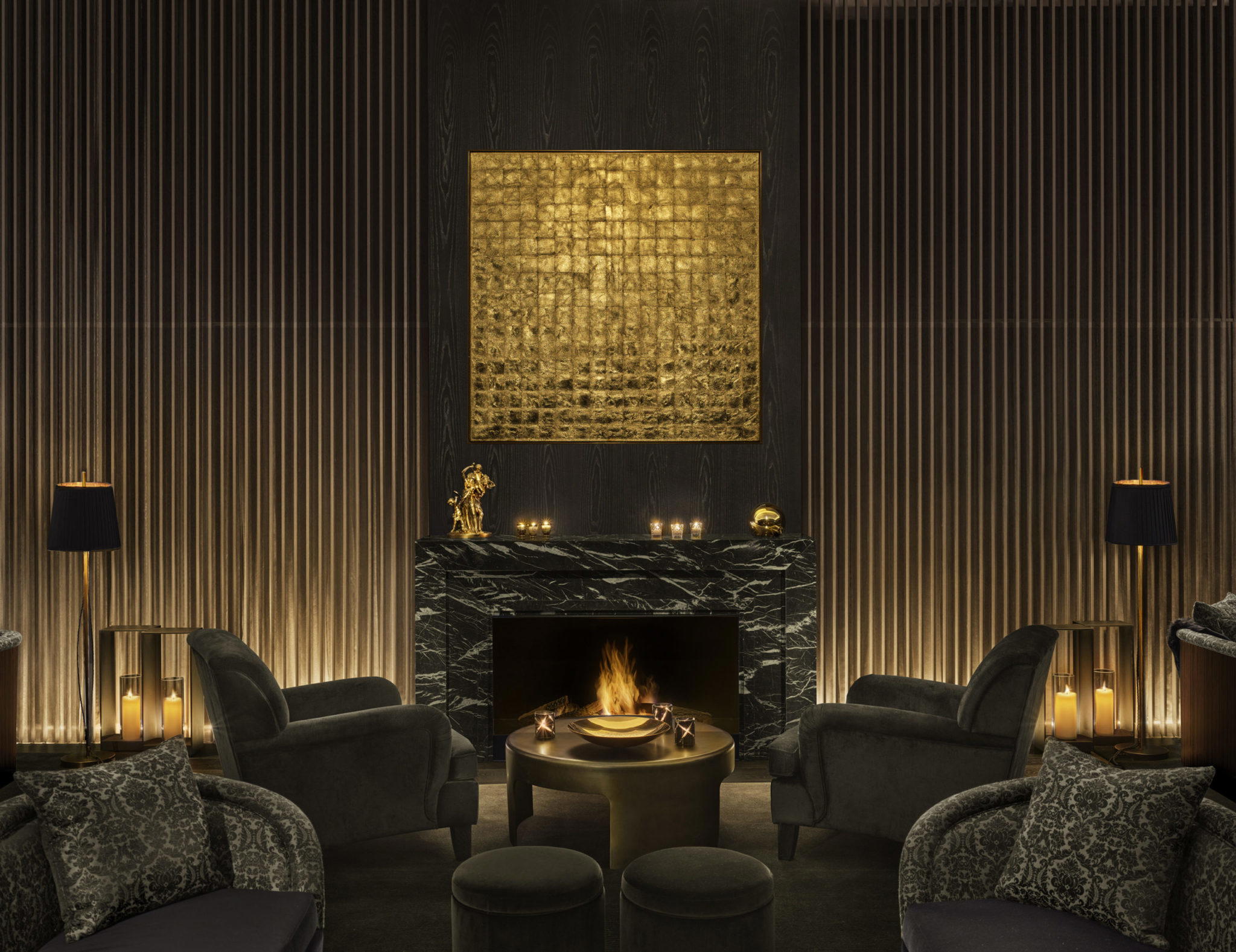
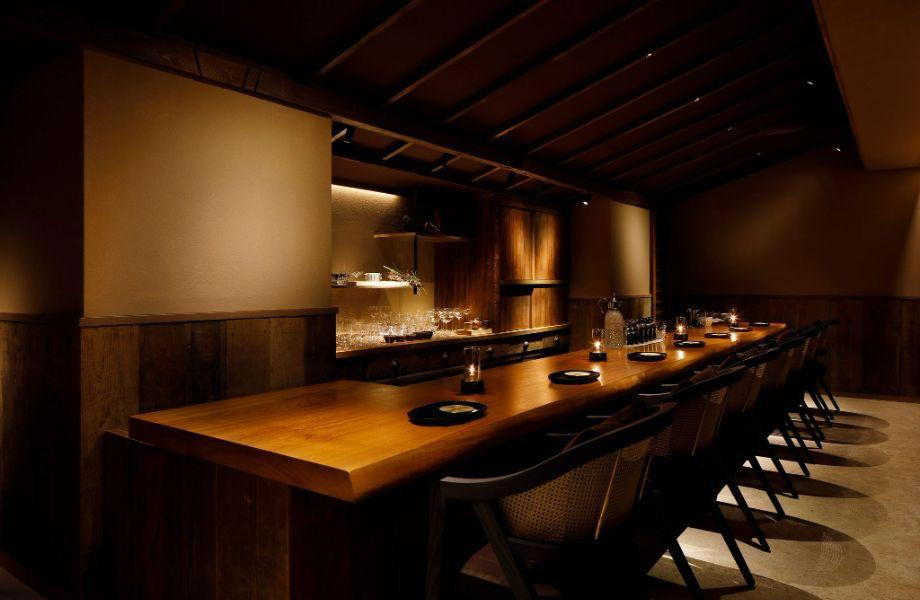
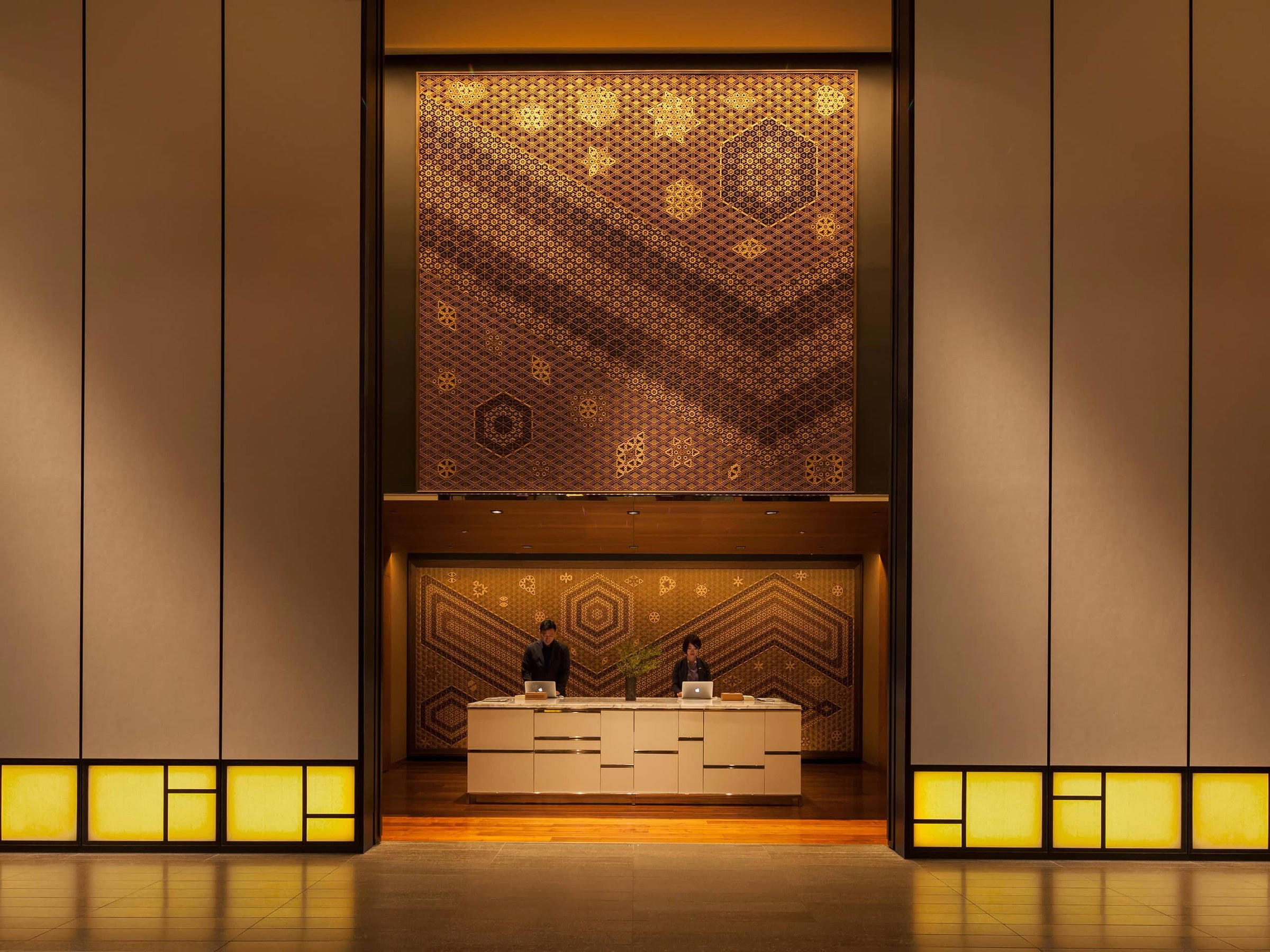
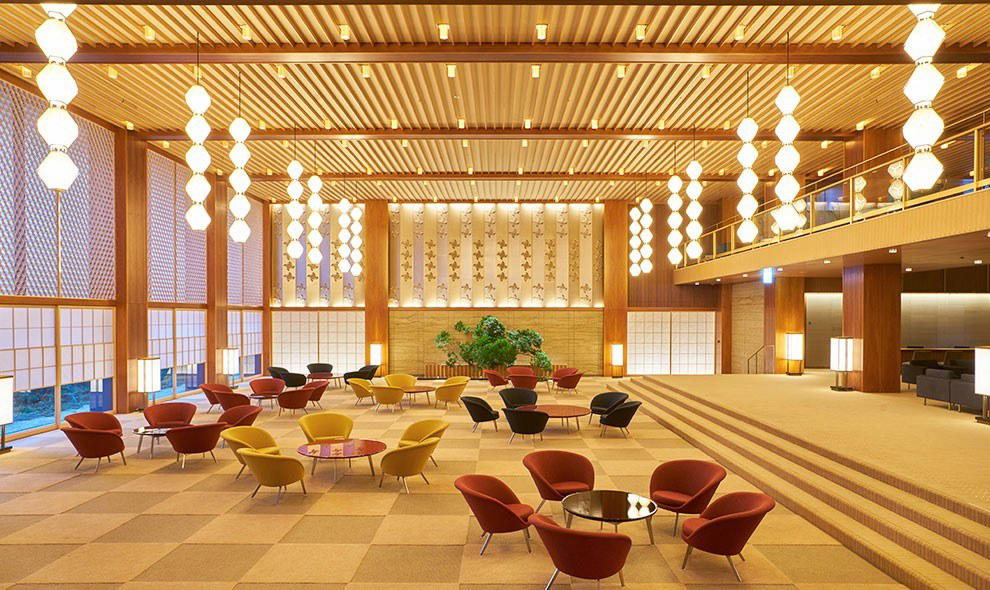
Warm light is not incidental at Tempura Aratamikawa. It is the first thing the room communicates, falling across an interior appointed in the Taisho Romanticist style, a Japanese aesthetic current from the early twentieth century that drew on both Western Art Nouveau influence and native craft traditions. The effect in a tempura counter setting is deliberate: unhurried, faintly ceremonial, and designed to slow the eye before the first piece arrives. Toranomon's Nishishinbashi neighbourhood, where the restaurant occupies the second floor of the FACE Toranomon building, has seen considerable commercial redevelopment in recent years, but counters like this one operate in a different register, one where the room's visual language reinforces a particular relationship between cook and diner.
On the wall, the shop's name and a certificate of mastery appear in the handwriting of the chef's mentor. In Tokyo's high-end specialist restaurants, that kind of provenance display is a trust signal, not decoration. It places the house inside a transmission of technique, the same logic that governs how lineage is communicated at leading omakase sushi counters across the city.
What Tempura at This Level Actually Means
Tokyo's serious tempura tier is smaller than its sushi or kaiseki equivalents, but the discipline it demands is no less exacting. Variation of a few seconds changes the result materially. The margin between a piece that retains its interior moisture and one that does not is narrow, and experienced diners read it immediately.
At Aratamikawa, the kitchen works with Edomae standards: shrimp, sillago (a delicate white fish prized in Edo-period Tokyo cooking), and conger eel. These are not generic ingredients dressed for novelty. They are the irreplaceable core of Tokyo's tempura tradition, and cooking them well requires deep familiarity rather than creativity. The description applied to the output here, that pieces seem almost grilled rather than fried, is a technical compliment in the highest register. It indicates oil at the correct temperature, a batter thin enough to conduct rather than insulate, and a cook time calibrated to the ingredient's density. The result retains the structural integrity of the fish or crustacean rather than concealing it inside a heavy coat.
This baseline is rooted in the chef's training under one of the world's foremost practitioners of tempura. Alongside that orthodox foundation, the kitchen pursues what it describes as a new way of tempura, introducing techniques learned during apprenticeship, including serving some fish without deep-frying at all. That kind of controlled deviation from tradition is characteristic of how specialist Japanese restaurants at this level tend to evolve: incrementally, within the grammar of the form rather than against it. Compare this to the approach visible at Fukamachi or Edomae Shinsaku, where Edomae principles frame similarly disciplined kitchens.
Where Aratamikawa Sits in Tokyo's Dining Map
The 2025 Michelin Plate recognition positions Aratamikawa within the broader field of acknowledged Tokyo tempura addresses without placing it at the starred apex. The Plate designation in the Tokyo guide signals a kitchen producing food to a consistent technical standard, it is a bar, not a ceiling. For diners working through the city's tempura options, it marks this counter as one worth tracking, particularly given the lineage and the explicit commitment to developing technique within the Edomae framework.
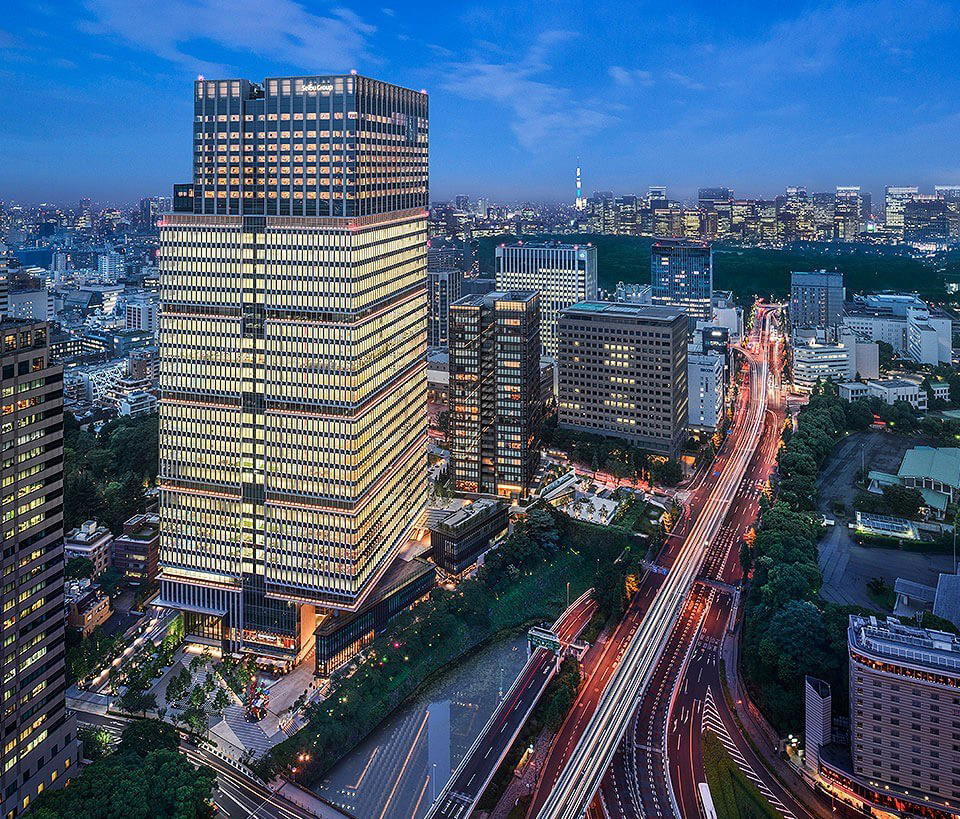
Within Tokyo's dining geography, the Toranomon location sits between the high-density restaurant corridors of Ginza and the quieter residential character of Azabu. It draws a professional and business lunch crowd from the surrounding towers, but the second-floor room functions as a separate world from the commercial activity below. For visitors using the city as a base, Toranomon connects easily to the wider network of Tokyo restaurant addresses. Our full Tokyo restaurants guide maps the city's specialist counters across neighbourhoods; our full Tokyo hotels guide covers nearby accommodation options. Those extending their Japan itinerary will find further context in our coverage of HAJIME in Osaka, Gion Sasaki in Kyoto, akordu in Nara, Goh in Fukuoka, 1000 in Yokohama, and 6 in Okinawa. For tempura specifically outside Tokyo, Numata in Osaka and Mudan Tempura in Taipei offer useful regional comparisons.
Planning a Visit
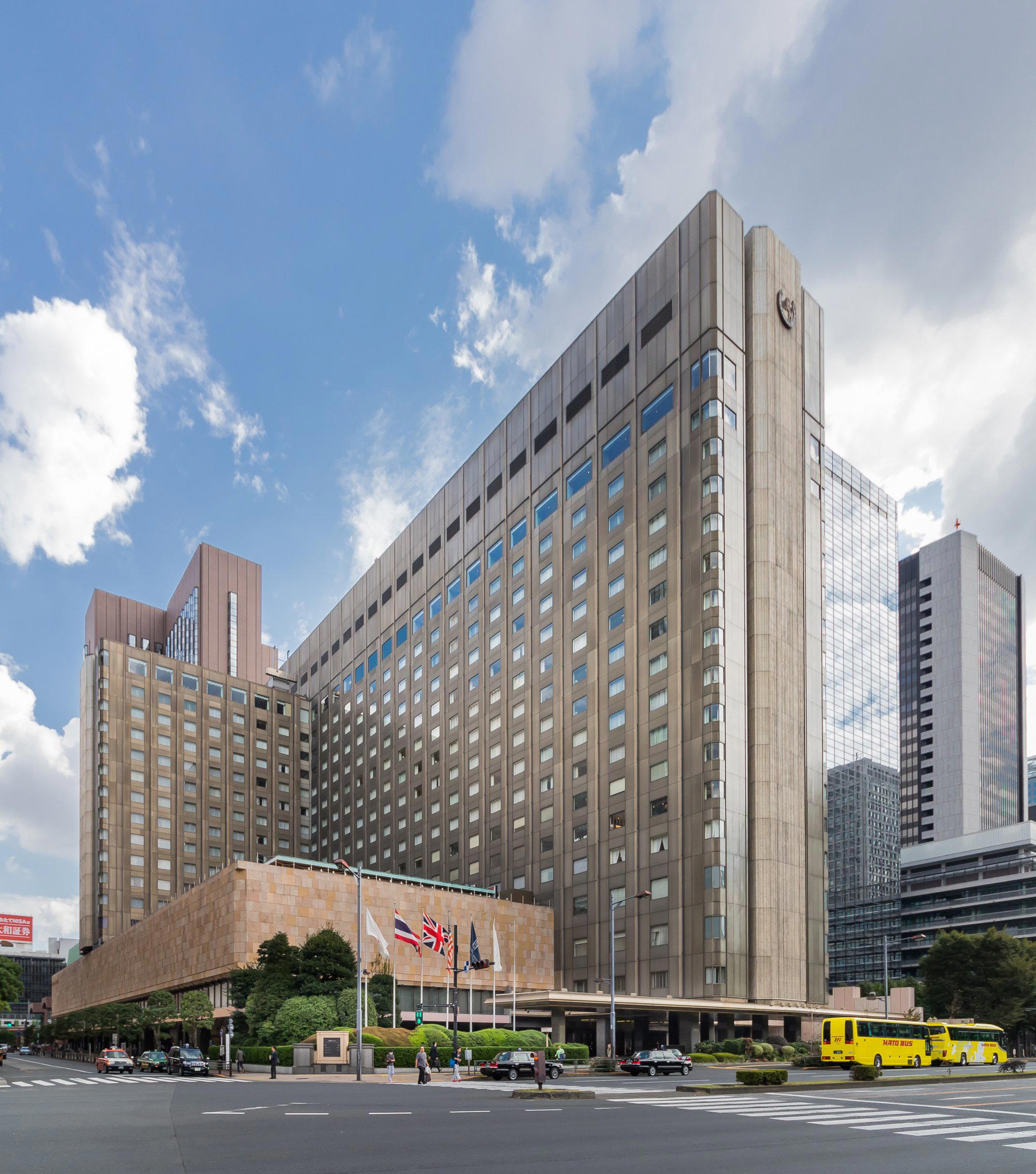
The restaurant sits on the second floor of the FACE Toranomon building at 2 Chome-15-6 Nishishinbashi, Minato City, direct to locate from Toranomon Station on the Ginza Line. The price range sits at ¥¥¥, placing it below the ¥¥¥¥ tier that characterises peers like Harutaka, RyuGin, and L'Effervescence, and making it one of the more accessible addresses in Tokyo's serious specialist-counter category. Phone and online booking details are best confirmed through current reservation platforms, as direct contact information is not publicly listed. Our full Tokyo bars guide, experiences guide, and wineries guide round out the city picture for those building a longer stay around the meal.
Frequently asked questions
What's the must-try dish at Tempura Aratamikawa?
The Edomae anchors, shrimp, sillago, and conger eel, are the clearest expression of what the kitchen is doing. These three ingredients have defined Tokyo tempura for generations, and the treatment here produces pieces that read closer to grilled than fried, which is a deliberate outcome of the chef's training under one of tempura's foremost practitioners.
What's the price range at Tempura Aratamikawa?
Pricing at Tempura Aratamikawa is listed as ¥¥¥.
Where do I go for Tempura Aratamikawa?
Tempura Aratamikawa is located at Japan, 〒105-0003 Tokyo, Minato City, Nishishinbashi, 2 Chome−15−6 FACE虎ノ門 2階, Tokyo.
Can I walk in to Tempura Aratamikawa?
At the ¥¥¥ tier with Michelin Plate recognition in Minato ward, counter seats are rarely unoccupied by chance. A reservation made well in advance is the practical approach, as Tokyo tempura counters at this level fill through repeat guests and referrals before walk-in diners become a factor.
What's the defining dish or idea at Tempura Aratamikawa?
The defining tension is between strict transmission and controlled innovation. The chef studied under one of the world's foremost tempura practitioners, and the restaurant's very name and certificate of mastery are written in that mentor's hand, yet the kitchen also serves some fish outside the deep-fry tradition, a deliberate departure the chef developed during his apprenticeship.
Where the Accolades Land
A small set of peers for context, based on recorded venue fields.
| Venue | Cuisine | Price | Awards | Notes |
|---|---|---|---|---|
| Tempura AratamikawaThis venue (the venue you are viewing) | Edomae Tempura Omakase | $100–150 | Michelin Plate · Tabelog 100 #41 | Not listed |
| Harutaka | Edo-Style Omakase Sushi | $200–300 | 3 Michelin Stars · World's 50 Best #76 | Sushi |
| RyuGin | Modern Kaiseki | $500+ | 3 Michelin Stars · World's 50 Best #41 | Kaiseki, Japanese |
| L'Effervescence | Modern French with Japanese Influences | $200–300 | 3 Michelin Stars · World's 50 Best #69 | French |
| HOMMAGE | Modern French with Japanese Influences | $150–200 | 2 Michelin Stars · World's 50 Best #78 | Innovtive French, French |
| MAZ | Innovative Peruvian-Japanese Fusion | $150–200 | 2 Michelin Stars · World's 50 Best #28 | Innovative |
Recognition history
Dated appearances from independent guides and award organizations, with the underlying list record or original source where available.
Michelin Plate
Michelin
Tabelog 100 #41 · No. 41
Tabelog · Tabelog 100 - Tempura - 2025
Full recognition history (3 entries)
Michelin Plate
Michelin
Continue exploring
More in Tokyo
Restaurants in Tokyo
All restaurants in Tokyo →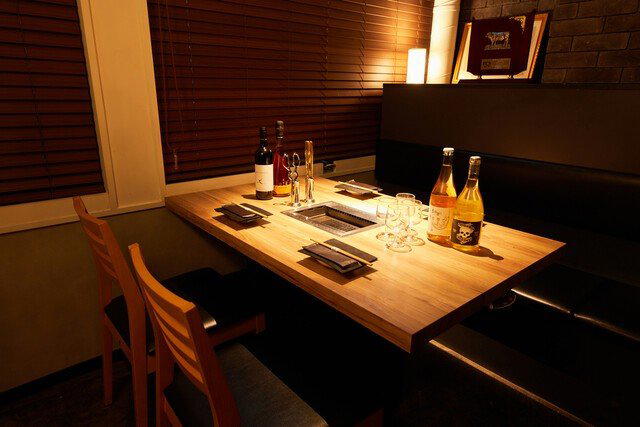
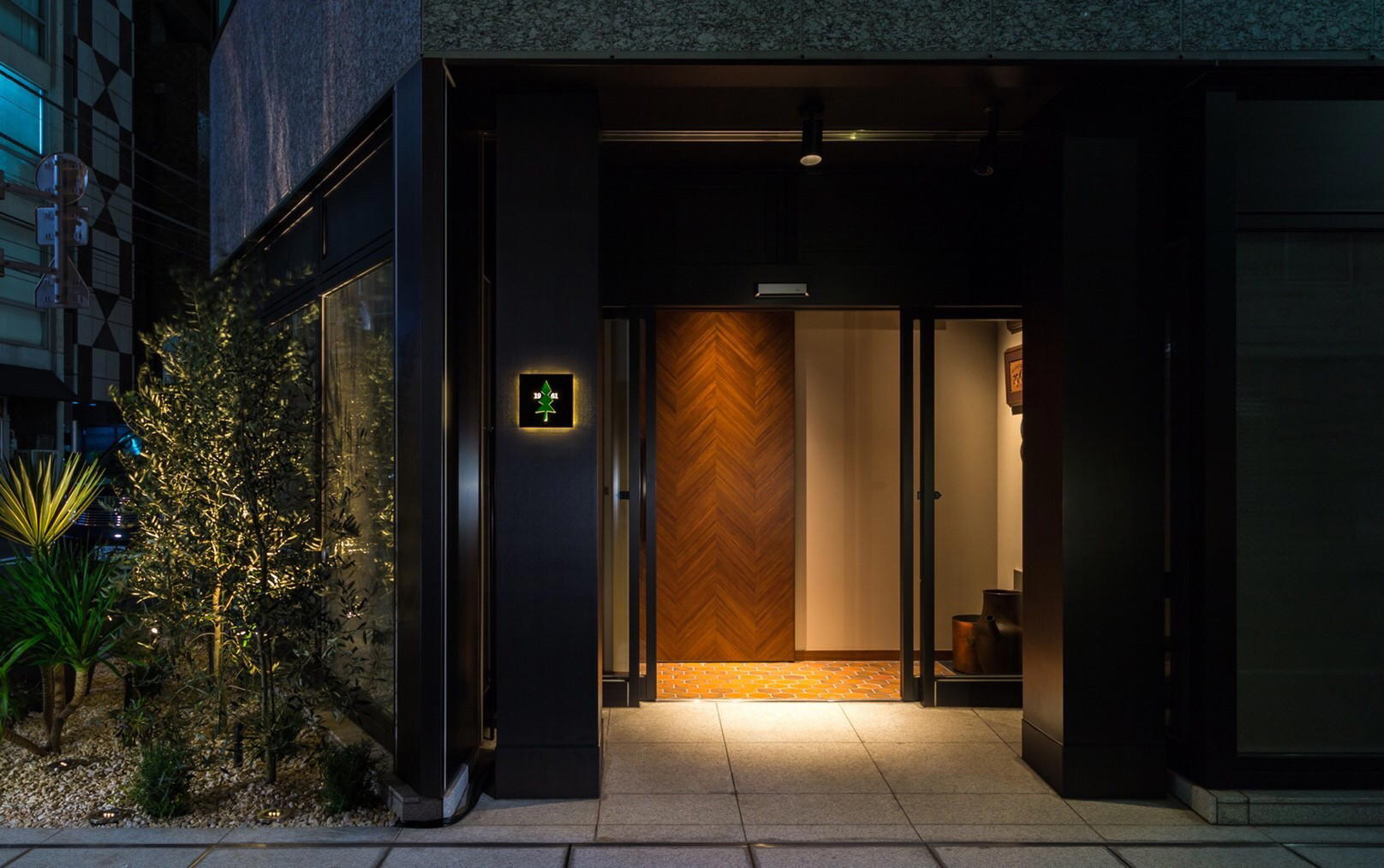
Bars in Tokyo
All bars in Tokyo →
Details
- Elegant
- Intimate
- Classic
- Special Occasion
- Solo
- Date Night
- Chefs Counter
- Open Kitchen
- Sake Program
- Omakase
- Counter Dining
- Sake
- Shochu
- Wine
Current opening hours
- Monday
- 12–2:30 PM, 6–9 PM
- Tuesday
- 12–2:30 PM, 6–9 PM
- Wednesday
- 12–2:30 PM, 6–9 PM
- Thursday
- 12–2:30 PM, 6–9 PM
- Friday
- 12–2:30 PM, 6–9 PM
- Saturday
- 12–2:30 PM, 6–9 PM
- Sunday
- 12–2:30 PM, 6–9 PM
Hours can change for holidays and private events. Hours as of .
Taisho Romancist style interior offering old-world Tokyo charm with a refined, warm counter seating atmosphere.