


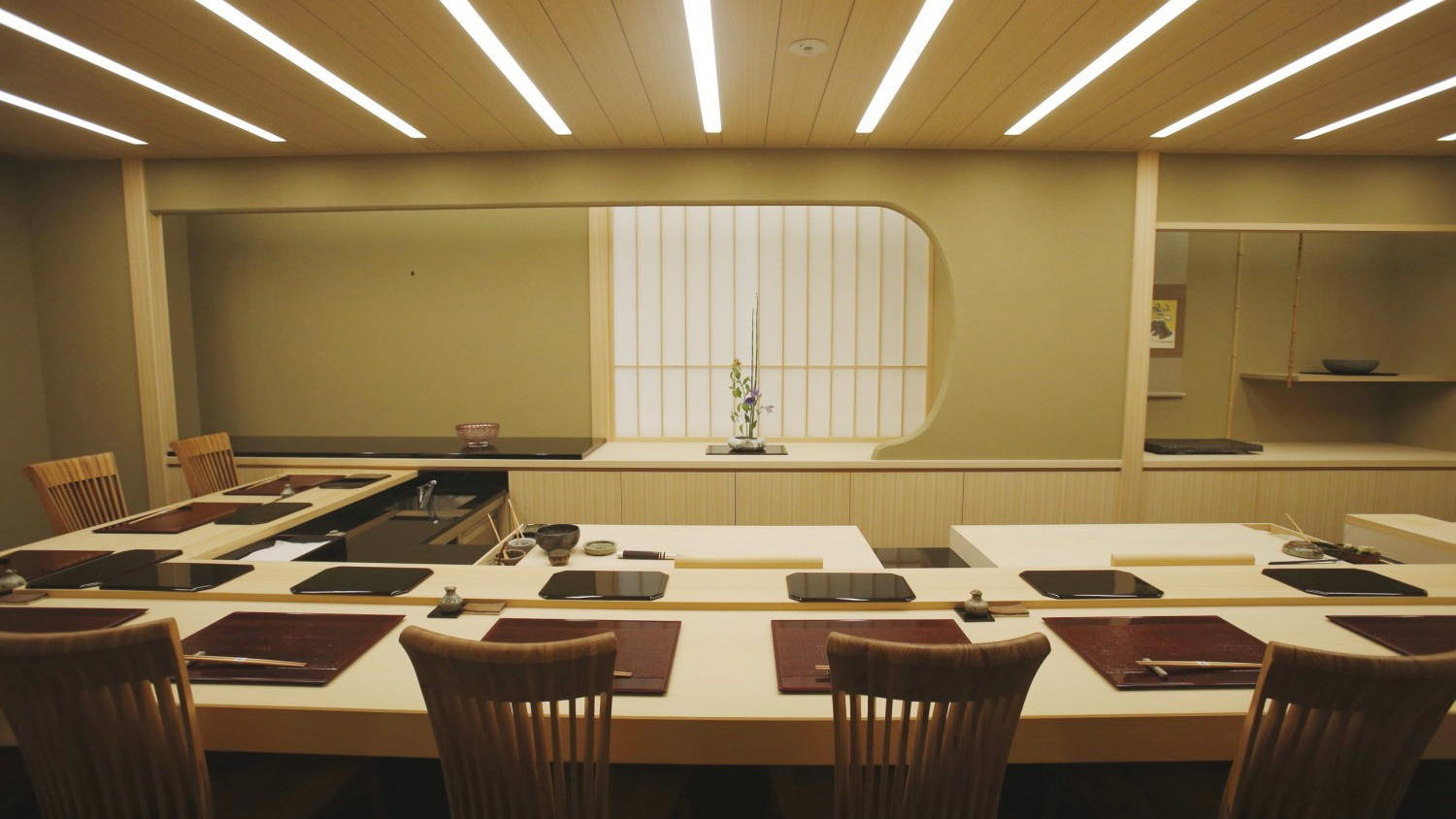
A Kyobashi counter where Edomae tempura tradition meets decades of craft. Fukamachi holds a Michelin star and consecutive Tabelog Awards from 2017 through 2026, with a 14-seat room split between counter and table. Dinner runs JPY 20,000 to 29,999; lunch offers a more accessible entry at JPY 10,000 to 14,999. Reservations by phone or Auto Reserve are essential.
Pearl is the En Primeur Club membership app — saves, bookings, and concierge access live there. Same editors, same standards.
- Address
- 101 2 Chome-5-2 Kyobashi, Chuo City, Tokyo 104-0031, Japan
- Phone
- +81 3-5250-8777
- Website
- restaurant.ikyu.com
- Directions
- Get directions
 Saves & bookings on Pearl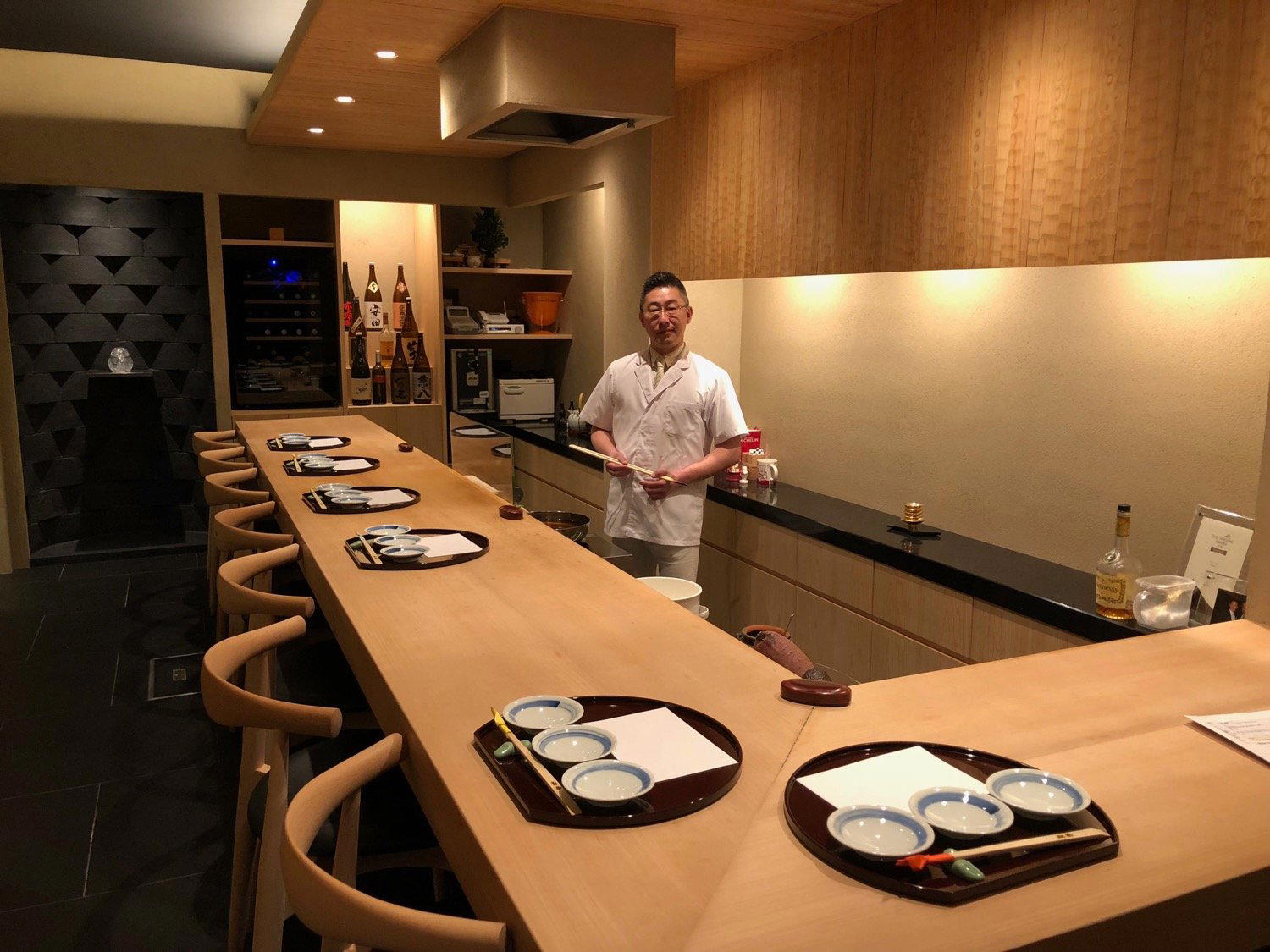
Kyobashi's Counter Culture: Where Tempura Becomes a Standing Ritual
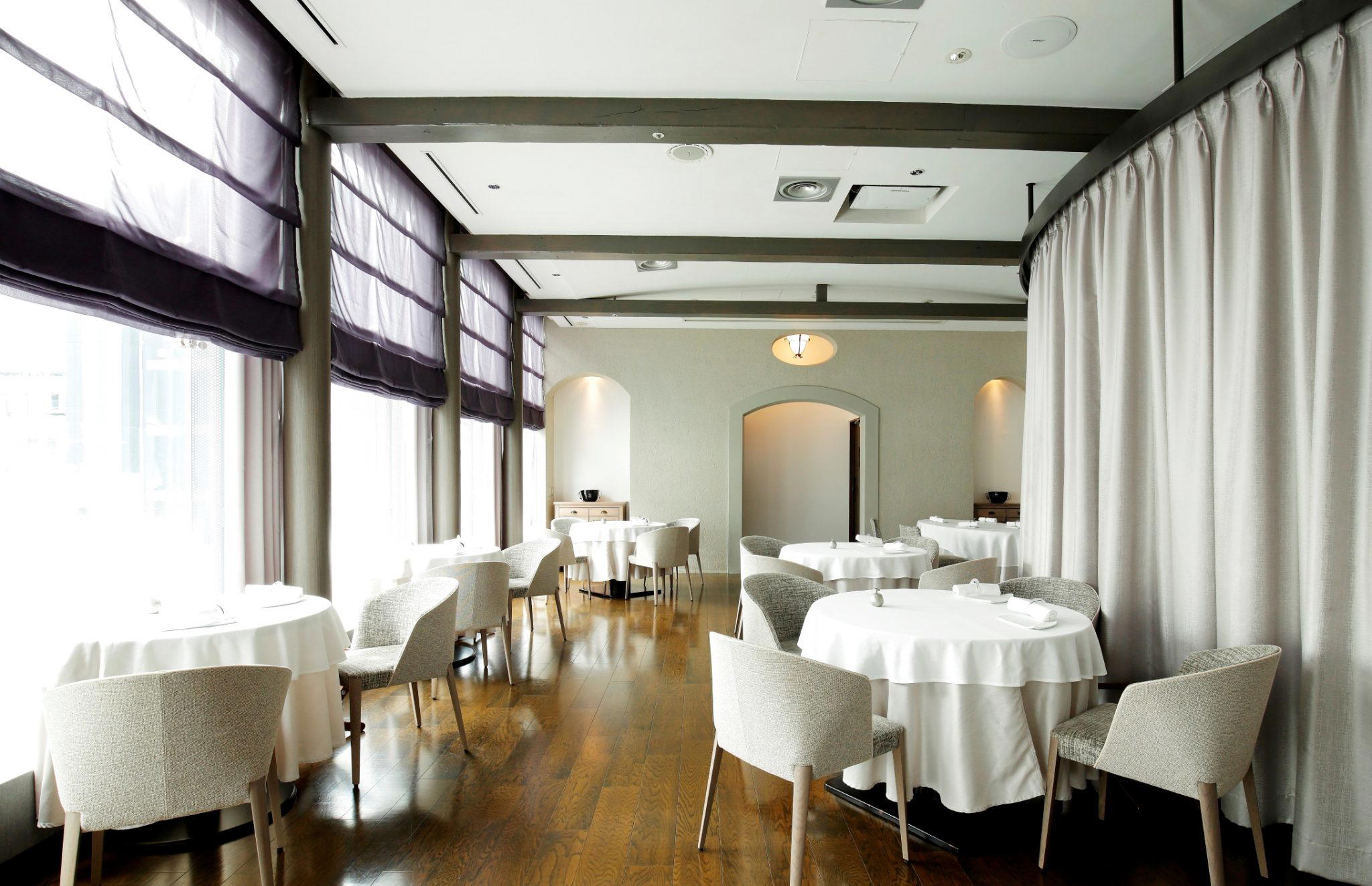
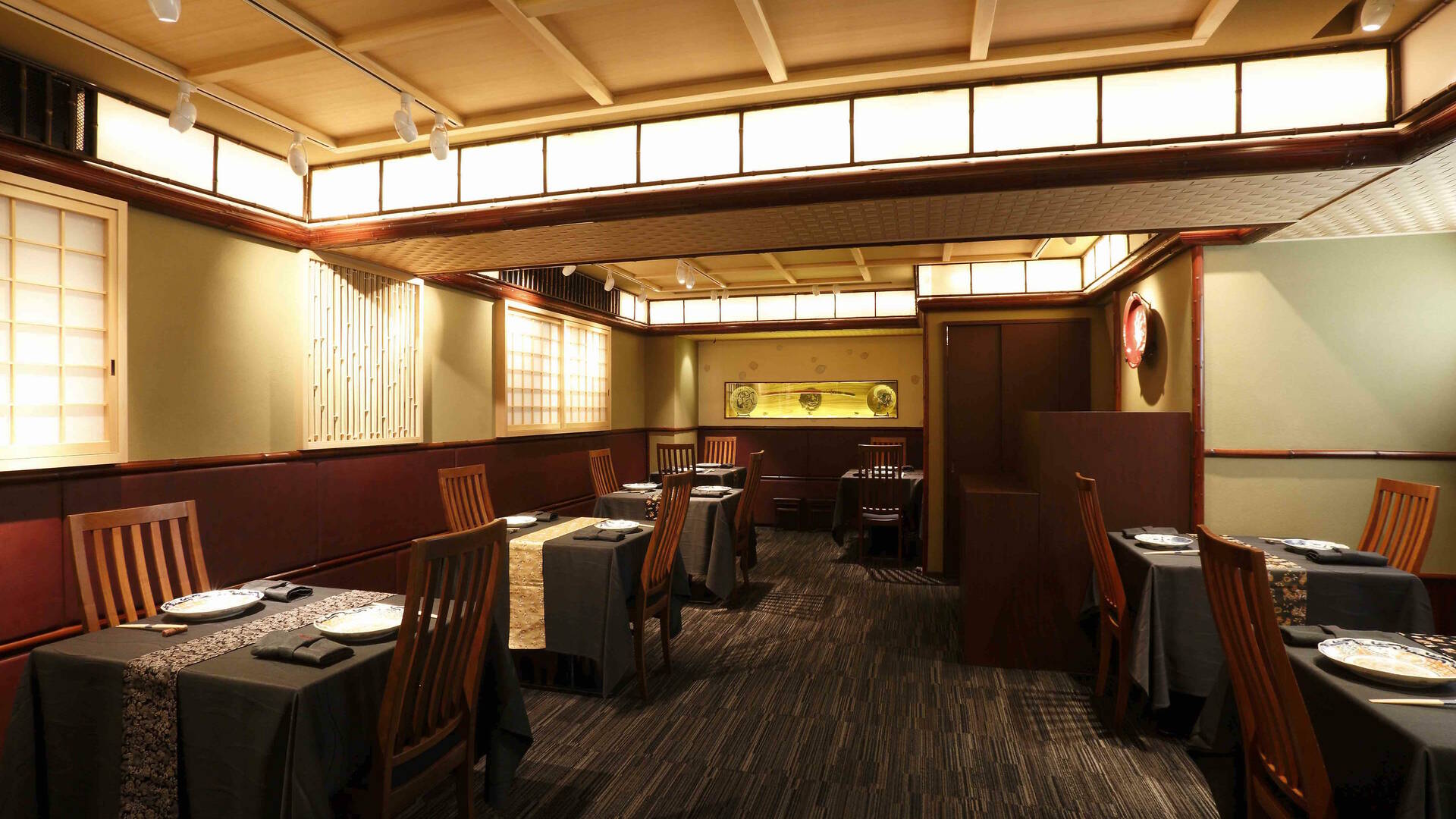
The Kyobashi district sits in a quiet administrative corridor between the commercial density of Ginza and the glass towers of Tokyo Station's east exit. It is not a neighbourhood that attracts casual browsers. The restaurants here draw deliberate visitors: people who know the address before they leave the hotel, who have made a reservation weeks or months in advance, and who return often enough to have earned something close to a standing relationship with the counter. Fukamachi operates inside this dynamic, drawing a clientele whose loyalty is visible in the numbers. At 14 seats total, with counter and table seating, the room is structured for repetition, not volume.
Edomae tempura, the Tokyo tradition of lightly battered, individually fried seafood and vegetables, has its own hierarchy of counters much as omakase sushi does. At the high end, venues charge ¥¥¥¥ and compete for Michelin stars and international press attention. That combination positions it as the kind of place regulars return to without the occasion needing to justify the spend.
The Craft Behind the Counter
Tempura technique varies more than it appears from outside the form. The central variable is oil temperature, and the central discipline is reading each ingredient, its moisture content, density, and season, to decide how it should be treated. At Fukamachi, two frying temperatures are maintained simultaneously, and certain pieces are double-fried: first in medium-hot oil to cook through gently, then transferred briefly to hotter oil for the final crust. The batter is light, applied to cold-pressed sesame oil, which carries a more neutral aromatic profile than some alternatives and allows the ingredient itself to come forward. Cold-pressed sesame oil is a traditional choice in Edomae tempura, associated with the high-end Tokyo school of the form rather than regional variants.
The menu tracks the seasons through produce and seafood. This is not decorative seasonality in the sense of a printed note about spring vegetables. The kitchen holds vegetarian options, which at a tempura counter requires both advance planning and genuine flexibility in the sourcing and frying sequence. Children aged 10 and older may dine, provided they order a full course, which aligns with the format: there is no à la carte pathway, only the course structure that gives the kitchen control over pacing and temperature.
What Keeps the Regulars Returning
The appeal of Fukamachi to returning guests is not novelty. The award record runs from 2017 through 2026 without interruption, a span that signals consistency rather than a single standout year. Venues that attract repeat visitors in the Tokyo dining context tend to offer something that changes in ways the guest can follow: seasonal ingredients that shift the same technical framework into different territory. That is the proposition here. The technique is stable, the room is familiar, the pricing at dinner in the JPY 20,000 to 29,999 range (with review-based averages reported toward JPY 30,000 to 39,999) is predictable enough to plan around, and the ingredient rotation gives each visit a different centre of gravity.
Wine and shochu are available, but the programme leans toward nihonshu, which is the natural pairing for Edomae tempura given the way high-quality sake navigates between the umami of the batter and the clean flavour of the ingredient underneath. For regulars who have worked through the food pairings, the drinks programme becomes a second layer of depth to explore across visits.
Opinionated About Dining placed Fukamachi at #209 in Japan in 2025 across all restaurant categories in Japan. That positioning, alongside the Tabelog Tempura 100 selection in 2022, 2023, and 2025, and the Michelin recognition, gives the venue a three-way credential structure that is less common at ¥¥¥ than at the bracket above.
Booking a Fukamachi Tokyo Reservation
Getting a table requires advance planning, but the mechanics are accessible. Reservations are available by phone at 03-5250-8777 or through Auto Reserve, the online booking platform. All seatings, both lunch and dinner, operate as courses only. There is no walk-in counter option for a solo piece or a casual order. Dinner runs in two seatings from Tuesday through Sunday, and lunch is served on weekdays and weekends according to the regular schedule.
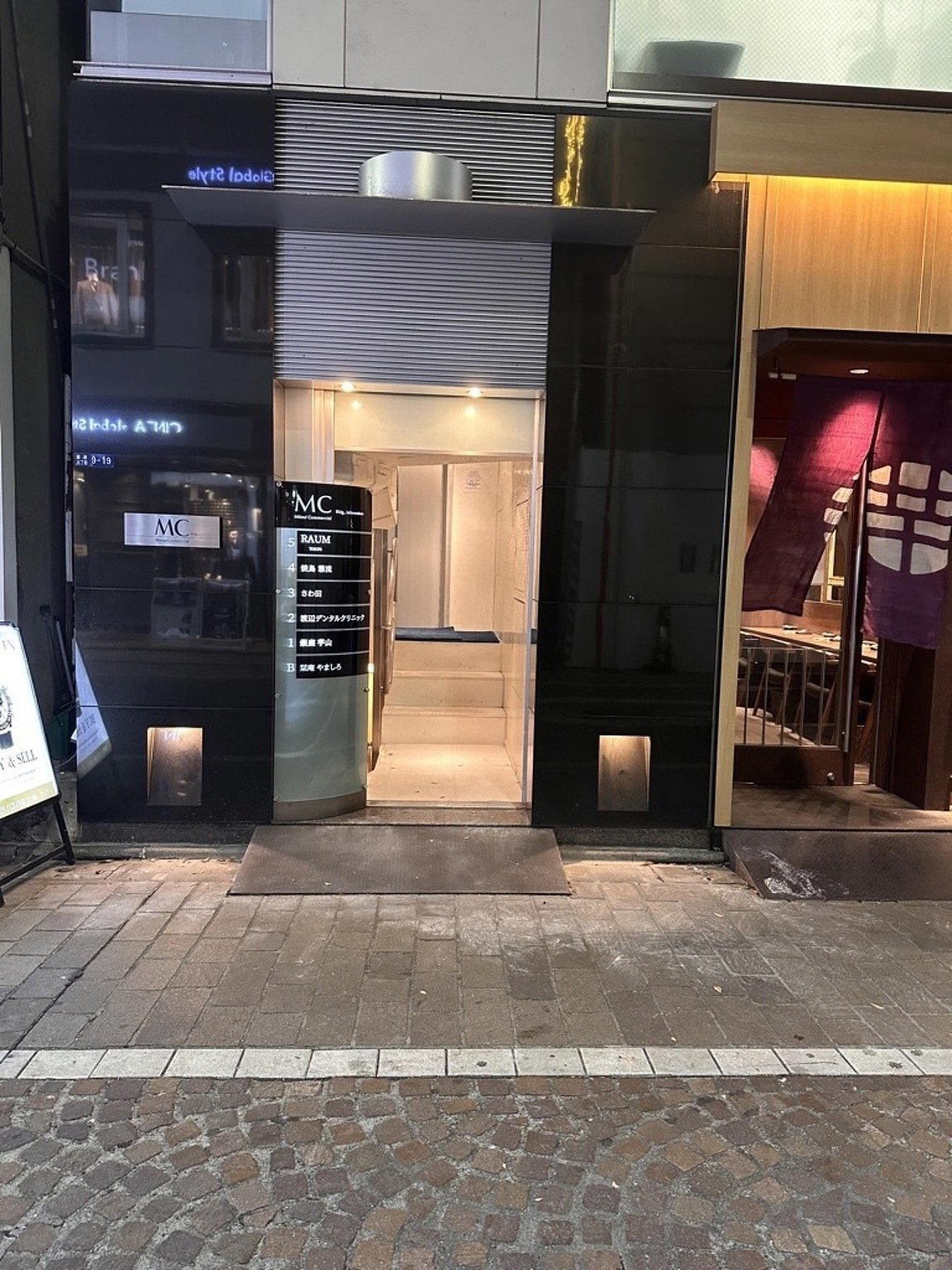
Fukamachi is closed every Monday. For visitors planning around a specific date, the Sunday closure pattern is worth calculating before booking. The venue is a one-minute walk from Kyobashi Station on the Tokyo Metro Ginza Line, approximately 40 metres from the station exit, which makes access direct from anywhere on the Ginza Line or with a short transfer from Tokyo Station.
Credit cards are accepted. No service charge is added. The dress code is smart casual, and guests should avoid heavy perfume.
How Fukamachi Compares in Tokyo's Tempura and Fine Dining Tiers
| Venue | Category | Price Tier | Key Credential |
|---|---|---|---|
| Tempura Kondo | Tempura | ¥¥¥¥ | Michelin 2 Stars |
| Fukamachi | Tempura | ¥¥¥ | Michelin 1 Star, Tabelog 4.12, OAD #209 Japan |
| Tempura Ginya | Tempura | ¥¥¥ | Tabelog recognition |
| Tempura Motoyoshi | Tempura | ¥¥¥ | Tabelog recognition |
| Den | Innovative Japanese | ¥¥¥ | Michelin 2 Stars |
Tokyo Tempura in Regional Context
Tempura as a serious counter format is not confined to Tokyo. Numata in Osaka represents the Kansai school of the form, with different regional sourcing and a slightly different frying tradition. Mudan Tempura in Taipei shows how the Edomae format has extended across the region, with local ingredient adaptations. Within Tokyo's kaiseki and traditional dining scene, related precision-led counters include Edomae Shinsaku and Seiju, which operate in adjacent traditional Japanese categories.
For visitors building a wider Japan itinerary, the EP Club guides cover HAJIME in Osaka, Gion Sasaki in Kyoto, akordu in Nara, Goh in Fukuoka, 1000 in Yokohama, and 6 in Okinawa. Tokyo planning resources include
A Minimal comparable set
Comparable venues nearby, for context on price, style, and recognition.
| Venue | Cuisine | Price | Notes |
|---|---|---|---|
| FukamachiThis venue — the venue you are viewing | Chūō, Edo-mae Tempura Omakase | $$$ | Not listed |
| Ginza Toyoda | Chūō, Michelin-Starred Kaiseki | $$$$ | Not listed |
| Seisoka | Minato, Traditional Kaiseki | $$$$ | Not listed |
| Shimbashi Sasada | Minato, Kappo-Style Japanese Cuisine | $$$$ | Not listed |
| Daigo | Minato, Shojin Ryori Kaiseki | $$$$ | Not listed |
| Nogizaka Shin | Not listed | $$$$ | Minato, Modern Kaiseki with Wine Pairings |
Recognition history
Dated appearances from independent guides and award organizations, with the underlying list record or original source where available.
Michelin 1 Star
Michelin
Opinionated About Dining Top Restaurants in Japan Recommended
Opinionated About Dining
Tabelog Bronze #77
Tabelog
Opinionated About Dining Top Restaurants in Japan Ranked #209
Opinionated About Dining
Tabelog Bronze
Tabelog
Tabelog 100 #58 · No. 58
Tabelog · Tabelog 100 - Tempura - 2025
Michelin 1 Star
Michelin
Opinionated About Dining Top Restaurants in Japan Ranked #196
Opinionated About Dining
Opinionated About Dining Top Restaurants in Japan Highly Recommended
Opinionated About Dining


At a Glance
- Elegant
- Intimate
- Sophisticated
- Special Occasion
- Date Night
- Chefs Counter
- Open Kitchen
- Sake Program
Current opening hours
- Monday
- Closed
- Tuesday
- 11:30 AM–2 PM, 5–7:30 PM
- Wednesday
- 11:30 AM–2 PM, 5–7 PM, 7:30–10 PM
- Thursday
- 11:30 AM–2 PM, 5–7 PM, 7:30–10 PM
- Friday
- 11:30 AM–2 PM, 5–7 PM, 7:30–10 PM
- Saturday
- 12–2 PM, 5–7 PM, 7:30–10 PM
- Sunday
- 12–2 PM, 5–7:30 PM
Hours can change for holidays and private events. Last verified .
Refined counter seating with warm, welcoming service focused on the chefs' meticulous frying process.