


A two-Michelin-star tempura counter in Shirokanedai where chef Katsuji Ginya has spent decades perfecting high-heat frying and seasonal ingredient selection. Among Tokyo's most decorated specialists in the form, Ginya holds a consistent position in the Opinionated About Dining Japan rankings alongside peers such as Tempura Kondo and Tempura Motoyoshi. Open Tuesday through Saturday for evening service only.
Pearl is the En Primeur Club membership app — saves, bookings, and concierge access live there. Same editors, same standards.
- Address
- 5 Chome-17-9 Shirokanedai, Minato City, Tokyo 108-0071, Japan
- Phone
- +81 3-5422-7612
- Website
- tempura-ginya.com
- Directions
- Get directions
 Saves & bookings on Pearl
The Counter That Keeps Its Regulars Silent
Tokyo's tempura specialist circuit has a particular rhythm. At its upper tier, counters operate on the same principle as the city's leading sushi bars: limited seats, single-session evenings, and a format that rewards familiarity over first-timer curiosity. Tempura Ginya, located in Shirokanedai in Minato ward, has occupied that tier long enough to accumulate a two-Michelin-star rating. What the numbers describe is a counter that regulars already understood before the guides caught up.
Shirokanedai sits between Meguro and Hiroo, a neighbourhood of quiet residential streets, embassies, and the kind of low-footfall restaurants that don't need passing trade. The area shares a postal code with some of Tokyo's more serious kaiseki addresses, and it attracts a dining public that treats repetition as a compliment rather than a lack of imagination.
What the Form Demands
Tempura at the specialist level is among the more technically demanding cooking formats in Japan, and the least forgiving in terms of public perception. Sushi counters have built a global following; kaiseki has attracted serious documentary attention. Tempura remains the quiet craftsman's discipline, where reputation travels by word of mouth and the margin between good and notable is measured in seconds of fry time and fractions of batter density.
The Ginya approach centres on high-heat frying to draw out moisture and concentrate the flavour of the ingredient itself. Batter thickness and flame temperature are adjusted continuously through service, not set once at the beginning of the evening. Creative embellishment is explicitly set aside. The philosophy places the form in a tradition of restraint that runs through the serious end of Japanese craft cooking, from the counter at Tempura Motoyoshi to the kaiseki discipline at houses like Gion Sasaki in Kyoto. The goal in each case is the same: remove the chef's ego from the path between ingredient and diner.
Within Tokyo's tempura peer group, that approach places Ginya alongside Fukamachi and Seiju. Two Michelin stars in this category signal technical consistency, not innovation, which is precisely the point.
The Interior as an Argument
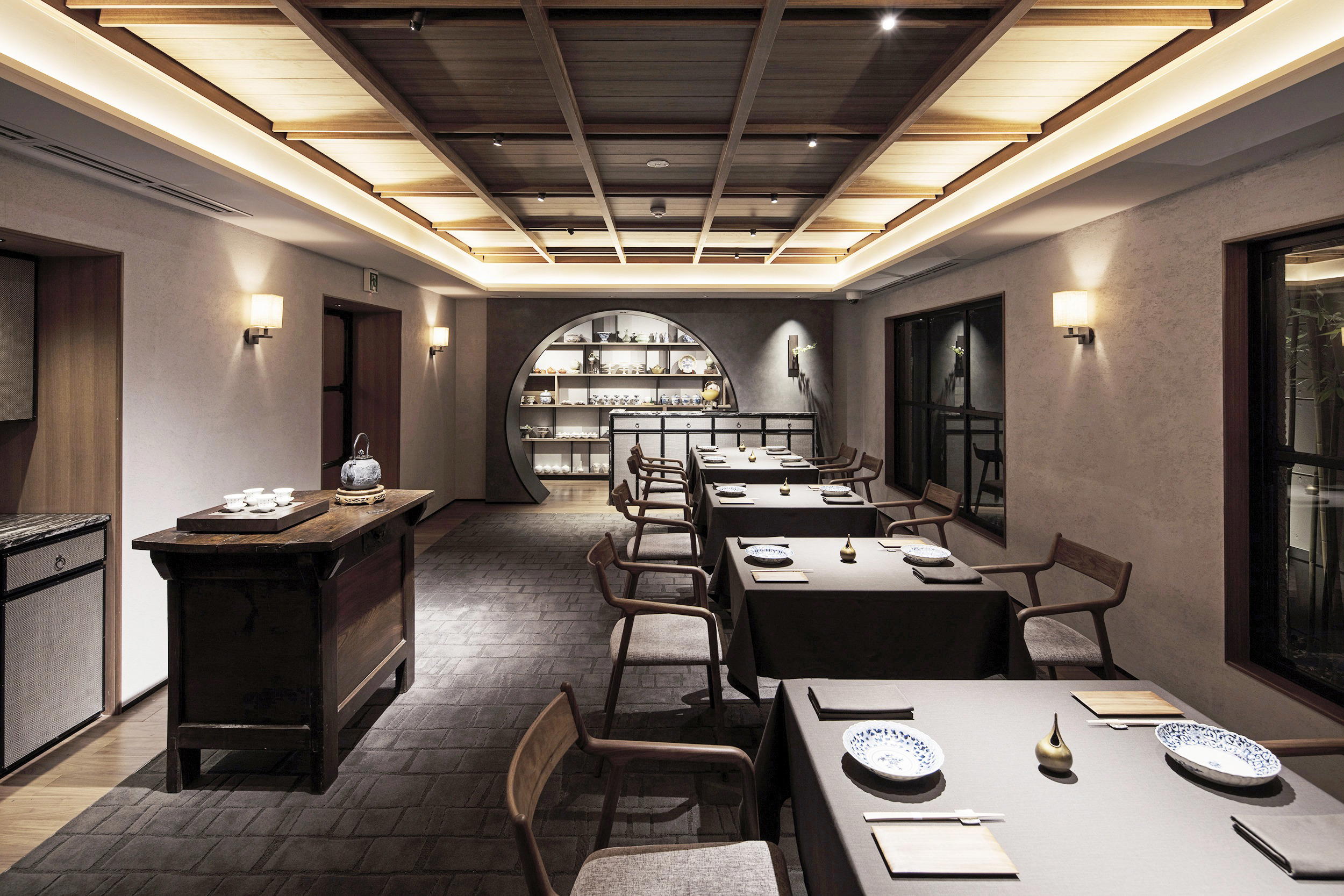
The room at Ginya was constructed by a traditional Japanese tea-house carpenter. That fact matters more than it might appear. Tea-house carpentry is a specific discipline within Japanese craft traditions, one concerned with proportion, material honesty, and the creation of spaces that encourage a particular kind of attention. It is not decorative work; it is architectural framing for concentrated experience.
In a city where high-end restaurants sometimes use interior design as a competitive signal, a tea-house-derived space makes an argument about priorities. The room is meant to disappear behind the cooking, not to compete with it. This is consistent with the wider ethos at the counter: the craft is the spectacle, and the setting supports rather than performs.
Regulars at this type of counter tend to read the room accurately. The absence of innovation on the menu is not a limitation for them; it is the reason they return.
The Regulars' Logic
At a counter operating Monday and Thursday through Sunday with a single evening session running from 6:30 to 9 pm, the clientele self-selects toward commitment. There is no casual drop-in option, no second sitting for those who arrive late. The format enforces a particular kind of guest, and the guest base that forms around those conditions tends to be both loyal and demanding in the quietest possible sense.
For regulars at Ginya, the value of return visits lies in what seasonal change reveals within a fixed framework. The same high-heat technique applied to spring vegetables produces different results than it does to autumn seafood. The batter is adjusted; the oil temperature shifts with the ingredient. What appears from the outside as repetition is, from inside, a sequence of variations on a theme that rewards accumulated experience. This is the logic that sustains the leading specialist counters in Japan, from tempura houses in Tokyo to the kaiseki tradition in Kyoto, and it explains why the OAD ranking at Ginya reflects diner loyalty as much as critical assessment.
Comparison venues in Tokyo's ¥¥¥¥ tier, including sushi addresses like Harutaka and kaiseki destinations like RyuGin, operate on a similar premise of return visits being more revealing than first encounters. What distinguishes Ginya within that peer group is the narrowness of its focus. Unlike a kaiseki counter that rotates through multiple disciplines, or a French restaurant like Edomae Shinsaku that balances tradition and adaptation, the tempura specialist offers a single lens ground fine over a long career.
Tokyo's Tempura Geography
Tokyo holds a concentration of serious tempura counters unmatched anywhere, a function of the city's deep investment in craft specialisation across every culinary format. The tradition traces to the Edo period, when tempura was street food sold from stalls along the river, and the trajectory from stall to two-star counter is one of the more instructive arcs in Japanese culinary history. For regional comparison, Numata in Osaka represents how the form has travelled and adapted, while Mudan Tempura in Taipei reflects how it has been received and reinterpreted in markets beyond Japan.
Within Tokyo, the Shirokanedai address positions Ginya away from the Ginza cluster where several high-profile tempura counters have historically concentrated. That geographic separation suits the counter's character. It draws guests who make a specific choice to travel to Minato ward rather than those browsing a dense dining strip. The neighbourhood dynamic reinforces the regulars' logic: you go because you decided to go, not because you happened to pass by.
Planning Your Visit
Tempura Ginya operates Tuesday through Saturday, with a single evening session from 6:30 pm to 9 pm. It is closed on Mondays and Sundays. The price tier is ¥¥¥¥, placing it at the premium end of Tokyo's specialist counter market, consistent with its Michelin two-star standing.
Quick reference: Tempura Ginya, 5 Chome-17-9 Shirokanedai, Minato City, Tokyo. Tuesday to Saturday, 6:30 pm to 9 pm. Michelin two stars (2025). ¥¥¥¥.
The Short List
Comparable venues nearby, for context on price, style, and recognition.
| Venue | Cuisine | Price | Notes |
|---|---|---|---|
| Tempura GinyaThis venue — the venue you are viewing | Minato, Michelin-Starred Tempura Omakase | $$$$ | Not listed |
| Sukiyabashi Jiro Roppongiten | Not listed | $$$$ | Minato, Traditional Japanese Omakase Sushi |
| Nishiazabu Sushi Shin | Minato, Edomae Omakase Sushi | $$$$ | Not listed |
| Sukiyabashi Jiro | Chūō, Edomae Omakase Sushi | $$$$ | Not listed |
| Kioicho Fukudaya | Chiyoda, Traditional Kaiseki | $$$$ | Not listed |
| Hakuun | Minato, Modern Kaiseki Omakase | $$$$ | Not listed |
Recognition history
Dated appearances from independent guides and award organizations, with the underlying list record or original source where available.
Michelin 1 Star
Michelin
Opinionated About Dining Top Restaurants in Japan Recommended
Opinionated About Dining
Opinionated About Dining Top Restaurants in Japan Ranked #309
Opinionated About Dining
Tabelog 100 #38 · No. 38
Tabelog · Tabelog 100 - Tempura - 2025
Opinionated About Dining Top Restaurants in Japan Ranked #241
Opinionated About Dining
Opinionated About Dining Top Restaurants in Japan Highly Recommended
Opinionated About Dining









At a Glance
- Minimalist
- Quiet
- Elegant
- Intimate
- Sophisticated
- Special Occasion
- Date Night
- Chefs Counter
- Open Kitchen
- Sake Program
- Local Sourcing
- Sustainable Seafood
- Farm To Table
Current opening hours
- Monday
- 6:30–9 PM
- Tuesday
- Closed
- Wednesday
- Closed
- Thursday
- 6:30–9 PM
- Friday
- 6:30–9 PM
- Saturday
- 6:30–9 PM
- Sunday
- 6:30–9 PM
Hours can change for holidays and private events. Last verified .
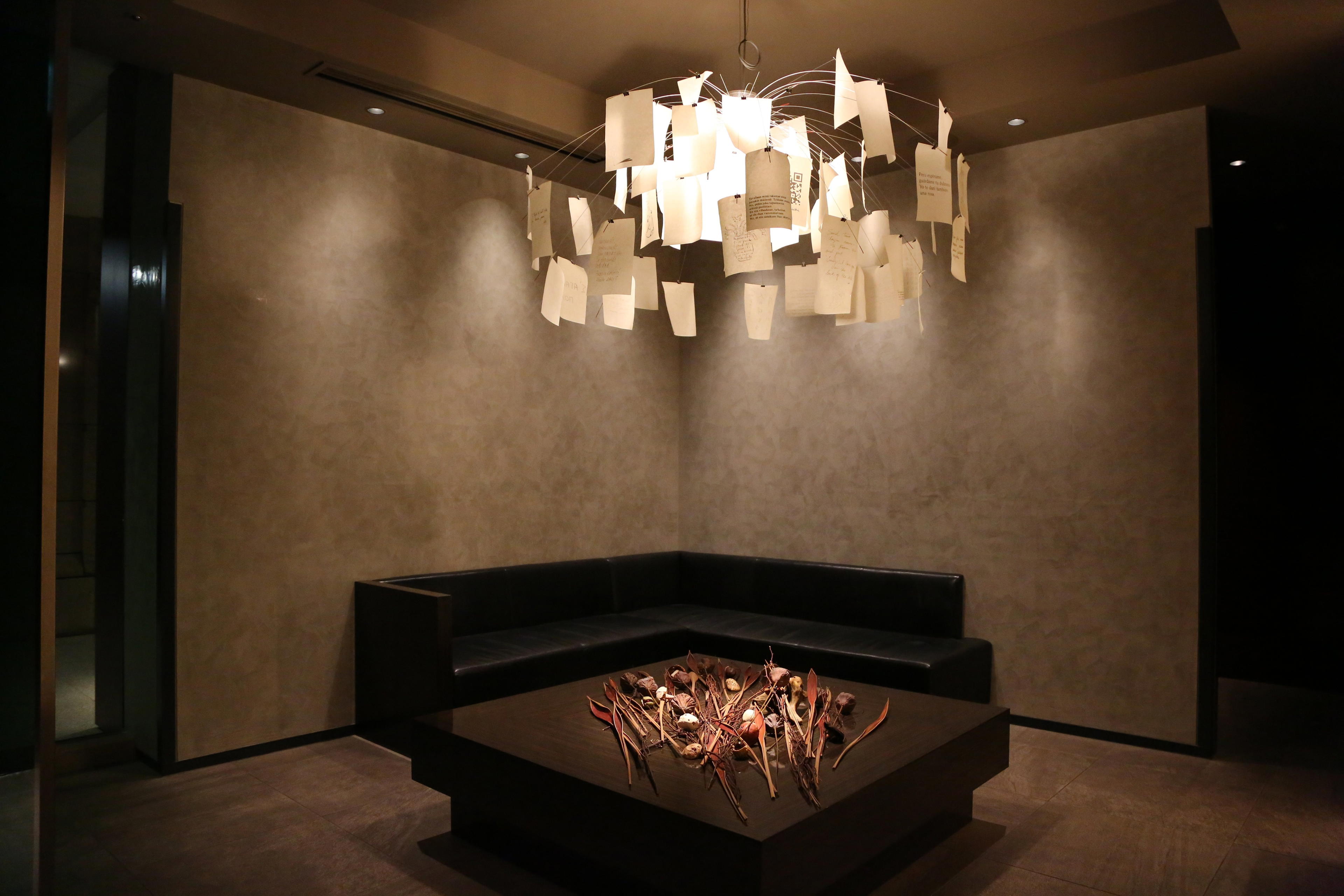
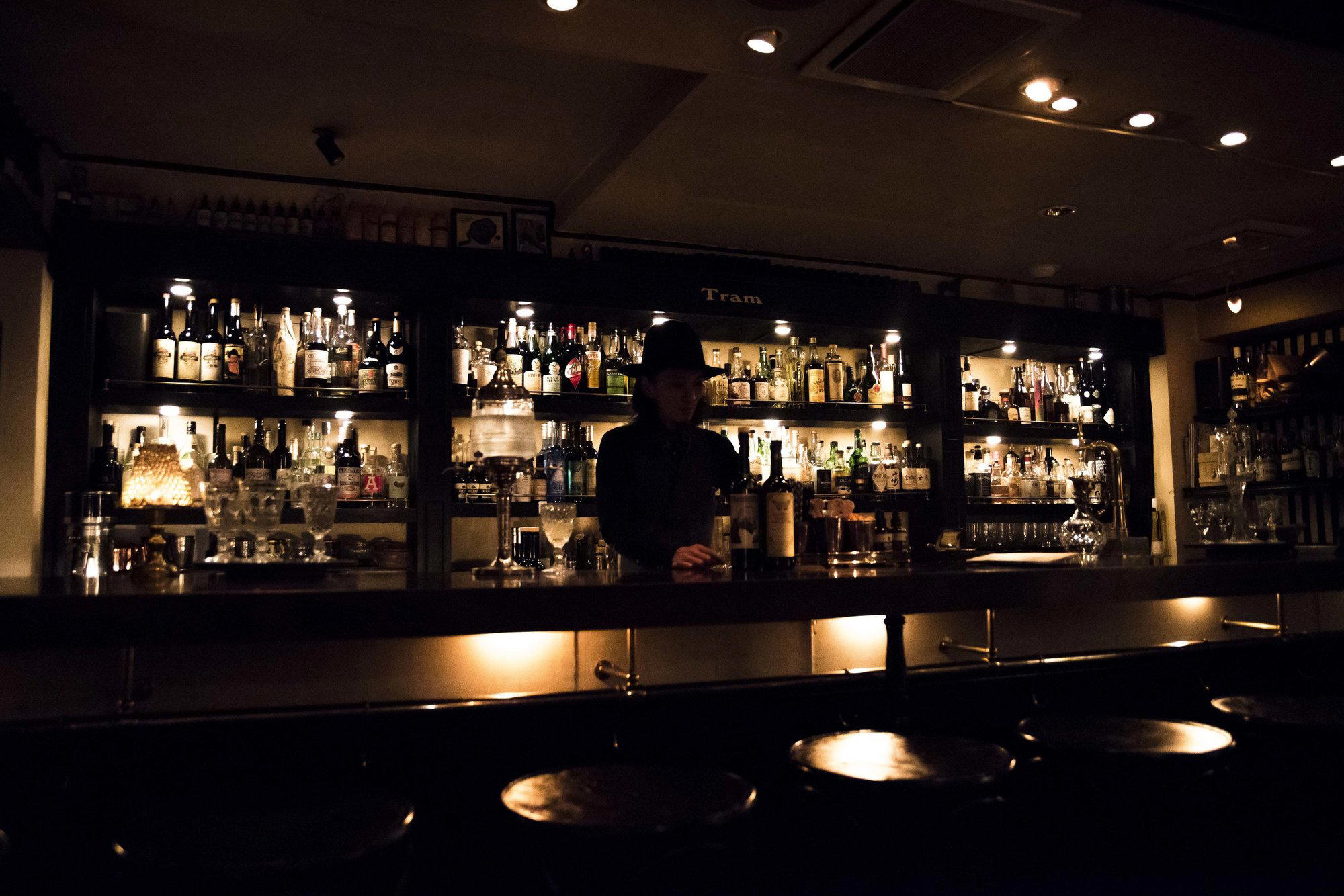
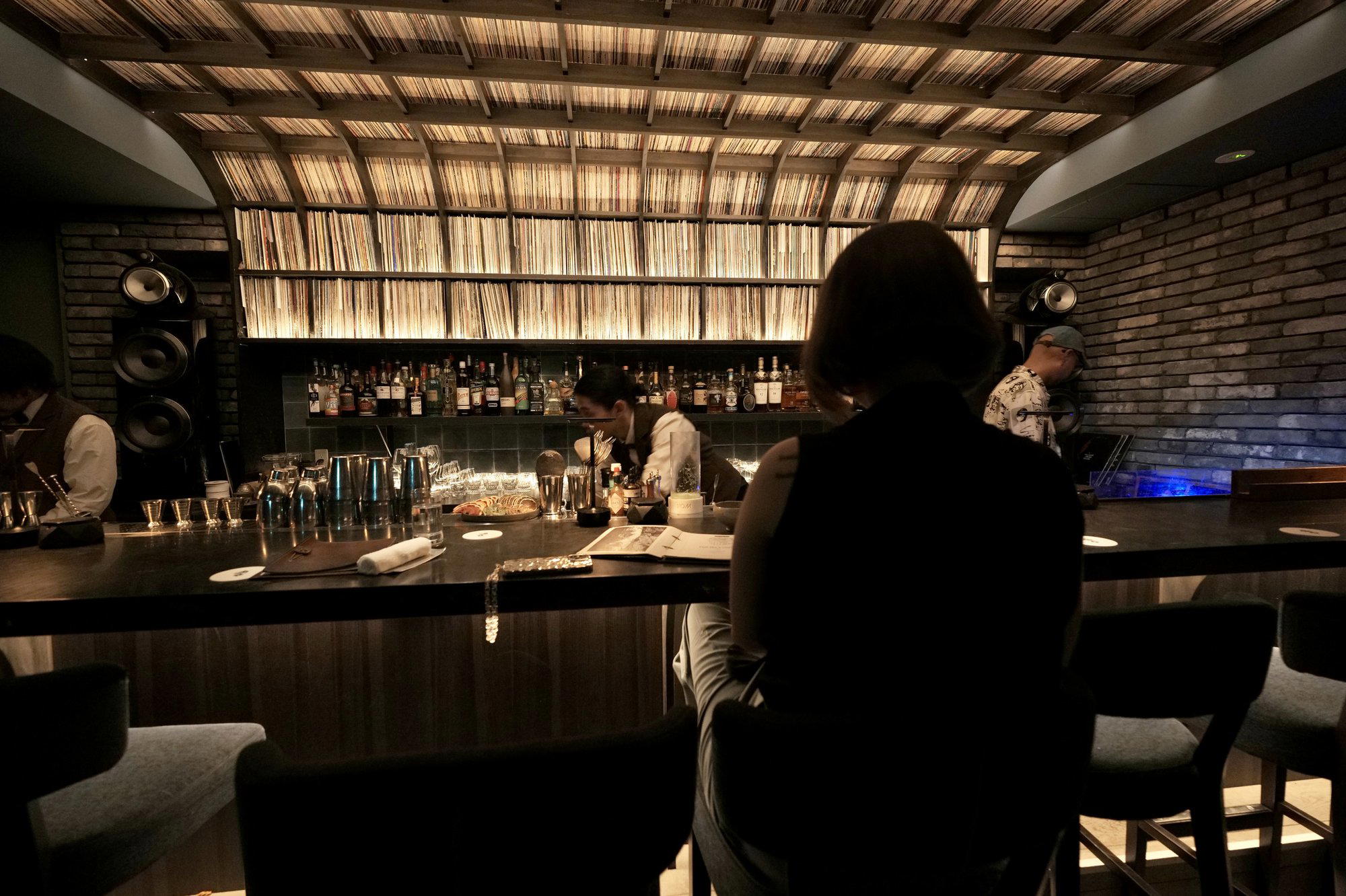
Serene, understated elegance with soft lighting and rounded architectural details; a hidden basement sanctuary with an L-shaped counter for eight, accented by seasonal flower arrangements and calligraphy art.