

Akita Tempura Mikawa has held the Tabelog Bronze Award every year from 2019 through 2026, placing it among the more consistently recognised tempura counters outside Japan's major cities. Operating from a 12-seat room in Akita's Omachi district, the kitchen under chef Hisao Ogawa applies classical frying technique to the fish and produce of Akita Prefecture, scoring a 4.27 on Tabelog with dinner running JPY 15,000 to 19,999.
Pearl is the En Primeur Club membership app — saves, bookings, and concierge access live there. Same editors, same standards.
- Address
- 4 Chome-4-4 Omachi, Akita, 010-0921, Japan
- Phone
- +81 18-807-4627
- Website
- akitamikawa.com
- Directions
- Get directions
 Saves & bookings on Pearl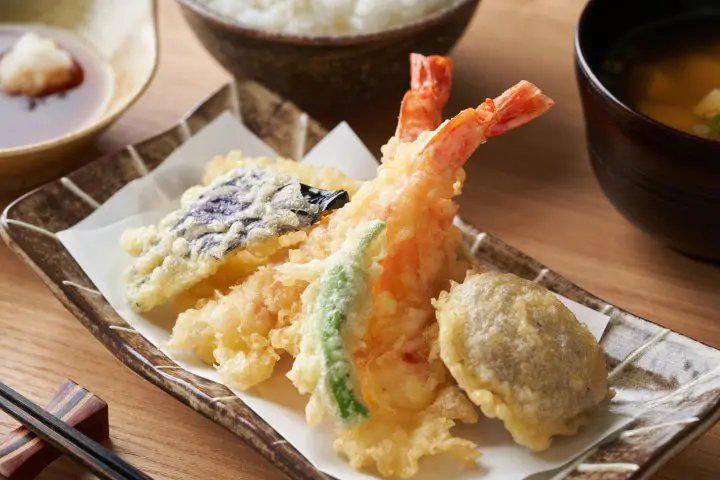
Tempura Beyond the Capital: Akita's Counter-Argument
Akita Tempura Mikawa is a restaurant in Akita, Japan, serving Edomae Tempura Omakase. Japan's premium tempura scene has long mapped almost entirely onto Tokyo, with the capital's established counters, from the zen minimalism of Tempura Kondo to the seasonal precision of Tempura Motoyoshi, setting the reference points against which everything else is measured. The emergence of award-holding counters in provincial cities represents a quiet but meaningful shift: classical frying technique is no longer the exclusive property of Ginza or Nihonbashi. In Akita, the prefectural capital of a region better known for its rice paddies, sake breweries, and cold-water fisheries than its fine dining scene, Akita Tempura Mikawa has built a record that demands attention on its own terms.
The setting signals what Tokyo visitors might call a "house restaurant" format: intimate, away from the high-traffic dining corridors, with a counter of eight seats at its centre and a tatami room that accommodates two to six guests. Twelve seats total. The physical compression is intentional, at this scale, the frying sequence and the source conversation happen simultaneously, with no buffer zone between kitchen and diner.
Eight Years of Consecutive Recognition
Akita Tempura Mikawa has held the Tabelog Bronze Award in every cycle from 2019 through 2026, eight consecutive years, and earned selection for the Tabelog Tempura "Hyakumeten" (Top 100) in 2022, 2023, and 2025. Its Tabelog score sits at 4.27, with a ranking of 273rd nationally across all categories in the 2026 assessment. To contextualise that number: Tokyo's most decorated sushi counters, like Harutaka (three Michelin stars), operate in a city with the highest density of reviewed restaurants in the country. A 4.27 earned in Akita, where the competitive pool is smaller but the reviewer base is also less concentrated, represents genuine sustained quality rather than a statistical outlier.
Among Japan's broader regional dining circuit, the award profile places Mikawa in a tier occupied by venues that receive national-level recognition without relying on urban food media cycles. Compare this to the kind of editorial attention that attaches to, say, Gion Sasaki in Kyoto or HAJIME in Osaka, places where the city itself generates discovery traffic. Mikawa earns its recognition from diners and reviewers who make deliberate decisions to travel to Akita, which speaks to demand quality rather than footfall volume.
Local Ingredients, Classical Frying
The editorial angle that most accurately frames what Mikawa represents is the intersection of imported craft and indigenous product. Tempura as a technique arrived in Japan via Portuguese influence in the sixteenth century and was refined through centuries of Edo-period street food culture before ascending to the counter-dining format it occupies today. The methodology, batter composition, oil temperature management, frying sequence by ingredient, is transmitted through training lineages, not improvised locally. Chef Hisao Ogawa operates within that transmission. What changes at a regional counter like this one is the ingredient argument: the prefecture's fishing grounds and agricultural land become the material through which classical technique gets expressed.
Akita Prefecture's food geography is genuinely distinctive. The prefecture borders the Sea of Japan, producing cold-water species, hatahata (sandfish), which has defined Akita's culinary identity for centuries, alongside various seasonal fish and shellfish, that don't appear on Tokyo counter menus with any regularity. Akita's rice agriculture supports sake production of national significance, and the agricultural interior yields mountain vegetables (sansai) and fungi that change materially with the seasons. The Tabelog record notes the kitchen's attention to fish sourcing specifically. At a tempura counter, where batter work and oil temperature are prerequisites rather than differentiators, the ingredient selection is where the editorial statement gets made. Using Akita's coastal catch and seasonal produce inside a formally trained tempura framework is the kind of regional specificity that Tokyo-based counters, Tempura Ginya, Fukamachi, can approximate but not replicate.
For international visitors exploring how classical Japanese techniques translate outside the capital, the comparison extends geographically: Mudan Tempura in Taipei and Numata in Osaka represent tempura's spread across different ingredient contexts. Mikawa's position is specifically defined by Akita's cold-climate, Sea of Japan provenance, a different ingredient palette from Osaka's inland market access or Taipei's subtropical sourcing.
Format, Pricing, and Practical Considerations
Dinner runs Monday, Tuesday, Thursday, and Friday from 18:00 to 21:30. Saturday carries both a lunch service (12:00 to 14:00, reservation required by the previous day) and an evening service (18:00 to 21:30, with same-day reservations accepted up to a 19:00 last seating). Wednesday and Sunday are closed. Irregular closures occur; the restaurant's website at akitamikawa.com carries current scheduling. Reservations are available and recommended for a 12-seat room. The phone number is 018-807-4627.
Pricing sits at JPY 15,000 to 19,999 for both lunch and dinner based on listed averages, though review-based data suggests some dinner visits run higher, toward JPY 20,000 to 29,999. A 10% service charge applies. Major credit cards are accepted (VISA, Mastercard, JCB, AMEX, Diners). Electronic money and QR code payment are not accepted. There is no on-site parking; paid parking nearby is the practical alternative. The counter seats eight; the tatami room with sunken seating accommodates two to six. Private room configurations are available for groups of two, four, or six. Small children are directed to the tatami room rather than the counter.
At about USD 150 per person, the price positions Mikawa in the upper register of the local dining market. For context, Tokyo kaiseki counters like RyuGin or the more experimental French-Japanese crossover format at places like Edomae Shinsaku operate at comparable or higher price points in a significantly more expensive city. In Akita, this price tier represents the upper register of the local dining market. Drinks span nihonshu (sake), shochu, and wine, which in a prefecture with nationally significant sake production carries its own argument for local pairing over imported wine.
Akita as a Dining Destination
The region's food culture has domestic recognition, it doesn't require discovery, but international travel coverage remains thin compared with Kyoto, Osaka, or the more tourist-trafficked prefectures. Diners who extend Japan itineraries toward Tohoku, the northeastern region that includes Akita alongside Yamagata, Iwate, and Aomori, tend to find ingredient-driven restaurant experiences that operate without the pricing pressure or advance booking competition of Tokyo's elite circuits.
Tokyo restaurants, Tokyo hotels, Tokyo bars, Tokyo wineries, and Tokyo experiences cover the capital's reference-point venues. Regional comparisons outside the capital include akordu in Nara, Goh in Fukuoka, 1000 in Yokohama, and 6 in Okinawa, each representing how serious cooking operates outside Tokyo's gravitational pull.
Eight Tabelog Bronze Awards and three Top 100 selections later, it occupies a specific and well-documented position: the recognised tempura counter in a prefecture whose ingredients deserve more serious attention than they currently receive from the international dining press.
Peers Worth Knowing
Comparable venues nearby, for context on price, style, and recognition.
| Venue | Cuisine | Price | Notes |
|---|---|---|---|
| Akita Tempura MikawaThis venue — the venue you are viewing | Edomae Tempura Omakase | $$$$ | Not listed |
| 焼肉 いぶさな | Heritage Wagyu Yakiniku | $$$$ | Shibuya (Yoyogi/Sendagaya) |
| きよ田 離れ | Edomae Sushi Omakase | $$$$ | Ginza |
| Yachiyo | Traditional Japanese Kaiseki | $$$$ | Marunouchi |
| 久丹 | Modern kaiseki "Tokyo washoku" tasting menu | $$$$ | Shintomicho, Chuo |
| Chikuyotei (竹葉亭) | Traditional Edomae Unagi and Kaiseki | $$$ | Ginza |
Recognition history
Dated appearances from independent guides and award organizations, with the underlying list record or original source where available.
Tabelog Bronze #273
Tabelog
Opinionated About Dining Top Restaurants in Japan Ranked #463
Opinionated About Dining
Tabelog 100 #37 · No. 37
Tabelog · Tabelog 100 - Tempura - 2025
Tabelog Bronze
Tabelog
Continue exploring
More in Tokyo
More from Chef Hisao Ogawa
Browse all →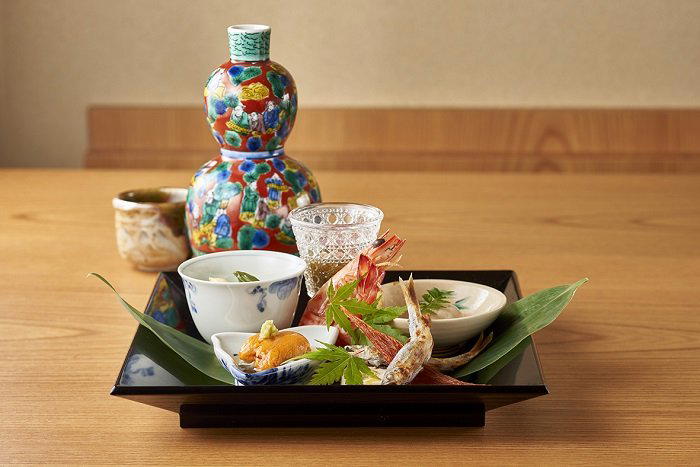
Restaurants in Tokyo
Browse all →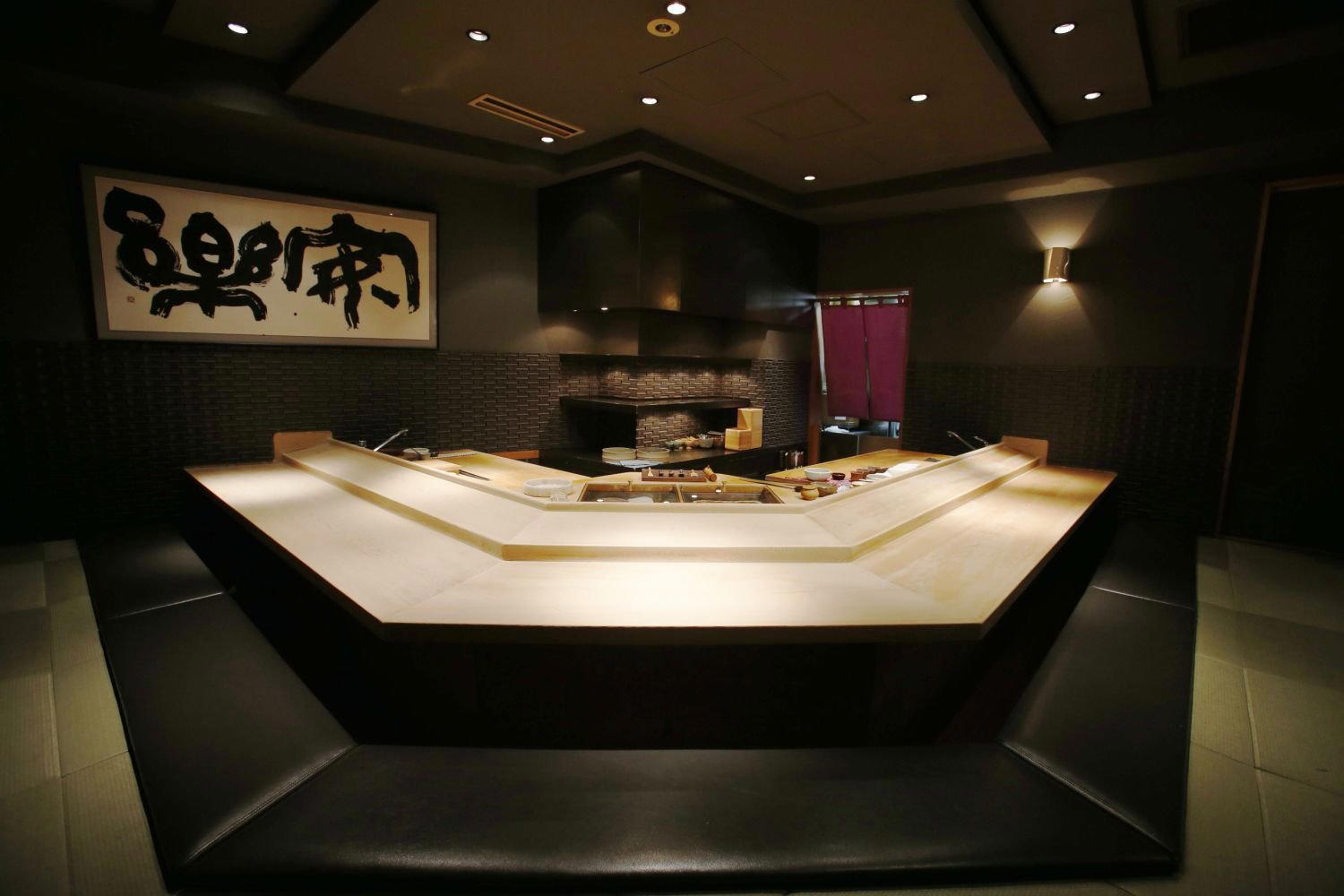
Hotels in Tokyo
Browse all →
At a Glance
- Intimate
- Elegant
- Cozy
- Sophisticated
- Solo
- Business Dinner
- Special Occasion
- Chefs Counter
- Open Kitchen
- Sake Program
- Local Sourcing
Current opening hours
- Monday
- 6–10 PM
- Tuesday
- 6–10 PM
- Wednesday
- 6–10 PM
- Thursday
- 6–10 PM
- Friday
- 6–10 PM
- Saturday
- 12–2 PM, 6–10 PM
- Sunday
- Closed
Hours can change for holidays and private events. Last verified .
Honeyed wood, soft lighting, and the gentle perfume of sesame oil create a serene, understated counter atmosphere like a tea ceremony.