


A Michelin-starred tempura counter in Ningyocho, Chuo Ward, where the frying technique is engineered through the science of desiccation and the Maillard reaction rather than convention. Tabelog Bronze Award winner in both 2025 and 2026, with a score of 4.11 and a dinner price of JPY 20,000 to 29,999. Reservations open on the first of each month for the following three months, via the OMAKASE platform.
Pearl is the En Primeur Club membership app — saves, bookings, and concierge access live there. Same editors, same standards.
- Address
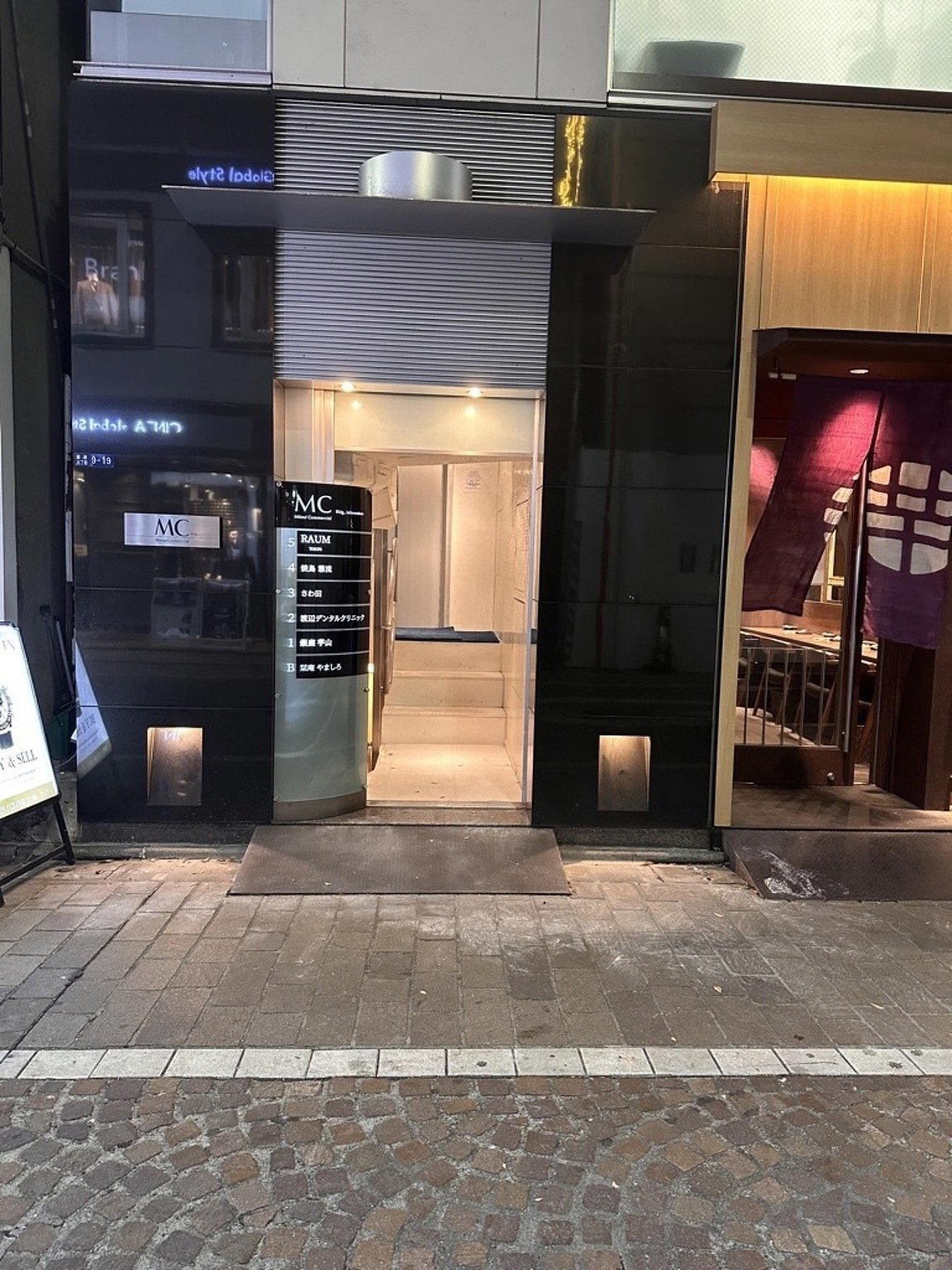
- Japan, 〒103-0013 Tokyo, Chuo City, Nihonbashiningyocho, 2 Chome−10−11 KYOE PLAZA 6F
- Phone
- +81 3-5615-8728
- Website
- shinsaku.tokyo
- Directions
- Get directions
 Saves & bookings on Pearl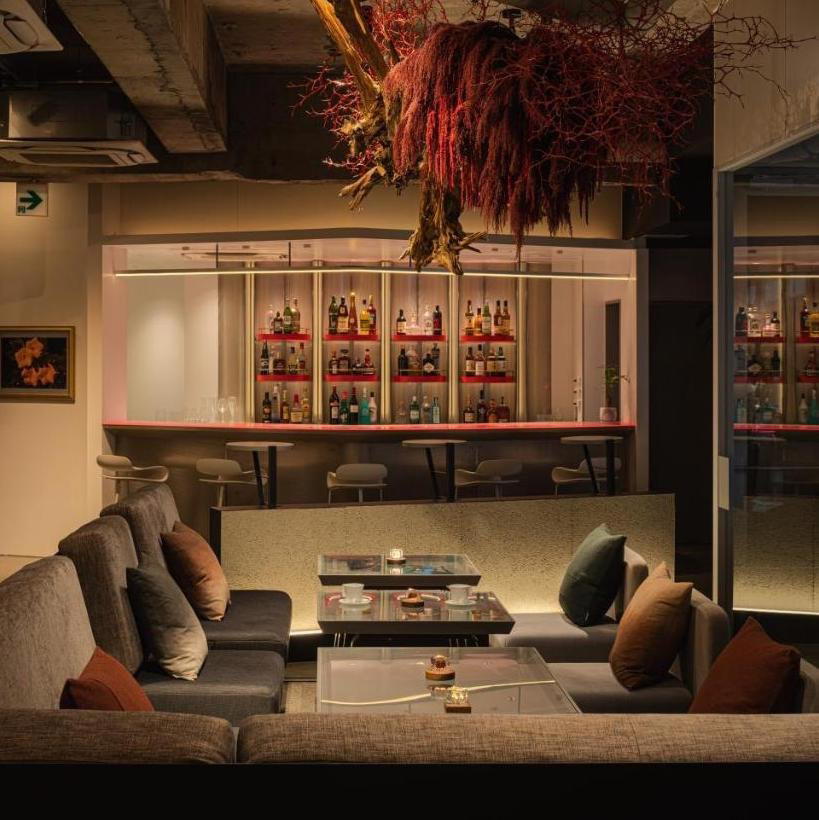
The sixth floor of a nondescript office building in Ningyocho is home to Edomae Shinsaku, a Michelin-starred modern Edo-style tempura counter in Tokyo priced at about US$250 per person. The neighbourhood itself, a low-rise grid of old Edo merchant streets between the Hibiya Line and the Toei Asakusa Line, has none of the gastro-theatre of Ginza or the pedestrian density of Shinjuku. That quietness is part of the context: the counters that matter here tend to attract guests who already know where they are going, and entry at 19:00 sharp, the session does not begin until all guests are seated, reinforces the sense of collective ritual before a single piece is fried.
Tempura as Applied Science
Tokyo's premium tempura scene has, over the past decade, fractured into two broad tendencies. One group works within the classical Edo-mae idiom, light batter, cold water, minimal oil contact, while a smaller cohort has begun treating the fry as a technical problem to solve rather than a tradition to inherit. Edomae Shinsaku sits firmly in the second camp. The approach is grounded in the applied theories of steaming, desiccation, and roasting: fish are rested to shed surface moisture and concentrate umami before they reach the oil; low-temperature frying then desiccates each piece from within; and the batter is pushed toward the Maillard reaction, producing a colour and fragrance that reads closer to grilled than fried.
The result is a counter where the vocabulary of tempura has been deliberately expanded. Pieces arrive with a depth of browning and a structural crispness that differs from what a conventional koro or tendon batter produces. This is not eccentricity for its own sake: the technique is documented and repeatable, and the Tabelog community, which scores conservatively, has placed Edomae Shinsaku at 4.11 across consistent review cycles. That score, in a category as well-populated as Tokyo tempura, carries weight.
One specific element of the service ritual marks the counter as something other than a standard tempura-ya: each piece is handed directly to the guest by the chef, not placed on a rack or paper, but passed by hand, precisely as a sushi-ya would present nigiri. The gesture collapses the distance between cook and diner and reframes each piece as a discrete, time-sensitive object rather than part of a cumulative plate. The pacing that follows from this, one piece, a pause, the next, structures the meal as a sequence of individual decisions rather than a continuous tasting.
Where It Sits in the Tokyo Tempura Tier
Tokyo's Michelin-recognised tempura counters span a wide price and format range. Edomae Shinsaku holds a Michelin star and a Tabelog Bronze Award for 2025 and 2026, placing it in a mid-upper tier that sits below the three-Michelin-star kaiseki operators like Gion Sasaki in Kyoto or the upper-end French houses, but aligns with other technically serious single-category counters in the ¥¥¥ bracket. For comparison: Tempura Kondo and Tempura Motoyoshi operate in the same general tier, while Fukamachi and Tempura Ginya represent adjacent points in Tokyo's tempura competitive set. Seiju rounds out a group of counters worth considering across the same price band.
The Tabelog Tempura 100 selection in both 2023 and 2025 is a separate signal from the Bronze Award and reflects peer evaluation within the tempura category specifically. It is a relatively narrow list, and consecutive appearances carry more information than a single selection. Opinionated About Dining placed the restaurant at rank 502 among Japan's leading restaurants in 2025, a position that situates it in serious company without inflating its relative standing.
Dinner pricing is listed at JPY 20,000 to 29,999, though guests often spend more once beverages are added, since the counter has a specific interest in sake and wine, with the drinks list carefully curated across both categories. American Express is the only credit card accepted; electronic and QR-code payments are not.
The Ritual of the Session
Premium tempura counters share a format logic with omakase sushi: a fixed sequence, counter seating, the chef working directly in front of the guest, and a pace set by the kitchen rather than the diner. That format creates an implicit social contract. Arriving late at the restaurant disrupts it materially, since the session does not start until the full party is present. The dinner service runs Monday through Saturday from 7 to 10 PM, with Sunday closed.
Counter seating is the only configuration available; private rooms are not offered, though the space can be taken for exclusive private use. Solo dining is flagged as a recommended occasion across the review base, a consistent signal that the counter format here reads as genuinely solo-friendly rather than awkward.
The counter holds a specific interest in nihonshu (sake), with the menu described as curated rather than comprehensive. Pairing sake with technically browned, desiccated tempura is a different calculus from pairing with lighter, classical batter, the food's greater aromatic depth and fat presence can sustain richer, aged sake styles. Wine is also available, and given the counter's stated attention to both categories, this is not a perfunctory list.
Ningyocho as Backdrop
The neighbourhood supplies a frame that the sixth-floor counter deliberately sidesteps. Ningyocho retains a density of old Edo craft and food culture: traditional wagashi shops, dried goods dealers, the kind of narrow shopfronts that have been in the same family for generations. The area is quieter than the central dining corridors of Tokyo and draws fewer international visitors than Ginza or Roppongi. Two minutes on foot from Ningyocho Station (Hibiya Line and Toei Asakusa Line) and three minutes from Suitengumae Station (Hanzomon Line) make it direct to reach by subway, even though the building itself offers no parking.
HAJIME in Osaka, akordu in Nara, and Goh in Fukuoka sit within the reach of the same multi-city trip. Closer in, 1000 in Yokohama and 6 in Okinawa represent other nodes in the same award-dense Japanese restaurant network. For tempura specifically, the format travels beyond Japan: Mudan Tempura in Taipei and Numata in Osaka are comparative reference points worth knowing.
Know Before You Go
| Address | KYOE PLAZA 6F, 2-10-11 Nihonbashiningyocho, Chuo-ku, Tokyo 103-0013 |
| Nearest Station | Ningyocho (Hibiya / Toei Asakusa lines), 2 min walk; Suitengumae (Hanzomon Line), 3 min walk |
| Hours | Monday–Saturday 19:00 to 22:00; Sunday closed |
| Price Range | JPY 20,000 to 29,999 (dinner, listed); JPY 30,000 to 49,999 (review-based actual spend) |
| Reservations | Via OMAKASE platform only; window opens on the 1st of each month for the following month; up to 3 months ahead |
| Payment | American Express accepted; electronic money and QR-code payments not accepted |
| Seating | Counter only; no private rooms; full-venue private use available |
| Smoking | Non-smoking |
| Parking | Not available |
| Drinks | Sake (nihonshu) and wine; curated lists in both categories |
| Awards | Michelin 1 Star (2024); Tabelog Bronze 2025 & 2026; Tabelog Tempura 100 (2023, 2025); Tabelog score 4.11; OAD Japan rank 502 (2025) |
| Phone | +81-3-5615-8728 |
Cost Snapshot
Comparable venues nearby, for context on price, style, and recognition.
| Venue | Cuisine | Price | Awards | Notes |
|---|---|---|---|---|
| Edomae ShinsakuThis venue — the venue you are viewing | Chūō, Modern Edo-style Tempura | $$$$ | Michelin 1 Star | Not listed |
| Hyakuyaku by Tokuyamazushi | Not listed | $$$$ | Michelin 1 Star | Minato, Seasonal Game & Fermented Japanese Omakase |
| Sharikimon Onozawa 車力門おの澤 | Not listed | $$$$ | Michelin 1 Star | Shinjuku, Modern Japanese Omakase with Soba |
| Kaiseki Komuro | Shinjuku, Traditional Cha-Kaiseki | $$$$ | Michelin 1 Star | Not listed |
| Tempura Miyashiro | Meguro, Michelin-Starred Tempura | $$$$ | Michelin 1 Star | Not listed |
| Shokuzen Abe | Chūō, Kyoto-style Kappo | $$$$ | Michelin 1 Star | Not listed |
Recognition history
Dated appearances from independent guides and award organizations, with the underlying list record or original source where available.
Michelin 1 Star
Michelin
Opinionated About Dining Top Restaurants in Japan Recommended
Opinionated About Dining
Tabelog Bronze #57
Tabelog
Opinionated About Dining Top Restaurants in Japan Ranked #502
Opinionated About Dining
Tabelog Bronze
Tabelog
Tabelog 100 #24 · No. 24
Tabelog · Tabelog 100 - Tempura - 2025
Michelin 1 Star
Michelin











At a Glance
- Elegant
- Sophisticated
- Intimate
- Modern
- Special Occasion
- Date Night
- Business Dinner
- Chefs Counter
- Sake Program
Current opening hours
- Monday
- 7–10 PM
- Tuesday
- 7–10 PM
- Wednesday
- 7–10 PM
- Thursday
- 7–10 PM
- Friday
- 7–10 PM
- Saturday
- 7–10 PM
- Sunday
- Closed
Hours can change for holidays and private events. Last verified .
Impressive interior in a stylish building with darkwood counter, natural light from glass walls, pleasant and refined atmosphere.