Takohachi occupies a narrow shopfront in Nakagyo Ward, a part of Kyoto where counter dining runs deep and reputation travels by word of mouth rather than review platforms. The venue sits inside a culinary tradition that prizes restraint and repetition over novelty. For visitors building a serious Kyoto itinerary, it belongs on the shortlist alongside the city's established counter and izakaya circuit.
 Discover on Pearl
Pearl is the En Primeur Club membership app — saves, bookings, and concierge access live there. Same editors, same standards.
- Address
- Japan, ã604-8046 Kyoto, Nakagyo Ward, Higashigawacho, 498 æ°äº¬æ¥µè¥¿å ¥ã«, è¸è¬å¸«é
- Phone
- +81752312995
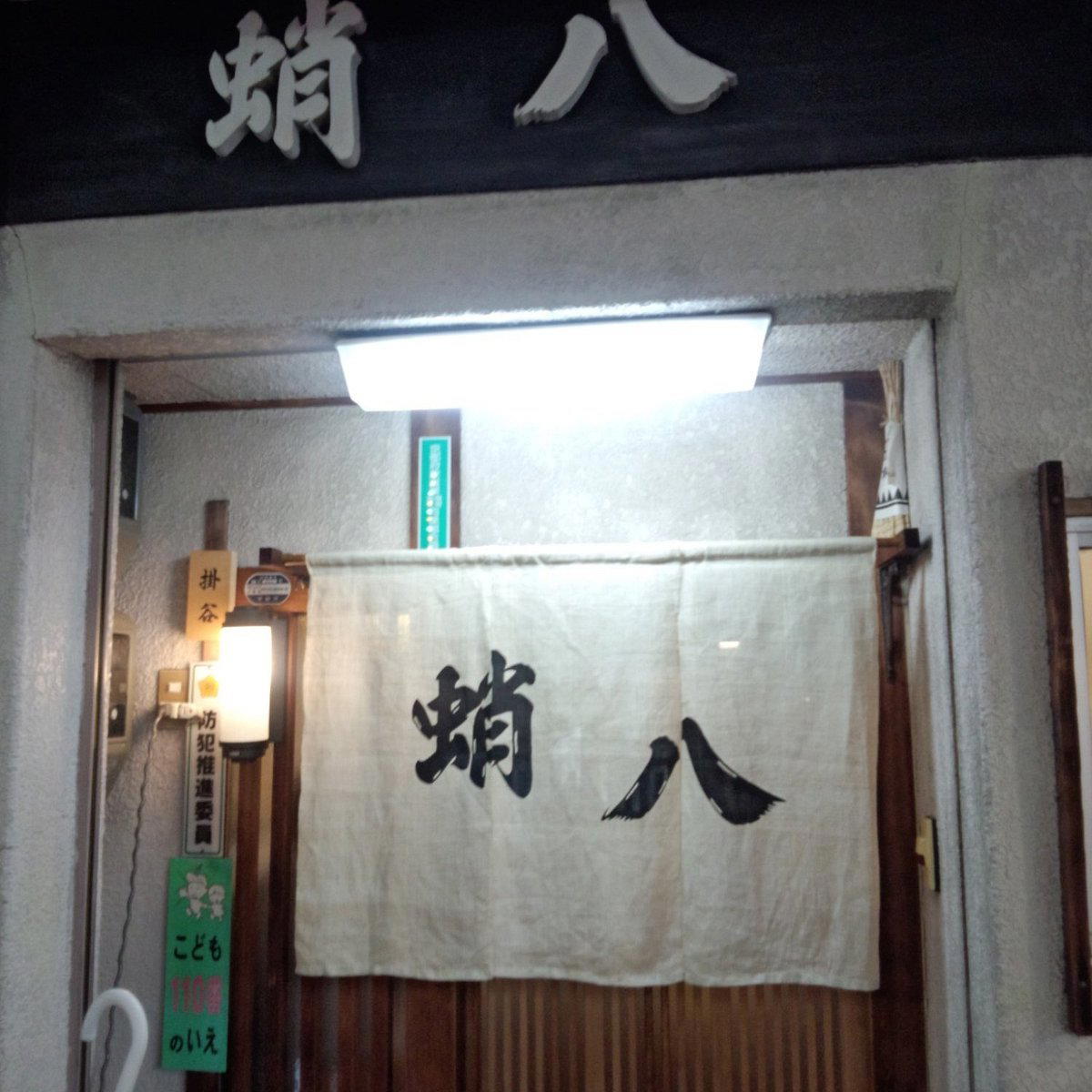
A Street in Nakagyo That Rewards the Unhurried
Nakagyo Ward is not the Kyoto of temple postcards. It is the city's working middle, a dense grid of machiya shopfronts, covered arcades, and side streets where restaurants earn their following over decades rather than press cycles. The address on Higashigawacho, near Karasuma-Gojo, places Takohachi in this quieter register of the dining scene, a few minutes from the commercial spine of Shijo-Karasuma but far enough from the tourist circuit to function on its own terms. The approach along the narrow lane signals what kind of place this is before you reach the door: compact, purposeful, and indifferent to foot traffic.
This part of the city has long supported a particular kind of dining culture, one built around counter seats, seasonal produce sourced through relationships rather than markets, and a room where the kitchen team and the guests occupy the same small space. That format, common across Japan but concentrated with unusual density in Kyoto, creates a dynamic very different from the kaiseki rooms of Gion or the grand tatami settings of establishments like Hyotei or Kikunoi Honten. The exchange is direct, the feedback loop is short, and the performance of cooking is visible.
The Counter as Collaboration
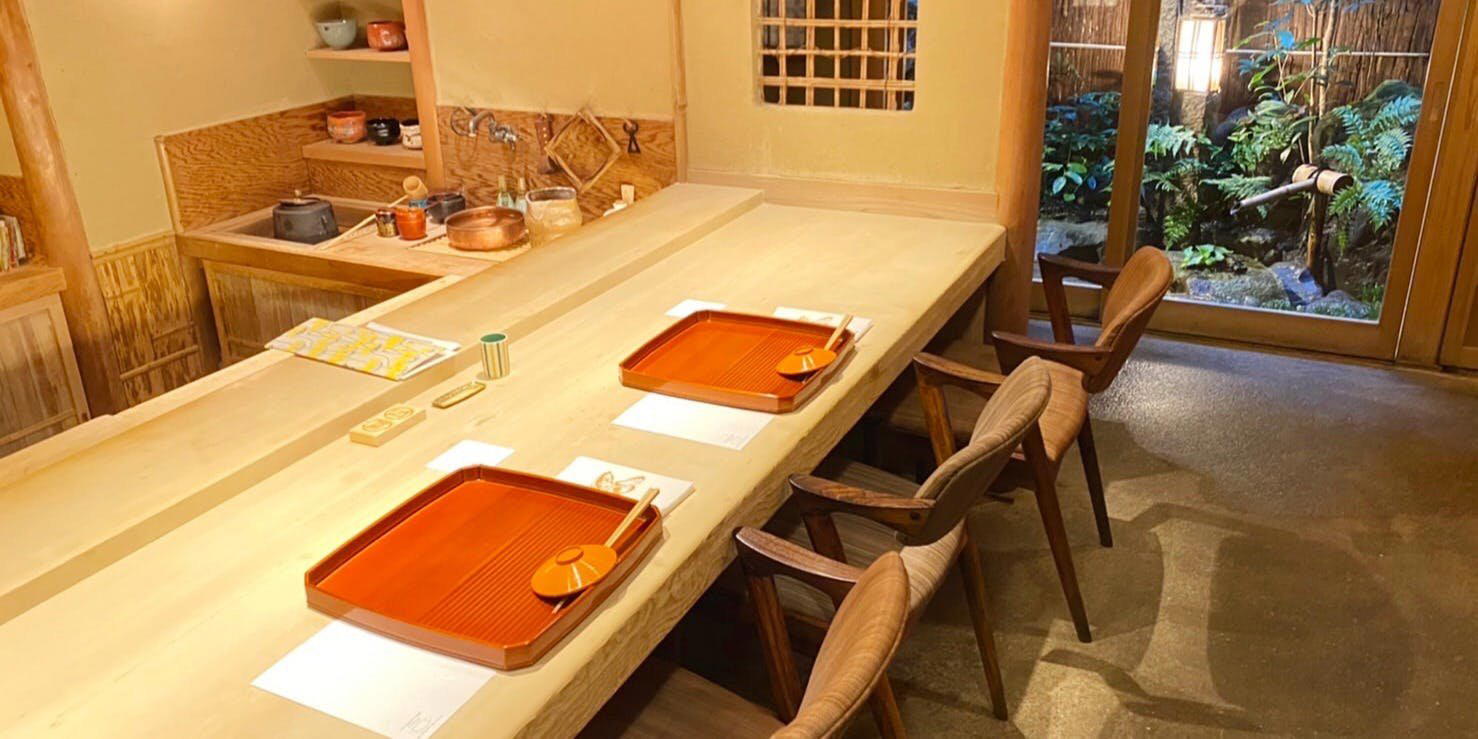
In the counter-dining format that defines places like Takohachi, the division of labour between kitchen and floor is compressed into a single room. There is no wall between the chef and the diner, and there is rarely a sommelier operating as a separate authority. What exists instead is a more distributed kind of hospitality: the person cooking is also reading the table, adjusting pace, watching for cues. The front-of-house role, when it exists as a distinct position, functions as interpreter and liaison rather than gatekeeper.
This collaborative model has deeper roots in Japanese counter culture than it might appear. At the most considered end of this format, across Tokyo counters like Harutaka and in Osaka rooms like HAJIME, the interplay between kitchen output and floor timing is what separates a good meal from a precise one. Takohachi operates within that same tradition, in a city that has been refining it for centuries.
Kyoto's counter and izakaya dining sits in a distinct tier below the kaiseki circuit. Places like Gion Sasaki, Mizai, and Isshisoden Nakamura operate with advance booking windows measured in months, structured multi-course formats, and price points that reflect their Michelin-anchored positioning. Takohachi occupies different ground: neighbourhood scale, informal rhythm, and a clientele built on return visits rather than destination tourism. That is not a lesser category. It is a different one, with its own internal standards.
What the Venue Represents in Kyoto's Dining Structure
Kyoto's food culture is often described in terms of its kaiseki tradition, and that is accurate as far as it goes. But the city also sustains a wide band of smaller, owner-operated counters and izakaya that carry the same commitment to seasonal produce and craft technique without the ceremony or the price architecture of formal kaiseki. These venues rarely appear in international press. They build their reputation through regulars, through chefs who trained nearby and returned, through a version of quality control that is relational rather than institutional.
That pattern appears across the Kansai region and beyond. Comparable dynamics operate at akordu in Nara, which sits at the intersection of local produce and European technique, and at smaller counters in Fukuoka, where Goh represents a more formally recognised version of the same owner-led, counter-first philosophy. In each case, the venue's character is inseparable from its physical constraints: a small room imposes a certain intimacy, and that intimacy shapes how the team operates.
For visitors accustomed to the disclosed-format transparency of contemporary fine dining in the United States, where places like Lazy Bear in San Francisco or Le Bernardin in New York City publish menus and pricing well in advance, the opacity of smaller Japanese counters can feel disorienting. That is consistent with a category of Kyoto dining that operates on referral and reputation, not discoverability.
Planning a Visit: What to Know Before You Go
The venue sits on a lane off Shinkyogoku in Nakagyo Ward, accessible on foot from Karasuma-Oike Station in under ten minutes and roughly fifteen minutes from the Gion area. The Nakagyo location places it within reach of a broader evening circuit that might include a drink in the covered arcades or a walk through the quieter streets toward the Kamo River.
This approach is standard for a certain tier of Kyoto dining, particularly for counters that have not sought wider digital visibility. Similar research dynamics apply to other neighbourhood specialists across the region, from Abon in Ashiya to smaller counters in cities like Sapporo and Akita.
Regional comparison is also useful: Aji Arai in Oita and Akakichi in Imabari represent the same owner-operated counter tradition in smaller Japanese cities, and understanding how that format varies by geography adds depth to any visit to a place like Takohachi. The same applies to Ajidocoro in Yubari District, where the counter format meets a very different regional ingredient base.
A Quick Peer Check
Comparable venues nearby, for context on price, style, and recognition.
| Venue | Cuisine | Price | Awards | Notes |
|---|---|---|---|---|
| è¸å « - TakohachiThis venue — the venue you are viewing | Traditional Kappo | $$ | , | |
| Grill Kodakara (グリル小宝) | Retro Yoshoku (Japanese Western) | $$ | , | Okazaki |
| Daigokuden Honpo Honten | Traditional Japanese Wagashi & Sweets Café | $$ | , | Nakagyō |
| Tachinomi Sharp | Kyoto standing bar for seafood and sake | $$ | , | Shimogyō |
| 3TOKU6MI Shijo karasuma ten | Japanese Izakaya & Oden Standing Bar | $$ | , | Shimogyō |
| GYUKATSU Kyoto Katsugyu Fushimi Inari | Japanese Gyukatsu | $$ | , | Fushimi |
Continue exploring
More in Kyoto
Restaurants in Kyoto
Browse all →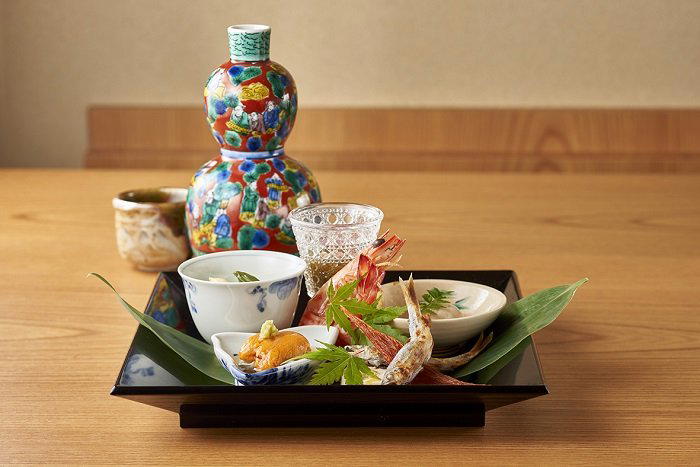
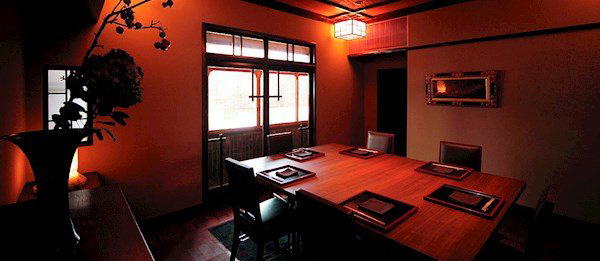
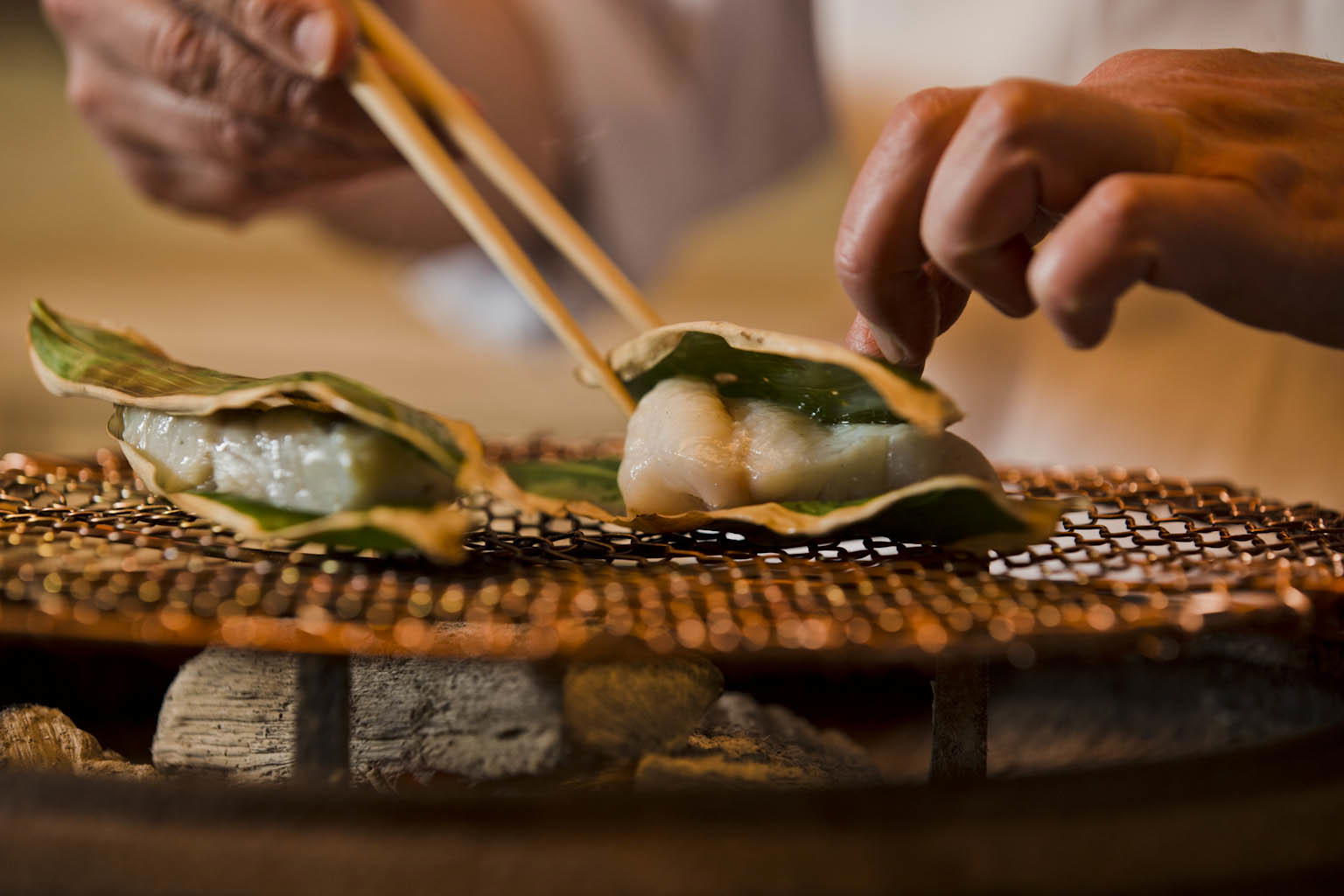
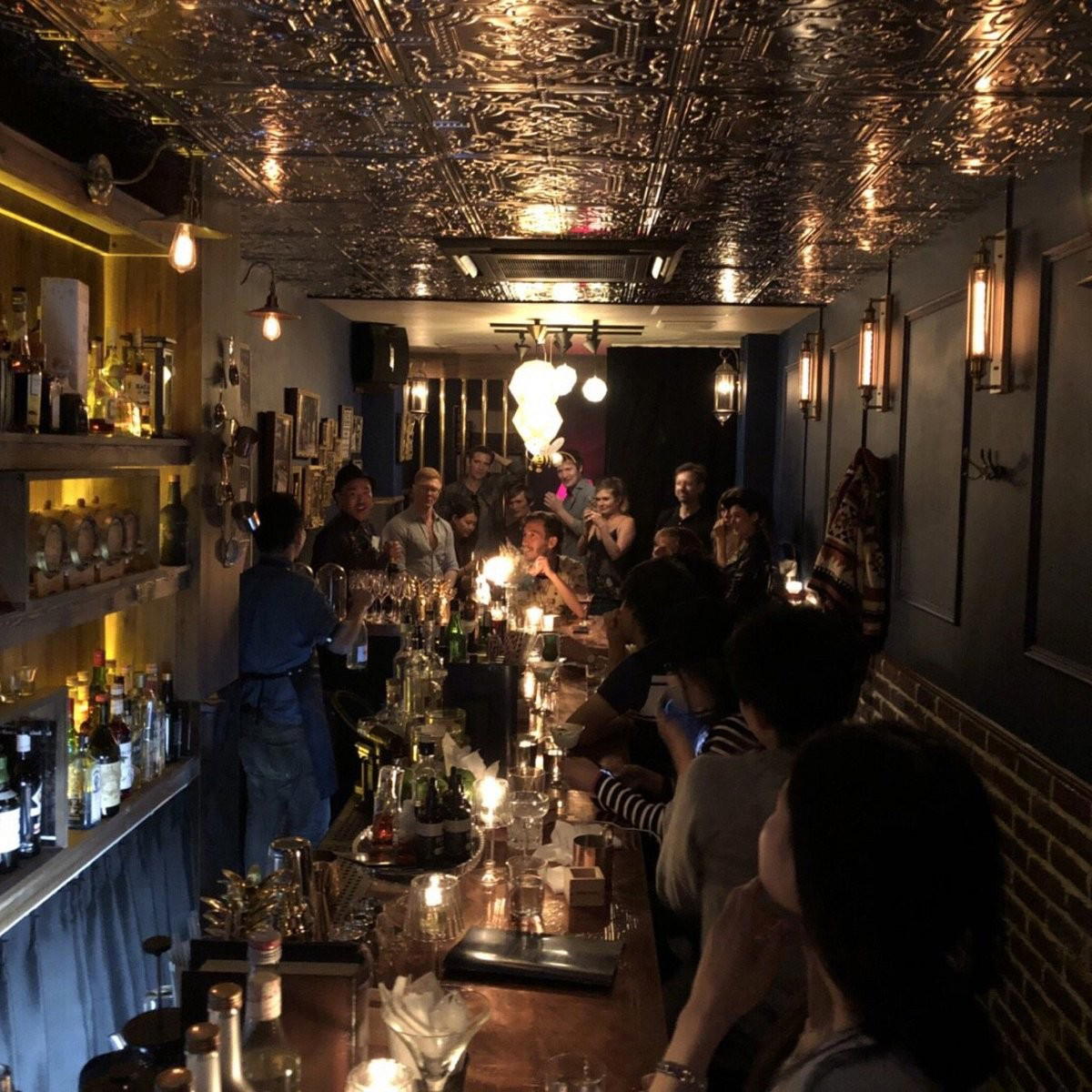
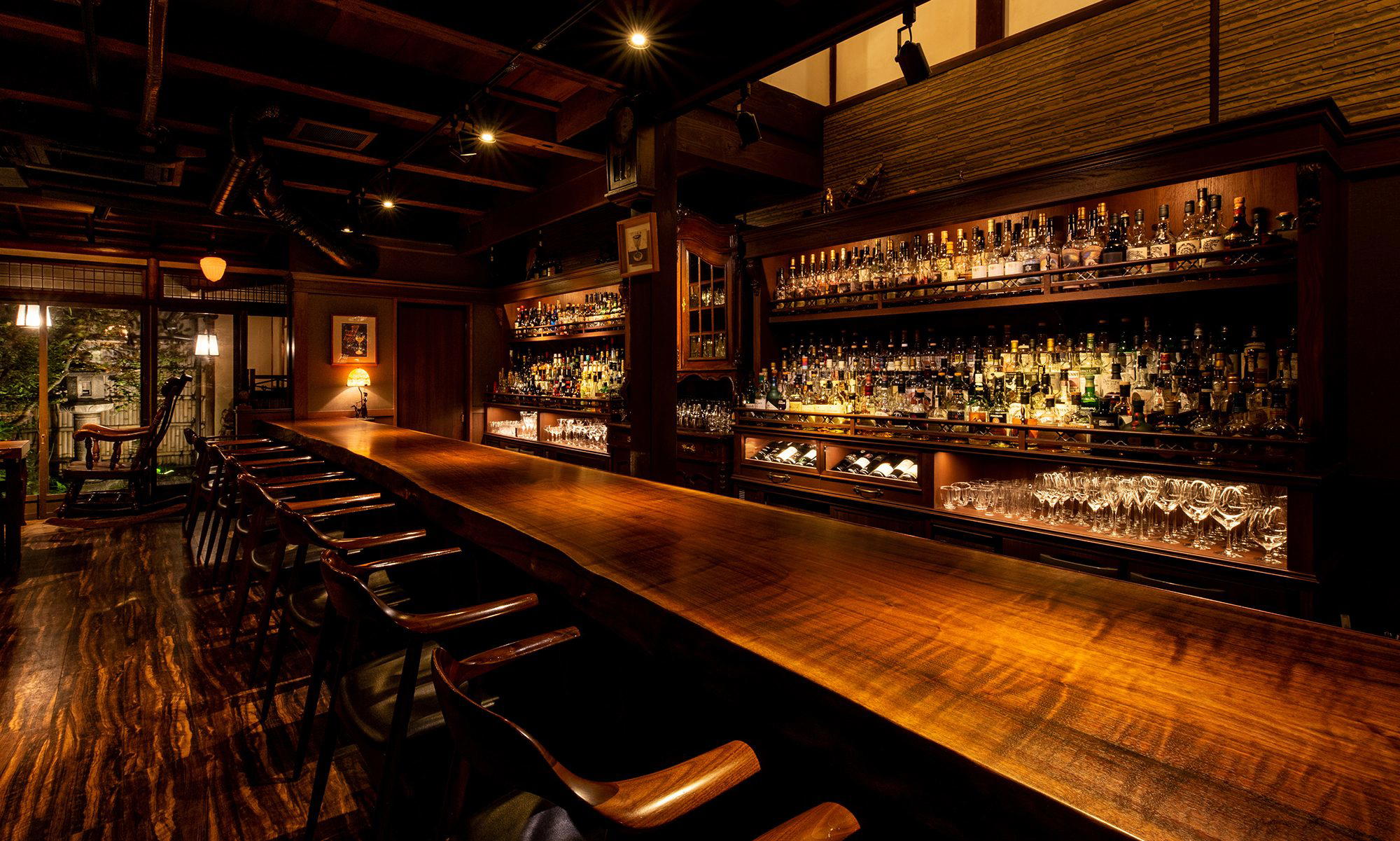
Bars in Kyoto
Browse all →
Hotels in Kyoto
Browse all →
Wineries in Kyoto
Browse all →
At a Glance
- Classic
- Cozy
- Intimate
- Date Night
- Special Occasion
- Sake Program
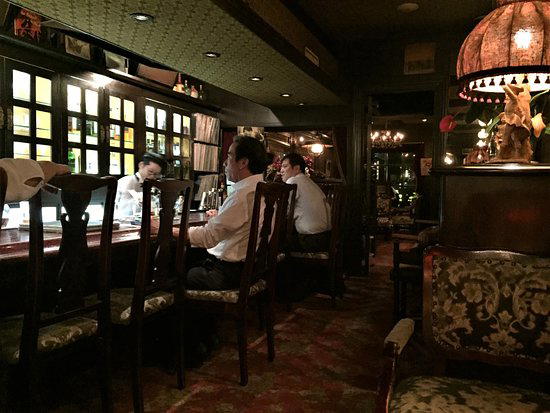
Nostalgic mid-20th-century Japan atmosphere along Takoyakushi Street, with customers sitting shoulder to shoulder.